Last updated Jun 23, 2026
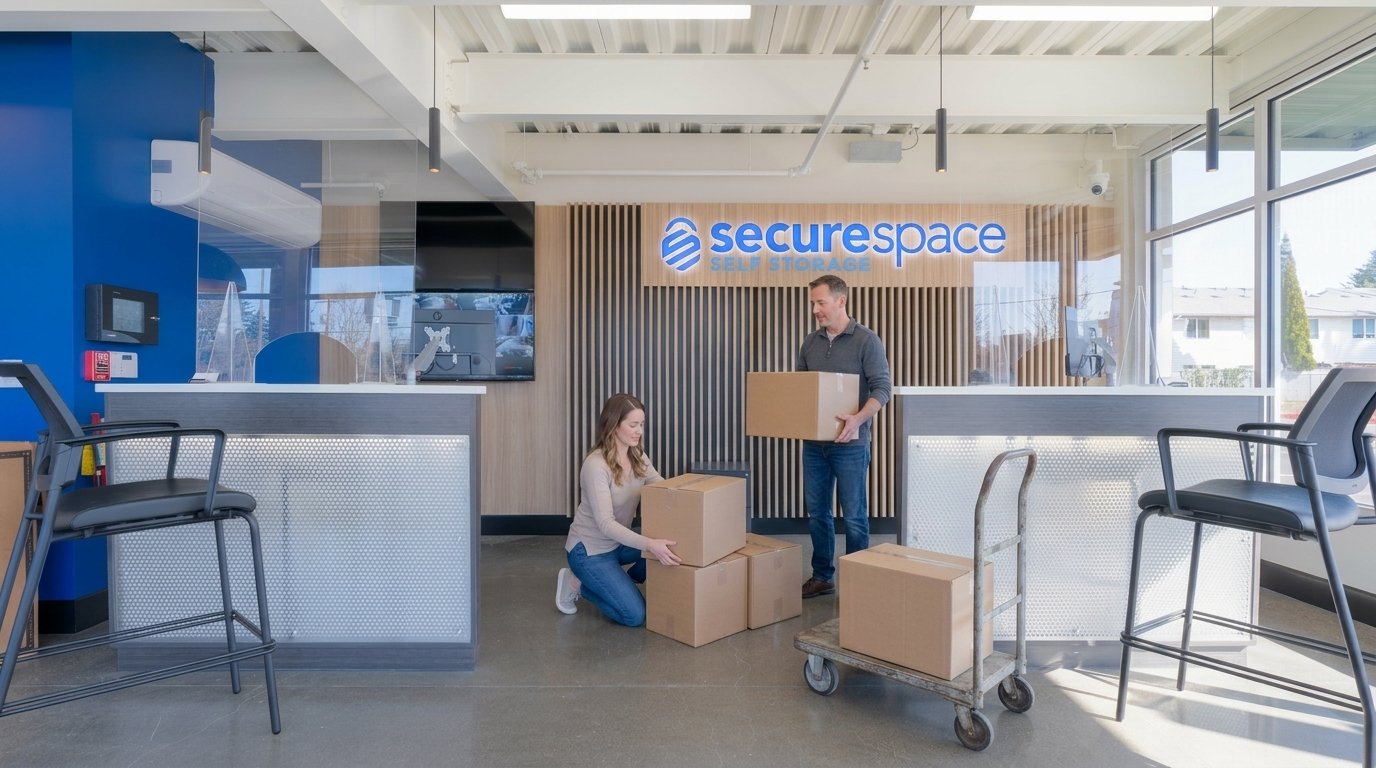
Planning a move or decluttering your home is often a stressful transition. When you live in a bustling urban environment like Portland, Oregon, figuring out exactly where to put your extra belongings adds a complicated layer to the process. You want a solution that is secure, flexible, and convenient for your specific lifestyle.
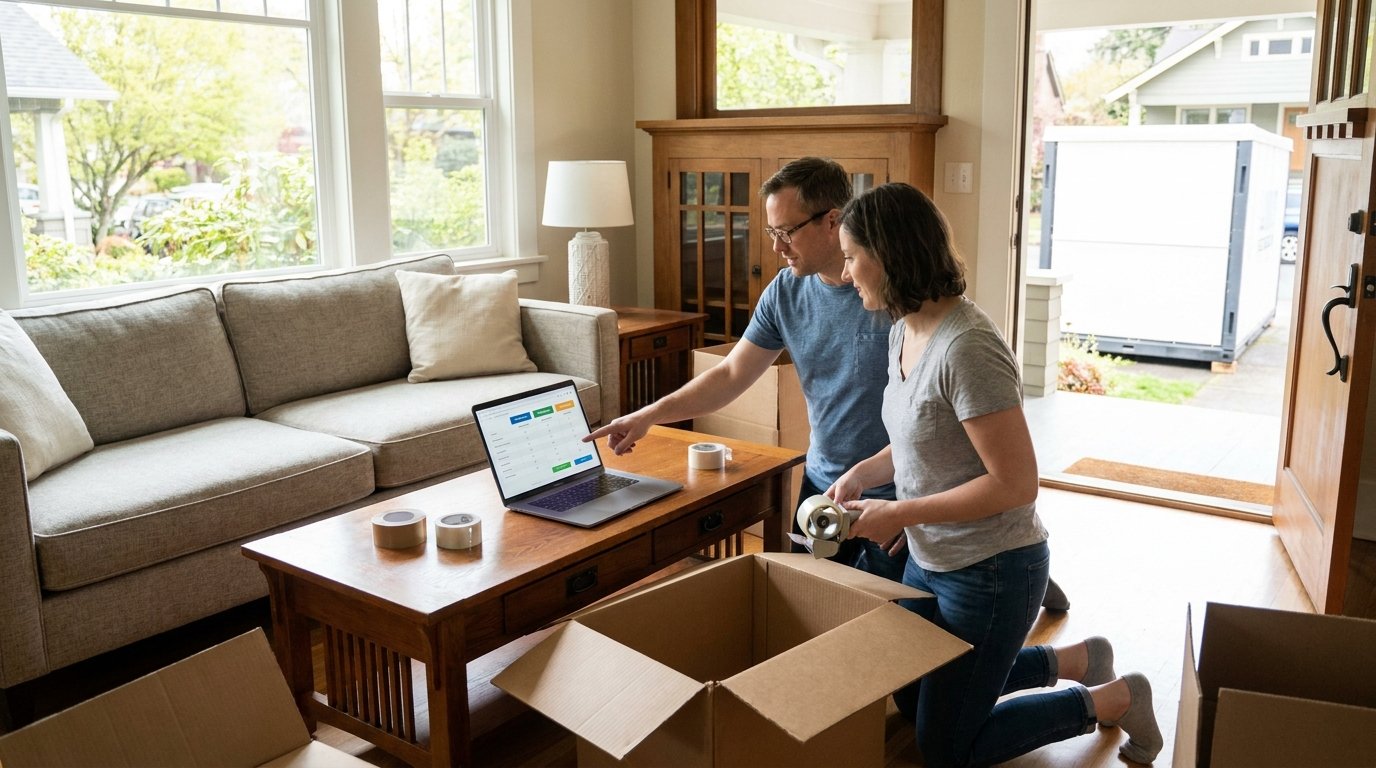
Many people immediately think of portable storage containers, such as PODS, as the easiest option. The idea of having a storage box dropped right in your driveway sounds useful on paper. However, the unique urban geography of Portland can clash with the marketed convenience of these on-demand services.
Choosing the right storage solution requires understanding the hidden logistics of your neighborhood. This guide explores the differences between traditional self storage and portable containers in Portland. By looking at local street permit requirements, Pacific Northwest weather patterns, and street-level security concerns, you can make a more confident decision for your belongings.
The residential landscape of Portland presents immediate logistical hurdles for portable storage solutions. Over the last two decades, the city has experienced significant infill development. This growth has resulted in a high density of apartment dwellers, particularly in the Pearl District, Slabtown, and the inner Southeast quadrants.
In historic districts and growing neighborhoods, residents often live in multi-story buildings, converted industrial lofts, or divided craftsman homes. These areas can feature narrow streets, busy traffic lanes, integrated bike lanes, and limited curb space. Many homes and apartment buildings also lack the large private driveways needed for portable-container delivery.
Portable storage delivery systems can require a large footprint to operate safely. Some providers require a flat, level surface with a clearance area around 12 feet wide, 15 feet high, and 40 feet long. That is longer than two standard parallel parking spaces and can be difficult to secure in dense Portland neighborhoods.
For an apartment dweller in the Pearl District or a renter in Southeast Portland, finding 40 continuous feet of unobstructed, flat space may be difficult. The 15-foot vertical clearance requirement can also be complicated by Portland's tree canopy, utility lines, or other overhead obstructions. If the delivery path is blocked, the provider may refuse placement or require a different location.
Because many urban Portland dwellings do not have large private driveways, portable containers may need to be placed in the public right-of-way. If the container must sit in the public right-of-way, this placement triggers a requirement for a Temporary Street Use Permit (TSUP) administered by the Portland Bureau of Transportation (PBOT).
Renting a portable container may mean applying for the permit through PBOT, planning ahead for processing time, and following the city's placement, signage, and right-of-way rules. Requirements can vary based on the street, location, container footprint, and duration.
If you live in an area governed by a Homeowner Association (HOA), you may face additional rules. Some HOAs limit portable storage containers or restrict how long they can remain visible. Before scheduling delivery, check city requirements, HOA rules, and provider placement guidelines.
The most important environmental variable influencing storage choices in Portland is the region's climate. The Pacific Northwest experiences a prolonged rainy season, with persistent precipitation and damp conditions across much of the year.
When personal belongings are placed inside a standard, non-climate-controlled steel container on a damp Portland street, they can be exposed to temperature swings and condensation risk. This phenomenon, known as "container rain", occurs when the exterior metal of the unit cools rapidly overnight.
As the metal cools, humid air inside the container can condense on interior surfaces. If moisture builds up, items such as mattresses, leather furniture, paper documents, fabrics, and cardboard boxes may be more vulnerable to dampness or mold risk.
Portable containers can still work well for some moves, especially short-term projects with careful packing and suitable placement. But Portland's damp climate means customers should think carefully about ventilation, weather exposure, packing materials, and how long belongings will remain inside the container.
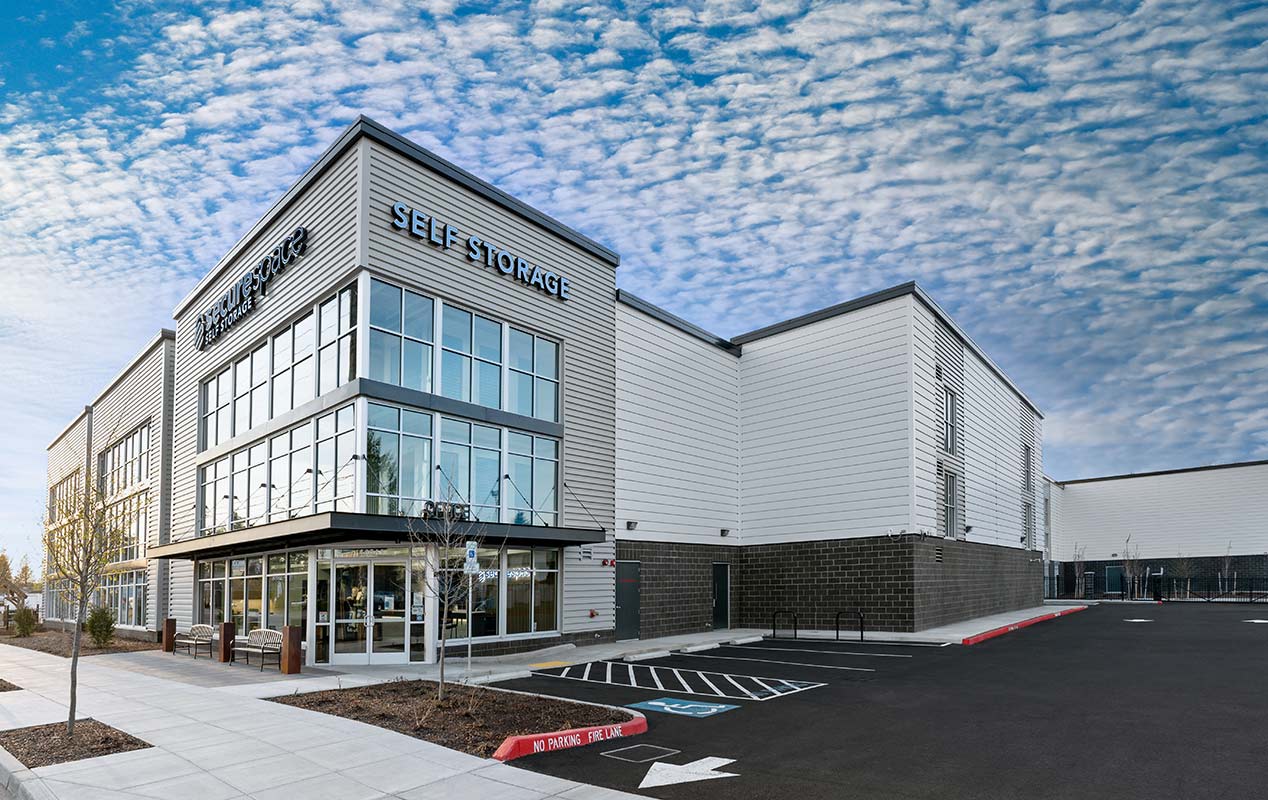
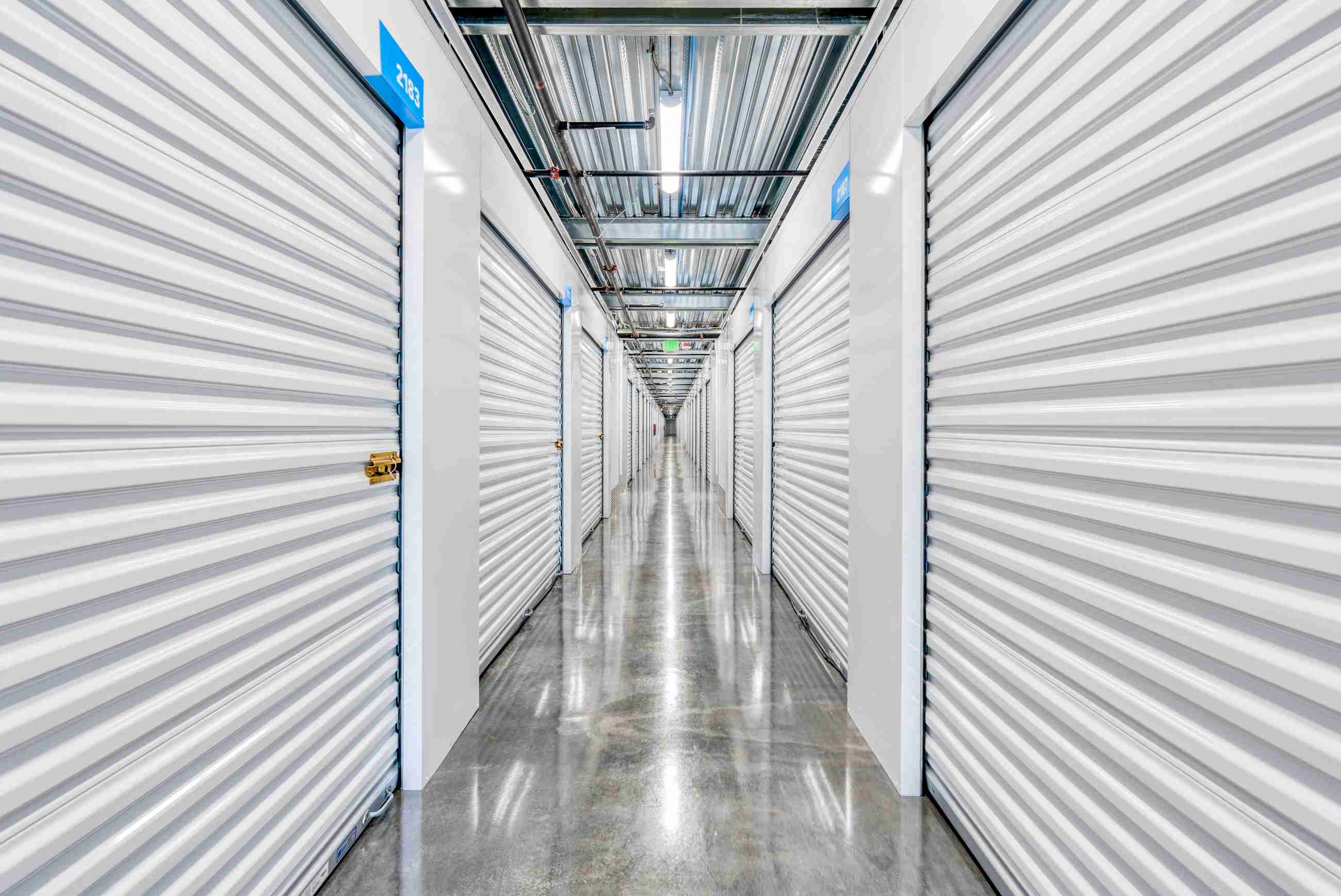
Indoor storage can be a more practical alternative for belongings you do not want sitting in an outdoor container during wet weather. SecureSpace Self Storage Centennial offers heated indoor storage. Heated storage is not the same as climate-controlled storage, and it does not provide strict humidity control.
Still, heated indoor storage may be preferable to a metal container on a wet street for many household items, especially when belongings are packed clean, dry, and elevated where possible. Use sealed bins for smaller items, protect furniture with breathable covers, and avoid storing anything damp.
Security is a major concern for anyone storing valuable possessions. Leaving belongings in a portable container on a public street or shared driveway can create different risks than moving them into a storage facility.
Street-level storage can be vulnerable because containers may sit unattended for days, depending on the move timeline. Local coverage of break-ins at the Hawthorne Asylum food cart pod and the Portland Mercado illustrates how property left in visible, street-level settings can attract theft concerns.
That does not mean every portable container is unsafe, and it does not mean a storage facility can guarantee protection. The practical takeaway is to compare the risks of where your belongings will sit, how long they will remain there, and what security-related features are available.
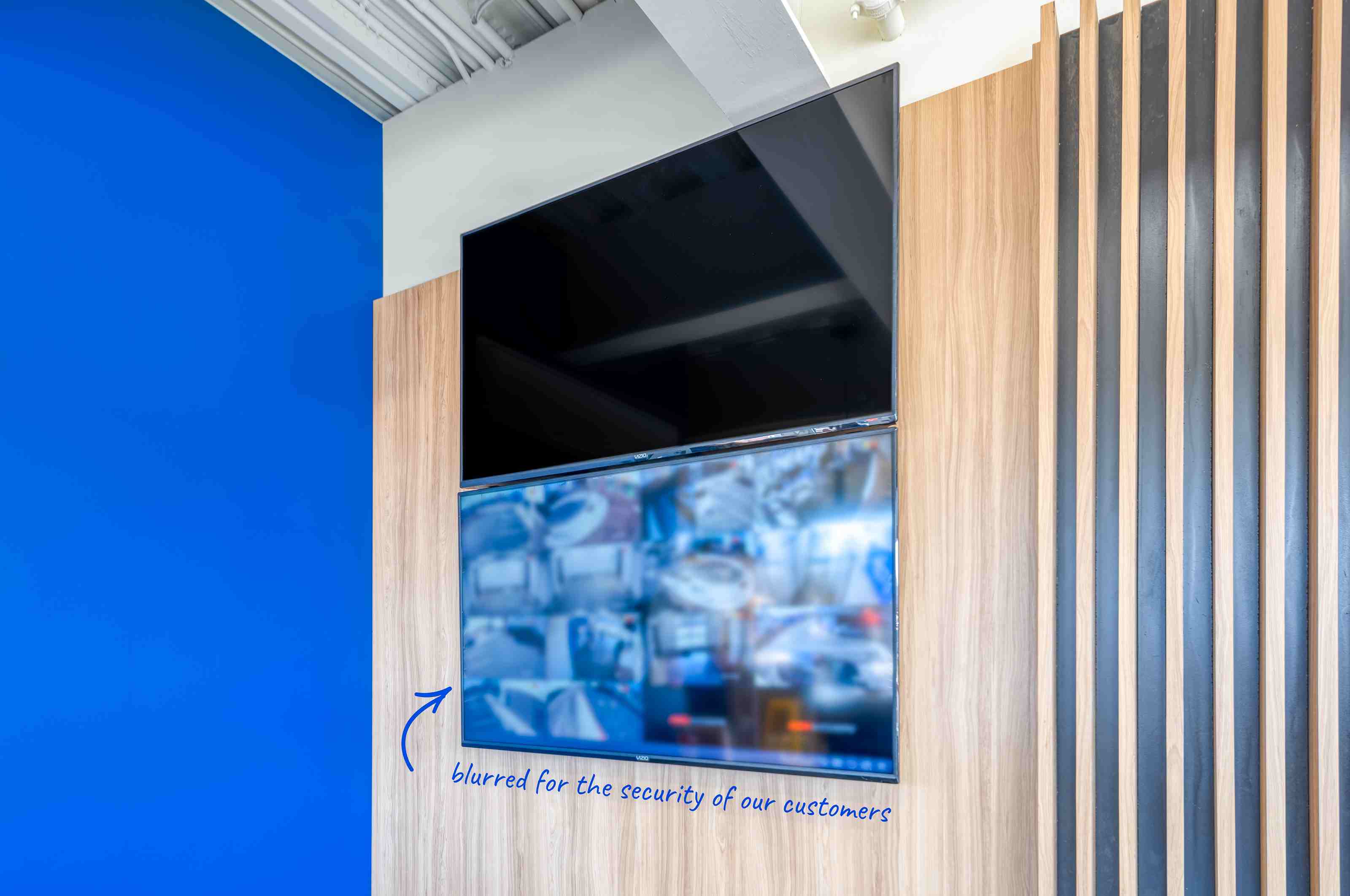
SecureSpace Self Storage Centennial includes digital video recording, logged access, and overnight surveillance. Customers should also use a quality lock, keep an inventory of stored items, avoid storing prohibited valuables, and review coverage requirements before move-in.
Portable storage companies often advertise a base monthly rental rate and delivery fee. In Portland, the total cost can change once public right-of-way placement, permit requirements, timing, and neighborhood logistics are factored in.
If a container must be placed on a street, PBOT requirements may include permit fees, signage, placement rules, and limits based on the exact location. Fee details can change, so customers should check current city guidance before budgeting.
Depending on the placement, you may also need to post required signs in advance or rent commercial-grade barricades from local rental companies. If an unauthorized vehicle is parked in your reserved space on delivery day, that can create additional delays or costs.
Self storage has its own monthly cost, but it can be simpler to budget because you are renting a unit rather than coordinating a street placement. For many Portland residents, the choice comes down to whether driveway convenience outweighs the permit planning, weather exposure, and curb-space limitations of a portable container.
The comparison between portable storage and traditional self storage in Portland depends on your address, timeline, budget, and the items you need to store. Portable containers may work well when you have a suitable driveway, short move timeline, and clear delivery access. Traditional self storage may be a better fit when you want indoor storage, ongoing access, and fewer public-street logistics.
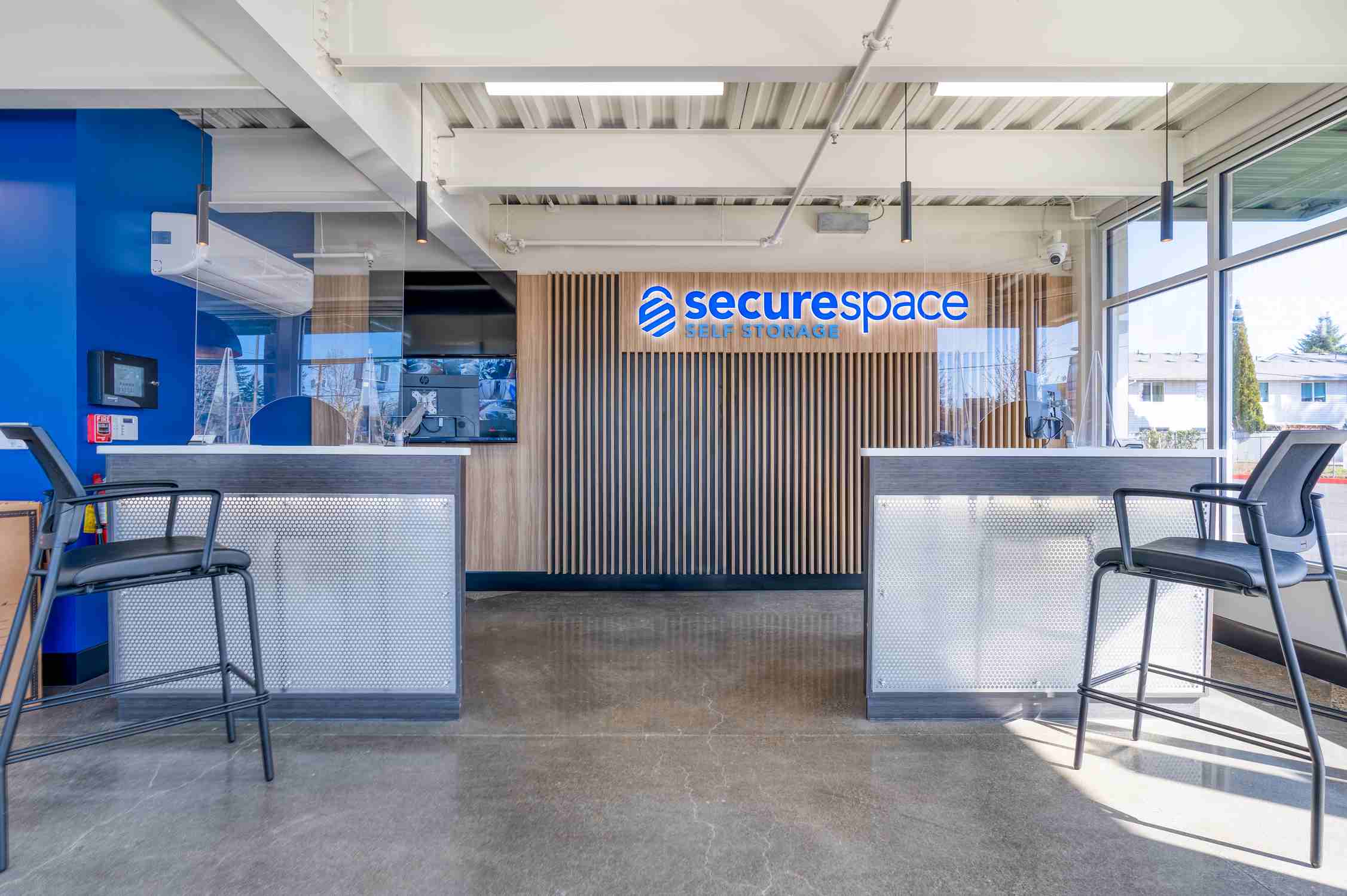
For Portland residents dealing with a home renovation, downsizing project, move, or decluttering effort, heated indoor self storage can offer a practical alternative to leaving belongings in a container outdoors. SecureSpace Self Storage Centennial offers heated indoor storage, covered loading, elevator access, extra-large elevators, carts and dollies, online payments, ACH and credit card payment plans, daily access from 7:00 AM to 10:00 PM, and month-to-month leases.
Ready to compare storage options without the street-placement headaches? Explore current availability for self storage in Portland, OR.
If a portable storage container is placed in the public right-of-way, Portland may require a Temporary Street Use Permit through PBOT. Requirements can vary based on location, duration, placement, and street conditions. Check current city guidance before scheduling delivery.
Heated indoor storage may be a better fit for many Portland residents who do not want belongings sitting in a container outdoors during wet weather. SecureSpace Self Storage Centennial offers heated indoor storage, but not climate-controlled storage or strict humidity control. Pack items clean and dry, use sturdy containers, and avoid placing damp belongings into storage.
Some portable-container delivery systems require a flat, level clearance area around 12 feet wide, 15 feet high, and 40 feet long. In dense Portland neighborhoods, that can be difficult to secure without using public curb space. Check the provider's delivery requirements before booking.
A traditional storage facility may offer security-related features that a street-placed container does not. SecureSpace Self Storage Centennial includes digital video recording, logged access, and overnight surveillance. No storage option can guarantee protection, so use a quality lock, keep an item inventory, and review coverage requirements.
Everything you need to store your belongings securely, on your schedule.
Visit us online