Last updated Aug 12, 2026
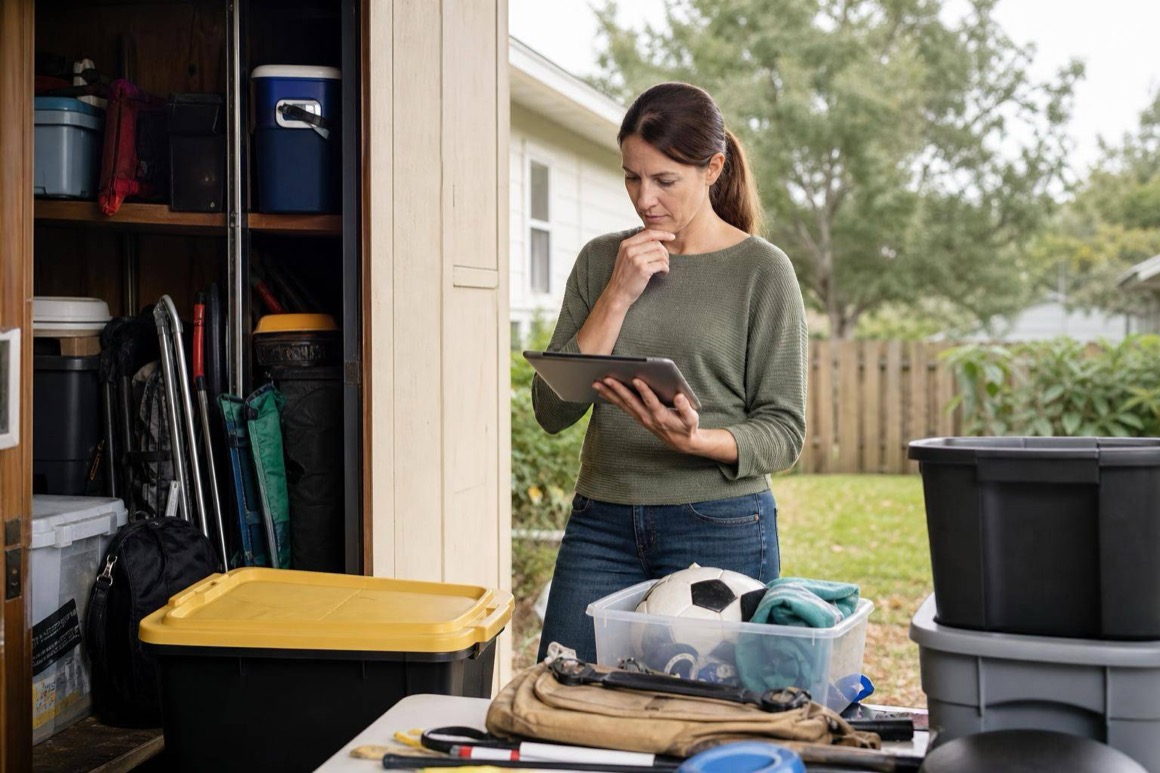
Riverview homeowners often face the same space problem: the garage is full, closets are packed, and outdoor storage may be limited by HOA rules or lot size. For many households, the choice comes down to two options: install a backyard shed or rent a storage unit.
Riverview homeowners may compare both options when they need room for seasonal items, furniture, tools, outdoor gear, documents, or home-project supplies. The better choice depends on budget, timeline, HOA rules, what you plan to store, and how long you need the extra space.
This guide compares shed installation and self storage in Riverview, including permitting, HOA approvals, Florida weather, storage costs, and practical tradeoffs.
A shed can look simple at first: buy the structure, place it in the yard, and move items inside. In practice, the total cost can include more than the sticker price.
Depending on the size and setup, homeowners may need to consider:
Shed purchase price: Prefabricated sheds, custom sheds, and larger structures can vary widely in cost.
Site preparation: Leveling, concrete pads, gravel bases, or drainage work may add to the project.
Anchoring: Florida shed installations may need wind-rated anchoring or tie-down systems.
Permit or zoning requirements: Rules can depend on size, location, and local requirements.
HOA approval: Some communities restrict or prohibit sheds, while others require architectural review.
Maintenance: Exterior repairs, pest control, roof upkeep, and weather exposure can add long-term costs.
Florida is also different from many other states because wind resistance and anchoring matter. The Florida Building Code mandates that sheds be designed and anchored for local wind conditions, and the Tampa/Hillsborough County area may require planning around wind speeds, anchoring, and site requirements.
Before buying a shed, it is worth pricing the full project rather than only comparing the shed shell to a monthly storage rate.
Shed rules depend on size, location, and project details. In Hillsborough County, smaller accessory structures may have different requirements than larger ones, but homeowners should still check zoning, setbacks, anchoring, easements, utilities, and HOA rules before installing anything.
Sheds 150 square feet or larger may require a full permit application, along with supporting documents and inspections. Smaller sheds may still need to comply with setback and placement rules, even when a full building permit is not required.
Before starting, confirm:
Size threshold: Check whether the planned shed size changes the permit process.
Setbacks: Make sure the shed can legally sit where you want it.
Easements: Avoid placing a structure over drainage, utility, or access easements.
Anchoring: Confirm wind-resistance and tie-down requirements.
HOA approval: Get written approval if your community requires it.
Electrical work: Any wiring, lighting, or power may trigger additional requirements.
A shed can be useful, but the approval process can take longer than expected if documents, site plans, or HOA review are needed.
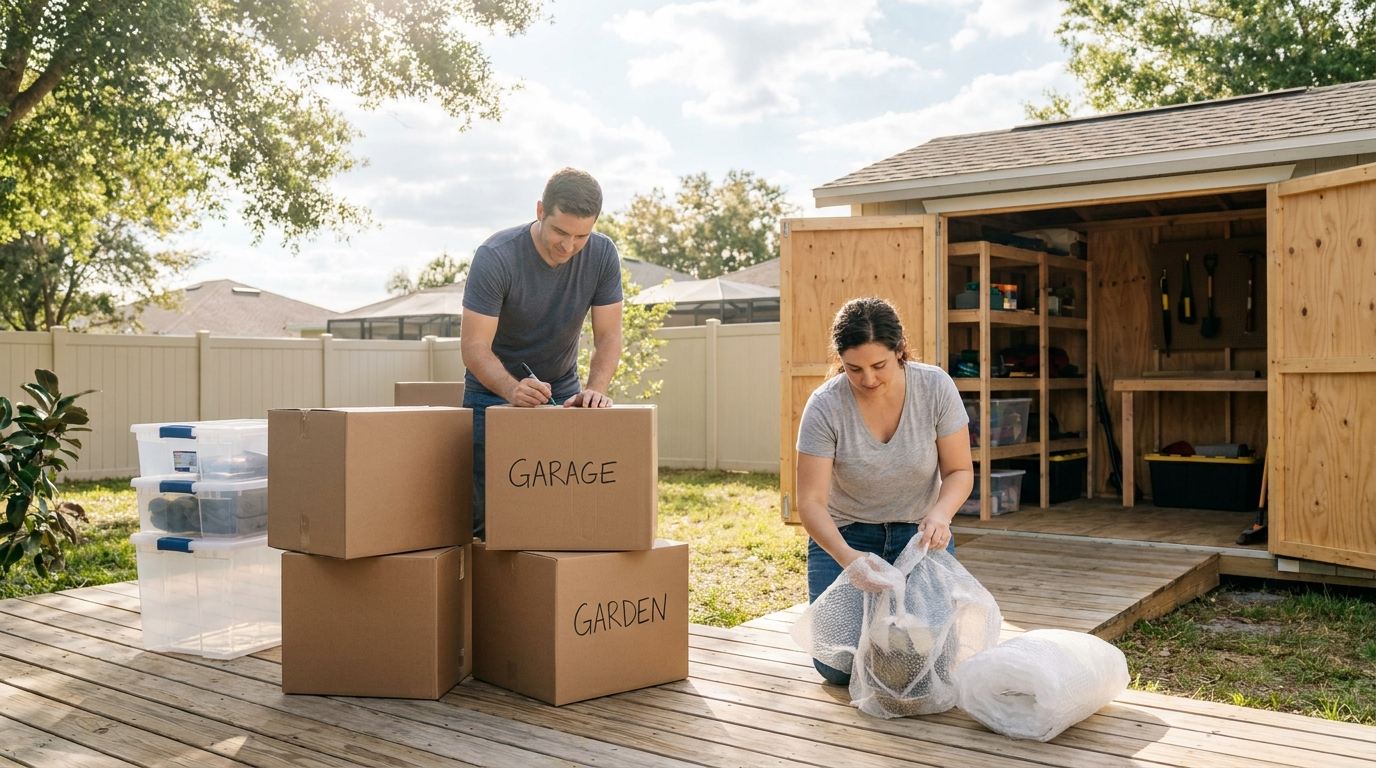
For many Riverview residents, HOA rules are the deciding factor. Some communities allow sheds with approval, some restrict their size or visibility, and others may prohibit outbuildings altogether.
Riverview Lakes requires homeowners to submit materials to its Architectural Control Committee before certain exterior changes can be considered. Waterset, managed as a Community Development District (CDD), directs homeowners to HOA and community standards that may affect exterior changes and property use.
The key point is simple: do not assume a shed is allowed just because it fits in the yard. Review your CC&Rs, architectural standards, and any CDD or HOA rules before purchasing a shed.
If approval is required, ask about:
Allowed shed size
Material and color requirements
Roof style or architectural matching
Placement and visibility
Screening requirements
Survey or site-plan requirements
Approval timeline
Rules for stored boats, trailers, or equipment
Self storage may be simpler when HOA rules, small lots, or visibility restrictions make backyard storage difficult.
Self storage is usually a monthly expense rather than a construction project. Pricing varies by unit size, unit type, availability, move-in date, and current promotions.
A smaller unit may work for boxes, seasonal decor, documents, and compact household overflow. Mid-size units may fit furniture, home-project supplies, or garage items. Larger units may be useful during renovations, moves, or major decluttering projects.
When comparing storage costs, look at:
Unit size: Do not pay for more space than you need, but avoid cramming items into a unit that is too small.
Unit type: Climate-controlled units and drive-up units serve different needs.
Move-in costs: Ask about locks, admin fees, coverage requirements, and payment timing.
Promotion terms: Introductory offers may apply only to specific units or rental periods.
Rental flexibility: Month-to-month leases can help if your timeline changes.
Unlike a shed, storage does not require yard space, construction, or HOA approval for an outbuilding. That can make it a practical option for homeowners who need extra space quickly or temporarily.
A backyard shed may be convenient, but it is usually not the same environment as a climate-controlled storage unit. In Florida, heat, moisture, storms, pests, and long storage periods all deserve attention.
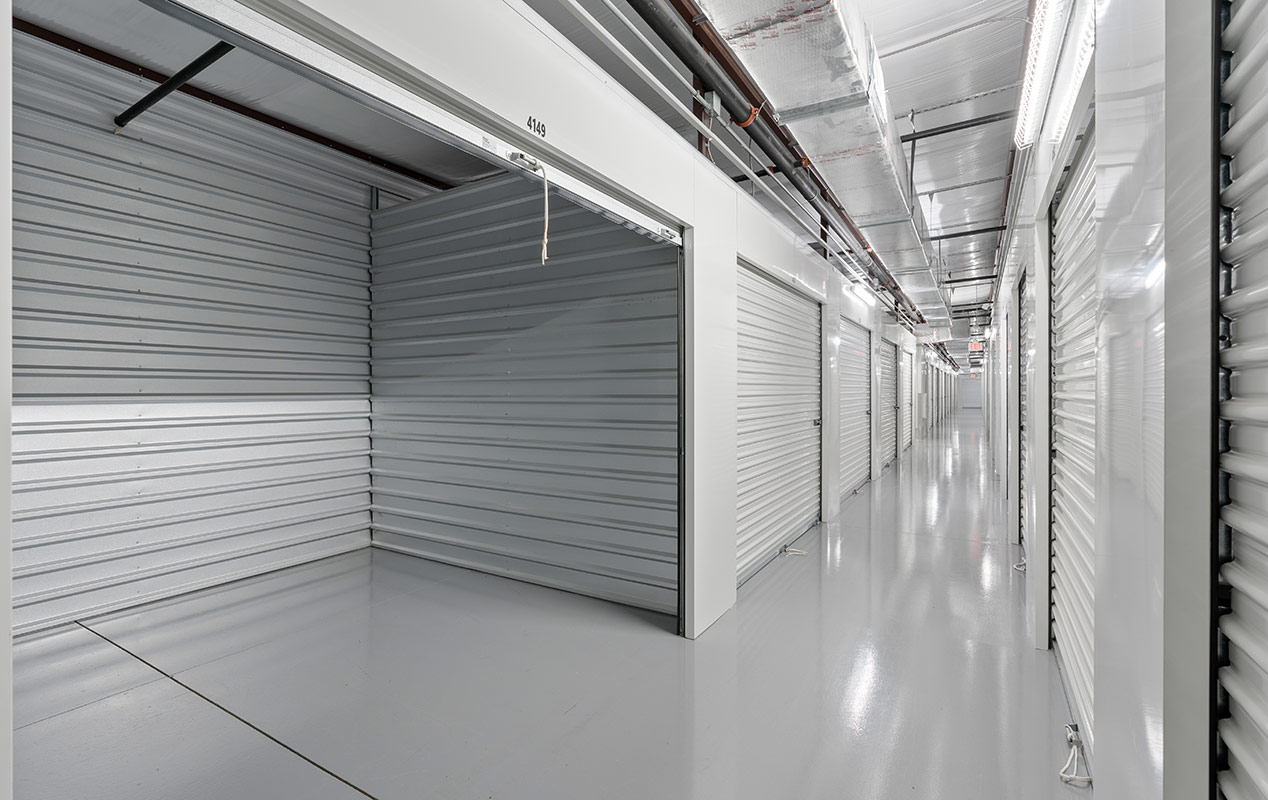
Climate-controlled storage may be useful for belongings that benefit from a more stable storage environment, such as:
Wood furniture
Electronics
Photos
Documents
Clothing and textiles
Mattresses
Keepsakes
Seasonal decor
Climate-controlled storage is not a guarantee against damage, so preparation still matters. Store items clean and dry, avoid packing anything damp, use sturdy boxes or bins, and keep belongings organized so they are easy to inspect and retrieve.
For durable outdoor items, tools, or lawn equipment, a shed or drive-up storage unit may be practical depending on the item, access needs, and how long it will be stored.
A non-compliant shed can create issues later. If a shed violates setback rules, easement restrictions, or HOA requirements, a homeowner may have to move it, modify it, seek retroactive approval, or remove it before a sale or inspection issue is resolved.
That does not mean every shed is a bad idea. A properly approved and well-installed shed can be useful. But homeowners should understand the full process before buying one.
Before installing a shed, keep records of:
Permit approvals or exemption confirmation
HOA or architectural review approval
Site plans or surveys
Installer documentation
Anchoring details
Receipts and product specifications
Good documentation can help avoid confusion later, especially if you sell the home or need to answer HOA questions.
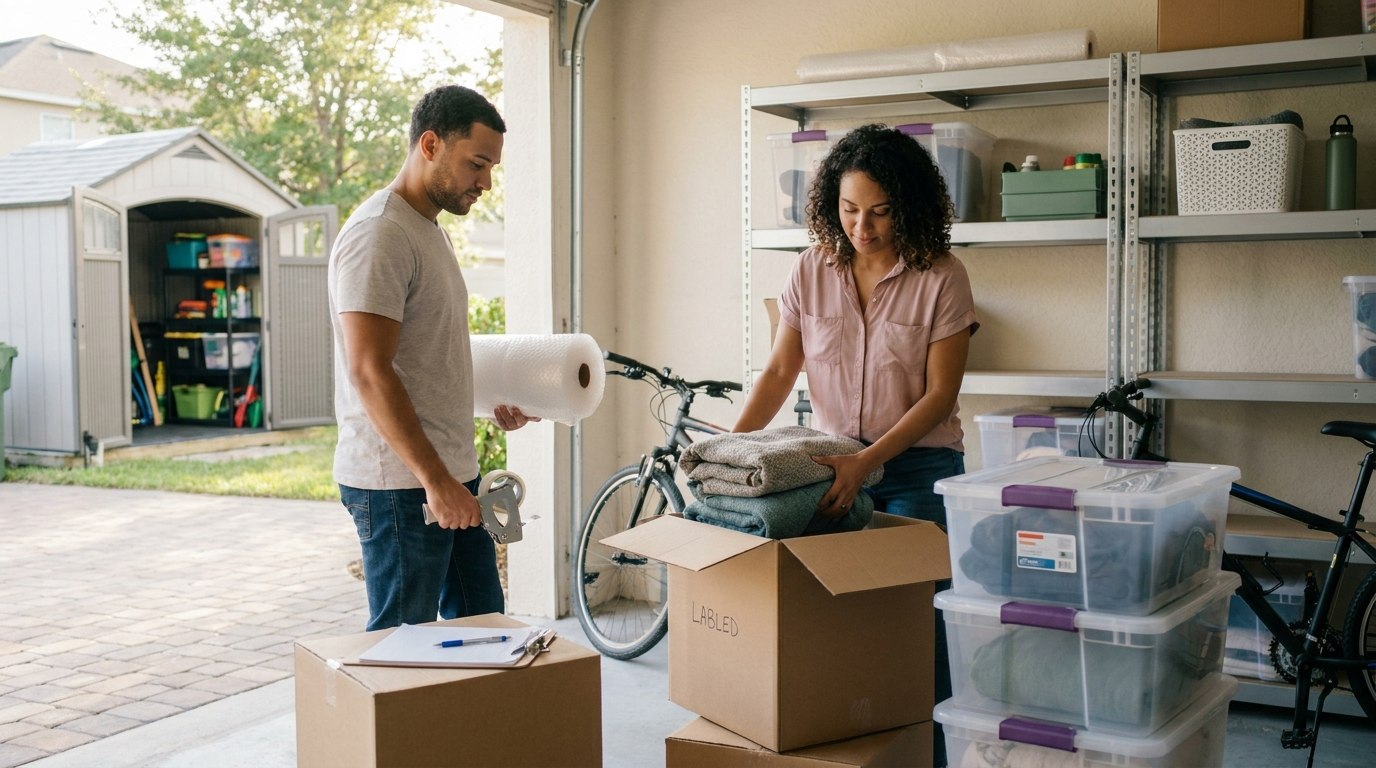
A shed and a storage unit solve similar space problems in different ways. The better option depends on how you plan to use the space.
Consider a backyard shed if:
You want storage directly on your property.
Your HOA allows sheds.
Your lot has enough usable space.
You are comfortable handling permits, placement, and maintenance.
You mainly need storage for durable outdoor items.
Consider self storage if:
You need space quickly.
Your HOA limits sheds or outdoor storage.
You want month-to-month flexibility.
You are storing items that may benefit from climate-controlled storage.
You do not want to add a permanent structure to your yard.
You need more space during a move, renovation, or decluttering project.
For many Riverview homeowners, self storage may be the simpler short-term choice. A shed may make sense for long-term outdoor storage if it is allowed, properly installed, and worth the upfront cost.
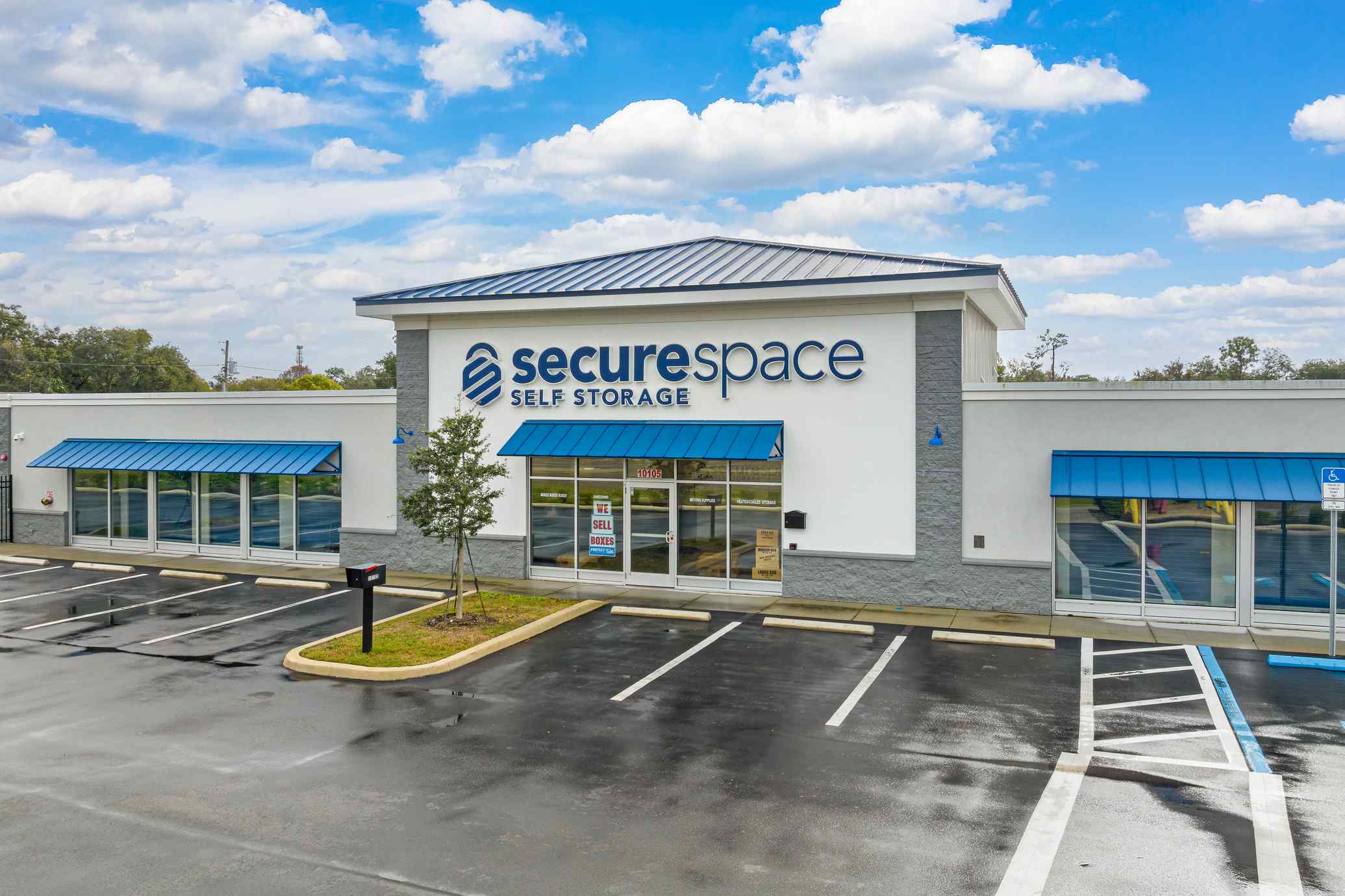
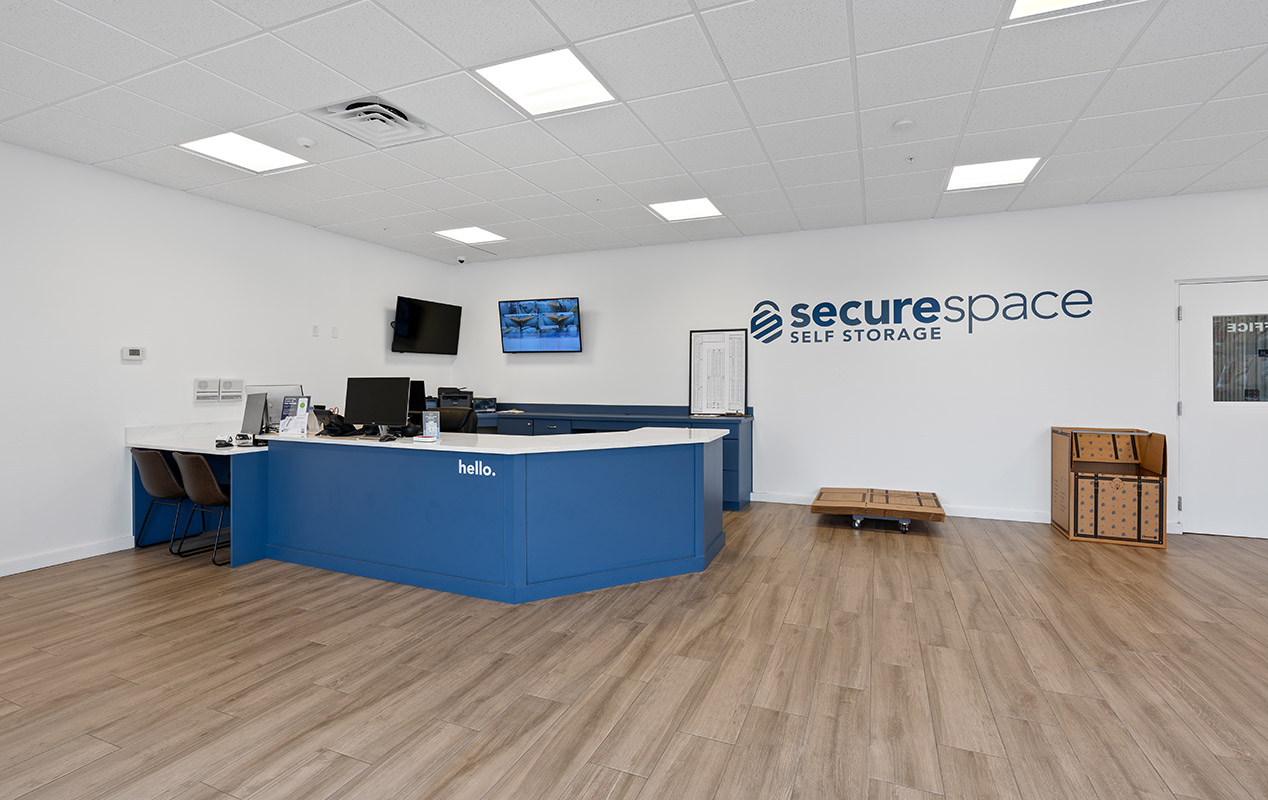
SecureSpace Self Storage Riverview is located at 10105 Gibsonton Dr, near I-75, US-301, and nearby Riverview neighborhoods. The facility offers self storage, climate-controlled storage, drive-up units, carts and dollies, online payments, touchless move-in, and month-to-month leases.
Available unit sizes include 5x5, 5x10, 10x10, 10x15, 10x20, 10x25, and 10x30. Current availability can change, so review available units before planning a move-in.
SecureSpace Riverview also offers security features such as an access gate, digital video recording, logged access, overnight surveillance, and touchless computer-controlled access.
For homeowners comparing storage with a shed, the main advantage is flexibility. You can choose a unit size that fits your current project, use storage for as long as you need it, and avoid installing a permanent structure in the yard.
If you need to store an eligible vehicle, trailer, boat, or RV, confirm dimensions, door clearance, availability, and facility rules before renting. SecureSpace Riverview does not offer separate outdoor parking spaces for rent, but eligible items may fit in certain drive-up units when requirements are met.
Smaller sheds may have different permit requirements than larger structures, but they still need to comply with zoning, setbacks, anchoring, easements, and any applicable HOA rules. Check Hillsborough County requirements before buying or installing a shed.
Setback rules can vary by zoning, lot conditions, easements, and HOA requirements. Review Hillsborough County guidance and your community documents before choosing a shed location.
It depends on the community. Some HOAs may allow sheds with approval, some may restrict size or visibility, and others may prohibit outbuildings. Review your CC&Rs and get written approval before purchasing a shed.
Costs vary widely based on size, materials, foundation, anchoring, site preparation, permits, and HOA requirements. Compare the full project cost, not just the shed shell.
Storage pricing changes based on unit size, unit type, availability, move-in date, and current promotions. Check current rates for the specific unit you are considering and review move-in costs before renting.
Florida law and HOA rules can be complex, and protections may depend on the item, location, visibility, and governing documents. Review your community rules and consult a qualified professional if you need legal guidance.
Choosing between a shed and self storage comes down to your home, HOA rules, timeline, budget, and what you need to store. A shed can work when it is allowed and properly installed. Self storage may be easier when you need flexible space without adding a permanent structure to your property.
Start by comparing current options for self storage in Riverview, FL.
Everything you need to store your belongings securely, on your schedule.
Visit us online