Last updated Jun 23, 2026
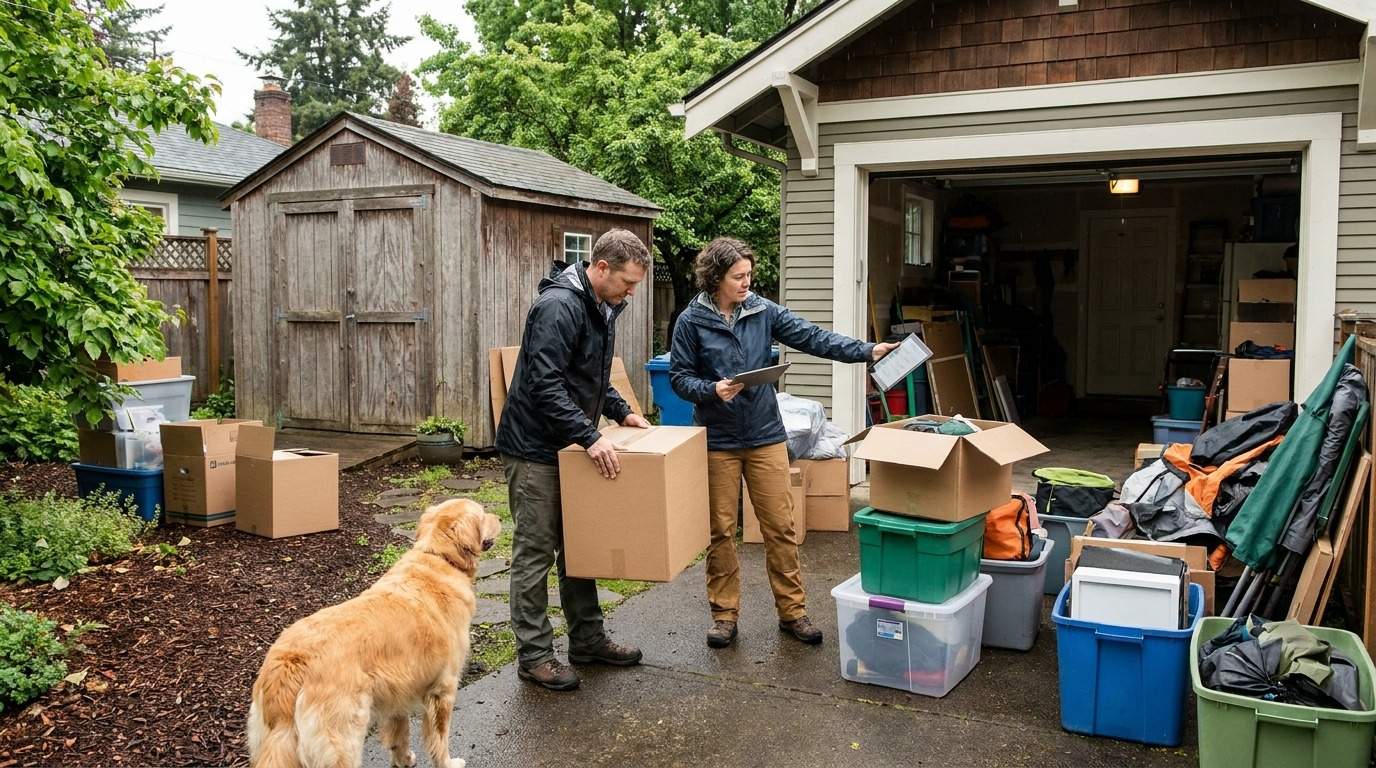
If you live in Portland, Oregon, you're likely familiar with the constant battle for space. Between downsizing, growing families, and accumulating outdoor gear for Pacific Northwest adventures, finding enough room for your belongings can be a major challenge.
Many residents eventually face a practical decision: should you build a backyard shed on your property, or rent a self storage unit? At first glance, a shed might seem like a permanent, convenient fix. However, when you dig into the realities of living in Portland-from the weather to dense urban neighborhoods-the answer becomes more complex.
This guide breaks down the true costs, permitting considerations, and storage-environment factors to compare. By understanding the specific challenges of the Portland market, you can choose the storage solution that better fits your belongings, budget, and lifestyle.
The primary motivation behind this decision is usually a need for overflow space, often triggered by downsizing, growing household needs, or accumulating outdoor gear. However, the upfront financial burden of constructing or purchasing a shed can be significant.
The economic realities of shed installation can be daunting. According to The Home Depot, the average cost to install a backyard shed in the Portland area is approximately $3,634. Most homeowners may spend thousands of dollars for a standard installation, depending on the size, material, site conditions, and required customizations.
Consumers also frequently underestimate the hidden ancillary costs associated with shed installation. Homeowners may need to factor in land clearing, grading, pouring a concrete slab or foundation, and hiring licensed professionals if the shed needs electrical work, lighting, or heating. High-pitched roofs, premium materials, and custom designs can further increase the budget.
Conversely, renting a self storage unit represents a lower-friction monthly expense. Rates vary by unit size, location, availability, and facility features, but renting storage can provide immediate space without the same upfront construction cost. Self storage can also avoid ongoing shed maintenance, painting, roofing, and repair expenses.
A major barrier to shed installation in Portland is the permitting, zoning, and compliance process managed by Portland Permitting & Development. The city enforces building codes and land-use rules for accessory structures, and requirements can vary based on size, height, location, utilities, and property-specific zoning.
Specifically, the Bureau of Development Services requires a formal building permit to build, tear down, or alter any detached accessory structure that exceeds 200 square feet, measured from the interior walls, or is taller than 15 feet. Even smaller, non-habitable structures may still need zoning review or must comply with setback and placement rules.
Shed placement can be affected by lot line setbacks, structure height, eave projections, building footprint limits, and other property-specific requirements. These rules can be especially important on smaller lots, where the available backyard space may already be constrained by fences, trees, slopes, driveways, or existing structures.
If you want to run plumbing, HVAC, or electrical systems to a shed, additional permits may be required regardless of the structure's size. Before buying or building a shed, homeowners should review the current rules for their address and confirm requirements with the city or a qualified professional.
For properties located within Portland historic or conservation districts, the review process may include additional design and compatibility requirements. Homeowners may need to consider rooflines, exterior materials, trim, windows, visibility from the street, and neighborhood character.
That does not mean sheds are impossible in these areas, but it does mean the process can take more planning than a simple online purchase. Renting a self storage unit can avoid those project-specific permitting and design hurdles while providing space more quickly.
Beyond urban density and permitting, the Pacific Northwest climate is a major factor in the shed-versus-storage decision. Portland's long wet season can create challenges for outdoor, unheated storage structures.
Persistent moisture and high ambient humidity can make DIY or prefabricated shed storage more maintenance-intensive. Surfaces may remain damp after rainfall, particularly on shaded sides of structures or beneath tree canopies. Over time, moisture can affect paint adhesion, wood condition, roofing, and the general durability of an outdoor shed.
The most important storage concern is moisture. Mold spores require consistent moisture to multiply. In the Portland climate, water intrusion, poor ventilation, condensation, or ground moisture can increase mold risk in an unheated outdoor shed.
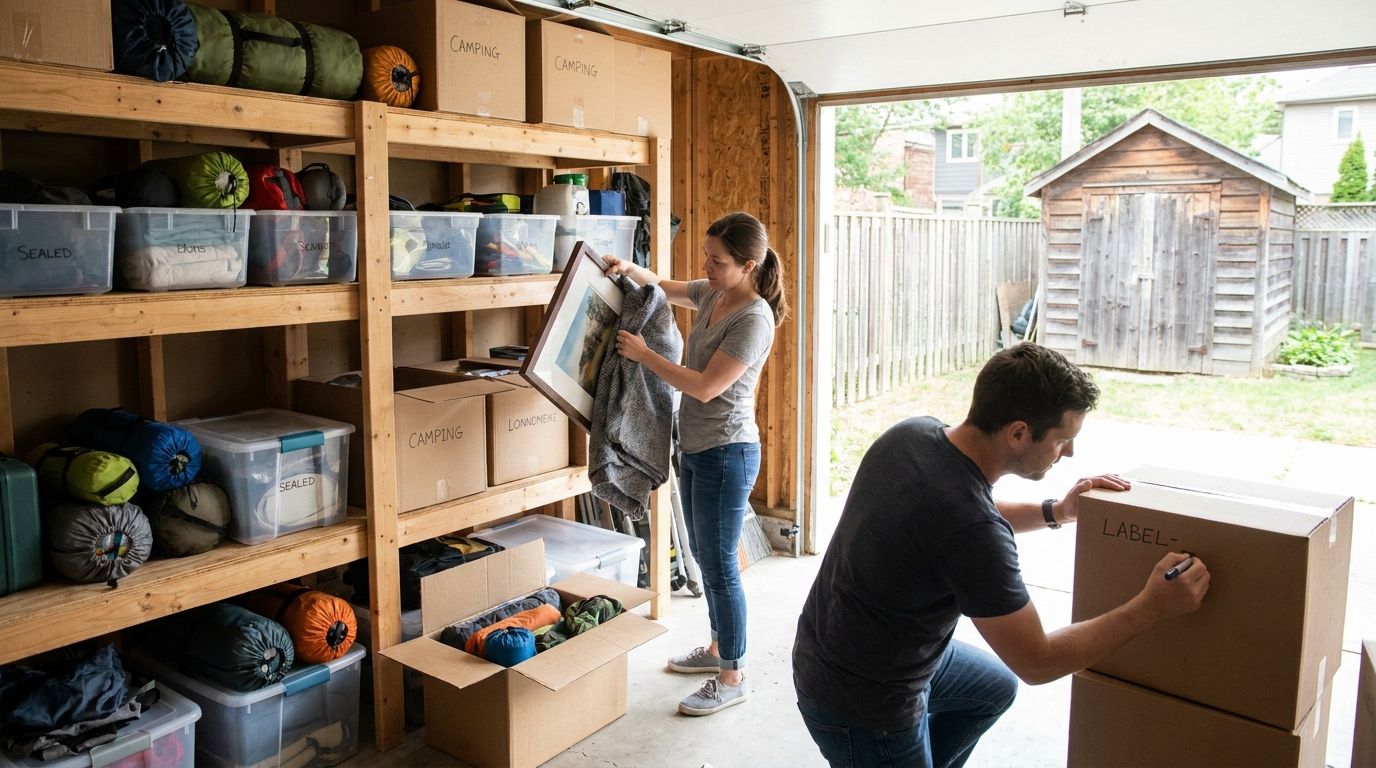
Items such as clothing, upholstered furniture, cardboard boxes, mattresses, documents, and camping gear should be stored carefully if they are placed in any damp-prone environment. Instead of assuming a shed will keep everything protected, consider how the structure handles ventilation, vapor barriers, roof drainage, floor elevation, and day-to-night temperature changes.
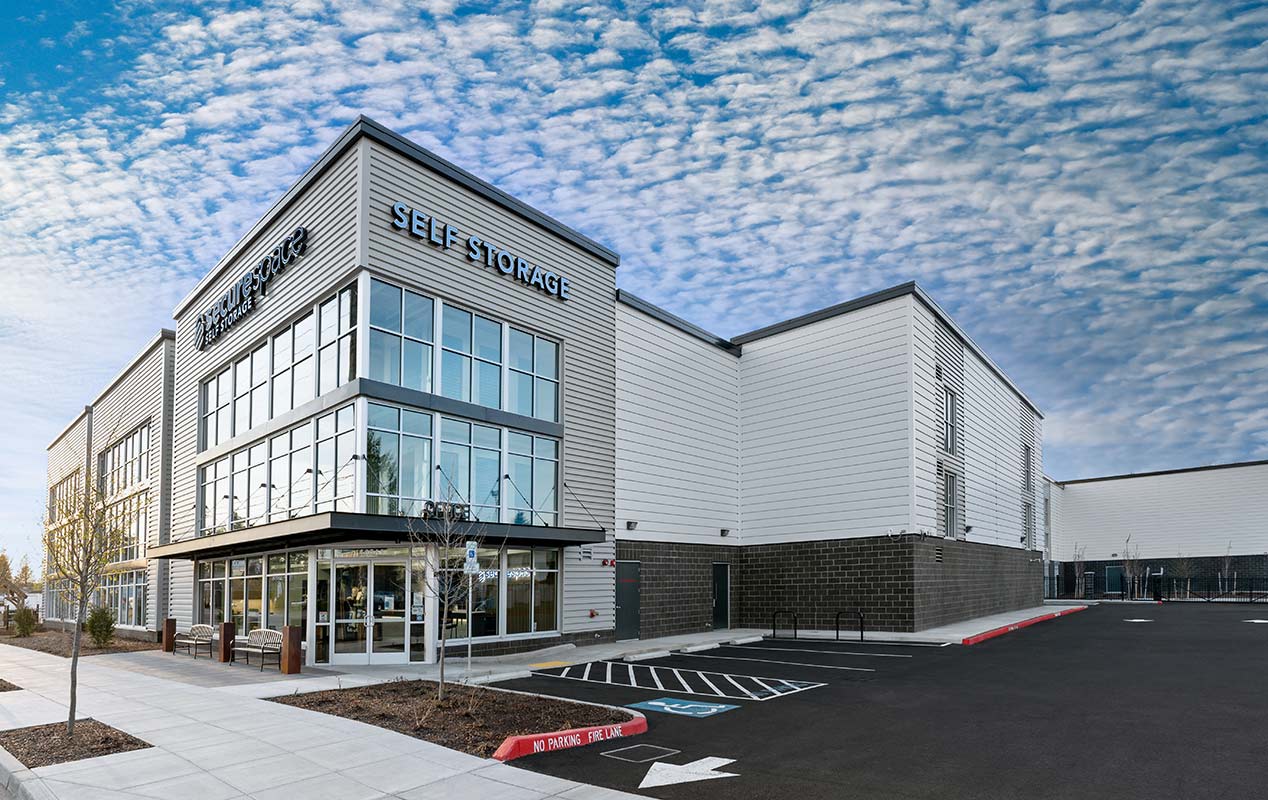
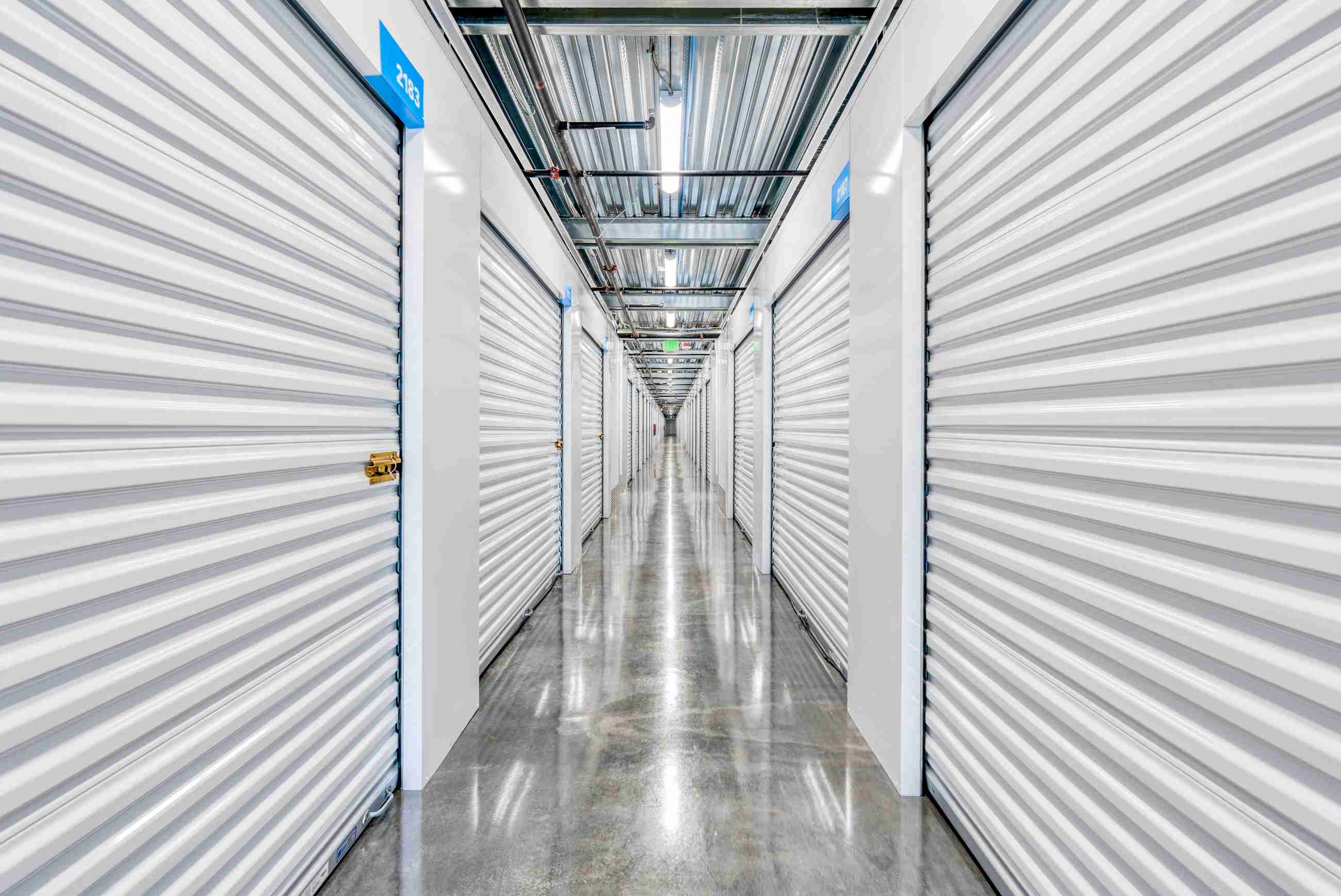
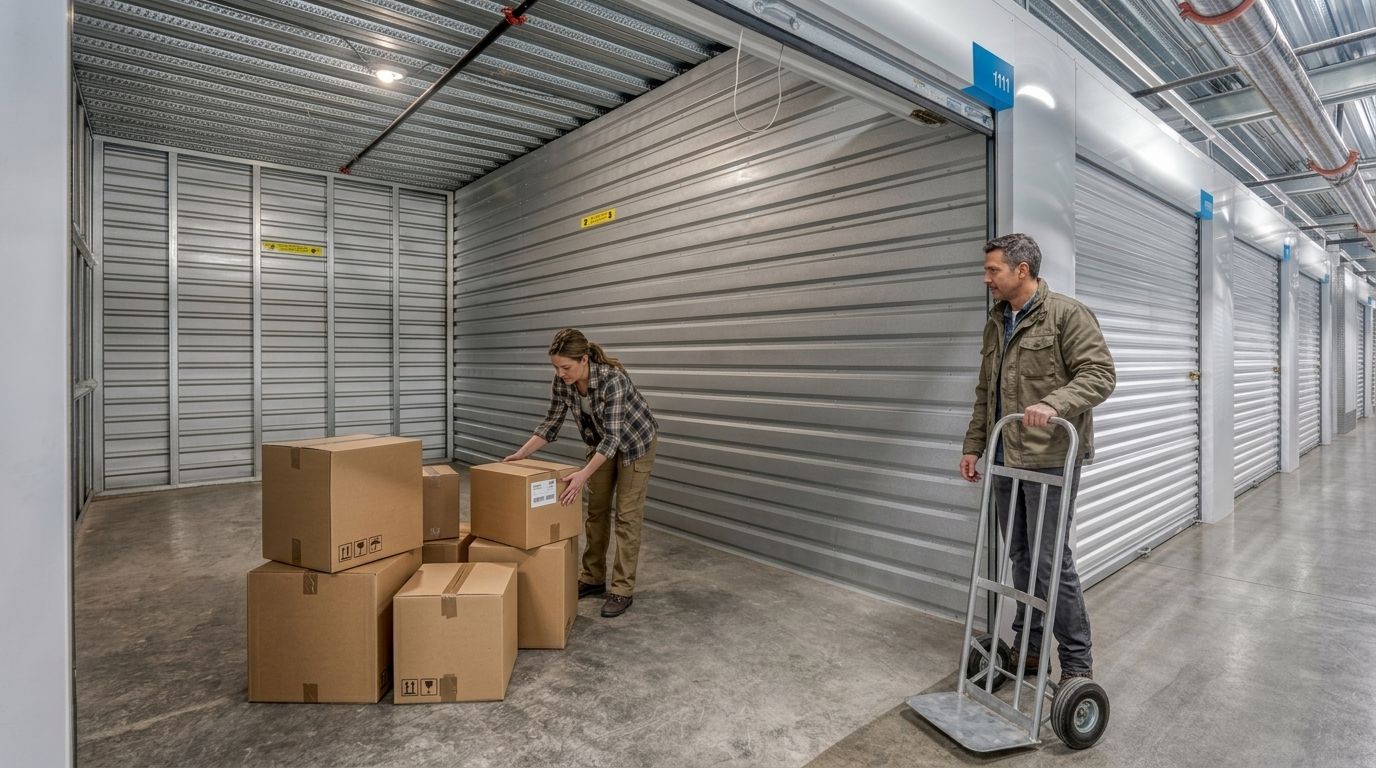
A storage unit can be a more practical choice for items you do not want exposed to outdoor shed conditions. SecureSpace Self Storage Centennial offers heated indoor storage, which is not the same as climate-controlled storage and does not provide strict humidity control. Still, heated indoor storage may be preferable to an unheated backyard shed for many household items, especially when belongings are packed clean, dry, and elevated when possible.
When you consider the costs, permit requirements, and climate concerns, the benefits of using a self storage facility become clearer. A storage unit can provide extra space without adding a permanent structure to your property or requiring a backyard construction project.
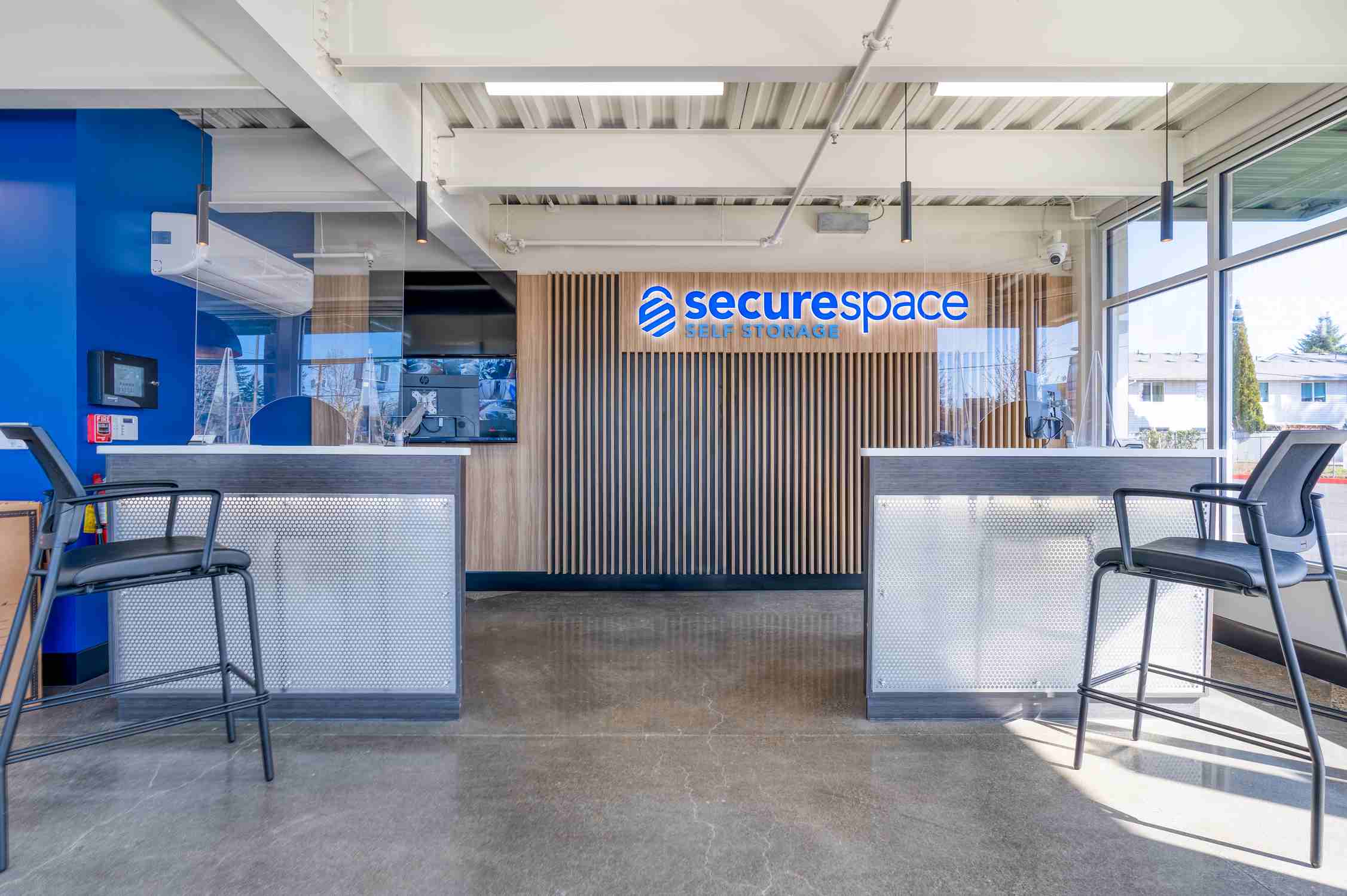
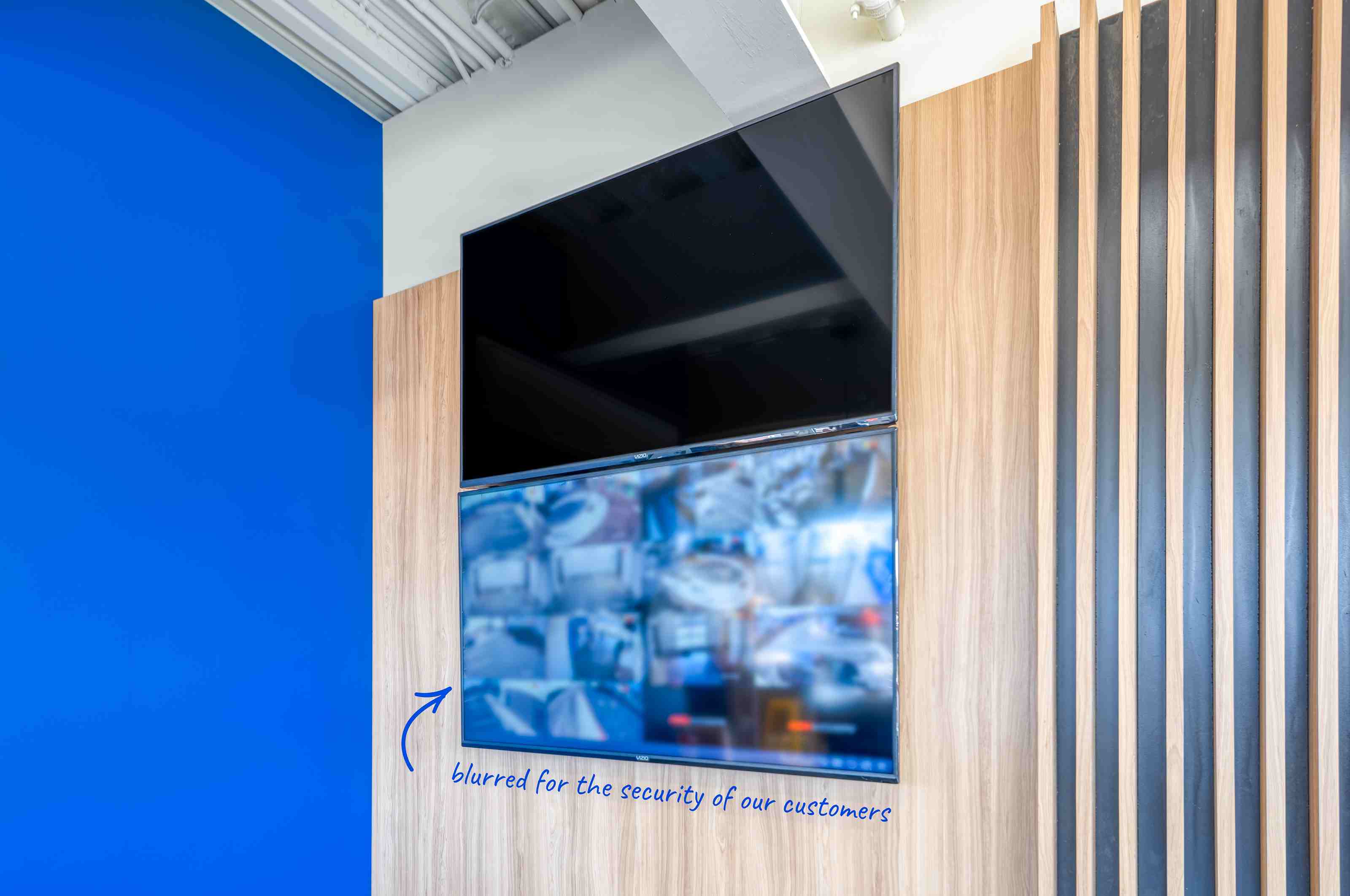
Detached backyard sheds can be vulnerable to yard access issues, weather exposure, pests, and maintenance problems. SecureSpace Self Storage Centennial offers heated indoor storage, digital video recording, logged access, overnight surveillance, elevator access, extra-large elevators, a covered loading area, and carts and dollies.
Those features do not guarantee protection from every risk, and customers should still use smart storage habits. Use a quality lock, keep an inventory of stored items, avoid placing damp belongings into storage, and pack sensitive items in sturdy containers. For many Portland residents, a storage unit can provide a more organized and manageable alternative to an outdoor shed.
If a resident anticipates moving, changing jobs, or shifting household needs within the next few years, investing thousands of dollars into a permanent backyard structure may not make sense. A month-to-month storage lease offers more flexibility than a fixed structure on a specific property.
Renters can choose a unit size based on current needs and adjust their storage plan as those needs change. That flexibility can be useful during a move, renovation, downsizing project, seasonal gear rotation, or temporary household transition.
Yes, depending on the exact size, height, location, and planned utilities. Portland generally requires a building permit for detached accessory structures that exceed 200 square feet or are taller than 15 feet. Smaller structures may still need to follow zoning rules, setbacks, and property-specific requirements.
In the short to medium term, renting a self storage unit often requires less upfront spending than building a shed. Shed installation can cost thousands of dollars before accounting for site prep, electrical work, foundations, maintenance, or future repairs. Storage-unit pricing varies by size, availability, location, and facility features, so compare current rates before deciding.
An unheated shed can create higher moisture risk if it has leaks, poor ventilation, ground moisture, or condensation. Mold risk increases when moisture is present, especially for items like fabric, cardboard, paper, and upholstered furniture. Store items clean and dry, avoid cardboard directly on the floor, and consider indoor storage for items that are more sensitive to damp conditions.
Setbacks depend on the property, zone, structure size, height, and location on the lot. Some accessory structures may be allowed in side or rear setback areas only under specific limits. Homeowners should check Portland's current requirements for their address before buying or building a shed.
Deciding how to manage excess belongings does not have to involve complex zoning questions, construction costs, or ongoing shed maintenance. Heated indoor self storage can offer flexibility, indoor access, and practical moving support that a backyard shed may not provide.
If you're ready to reclaim living space without starting a construction project, SecureSpace Self Storage Centennial can help with heated indoor units, covered loading, carts and dollies, elevator access, and month-to-month leases.
Explore available options for self storage in Portland, OR.
Everything you need to store your belongings securely, on your schedule.
Visit us online