Last updated Aug 12, 2026
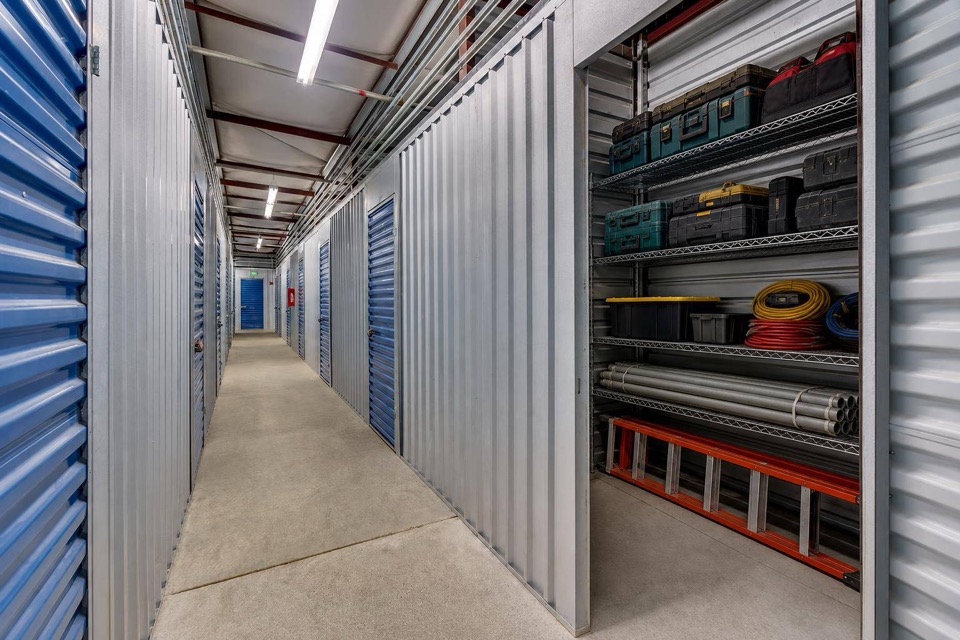
Tacoma contractors, hobbyists, small-business owners, and military households often need more room for tools than a garage, shed, apartment closet, or truck bed can provide. Power tools, hand tools, compressors, diagnostic equipment, ladders, cases, supplies, and seasonal project gear can quickly crowd everyday space.
A self-storage unit can help keep tools organized and easier to access, but the right setup depends on what you are storing, how often you need access, and which facility rules apply. Tool storage should be practical, measured, and based on confirmed features rather than assumptions about climate control, commercial truck access, or specialized contractor services.
This guide explains how to prepare tools for storage in Tacoma, what features to compare, and how to choose a unit size that fits your work or project needs.
Tools take up space, and they are often awkward to store at home. A renter may not have a garage. A homeowner may need to clear space during a remodel. A contractor may need to separate job materials from everyday vehicle storage. A hobbyist may want to keep woodworking, automotive, or yard-care tools organized between projects.
Tacoma's wet seasons also make tool preparation important. According to US Climate Data, the city receives an average of 39.22 inches of rainfall annually. That does not mean storage can guarantee protection from rust, moisture, or damage, but it does mean tools should go into storage clean, dry, and properly prepared.
For customers storing tools long term, the goal is simple: reduce clutter, keep equipment organized, and choose a unit type that fits the tools and access pattern.
A storage unit works best when tools are prepared before move-in. Dirt, sawdust, salt, grass clippings, and moisture can affect metal surfaces, moving parts, cases, cords, and batteries.
Before storing tools:
Wipe down hand tools and power tools
Dry tools completely before packing
Remove dust, sawdust, mud, and debris
Apply a light rust-preventive oil or protectant where appropriate
Store small parts in labeled organizers
Keep manuals, chargers, and accessories together
Avoid placing damp tools in closed bins or cases
For precision tools, measuring equipment, saw blades, bits, chisels, planes, and cast-iron surfaces, add extra protection. Use sealed containers where practical, include silica gel packets when appropriate, and avoid packing heavy tools directly on top of delicate items.
Heated storage may be useful for eligible tools, equipment, and supplies that customers prefer not to keep in a cold space, where available. It is not the same as climate-controlled or humidity-controlled storage, and it should not be described as guaranteed protection from rust, corrosion, mold, moisture, or damage.
If you are storing tools that are sensitive to moisture or temperature changes, prepare them carefully. Metal tools may benefit from a light oil coating. Electronics, meters, chargers, and battery-powered equipment should be stored according to manufacturer guidance. Paper manuals, records, and receipts should be placed in sturdy containers rather than loose cardboard.
Avoid storing tools wet, dirty, or directly on the floor if you can help it. Shelving, bins, cases, and labeled containers can make a big difference in how easy the unit is to use later.
Tacoma-area customers may choose a storage location based on work routes, home location, project sites, access needs, unit availability, or parking preferences. Because features and available units can vary by facility, review the specific facility page before renting.
SecureSpace locations serving the Tacoma area include:
Use the facility pages to compare current availability, access details, unit sizes, and location-specific features before choosing a space.

A well-organized unit can save time when you need to grab tools before a job, project, or repair. The best layout depends on how often you visit and whether you need access to everything or only seasonal equipment.
Use sturdy bins for smaller tools and accessories. Keep frequently used items near the front. Store heavy items low, and avoid stacking heavy cases on delicate tools. Freestanding shelving can help if it is allowed and practical for the unit. Label bins by project type, trade, or tool category so the unit does not become a pile of mystery boxes.
For rolling toolboxes, carts, or packout systems, make sure the unit has enough room to maneuver. If you plan to visit often, leave a walkway and keep chargers, accessories, and fasteners organized near the tools they belong with.
Gas-powered equipment and battery-powered tools need extra care. Facility rules may restrict fuel, fluids, lithium-ion batteries, charging, and certain types of powered equipment.
Before storing lawnmowers, chainsaws, generators, pressure washers, or other gas-powered tools, confirm fuel and fluid requirements with the facility. Many storage facilities restrict fuels and flammable materials, and customers may need to empty, clean, or prepare equipment before storing it.
For cordless tools, remove batteries from devices when appropriate and follow manufacturer guidance. Do not assume battery charging is allowed inside a storage unit. Avoid storing damaged, swollen, leaking, or recalled batteries.
Coil cords loosely, keep them dry, and avoid sharp bends that can damage internal wiring. Store chargers with their matching tools so you do not lose small but essential components.
Tools can be expensive to replace, so security-related features matter. When comparing Tacoma storage options, look for clear facility details rather than broad promises.
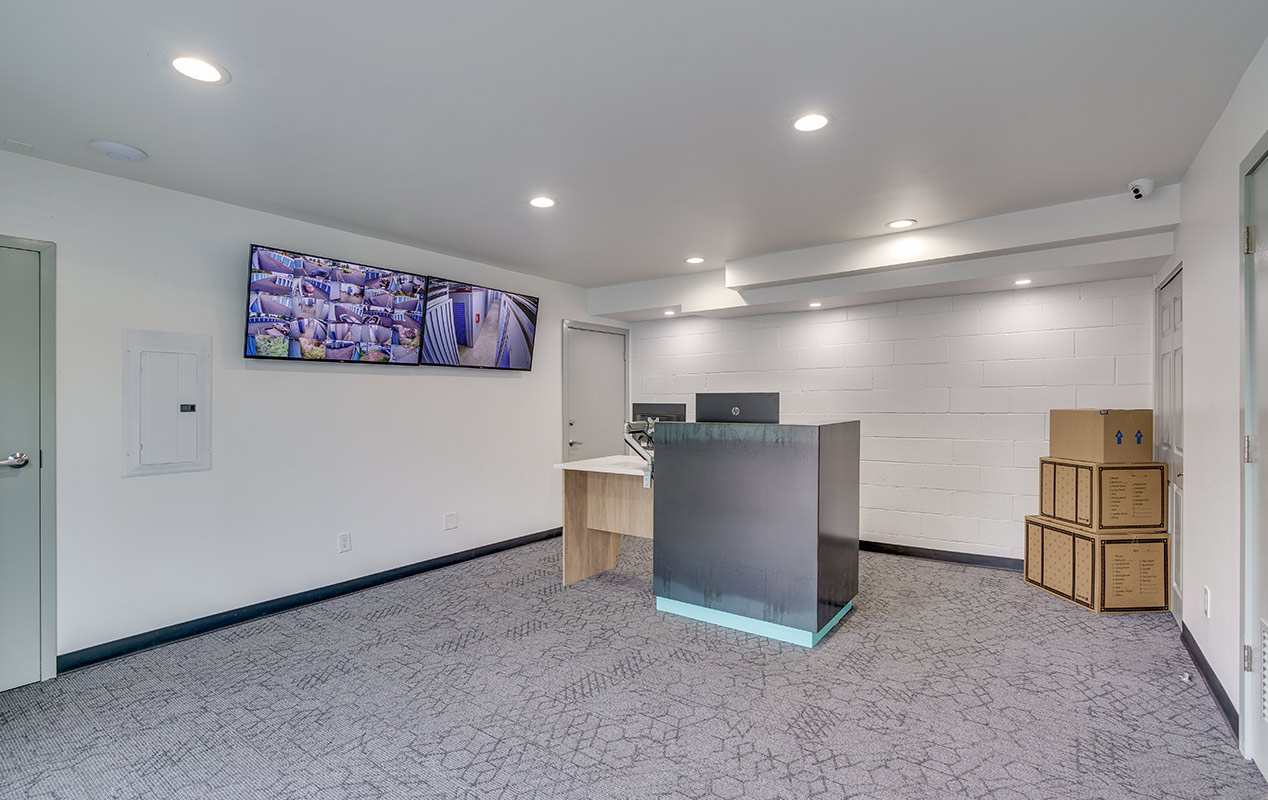
At SecureSpace Self Storage Parkland Tacoma, security-related features include an access gate, digital video recording, logged access, overnight surveillance, and Turing-enabled monitoring. Customers should also take practical steps: use a quality lock, keep a tool inventory, record serial numbers, photograph higher-value equipment, and review coverage requirements before move-in.
Avoid assuming a facility has individual unit alarms, Motion Guard, smart locks, 24/7 active monitoring, live video monitoring, or specialized contractor security unless those features are listed for the specific location.
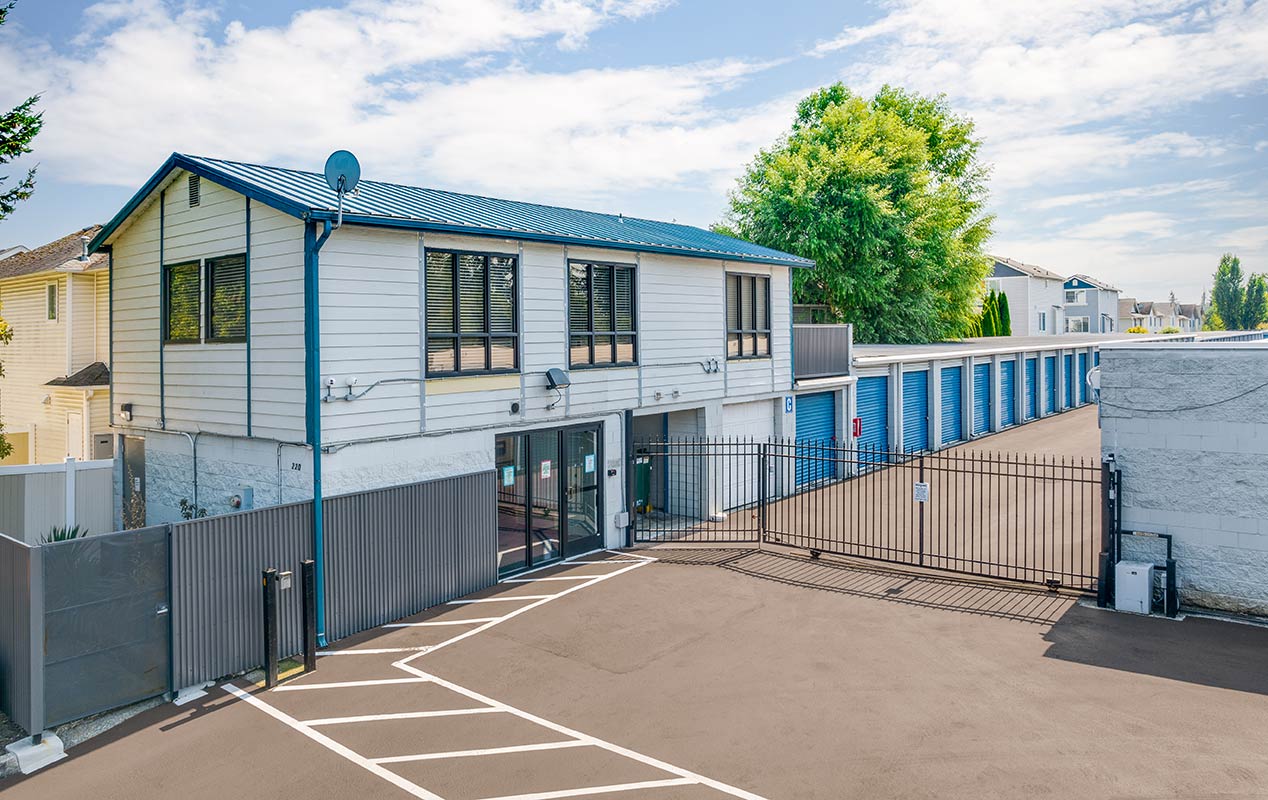
Drive-up access can be helpful when moving heavier tools, bins, cases, or equipment. It may reduce the distance between your vehicle and the unit, which can make loading and unloading more manageable.
Before renting, confirm the unit type, dimensions, loading path, and parking rules. If you plan to bring a work vehicle, trailer, or large equipment, ask about turning space, access limits, vehicle documentation, and facility rules before move-in. Do not assume semi-truck access, loading docks, extra-wide aisles, or commercial trailer access unless they are specifically listed for the location.
For eligible vehicles or trailers, storage depends on dimensions, availability, documentation, and facility rules. Measure carefully and confirm the details before bringing the vehicle or trailer to the facility.
The right unit size depends on the volume of tools, whether you need shelving, and how often you plan to access the unit.
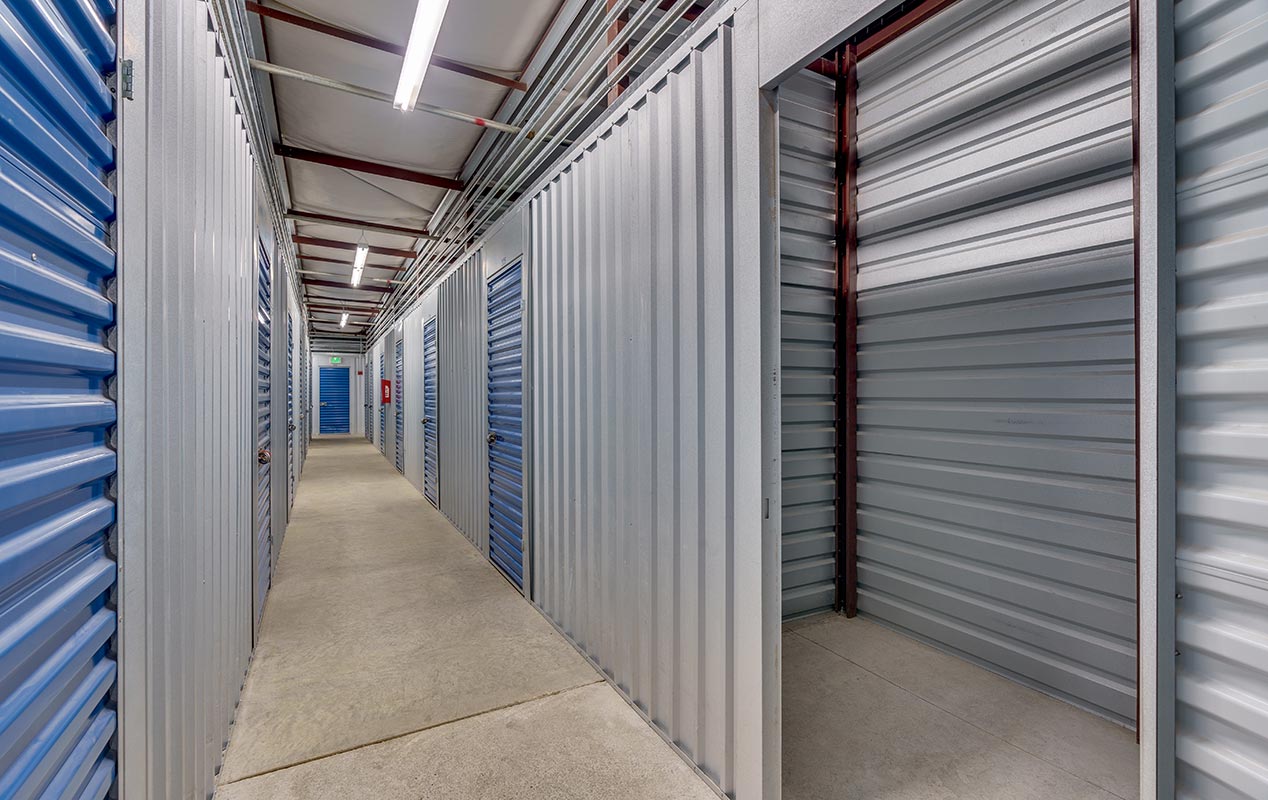
A 5x5 or 5x10 may work for small tool collections, rolling cases, power tools, hand tools, chargers, and project bins. A 10x10 or 10x15 may be more practical for larger tool chests, small equipment, job materials, boxed supplies, or hobby equipment. Larger units such as 10x20, 10x25, or 10x30 may work for bigger storage needs, depending on dimensions, availability, and facility rules.
Do not choose a size based only on the unit label. Measure larger items, estimate bin count, and decide whether you need a walkway. If you visit often, a slightly larger unit may make the space easier to use.
Tool storage needs can change quickly. A contractor may need space during a busy season. A homeowner may only need storage during a renovation. A hobbyist may rotate seasonal equipment in and out. A military household may need storage during a transition.
Month-to-month leases can help when the timeline is uncertain. Before renting, review the move-out notice policy, payment options, current rates, promotion terms, and any required coverage. Online payments and ACH or credit card payment plans may also make account management easier, where available.

Tool storage in Tacoma should be built around real needs: clean and dry equipment, organized bins, the right unit size, convenient access, and facility rules that fit what you plan to store.
A storage unit can help keep tools and supplies out of the way at home while making them easier to find when the next project starts. Just avoid unsupported assumptions about climate control, commercial truck access, specialized security, or heavy-equipment handling. Confirm the details for the specific Tacoma facility you are considering.
Review available units and compare Tacoma storage options with SecureSpace when you are ready to choose a space for tools, supplies, equipment, or project overflow.
No storage unit can guarantee rust prevention, but careful prep can help. Store tools clean and dry, apply a light rust-preventive oil where appropriate, use sturdy containers, add silica gel packets when useful, and consider heated storage for eligible tools customers prefer not to keep in a cold space.
Drive-up units may be available depending on the facility and current inventory. Confirm the unit type, loading path, dimensions, access rules, and availability before renting, especially if you plan to move heavy tools or equipment.
Look for clear security-related features such as gated access, digital video recording, logged access, and overnight surveillance. Customers should also use a quality lock, keep serial numbers, photograph valuable tools, and review coverage requirements.
Gas-powered tools may be subject to fuel, fluid, and safety rules. Before storing lawnmowers, chainsaws, generators, or similar equipment, confirm facility requirements and prepare the equipment according to the rental agreement and manufacturer guidance.
Month-to-month leases are offered at SecureSpace locations. This can be useful for contractors, hobbyists, homeowners, students, and military households whose storage needs may change over time.
Everything you need to store your belongings securely, on your schedule.
Visit us online