Last updated Jun 23, 2026
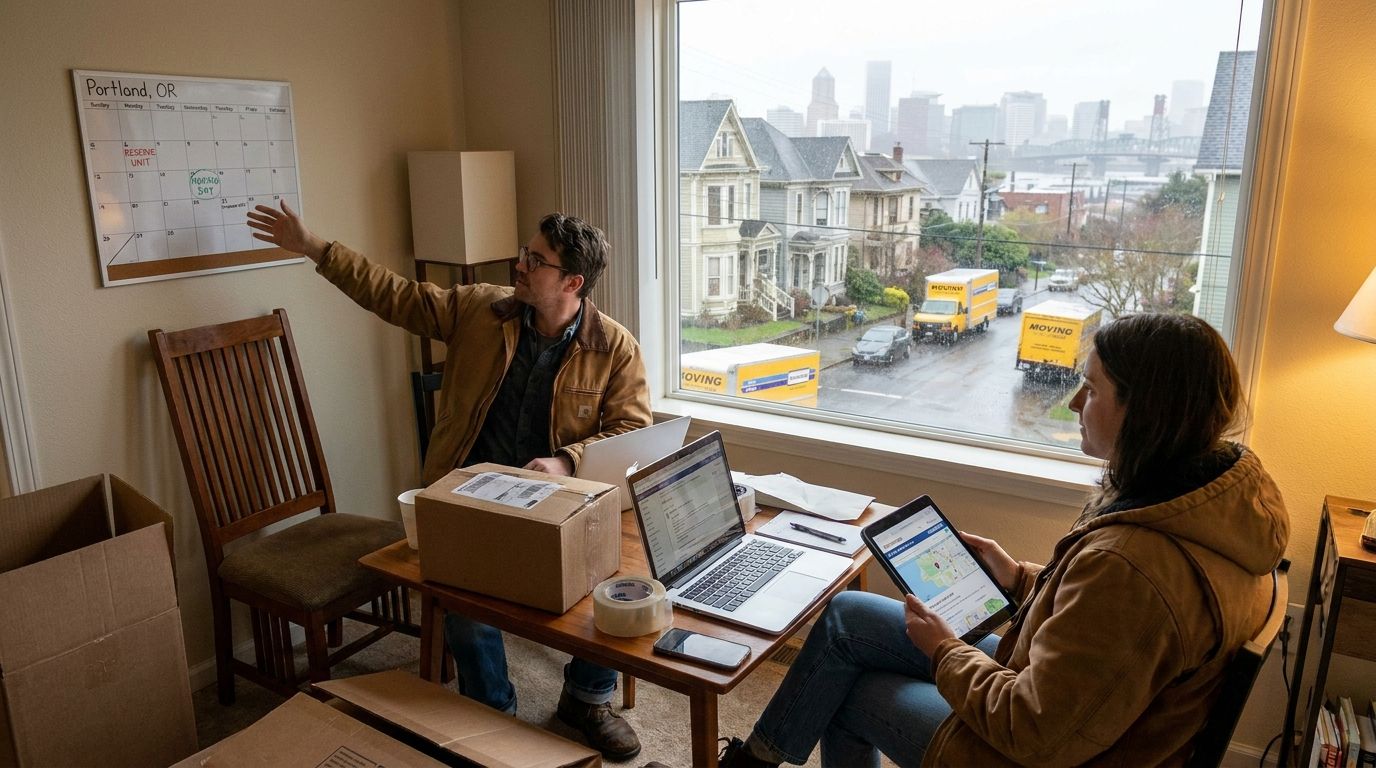
Moving in Portland requires real logistical planning. Between navigating dense traffic, coordinating movers, watching the weather, and competing with seasonal demand, finding the right space for your belongings can feel overwhelming. Many residents find themselves asking when they should start researching storage to avoid missing out on convenient locations, useful unit sizes, and current rates.
You might be downsizing into a smaller apartment, waiting for a home closing date to finalize, or simply needing a place to keep outdoor gear organized during a transition. Planning ahead can remove a major item from your moving checklist. By understanding local timing, seasonal demand, and facility features, you can choose a storage option that fits your move without rushing.
This guide provides a practical look at the Portland moving timeline. You'll learn when to start researching storage, how seasonal demand affects availability, how the Pacific Northwest weather can shape moving logistics, and which facility features are useful when planning a move.
The Portland real estate market shapes much of the demand for temporary storage space. People may need storage while moving between leases, downsizing, waiting for a home purchase to close, renovating, or reorganizing after a household change.
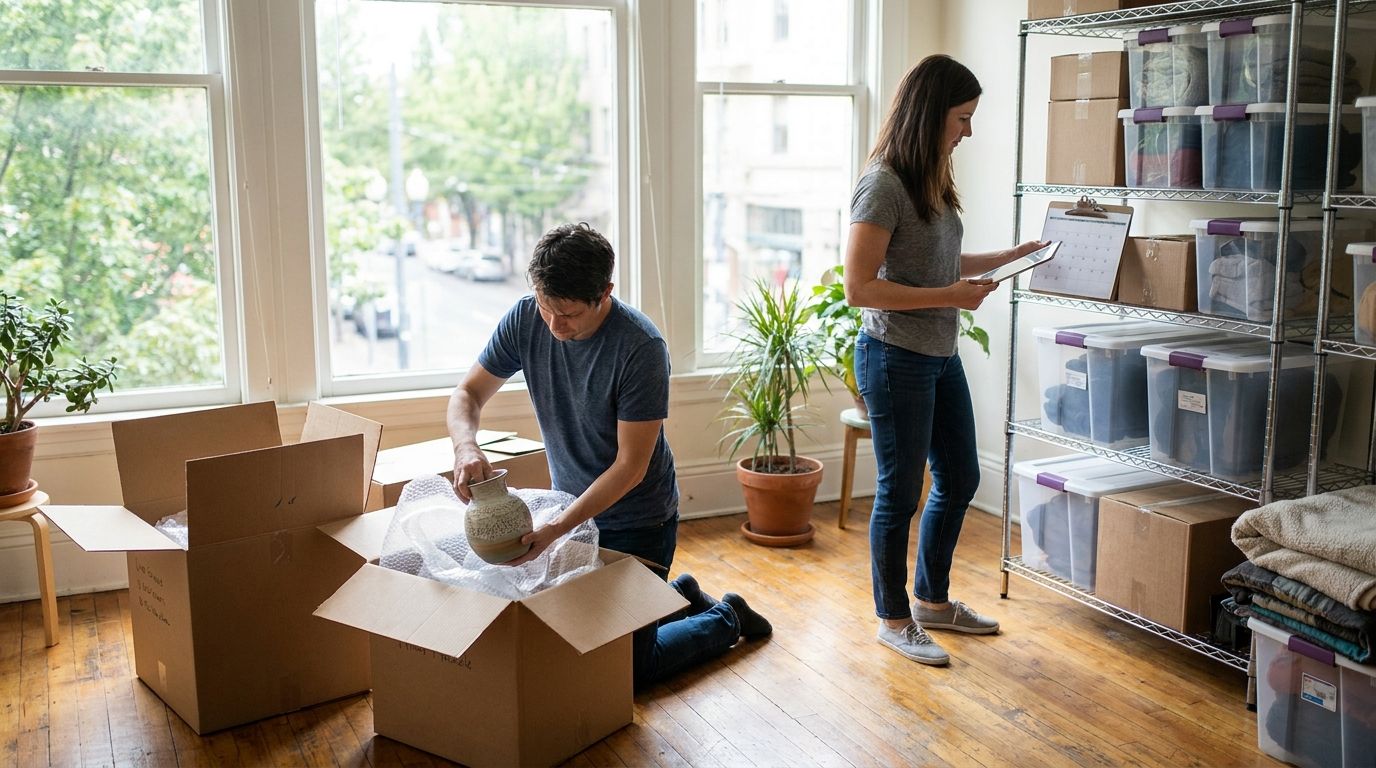
According to industry analysis from Yardi Matrix, this type of economic climate naturally cultivates a consumer base defined by transition, where individuals lean on self storage as a critical buffer between homes. In Portland, that buffer can be especially useful when housing timelines, weather, and moving logistics do not line up neatly.
Starting early does not mean renting a unit months before you need it. It means understanding your likely move date, estimating the amount of space you'll need, reviewing nearby facilities, and checking current availability before the final week arrives.
Portland State University operates on an academic calendar that can influence storage demand around late spring and early summer. According to Portland State University, students must be completely moved out no later than June 13th for the upcoming academic year.
That kind of coordinated student move-out period can increase demand for smaller storage units. Students, roommates, and apartment renters may all be looking for compact spaces at the same time, especially for boxes, dorm items, small furniture, and seasonal belongings.
If you need a smaller unit in late spring or early summer, start researching storage before the final move-out rush. A 5x5 or 5x10 unit may work for boxes, compact furniture, and seasonal items, depending on what you need to store and how items are packed.
Knowing when to start your research can help make the storage process smoother. During the peak summer moving season, it is wise to begin planning several weeks in advance. According to SpareFoot, summer accounts for roughly 70% of the moving industry's volume nationwide.
That does not mean you need to rent immediately. It means you should identify your likely move-in date, compare facility locations, review available unit sizes, and check access hours early enough to make a calm decision.
For a Portland move, consider starting your storage search three to four weeks before your target move-in date. If you are moving during late May, June, July, or August, give yourself extra time to compare options because demand may be higher. Current availability, pricing, and promotions can change, so check the facility directly before making final plans.
Portland's weather can make moving more complicated, especially during the rainy season. Wet sidewalks, damp boxes, and exposed loading areas can slow down a move and increase the need for careful packing.
If you move during fall or winter, consider using sealed plastic bins for sensitive items, wrapping furniture, and avoiding placing damp belongings into storage. Cardboard boxes should be sealed properly and kept dry during transport. When possible, plan loading around the forecast and give yourself extra time so the move does not become rushed.
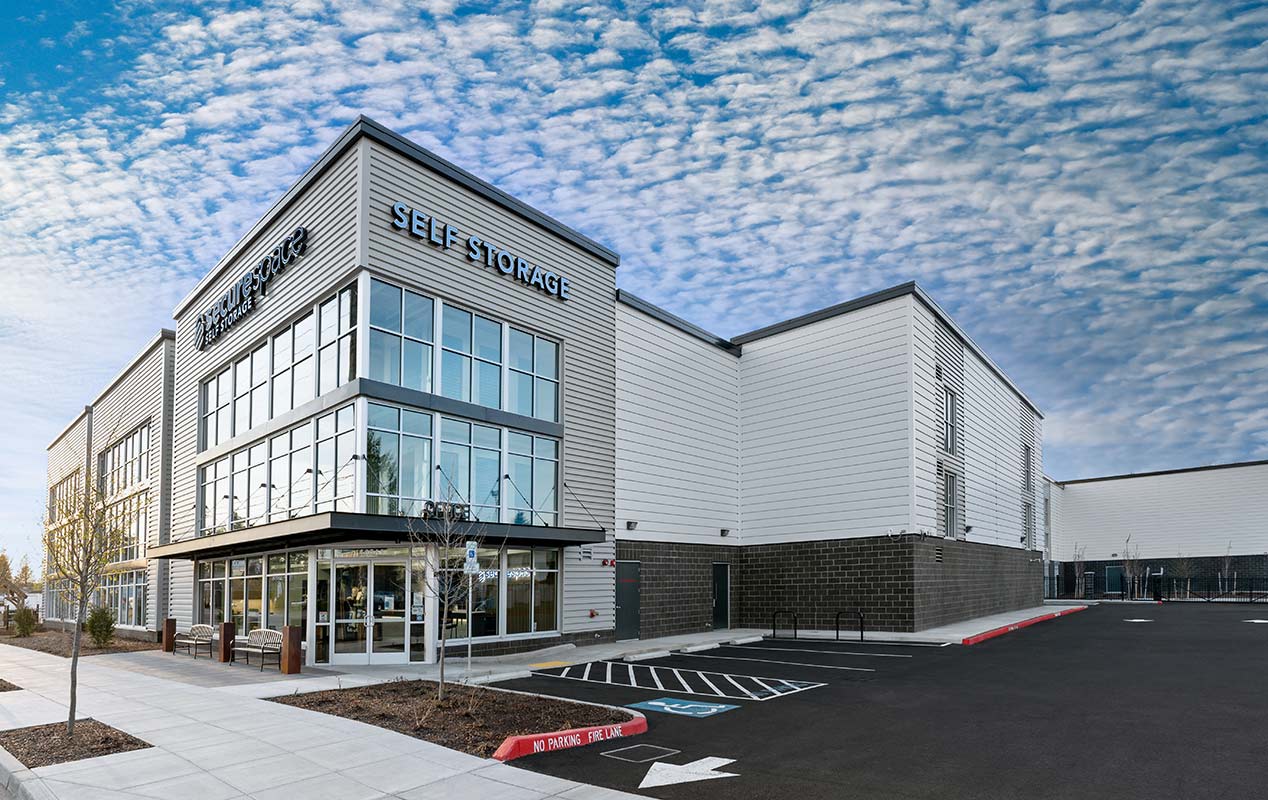
SecureSpace Self Storage Centennial offers a covered loading area, which can make loading and unloading more manageable during wet weather. A covered loading area does not guarantee full protection from rain in every condition, so it is still smart to wrap items and pack carefully.
The persistent rain in Oregon can create concerns for belongings kept in garages, sheds, vehicles, or other spaces exposed to cold and damp conditions. Items such as paper documents, textiles, wood furniture, electronics, and upholstered furniture should be stored clean and dry.
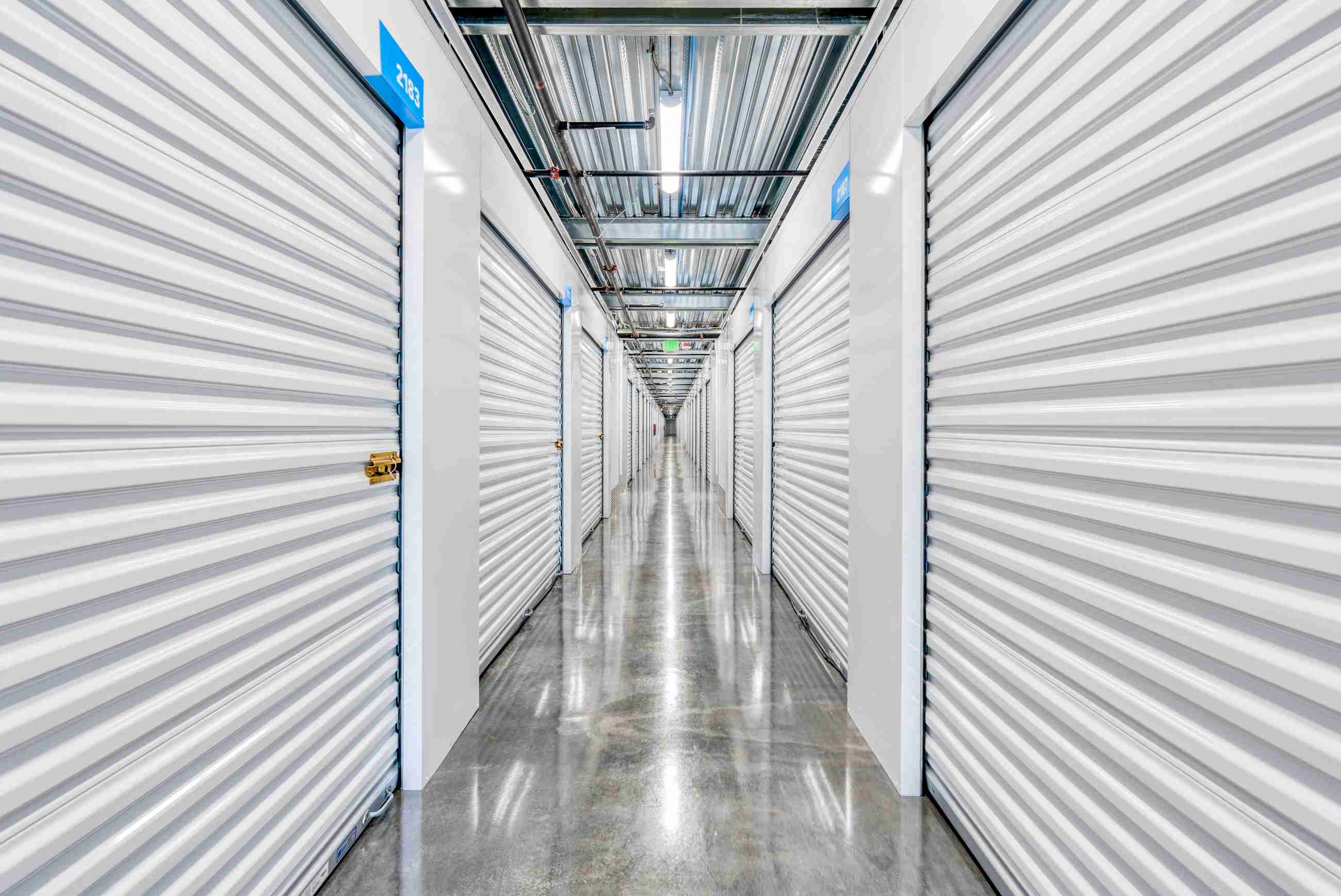
SecureSpace Self Storage Centennial offers heated indoor storage. Heated storage is not the same as climate-controlled storage, and it does not provide strict humidity control. Still, heated indoor storage may be useful for customers who want an indoor option rather than leaving belongings in an unheated garage, outdoor shed, or vehicle during damp months.
To reduce moisture-related risk, pack items clean and dry, use sealed bins when appropriate, keep boxes off the floor if possible, and avoid placing damp belongings into storage.
Selecting the correct unit size can help you avoid overpaying for unnecessary space or struggling to fit your belongings into a unit that is too small. Before choosing a unit, make a simple inventory and group items by category: boxes, furniture, seasonal gear, business materials, or larger household pieces.
Small units such as 5x5 and 5x10 spaces may be useful for students, apartment renters, seasonal gear, small furniture, or boxes. Medium units such as 10x10 and 10x15 spaces may work for larger apartment transitions, furniture, and household overflow, depending on item size and packing. Larger units such as 10x20 and 10x30 spaces may support bigger household moves or larger storage needs, depending on availability and how items are arranged.
SecureSpace Self Storage Centennial offers customer-facing unit sizes including 5x5, 5x10, 5x15, 10x10, 10x15, 10x20, and 10x30. Fit depends on the size of your belongings, packing style, and whether you need a walkway to reach items after move-in.
Moving across town can already come with a long list of expenses, including boxes, movers, deposits, transportation, and temporary lodging. A storage unit is often an added cost, so it helps to make the rental as efficient as possible.
Start by choosing the smallest unit that reasonably fits your belongings. If you only need storage during a lease gap, home sale, renovation, or student move-out, month-to-month leasing can help you avoid a long-term commitment. If your timeline is uncertain, compare current rates, available unit sizes, and payment options before renting.
SecureSpace Self Storage offers month-to-month leases. SecureSpace Self Storage Centennial also offers online payments and ACH and credit card payment plans, which can make it easier to manage storage while you're coordinating the rest of your move. Pricing, promotions, and availability can change, so review current details before choosing a unit.
The geography of Portland makes neighborhood proximity a major factor in your decision. Renting a unit far from your home can add time, fuel costs, and frustration to your moving process, especially if you need multiple trips.
SecureSpace Self Storage Centennial is located at 16061 SE Division St in Portland and serves Southeast Portland customers, including nearby areas such as Centennial, Powellhurst-Gilbert, Pleasant Valley, Rockwood, and surrounding eastside neighborhoods.
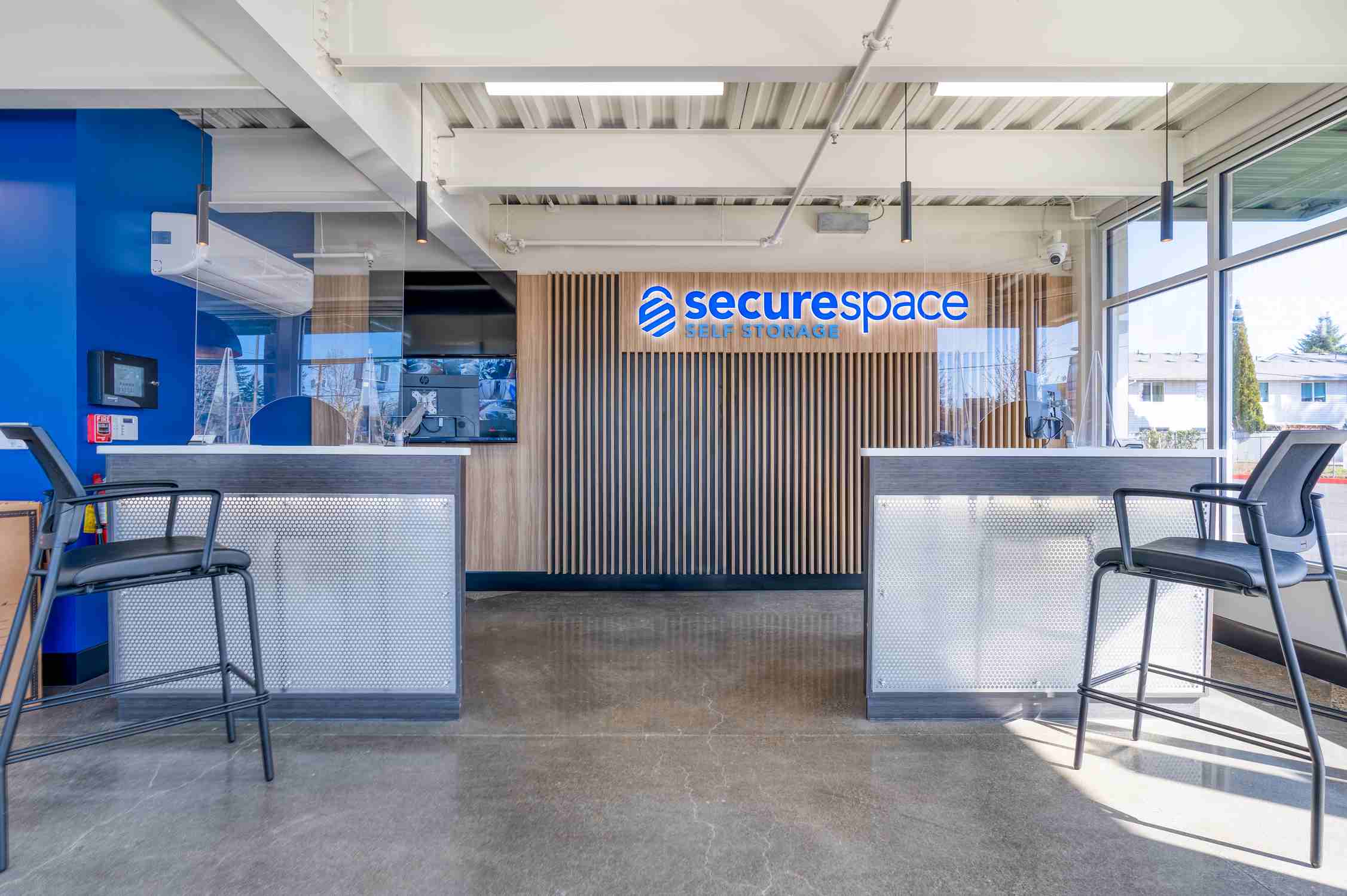
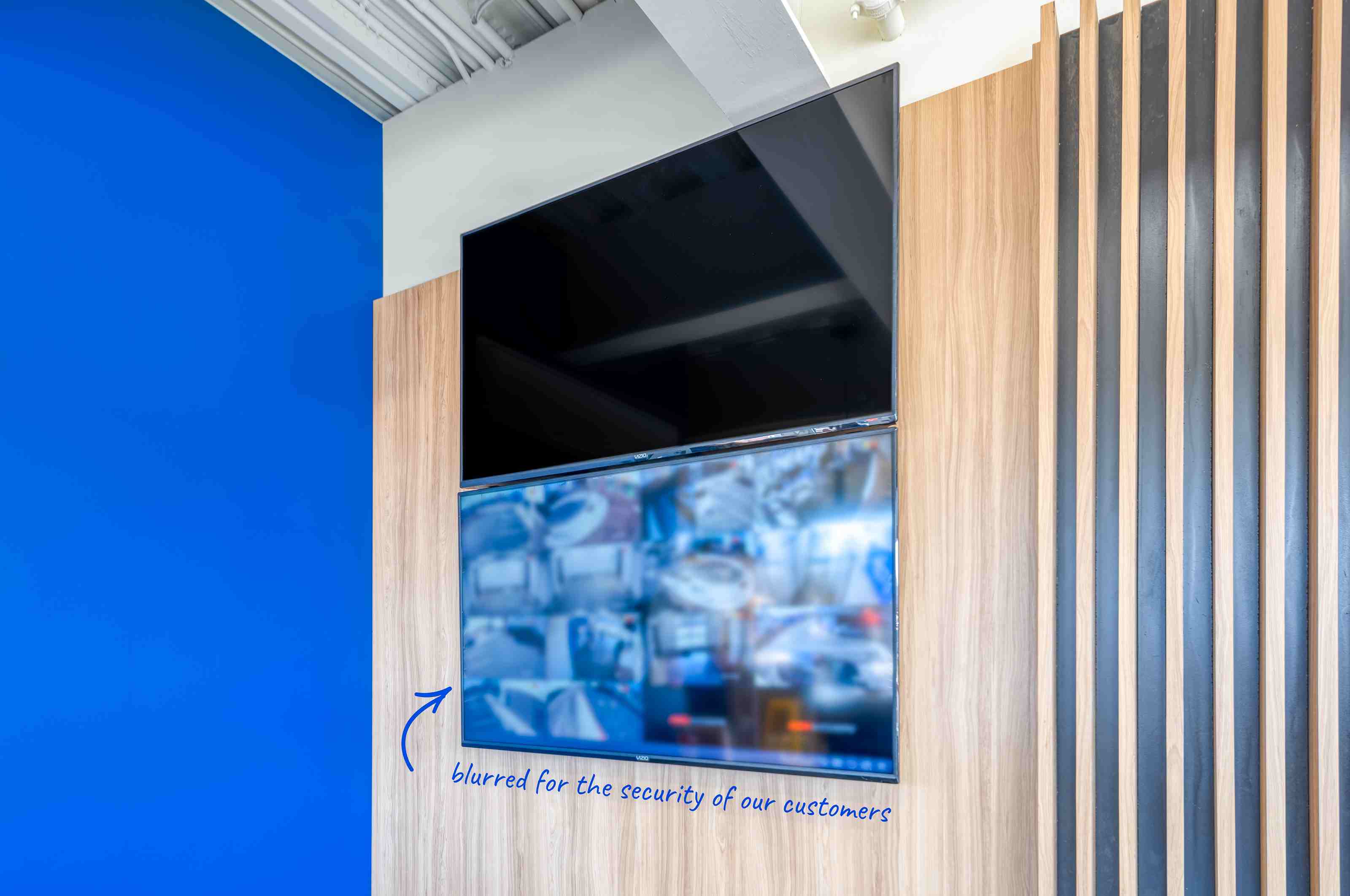
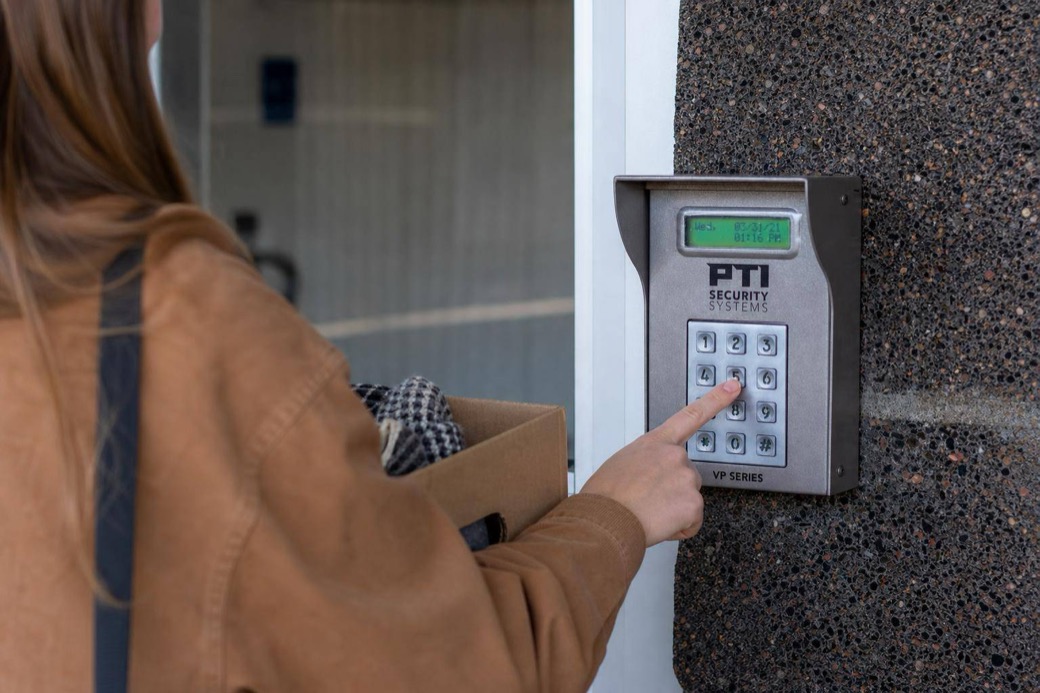
The facility offers daily access from 7:00 AM to 10:00 PM, heated indoor storage, elevator access, extra-large elevators, a covered loading area, carts and dollies, digital video recording, logged access, overnight surveillance, online payments, ACH and credit card payment plans, and month-to-month leases.
During the peak summer moving season, demand for storage in Portland can increase due to warmer moving weather, lease changes, and student move-outs. Start researching several weeks in advance, especially if you need a smaller unit or have a fixed move date. Current availability can change, so review facility options before the final week of your move.
Heated indoor storage can be useful in Portland, especially during damp and cooler months. SecureSpace Self Storage Centennial offers heated indoor storage, but not climate-controlled storage or strict humidity control. Store items clean and dry, use sealed bins where appropriate, and avoid placing damp belongings into storage.
SecureSpace Self Storage Centennial offers online payments, and customers can review current unit availability through the facility page. Rental process details, rates, promotions, and availability can change, so check the current facility information before planning your move-in.
Moving schedules can shift because of weather, lease timing, closing dates, movers, or renovation delays. Review current reservation terms directly before renting so you understand how move-in timing, rate details, and availability are handled.
Renting a storage unit in Portland is like packing an umbrella for a hike in the Columbia River Gorge: you might not need it every second, but you'll be glad you planned ahead. A little early research can help you compare unit sizes, understand current rates, and choose a facility that fits your schedule.
SecureSpace Self Storage Centennial offers heated indoor storage, month-to-month leases, daily access from 7:00 AM to 10:00 PM, online payments, ACH and credit card payment plans, a covered loading area, elevator access, extra-large elevators, carts and dollies, digital video recording, logged access, and overnight surveillance.
Explore current availability for storage units in SE Portland, OR.
Everything you need to store your belongings securely, on your schedule.
Visit us online