Last updated Jul 10, 2026
In the contemporary landscape of Northern Virginia, Arlington County represents a unique intersection of high-density urban planning, historic residential preservation, and federal logistical operations. For residents and businesses operating within the South Arlington corridor—specifically anchored by the 22206, 22204, and adjacent 22301 ZIP codes—the utilization of off-site storage is rarely a matter of simple excess accumulation. Rather, it is a strategic response to a real estate market characterized by high value per square foot, a transient professional population, and a shifting regulatory environment regarding housing density.
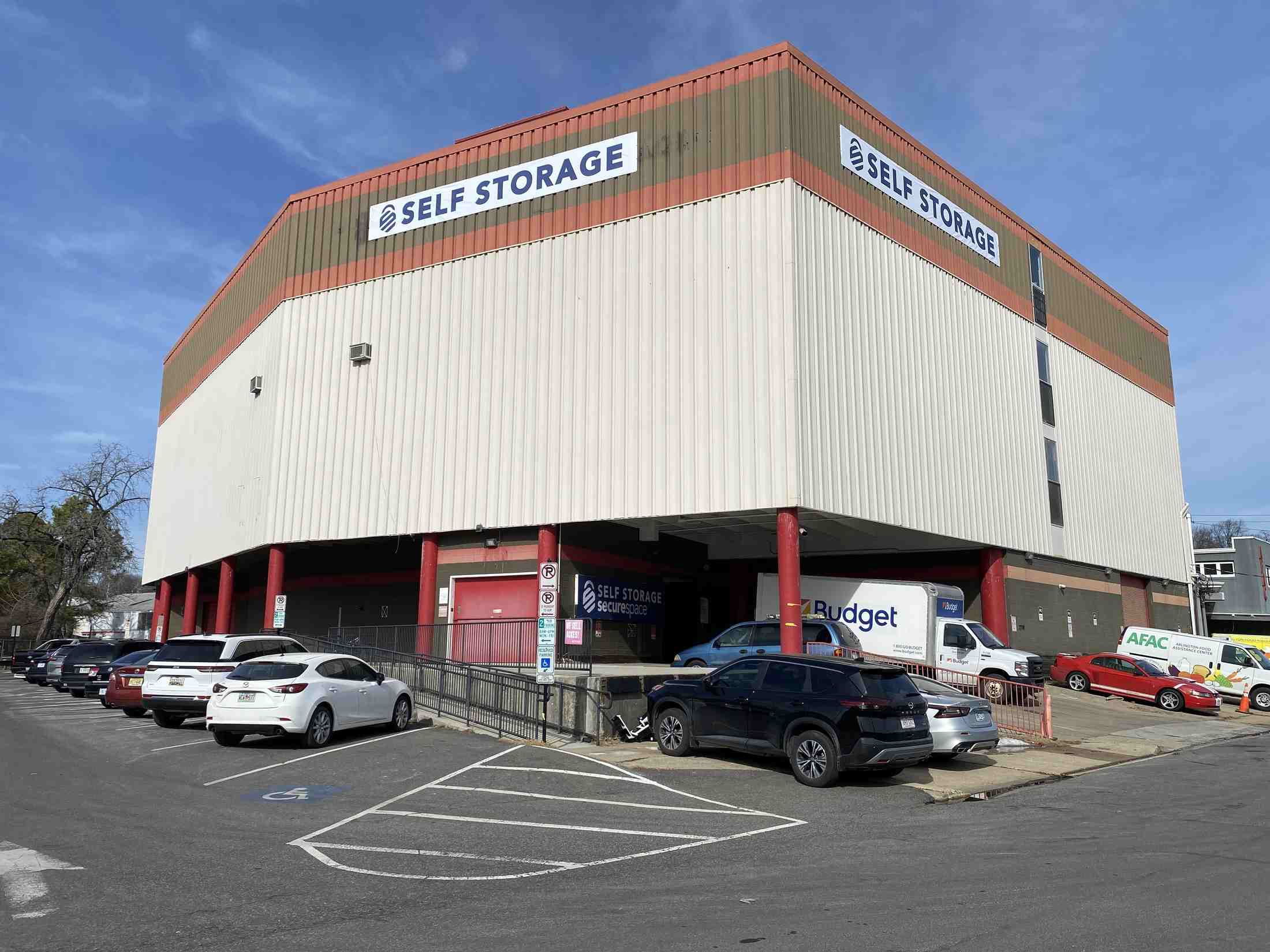
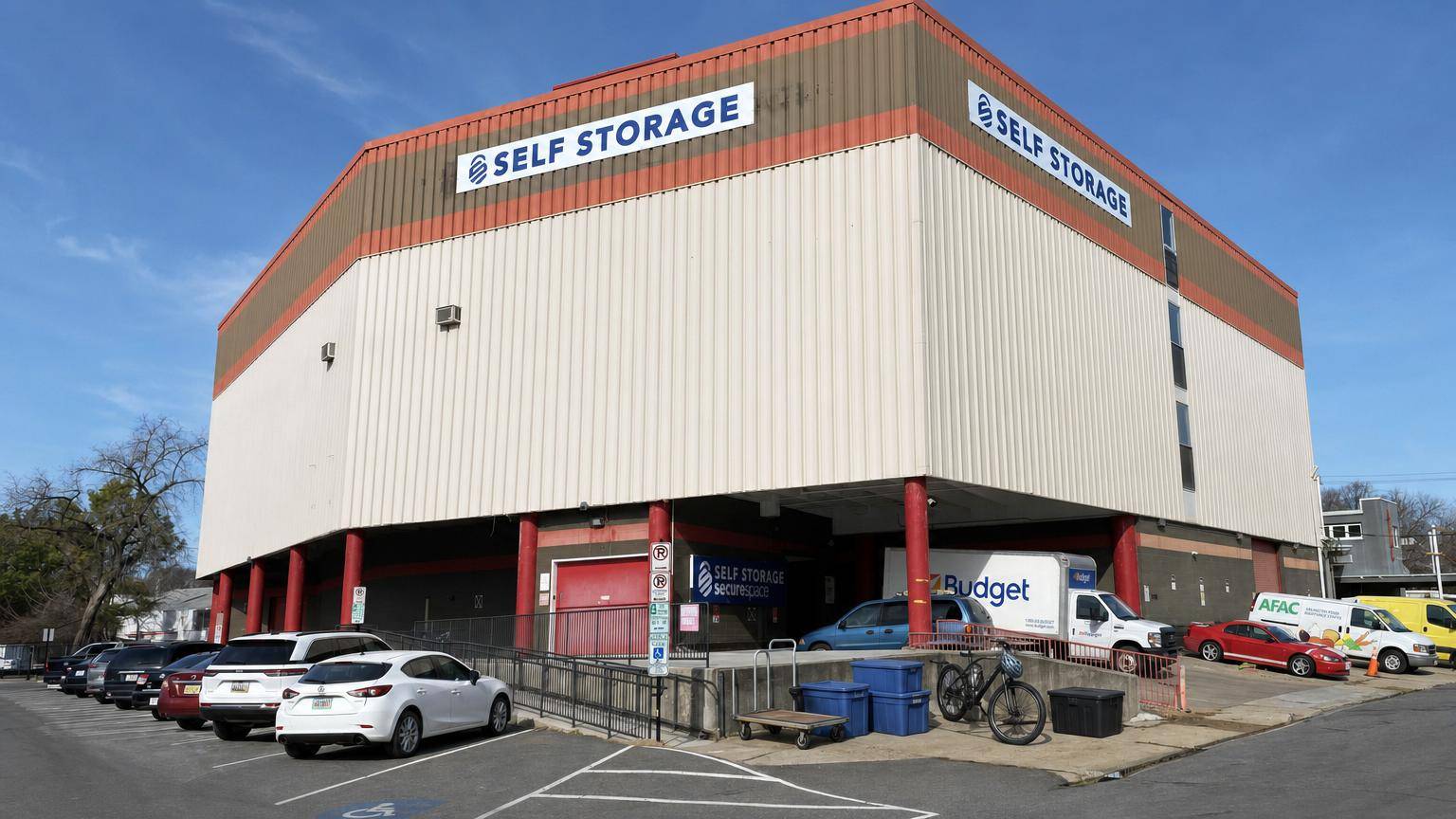
This report serves as a definitive, hyper-local decision guide for the SecureSpace Self Storage facility located at 2710 S Nelson St, Arlington, VA 22206. By analyzing this specific asset through the lens of local urban planning, climate resilience, and neighborhood dynamics, the following analysis aims to provide a robust resource for potential users, ranging from occupants of the vertical communities in Shirlington to the single-family homeowners of Green Valley and the garden-style residents of Fairlington.
The analysis indicates that the utility of the S Nelson St facility extends beyond simple warehousing; it functions as an external utility infrastructure for a "Mixed" market that is increasingly prioritizing living areas over storage capacity. With the implementation of "Missing Middle" housing policies and stringent fire codes governing condominium garages, the role of a secure, climate-controlled extension of the home has transitioned from a lifestyle luxury to a logistical necessity.
The primary driver of demand in this sector is "space friction"—the economic tension between the cost of residential square footage and the volume of possessions required for a modern lifestyle. In ZIP code 22206 (Shirlington/Fairlington), listing prices hover around $430 per square foot, while in neighboring 22202 (Crystal City/Pentagon City), they climb to $475 per square foot and higher.
When residential space commands such a premium, allocating 50 square feet of a condominium to store holiday decorations, seasonal wardrobes, or rarely used sporting equipment becomes an inefficient allocation of capital. The monthly cost of a self-storage unit at 2710 S Nelson St is significantly lower than the mortgage or rent cost equivalent of that same square footage within a residential property. This creates an arbitrage opportunity where residents can "outsource" their closet space to a dedicated facility, thereby maximizing the livable area of their primary residence.
To understand the specific value proposition of the 2710 S Nelson St facility, one must first dissect the micro-economies of the neighborhoods it serves. The "Mixed" market classification is not homogenous; it is a patchwork of distinct lifestyle needs driven by the built environment.
The 22206 ZIP code, housing the facility itself, presents a quintessential "urban village" dynamic interspersed with historic preservation districts.
In the Village at Shirlington and surrounding condo complexes, residents face a square-footage premium. With median home prices in 22206 ranging between $570,000 and $599,000, space is a financial asset. The modern apartment architecture in this sector often prioritizes open living areas and amenities over deep storage, leaving residents with "lifestyle overflow." This includes items such as seasonal wardrobes, bicycles for the nearby W&OD Trail, and bulk consumables that simply do not fit in a standard linen closet.
Conversely, the historic Fairlington district offers a different architectural challenge. These brick colonial-revival townhomes, while historically significant and aesthetically charming, were constructed in the 1940s. They suffer from the "closet deficit" common to that era of construction. Residents here aren't storing overflow from a lack of total square footage per se, but from a lack of usable storage volume. The secure, climate-controlled units at S Nelson St effectively serve as the "modern attic" that these historic homes lack, allowing residents to preserve the architectural integrity of their interiors without clutter.
Moving slightly north and west into 22204, the dynamic shifts from vertical density to horizontal transformation.
Green Valley (formerly Nauck) is a neighborhood of deep historical significance and evolving housing stock. Here, single-family homes on modest lots are common. The storage need is frequently driven by generational transition and property maintenance. Long-term residents may require archiving space for family heirlooms, while newer entrants renovating older bungalows need "staging space" to clear rooms for contractors. The area is rich in African American history, and the preservation of artifacts and documents often requires the climate stability that a professional facility offers, which a damp basement cannot provide.
As Arlington County adopts "Missing Middle" zoning (allowing up to 6 units on single-family lots), 22204 is a prime target for redevelopment. This policy shift increases population density without necessarily increasing the footprint of storage available per capita. A six-plex constructed on a lot that formerly held one house means six households competing for the same cubic volume of on-site storage. External facilities like SecureSpace become the only release valve for this increased density.
While technically distinct, the 22202 area—home to Amazon HQ2—exerts a gravitational pull on the South Arlington storage market.
The workforce in 22202 is highly mobile, often traveling for government or tech contracting. The storage need is frequently temporal—short-term bridging during a lease gap or long-term secure holding for those deployed overseas. With median monthly rental prices in 22202 reaching $3,520, the cost of renting a larger apartment solely for storage is prohibitive.
Residents in the high-rises of Crystal City find that renting a storage unit in the adjacent 22206 (S Nelson St) represents a significant cost arbitrage. It is economically superior to rent 50 square feet of storage at a facility than to upgrade to a larger floor plan in a luxury high-rise simply for closet space.
Although further north, the 22201 ZIP code (Clarendon, Courthouse) represents the highest density and cost per square foot in the county. Residents here often look to South Arlington for storage solutions because facilities in the immediate urban core of 22201 are either non-existent or command a massive premium. The commute down Glebe Road or I-395 makes 2710 S Nelson St a viable satellite storage option for these urban dwellers who prioritize value over immediate walking distance.
Just across the municipal border in Alexandria lies Del Ray (22301). This neighborhood shares the "Fairlington" characteristic of historic bungalows with limited closet space. While administratively in Alexandria, the geographical proximity of S Nelson St makes it a primary option for Del Ray residents, particularly those located in the northern section of the neighborhood near Four Mile Run. The drive is often less than 10 minutes, making it a "hyper-local" option despite the different city address.
The SecureSpace facility at 2710 S Nelson St is not merely a warehouse; it is a purpose-built infrastructure asset designed to mitigate specific urban friction points. An architectural and functional audit reveals how it aligns with the diverse needs of the surrounding neighborhoods.
In a mixed urban/suburban market, the logistics of the "last 50 feet"—the distance from the vehicle to the unit door—are often the most critical factor in customer satisfaction.
Covered Loading Area: The facility features a covered loading area, which is a non-negotiable feature for Arlington's variable weather. With the region's humid summers and unpredictable spring rains, the ability to unload moisture-sensitive items (antique furniture, electronics, documents) without exposure to the elements is a critical asset protection feature. This allows for all-weather moves, essential for residents with tight schedules.
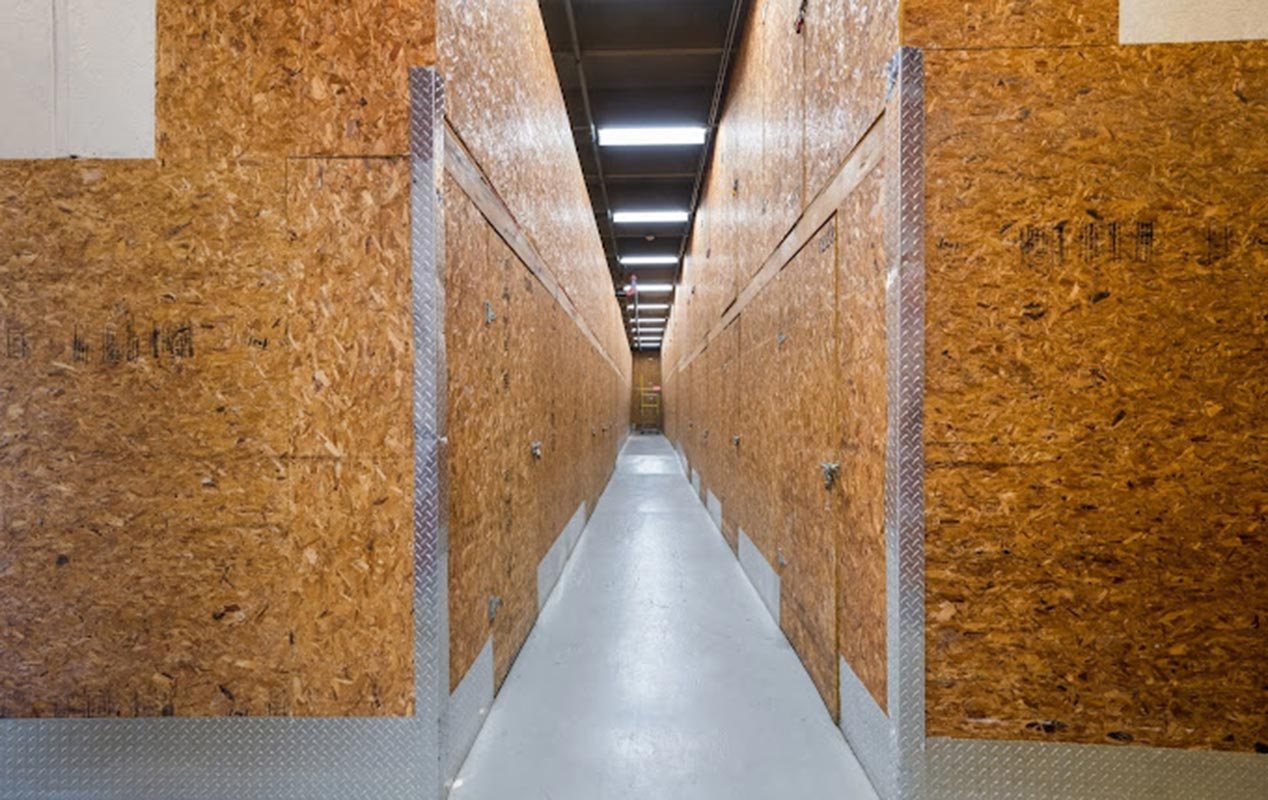
Elevator Capacity: Research indicates the facility is equipped with "Extra Large Elevators for Upper Floor Access". For residents of 22206 condos moving furniture, this prevents the logistical bottleneck often found in older storage conversions where elevators cannot accommodate a king-sized mattress or a sectional sofa standing on end. This feature directly supports the "vertical living" demographic.
Drive-Up Access: While the facility is a multi-story modern structure, the inclusion of units with drive-up capabilities caters specifically to commercial users (landscapers, contractors working in 22204) and residents with high-turnover inventory who cannot afford the time penalty of elevator transit.
Given the facility's proximity to high-value assets and the general density of the area, security is a primary decision factor. The SecureSpace protocol employs a "Defense-in-Depth" strategy that appeals to the security-conscious demographics of Northern Virginia, particularly government employees.
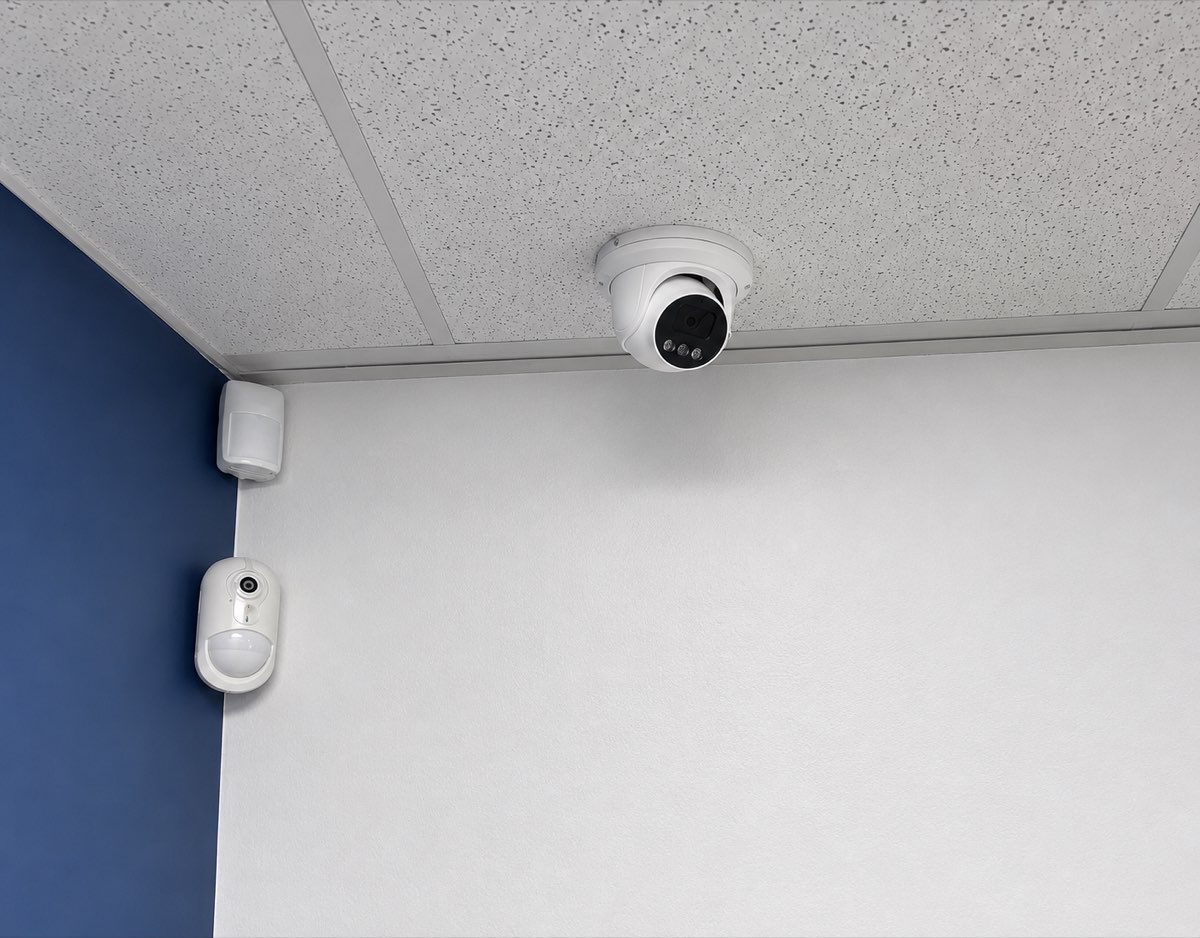
Perimeter Control: Access gating and facility-wide intercom systems create a controlled boundary, ensuring only authorized personnel and tenants can enter the premises.
Surveillance Saturation: 24/7 digital video recording ensures that there are no "blind zones" in corridors or loading bays. This continuous monitoring is vital for establishing a chain of custody and deterrence.
Unit-Level Integrity: Individual unit alarms provide granular security. This is particularly relevant for government employees storing sensitive (though unclassified) personal gear or contractors storing expensive tools. The psychological assurance of a unit-level alarm often tips the scale for users debating between a cheaper, unmonitored facility and a premium one.
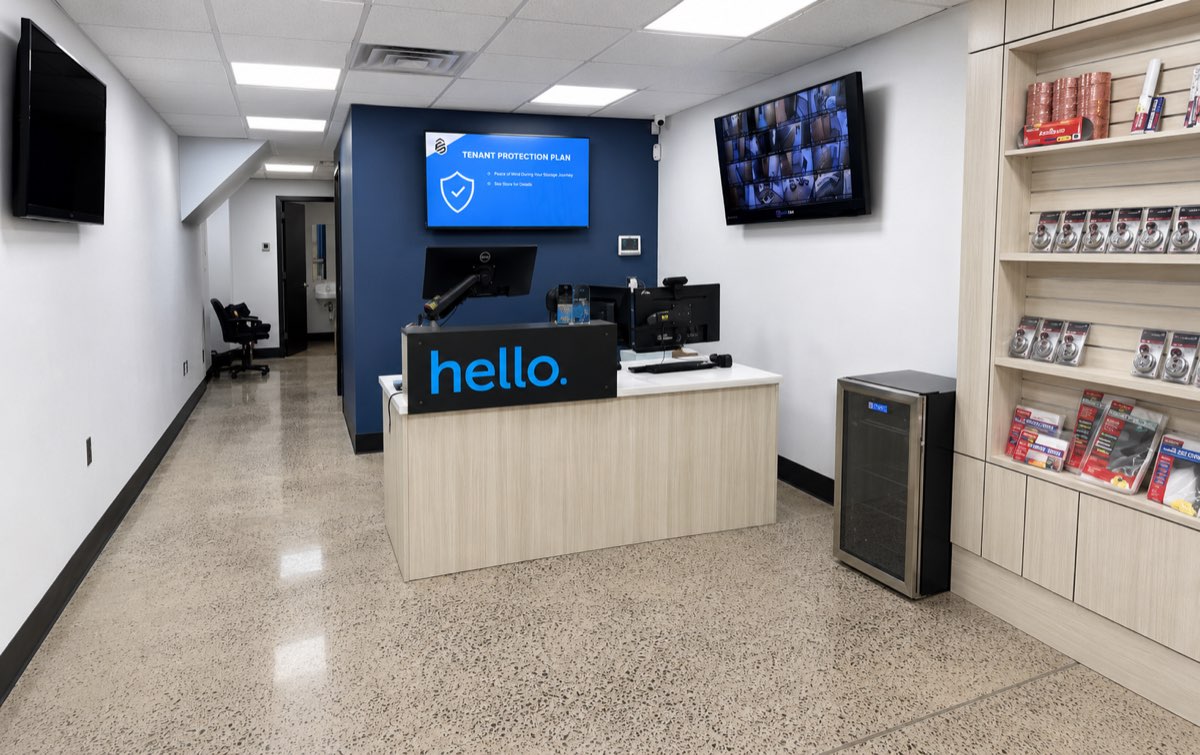
On-Site Management: The presence of on-site management adds a layer of human oversight that purely automated facilities lack, providing rapid response to any facility issues.
Northern Virginia's climate is classified as humid subtropical. This poses a distinct threat to stored goods, making climate control a preservation requirement rather than an optional amenity.
The Humidity Threat: In ZIP codes like 22206, which borders the Four Mile Run waterway, ambient humidity can spike significantly. Without intervention, this moisture promotes mold growth on leather, warping of wood veneers, and corrosion of electronics.
The Mitigation: The facility's climate-controlled units maintain a temperature range (typically 60-80°F) and, more importantly, regulate humidity levels. For residents storing off-season wardrobes (wool, leather) or archival documents, this feature is critical. It differentiates the facility from older, "garage-style" storage rows often found in outer suburbs.
Understanding the physics of storage in Arlington is crucial for long-term preservation. The term "Climate Control" is often used loosely, but in the context of the Potomac River basin, it refers specifically to Relative Humidity (RH) management.
Data indicates that organic materials react aggressively to Arlington's summer variances.
Wood & Veneers: At RH levels above 55%, wood absorbs moisture and expands. In a non-climate-controlled unit (e.g., a standard garage or attic), the fluctuating temperatures of a Virginia summer cause rapid expansion and contraction cycles. This leads to cracking, joint failure, and warping of furniture.
Leather Goods: A common storage item for the fashion-conscious residents of Shirlington. Leather requires an RH of 40-55%. Above 60%, it becomes a breeding ground for mildew. Below 30%, it desiccates and cracks. SecureSpace's regulated environment acts to keep the RH in the "Goldilocks zone," preventing irreversible biological and structural damage.
Electronics: Circuit boards are susceptible to corrosion from condensation. A non-climate-controlled unit that cools down rapidly at night after a hot, humid day can reach the "dew point" inside the unit, depositing microscopic water droplets on internal components.
The facility's location near the Four Mile Run waterway creates a localized micro-climate that can be slightly more humid than elevated areas of North Arlington (22207). This geographic nuance makes climate control even more critical for ground-floor units or those facing the water. Users are advised to prioritize interior, upper-level units for the most stable hygrometric environment if storing highly sensitive items like artwork, philatelic collections, or untreated wood furniture.
Arlington is inextricably linked to the federal government and the military industrial complex. The 2710 S Nelson St facility plays a critical role in the logistical lives of these professionals, acting as a buffer for the unique constraints imposed by government service.
Permanent Change of Station (PCS) moves are a constant rhythm in Northern Virginia. Military personnel often face strict weight allowances during these moves.
The Weight Allowance Game: "Pro-Gear" (professional gear) is often exempt from weight limits, but personal items are not. Storing excess furniture or sentimental items in Arlington while deployed or stationed in a smaller overseas post allows service members to keep their possessions without exceeding their weight cap and incurring out-of-pocket shipping costs.
The "Geo-Bachelor" Solution: Service members posted to the Pentagon (ZIP 20301/20310) for short tours often rent small apartments in 22202 or 22206 and store the bulk of their household goods. SecureSpace's month-to-month leases are perfectly aligned with the uncertain duration of these assignments, offering flexibility that long-term residential leases do not.
For State Department employees (often associated with ZIP 20520) and others utilizing the diplomatic pouch system, understanding what cannot be shipped is vital for storage planning. The diplomatic pouch is not a universal shipping solution; it has strict prohibitions.
Prohibited Items: Regulations strictly prohibit the shipment of items such as liquids, batteries (lithium), glass, and bulk personal effects via the pouch. Furthermore, items must fit within specific dimensions, often precluding furniture or large equipment.
The Storage Implication: When preparing for an overseas post, employees often find they possess items that are legally or logistically impossible to ship via pouch but are too valuable to discard. These "pouch-prohibited" items—specifically electronics with lithium batteries, liquids (like wine collections), or fragile heirlooms—are prime candidates for climate-controlled storage in Arlington. The proximity of the facility to the foreign service institute and main State Department hubs makes it a convenient staging ground for these "left behind" items.
The facility serves a wide array of federal employees based on their agency ZIP codes.
Department of State (20520): Often require long-term storage during overseas assignments.
Department of Defense (20301/20310): Frequent movers requiring flexible, short-term solutions.
Department of Justice (20530) & Interior (20240): Often have personnel rotating into DC for temporary assignments, requiring storage for household goods during their stay in smaller urban apartments.
Postal Service HQ (20260): Located nearby, employees here may utilize storage for personal or transitional housing needs.
Understanding these agency-specific needs allows for better planning. For instance, a State Department employee might prioritize a smaller, climate-controlled unit for a 3-year term, while a DOD employee might need a large drive-up unit for a 6-month rotation.
A significant driver of storage demand in 22204 and 22206 is the structural transformation of the housing stock itself. The built environment is changing, and storage is the support system for that change.
With the adoption of Arlington's "Expanded Housing Option" (EHO), commonly known as "Missing Middle" policies, homeowners are incentivized to convert single-family homes into multi-unit dwellings. This policy shift has profound implications for on-site storage.
Finishing Basements: To maximize livable square footage for rental units or expanded family living, storage basements are being converted into Accessory Dwelling Units (ADUs) or additional living suites.
Garage Conversions: Garages are increasingly being repurposed into living space, gyms, or home offices.
The result is a net loss of on-site storage capacity across the county. The "stuff" that traditionally lived in the basement—holiday decorations, luggage, tools—must be displaced. SecureSpace acts as the off-site basement for these densifying properties, allowing homeowners to monetize their square footage without sacrificing their possessions.
Arlington's housing stock, particularly in Green Valley and Fairlington, is aging. Renovations are rampant, with trends favoring "open concept" living and "smart home" integration.
Staging Storage: During a whole-home remodel, furniture must be evacuated to clear the floor for contractors.
Project Storage: Contractors and DIY homeowners use 2710 S Nelson St as a logistical hub, storing materials (tile, fixtures, cabinetry) that arrive before they are needed. This "Just-In-Time" inventory management ensures that the job site remains uncluttered and safe, reducing the risk of damage to expensive materials.
Homeowners often consider portable storage containers (PODS) for renovations. However, Arlington County enforces strict regulations on these devices, making them less convenient than they appear.
Permit Requirement: A "Transportation Right-Of-Way" (TROW) permit is required to place a container on the street or public right-of-way. This involves administrative paperwork and fees.
Time Limits: Strict 30-day limits often apply to these permits. Furthermore, placement is prohibited on certain arterial roads or where it creates a traffic hazard.
The Solution: For renovations lasting longer than 30 days, or for homes on busy streets (like Walter Reed Dr or S Glebe Rd) where permits are difficult to obtain, off-site self-storage at SecureSpace is the legally smoother and less stressful option. It eliminates the risk of fines and neighborhood complaints associated with long-term container placement.
A frequently overlooked driver of off-site storage demand is the enforcement of fire codes within multi-family residential buildings.
Many condo associations in Arlington, particularly in high-rise districts like 22202 and 22206, strictly prohibit the use of parking spaces for storage. This is not merely an aesthetic choice by the HOA; it is often grounded in the Virginia Statewide Fire Prevention Code (SFPC).
Combustible Materials: The code restricts the accumulation of combustible materials in areas not designed for storage, such as parking garages. Piles of boxes, mattresses, or old furniture in a parking spot present a fire load that the garage's sprinkler system may not be designed to handle.
Egress Obstruction: Items stored in parking spots can encroach on egress paths or impede access for emergency responders.
Residents often face periodic "sweeps" by building management to enforce these rules. When a notice is issued to clear a parking spot of "unauthorized items," residents need an immediate solution. SecureSpace offers a compliant alternative, allowing residents to keep their camping gear, tires, and excess furniture without violating fire codes or risking fines from their condo association.
For residents of Arlington, particularly in the 22206 and 22202 ZIP codes, vehicle storage is a complex calculus of cost, security, and municipal regulation.
In high-density neighborhoods like Fairlington or the condo canyons of Shirlington, parking is often deeded or strictly permitted. A household with a third vehicle, a recreational vehicle (RV), or a classic car often has literally nowhere to park it legally. Street parking in Arlington is aggressively monitored, with zones requiring residential permits that are often limited per household.
SecureSpace offers a solution with both indoor and outdoor parking options.
Indoor/Enclosed: Ideal for classic cars or high-value motorcycles. This protects the vehicle from UV damage, tree sap, and the erratic temperature swings discussed earlier.
Outdoor: A cost-effective solution for RVs, trailers, or "beater" cars used infrequently.
Parking a vehicle in a remote, unmonitored lot often invites theft or vandalism. The advantage of the 2710 S Nelson St facility is the integration of vehicle parking into the general security grid. The 24/7 video surveillance and gated access provide a layer of deterrence that a standard open lot cannot match. However, users should be aware that outdoor storage still exposes the vehicle to the elements; for long-term outdoor storage, a high-quality, breathable car cover is strongly recommended to prevent paint oxidation.
The facility's location just off I-395 is a strategic advantage for vehicle owners.
The "Weekend Warrior" Workflow: For residents who own an RV or a dedicated camping vehicle, the proximity to the I-395 corridor means they can retrieve their vehicle and be on the highway heading south (towards Shenandoah) or north (towards Maryland) in minutes, without navigating the dense, traffic-choked surface streets of Clarendon or Ballston.
Exit Intelligence: From I-395 South: Drivers generally utilize Exit 7 (Route 120/Glebe Rd/Shirlington). Merge onto S Shirlington Rd, turn left onto S Arlington Mill Dr, then right onto S Nelson St. Insider Tip: Avoid the S Shirlington Rd exit during peak PM rush hour (4:00 PM - 6:30 PM) if possible, as the weave traffic from the Pentagon mixing bowl can back up significantly. From Columbia Pike (22204): Drivers can head south on S Walter Reed Dr, turn left onto S Arlington Mill Dr, then left onto S Nelson St. This surface route avoids the highway congestion entirely.
Optimizing the use of the facility requires knowledge of local operational nuances.
It is critical to distinguish between Manager Hours and Access Hours.
Manager Hours: Typically 9:30 AM - 6:00 PM (Mon-Sat) and 10:00 AM - 4:00 PM (Sun). This is the window for purchasing boxes, signing leases, or speaking to a human.
Access Hours: Typically broader (often 6:00 AM - 10:00 PM, though specific lease terms should be verified).
Strategy: If you are moving a whole apartment, obtain your gate code and unit lock during manager hours on your first day. Do not arrive at 5:55 PM expecting to start a new rental process; the administrative setup takes time. Once you have your code, you can utilize the extended access hours for the actual hauling.
Ground Floor vs. Upper Floor: Ground floor units command a premium for a reason—speed. If you are a commercial user accessing the unit daily, the extra cost is justified by labor savings. If you are a residential user storing "dead" storage (items you won't touch for 6+ months), save money by taking an upper-floor unit. The large elevators ensure that the inconvenience is minimal for a one-time load-in.
Loading Dock Height: Be aware that the facility has loading docks optimized for trucks. If you are moving with a personal sedan or SUV, verify if there is a ramp or ground-level loading area to avoid lifting heavy items up to a dock height.
In South Arlington, space is more than a physical dimension; it is a variable that dictates lifestyle quality. Whether navigating the density of Shirlington, the historic constraints of Fairlington, or the transitional dynamics of Green Valley, the SecureSpace facility at 2710 S Nelson St offers a scalable solution to the "space friction" inherent in this market.
By leveraging the insights in this guide—from understanding the climate risks to navigating the I-395 exits—residents can transform storage from a burdensome expense into a strategic asset that enhances their living standards, protects their wealth, and preserves their history.
Everything you need to store your belongings securely, on your schedule.
Visit us online