Last updated Jul 10, 2026
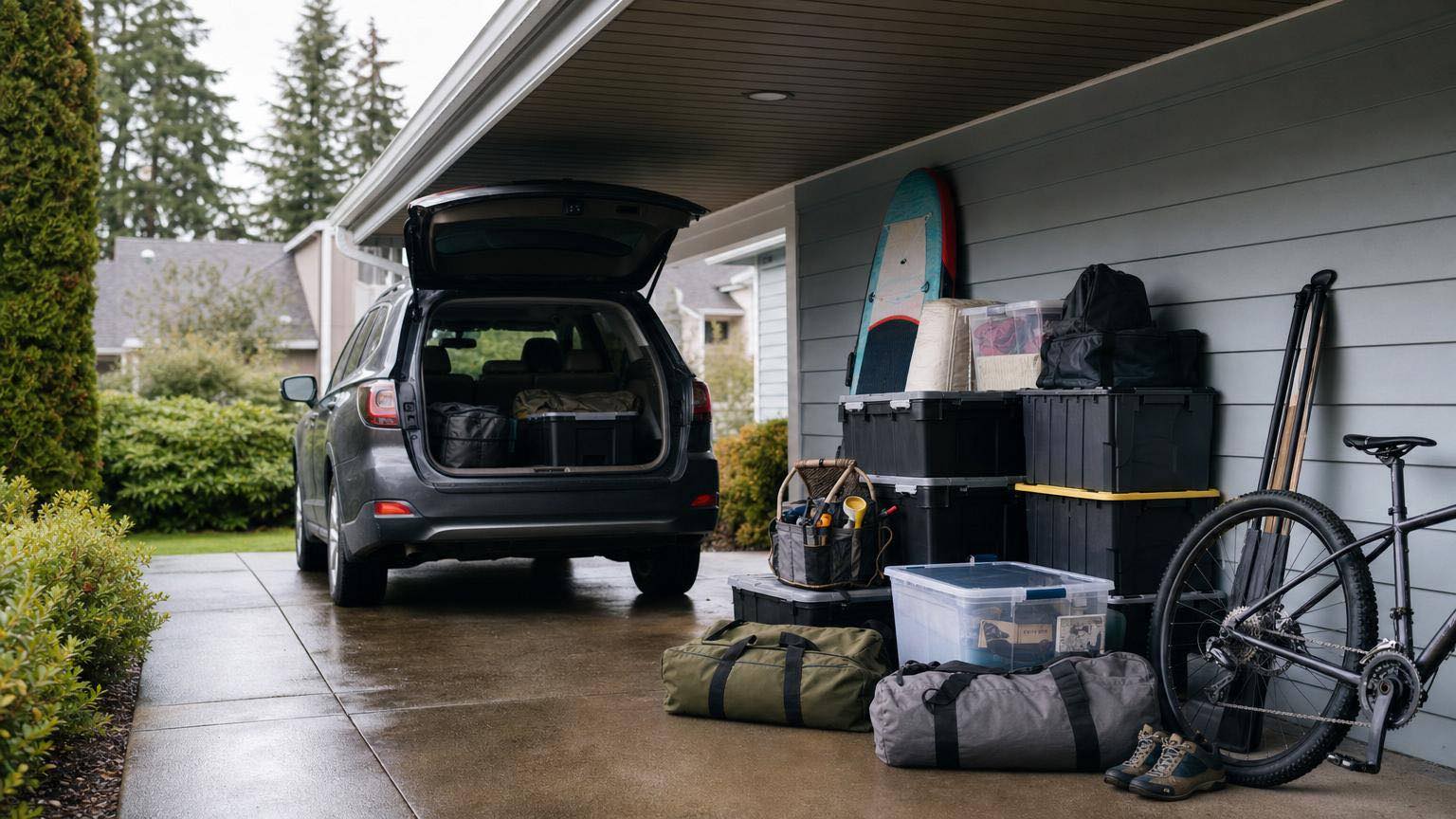
Living in Lakewood, Washington, presents a set of logistical realities distinct from anywhere else in the Pacific Northwest. Situated at the convergence of military operations, historic residential architecture, and a complex network of freshwater lakes, the city operates on a unique rhythm. To the north, the urban density of Tacoma exerts pressure on housing and commerce; to the south and east, the massive operational footprint of Joint Base Lewis-McChord (JBLM) dictates traffic flows and population turnover. To the west, the quiet, water-locked communities of Steilacoom and the Lakes District operate with a focus on recreation and preservation.
For residents in ZIP codes like 98498, 98499, and 98439, the search for storage is rarely about a simple desire for empty space. It is a response to the specific pressures of life in Pierce County. The housing stock, dominated by 1950s ramblers and split-levels in neighborhoods like Oakbrook, was built for an era of modest consumption. These homes often lack the deep closets, basements, or three-car garages required to house the modern outdoor gear—kayaks, mountain bikes, and camping equipment—essential for enjoying the region's natural amenities.
Furthermore, the omnipresent military community creates a culture of perpetual motion. For the thousands of service members and their families in the area, storage is a strategic necessity, a "deployment locker" that stands ready when orders arrive. Consequently, when a resident begins researching storage along the Pacific Highway Southwest corridor, they are looking for a logistical partner that can handle the specific environmental and operational challenges of the region.
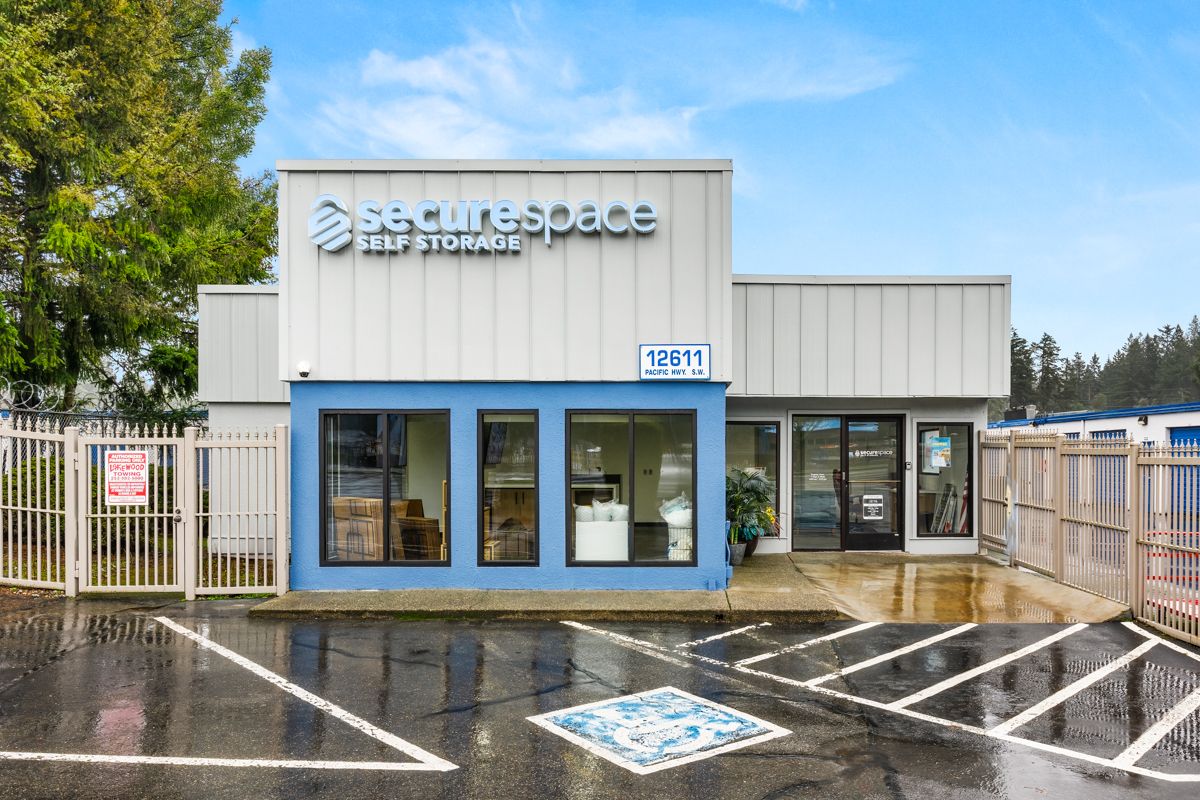
The facility at 12611 Pacific Highway Southwest occupies a central position in this ecosystem. However, selecting the right unit requires more than just identifying a location on a map. It requires navigating the "in-between" questions of access patterns, humidity control, and traffic management that often go unasked until it is too late. This report serves as an exhaustive operational guide for prospective renters, moving beyond basic dimensions to address the nuanced decision-making process required to store successfully in Lakewood.
The corridor where 12611 Pacific Highway Southwest sits is not merely a road; it is a critical artery that functions as the primary alternative to Interstate 5. Locals understand that "Pac Highway" often serves as the overflow valve when the interstate congests near the Thorne Lane or Gravelly Lake exits. This dynamic creates a specific "turn equity" consideration for storage customers. When hauling a trailer or maneuvering a loaded moving van, the ability to enter and exit a facility safely is paramount.
The location of this facility creates a distinct advantage for residents approaching from different vectors. For those coming from the north (Tacoma/Lakewood Town Center), access is generally a straightforward right turn, avoiding the need to cross oncoming traffic. For those approaching from the south (JBLM/DuPont), strategic navigation via Bridgeport Way or designated u-turn points is necessary to ensure a low-stress arrival. Understanding these traffic micro-patterns is the first step in ensuring that a storage unit feels like a convenience rather than a burden.
The research phase for self-storage often begins with price comparisons, but experienced Lakewood residents know that the true cost of storage is measured in the condition of goods upon retrieval and the friction of access. Several "silent" factors specific to this region often catch newcomers off guard.
New arrivals to the Pacific Northwest often conflate "climate control" with "temperature control." In Lakewood, specifically in the American Lake basin, the primary environmental adversary is not extreme heat, but relative humidity. The local climate is characterized by long, damp winters where temperatures hover between 35°F and 45°F, often accompanied by high dew points.
This creates a specific risk profile for stored goods. A standard drive-up unit, while offering superior convenience for loading heavy items, is essentially an outdoor environment protected from direct precipitation. It shares the ambient humidity of the outside air. If the contents of the unit include organic materials—leather furniture, antique wood, paper documents, or mattresses—the risk of mildew growth is non-zero if proper precautions are not taken.
The realization for many is that the "cheaper" drive-up unit may require a higher investment in packing materials (such as plastic totes and desiccants) to match the protection level of an interior, climate-regulated unit. Conversely, items like kayaks, lawnmowers, and holiday decorations stored in plastic bins are perfectly suited for the ambient environment of a drive-up space, making the premium for climate control unnecessary for those specific inventories.
In an area characterized by mixed industrial and residential usage, security is a top priority. However, the local understanding of security often matures from a search for "fortresses" to a search for "visibility." Facilities tucked away in dark, low-traffic industrial cul-de-sacs present a different risk profile than those situated on major thoroughfares.
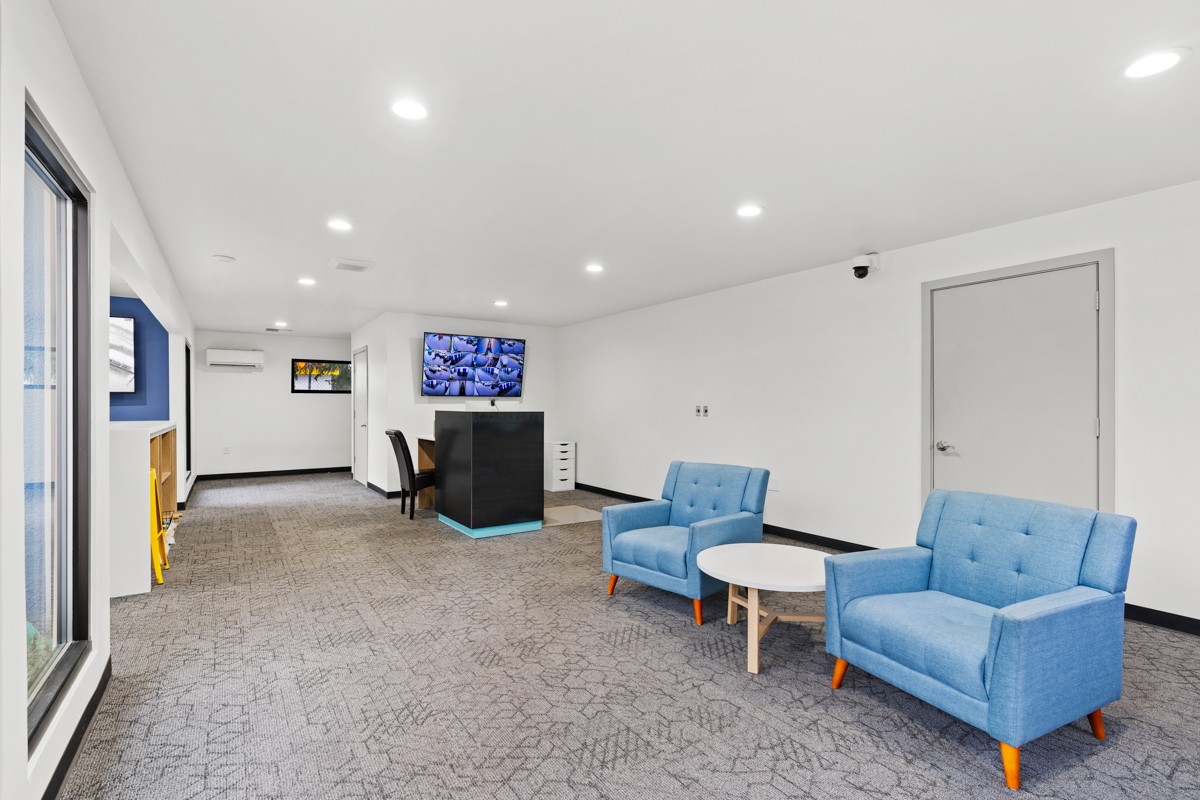
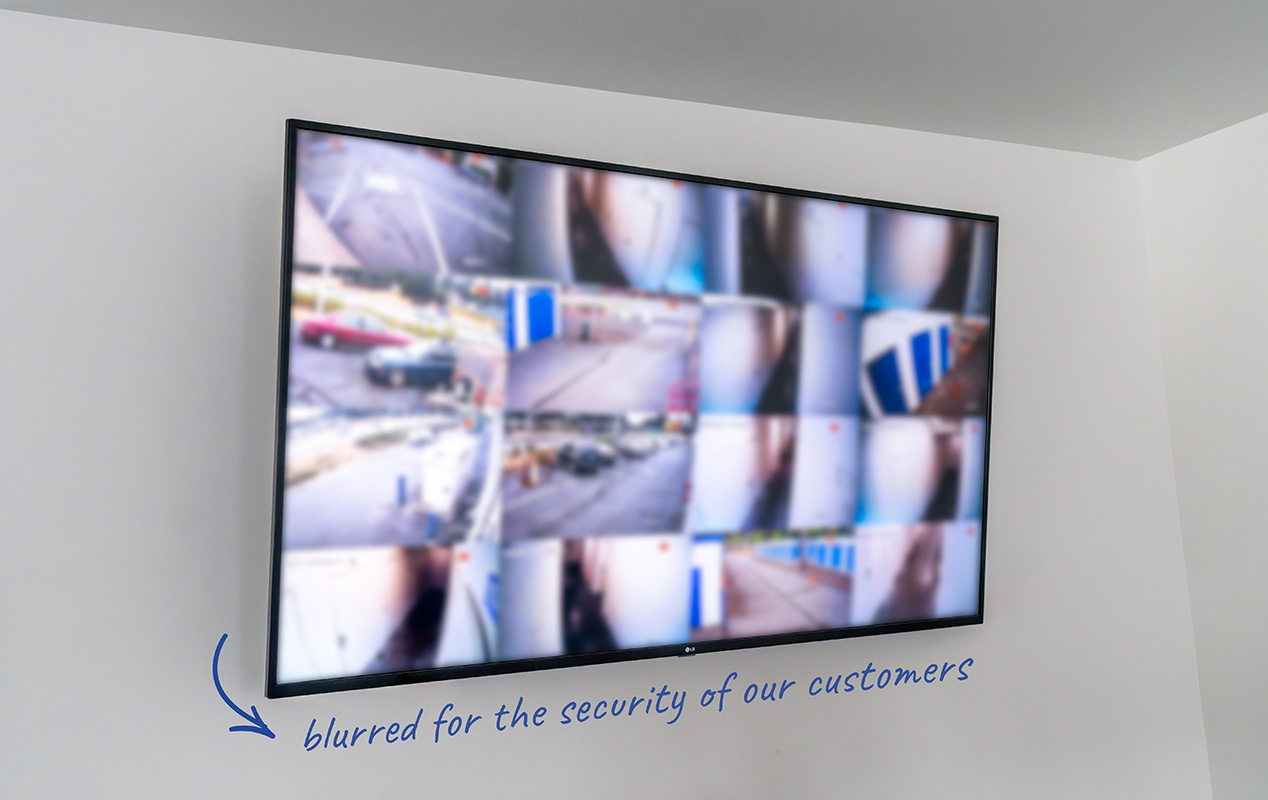
The facility at 12611 Pacific Highway Southwest benefits from the "eyes on the street" phenomenon. Its location on a major five-lane arterial means constant passing traffic, police patrols, and public visibility. This, combined with active onsite measures such as digital video recording, bright lighting, and controlled gate access, creates a layered security posture. The "in-between" realization here is that a facility that signals "we are watching" through visibility and technology often provides greater peace of mind than one that relies solely on physical seclusion.
Residents of Lakewood have lived through years of significant infrastructure projects along the I-5 corridor, including the reconstruction of the Thorne Lane and Berkeley Street interchanges. While these projects have improved highway access, they have also altered local traffic patterns.
Prospective storage renters must consider the long-term construction outlook. Ongoing and future projects, such as the I-5/Gravelly-Thorne Connector and improvements to Steilacoom Boulevard, will continue to influence travel times. Choosing a storage location that offers multiple approach routes—accessible via South Tacoma Way, Bridgeport Way, or I-5—provides a hedge against future road closures. The 12611 Pacific Highway location offers this redundancy, allowing users to bypass interstate congestion entirely by utilizing the local arterial grid.
Before committing to a reservation, it is crucial to filter your needs through a decision framework tailored to the Lakewood lifestyle. This checklist moves beyond generic advice to address the specific logistical constraints of ZIP codes 98499, 98498, and 98439.
One of the most common mistakes is prioritizing unit location over unit type without considering how often the space will be visited. The "cost" of a unit is not just the monthly rent; it is the time and physical effort required to interact with your belongings.
The "Active User" Profile (Weekly Access): This profile includes contractors storing tools, pharmaceutical reps with samples, or hobbyists accessing weekend gear. For these users, a Drive-Up Unit is the only logical choice. The ability to pull a vehicle directly up to the roll-up door saves hours of cumulative time over the course of a year. Navigating interior hallways with a flatbed cart three times a week introduces friction that quickly outweighs any price savings of an interior unit.
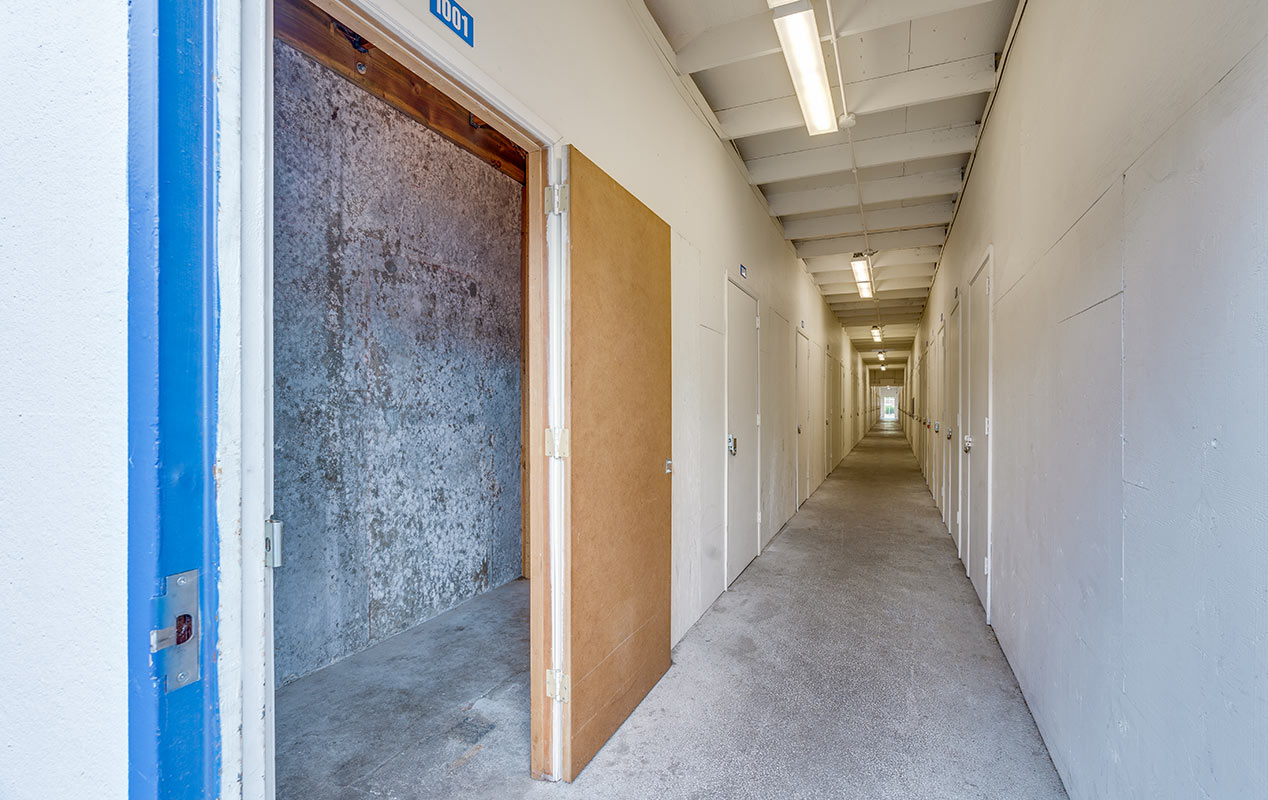
The "Seasonal Rotator" (Monthly Access): This profile fits the typical suburban household exchanging holiday decorations or camping gear. For this user, an Interior Ground Floor Unit offers a balance of cost and protection. The few extra minutes required to use a cart are a worthwhile trade-off for the added environmental stability of an interior building, especially for items that sit dormant for months.
The "Deep Storage" User (Deployment/Renovation): For service members on a 9-month deployment or homeowners undertaking a major remodel, access speed is irrelevant. The priority shifts entirely to preservation. In this scenario, an Interior Climate-Controlled Unit is the superior choice. The stable environment protects vulnerable assets during long periods of neglect, and the location of the unit within the facility (e.g., distance from the elevator) is a non-factor.
Once the access pattern is established, the nature of the items themselves dictates the necessary environment. This decision process effectively acts as a filter, guiding the renter toward the appropriate category of storage.
Item Category | Vulnerability Profile | Primary Risk Factors | Recommended Unit Type | Packing Protocol
Electronics & Media | High | Corrosion, warping, data loss. | Interior / Climate-Controlled | Original packaging or anti-static bubble wrap. Silica gel packs essential.
Fine Furniture | High | Wood warping, leather mold, glue failure. | Interior / Climate-Controlled | Breathable furniture covers (cotton). Never wrap tightly in plastic.
Documents & Art | High | Yellowing, ink transfer, mildew. | Interior / Climate-Controlled | Acid-free boxes. Elevated off the floor.
Appliances | Medium | Rust, internal mold growth. | Drive-Up or Interior | Must be fully defrosted, dry, and doors left slightly ajar.
Outdoor Gear | Low | Durable, weather-resistant. | Drive-Up | Clean and dry before storage. Plastic totes for small items.
Tools & Machines | Low | Surface rust. | Drive-Up | Drain fluids. Wipe metal surfaces with machine oil.
The vehicle you drive to the facility dictates which units are viable options. Lakewood's older infrastructure often features narrow driveways, but modern facilities like SecureSpace generally prioritize wider drive aisles to accommodate larger trucks.
Passenger Vehicles (Sedan/SUV): Any unit location is accessible.
26-Foot Moving Trucks: Renters planning to use a large rental truck must verify the turning radius of the facility's drive aisles. While 12611 Pacific Highway is situated on a major road, navigating the internal loop requires attention. It is advisable to ask staff specifically about "truck-accessible" units if a self-move with a large vehicle is planned.
Trailers: Backing a trailer into a storage lane is a technical skill. For those towing boats or utility trailers, requesting a unit at the end of a drive aisle or near a turnaround point can significantly reduce stress during loading and unloading.
Storage requirements are not uniform across Lakewood; they are deeply influenced by neighborhood geography, housing type, and lifestyle. A breakdown of the primary ZIP codes reveals distinct "storage profiles" that help clarify the needs of residents in each area.
The Neighborhood Context:
This ZIP code encompasses the commercial and residential heart of Lakewood, including the International District, the Towne Center, and the high-density residential zones flanking Pacific Highway. The housing mix here is heavily weighted toward multi-family units and apartments, with a significant portion of the population renting rather than owning.
The Storage Trigger: Density and Transition
In 98499, space is a premium commodity. Apartment dwellers often face the "balcony dilemma"—owning bulky items like bicycles, winter tires, or kayaks that are prohibited from being stored on balconies by lease agreements. For these residents, a storage unit acts as the "second bedroom" or the "detached garage" that their apartment complex does not provide. The need is often driven by the lack of auxiliary space rather than an excess of goods.
Why This Location Fits:
For residents of the Springbrook or Lakeview neighborhoods, the 12611 Pacific Highway location is often directly on the daily commute route. This allows for "trip chaining"—the ability to stop at the unit to retrieve gym gear, work tools, or inventory on the way home, rather than making a dedicated trip on the weekend. For small business owners in the International District, the facility serves as a convenient inventory depot, allowing them to maximize expensive retail square footage for customer interaction rather than storage.
The Neighborhood Context:
This area feels worlds away from the highway strip. It is leafy, established, and dominated by single-family homes, many of which are classic mid-century ramblers situated on large lots. The prestigious Oakbrook neighborhood and the shores of Steilacoom Lake define the character of this zone.
The Storage Trigger: The Rambler Paradox and Recreation
The 1950s and 60s architecture that gives this area its charm presents a specific challenge: a lack of built-in storage. These homes were designed before the era of bulk purchasing and extensive holiday decorating. They typically feature shallow closets, lack basements, and have garages that are too small for modern SUVs.
Additionally, the "Lake Life" lifestyle means residents own boats, paddleboards, and RVs. However, strict HOA covenants in many Oakbrook and Steilacoom subdivisions often prohibit the parking of recreational vehicles or trailers in driveways.
Why This Location Fits:
Residents of 98498 are accustomed to utilizing Bridgeport Way and Steilacoom Boulevard as their primary transit corridors. The drive to 12611 Pacific Highway is a quick, direct shot down Bridgeport Way. For the Oakbrook golfer or the Steilacoom boater, a drive-up unit here serves as a "mudroom"—a transition space where dirty outdoor gear can be swapped for clean vehicle interiors, keeping the mess out of the home. The facility's ability to accommodate vehicle storage helps solve the HOA parking conflict effectively.
The Neighborhood Context:
These ZIP codes are synonymous with service. They cover the McChord Field side of Joint Base Lewis-McChord and the immediate off-base housing areas. The population here is younger, highly transient, and subject to the rhythms of military deployment and training cycles.
The Storage Trigger: Deployment and PCS
For the military community, storage is a logistical requirement of the profession. Deployment checklists explicitly recommend securing personal property and vehicles during extended absences. When a service member deploys, they often vacate their apartment to save their Basic Allowance for Housing (BAH), meaning their entire household inventory must be consolidated into a storage unit for 6 to 12 months.
Why This Location Fits:
Security and proximity are the driving factors for this demographic. When deployed thousands of miles away, the assurance that a facility has robust security measures—such as recorded surveillance and controlled access—is invaluable. Furthermore, the facility's close proximity to the McChord gate means that accessing gear before a drill weekend or immediately upon returning from the field is a matter of minutes, minimizing downtime during stressful transitions.
The Neighborhood Context:
Situated slightly further south and east, these ZIP codes represent a suburban/semi-rural transition zone. Residents here often contend with significant congestion on SR-7 (Pacific Avenue) and Spanaway Loop Road.
The Storage Trigger: Commuter Interception
For these residents, driving north to Lakewood often represents a move toward better infrastructure and highway access. Storing items at 12611 Pacific Highway allows them to create an "intercept point" closer to I-5. Rather than burying infrequently used items deep in the residential grid of Spanaway, where traffic can be paralyzing, they position their goods near the highway interchange, facilitating easier retrieval during trips north toward Tacoma or Seattle.
The influence of the 12611 Pacific Highway facility extends beyond its immediate neighbors to serve commuters from surrounding areas, specifically University Place (98467) and South Tacoma (98408).
For residents of University Place, the drive to Lakewood is often a more convenient option than navigating the congestion of North Tacoma. The route utilizing Bridgeport Way serves as a natural "errand loop," connecting residents to the Lakewood Towne Center, major hardware stores, and the storage facility in a single trip.
For this demographic, the storage unit often functions as an extension of the home's garage—a place to offload seasonal clutter that would otherwise occupy valuable space in University Place's denser residential developments. The drive is short, predictable, and integrates seamlessly with other weekly tasks.
Residents of South Tacoma (98408) often occupy older, smaller homes with limited storage capacity. For this group, a storage facility in Lakewood represents a "clean break" from the clutter. It is close enough to access on a Saturday morning but far enough away that the items stored there—archives, seasonal decor, heirlooms—do not feel like they are encroaching on daily living space.
The key logistical tip for 98408 residents is to utilize "back roads" during periods of heavy I-5 congestion. Navigating directly to Pacific Highway SW via South Tacoma Way or 108th Street can often save significant travel time compared to using the interstate.
Every community has specific anxieties related to storage. In Lakewood, these concerns center on the damp climate, neighborhood safety, and traffic congestion. Addressing these issues with practical, science-based solutions is essential for a successful storage experience.
This is the predominant fear for anyone storing goods in the Pacific Northwest. The answer lies not just in the facility's climate control, but in the user's packing strategy. Mold growth is driven by the dew point—the temperature at which moisture in the air condenses into liquid water.
The Science of Prevention:
Airflow is Critical: Stagnant air allows moisture to settle. Renters should never push boxes flush against the walls of a unit. Leaving a 2-inch gap around the perimeter allows air to circulate, maintaining a consistent temperature and reducing condensation risks.
Elevation is Mandatory: Concrete floors, even in modern facilities, can wick moisture from the ground. A cardboard box sitting directly on concrete acts as a sponge. The use of wooden pallets or plastic shelving to elevate goods is a non-negotiable best practice in this region.
Desiccants: For sensitive items, the use of chemical desiccants (such as calcium chloride products) inside specific boxes or the unit itself effectively lowers the local humidity.
Material Choice: For long-term storage in Lakewood, sealable plastic totes are vastly superior to cardboard. They are impervious to ambient humidity and offer a physical barrier against pests.
Pacific Highway Southwest is a busy, mixed-use corridor, and concerns about security are natural. However, in the context of self-storage, activity often equals security.
The "Fishbowl" Effect:
Criminal activity thrives on isolation and darkness. A facility located on a major arterial like Pacific Highway, which sees thousands of cars daily and regular police patrols, presents a "hard target" compared to facilities hidden in low-traffic industrial zones. The visibility of the location serves as a primary deterrent.
Active Deterrence Technology:
Modern facilities invest in what is known as "active deterrence." This includes high-definition cameras that record continuously rather than relying solely on motion triggers, bright LED lighting that eliminates shadows at night, and personalized gate codes that create a digital log of every entry and exit. These measures transform the facility from a passive warehouse into a monitored environment.
The User's Role:
Security is a partnership. Renters are encouraged to use cylinder locks (disc locks), which are designed to resist bolt cutters. Furthermore, adhering to "tailgating" protocols—never following another car through the gate without entering a code—ensures that the integrity of the access log is maintained.
Traffic on Pacific Highway is a reality, largely driven by the shift changes at JBLM and the general commute flow. However, it is predictable and manageable with the right strategy.
Navigating the Pacific Highway Corridor:
The heaviest congestion typically coincides with morning and afternoon base traffic, roughly 6:30 AM to 8:30 AM and 3:30 PM to 5:30 PM. During these windows, turning left onto or off of Pacific Highway can be challenging.
The "Green Zone" Strategy: Visits planned between 10:00 AM and 2:00 PM on weekdays, or during early mornings on weekends, generally encounter minimal traffic.
Access Hours: The facility's extended access hours (typically 6:00 AM to 9:00 PM) provide a wide window for users to visit their units outside of peak congestion times. Utilizing these "shoulder hours" allows for a stress-free experience.
When stripped of marketing language, the value of the 12611 Pacific Highway Southwest location lies in its alignment with the actual usage patterns of Lakewood residents.
It acknowledges that moves in the Pacific Northwest are often wet and messy. By offering amenities such as covered loading areas or drive-up units, the facility mitigates the risk of water damage during the loading process—a crucial feature in a region known for sudden rain showers.
It understands that flexibility is the primary need. Life in the South Sound is unpredictable; deployments get extended, renovations encounter delays, and closing dates shift. The month-to-month nature of the rental agreement is not a bug but a feature, providing residents with 30-day increments of stability in an otherwise fluid environment.
It recognizes the importance of vehicle flow. Whether it is a DITY move for the Army or an estate clearing in Lake City, the need for space to maneuver large trucks is paramount. The facility's layout is designed to accommodate the turning radius of moving vans, ensuring that the physical act of moving in is not a bottleneck.
Renovating a classic Lakewood rambler often involves complex logistics due to the limited floor plan. Attempting to shuffle furniture from room to room during a remodel slows down contractors and increases the risk of damage to belongings.
The Strategy: Rent a unit one size larger than the immediate estimate suggests.
The Execution: Use the unit as a staging ground for the new materials. Receiving appliances, cabinets, and fixtures into the storage unit before demolition begins ensures that all materials are on hand when the contractor needs them. This avoids supply chain delays and keeps the job site clear of clutter, accelerating the renovation timeline.
For military personnel in ZIPs 98433 and 98439, storage is a critical component of pre-deployment preparation.
Authorization Protocols: It is vital to list a spouse or trusted family member as an "Authorized User" on the storage account. If the service member loses a debit card or needs a document retrieved while overseas, the authorized user can act on their behalf. Without this designation, the facility is legally barred from granting access to anyone but the tenant.
Payment Automation: Relying on manual payments while deployed is a risk due to spotty internet connectivity. Setting up auto-pay is a non-negotiable step to prevent the unit from falling into delinquency during the deployment.
Vehicle Preparation: If storing a personal vehicle, specific steps must be taken to ensure it is road-ready upon return. Disconnecting the battery prevents drainage. Slightly over-inflating tires helps prevent flat spots from forming during months of immobility. Placing a desiccant pack in the interior is essential to prevent mold growth on upholstery in the damp climate.
Choosing a storage facility in Lakewood is a decision that extends beyond price. It is about finding a logistical partner that understands the unique pressures of the region—the damp climate, the traffic rhythms of the military base, and the architectural constraints of the local housing.
It is about knowing that when you drive off Pacific Highway and enter your code, the gate will open, the lights will be on, and your belongings will be preserved exactly as you left them. The facility at 12611 Pacific Highway Southwest offers a balance of accessibility, modern infrastructure, and strategic location that makes it a practical extension of the Lakewood home.
Take the time to measure your furniture, analyze your access needs, and consider the traffic patterns. By aligning your choice with the realities of how you live, you ensure that your storage unit provides not just space, but genuine peace of mind.
Everything you need to store your belongings securely, on your schedule.
Visit us online