Last updated Jul 10, 2026
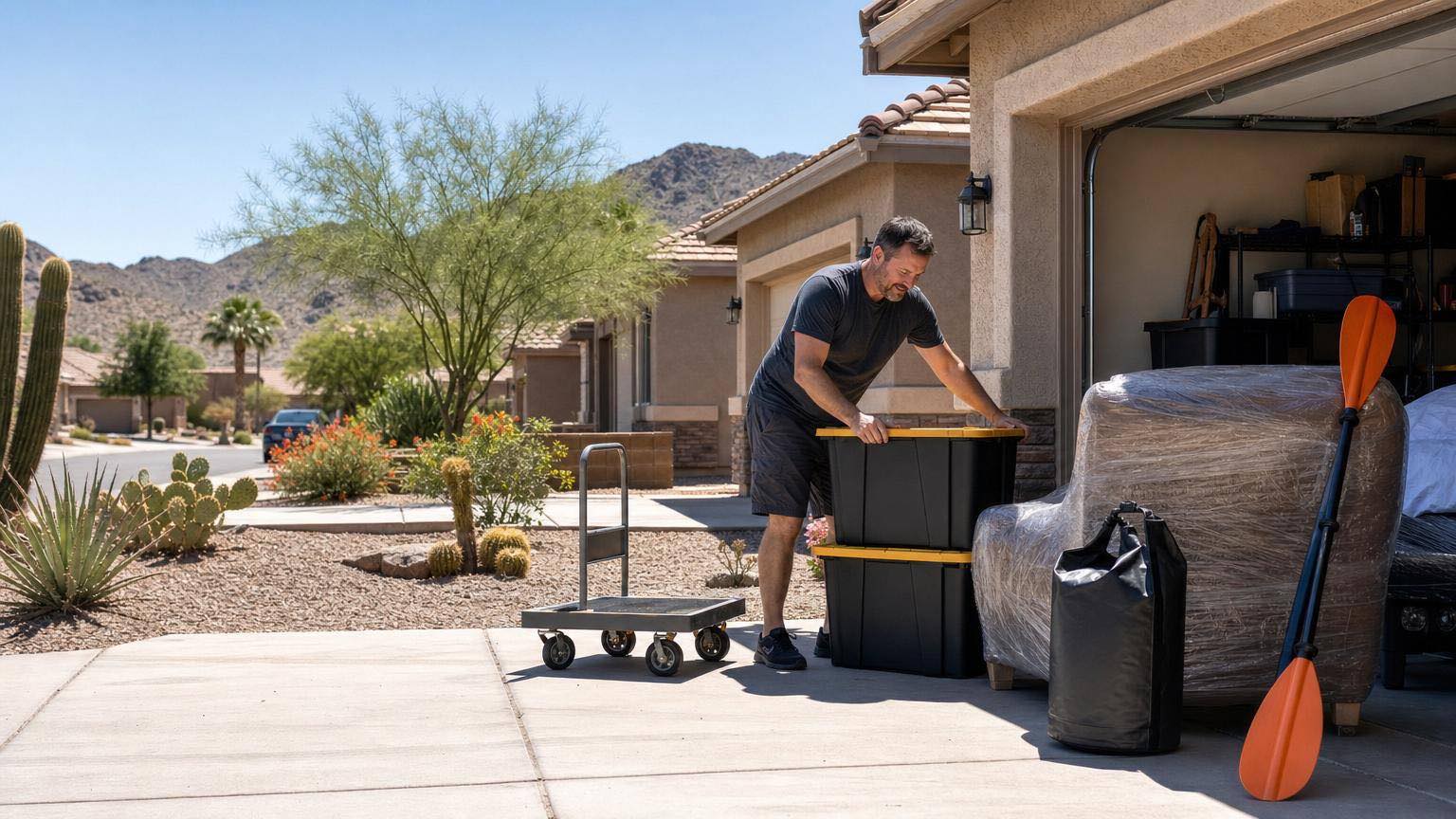
The contemporary residential experience in Surprise, Arizona, is defined by a distinct spatial paradox. To the casual observer, the city is characterized by vast, open desert horizons, wide arterial boulevards like Bell Road and Grand Avenue, and the imposing silhouette of the White Tank Mountains to the west. The visual language of the region suggests boundlessness. Yet, within the domestic sphere of the primary residential ZIP codes—85379, 85374, 85388, and surrounding areas—residents face an acute and intensifying scarcity of personal space. This phenomenon, which we identify as the "Surprise Space Crunch," is not merely a result of consumer accumulation but is a structural inevitability born from the intersection of specific architectural trends, aggressive municipal and Homeowners Association (HOA) regulation, and the unforgiving physics of the Sonoran Desert climate.
For the diverse population of Surprise—ranging from the young, growing families in the master-planned communities of Marley Park and Surprise Farms to the active adult retirees in Sun City Grand and Arizona Traditions—the decision to utilize external storage is rarely a simple matter of convenience. It has evolved into a strategic lifestyle management decision. It is a necessary response to the need to protect high-value assets from thermal degradation, the requirement to comply with increasingly strict municipal parking codes that effectively criminalize the presence of recreational vehicles in residential zones, and the logistical complexities of navigating a "Mixed" market economy where housing density is increasing while lot sizes are shrinking.
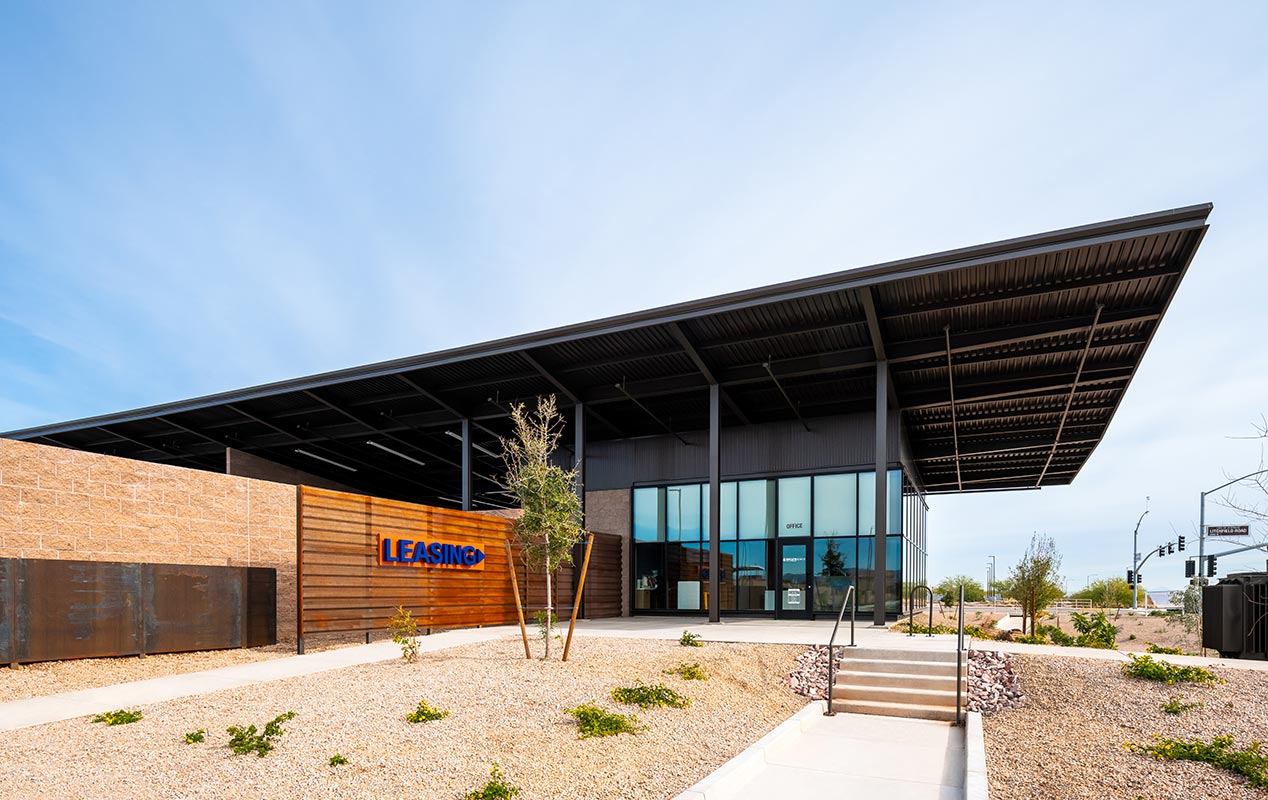
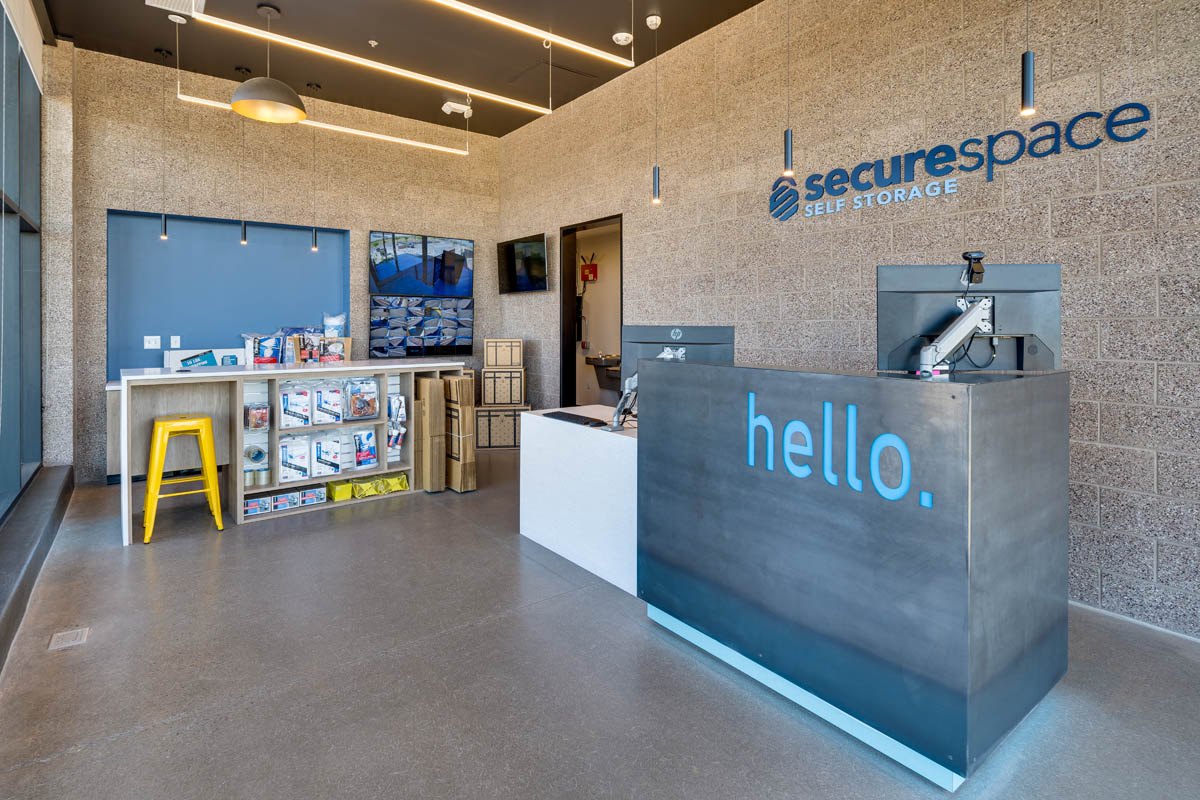
This comprehensive research report serves as the definitive, expert-level decision guide for residents considering SecureSpace Self Storage at 13930 W Sweetwater Ave. Unlike generic storage advice, this document provides a hyper-local analysis that layers traffic engineering data, neighborhood-specific architectural profiles, and environmental science to empower residents to make low-stress, high-value decisions. We will explore how the facility's specific location serves as a logistical "bypass" for the notorious congestion of Bell Road, how the nuances of local HOA covenants in ZIP codes like 85379 and 85374 necessitate external solutions, and how the specific climate control technologies available on Sweetwater Avenue mitigate the distinct risks posed by the Arizona summer.
To truly understand the value proposition of the SecureSpace facility on Sweetwater Avenue, one must first deconstruct the unique environmental and regulatory ecosystem of the West Valley. The drivers of demand in Surprise differ significantly from those in other metropolitan regions, creating a "perfect storm" that forces residents to look beyond their property lines for storage solutions.
In many parts of the United States, the residential home functions as a self-contained storage vessel, utilizing subterranean basements and climate-buffered attics to absorb the accumulation of a lifetime. However, the housing stock in the primary Surprise ZIP codes—specifically the newer developments in 85379 (Marley Park), 85388 (Surprise Farms/Greer Ranch), and the established communities of 85374 (Sun City Grand)—is architecturally distinct in ways that limit storage capacity.
The first constraint is geological. The region is underpinned by caliche, a concrete-like layer of calcium carbonate that makes the excavation required for basements prohibitively expensive and technically difficult. As a result, the vast majority of homes in Surprise are built on slab-on-grade foundations. This eliminates the "default" storage zone of the basement, which in other regions accounts for hundreds of square feet of utility space.
The second constraint is thermal. While attics exist in these homes, the extreme ambient temperatures of the Sonoran Desert render them uninhabitable for inanimate objects. In July, when ambient air temperatures exceed 110°F, the temperature inside an uninsulated Surprise attic can easily surpass 150°F. This environment is chemically aggressive; it liquefies candles, warps plastics, destroys the adhesives in furniture, and significantly shortens the lifespan of any electronics or chemically unstable materials stored within. Thus, the attic is functionally effectively removed from the storage equation for any item of value.
This leaves the garage as the sole remaining repository for household overflow. However, a phenomenon we might term the "Garage Gap" has emerged, particularly in the neo-traditional neighborhoods like Marley Park. To foster a pedestrian-friendly, "front porch" aesthetic, planners and builders have utilized alley-loaded garages or pushed garages to the rear of the lot. While aesthetically pleasing, this design choice often results in garages that are dimensionally tight. The modern American vehicle fleet has grown in size—the Ford F-150 and large SUVs popular among Surprise families often barely fit lengthwise in these standard garages. When a resident attempts to introduce storage racks, holiday decorations, or recreational gear into this space, the primary function of the garage—housing the vehicle—is compromised. This creates a critical tension: parking the car outside exposes it to the brutal UV radiation of the Arizona sun, yet parking it inside requires the total evacuation of all other stored items.
Surprise is not a "park where you want" municipality. The management of visual order is a high priority for both the City government and the private governance of Homeowners Associations (HOAs). In 2024 and 2025, the enforcement landscape has tightened, creating an external pressure that drives storage demand.
The most significant of these regulatory pressures is the comprehensive restriction on Recreational Vehicles (RVs). The City of Surprise has codified strict prohibitions against the parking of trucks, recreational vehicles, and trailers on all City streets and rights-of-way. This is not merely an HOA rule that applies to specific gated communities; it is a municipal ordinance that affects the public streetscape. The code explicitly defines trucks and RVs by weight and type, leaving little wiggle room for residents who might hope to park a boat or camper in front of their home for an extended period.
Simultaneously, the private governance of neighborhoods like Sun City Grand, Marley Park, and Arizona Traditions enforces what can be termed the "Visible Clutter Doctrine." These communities operate under strict Covenants, Conditions, and Restrictions (CC&Rs) that regulate the aesthetics of the property. Residents are often prohibited from erecting detached storage sheds that are visible above the fence line or from the street without rigorous architectural review. In many cases, even if a shed is permitted, the small lot sizes characteristic of the "Mixed" density developments in 85379 leave insufficient physical footprint to build one.
This regulatory environment creates a binary outcome for RV and boat owners: they must either construct a purpose-built RV garage (an expensive capital improvement that is impossible on many lots due to setbacks) or secure off-site storage. The SecureSpace facility, with its dedicated RV provisions, thus becomes an essential infrastructure component for the outdoor lifestyle that draws many to the area in the first place.
Surprise is categorized as a "Mixed" market type, a designation that reflects its diverse socioeconomic and demographic tapestry. This mix drives storage demand from two distinct, yet equally pressing, directions.
On one end of the spectrum, we have the "Upsizing Family" demographic, prevalent in ZIP codes 85379 (Marley Park) and 85388 (Surprise Farms). These households are often in the accumulation phase of life. They are raising children, acquiring sporting equipment for use at the expansive local amenities like the Surprise Stadium and Aquatic Center, and managing the influx of consumer goods associated with family growth. For these residents, the home is a hive of activity, and space is at a premium. The accumulation of "kid clutter"—bicycles, sports gear, outgrown clothing saved for younger siblings—competes directly with the living space.
On the other end, we have the "Downsizing Retiree," dominant in ZIP codes 85374 (Sun City Grand) and 85375 (Sun City West). These residents are often relocating from the Midwest or Pacific Northwest, moving from 3,000+ square foot single-family homes with basements to 1,500–1,800 square foot single-story patio homes or casitas. This transition creates an immediate mathematical surplus of possessions. The "Downsizing Dilemma" is not just logistical but emotional; these residents possess high-quality furniture, antiques, and sentimental heirlooms that simply cannot fit into the new floor plan. They require a "transition buffer"—a secure, climate-controlled extension of their home where these items can be preserved while decisions about their ultimate disposition are made.
The intersection of these two demographics in a single market creates a robust and varied demand for storage. The SecureSpace facility at 13930 W Sweetwater Ave is positioned at the geographic fulcrum of these communities, serving as a solution for both the overflow of the growing family and the preservation needs of the downsizing retiree.
In the world of real estate and logistics, location is the primary determinant of value. For a storage facility, "location" is defined by accessibility, traffic flow, and proximity to the user's daily life. The address 13930 W Sweetwater Ave offers a strategic advantage that is perhaps its most underrated asset: the ability to bypass the "Bell Road Gridlock."
Bell Road is the commercial spine of the West Valley, but it is also a source of significant daily friction for residents. Traffic data and local sentiment confirm that the corridor, particularly near the intersections of Litchfield Road and Grand Avenue, handles immense volumes of vehicles—upwards of 70,000 per day. The congestion is exacerbated by the density of retail, the presence of heavy commercial trucks, and the timing of traffic signals, which city engineers are constantly attempting to optimize to mitigate backups.
For a resident attempting to move a trailer full of furniture or navigate a 26-foot moving truck, Bell Road presents a high-stress environment. The stop-and-go nature of the traffic, combined with the aggressive driving behaviors often seen on major arterials, increases the risk of accidents and the sheer psychological toll of the move.
The SecureSpace facility is located on Sweetwater Avenue, roughly one mile south of Bell Road. This location allows for a "Sweetwater Bypass" strategy. Residents of Marley Park (85379) can access the facility via Reems Road, a north-south connector that is significantly quieter and more residential in character than the major arterials. This 1.9-mile drive takes approximately 5 minutes and involves minimal interaction with commercial traffic.
Similarly, residents of Waddell (85355) and the newer developments in Surprise Farms (85388) can approach from the south via Bullard Avenue or Reems Road, accessing the facility without ever touching Bell Road or Grand Avenue. This creates a low-stress "logistical corridor" for accessing stored goods. Whether one is picking up camping gear for a weekend trip or moving a load of boxes, the ability to avoid the major congestion zones transforms the storage experience from a chore into a seamless errand.
The facility is "hyper-local" to several key community anchors, reinforcing its utility as a neighborhood asset rather than a distant warehouse.
Marley Park: The facility is practically an extension of the neighborhood. With the unique "Heritage Club" and community-focused design of Marley Park, residents are accustomed to shared amenities. SecureSpace functions as the "shared attic" for the community.
Surprise Stadium: Located nearby, the stadium serves as a seasonal hub for spring training. For residents who rent their homes during the spring training season (a common practice in Arizona), having a nearby storage unit to securely stow personal items while tenants are in the home is a valuable strategy.
Waddell/Shadow Ridge: The growing communities to the south and west find Sweetwater to be a natural northern boundary for their daily commute, making the facility an easy "on the way" stop.
The question "Do I need storage?" has a different answer depending on which specific Surprise neighborhood you call home. The housing stock, lot sizes, and lifestyle pressures vary dramatically across ZIP codes. This section provides a tailored analysis for residents of the primary catchment areas.
The Architectural Profile: Marley Park is distinct for its rejection of the beige stucco monotony. It features Craftsman, Bungalow, and Spanish Revival aesthetics with a focus on tree-lined streets and front porches.
The Storage Challenge: To achieve this aesthetic, garages are often relegated to the rear via alleyways. These garages are frequently tight 2-car configurations. The specialized architecture often results in unique floor plans that prioritize communal living spaces over massive storage closets. Furthermore, the high community engagement—Marley Park is famous for its holiday lights and block parties—means residents often own extensive holiday decor that is used only one month a year but requires storage for the other eleven.
The SecureSpace Solution:
Seasonal Rotation Strategy: Residents should view their unit as a "seasonal annex." A 5x5 or 5x10 unit is sufficient to hold the plastic bins of holiday lights, artificial trees, and Halloween decor. By moving these bulky, low-frequency items off-site, the garage can remain functional for its primary purpose: housing vehicles and bicycles.
The "Alley Access" Factor: Since loading a vehicle in an alley can be tight, the ability to drive that vehicle to a facility with wide drive aisles and drive-up units is a major convenience.
The Architectural Profile: This is a premier age-restricted community. The homes are high-quality, often with golf course views, but they are designed for efficiency. They lack the sprawling basements and multiple spare rooms of the family homes many residents left behind.
The Storage Challenge: The transition to Sun City Grand is often a "hard downsize." Residents arrive with a lifetime of accumulation. The challenge is preserving the history and value of these items without cluttering the new, simplified living space. There is also the issue of "legacy items"—heirlooms intended for grandchildren who may not yet be ready to receive them.
The SecureSpace Solution:
Preservation is Key: The priority here is Climate Control. The antiques, oil paintings, and wood furniture that define a lifetime of collecting are highly susceptible to the dry heat of Arizona. The climate-controlled units at SecureSpace offer the stability required to prevent cracking, warping, and fading.
Accessibility: For this demographic, First Floor Access is non-negotiable. The facility's provision of ground-level units and elevators ensures that accessing these items does not become a physical burden.
The Architectural Profile: These neighborhoods feature larger, newer homes on slightly more generous lots. The demographic is heavily skewed toward families with children and teenagers.
The Storage Challenge: The primary driver here is "Lifestyle Volume." Active families accumulate gear: kayaks for Lake Pleasant, dirt bikes for the desert, sports equipment for the high school teams, and camping gear for trips to Flagstaff. This gear is bulky, dirty, and difficult to organize in a standard garage that also needs to fit two SUVs.
The SecureSpace Solution:
The "Gear Locker" Approach: A Drive-Up Unit is the ideal configuration for this user. It functions as a detached garage. The family can load up the truck for a camping trip directly from the unit on Friday afternoon and drop everything back off on Sunday evening, keeping the dirt and clutter out of the main residence.
Flexibility: As children grow and leave for college, the storage needs change. The month-to-month rental agreements allow families to scale their storage space up or down as their needs evolve—renting a unit for the summer to store a college student's dorm room contents, for example.
The Architectural Profile: Youngtown, the nation's first master-planned retirement community, now hosts a mixed demographic. The housing stock is older, often dating to the 1950s and 60s, with carports instead of garages and smaller footprints. El Mirage similarly features more affordable, starter-home stock.
The Storage Challenge: Residents here are frequently engaged in renovation. Younger buyers are purchasing these affordable homes and updating them. During a renovation, furniture needs to be cleared out to protect it from dust and damage. Additionally, the lack of enclosed garages in some older Youngtown properties makes secure storage for tools and equipment a priority.
The SecureSpace Solution:
Project Storage: A short-term rental serves as a staging ground for renovations. It protects furniture and household goods while flooring or painting is being completed.
Economic Efficiency: For cost-conscious residents, the smaller 5x5 units provide an affordable way to gain square footage. It is significantly cheaper to rent 25 square feet of storage than to add a room to an existing structure or upgrade to a larger house in the current market.
For those new to Arizona, or those who have only experienced it as a winter visitor, the violence of the summer climate can be underestimated. The decision to use climate-controlled storage is not merely a matter of "keeping things cool"; it is a matter of mitigating complex physical and chemical degradation processes driven by thermal cycling.
In a standard, uninsulated garage in Surprise, the internal temperature does not simply stay hot; it cycles. Data indicates that while a climate-controlled unit remains a steady 55-80°F, a standard uninsulated garage in Surprise can experience daily thermal swings from 90°F at night to over 150°F during the peak of a July afternoon. This massive variance—often exceeding 60 degrees in a single 24-hour period—is the primary engine of destruction for stored goods.
Wood and Furniture: Wood is hygroscopic and anisotropic; it absorbs moisture and expands/contracts differently along its grain. The extreme heat of a Surprise garage dries the wood out rapidly, causing it to shrink. This shrinkage breaks the glue bonds in joinery (which are often thermoplastic and soften in high heat), leading to wobbly chairs and cracked tabletops. Veneers can delaminate as the substrate shrinks away from the surface layer.
Electronics: Heat is the enemy of all electronics. High temperatures accelerate the degradation of batteries (which can leak acid) and capacitors. The dielectric materials in circuit boards can break down, leading to failure when the device is eventually powered on. Storing a computer, TV, or even battery-powered tools in a non-climate-controlled unit is essentially a slow-motion destruction of the device.
Plastics and Synthetics: The plasticizers in storage bins, toys, and synthetic fabrics can migrate or evaporate in high heat, leaving the material brittle. A plastic tote stored in a garage for two summers may simply shatter when lifted. Vinyl records will warp irreversibly at temperatures as low as 140°F—a temperature easily reached in an enclosed garage or attic.
While Arizona is famous for its "dry heat," the Monsoon season (typically July through September) introduces a secondary threat: humidity spikes. During a monsoon storm, relative humidity can jump significantly. In a stagnant, unventilated space like a packed garage or shed, this moisture can become trapped in fabrics or paper. Combined with the high heat, this creates a micro-environment conducive to mold and mildew growth, particularly on leather goods and cardboard.
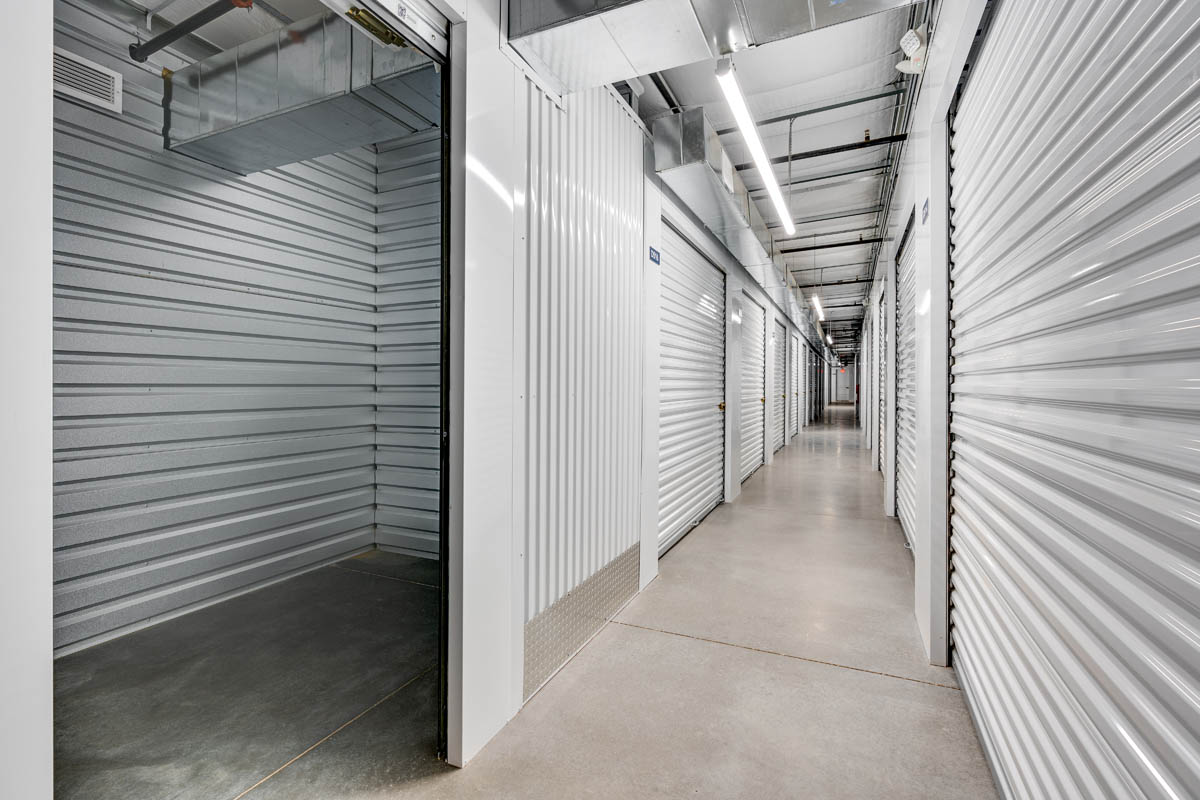
The "Climate-Controlled" units at SecureSpace function by regulating both temperature and humidity. By maintaining a temperature range generally between 55°F and 80°F, the facility effectively halts the thermal expansion/contraction cycles.
The Insurance Calculation: Residents should view the incremental cost of a climate-controlled unit not as a luxury expense, but as an insurance premium. If a resident is storing a $3,000 leather sofa, a collection of first-edition books, or family photo albums, the cost of climate control is negligible compared to the replacement value (or emotional value) of the items.
Human Safety and Comfort: There is also a human element. Visiting a storage unit in July to search for a document is a physically dangerous activity in a non-climate-controlled drive-up unit, where internal temperatures can cause heat exhaustion in minutes. An indoor, cooled facility allows for safe, comfortable access year-round, encouraging better organization and utilization of the space.
Surprise is geographically positioned as the gateway to the West Valley's outdoor playgrounds. With Lake Pleasant Regional Park to the north offering boating and fishing, and the vast White Tank Mountain Regional Park to the west for hiking and camping, the ownership of recreational vehicles is high. However, the ownership of these "toys" comes with significant logistical friction.
As detailed in Chapter 1, the regulatory environment in Surprise is hostile to the casual storage of RVs at home. The City of Surprise Municipal Code prohibits the parking of these vehicles on streets, and HOA CC&Rs almost universally ban them from being visible on the lot. The "72-hour loading/unloading" window often provided in CC&Rs is strictly enforced, and in a community of watchful neighbors, violations are quickly reported to Code Enforcement.
This creates a high-stakes game of "hide the RV" for many owners, who risk fines and liens on their property. The stress of trying to comply with these rules—shuffling vehicles around, trying to squeeze a trailer behind a gate that isn't quite wide enough—can detract significantly from the enjoyment of the RV lifestyle.
SecureSpace offers a sanctioned sanctuary for these assets, effectively solving the regulatory problem.
Enclosed Storage: This is the premium option, functioning as a private garage for the vehicle. It offers complete protection from the sun's UV radiation, which is the primary cause of decal peeling, tire rot, and seal failure in RVs stored outdoors in Arizona.
Covered and Uncovered Parking: For those with more robust vehicles or tighter budgets, the parking spaces offer a compliant place to keep the vehicle. The facility's paved surfaces reduce the dust and rodent issues associated with storing RVs in dirt lots on the outskirts of town.
The "Ready to Go" Factor: Storing at SecureSpace means the vehicle is accessible 7 days a week. The facility's wide drive aisles and turning radiuses are designed to accommodate large vehicles, eliminating the "white knuckle" experience of trying to maneuver a 30-foot trailer in a tight residential cul-de-sac.
The "Last Mile" of any move—the final transport of goods from the home to the storage unit—is often the most stressful phase. In Surprise, the success of this phase is dictated by an understanding of local traffic patterns.
Bell Road is a necessary evil for commerce, but it is a liability for logistics. The heavy traffic volume, combined with the frequency of signalized intersections, makes it a poor route for moving trucks. Commercial trucks accelerate slowly and require more braking distance; in the aggressive stop-and-go traffic of Bell Road, this is a recipe for stress and potential accidents.
Recommended Routes to SecureSpace (13930 W Sweetwater Ave):
From Sun City Grand (North): Do not take Bell Road. Instead, utilize Mountain View Boulevard to Reems Road, then head south. This route is scenic, quieter, and avoids the major commercial nodes.
From Surprise Farms/Greer Ranch (South): Utilize Cactus Road or Waddell Road to connect to Reems Road northbound. This keeps the move entirely within the lower-density southern zone of the city.
From El Mirage/Youngtown (East): The most efficient route is often Greenway Road westbound to Dysart Road, then south to Sweetwater Avenue. This bypasses the congested Grand Avenue/Bell Road interchange entirely.
The "Dawn Patrol" Strategy: If moving between May and September, the move must be operationalized around the sun. Access hours at SecureSpace begin at 6:00 AM. Residents should aim to be at the facility gate at 6:00 AM sharp. By 10:00 AM, the temperature will likely exceed 100°F, making heavy physical exertion dangerous.
Hydration and Physiology: The low humidity in Surprise evaporates sweat instantly, leading to rapid dehydration that is often unnoticed until it is too late. Movers should consume water constantly, not just when thirsty.
Truck Access: For residents moving from out of state (e.g., California or the Midwest) using large semi-trucks, the facility's ability to accommodate 18-wheeler drop-off is a critical logistical detail. Not all facilities have the turning radius for a 53-foot trailer; verifying this capability prevents a "stuck truck" scenario on moving day.
Dust Defense: Even in the cleanest facility, the fine desert dust (silica) can be pervasive over long periods. Furniture should be covered in breathable cloth drops or plastic wrap. Mattresses must be in sealed bags to prevent dust ingress.
Volume Estimation: The most common error is underestimating the volume of goods. Residents often rent a unit based on a "best case" stacking scenario. In reality, irregular items like bicycles and lawn mowers consume vast amounts of cubic footage. It is advisable to utilize the "Rule of Quarters"—visualize the items stacked in a corner of a room—or use the facility's online size guides to ensure the rented unit is adequate.
In a "Mixed" market where housing affordability is a key conversation, the cost of storage must be justified. Understanding the economic structure of the SecureSpace offering helps residents assess the true value of the service.
In the 85379 ZIP code, the median home price hovers around $440,000. When one calculates the cost per square foot of residential real estate, it becomes clear that using a bedroom or garage for storage is an expensive allocation of capital.
The Arbitrage: Renting a 10x10 storage unit (100 square feet) is significantly cheaper than the mortgage cost associated with an additional 100 square feet of living space. By offloading rarely used items to SecureSpace, residents effectively "unlock" the square footage of their own homes for higher-value uses—like a home office, a gym, or a guest room—at a fraction of the cost of upsizing to a larger house.
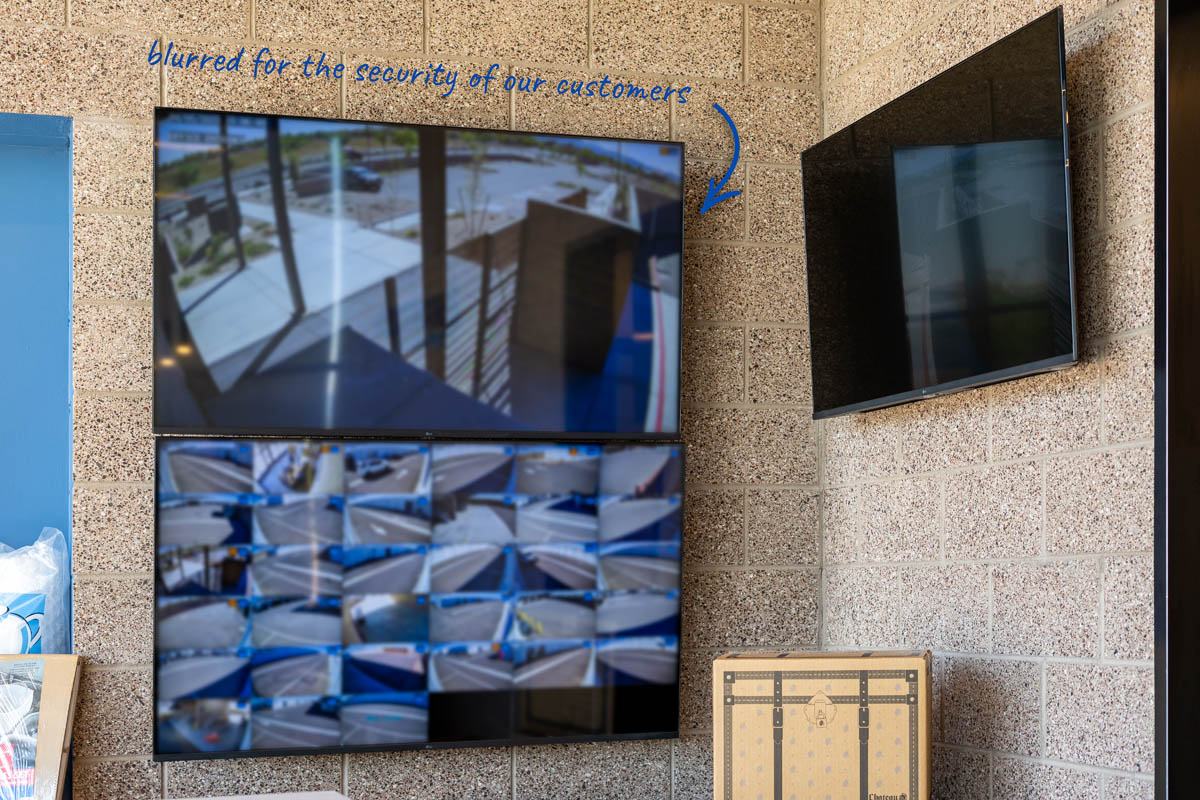
The Premium for Quality: SecureSpace positions itself as a premium provider. The rates reflect the investment in security (cameras, gated access), cleanliness (pest control), and climate control. Residents are paying for the peace of mind that their items will not be stolen, eaten by termites, or melted by the heat.
Hidden Costs and Fees: Residents should be aware of the "Admin Fee" (typically around $29 one-time) and the requirement for insurance. Most storage facilities require proof of insurance. While SecureSpace offers a protection plan, residents should first check their own homeowners or renters policy; often, off-premises coverage is included, allowing them to decline the facility's plan and save on the monthly bill.
Flexibility as Value: The month-to-month rental agreement offers financial flexibility. Unlike a long-term commercial lease, residents can scale their storage costs down immediately if their financial situation changes or if they declutter, providing a "safety valve" that a larger mortgage does not.
To execute a seamless storage experience at SecureSpace Surprise, residents should follow this chronological checklist, designed to align with the specific constraints of the local environment.
Inventory and Audit: Photograph everything. This serves a dual purpose: it creates a record for insurance in case of a catastrophic event, and it helps you remember what is in the boxes six months from now.
Size Estimation: Be realistic. If you are on the borderline between sizes, go up. The frustration of trying to "Tetris" items into a too-small unit in 110-degree heat is not worth the small monthly savings.
HOA Check: Confirm the rules regarding moving trucks. Can a POD or U-Haul be parked in your driveway overnight? In some strict HOAs in Surprise, this requires a temporary variance permit.
Reserve Online: Utilize the SecureSpace website to view inventory and lock in "web-exclusive" rates, which are often lower than walk-in rates.
Select the Right Unit: Choose Climate Control for anything that would be damaged if left in a car trunk for a day (electronics, wood, photos). Choose Drive-Up for durable goods (tools, yard equipment, patio furniture).
Verify Access Codes: Ensure you have your gate code and unit number saved in your phone. Download the facility's app if available for contactless entry.
Hydrate and Time: Start early. Use the "Sweetwater Bypass" routes.
Loading Logic: Place heavy, durable items at the back. Create a "center aisle" or "U-shape" with your boxes so you can walk into the unit and access items at the rear without having to unload everything.
Dust Covers: Cover everything. The desert dust will find a way in over time.
Auto-Pay: Set up automatic payments to avoid late fees and the risk of being locked out of the gate.
Quarterly Check-ins: Visit the unit once every three months. This allows you to check for any issues (like a shifting stack of boxes) and helps you reassess if you still need to store everything. If you haven't touched it in a year, perhaps it is time to donate or sell.
In the unique landscape of Surprise, Arizona, storage is not merely a utility; it is a strategic tool for adaptation. The "Surprise Space Crunch" is a reality driven by the convergence of geology (no basements), climate (unusable attics), and community standards (strict HOAs).
For the resident of Marley Park, the retiree in Sun City Grand, or the RV owner in Waddell, SecureSpace on Sweetwater Avenue offers more than just an empty room. It offers a solution to the structural limitations of the local housing market. By understanding the specific constraints of the environment—from the traffic on Bell Road to the physics of thermal expansion—and leveraging the features of this facility, residents can reclaim their living space. They can transform their garages back into parking spaces, their guest rooms back into sanctuaries for family, and their outdoor lifestyles into compliant, stress-free realities. In doing so, they master the paradox of Surprise: finding abundant personal space in a region that, despite its vast horizons, offers precious little of it within the home.
Everything you need to store your belongings securely, on your schedule.
Visit us online