Last updated Jul 10, 2026
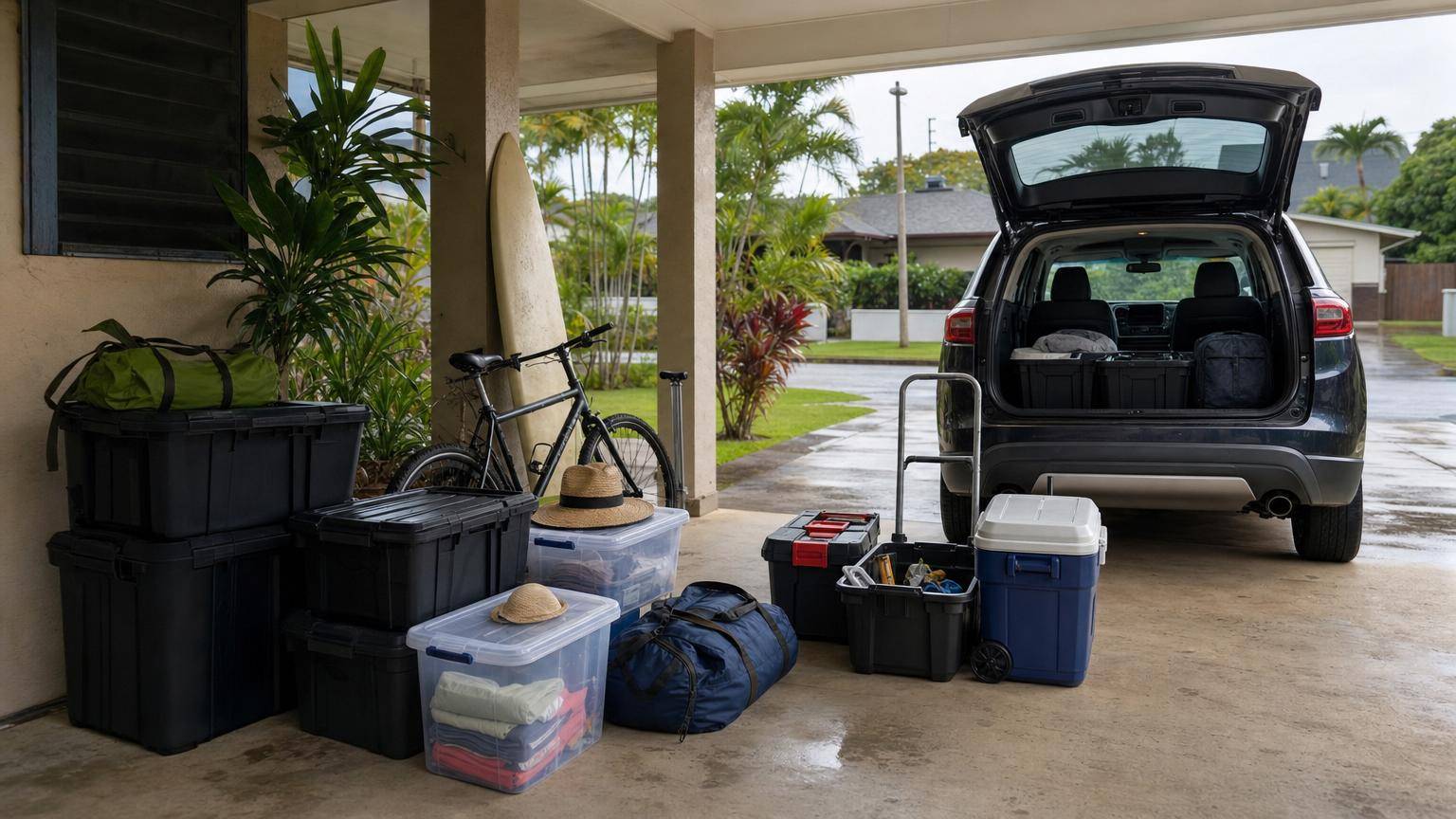
The search for storage in Central and West Oahu is rarely a casual pursuit. It is almost always a response to a pressure point—a moment where the distinct logistical realities of island living collide with the physical constraints of our built environment. For residents living in the dense, dynamic corridors of Waipahu (96797), Ewa Beach (96706), Kapolei (96707), and Pearl City (96782), the equation is complex. We live in a region defined by high property values, multi-generational households, and a climate that is as aggressive as it is beautiful.
Storage here is not merely about finding an empty 10x10 box. It is about strategic asset management in a humid, salt-air environment. It is about navigating the "garage wars" of Ewa Gentry, managing the renovation delays inherent to Honolulu County permitting, and finding a logistical release valve for the "Ohana" living configurations that define Waipahu's plantation heritage. When you start typing "storage near me" into a search bar, you are likely not looking for a sales pitch; you are looking for a solution to a logistical puzzle that involves traffic patterns, preservation science, and spatial geometry.
This report serves as an exhaustive, hyper-local guide for residents in the 96797, 96706, 96707, and 96782 zip codes. It is designed to answer the "in-between" questions—the anxieties and uncertainties that arise after you realize you need space but before you sign a lease. We will explore why the Leokane Street industrial corridor has emerged as a critical logistical hub, how the specific microclimates of Pearl City valleys differ from the Kapolei plains, and why "climate control" in Hawaii is a preservation necessity rather than a luxury.
To understand why storage is so critical in this specific region, one must first analyze the housing stock. Unlike the sprawling mainland suburbs where basements and attics are standard, the homes in Leeward Oahu are designed differently.
In Waipahu (96797), the legacy of the plantation era remains visible. Many properties are multi-generational compounds. A single tax map key (TMK) might host a main house, an extended "Ohana" unit, and a converted carport. This density creates a vibrant community but eliminates traditional "dead space" used for storage. When the garage becomes a living room for "Popo" or a studio for a returning college graduate, the lawnmower, the holiday decorations, and the camping gear are displaced.
In Ewa Beach (96706), the challenge is modern density. Master-planned communities like Ewa by Gentry and Ocean Pointe were designed to maximize living space on compact lots. Garages here are often technically two-car spaces, but practically, they serve as the household's primary utility area—laundry, workshop, and pantry. With strict Homeowners Association (HOA) rules policing street parking and driveway usage, the garage is the most valuable real estate in the home. Using it for storage often means parking a $50,000 vehicle on the street, exposed to the sun and potential theft, a trade-off many residents find untenable.
In Kapolei (96707), the "Second City" designation has brought a mix of commercial dynamism and residential expansion. Here, the storage need is often driven by the blurred lines between work and home. As the economic center of West Oahu grows, many residents run small businesses, e-commerce operations, or contracting firms from their homes. The "home office" often spills over into the living room, creating a need for off-site inventory management that is accessible but secure.
In Pearl City (96782), the topography dictates the need. Homes perched on the ridges offer stunning views but often involve steep driveways and multi-level floor plans that make moving heavy items a physical ordeal. Conversely, homes in the valleys face higher humidity levels and restricted airflow. For these residents, storage is often a preservation strategy—moving susceptible items out of a damp valley environment into a controlled facility.
The location of storage facilities is not accidental; it is infrastructural. The Leokane Street area in Waipahu functions as a logistical heart for the region. It is situated in a unique "intercept" position. For a resident of Ewa Beach commuting to town, or a Kapolei contractor heading to a job site in Pearl City, Waipahu is on the way. It avoids the deep detour into the residential labyrinths of Mililani or the traffic-choked arteries of Honolulu proper.
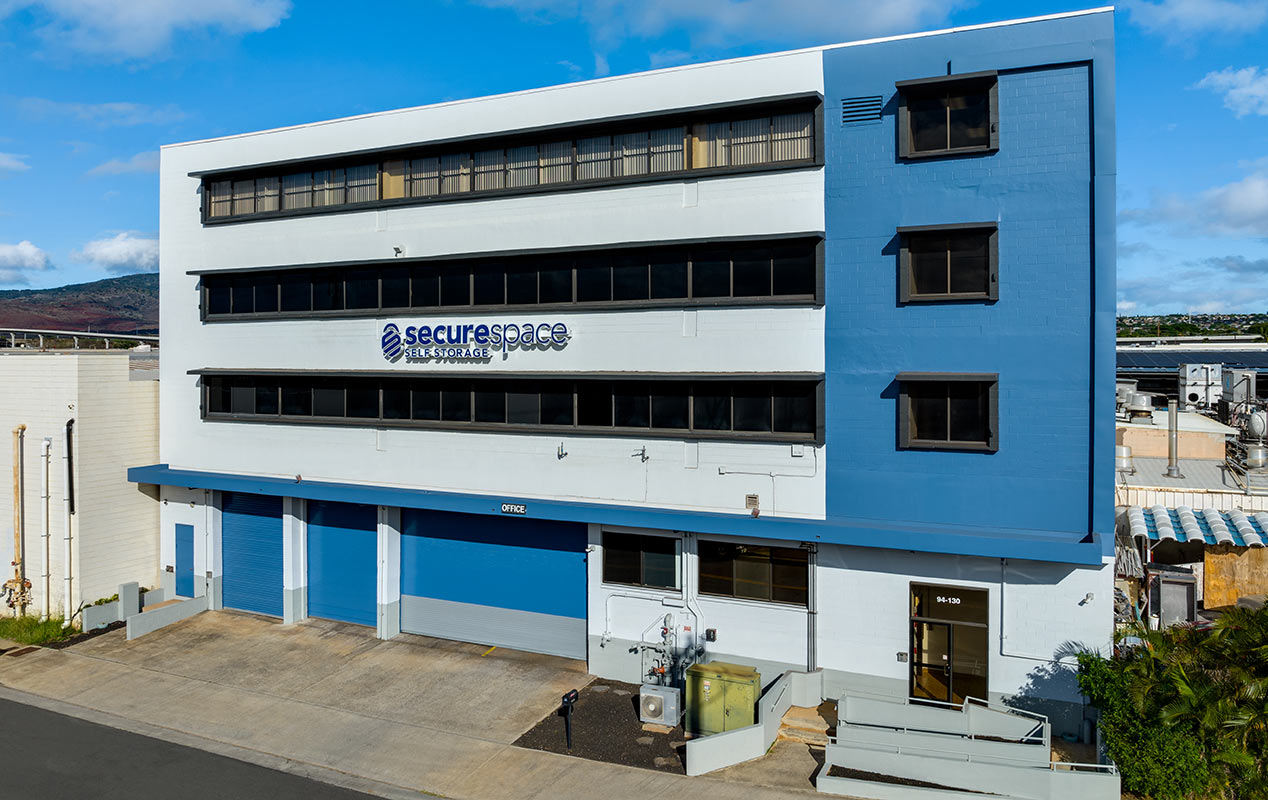
This area, specifically around Leokane Street, is zoned for industrial mixed use (IMX-1), allowing for the construction of modern, purpose-built facilities that can accommodate the large loading trucks and advanced climate systems that residential zones cannot support. This zoning is crucial. It means facilities here are not retrofitted retail spaces but engineered structures designed for heavy loads, secure access, and efficient traffic flow. For the user, this translates to wide driveways, high clearances, and the ability to maneuver a U-Haul without the stress of a tight residential cul-de-sac.
The most common misconception among storage seekers in Hawaii is treating the climate as a constant. In reality, the microclimates of Oahu are distinct and aggressive. The zip code 96797 sits in a convergence zone that requires a sophisticated understanding of atmospheric science to protect personal property.
Relative Humidity (RH) is the invisible adversary of storage in Hawaii. While the trade winds provide comfort, they also carry significant moisture. In enclosed, non-ventilated spaces—like a home garage or an outdoor shed—RH levels can easily spike above 70%, the threshold where mold spores become active.
The Mechanism of Damage: When warm, moist air enters a cool, dark space, it can condense on surfaces. On organic materials like wood, paper, leather, and cotton, this condensation provides the water necessary for microbial growth. In Waipahu and Pearl City, where valley mists can linger, this risk is elevated.
The "Foxing" Phenomenon: For residents storing documents, photographs, or books, the risk manifests as "foxing"—reddish-brown spots caused by the oxidation of iron or fungal growth on paper. This damage is irreversible.
The Particle Board Failure: Modern furniture often uses particle board or MDF. In high humidity, the glues binding these materials can soften, and the wood fibers can swell. A bookshelf stored in a non-climate-controlled garage in Ewa Beach for a year may look fine but will crumble when moved because the internal structure has lost its integrity.
Proximity to the ocean is the defining feature of the Leeward coast. Ewa Beach (96706) and the coastal edges of Waipahu (96797) near West Loch are exposed to salt-laden air. Salt is hygroscopic—it attracts and holds water. When salt particles settle on metal surfaces (tools, bicycles, electronics, appliances), they draw moisture from the air to the surface, creating a highly corrosive brine.
Electronics: Circuit boards are particularly vulnerable. The "green death"—copper corrosion—can destroy expensive electronics stored in non-controlled environments.
Appliances: Storing a refrigerator or washing machine in a carport often leads to rust spots developing on the enamel within months.
The Climate-Controlled Defense: A climate-controlled unit does not just cool the air; it conditions it. By maintaining a stable temperature, the HVAC systems significantly reduce the relative humidity, keeping it below the threshold for mold growth and minimizing the "dew point" effect that drives corrosion. For residents of 96706 and 96797, this is not an amenity; it is an insurance policy for your goods.
Many residents attempt to use attic spaces or uninsulated sheds for storage. In Waipahu, roof temperatures can exceed 130°F on a sunny day. This heat cycles daily—hot during the day, cooler at night.
Plastic Degradation: This thermal cycling causes plastics to become brittle and crack. Holiday decorations, plastic bins, and synthetic fabrics stored in these conditions often degrade rapidly.
Adhesive Failure: The glues used in book binding, furniture veneers, and even shoe soles can fail under high heat. We have all seen the "sole separation" of a stored sneaker—this is often a result of heat-induced adhesive failure.
Storage needs are not uniform; they are dictated by the specific rhythm of life in your neighborhood. A surfer in Ewa Beach has different logistical needs than a retired couple downsizing in Pearl City.
Waipahu is a community in transition. The older plantation camps have evolved into dense residential neighborhoods where "Ohana" living is the norm.
The Challenge: In a home with three generations under one roof, personal space is the scarcest resource. The "spare room" does not exist. The garage is often a social space, a gym, or a workshop.
The Storage Strategy: For Waipahu residents, a storage unit often functions as a "detached closet." Proximity is key here. Living near Leokane Street means the facility is accessible within minutes, allowing for the rotation of seasonal items or the storage of bulk purchases from nearby wholesale clubs without cluttering the home.
Specific Triggers: The Renovation Shuffle: As older single-wall homes are upgraded to double-wall construction or expanded for more family members, household goods need to be evacuated. The dust and debris of a Waipahu renovation can ruin furniture left on-site. Vehicle Overflow: With multiple driving-age adults in one household, driveway space is at a premium. Clearing the garage of "stuff" to park cars is a primary motivator in 96797.
Ewa Beach residents face a unique set of constraints defined by the commute and the HOA.
The Commute Factor: The drive up Fort Weaver Road is a daily ritual. Accessing a storage unit should not add friction to this drive. A facility in Waipahu sits at the "gateway" to Ewa. It allows residents to drop off gear or pick up items on their way home from town without fighting the internal traffic of Ewa Beach itself.
The HOA Constraint: In communities like Ka Makana at Hoakalei or Ewa Gentry, strict covenants regulate the appearance of homes. You cannot leave a kayak on the lawn or a stack of boxes in the driveway. The storage unit becomes the "compliant" solution to HOA restrictions.
Recreational Density: Ewa residents are active. Stand-up paddleboards (SUPs), surfboards, and outrigger paddles are large, awkward items. They don't fit well in townhome closets. A 5x10 unit with high ceilings can accommodate vertical storage racks for boards, clearing the living room floor.
Kapolei is designed as an urban center, and its storage needs reflect a mix of residential and commercial activity.
The Business User: Many Kapolei residents run businesses that require inventory but don't justify a warehouse lease. A storage unit offers a scalable solution. The ability to accept deliveries or access inventory 7 days a week is critical for these users.
The "New Build" Paradox: While Kapolei homes are newer, they often feature open floor plans with limited built-in storage. The aesthetic is minimalist, but the reality of family life is maximalist. Storage units allow residents to maintain the "model home" look while keeping the clutter of daily life (documents, seasonal decor, memorabilia) off-site.
Rail Connectivity: With the skyline rail impacting traffic patterns, the accessibility of Waipahu via Farrington Highway remains a strong connector for Kapolei residents who want to avoid the congestion of the H-1 merge.
Pearl City's geography creates specific physical challenges.
The Vertical Move: Residents in the heights of Pearl City often deal with steep driveways and stairs. Moving furniture is not something you want to do twice. Storing items during a transition (like floor refinishing or painting) requires a facility that is easy to access to minimize the physical labor of the "second move."
The Downsizing Wave: Pearl City has a mature demographic. Many residents are transitioning from large family homes to condos or retirement communities. This process involves the difficult task of sorting decades of memories. A storage unit provides a "staging ground" for this process, allowing families to sort items at their own pace without the pressure of a closing date.
Most storage rentals are triggered by a life event. In Hawaii, these events have unique timelines and complications that differ from the mainland experience. Understanding these nuances can save you from significant stress and financial waste.
Home renovation in Hawaii is a test of patience. The supply chain for materials—cabinets, flooring, fixtures—stretches across the Pacific.
The Permitting Bottleneck: Honolulu County is notorious for building permit delays. A project scheduled for three months can easily extend to nine or twelve.
The "Hawaii Time" Supply Chain: If a cabinet order arrives damaged, the replacement is not a day away; it is six weeks away.
The Storage Implication: Do not rent storage for the optimistic timeline. If your contractor says "three months," plan for six. Renting a unit on a month-to-month basis offers the flexibility required for these unpredictable delays.
Protection of Materials: Homeowners often purchase materials well in advance to lock in prices or ensure availability. Storing $10,000 worth of kitchen cabinets or hardwood flooring in a humid garage while waiting for a permit is a recipe for disaster (warping, swelling). A climate-controlled unit keeps these materials in showroom condition until the moment of installation.
The conversion of a garage or carport into an Accessory Dwelling Unit (ADU) is one of the most common construction projects in Waipahu and Ewa Beach.
Total Displacement: This is not just a remodel; it is the permanent loss of the home's primary storage area. You are not just moving furniture; you are displacing the lawnmower, the tools, the holiday bins, and the "garage fridge."
The "Sort and Store" Strategy: Use the conversion as a forcing function to declutter. But for the items you keep, you need a long-term solution. A storage unit essentially becomes the "detached garage" for the new ADU.
Tenant Considerations: If you are renting out the ADU, offering the tenant a small storage solution (or clearing space so they can bring their own) can be a competitive advantage in the rental market.
For the military families living off-base in Ewa Beach, Kapolei, and Pearl City, the Permanent Change of Station (PCS) cycle is a recurring logistical hurdle.
NTS vs. Self-Storage: While the military offers Non-Temporary Storage (NTS), it is a "black box"—once items go in, you generally cannot access them until you move. Private self-storage offers accessibility. If you are deploying but your family is staying, or if you are going on a long TDY and might need your gear, self-storage is the superior option.
The Weight Allowance Game: Shipping household goods (HHG) to and from Hawaii is expensive and subject to weight limits. "Pro-Gear" is exempt, but personal items are not. Many service members use local storage to hold items that don't fit the weight allowance for a specific move, or to slowly sell off items before a final departure.
Documentation: When deploying, ensuring your spouse or a trusted friend has legal access to the unit is critical. Facilities familiar with military needs, like those near Leokane St, understand the importance of having the correct authorized user forms and Power of Attorney documents on file.
In the 96797 area, certain items require specific protocols to survive the environment. This section details the "best practices" for storing the artifacts of island life.
Koa is Hawaii's indigenous mahogany—beautiful, valuable, and temperamental.
The Humidity Threat: Koa absorbs and releases moisture. Rapid changes in humidity can cause the wood to expand and contract, leading to cracking (checking) or the failure of glue joints.
The Protocol: Never wrap Koa furniture in plastic, which can trap moisture and cause mold. Use breathable cotton covers or moving blankets. Store in a climate-controlled unit where the Relative Humidity is stable. Avoid placing furniture directly on concrete floors; use pallets or create airflow underneath to prevent moisture wicking.
The "quiver" is a source of pride, but it is bulky and fragile.
Surfboards: The greatest enemies of a surfboard are heat and UV light. Leaving a board in a hot car can cause the foam core to expand and the fiberglass shell to delaminate (bubble). A storage unit offers a cool, dark environment. Pro Tip: Remove old wax before long-term storage. In a non-climate-controlled unit, wax can melt and run, creating a mess. Store boards vertically in a rack to prevent pressure dings and warping.
Outrigger Canoes (OC-1/OC-6): These are significant investments. The resins used in carbon fiber can degrade with UV exposure. While 40-foot canoes rarely fit in standard units, the paddles, seats, and riggings do. Carbon fiber paddles should be stored in padded bags to prevent impact damage.
Fishing Gear: Saltwater is insidious. Even after a rinse, salt crystals can remain in the micro-crevices of reels. Over time, these crystals attract moisture and cause galvanic corrosion between dissimilar metals. The Protocol: Deep clean all reels with fresh water and a salt-neutralizing agent (like Salt-Away) before storage. Loosen the drag on reels to relieve tension on the internal springs. Disassemble rods if possible to prevent ferrule jamming.
Paper is organic. In high humidity, it is food for silverfish and mold.
The "Foxing" Risk: As mentioned, the chemical decomposition of paper is accelerated by heat and moisture.
The Protocol: Use acid-free boxes for long-term archiving. Avoid standard cardboard if possible, as it is acidic and attracts pests; plastic bins with desiccant packs are safer. Store boxes off the floor on shelving units. Climate control is non-negotiable for tax records or family photo albums stored for more than a few months.
Not all square footage is created equal. The physical infrastructure of a storage facility dictates the ease of your experience and the safety of your goods. In the industrial zone of Waipahu, modern facilities offer features that repurposed buildings cannot match.
Hawaii's weather is characterized by "liquid sunshine"—sudden, intense passing showers.
The Covered Loading Advantage: Imagine arriving at your storage unit with a truckload of mattresses and electronics, only for the sky to open up. In an open-lot facility, you are stuck. You either wait it out or risk water damage. A facility with a covered loading area changes this dynamic entirely. It allows you to back your vehicle into a protected bay, out of the rain and the intense midday sun. This protects your goods from water spots and protects you from heat exhaustion during the heavy lifting.
Drive-Up Access: For contractors or those storing heavy equipment, "drive-up" units (where you pull your vehicle directly to the unit door) are the gold standard for efficiency. They eliminate the need for carts and elevators, turning a 30-minute load-in into a 10-minute job.
The "cubic footage" secret is vertical space.
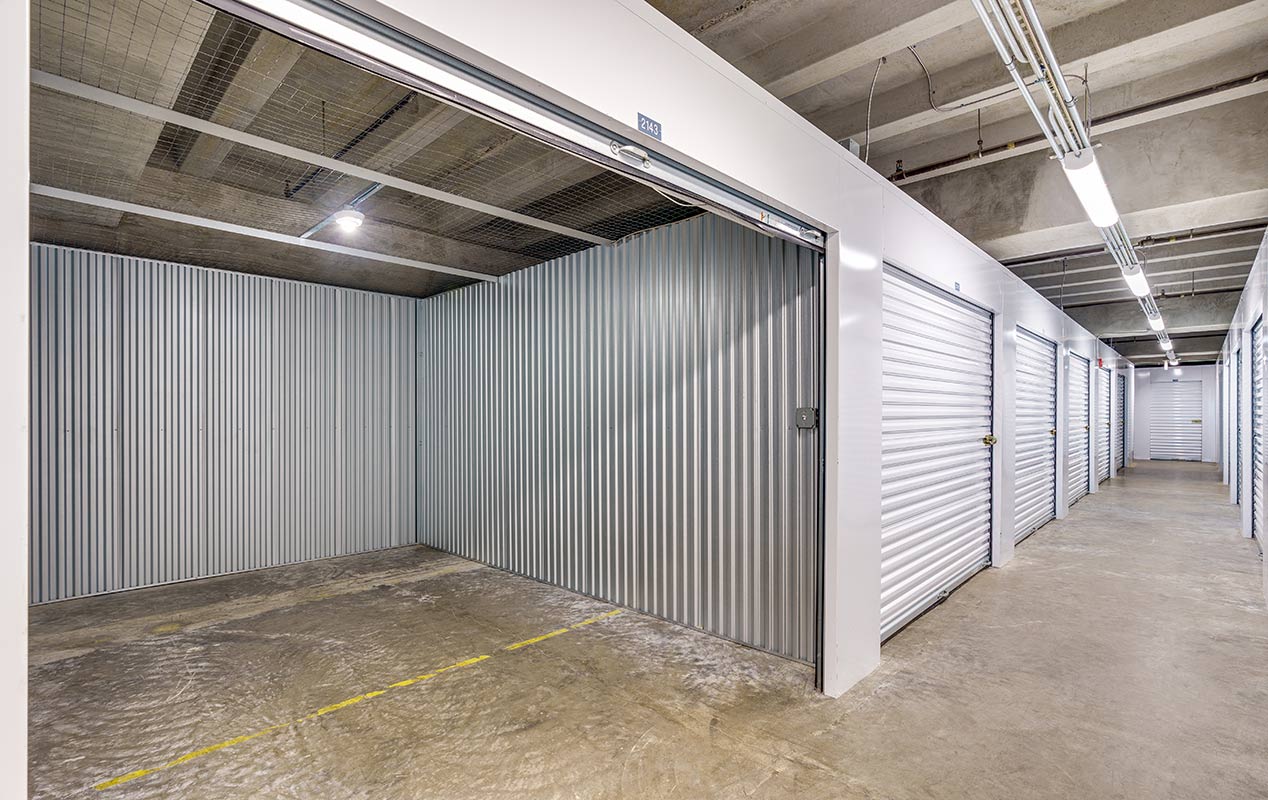
High Ceilings: Many modern units feature ceilings that are 8-10 feet high. This allows you to stack boxes or stand sofas on end, effectively doubling your storage capacity compared to a unit with low ceilings.
Elevator Size: If you are renting an upper-level unit, the size of the elevator is a critical bottleneck. Small passenger elevators cannot fit a king-size mattress or a long sofa. You need freight-sized elevators that can accommodate large carts and long items without awkward maneuvering. This reduces the risk of damaging your furniture (and the building) during the move.
Security is a feeling derived from visibility and control.
Lighting: Dark corridors are welcoming to pests and unsettling for humans. A modern facility prioritizes bright, motion-activated LED lighting in all hallways. This makes evening visits safe and allows you to spot cleanliness issues immediately.
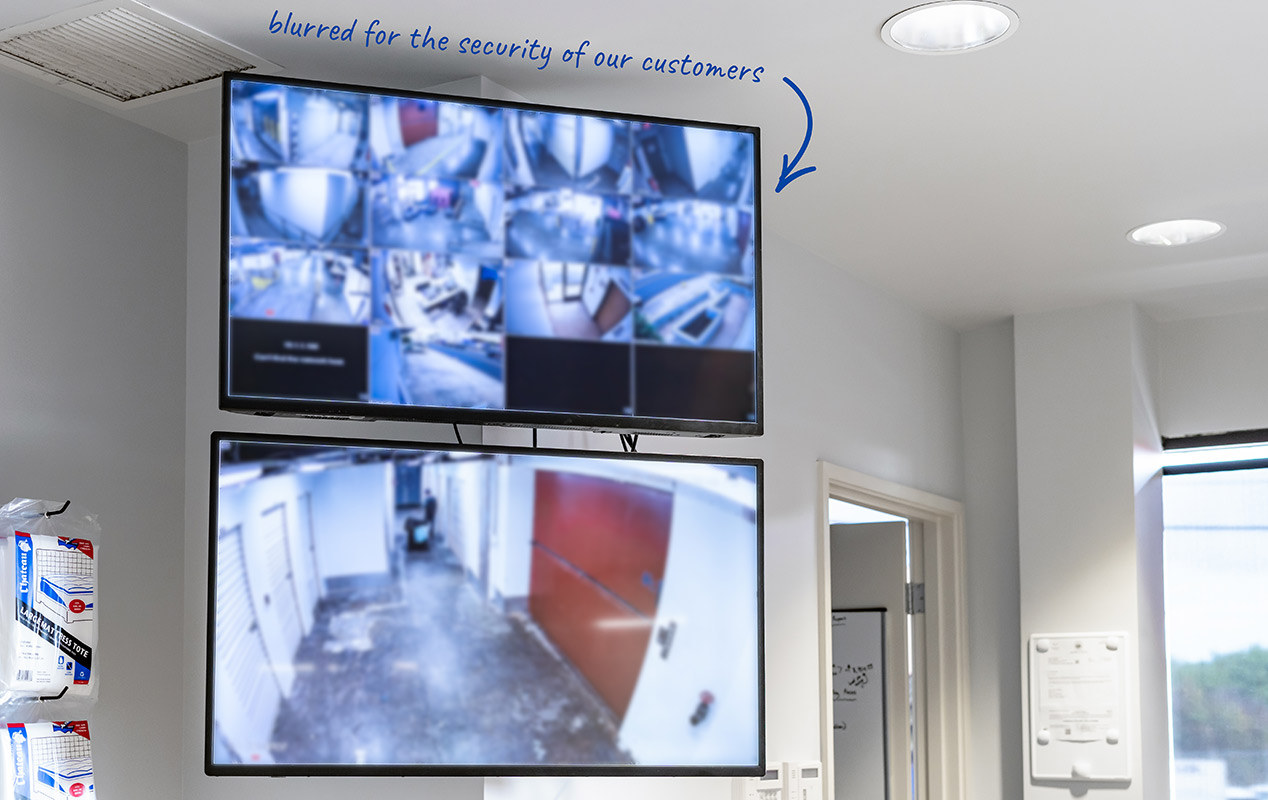
Digital Surveillance: Modern security is active, not passive. It involves high-definition digital video recording that covers key access points, hallways, and loading areas. This digital trail provides accountability.
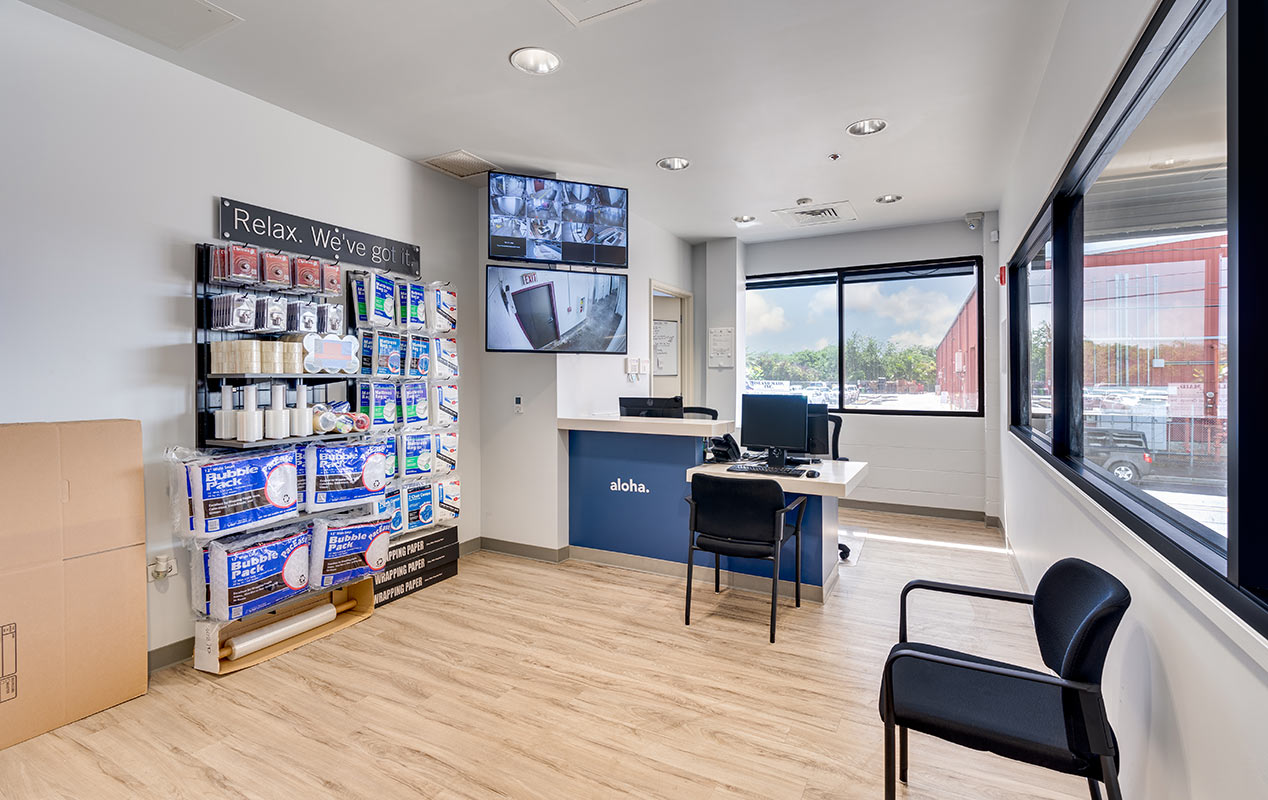
The "Manager on Site" Factor: Technology is great, but human presence is irreplaceable. A facility with an active, on-site management team means there are eyes on the property, someone to accept deliveries, and a human to resolve issues like a forgotten gate code or a jammed lock.
You have analyzed your neighborhood constraints, assessed your climate risks, and understood the logistics of your life event. Now, it is time to make the decision.
This question determines the "convenience vs. cost" equation.
High Frequency (Weekly): If you are a business owner pulling inventory or a surfer grabbing boards, you need a unit near your daily route (Leokane St is ideal for H-1 commuters) and preferably on the ground floor or near an elevator.
Low Frequency (Yearly): If you are archiving tax documents or storing holiday decor, you can prioritize climate control and security over ground-floor convenience. Upper-floor units are often priced more competitively and offer the same preservation benefits.
Avoid the "visual estimation" trap.
The 5x5 (The Closet): Perfect for boxes, small seasonal items, or personal records. Think of it as a walk-in closet.
The 5x10 (The Motorcycle/Studio): Fits the contents of a studio apartment or a motorcycle. Good for clearing a garage of boxes and bikes.
The 10x10 (The 1-Bedroom): The standard size for a 1-bedroom apartment move. Can hold appliances and furniture if packed well.
The 10x20 (The Car/House): Fits a vehicle or a 3-bedroom home.
Pro Tip: Tape it out. Go to your garage or living room and use masking tape to outline the unit size on the floor. Stack your items within that box to see if they fit. Remember to account for the aisle!
While price is a factor, value is the metric.
The Cost of Damage: A "cheap" unit that allows your leather sofa to mold or your electronics to corrode is not cheap; it is a liability.
The Cost of Convenience: How much is your time worth? Saving $10 a month on a unit that adds 40 minutes to your commute or requires you to carry boxes up stairs is a false economy.
Flexibility: Look for month-to-month leases. Life in Hawaii is fluid—deployments happen, renovations get delayed. You want the ability to move out when you are ready, not when a contract expires.
The decision to rent storage in Waipahu is, at its core, a decision to organize your life. It is about acknowledging that our homes—whether plantation cottages or modern townhomes—have limits. It is about respecting the value of your possessions—your Koa furniture, your family photos, your recreational gear—and protecting them from the aggressive environment we live in.
For residents of Waipahu, Ewa Beach, Kapolei, and Pearl City, the facilities near Leokane Street offer a unique convergence of accessibility, modern infrastructure, and security. By understanding the specific needs of your neighborhood, the science of our climate, and the logistics of your life events, you can transform storage from a burden into a strategic asset.
It is not just about space; it is about living better in the space you have. It is about parking your car in the garage again. It is about finishing that renovation without ruining your furniture. It is about knowing that when you come back from deployment, your gear is exactly as you left it. That is the value of a smart, informed storage decision.
Everything you need to store your belongings securely, on your schedule.
Visit us online