Finding reliable parking space in San Diego County can be a challenge for many residents. Between multi-generational households, the conversion of garages into living spaces, and neighborhood parking rules, your driveway might be feeling crowded. If you have an extra vehicle, a classic car, or a weekend project that needs a dedicated storage space, you may be looking for alternatives off the street.
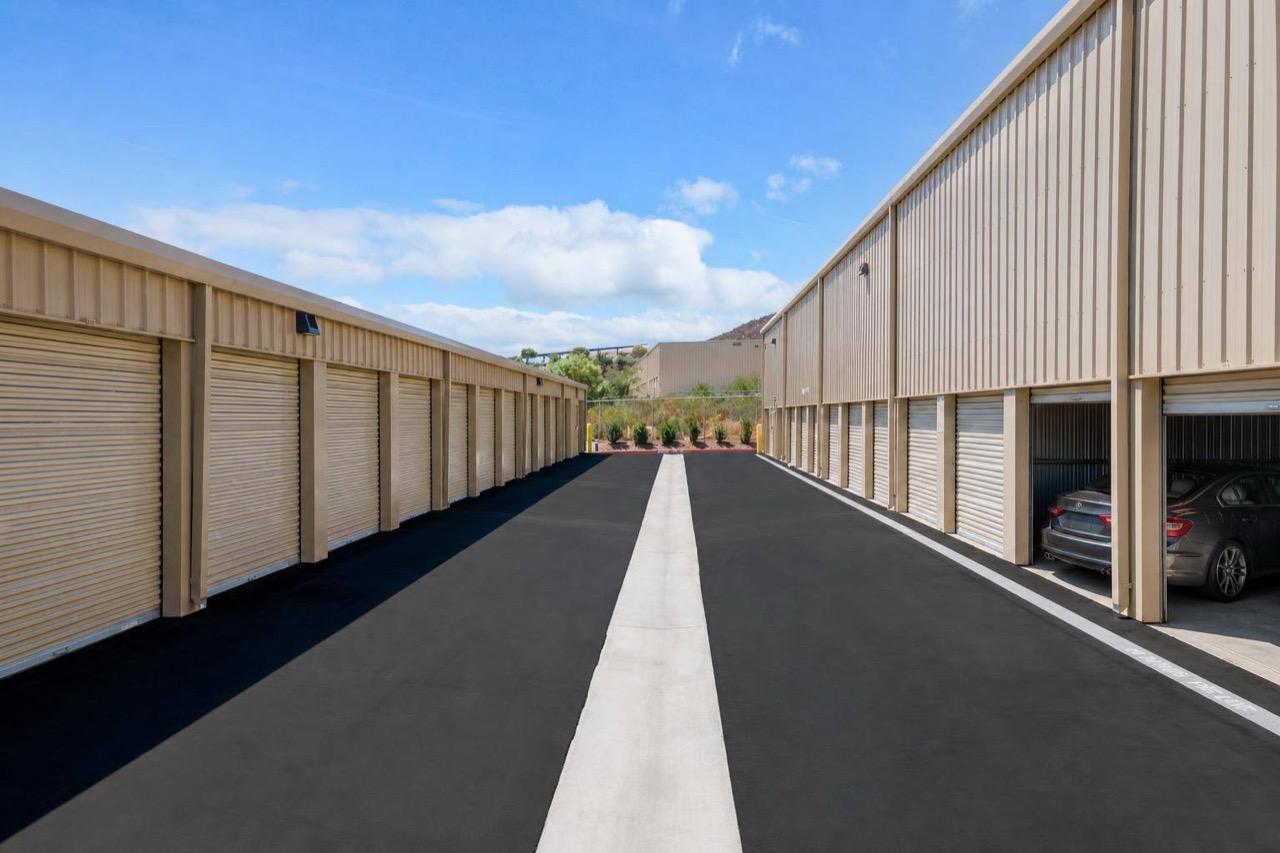
Indoor vehicle storage may be possible in eligible drive-up storage units when vehicle size, unit availability, and facility rules allow. Drive-up storage spaces can provide a convenient way to store certain vehicles while freeing up room at home. However, moving a vehicle into a commercial facility involves more than simply handing over the keys and closing the unit door. California registration rules, safety requirements, insurance considerations, and facility policies all matter before signing a lease.
This comprehensive guide will walk you through what you need to know about vehicle storage in Spring Valley. We will cover the sizes you may need, how to navigate state DMV options like Planned Non-Operation (PNO) status, ways to prepare your car for long-term storage, and how to choose a facility with practical security features.
To understand the demand for vehicle storage, it helps to look at the spatial and regulatory pressures facing the local community. Spring Valley residents often deal with a distinct set of challenges that make storing extra cars at home difficult.
Spring Valley features an established community with household sizes that can put pressure on available space. With more driving-age adults living under one roof, the standard two-car garage can become insufficient. Additionally, as local real estate values climb, some homeowners are maximizing their property footprints by building Accessory Dwelling Units (ADUs).
While converting a garage into a rental unit or extended family suite can be a practical financial move, it may push vehicles into driveways or onto public streets. This overflow can create friction with local parking regulations or HOA rules.
If you live in a planned community, you may be familiar with Covenants, Conditions, and Restrictions (CC&Rs). Some Homeowners Associations restrict specific vehicle types, such as commercial work trucks, recreational vehicles, or trailers. Some may also restrict overnight parking in common spaces.
Outside HOA jurisdictions, local parking rules can also affect long-term street parking or visible inoperable vehicles. Regulations vary by street, jurisdiction, and property type, so always confirm the rules that apply to your specific address before leaving a vehicle parked for an extended period. A storage unit may be a practical alternative for certain vehicle-storage needs when facility rules, unit size, and current availability allow.
When you decide to move your vehicle off your property, selecting the right unit size is your first major decision. Renting a space that is too small can lead to a frustrating move-in day, while renting too large of a space means paying for square footage you do not need.
For many standard sedans, compact cars, and mid-sized SUVs, a 10x20 storage unit may be a useful baseline. Offering 200 square feet of floor space, this size is roughly comparable to a standard one-car garage. Vehicle fit depends on the vehicle's exact length, width, height, mirror clearance, and the unit's current availability and rules.
If you own a larger pickup truck, full-size commercial van, or classic car with a longer wheelbase, you may need a 10x25 or 10x30 unit. These larger spaces offer additional depth that may help accommodate longer vehicles. Always measure your vehicle from bumper to bumper, check width and height clearance, and confirm requirements with the facility before reserving a space.
Storing a vehicle in California may require navigating state-specific rules. You need to make sure your registration status is handled correctly and that your vehicle has the proper insurance or coverage for storage.
If you are putting your vehicle into long-term storage and do not plan to drive it on public roads for an entire registration year, you should look into California's Planned Non-Operation (PNO) status. Filing for PNO can allow you to avoid paying standard registration renewal fees for a vehicle that will not be operated or parked on public roads.
Review California DMV guidance carefully before choosing PNO status. Timing, eligibility, and penalties can vary based on your registration status, and a PNO vehicle cannot legally be driven or parked on public streets unless it is properly reactivated.
Insurance and coverage requirements can vary by rental agreement, facility policy, and vehicle status. Before storing a vehicle, review the facility's lease terms and speak with your insurer about what coverage is appropriate.
As noted by Progressive, some drivers may ask their insurer about comprehensive-only or storage-focused coverage options for a vehicle that will not be driven. Coverage terms vary by insurer and policy, so confirm what is covered before changing or reducing any insurance on a stored vehicle.
Before you park your car in a unit, you need to properly prepare it for a long stay. Proper preparation can help reduce mechanical problems and ensure you comply with facility safety guidelines.
Because vehicles contain fluids, batteries, and other components that may create safety concerns, always confirm the facility's vehicle-storage requirements before move-in. Facility rules may address fuel levels, leaks, battery handling, registration, insurance, and vehicle condition.
Your vehicle should be clean, operable unless otherwise approved, properly documented, and free of fluid leaks. Ask the facility what it requires before arranging transport or signing your lease.
When a car sits stationary for months, tires can develop flat spots, and brake components may be affected by long periods without movement. Depending on your vehicle and storage duration, you may want to use tire chocks, avoid leaving the parking brake engaged for long stretches, and follow the manufacturer's guidance for long-term storage.
Additionally, automotive experts at Edmunds recommend getting a fresh oil change before long-term storage. Used engine oil can contain contaminants, so starting with clean oil may help support better long-term vehicle care.
If you are restoring a classic car that does not currently run, confirm facility rules before arranging transport. Some storage facilities may require vehicles to be operable, registered or on PNO status, insured, and free of fluid leaks.
If the facility approves your vehicle, you may need to arrange professional towing or transport to move it into the unit. Make sure the towing provider understands the storage-unit dimensions and access requirements before the vehicle arrives.
Your vehicle is a high-value asset, and you should not trust it to just any vacant lot. When shopping for vehicle storage in Spring Valley, prioritize facilities that clearly explain vehicle-storage rules, access, and security features.
Look for a facility that offers drive-up units and enough access for move-in logistics. SecureSpace Self Storage Spring Valley offers drive-up units and semi-truck accessibility, which may help with certain vehicle-storage and moving needs when the unit type, vehicle size, and facility rules align.
Security should also be part of your decision. SecureSpace Self Storage Spring Valley offers an access gate, digital video recording, overnight surveillance, and logged access. Customers should still use strong locks, follow facility rules, review the rental agreement, and confirm current vehicle-storage requirements before moving in.
For many standard sedans and compact cars, a 10x20 storage unit may be a practical starting point. If you are storing a larger vehicle, such as a pickup truck or full-size van, you may need a 10x25 or 10x30 unit. Exact fit depends on vehicle length, width, height, door clearance, unit availability, and facility rules. Always measure your vehicle and confirm requirements before renting.
Review the facility's rental agreement and speak with your insurer before storing a vehicle. California insurance requirements may depend on the vehicle's registration status, whether it is being driven, and whether it has Planned Non-Operation status. Some drivers ask about comprehensive-only or storage-focused coverage, but policy terms vary by insurer.
Rules can vary depending on vehicle condition, registration status, insurance, and facility policy. Facilities may require stored vehicles to be registered or on PNO status, insured or covered as required by the lease, clean, non-leaking, and compliant with safety rules. Confirm current requirements with the facility before moving a vehicle into storage.
Possibly, but only if facility rules allow it. Some facilities require vehicles to be operable, registered or on PNO status, insured, and free of leaks. If your project car does not run, contact the facility before signing your lease or arranging a tow. You may need approval and professional transport to place the vehicle safely in the unit.
Storing a car in Spring Valley does not have to be a stressful battle against HOA guidelines or local parking rules. By choosing the right unit size, reviewing DMV guidance such as PNO status, confirming insurance needs, and preparing your vehicle for an extended stay, you can clear up space at home with a more organized plan.
Ready to explore indoor vehicle storage for your extra vehicle or project car? SecureSpace Self Storage in Spring Valley, located at 11902 Campo Rd, offers drive-up units that may support indoor vehicle storage when vehicle size, unit availability, and facility rules allow. View available units online and confirm current requirements before reserving your space.
Everything you need to store your belongings securely, on your schedule.
Visit us online