Last updated Aug 12, 2026
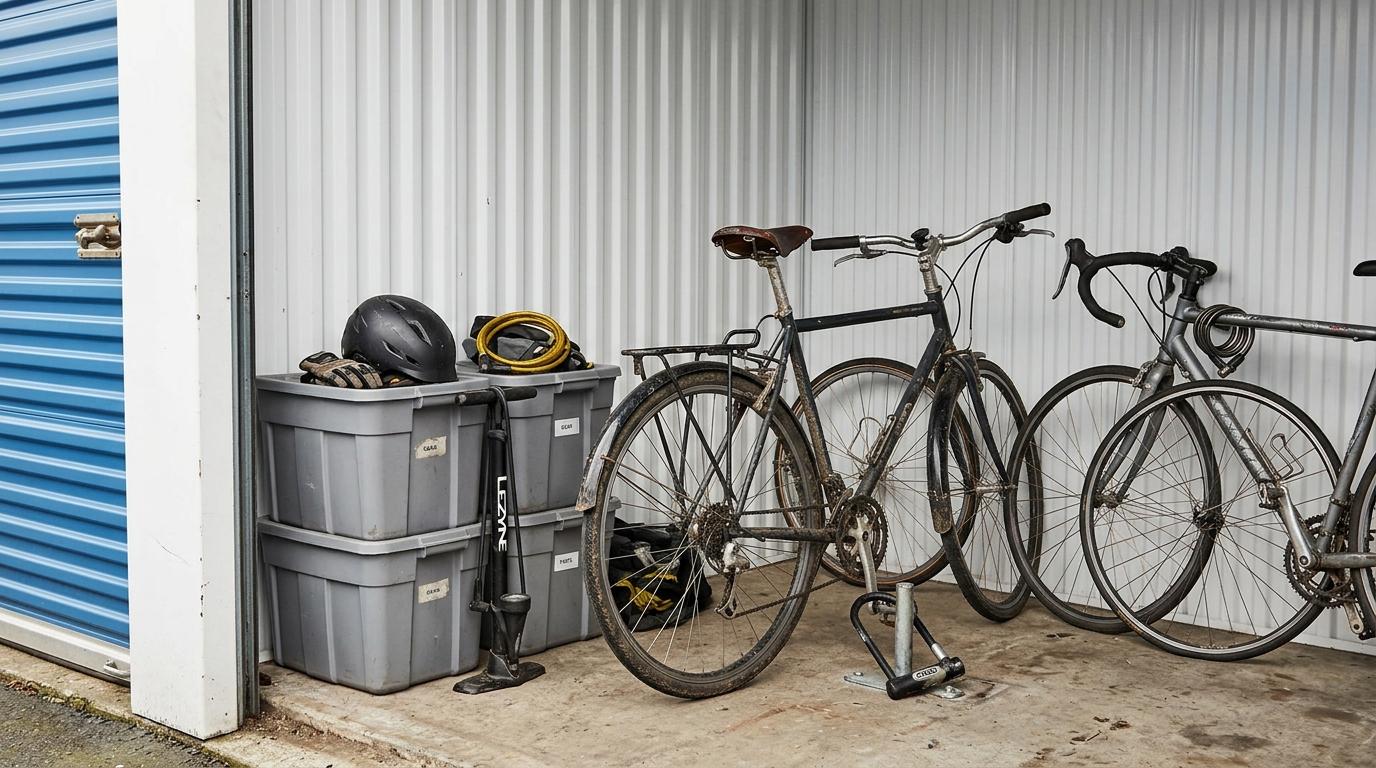
Living in Seattle and owning a bike comes with a few headaches. Where do you keep it? How do you make room for it in a small apartment? And how do you handle a heavy cargo bike or e-bike when your building only offers a crowded shared bike room?
These aren't small problems. Seattle cyclists deal with frequent rain, compact living spaces, and the need to think carefully about theft prevention.
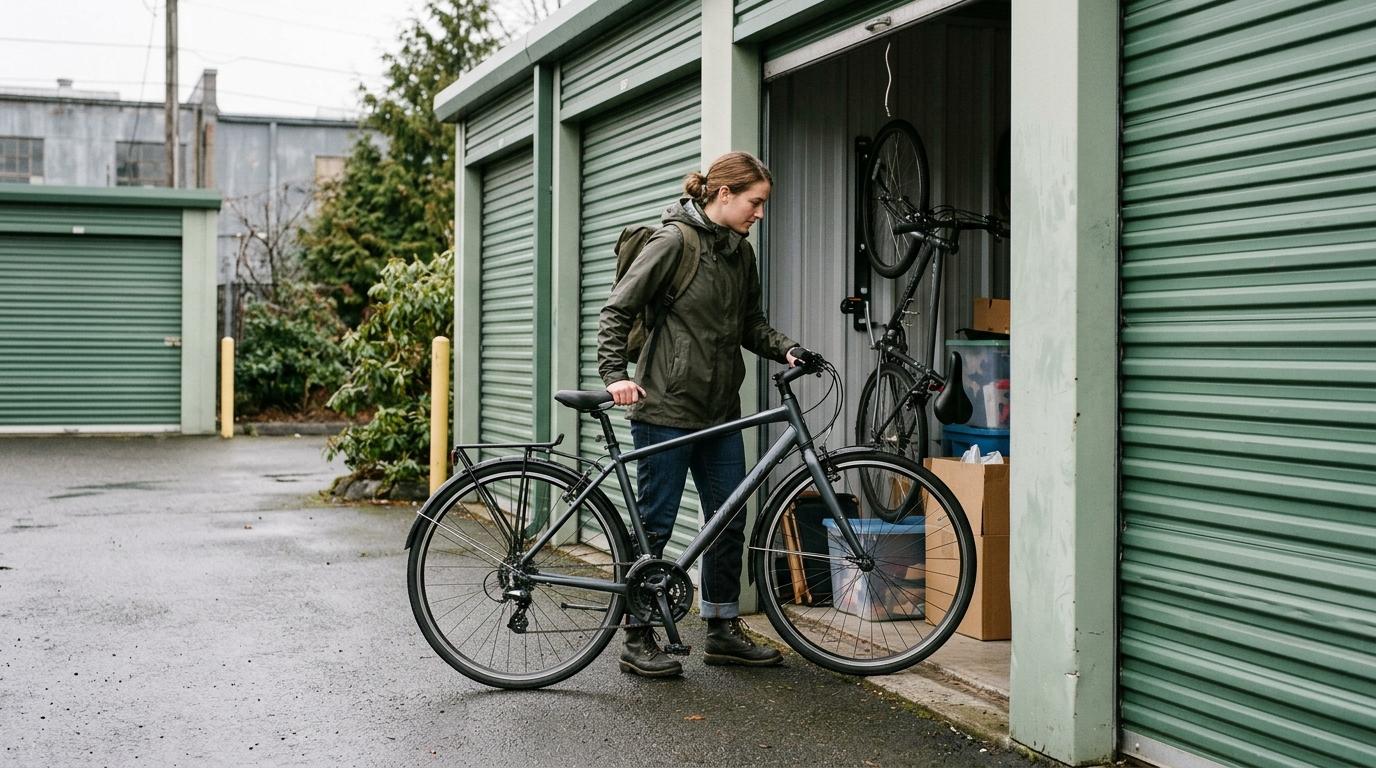
A storage unit can be a practical option for bikes, helmets, tools, and seasonal riding gear, especially when the bike fits inside the rented space and follows facility rules.
This guide walks through why bike storage matters in Seattle, what your options are, and how to choose a setup that works for your ride. Whether you commute year-round or ride for fun on weekends, you'll find practical advice for keeping your bike organized and out of your living room.
Seattle has become one of the most bike-friendly cities in the country. The Seattle Department of Transportation reported that bike and scooter share programs surpassed 10.5 million rides in 2025, and the city added more protected bike-lane mileage that year.
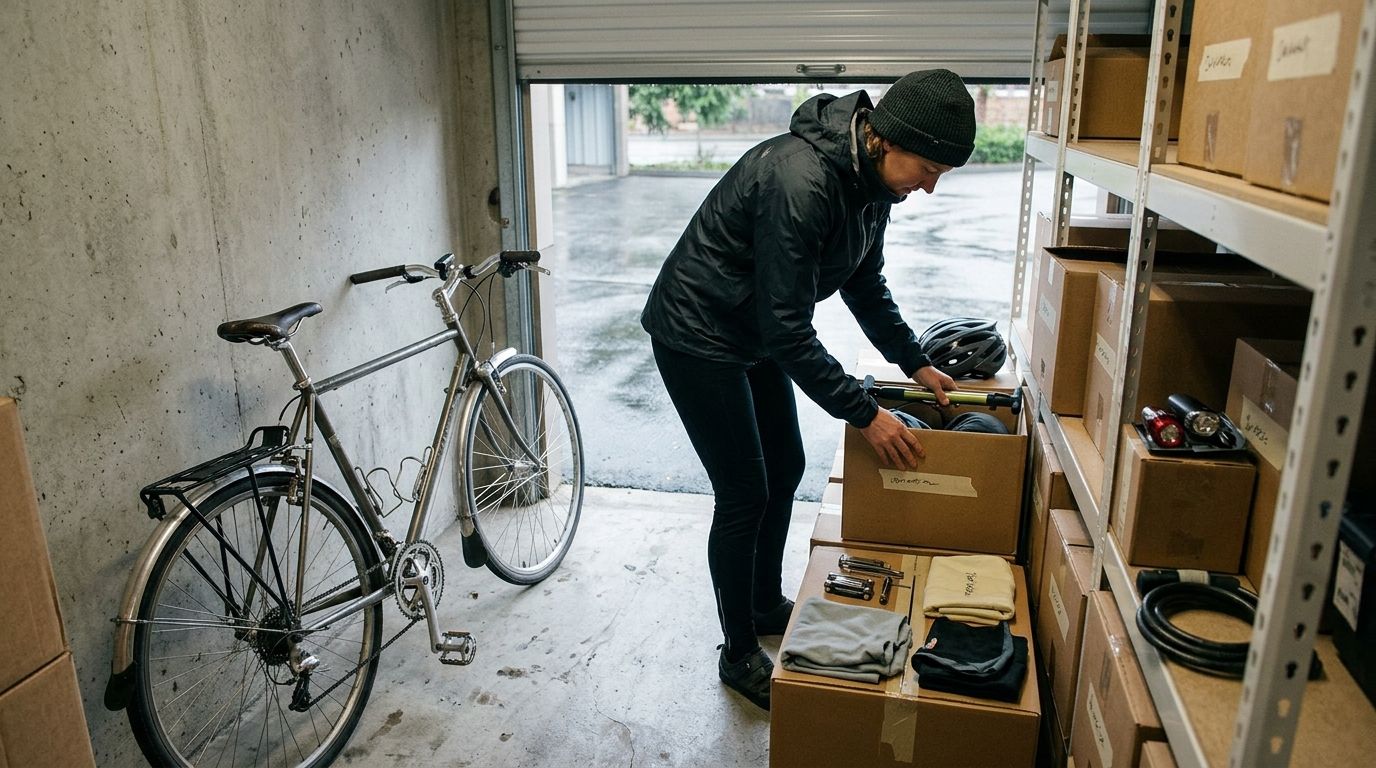
More people are riding, which also means more people need a realistic place to keep bikes and gear.
Three factors make bike storage especially tricky here.
Seattle has the second-highest percentage of micro-housing units in the country. According to Seattle Agent Magazine, 12% of all apartments measure under 405 square feet, and the average newly built apartment is just 659 square feet-well below the national average of 887. Some "apodment" units shrink to as little as 116 square feet.
Trying to store a bike in that kind of space can turn your home into an obstacle course. A standard bike or e-bike can take up a surprising amount of floor area, especially if you do not have a balcony, garage, or private storage closet.
Bikes in Seattle are often a meaningful investment. As Amazon announced, the company offers eligible employees a monthly bike benefit that can apply to expenses such as e-bike leases, maintenance, and off-site parking.
For riders with higher-value commuter bikes or e-bikes, storage planning matters. Keep purchase records, serial numbers, photos, lock information, and any coverage details in one place so you have documentation if you ever need it.
Seattle's rainy season can be hard on bikes if they are stored wet or left exposed for long periods. As Polygon Bikes explains, water exposure can contribute to rust and oxidation on bike components.
E-bikes add another layer of planning because of batteries and electronics. Florida Ebikes recommends keeping e-bikes away from rain and moisture and paying close attention to battery storage. For self-storage, follow the manufacturer's battery guidance, do not charge batteries inside a unit, and confirm the facility's battery rules before move-in.
Bike theft is one reason many Seattle riders look for a more controlled storage setup. The goal is not to assume any storage option can eliminate risk, but to choose a setup with better access control and better personal documentation.
Nationally, Bike Index's 2025 Annual Bike Theft Report estimated millions of bike thefts each year and noted that many reported thefts happen in residential areas. Locally, Cascade Bicycle Club tracks Seattle-area bike-theft concerns and recommends steps such as registration, good locks, and recordkeeping. The Daily UW reported a rise in e-vehicle theft around the University of Washington, which is another reminder that e-bikes and scooters can draw attention.
Shared apartment bike rooms, office cages, balconies, and public racks all have trade-offs. A private storage unit may be useful if you want a separate place for a bike, riding gear, tools, and seasonal accessories.
You have a few choices, and the right one depends on how often you ride, how long you need storage, and how much space your bike requires.
King County Metro, Sound Transit, and Community Transit offer secure bike parking at many transit centers and light rail stations. These options can be useful for short-term parking during a commute or transit trip.
They are not always a replacement for longer-term storage. Sound Transit notes that bike parking has limits and that no storage option is guaranteed to be completely safe. Time limits, bike size, and available space can also affect whether a locker or cage works for your routine.
Keeping your bike at home is convenient and free, but it can be difficult in Seattle apartments. In-unit bike storage eats up floor space, shared bike rooms may be crowded, and balconies can expose bikes to weather.
If you store a bike at home, keep it clean and dry, use a quality lock where appropriate, and keep photos and serial numbers on file.
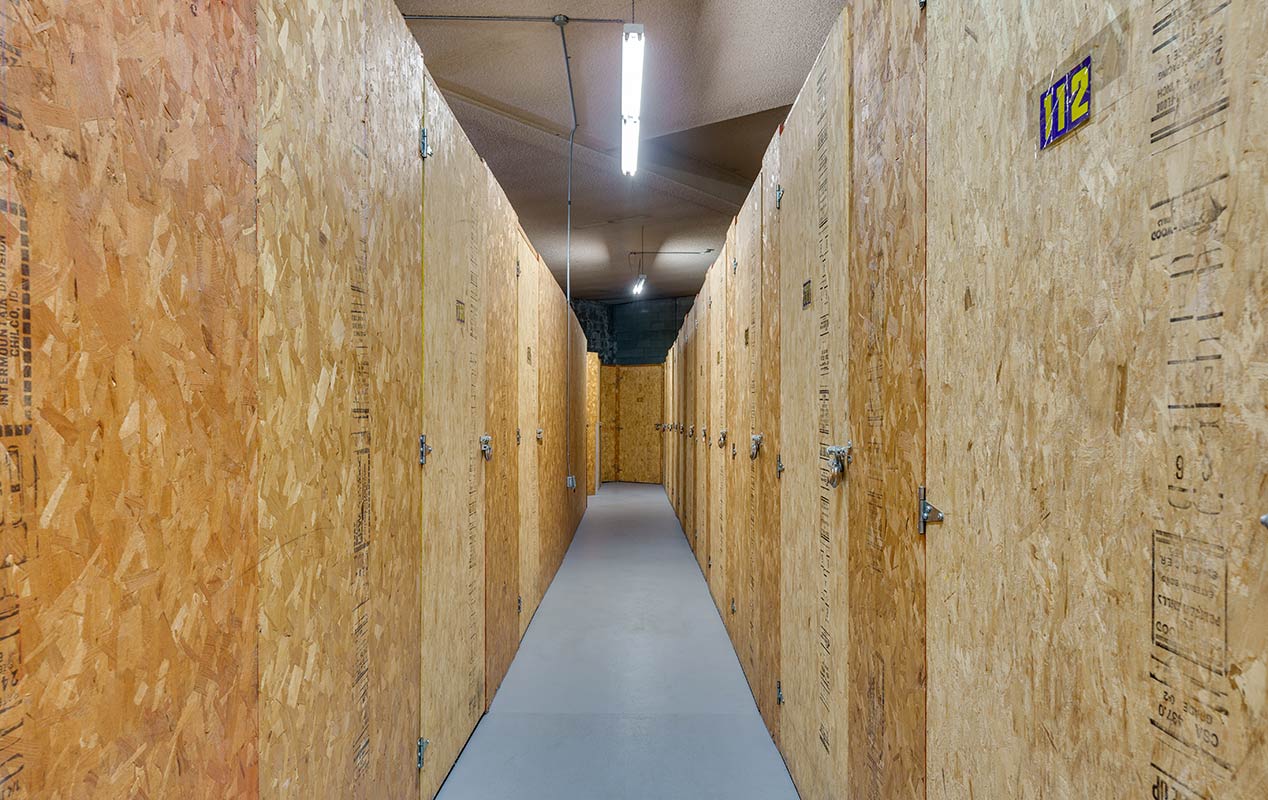
For longer-term storage, a private self-storage unit can give you room for the bike plus helmets, pumps, tools, locks, spare tires, panniers, and seasonal riding gear. It can also keep bikes out of shared apartment spaces and away from daily household clutter.
Before reserving, make sure the bike fits inside the unit, confirm access hours, and ask about any rules for e-bike batteries, charging, or stored equipment.
Not all storage works the same way. Here are the details that matter most for Seattle cyclists.
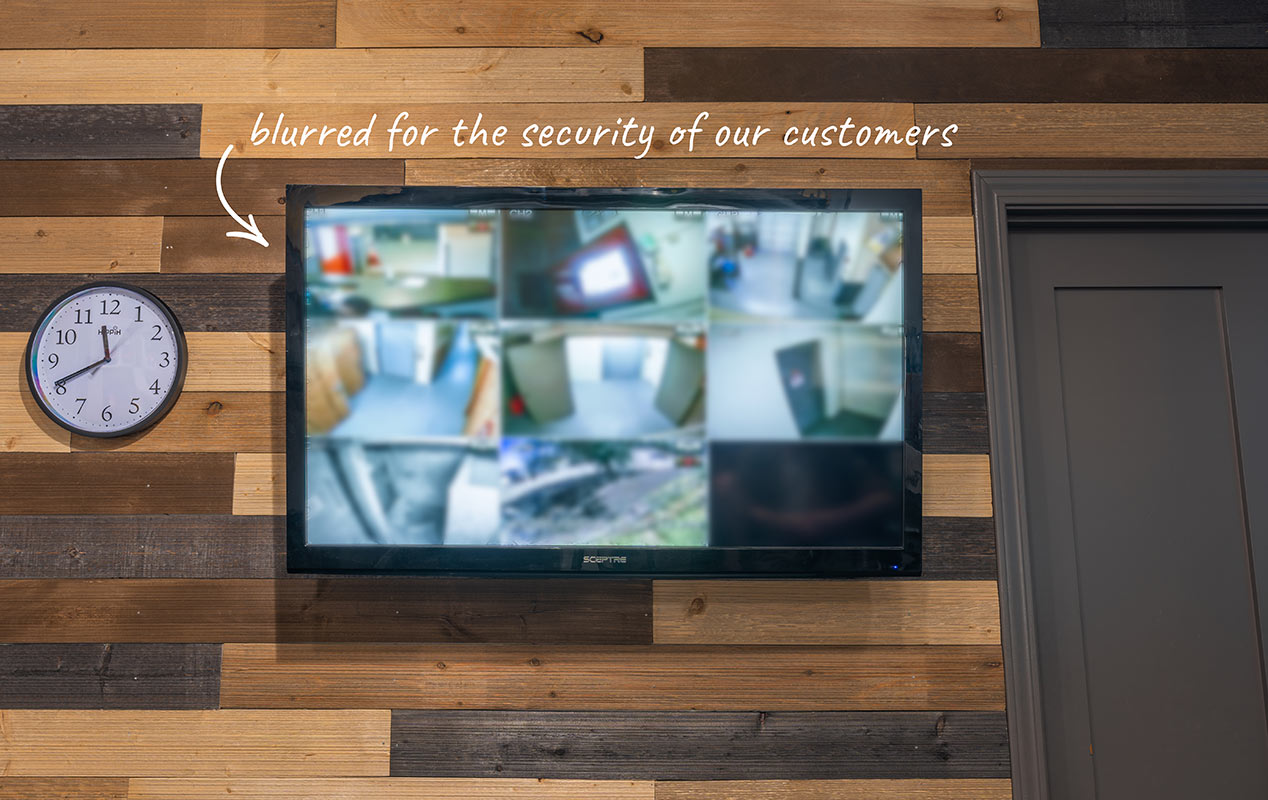
Look for specific listed features instead of broad promises. Useful features may include digital video recording, logged access, posted access procedures, and staff availability. You should also use a quality lock, keep an inventory, and review your insurance or coverage options.
A heated indoor unit may be useful during colder months, especially when storing a bike that has already been cleaned and dried. It is not a substitute for routine maintenance, but it can keep the bike inside a building rather than on a balcony or in an outdoor area.
If you commute by bike or ride early on weekends, access hours matter. Review the current access schedule before renting so your unit fits your actual routine.
Heavy e-bikes are not fun to carry. Look for practical moving features such as elevator access, carts, dollies, and clear loading procedures where available. Confirm the setup with the facility before move-in day.
A unit near your regular commute, weekend route, or favorite trail can make storage more useful. If the 19.7-mile Burke-Gilman Trail is part of your routine, for example, choose a location that fits the way you already travel rather than one that looks close only on a map.
A small unit can go a long way if you plan the layout first. Before reserving, measure the bike's length, handlebar width, tire width, and height. For cargo bikes or e-bikes, also account for kickstands, baskets, racks, fenders, and accessories.
A 5x5 unit may work for one or more bikes if they are stored efficiently, but fit depends on bike size and layout. Freestanding vertical racks can help because they do not require drilling into walls. Before using racks, confirm what is allowed inside the unit.
Madrax offers spacing guidance for bike racks, but inside a storage unit the key is simpler: leave enough room to roll or lift the bike without scraping frames, handlebars, brake rotors, or nearby gear.
A few setup tips:
Store helmets, lights, tools, and spare tubes in labeled bins.
Keep the bike you use most often near the front.
Avoid stacking heavy boxes against wheels or frames.
Keep battery and charging rules separate from general bike storage rules.
Leave a small aisle if you plan to visit the unit regularly.
For many Seattle cyclists, the value depends on the bike, the available space at home, and how often you ride. A storage unit may be worth considering if your bike is too large for your apartment, your building's bike room feels crowded, or you need space for multiple bikes and gear.
Costs vary by unit size, location, availability, and current promotions. Before renting, compare the monthly rate with your actual need: one bike, multiple bikes, e-bike accessories, tools, commuter gear, or seasonal equipment.
You are not just renting empty space. You are creating a dedicated place for your ride, which can make your home easier to use and your gear easier to find.
Availability varies by location. If the Burke-Gilman Trail, Ship Canal Trail, or Elliott Bay Trail is part of your routine, look for a facility that fits your usual route and review current unit availability before reserving.
A storage unit can give you a private, rented space instead of a shared bike room or public rack. Still, no storage option can guarantee theft prevention. Review facility security features, use a quality lock, register your bike, and keep serial numbers and photos on file.
Heated indoor storage can be useful during colder months, but e-bike care also depends on the manufacturer's guidance. Confirm the facility's battery rules, do not charge batteries inside the unit, and avoid storing damaged or swollen batteries.
It depends on the facility's access hours. Review the current schedule before renting, especially if you commute early or return late.
Private self-storage is often rented month to month, so you can store your bike for a short season or longer period depending on your needs and lease terms. Review billing, move-out notice, and access rules before renting.
Storing a bike in Seattle does not have to mean squeezing it next to your bed or leaving it in a crowded shared room. With the right setup, you can create a dedicated place for your bike, tools, helmet, locks, and riding gear.
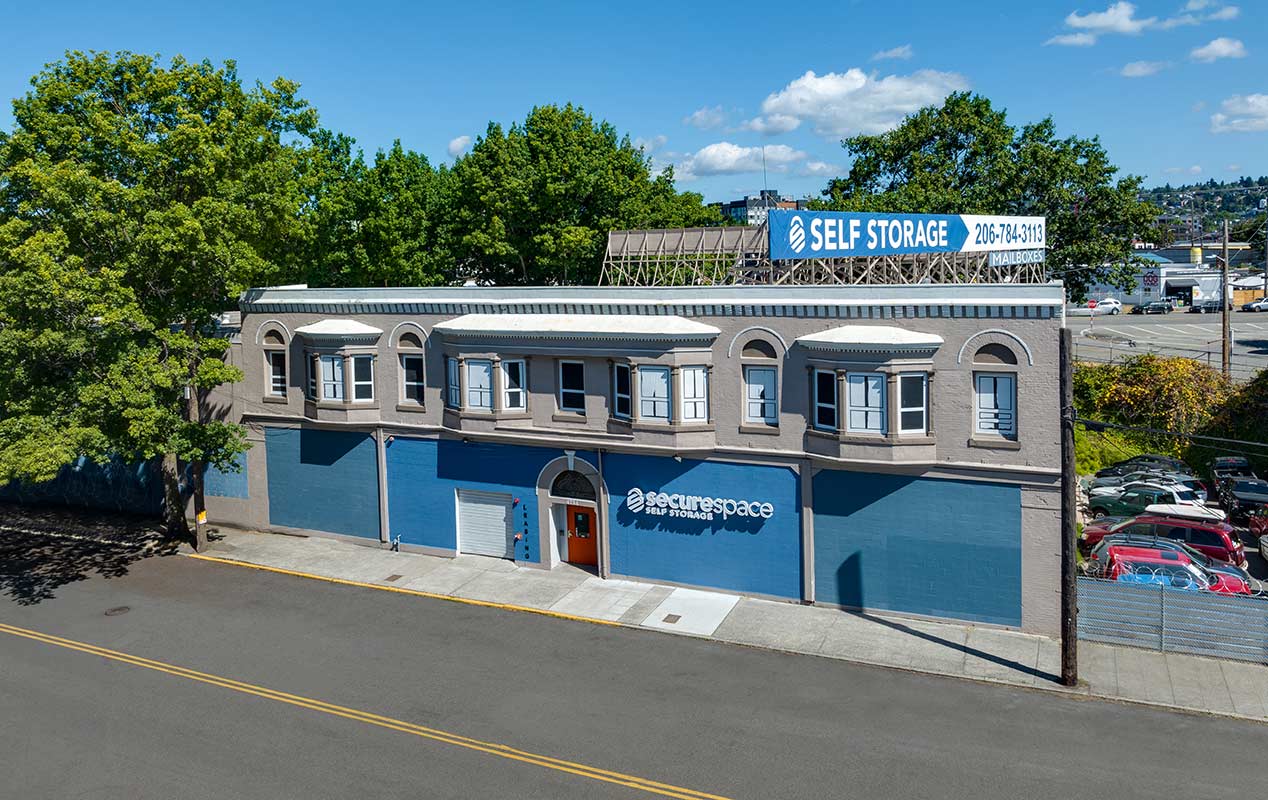
Ready to find space for your ride? Explore available units and pricing at SecureSpace Self Storage in Seattle and reserve your spot today.
Everything you need to store your belongings securely, on your schedule.
Visit us online