Last updated Aug 12, 2026
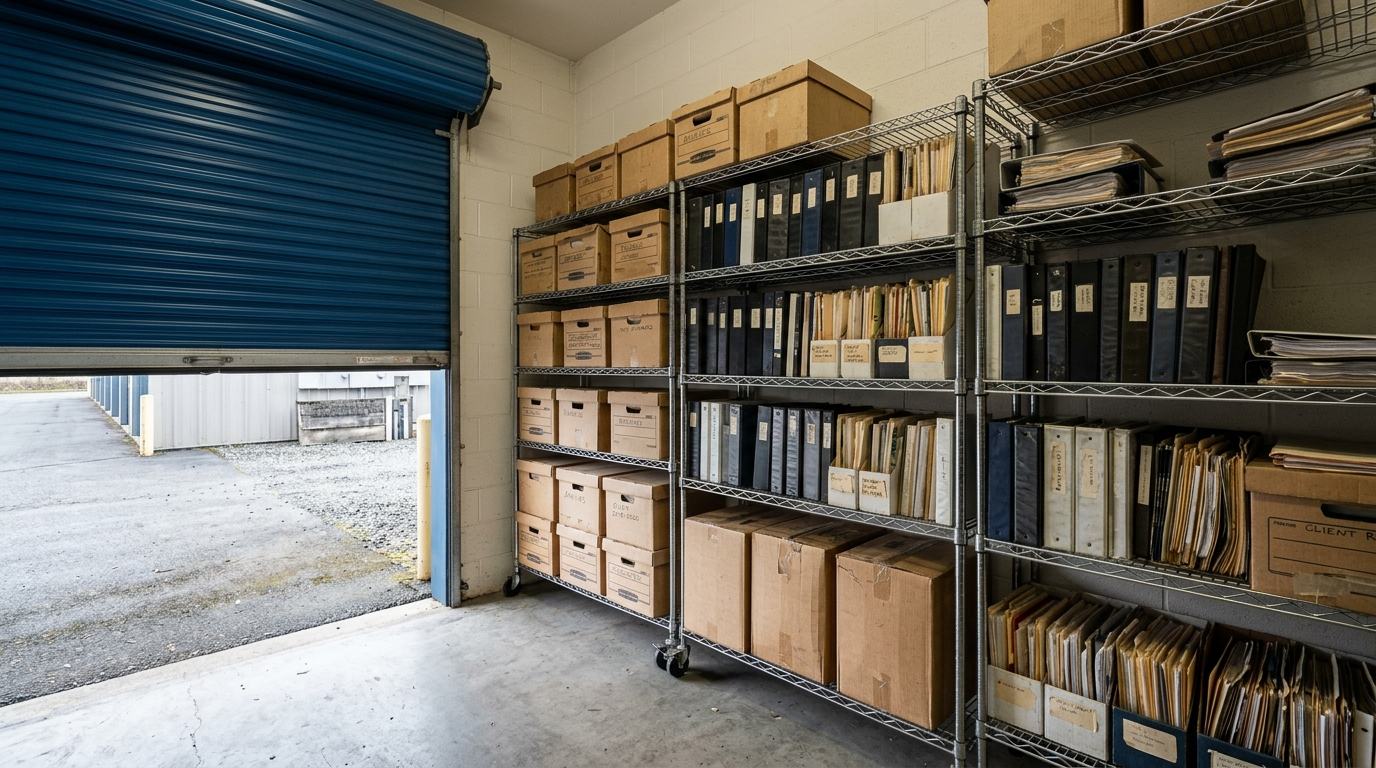
A storage unit can help an Everett business organize inventory, tools, records, equipment, and seasonal materials without committing to traditional warehouse space. However, a storage unit remains a place for storing property-not an office, workshop, storefront, fulfillment center, or customer-facing business location.
Before moving business property into storage, review the facility's lease, confirm that the specific items are permitted, and check whether local licensing or zoning requirements affect the intended use.
Washington's self-service storage law governs self-service storage facilities throughout the state. It generally describes these facilities as properties where occupants rent individual spaces to store and remove personal property.
The law does not provide blanket authorization for every type of commercial activity. Whether a particular business use is allowed may also depend on:
The facility's rental agreement
Local zoning and land-use rules
Fire and building codes
The type of inventory or equipment
How the customer plans to use the unit
Applicable business-license requirements
Business owners should treat a storage unit as storage space rather than general commercial premises.
The City of Everett provides business licensing, planning, zoning, and permitting resources for companies operating within the city.
A business license does not necessarily mean that every activity is permitted at every location. Before relying on a storage unit for business purposes, confirm whether the intended use complies with local requirements and the facility's lease.
This is especially important when the proposed use involves employees, customer visits, deliveries, machinery, electrical equipment, repairs, or frequent commercial activity.
Many businesses use self storage to organize permitted property that does not fit at home, in a vehicle, or at their primary place of business.
Potential uses include:
A storage unit may provide room for boxed products, packaging materials, seasonal merchandise, returns, and overstock.
The unit should be used for storing and retrieving inventory rather than processing orders, assembling products, or operating a shipping station inside the space.
Contractors may find storage useful for approved hand tools, equipment, safety gear, and packaged project supplies.
Tools should not be operated inside the unit. Fuel, flammable liquids, hazardous materials, and other restricted products should not be stored.
Permitted files, archived paperwork, marketing materials, and office supplies may be suitable for storage.
Documents requiring specialized environmental conditions, regulatory controls, or highly restricted access may need a dedicated records-management service instead.
Signs, displays, table coverings, banners, packaged decorations, and other reusable event materials can take up substantial space at an office or home.
Keeping them organized in labeled containers can make preparation for future events easier.
Mobile service businesses may use storage for approved equipment and supplies between appointments.
The unit should not become an active workshop, employee gathering point, or service location.
Facility leases commonly restrict activities that go beyond storing and retrieving property.
Depending on the lease and applicable regulations, prohibited activities may include:
Conducting repairs, manufacturing, or fabrication
Operating machinery or power tools
Meeting customers, clients, or employees
Selling products from the unit
Using the space as an office or regular workplace
Connecting unauthorized electrical equipment
Installing wiring, plumbing, ventilation, or other modifications
Living or sleeping in the unit
Storing food that can spoil or attract pests
Keeping hazardous, flammable, illegal, or regulated materials
Using the facility as a registered business address without approval
Routing freight or package deliveries to the property without permission
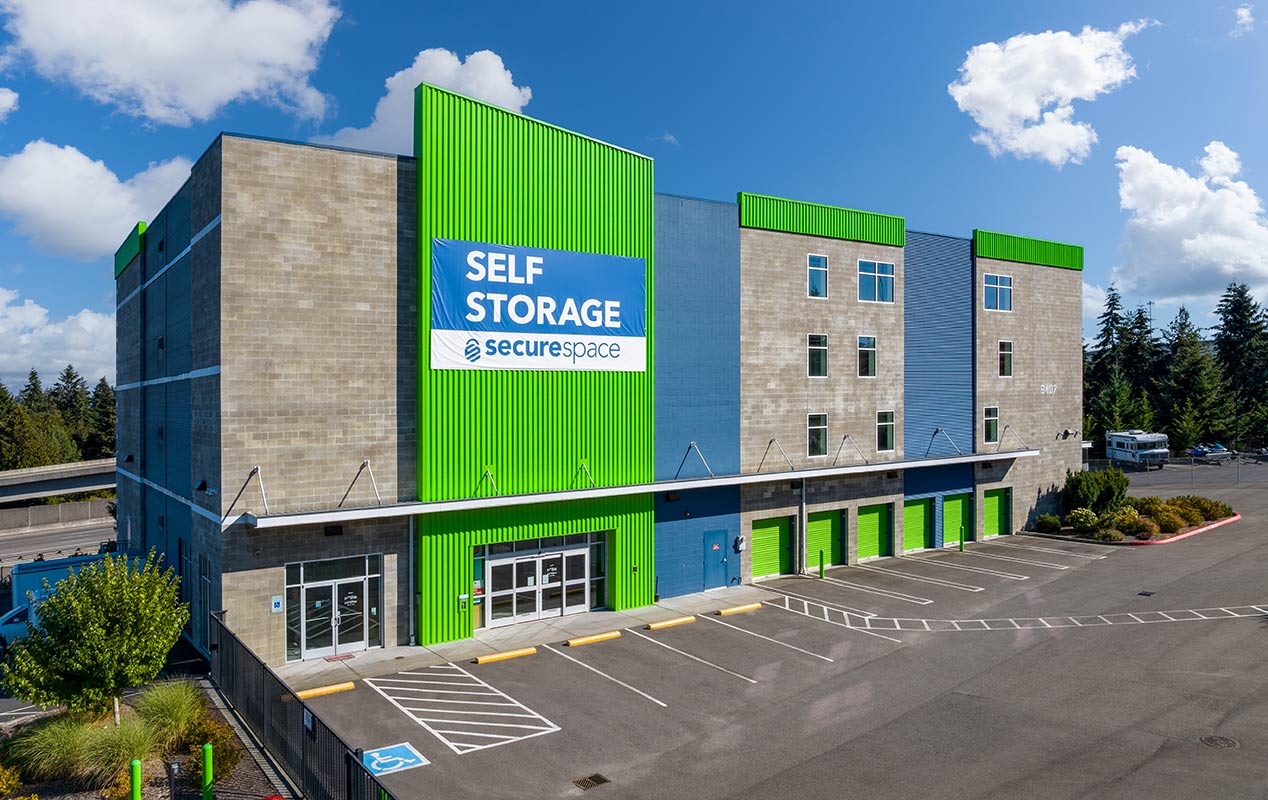
Review general information from SecureSpace Self Storage and confirm the current Everett lease terms before moving business property into a unit.

Drive-up storage may make it easier to load and unload approved tools, equipment, and project supplies.
However, SecureSpace Everett should not be treated as a workshop, contractor yard, freight terminal, or warehouse.
E-commerce businesses may use storage for permitted inventory, packaging supplies, and seasonal stock.
Order processing, customer pickups, employee work, and product assembly should take place at an approved business location.
Furniture, signs, display materials, and staging supplies may be stored between properties when permitted by the lease.
Belongings should be clean, dry, and packed carefully before storage.
Approved equipment and packaged supplies may be stored between jobs.
Liquids, chemicals, fuels, batteries, and powered equipment should be reviewed carefully because restrictions may apply.
Businesses may use storage for permitted records, supplies, furniture, and archived materials that are no longer needed daily.
Sensitive records should be handled according to applicable privacy, retention, and security requirements.
Explain what you plan to store and how frequently you expect to access it.
Do not assume that an item is allowed simply because it is used for business. The facility may restrict specific materials, equipment, vehicle types, or activities.
SecureSpace Everett offers indoor and drive-up storage options.
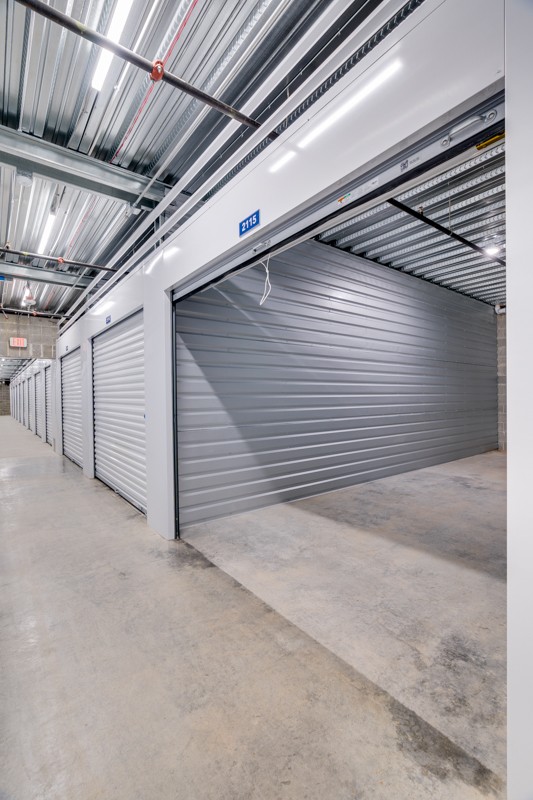
Drive-up access may simplify ordinary loading and unloading, while indoor units may be useful for compatible property that benefits from enclosed building access.
Vehicles cannot be stored inside drive-up units.
Climate-controlled and heated options may help reduce exposure to temperature swings and cold conditions.
These units should not be described as precisely humidity controlled or as guarantees against mold, corrosion, warping, or other damage.
Follow manufacturer guidance and make sure all inventory, furniture, equipment, and containers are clean and dry before storage.
Elevator access and carts or dollies are available for indoor storage.
The facility does not offer a loading dock, covered loading area, moving-pod access, or semi-truck accessibility. Businesses should plan ordinary customer loading rather than freight or warehouse-style deliveries.
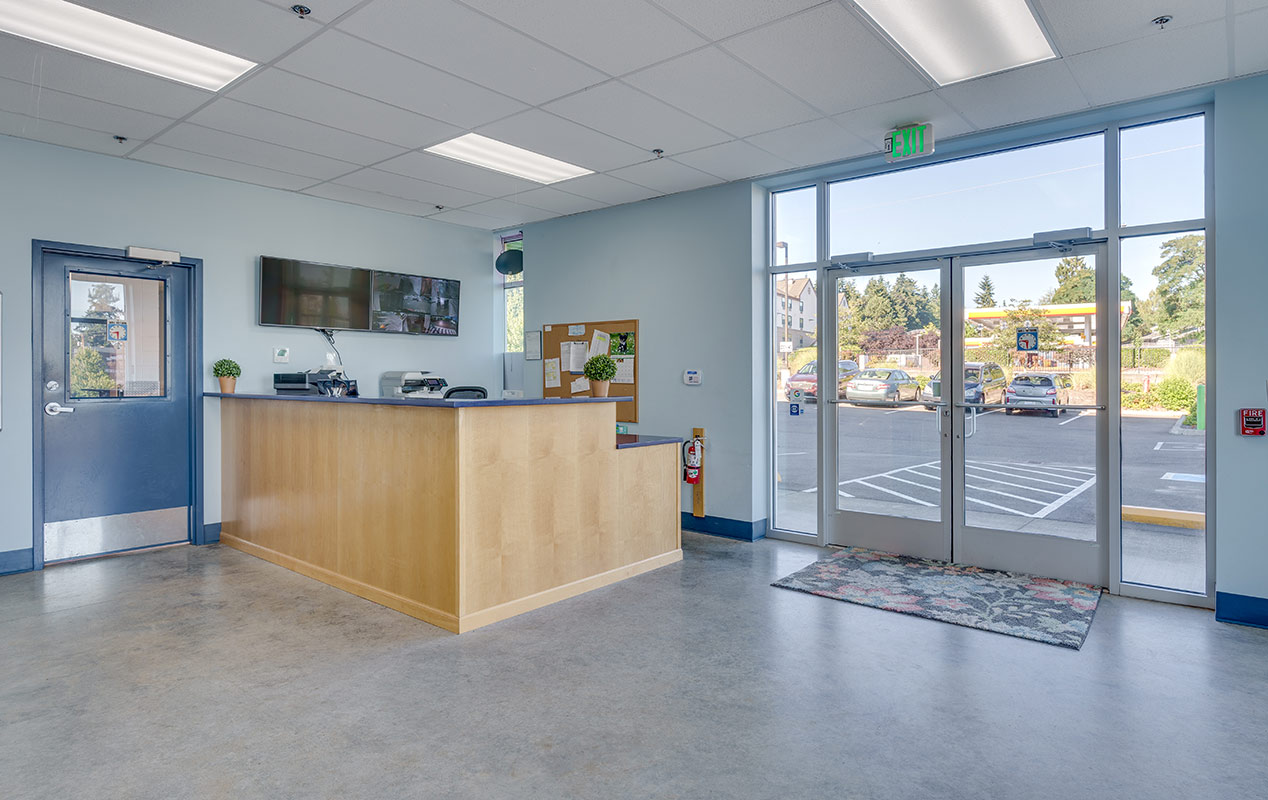
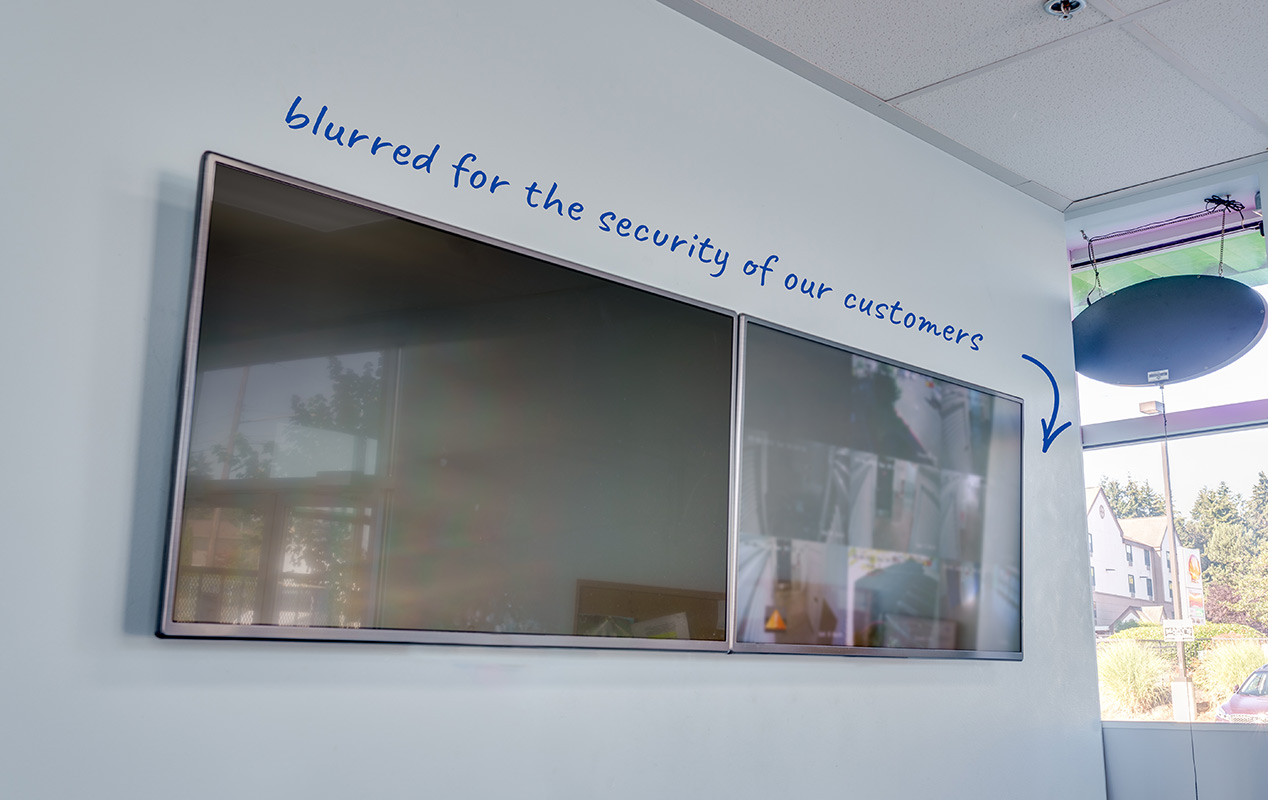
SecureSpace Everett includes an access gate, digital video recording, logged access, overnight surveillance, touchless computer-controlled access, and Turing-enabled monitoring.
These features support facility access and monitoring practices but cannot guarantee protection against theft, loss, or damage.
Businesses should maintain an inventory, use a suitable lock, protect access credentials, and review applicable coverage requirements.
Month-to-month leases provide flexibility, but payment dates, notice requirements, rate terms, and move-out procedures still apply.
Online rental and payment options are available, although customers should follow the instructions associated with the selected unit.

Self storage and commercial real estate serve different purposes.
A storage unit may offer a smaller, more flexible space for permitted inventory and equipment. A commercial warehouse or flex space may support activities that self storage generally does not, including employee work, freight receiving, machinery, utilities, customer visits, and active fulfillment.
Resources from the Self Storage Association can provide general industry context, but current pricing, rules, and lease terms should be reviewed directly with the selected facility.
Choose self storage when the primary need is storing and retrieving approved property. Choose commercial space when the business requires active operations.
A personal homeowners or renters policy may provide limited or no coverage for commercial inventory, tools, or equipment.
Before moving business assets into storage:
Speak with the business insurer
Review coverage limits and exclusions
Document stored inventory
Record serial numbers when appropriate
Photograph valuable equipment
Keep purchase records
Review the facility's coverage requirements
Update the inventory when items enter or leave the unit
Do not assume the facility's security features or rental agreement insure the stored property.
A storage unit should be used for storing and retrieving approved property.
Active work, employee operations, customer meetings, repairs, product assembly, and sales may violate the lease or local requirements.
Permitted inventory may be allowed, but approval should not be assumed.
Confirm the product type, packaging, quantity, and intended access pattern with the facility before renting.
Approved tools and equipment may be suitable for storage.
They should not be operated inside the unit, and fuels, flammable materials, chemicals, or other restricted items should not be stored.
Storage and active fulfillment are different activities.
Inventory and packaging materials may be suitable for storage, while assembling orders, running equipment, receiving customers, or operating a shipping station may be prohibited.
Do not use a storage facility as a registered, mailing, licensing, or customer-facing business address without written approval and confirmation that the arrangement complies with applicable requirements.
Package and freight acceptance should never be assumed.
SecureSpace Everett does not offer a loading dock or semi-truck accessibility. Confirm the facility's delivery policy before routing any shipment to the property.
Licensing requirements depend on the business activity and jurisdiction.
Use the City of Everett's business resources and confirm any state or local requirements that apply. Licensing does not automatically authorize active operations from a storage unit.
SecureSpace Everett may provide practical space for approved inventory, tools, records, furniture, equipment, and supplies when the unit is used strictly for storage.
Before renting, describe the intended use, review prohibited items, confirm the selected unit features, and make sure the business has appropriate insurance and licensing arrangements.
Review current availability and rental details at SecureSpace Everett →.
Everything you need to store your belongings securely, on your schedule.
Visit us online