Last updated Aug 12, 2026
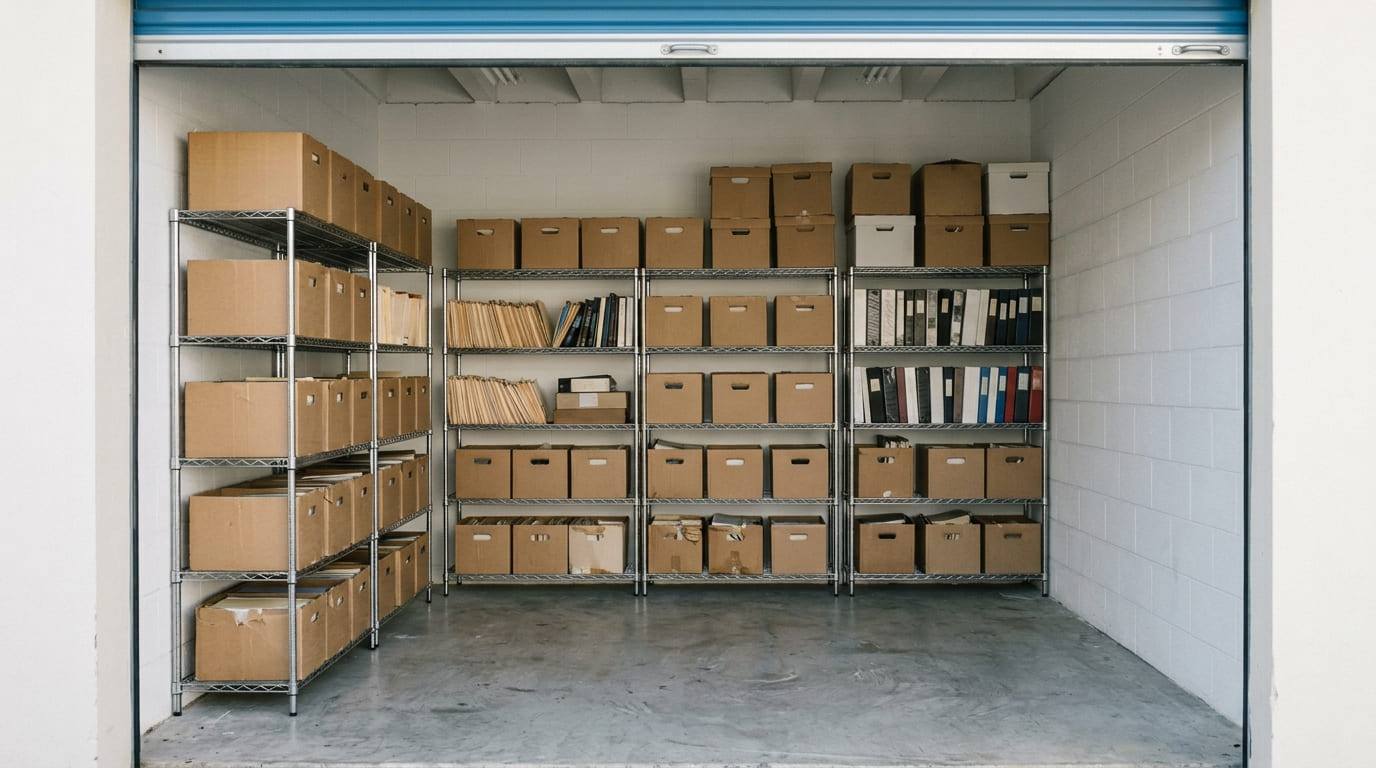
Self-storage may provide useful extra space for permitted business records, boxed inventory, packaging materials, tools, and supplies. However, renting a unit does not automatically authorize every commercial activity or item.
Business use remains subject to the storage facility's rental agreement, applicable zoning and licensing rules, fire and safety requirements, and any restrictions tied to the company's primary operating address.
This guide explains how businesses may use storage, which activities generally belong elsewhere, and what local owners should review before renting a unit in Homestead.
A storage unit may be used for permitted business belongings, but it should not be treated as a storefront, office, workshop, or customer-facing business location.
A third-party storage provider notes that business use depends on the facility's rules and local regulations. Rather than assuming that all commercial activities are allowed, businesses should ask the storage operator about their intended use before signing a lease.
The simplest distinction is that a unit may provide space for stored assets, but it is not necessarily an approved place to operate the business.
Subject to the rental agreement, a business may be able to store:
Boxed retail or e-commerce inventory
Packaging and shipping supplies
Business records and archived documents
Seasonal displays or promotional materials
Hand tools and permitted equipment
Office furniture
Nonperishable supplies that do not require specialized conditions
A storage unit should not be assumed suitable for:
A walk-in retail storefront
In-person customer appointments
An occupied office or daily workspace
Manufacturing or fabrication
Mechanical or automotive repairs
Food preparation
Employee workstations
Regular freight-distribution operations
Living or sleeping
Running powered machinery inside the unit
Whether a specific use is allowed depends on the lease and applicable regulations. An article from Ocala Storage Park discussing commercial storage confirms that facility policies and local rules must be reviewed before operating any business activity from a unit.
Businesses throughout Homestead and nearby agricultural communities may run out of room as inventory, records, or equipment accumulate.
Contractors, landscapers, electricians, plumbers, and other service providers may use storage for permitted hand tools, boxed materials, replacement parts, safety equipment, and job-site supplies.
Drive-up units can reduce the distance these items must be carried. They should not be used to operate a workshop, perform repairs, or store motorized vehicles and tractors indoors.
The Redland District is a historic agricultural area known for tropical crops and ornamental nurseries.
Local businesses may need space for permitted packaging materials, records, hand tools, displays, or nonperishable inventory. Storage should not be described as pest-free or suitable for food, plants, pesticides, fertilizers, fuel, chemicals, or other regulated materials.
SecureSpace Self Storage Homestead lists pest-control service as a facility feature, but no pest-management program can guarantee that stored items will remain pest-free.
Online sellers, consultants, and other home-based businesses may need space for archived records, packaging supplies, or permitted inventory that no longer fits comfortably at home.
Moving belongings off-site may reduce household clutter, but it does not automatically resolve zoning, customer-traffic, delivery, parking, employee, signage, or licensing issues at the primary business address.
Service members and military families may operate portable or home-based businesses during assignments near Homestead Air Reserve Base.
Month-to-month storage may provide flexibility during a move, deployment, or housing transition. Billing cycles, notice requirements, and move-out procedures still follow the rental agreement.
Miami-Dade County publishes Home Office zoning rules for qualifying home occupations. These rules may address how much of a residence can be used, customer visits, employees, deliveries, vehicles, signs, noise, and other operational factors.
The exact requirements depend on the property's jurisdiction, zoning district, and business activity. A county rule should not automatically be assumed to apply in exactly the same way to every property inside the City of Homestead.
Before expanding a home-based operation, confirm:
Whether the property is inside Homestead or unincorporated Miami-Dade County
Which zoning rules apply to the address
Whether customers may visit the property
Whether employees may work there
Which commercial vehicles or deliveries are allowed
Whether an HOA or lease adds separate restrictions
Whether permits or approvals are required
Businesses with questions about local enforcement can consult Homestead Code Compliance.
A storage unit may provide space for permitted belongings, but it should not be presented as an automatic solution to a home-office zoning violation.
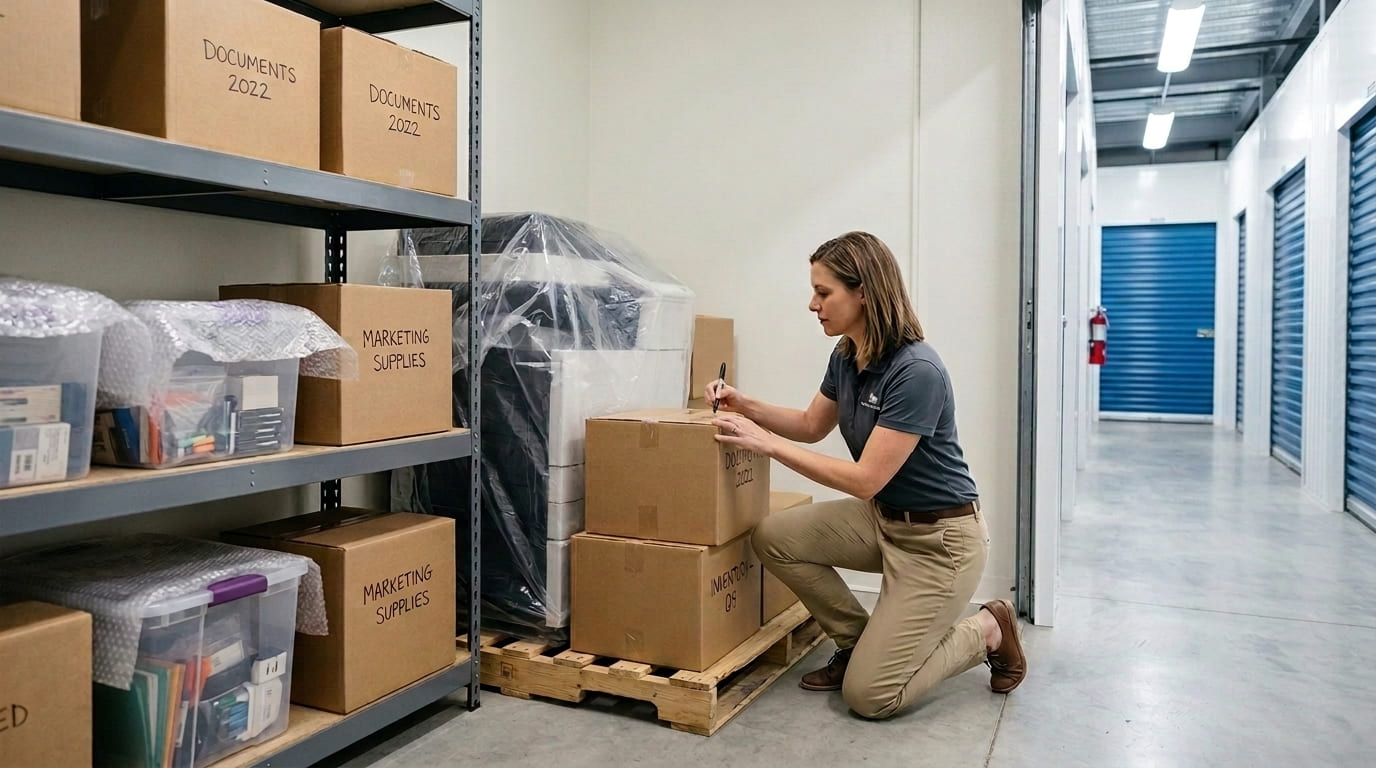
Renting a storage unit for permitted belongings does not necessarily require a separate business license for the unit itself. However, the underlying business may need registrations, tax receipts, approvals, or professional licenses based on where and how it operates.
The City's official website explains its Business Tax Receipt process.
Requirements depend on the business activity and whether the company maintains a permanent location or branch within the city. Contact the appropriate city department to confirm what applies.
Miami-Dade County provides information about Certificates of Occupancy and Use here.
The correct approval process depends on the business address and whether the location is within a municipality or unincorporated Miami-Dade County. A storage unit should not be assumed to qualify as the company's authorized operating location.
Businesses organized as limited liability companies or corporations may need to register through Florida's Sunbiz portal.
The registered office, principal address, and mailing address serve different legal purposes. Businesses should not assume that a storage-unit address qualifies for any of them without reviewing state requirements or obtaining professional guidance.
Depending on the activity, a business may also need:
Professional licensing
Sales-tax registration
Health or food permits
Building or fire approval
Environmental permits
Agricultural permits
Employer registrations
Insurance or bonding
The appropriate requirements vary. This article provides general information rather than legal or licensing advice.
Do not assume that a storage unit may be used as the official address for state registration, licenses, tax records, banking, customer visits, or mail delivery.
Florida requires a registered office where a registered agent can be reached during normal business hours. Principal and mailing-address requirements may differ.
Before listing a storage facility's address on any filing:
Review the facility's rental agreement.
Check the requirements of the receiving agency.
Confirm whether mail or deliveries are accepted.
Distinguish between the registered office, principal address, and mailing address.
Obtain legal or tax guidance when appropriate.
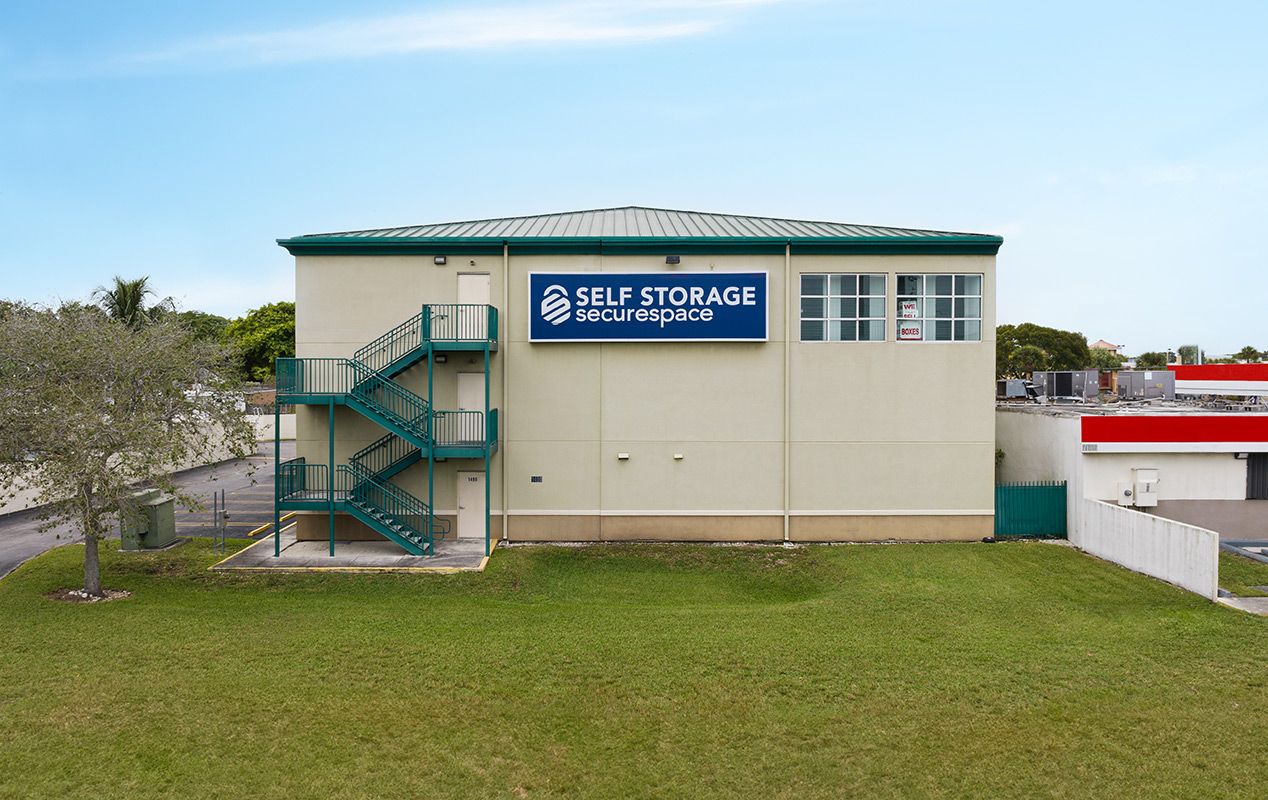
SecureSpace Self Storage Homestead should be treated as a place for permitted stored belongings, not as an assumed registered office or public business location.
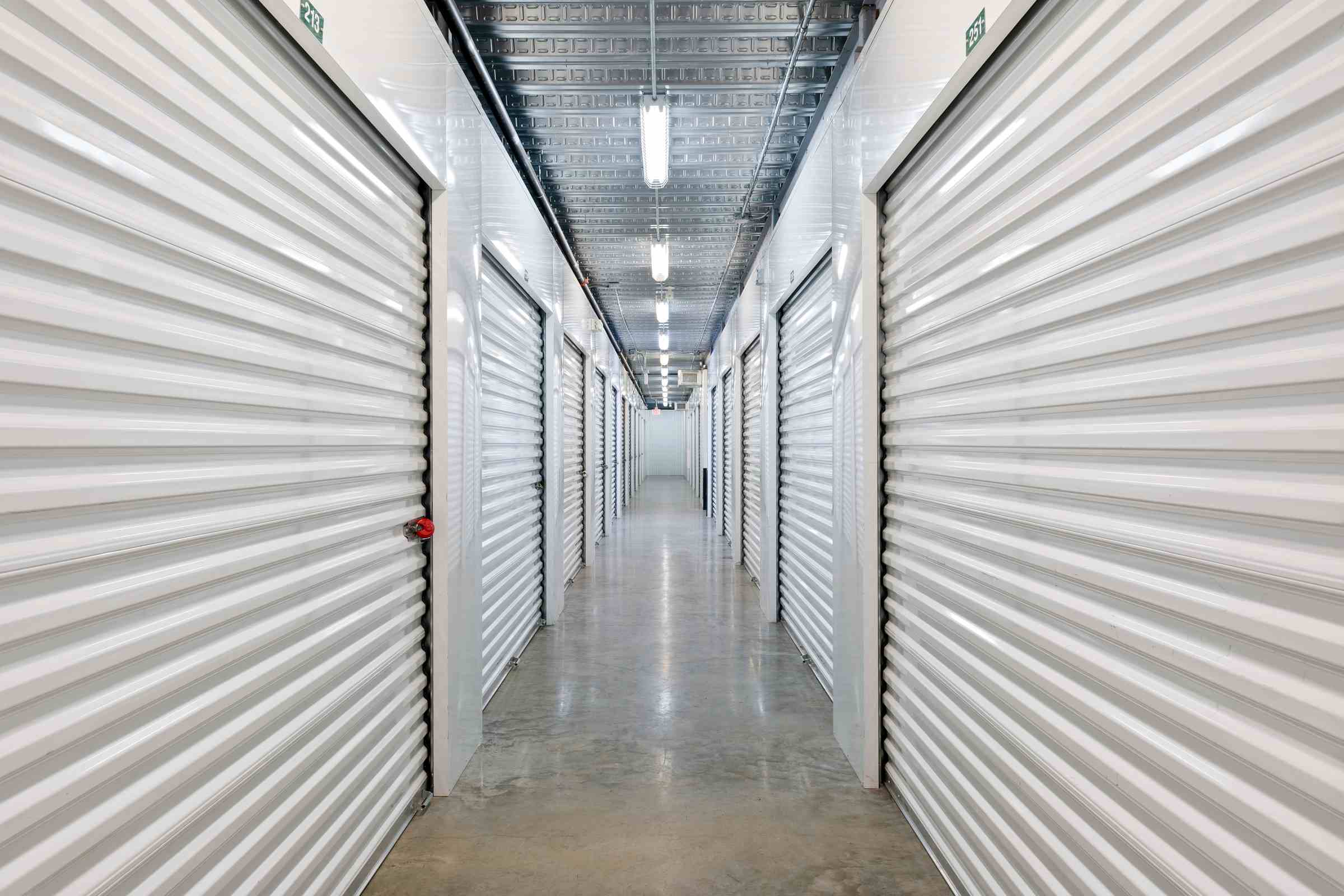
SecureSpace Self Storage Homestead offers climate-controlled units. These units may help reduce exposure to outdoor temperature fluctuations compared with standard storage.
They may be worth considering for permitted:
Paper records
Electronics
Office furniture
Boxed products
Packaging supplies
Clothing or fabric inventory
Other nonperishable goods that may be affected by prolonged temperature changes
Climate-controlled storage does not guarantee:
Humidity monitoring or dehumidification
Mold or mildew prevention
Rust or corrosion prevention
Protection from leaks, storms, or flooding
Preservation of inventory
Suitability for regulated or temperature-critical products
Pharmaceuticals, food, plants, biological products, and perishable supplies should not be promoted for general self-storage. Those items may require specialized, licensed facilities and controlled conditions.
SecureSpace Self Storage Homestead provides:
An access gate
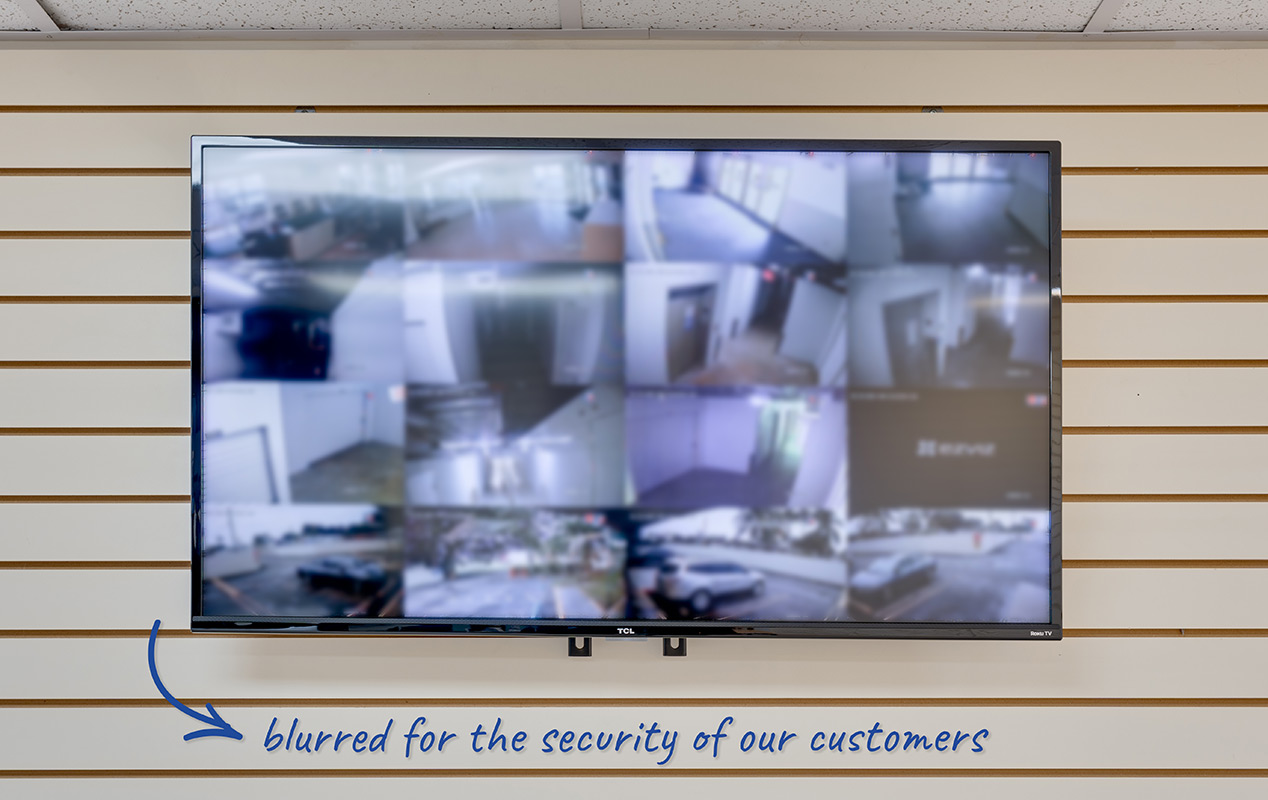
Digital video recording
Logged access
Businesses should also:
Use a durable lock.
Keep an inventory of stored property.
Avoid displaying sensitive information on visible labels.
Control which employees have access.
Review applicable coverage requirements.
Keep essential business records backed up elsewhere.
The facility should not be described as offering 24/7 live surveillance, overnight monitoring, a fully fenced perimeter, motion-alert technology, or guaranteed protection.
Insurance or tenant-protection coverage should also not be described as guaranteeing reimbursement. Review the policy's limits, exclusions, deductibles, and documentation requirements.
SecureSpace Self Storage Homestead offers these unit dimensions:
5x5
5x10
5x15
10x10
10x15
10x20
10x25
A 5x5, 5x10, or 5x15 unit may work for:
Archived documents
Packaging supplies
Small tools
Seasonal displays
Limited boxed inventory
A 10x10 or 10x15 unit may provide room for:
Office furniture
Larger quantities of boxed inventory
Contractor tools
Shelving
Permitted equipment and supplies
A 10x20 or 10x25 unit may suit a greater amount of permitted inventory, furniture, tools, or business materials.
Vehicles, tractors, and other motorized equipment cannot be stored inside these units, including when drive-up access is available.
Measure shelves, cases, equipment, and boxed inventory before renting. Leave an aisle when regular retrieval is necessary.

Drive-up units may make loading and unloading permitted items more convenient. SecureSpace Self Storage Homestead also supports semi-truck accessibility.
Semi-truck accessibility does not establish that the facility will:
Accept unattended deliveries
Provide loading-dock service
Receive freight on a customer's behalf
Offer warehouse staging
Guarantee space for an 18-wheeler to unload beside every unit
Permit ongoing logistics operations
There is no covered loading area or loading dock. Businesses should contact the facility before arranging a large delivery or bringing an oversized vehicle.
SecureSpace Self Storage Homestead offers uncovered outdoor parking for eligible:
Cars
Trucks
Boats
RVs
Motorcycles
Trailers
Covered parking and indoor vehicle storage are not available.
Businesses should confirm:
Whether the particular vehicle is permitted
Complete vehicle dimensions
Current parking availability
Registration and insurance requirements
Vehicle condition standards
Rules governing commercial use
Access procedures
Specialized heavy-machinery or agricultural-equipment storage should not be assumed.
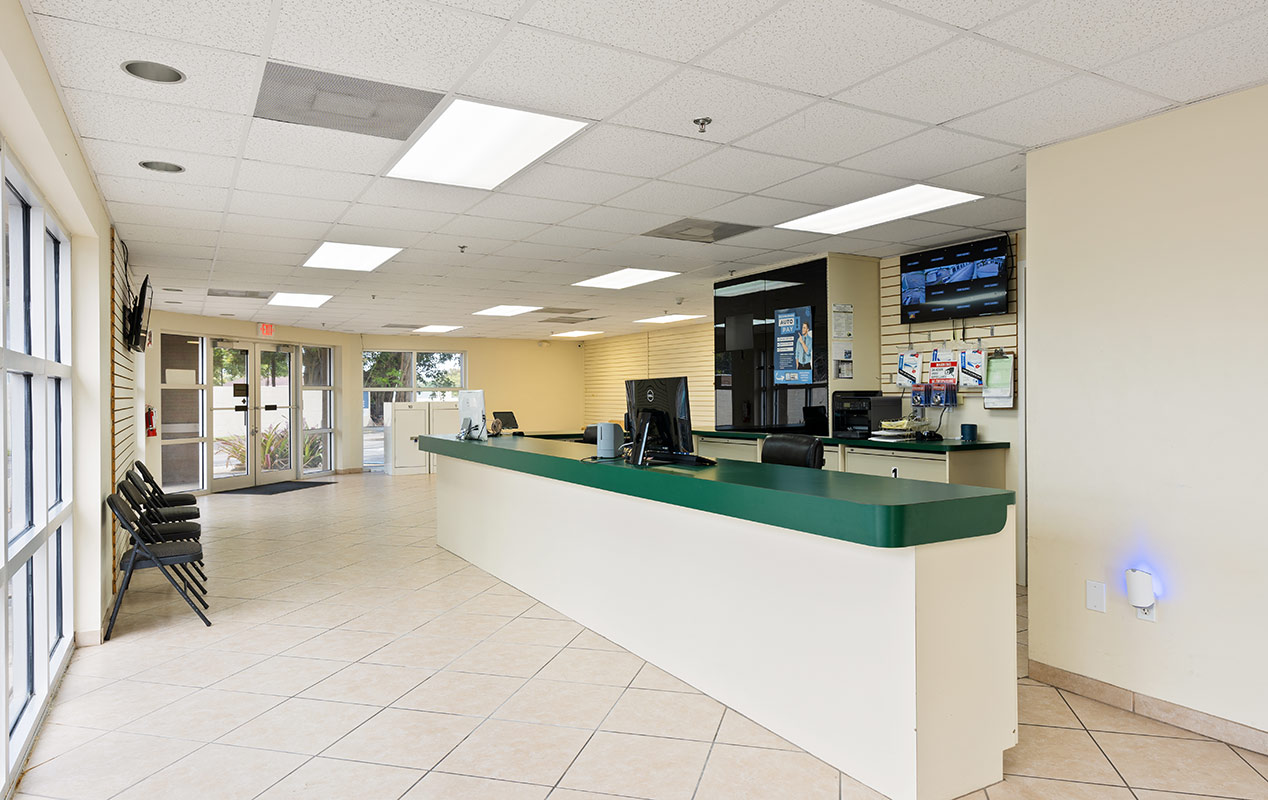
SecureSpace Self Storage Homestead provides physical access from 6:00 AM to 9:00 PM daily.
Available conveniences include:
Month-to-month leases
Online payments
ACH and credit card payment plans
Touchless move-in
Elevator access
Carts and dollies
Basic moving supplies
Month-to-month leasing provides flexibility, but billing dates, rate changes, notice requirements, and move-out procedures still follow the rental agreement.
Online rental is available, but immediate approval, same-day access, automatic billing, live inventory, and a specific credential-delivery method should not be assumed.
Do not assume that customer-facing retail activity is allowed.
A unit may be suitable for permitted inventory, packaging materials, and supplies, but sales, customer visits, signage, employees, and daily business operations may be restricted by the lease and applicable regulations.
A storage unit should not be treated as an occupied office, workshop, manufacturing facility, or regular employee workspace.
Brief visits to organize or retrieve permitted belongings differ from operating the business inside the unit.
The rental itself may not require a separate business license, but the underlying business may need a Business Tax Receipt, Certificate of Use, state registration, professional license, or other approval.
Requirements depend on the business activity and operating address.
Do not assume so.
Registered-office, principal-address, mailing-address, licensing, mail-delivery, and facility rules may differ. Confirm the requirements before using a storage address on any filing.
Permitted hand tools, boxed equipment, and supplies may be acceptable.
Vehicles, tractors, powered machinery, fuel, hazardous materials, chemicals, and regulated items may be prohibited or require a different type of facility.
Permitted business records may be stored, but customers should keep backups and avoid placing essential or irreplaceable documents deep inside a unit.
Climate-controlled storage may be worth considering for paper records, though it does not guarantee humidity control or preservation.
Perishable food, plants, seeds requiring controlled conditions, pesticides, fertilizers, and other agricultural materials may be prohibited or unsuitable.
Review the lease and ask the facility before bringing agricultural or food-related items.
Do not assume that unattended packages, pallets, freight, or vendor deliveries will be accepted.
Contact the facility before scheduling any delivery.
A storage unit may provide useful space for permitted records, boxed inventory, supplies, and tools, but it is not automatically an approved storefront, office, workshop, warehouse, or registered business address.
Before renting, review the facility lease, confirm that each item is allowed, and check applicable licensing and zoning requirements with the City of Homestead, Miami-Dade County, or a qualified professional.
Explore commercial storage units at SecureSpace Homestead today.
Everything you need to store your belongings securely, on your schedule.
Visit us online