Last updated Aug 12, 2026
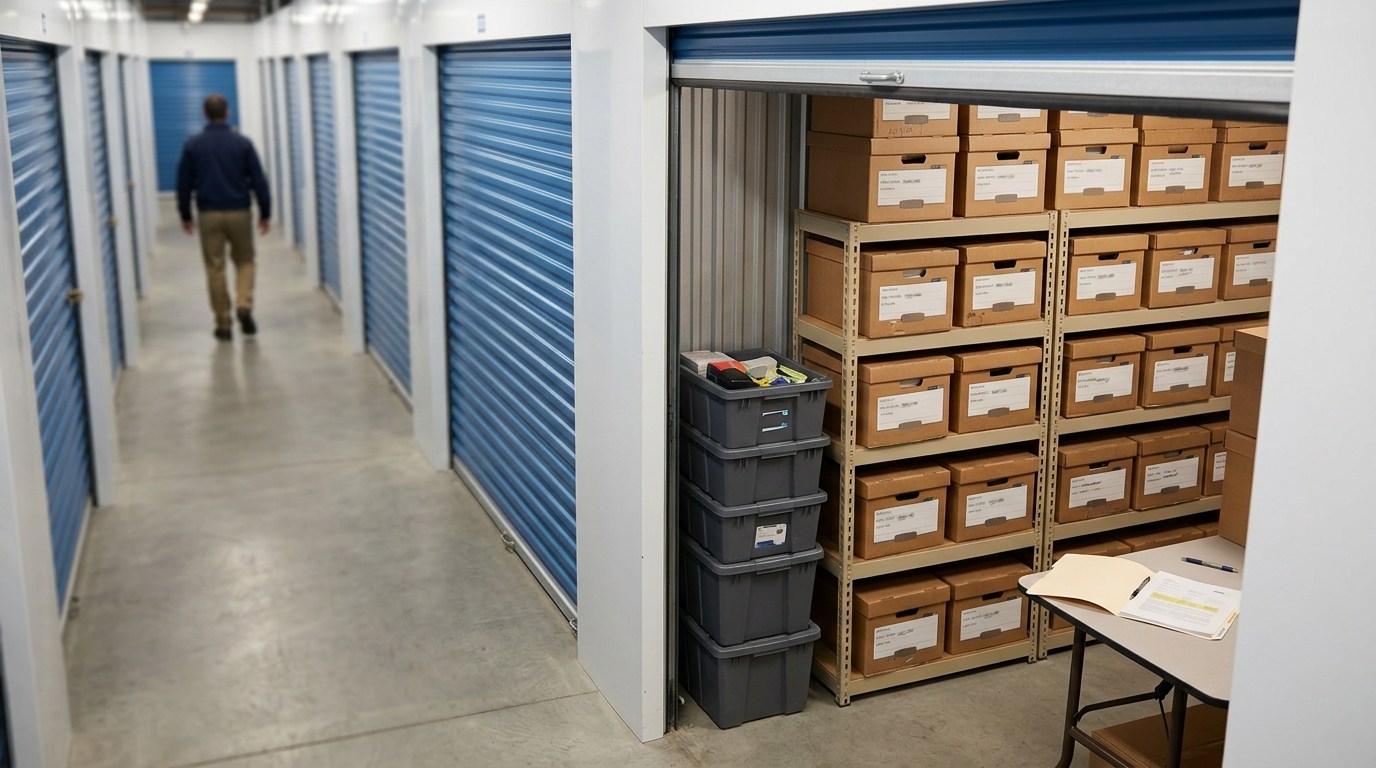
A storage unit can provide useful overflow space for permitted inventory, tools, equipment, furniture, records, and general business supplies. However, renting a unit does not automatically allow a company to operate an office, storefront, workshop, or distribution center from the property.
Business use depends on the items being stored, the activities taking place at the facility, the rental agreement, and applicable laws. Before moving company property into storage, review those requirements and confirm that standard, non-climate-controlled storage is appropriate.
Under Washington State Revised Code (RCW) 19.150.010 (Washington State Legislature), a self-service storage facility is designed for occupants to store and remove personal property on a self-service basis. The statute defines personal property broadly to include movable goods, merchandise, furniture, and household items.
The same statute prohibits using a self-service storage facility for residential purposes.
That definition provides general support for storing movable business property, but it does not grant blanket permission for every commercial item or activity. The rental agreement may establish additional conditions governing:
What may be stored
Who may enter the unit
Whether business tasks may occur on-site
Which vehicles may access the property
How deliveries are handled
Which hazardous, regulated, or sensitive items are prohibited
Businesses should review the agreement before assuming a particular use is permitted.
Home-based businesses may eventually run out of space for tools, inventory, equipment, or supplies. Local rules can also limit how commercial activity occurs at a residential property.
The Federal Way Revised Code (FWRC) Chapter 19.270 (ICC Code Solutions) applies to home occupations conducted at residential properties. Its provisions address outside storage, heavy equipment and power tools not common to residential use, commercial deliveries involving vehicles over 26,000 pounds GVWR, customer traffic, and accessory structures used for a home occupation.
The chapter also limits accessory structures supporting a home occupation to 1,000 square feet.
These rules regulate activity at the residence; they do not automatically determine what a self-storage facility permits. However, off-site storage may provide another option when a growing business needs room for permitted property that no longer fits comfortably at home.
A standard storage unit may work for many common business belongings when the rental agreement permits them and the items do not require specialized environmental conditions.
Retailers and e-commerce businesses may use storage for packaged, nonperishable inventory. Products should be clean, dry, lawful, and suitable for a standard unit.
Keep a current inventory and arrange products so older stock or frequently shipped items remain accessible.
Contractors may store permitted hand tools, power tools, ladders, job-site equipment, and general supplies.
Fuel, pressurized containers, hazardous chemicals, and other restricted materials should not be placed in the unit. Drain and clean equipment when required, and review manufacturer storage instructions.
Display stands, banners, tables, packaged promotional items, and event equipment may be stored between uses.
Label containers by event or campaign so employees can retrieve the correct materials without unpacking the entire unit.
Desks, chairs, shelving, filing cabinets, and other office furniture may be suitable during a renovation, relocation, or temporary office closure.
Electronics and other equipment may have temperature or storage requirements. Review manufacturer guidance before placing them in a standard, non-climate-controlled space.
Ordinary paper records may be stored only after considering privacy, retention, security, and environmental requirements.
Businesses handling customer, medical, financial, legal, or otherwise regulated information should determine whether self storage satisfies their professional and legal obligations. Highly sensitive or irreplaceable records may require a specialized records-management service.
Holiday displays, seasonal decorations, event materials, and temporary fixtures may be stored when not in use.
Group these belongings by season and keep the next items needed close to the entrance.
The ability to store business property does not make a self-storage unit a substitute for commercial operating space.
Do not assume employees can use the space as a staffed office, workshop, breakroom, or daily workplace. Electricity, occupancy, customer traffic, equipment use, and business operations may be restricted.
A storage unit should not be treated as a customer-facing store or sales counter unless the facility expressly permits that activity.
Keep retail transactions and regular customer appointments at an appropriate licensed business location or online.
Fabrication, welding, woodworking, mechanical repairs, assembly, food production, and other active operations may create noise, fumes, heat, waste, or fire risks.
Businesses requiring these activities should use properly zoned and equipped commercial space.
Do not store illegal goods, explosives, flammable liquids, toxic materials, hazardous chemicals, perishable food, organic waste, or anything likely to attract pests.
Review the rental agreement for a complete list of prohibited property.
Medical products, pharmaceutical samples, chemicals, batteries, and other regulated goods may require controlled temperatures, specialized handling, documentation, or licensing.
SecureSpace Self Storage Federal Way does not offer heated or climate-controlled units, so businesses should not assume that environmentally sensitive products are suitable for this location.
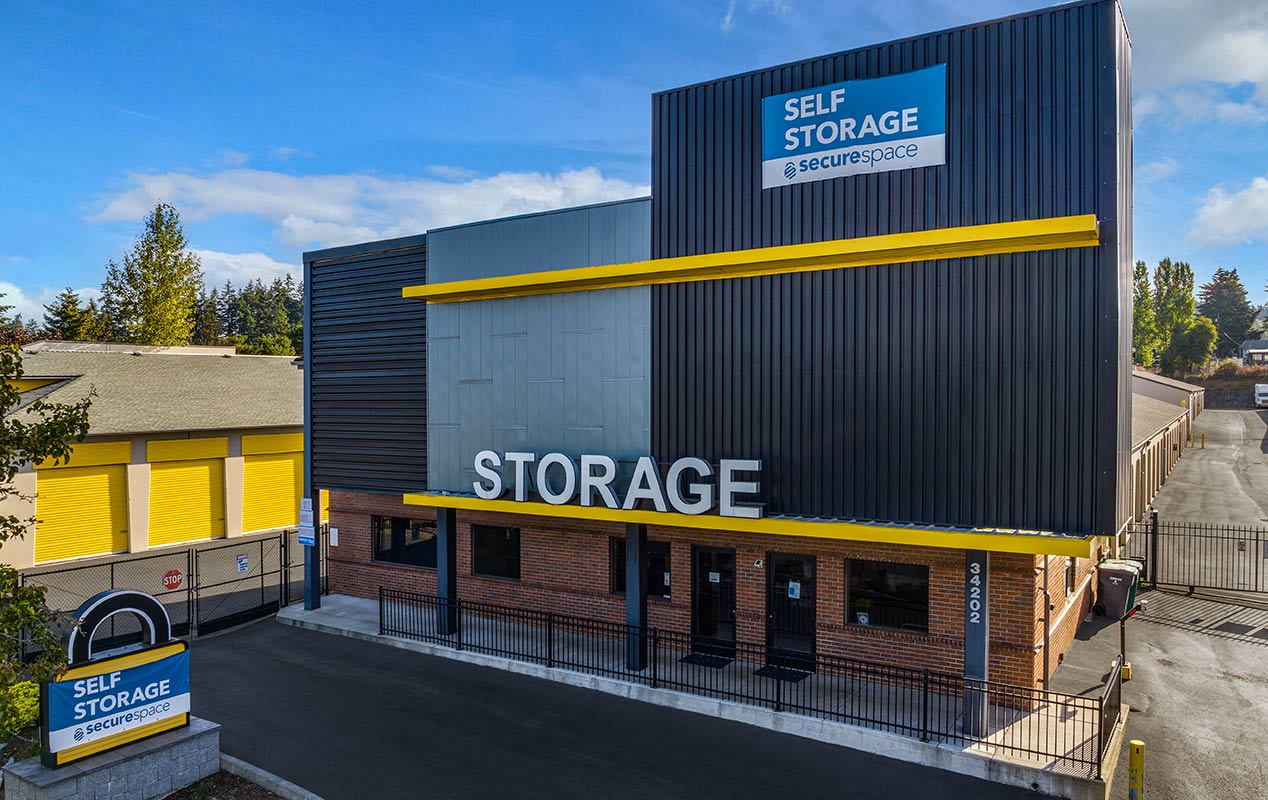
SecureSpace Self Storage Federal Way offers standard self storage at 34202 16th Ave S.
Businesses may consider the facility for permitted property after reviewing the rental agreement and confirming that the available unit meets their operational, environmental, privacy, and insurance requirements.
Primary unit sizes include:
5x5: Compact supplies, boxes, records, or a limited inventory
5x15: Longer equipment, shelving, furniture, or rows of packaged goods
10x10: Inventory, office furniture, equipment, or business overflow
10x15: Larger quantities of supplies, furniture, tools, or packaged inventory
10x20: Substantial equipment, inventory, or relocation storage
10x25: Larger business-storage projects requiring more floor space
10x30: Extensive permitted inventory, furniture, tools, or equipment
Capacity depends on item dimensions, shelving, packing, and the aisle space required for retrieval.
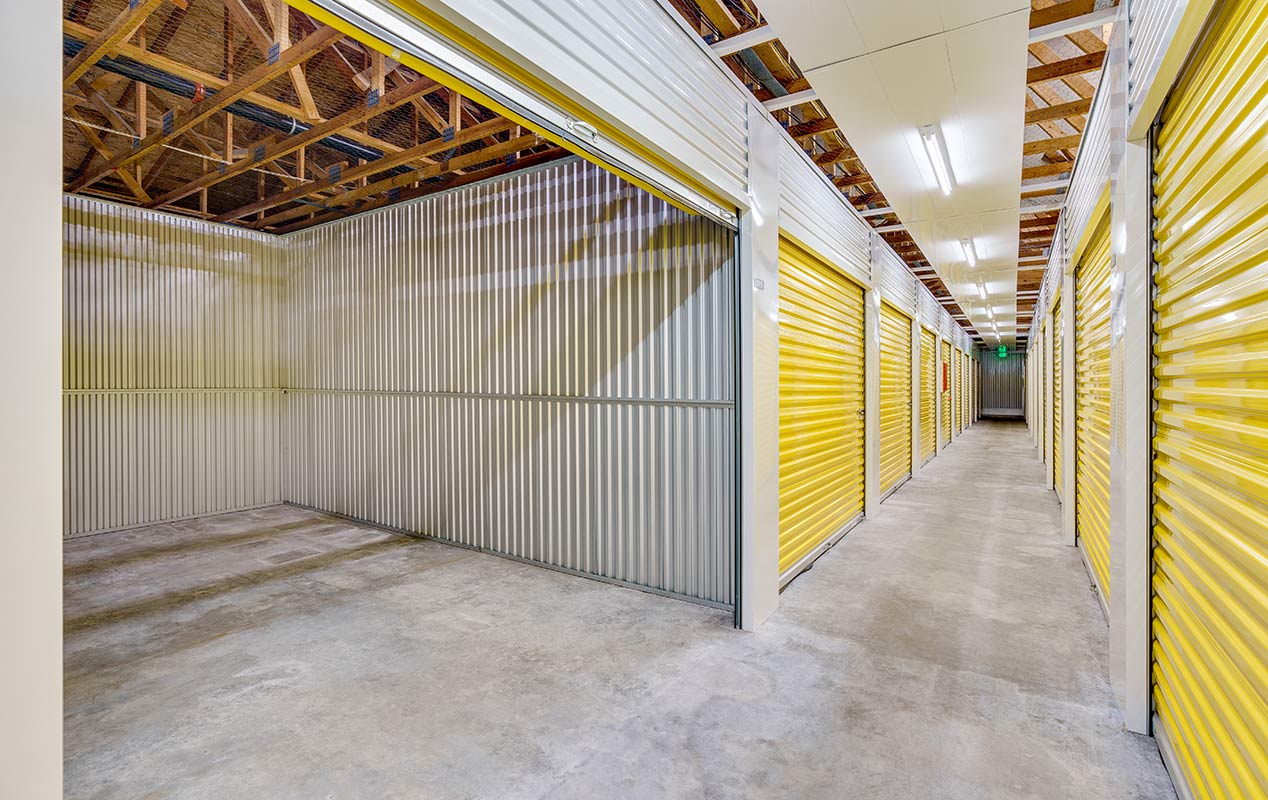
Selected units offer drive-up access, which can reduce carrying distance while loading tools, inventory, furniture, or equipment.
Drive-up access does not authorize customers to operate a workshop from the unit or store a vehicle inside it.
Gate access is available daily from 6:00 a.m. to 9:00 p.m.
Businesses that need frequent access should determine whether this schedule fits their operating hours. The location does not offer 24-hour customer access.
The facility does not provide:
Carts or dollies: Businesses must bring their own moving equipment.
Covered loading: Plan around the weather and use suitable protective covers.
A loading dock: Freight or dock-height unloading is unavailable.
Semi-truck access: Do not schedule a semi-truck delivery to the property.
Moving-pod staging: Portable moving containers are not allowed.
An elevator: Confirm the loading route before bringing large or heavy property.
Package or commercial delivery acceptance is not an established service. Businesses should not direct couriers or freight shipments to the facility without confirming an approved process first.
Uncovered outdoor parking is available for eligible cars, motor vehicles, RVs, and boats.
Parking depends on vehicle dimensions, documentation, current availability, and facility rules. Trailer parking is not established and should not be assumed.
Vehicles cannot be stored inside drive-up units. Businesses with fleets, utility trailers, heavy machinery, or oversized commercial vehicles should confirm whether another facility is more appropriate.
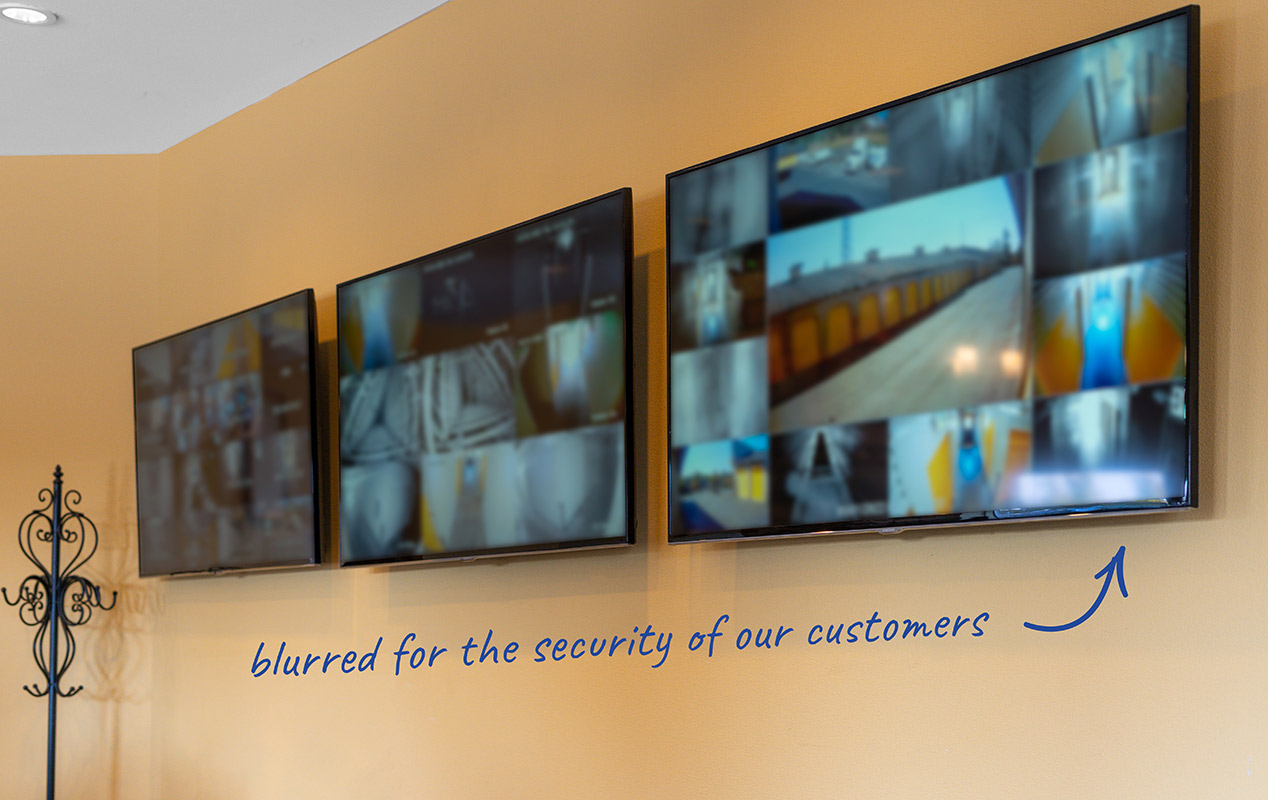
The Federal Way facility offers an access gate, digital video recording, and overnight surveillance.
These features do not guarantee protection from theft, loss, unauthorized access, or damage. Businesses should also take their own precautions.
Confirm which lock type fits the unit before purchasing one. Keep keys or combinations limited to authorized employees.
Maintain a current list of employees permitted to access the unit. Remove access promptly when roles change.
Record stored items, quantities, serial numbers, and approximate values. Update the inventory whenever property enters or leaves the unit.

Photograph major equipment, furniture, and higher-value inventory. Retain purchase records and other supporting documentation where appropriate.
Determine whether existing business coverage applies to property stored off-site. Review limits, exclusions, deductibles, and requirements before move-in.
A well-planned layout can reduce retrieval time and help prevent inventory from becoming difficult to manage.
Create designated areas for inventory, equipment, furniture, records, and seasonal materials.
Shelving can keep cartons visible and reduce unstable stacking. Do not attach shelves, hooks, or hardware to unit walls.
Place fast-moving inventory, regularly used tools, and current marketing materials close to the entrance.
Mark cartons with product names, quantities, dates, departments, or inventory numbers. Labels should remain visible after stacking.
Leave enough room to reach items without unloading the entire unit. A narrow central aisle may be more valuable than maximizing every square foot.
Place dense cartons, sturdy equipment, and heavier supplies near the floor. Avoid stacking heavy property above fragile inventory.
Month-to-month leases are available at SecureSpace Self Storage Federal Way.
This structure can be useful when inventory levels, project schedules, or office-relocation timelines change. However, month-to-month leasing does not remove billing dates, move-out notice requirements, rate adjustments, or other rental terms.
Businesses should review:
The regular monthly rate
Any introductory offer
Billing dates
Move-out requirements
Coverage provisions
Lock requirements
Access policies
Prohibited uses
Rate-adjustment terms
Online payments and ACH or credit card payment plans are available.
The Washington State Department of Revenue (Department of Revenue) states that beginning April 1, 2026, income from renting or leasing qualifying self-service storage units is subject to Business and Occupation tax under the Service and Other Activities classification.
That B&O tax obligation applies to the storage operator. The Department of Revenue says operators do not collect retail sales tax on the rental or lease income itself.
Separate retail purchases may be treated differently. For example, sales of boxes, locks, tape, and other tangible moving or storage supplies remain subject to applicable retail taxes.
The tax treatment does not guarantee that a customer's total rate will remain unchanged, since facility pricing and other charges may still vary.
Permitted, packaged inventory may be suitable for storage when it complies with the rental agreement and does not require specialized handling or environmental controls.
Permitted tools, ladders, equipment, and job-site supplies may be suitable. Fuel, hazardous substances, and restricted materials should not be stored.
Do not plan to use a storage unit as a staffed office, workshop, storefront, or permanent daily workspace. Review the rental agreement for permitted activities.
Regular customer traffic or retail activity should not be assumed to be permitted. Conduct sales and appointments at an appropriate business location or online.
Package and freight acceptance is not an established facility service. Do not direct deliveries to the property without confirming an approved arrangement.
No. SecureSpace Self Storage Federal Way offers standard, non-climate-controlled units.
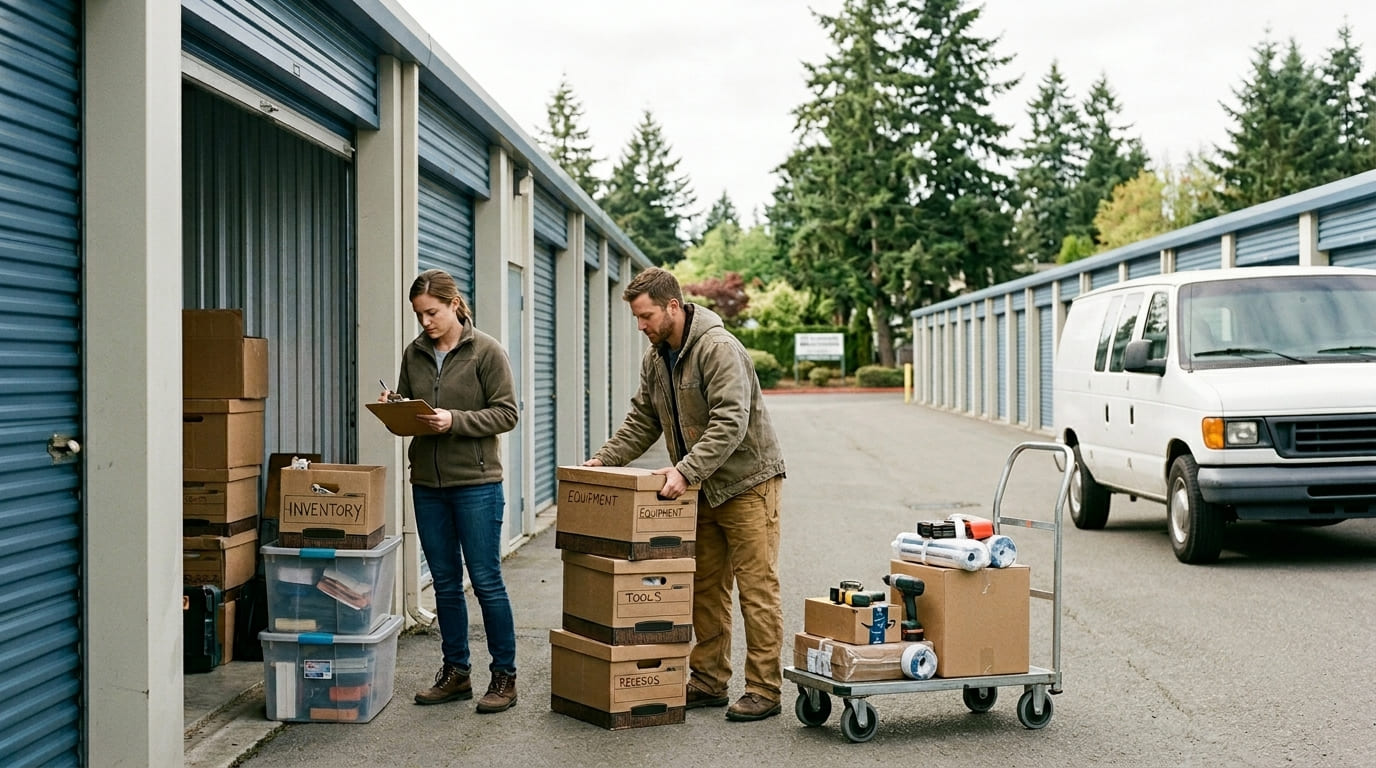
Yes. Selected units provide drive-up access for loading and unloading, subject to current availability.
No. Vehicles cannot be stored inside storage units.
Eligible vehicles may qualify for uncovered outdoor parking, depending on dimensions, documentation, rules, and availability.
Trailer parking is not confirmed. Businesses should verify eligibility before bringing a trailer to the property.
Gate access is available daily from 6:00 a.m. to 9:00 p.m.
Yes. Review the agreement for billing, notice, rate-adjustment, and move-out terms.
No. Businesses should bring their own moving and loading equipment.
A self-storage unit may provide useful overflow space for permitted inventory, tools, furniture, equipment, and general supplies. It is not a replacement for an office, warehouse, workshop, loading terminal, or customer-facing store.
Before renting, review the agreement, confirm item eligibility, evaluate access and loading requirements, and make sure standard storage is appropriate for the property involved.
Explore current options for business storage in Federal Way, WA.
Everything you need to store your belongings securely, on your schedule.
Visit us online