Last updated Aug 12, 2026
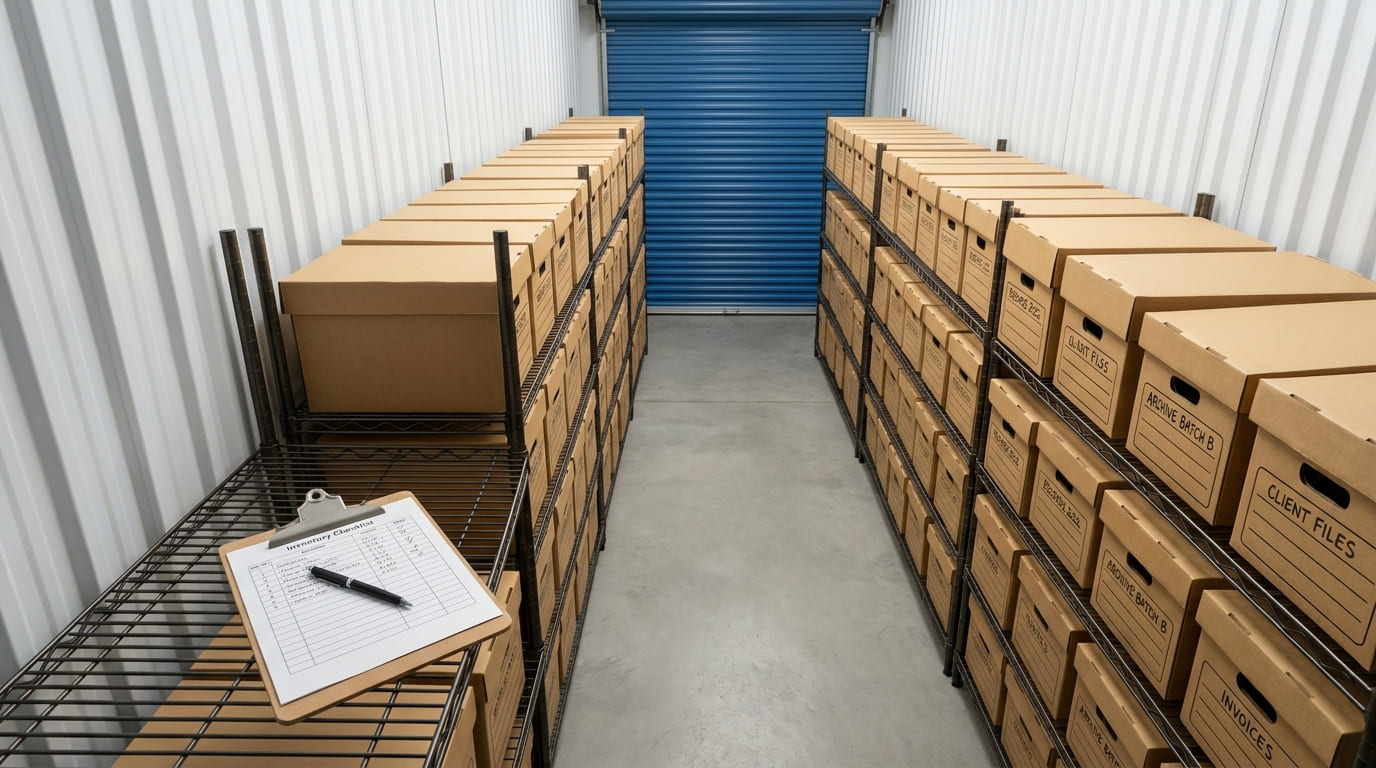
Small businesses often need room for inventory, equipment, records, or seasonal supplies without taking on a full office or warehouse lease. A self-storage unit can provide that extra space, but it should be used for storage-not automatically treated as a workplace, storefront, or business headquarters.
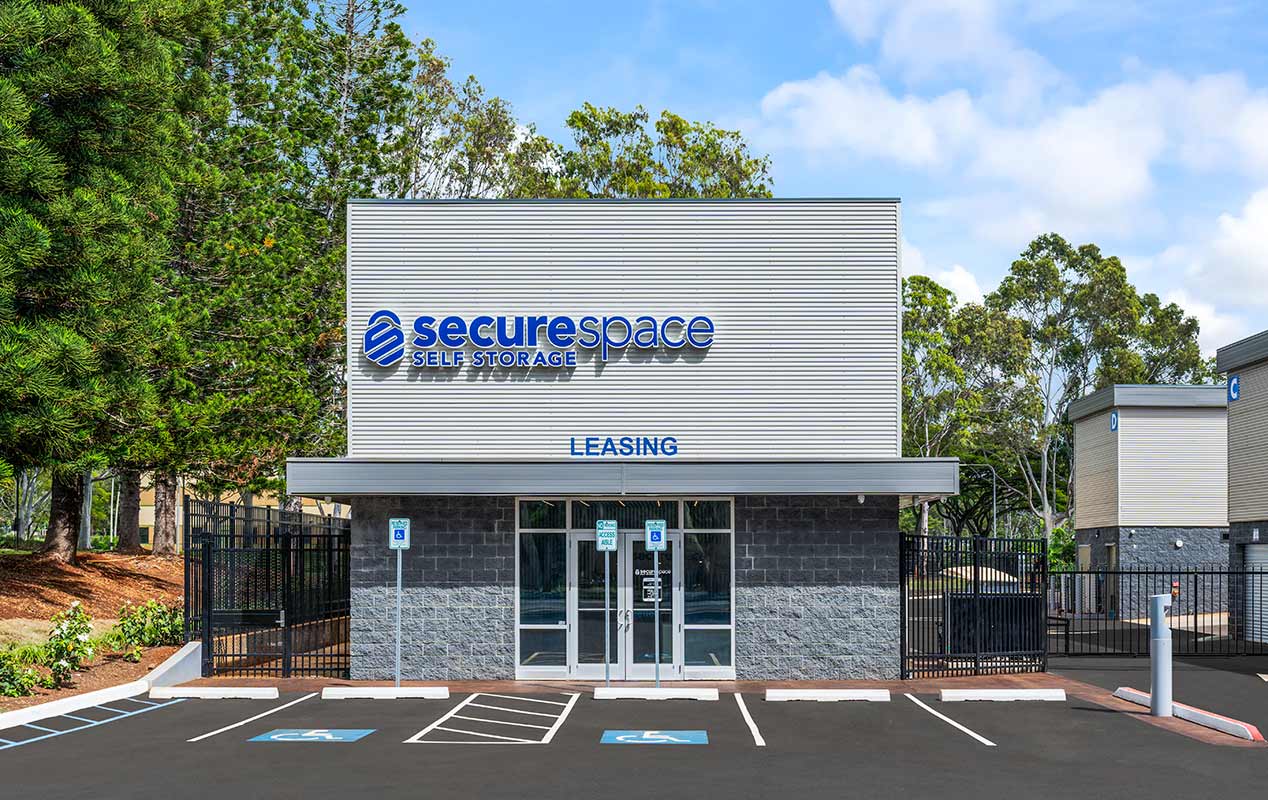
SecureSpace Self Storage Mililani at 95-1 Wikao St offers several unit sizes, climate-controlled options, drive-up units, month-to-month leases, and daily gate access from 6:00 AM to 10:00 PM.
Before moving business property into a unit, confirm that the planned use and stored materials comply with the facility's rental agreement and any applicable licensing, zoning, insurance, or industry requirements.
Business storage generally involves keeping property in a unit and retrieving it as needed. It does not necessarily permit customers, employees, production work, or daily business operations at the facility.
Possible business-storage uses may include:
Inventory: Packaged products or merchandise permitted under the rental agreement
Tools and Equipment: Nonhazardous equipment used away from the facility
Business Supplies: Marketing materials, displays, packaging, and office supplies
Records: Documents that are stored in accordance with applicable privacy and retention requirements
Seasonal Property: Decorations, event equipment, or supplies used only during certain periods
Staging Materials: Furniture and décor stored between real estate listings
Customers should confirm these uses directly with the facility. Permission can depend on the type of property, the amount stored, how frequently the unit is accessed, and the terms of the lease.
A standard self-storage unit is not a substitute for a commercial workshop, retail space, or staffed office.
Activities that may be restricted include:
Meeting customers inside the unit
Selling products directly from the property
Manufacturing or assembling goods
Running power tools or machinery
Employing staff who regularly work from the unit
Installing equipment, wiring, or fixtures
Preparing food or other regulated products
Using the unit as living or sleeping space
Storing flammable, hazardous, perishable, or otherwise prohibited materials
The applicable lease should be treated as the controlling document for facility use.
Mililani falls under the City and County of Honolulu. Permitted activities can depend on the property's zoning district, applicable standards, and other requirements under the Honolulu Land Use Ordinance (LUO).
The ordinance should not be interpreted as automatically authorizing or prohibiting every possible business-storage use. A unit's rental agreement, the facility's approved use, and the nature of the customer's activities can all matter.
The Hawaii Department of Commerce and Consumer Affairs (DCCA) provides business-registration and professional-licensing resources. Registering a business does not by itself establish that a particular activity is allowed inside a storage unit.
Business owners remain responsible for requirements that may involve:
Entity registration
Professional or occupational licenses
General excise tax obligations
County permits or land-use rules
Insurance coverage
Record privacy and retention
Product-specific regulations
Facility lease restrictions
When a proposed use is unclear, consult the appropriate agency or qualified professional rather than relying only on general storage guidance.

Contractors may consider storage for tools, equipment, and permitted supplies used at job sites.
Hawaii Revised Statutes Chapter 444 addresses contractor licensing and related requirements. It does not establish that every tool or material may be kept in a self-storage unit.
Contractors should confirm:
The business maintains any required licenses
The facility permits the intended equipment and materials
Stored products are not hazardous, flammable, or prohibited
Equipment fits through the unit entrance
Insurance covers property stored away from the primary business location
Employees and subcontractors follow the facility's access rules
Paint, fuel, compressed gases, chemicals, and similar materials may be restricted. Review the rental agreement before bringing them to the property.
Business-storage needs vary, but several types of operators may benefit from additional space.
Sellers using marketplaces such as Amazon or Etsy may need space for packaged inventory, shipping materials, displays, or seasonal products.
A storage unit can help separate business property from household living areas. Product preparation, order fulfillment, customer pickups, and employee work should occur elsewhere unless the facility expressly permits those activities.
Contractors, landscapers, technicians, and other mobile service providers may use storage for permitted tools and equipment between jobs.
Drive-up access may make loading bulky items easier, but customers should confirm that the selected unit has that feature.
Decorators, rental companies, photographers, and event professionals may need room for backdrops, displays, linens, signs, or packaged supplies.
Belongings should be clean and dry before storage. Food, flowers, liquids, and other perishable materials should not be placed in a standard unit.
Home stagers and real estate professionals may use larger units for furniture, décor, signs, and marketing materials between listings.
Measure furniture and confirm the route to the unit before move-in. The Mililani facility does not have an elevator, so customers considering an interior unit should review access carefully.
Some mobile professionals may need storage for permitted equipment and sealed supplies that are used at customer locations.
Businesses handling medical, personal, financial, or other sensitive information remain responsible for applicable privacy and recordkeeping requirements.
The best unit depends on the amount of property being stored, how frequently it will be accessed, and whether bulky items must be loaded regularly.
Available sizes include:
5x5
5x10
5x15
10x10
10x15
10x20
10x25
10x30
A smaller unit may work for files, packaged inventory, or marketing supplies. Larger units may be useful for furniture, equipment, or substantial product inventory.
These are not capacity guarantees. Measure large items, estimate future inventory, and leave enough room to reach frequently used property.
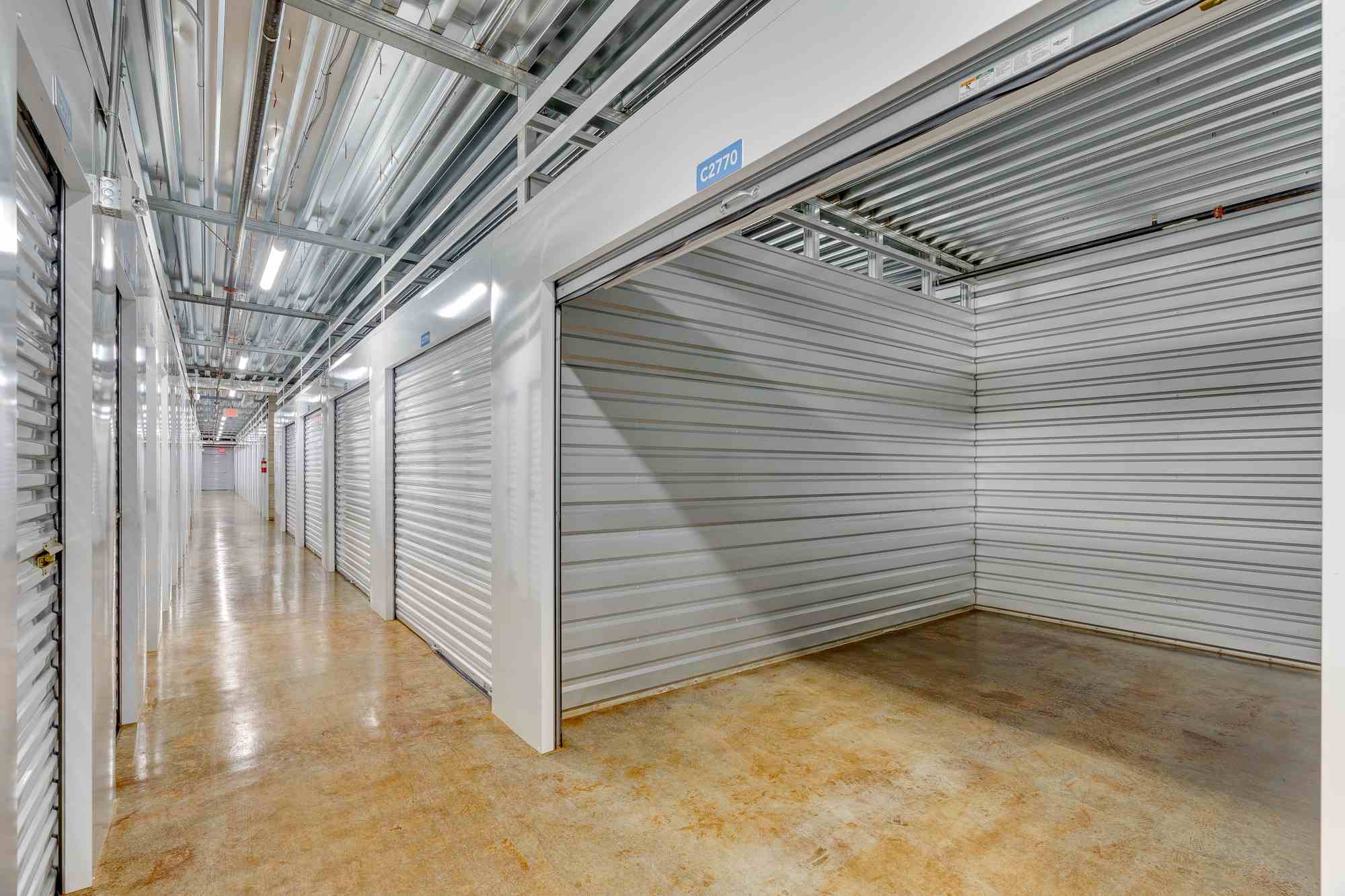
Climate-controlled units may help reduce exposure to temperature fluctuations compared with a garage, shed, or non-climate-controlled space.
They may be worth considering for:
Electronics
Paper records
Clothing and textiles
Wood furniture
Packaged products affected by prolonged heat
Certain tools or equipment
Climate control should not be treated as humidity control unless that service is specifically offered. It also does not guarantee protection from mold, moisture, corrosion, pests, or other damage.
Drive-up units allow customers to position a vehicle near eligible spaces during loading and unloading.
This may be useful for heavy tools, furniture, equipment, or frequent inventory pickups. Not every unit is drive-up, so confirm the selected unit type before renting.

Customer gate access is available daily from 6:00 AM to 10:00 PM.
The facility does not offer a separate 24-hour access program for business customers. Plan pickups and deliveries within the established access window.
The Mililani facility includes:
An access gate
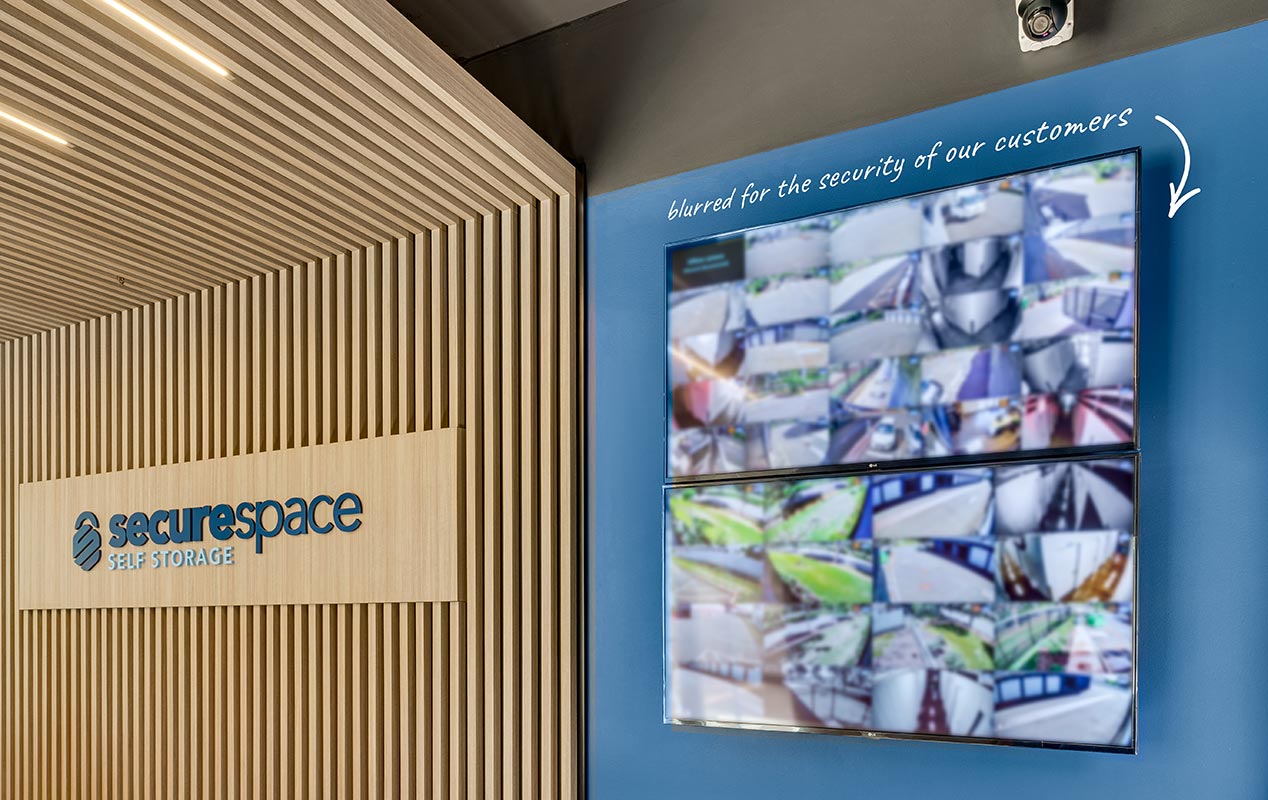
Digital video recording
Logged access
Overnight surveillance
Turing-enabled monitoring
These features support property monitoring and access management, but they do not guarantee that theft, damage, or unauthorized access cannot occur.
Businesses should use an appropriate lock, maintain an inventory, photograph valuable assets, and confirm whether existing insurance covers off-site storage.
Semi-truck accessibility is available, but that does not mean staff will accept packages, freight, or inventory on a customer's behalf.
Before arranging a shipment, ask:
Whether deliveries are permitted
Whether the customer must be present
Which vehicle sizes can enter
Where loading may occur
Whether moving pods are allowed for the planned delivery
Whether advance coordination is required
Moving pods are permitted subject to facility procedures. Delivery acceptance should be confirmed separately.
A business may ask about transferring to another unit if its storage needs change.
Transfers are subject to:
Available inventory
Current pricing
The requested unit type
Account status
Transfer procedures
Applicable move-in requirements
Do not assume that a larger or smaller unit will be immediately available during a busy period.
A standard storage unit should be used for storage rather than daily business operations.
Client meetings, employee work, product manufacturing, retail sales, and machinery use may be restricted by the rental agreement or other applicable requirements. Confirm the proposed activity before renting.
Address requirements vary by business entity, filing, agency, mail service, and lease terms.
Before listing a storage facility as an address, confirm the requirements with DCCA, tax agencies, licensing authorities, the facility, and any other organization receiving the address.
Do not assume that renting a unit provides permission to receive mail or register a business there.
Renting storage does not automatically determine which registrations or licenses a business needs.
The business may still be subject to state registration, professional licensing, county permitting, tax, insurance, and industry-specific requirements. The renter is responsible for confirming those obligations.
Delivery acceptance is not an established service at the Mililani location.
Contact the facility before arranging a package, pallet, freight, semi-truck, or moving-pod delivery. Semi-truck access alone does not mean staff will sign for or store incoming goods.
Not every business item requires climate-controlled storage. It may be useful for belongings that could be affected by prolonged temperature fluctuations.
Proper packing and handling remain important. Climate control does not guarantee protection against moisture, mold, rust, pests, or material deterioration.
Hazardous, flammable, combustible, pressurized, or otherwise prohibited materials should not be placed in a unit.
Contractors should review the rental agreement and product safety information before storing any job-site material.
The consequences depend on the agreement and the nature of the violation. They may include restrictions on access, a requirement to remove prohibited property, account action, or termination of the rental.
Review permitted uses before move-in and ask for clarification when a business activity or material is not clearly addressed.
A self-storage unit can help a business organize inventory, equipment, records, staging materials, or seasonal supplies. It should complement a legally compliant business operation rather than replace the office, workshop, retail location, or licensed premises the business may require.
Before renting, prepare an inventory, confirm permitted uses, review insurance coverage, and choose a unit whose size and access features fit the way the property will be handled.
Everything you need to store your belongings securely, on your schedule.
Visit us online