Last updated Aug 12, 2026
If you run a business in Seattle, you already know the math doesn't always add up. Commercial space is expensive, leases can be long, and growing inventory has a way of taking over your garage, spare room, or office.
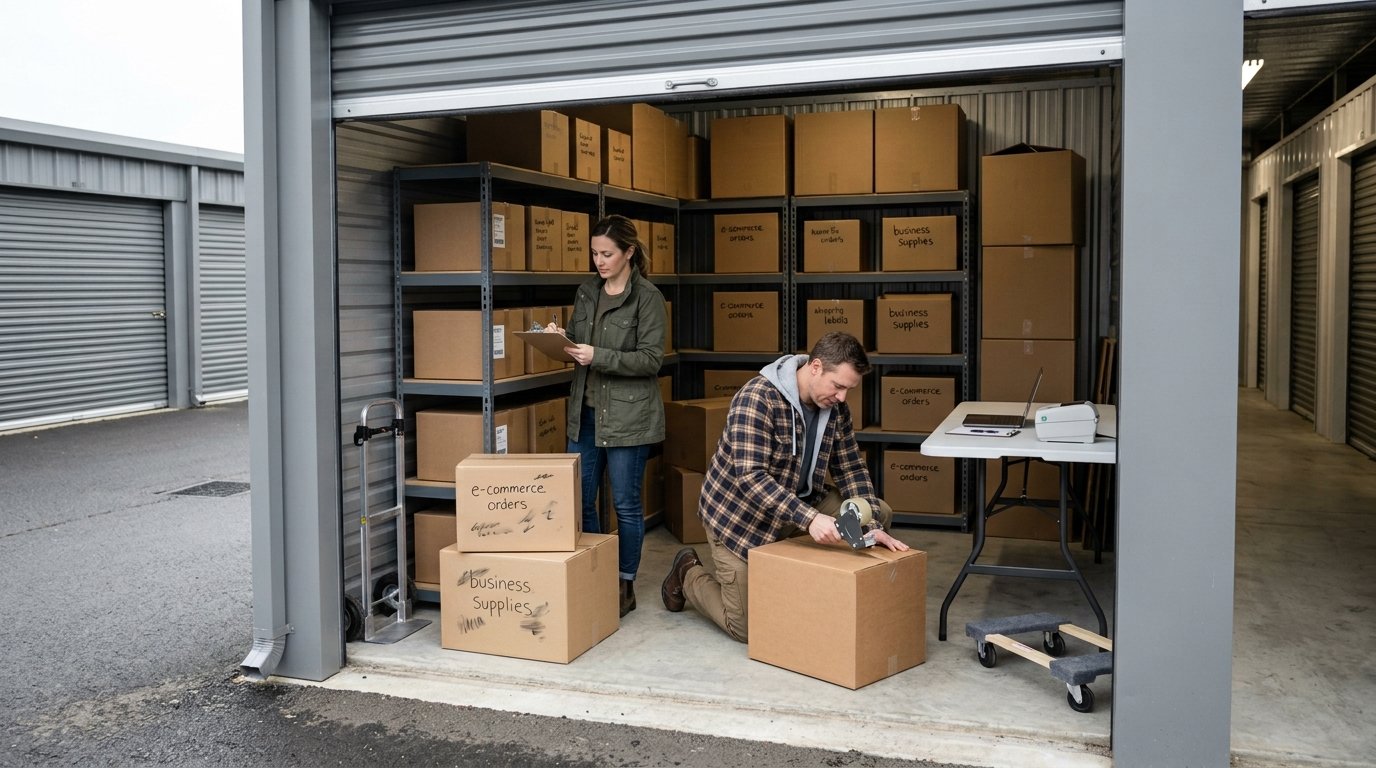
A self-storage unit can look like the obvious fix-but is it actually allowed for business use?
The short version: yes, with limits. Storage units can support your business by giving you space for inventory, tools, documents, equipment, and supplies. They are not meant to function as active offices, shops, workshops, storefronts, or staffed business locations.
This guide breaks down what is generally permitted, what is off-limits, and how Seattle business owners can use storage to support operations without treating the unit like a commercial workspace. Always review your lease, facility rules, insurance requirements, and local regulations before storing business property.
There's a big difference between using a storage unit to support your business and trying to run your business out of one.
Supporting your business means storing physical assets-inventory, tools, paperwork, equipment, seasonal stock, packaging, and extra office furniture. This type of storage use is common.
Operating your business means conducting active commercial activity inside the unit, such as meeting customers, making sales, running machinery, performing repairs, manufacturing products, or staffing the space daily. That is where lease, code, and safety issues can come up.
According to RecNation Storage, many facilities allow storage of business materials and equipment but prohibit direct business activity that could endanger people or violate local rules. The practical takeaway is simple: storage units are built for storing things, not for operating a workplace inside them.
Seattle building and fire rules classify spaces based on how they are used and what safety requirements apply. That distinction matters because a storage unit is not the same thing as an office, storefront, or workshop.
Self-storage facilities are generally associated with storage occupancy classifications, while active workplaces and offices are evaluated under different occupancy categories. The Seattle Building Code outlines occupancy classifications, including storage and business uses.
Why does this matter to you? Business occupancies can involve different life-safety requirements than storage occupancies, including requirements related to exits, ventilation, occupant load, and other code considerations. The Seattle Fire Code also includes fire-protection requirements for certain storage conditions and building types.

Because storage units are intended for storage use-not active office, shop, or storefront use-customers should not treat a rented unit as a daily workplace. Washington's self-storage law, RCW 19.150, also makes clear that self-service storage facilities are not for residential occupancy. For active business operations, follow your lease terms and consult local code requirements or a qualified professional if you're unsure.
Plenty of business-related items may fit well in a storage unit, depending on the facility rules and lease terms. Common examples include:
Retail and e-commerce inventory: Products, packaging, seasonal stock, and promotional materials.
Tools and equipment: Contractor gear, trade materials, and supplies between jobs.
Business records and documents: Files you need to retain for tax, legal, or operational reasons.
Signage and marketing materials: Trade show booths, banners, displays, and printed materials.
Extra office furniture: Desks, chairs, shelving, and filing cabinets that do not fit your workspace.
You can typically visit your unit to retrieve stored items, reorganize boxes, or pick up supplies, but facility rules may limit what you can do on-site. Packing orders, receiving freight, bringing helpers, or using the space for repeated work activity may be restricted, so confirm business-use rules directly with the facility before planning around them.
Some business storage guidance describes self storage as useful for e-commerce sellers, contractors, and document-heavy businesses. Keep the focus on storing items, not conducting business from the unit.
This is the part worth memorizing. Inside your unit, you generally cannot:
Host clients, customers, or in-person meetings
Run machinery, power tools, or production equipment
Conduct repairs, manufacturing, or assembly work
Operate a retail storefront or make on-site sales
Staff the unit with employees working there daily
Live or sleep in the unit under any circumstances
Some activities can vary by facility, such as bringing a helper to load and unload, receiving deliveries, or sorting inventory during a visit. Ask the facility manager before assuming those activities are allowed.
No. A storage unit should not be used as your LLC's registered office, registered agent address, or customer-facing business address.
When you form an LLC or corporation in Washington, you need a registered agent and a proper address for official documents. A storage unit is not designed to receive, sign for, or manage business mail for tenants, and using it as a daily administrative office can conflict with facility rules. Registered-agent guidance also explains why businesses need a compliant street address and reliable availability for service of process.
Good alternatives may include a registered agent service, a virtual mailbox with a real street address, or another compliant business address. Review Washington requirements carefully or speak with a professional before choosing the address you use for business registration.
The economics make a strong case. Seattle commercial space can be expensive, and committing to a long commercial lease may not make sense for every startup, contractor, seller, or lean operation.
Here are the advantages that matter most for small businesses.
A storage unit may cost less than warehouse or office space, especially if you only need room for inventory, equipment, documents, or supplies.
Many self-storage rentals are month-to-month, which can be helpful when your needs change. If your inventory grows or shrinks, you can review available sizes and adjust based on current availability and facility rules.
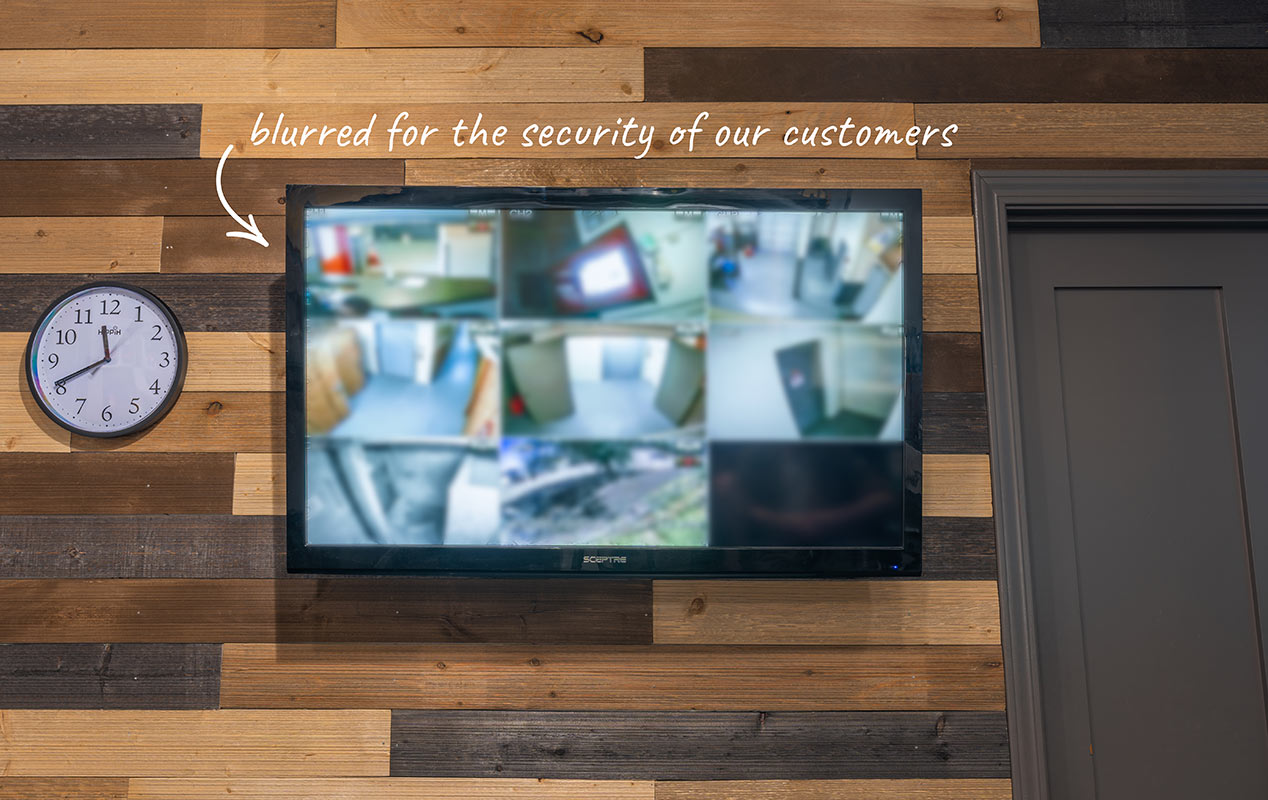
Storage facilities may offer useful security features, but the exact setup varies by location. Rather than assuming every facility has the same features, review the location's listed details and ask about digital video recording, logged access, monitoring, lighting, staffing, and access procedures.
Some commercial-storage resources describe common features such as gated access, video recording, and entry controls, but customers should verify what is currently offered at the specific facility they plan to use.
Keeping inventory or equipment off-site can help separate business property from your home, office, or vehicle. That separation can make your workspace cleaner and your inventory easier to organize, especially if you use shelving, labeled bins, and a simple inventory system.
Seattle weather can be a factor for anyone storing business items, especially during wet or colder months. If products, documents, tools, packaging, or supplies are carried through rain before they reach storage, packing and preparation matter.
For many everyday business items, heated indoor storage can be a practical option. It may help reduce exposure to cold conditions compared with non-heated spaces, while keeping items inside a building rather than in an outdoor unit.
Still, storage is not a substitute for careful packing. Make sure items are clean and fully dry before storing them. Use sturdy containers where appropriate, avoid sealing damp materials in boxes, and confirm that the unit type is appropriate for what you plan to store.
It depends on your inventory volume, equipment, and how often you need to access your items. Here's a practical guide.
Small units can work well for document archiving, seasonal promotional materials, small tools, boxed inventory, or compact business supplies.
A 10x10 unit can work for mid-volume e-commerce inventory, contractor equipment, office overflow, or supplies for a small business, depending on how efficiently items are packed.
A larger unit such as a 10x25 can help with larger furniture, bulkier supplies, business inventory, or equipment that fits inside a rented unit. Availability varies, so check current options before planning around a specific size.
When in doubt, size up slightly. It's easier to organize a unit with a little breathing room than to cram everything into a space that's too tight.
A storage unit used for business may be deductible in some situations, but tax treatment depends on your specific use, records, business structure, and accounting approach. Do not deduct any portion used for personal items without professional guidance.
Check with a tax professional to confirm your situation. Washington's Department of Revenue also provides guidance on the Business and Occupation tax for self-service storage businesses; customers should remember that facility-operator taxes are separate from their own business tax and insurance responsibilities.
A few habits make the difference between a unit that works for you and one that creates headaches.
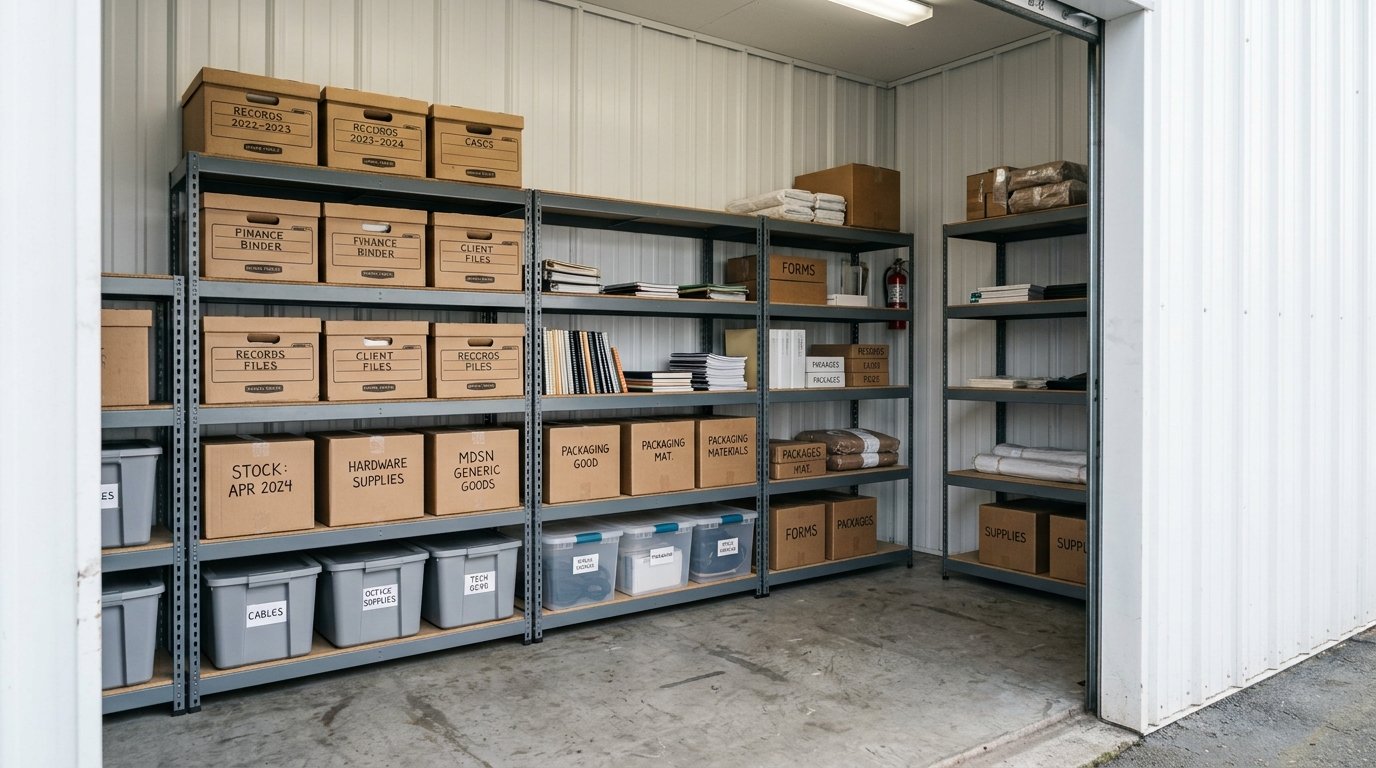
Use shelving, clearly labeled bins, and a simple inventory spreadsheet. This can reduce errors and make it easier to find what you need.
Choose a size and feature set that fits what you're storing. For business items, confirm loading features, access hours, elevator availability, and whether carts or dollies are available before move-in.
Facilities generally do not guarantee coverage for your contents. Personal renters insurance may not cover business inventory, so look into a commercial property policy or a business owner's policy that covers off-site goods.
Since the unit can't be your storefront or business address, invest in a professional website, a Google Business Profile using a compliant address, and a registered agent or mailbox option for formal correspondence.
No. A storage unit should not be used as your LLC's registered business address or registered agent location. Use a compliant address, such as a registered agent service, virtual mailbox with a real street address, or another acceptable business address.
No. Storage units are intended for storing belongings, inventory, documents, tools, and supplies. They should not be used as workshops, repair bays, storefronts, or staffed business locations.
Often, yes. Many online sellers use storage units for products, packaging, and supplies. Whether you can pack orders, receive deliveries, or bring helpers on-site varies by facility, so confirm the rules with your location first.
Business tax rules depend on your specific business and use. Washington has tax guidance for self-service storage businesses, but customers should speak with a tax professional about their own inventory, deductions, reporting, and liability obligations.
Many self-storage rentals are month-to-month, which can be useful for businesses with changing inventory or seasonal needs. Review your lease terms, billing cycle, and move-out notice requirements before renting.
A storage unit can be a cost-effective, flexible way to support a growing Seattle business-as long as the unit is used for storage, not active business operations. Store inventory, tools, documents, and supplies, then keep customer-facing work, staffing, production, and official business address needs elsewhere.
Ready to find the right space for your business? Explore storage options for business items at SecureSpace Self Storage and reserve online today.
Everything you need to store your belongings securely, on your schedule.
Visit us online