Last updated Aug 12, 2026
Whether you're heading out of town, storing a seasonal vehicle, or trying to free up driveway space, car storage in Piscataway, NJ, starts with choosing the right fit. The best option depends on the vehicle's size, how long it will be stored, how often you need access, and what the facility currently has available.
SecureSpace Self Storage Stelton-Piscataway offers outdoor parking, and vehicles may be stored in drive-up units when the vehicle fits, the right unit is available, and facility rules and documentation requirements are met. Before renting, confirm the storage option, access details, and any vehicle-specific requirements.
This guide covers common car storage options, how to compare outdoor parking and drive-up units, and how to prepare your vehicle before it sits for an extended period.
Not all vehicle storage works the same way. Some drivers need a parking space, while others may be comparing a drive-up unit for an eligible vehicle. Before deciding, measure the vehicle and check current requirements.
Outdoor parking is often the simplest option for vehicles that do not need an enclosed unit. It may work for cars and other eligible vehicles when the vehicle size, documentation, and rental requirements match the available space.
Because outdoor parking leaves the vehicle exposed to weather, plan for basic prep before storage. Wash the car, check tire pressure, remove food or trash, and follow manufacturer guidance for longer storage periods.
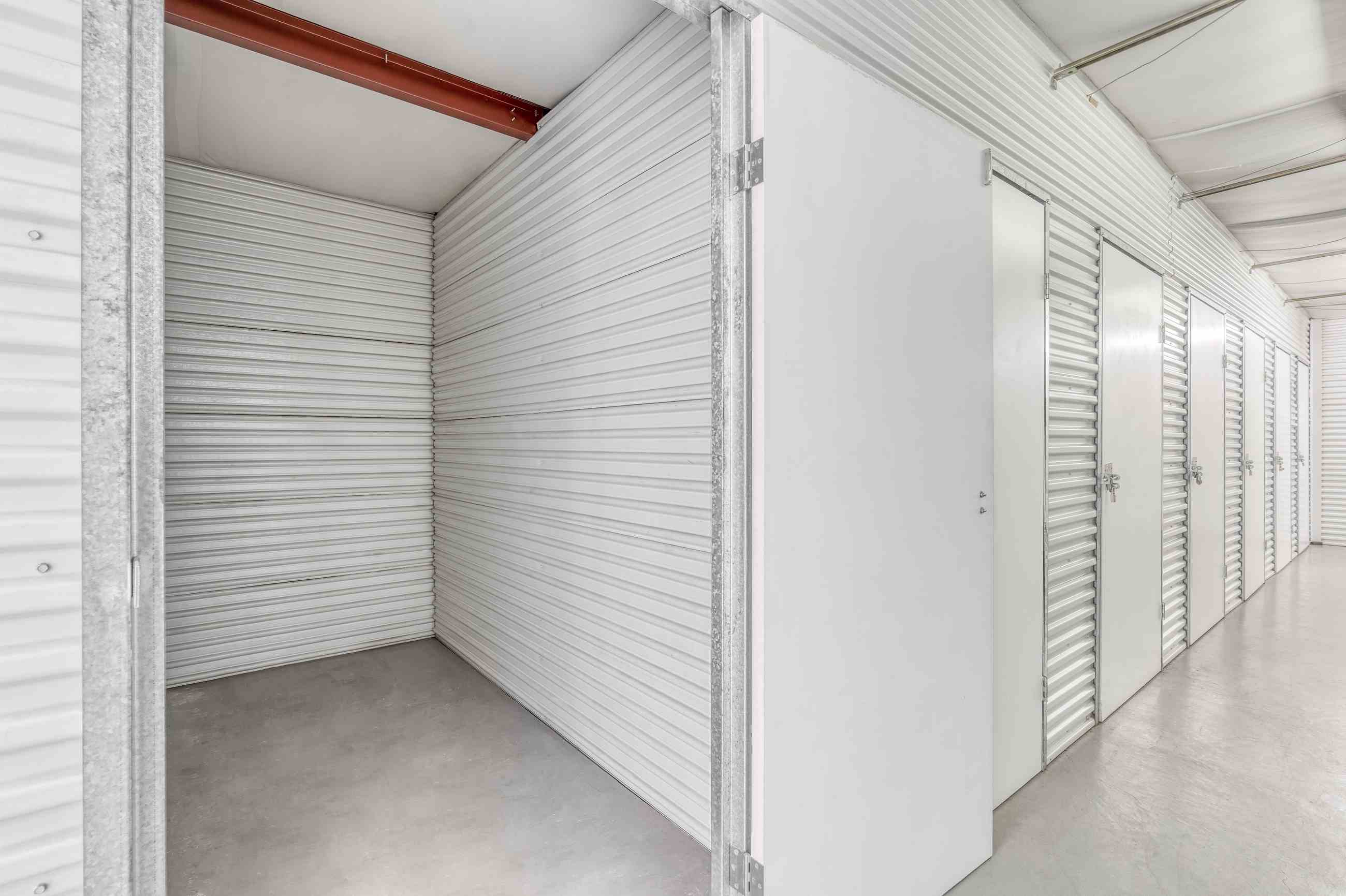
Drive-up units can make sense for eligible vehicles when the dimensions work and the facility allows that use. A drive-up setup may also be helpful if you need to store durable items alongside approved household or business materials.
Do not assume a vehicle will fit based on unit size alone. Confirm length, width, height, door clearance, access requirements, and whether the specific unit is eligible for vehicle storage.
Climate-controlled storage may be useful for items that can be affected by temperature changes, such as documents, electronics, books, fabrics, and wood furniture. It should not be presented as specialized car storage unless a specific vehicle and unit setup is confirmed.
For vehicle storage, focus first on the vehicle's dimensions, the available unit or parking type, and the facility's requirements.

SecureSpace Self Storage Stelton-Piscataway is located at 1635 Stelton Road in Piscataway, NJ 08854. If the location works for your home, work, or travel route, review current outdoor parking and drive-up unit availability before planning your move-in.
This facility offers outdoor parking and drive-up units, along with daily gate access from 6:00 AM to 10:00 PM. If you need to pick up or drop off a vehicle, plan within that access window.
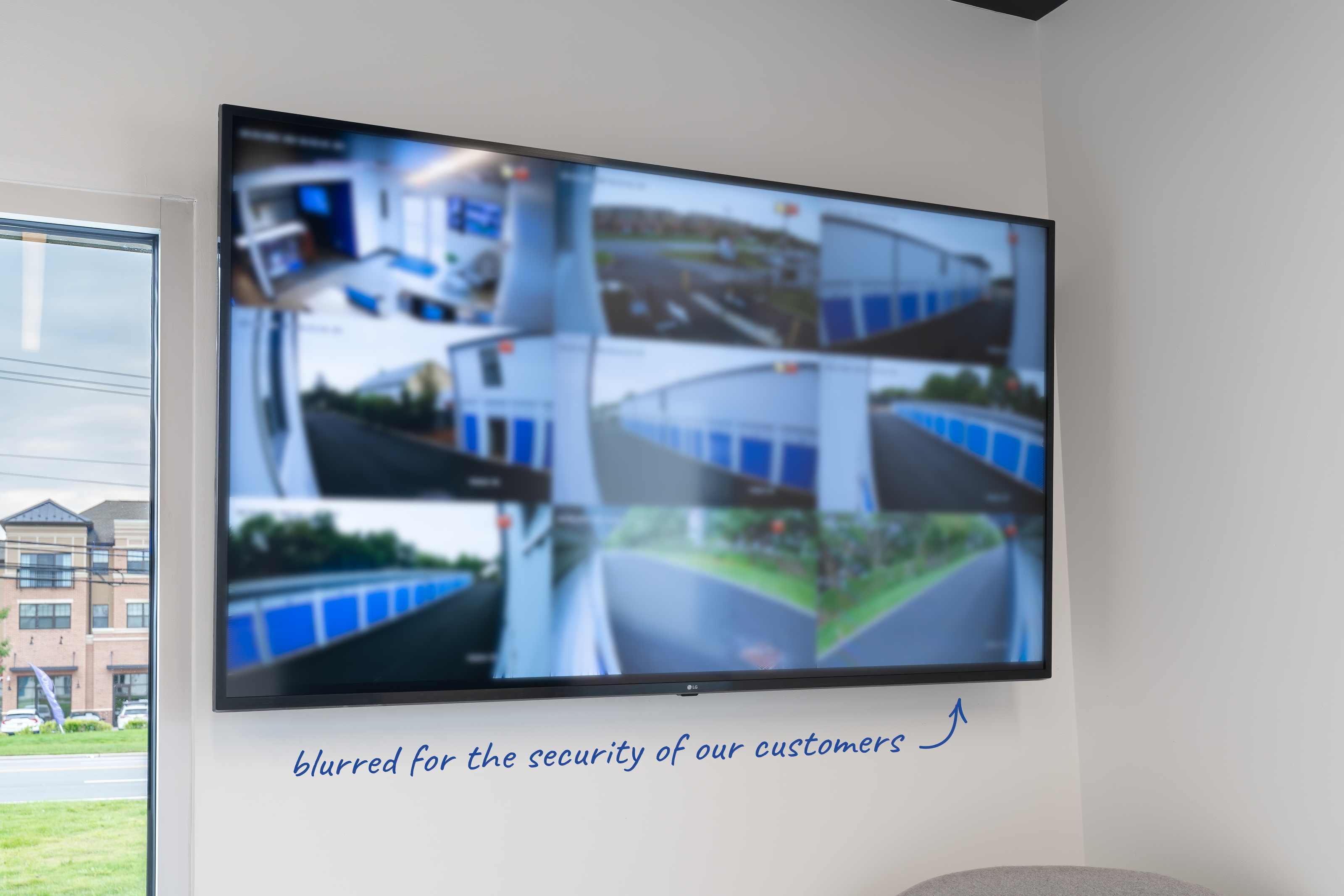
Security-related features include an access gate, digital video recording, logged access, and overnight surveillance. Owners should also remove valuables, lock the vehicle, keep records of what is stored, and review insurance or coverage requirements before parking.
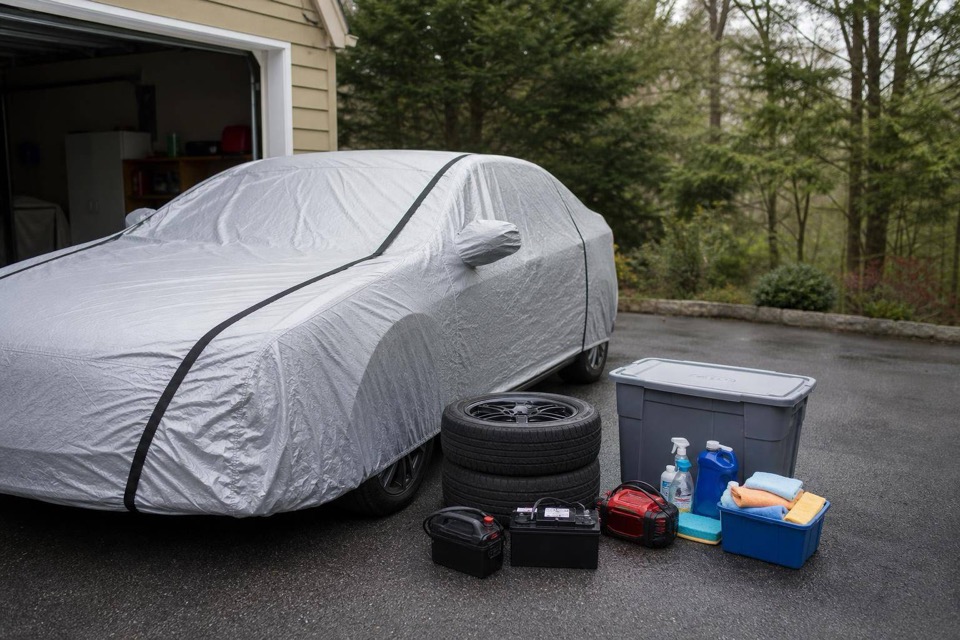
Renting the right space is only part of the process. A little vehicle prep can help reduce preventable issues while the car sits.
Wash the exterior before storage, especially if the car has road salt, mud, bird droppings, or grime on the paint. Vacuum the interior, remove trash, and make sure the car is dry before it is parked.
Do not leave food, scented items, or open containers inside the vehicle. Those can attract pests or create odors during storage.
If the car will sit for an extended period, check the owner's manual or ask a mechanic whether an oil change makes sense before storage. Used oil can contain contaminants, and manufacturer guidance may vary by vehicle.
For longer storage periods, many vehicle owners fill the tank and add a fuel stabilizer. Follow the stabilizer label and manufacturer guidance, and drive long enough to circulate treated fuel if the product instructions recommend it.
A stored car battery can lose charge over time. Depending on the vehicle and storage timeline, you may use a battery maintainer, disconnect the battery, or follow another manufacturer-approved approach.
If you are unsure, ask a mechanic. Some vehicles have electronics that may be affected by disconnecting the battery.
Check tire pressure before storage and inflate to the manufacturer's recommendation. For longer storage, consult the owner's manual or a tire professional about reducing flat-spot risk.
If the car will sit for months, periodic checks may be helpful when access and facility rules allow.
For longer storage periods, many vehicle-prep guides recommend using wheel chocks instead of leaving the parking brake engaged. Check your owner's manual and choose a safe setup for your specific vehicle and parking surface.
Remove food, crumbs, trash, and scented items from the car. Check common entry points, close vents where appropriate, and follow product labels carefully if using any deterrents.
Avoid blanket pest-control claims or risky DIY methods. The safest approach is a clean vehicle, no food sources, and a quick inspection before and after storage.
Do not cancel coverage without checking the possible consequences. Canceling auto insurance while a vehicle is in storage may seem like a cost-saving move, but Car and Driver warns it can backfire.
Contact your insurer before storage to ask about comprehensive-only, parked-car, or reduced-use coverage options. Requirements may vary depending on your policy, lender, and vehicle registration status.
Before driving away, take a few minutes to inspect the vehicle:
Look under the hood for signs of pests or chewed wiring
Check tire pressure
Test the brakes carefully
Check fluid levels and look for leaks
Reconnect or test the battery if needed
Remove anything used to block vents, exhaust, or intake areas
Wash off dust or grime before regular driving
If the vehicle has been stored for a long time, consider a mechanic inspection before taking a longer trip.

Short-term storage may only require basic preparation, such as cleaning the car and checking tire pressure. Medium-term storage often calls for more planning, including fuel stabilizer, battery care, and a closer look at insurance.
For longer storage, preparation matters more. Review the vehicle owner's manual, check access requirements, and plan periodic inspections when possible.
Finding the right car storage option comes down to matching the vehicle with the available space. Outdoor parking may be a practical choice for eligible vehicles, while drive-up units may work only when dimensions, availability, documentation, and facility rules align.
SecureSpace Self Storage Stelton-Piscataway offers outdoor parking and drive-up units, with daily gate access from 6:00 AM to 10:00 PM. Review current availability, pricing, and rental details before making plans.
Take a closer look at vehicle storage options at SecureSpace Piscataway.
The best option depends on the vehicle, storage timeline, budget, and current availability. Outdoor parking may work for eligible vehicles with proper prep, while a drive-up unit may be an option only when the car fits and facility rules allow it.
Pricing depends on parking type, unit type, availability, location, and current promotions. Review current online rates before renting.
Check with your insurer before changing coverage. Depending on your policy and vehicle status, comprehensive-only or parked-car coverage may be an option, but requirements can vary.
For longer storage periods, many vehicle-prep guides recommend wheel chocks instead of leaving the parking brake engaged. Check your owner's manual and use a safe setup for your vehicle.
Inflate tires to the manufacturer's recommended pressure before storage. For longer storage, ask a mechanic or tire professional whether periodic movement, jack stands, or other steps are appropriate.
No. SecureSpace Self Storage Stelton-Piscataway offers daily gate access from 6:00 AM to 10:00 PM. Office hours are separate from gate hours, so review current hours if you need in-person help.
Everything you need to store your belongings securely, on your schedule.
Visit us online