Last updated Aug 12, 2026
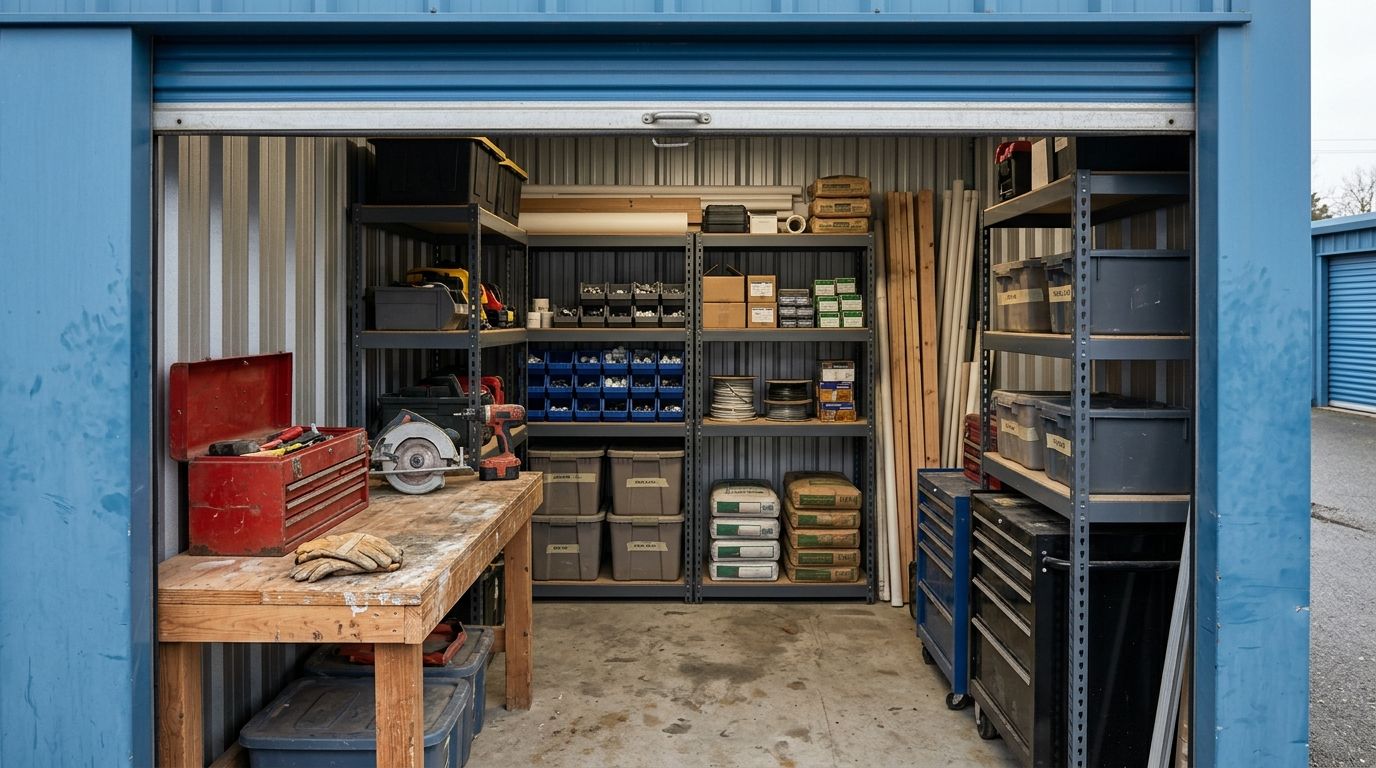
If you run a trade business in Seattle, you already know the space problem. Garages fill up, job sites are not ideal for leaving tools overnight, and small commercial spaces can be expensive or hard to find.
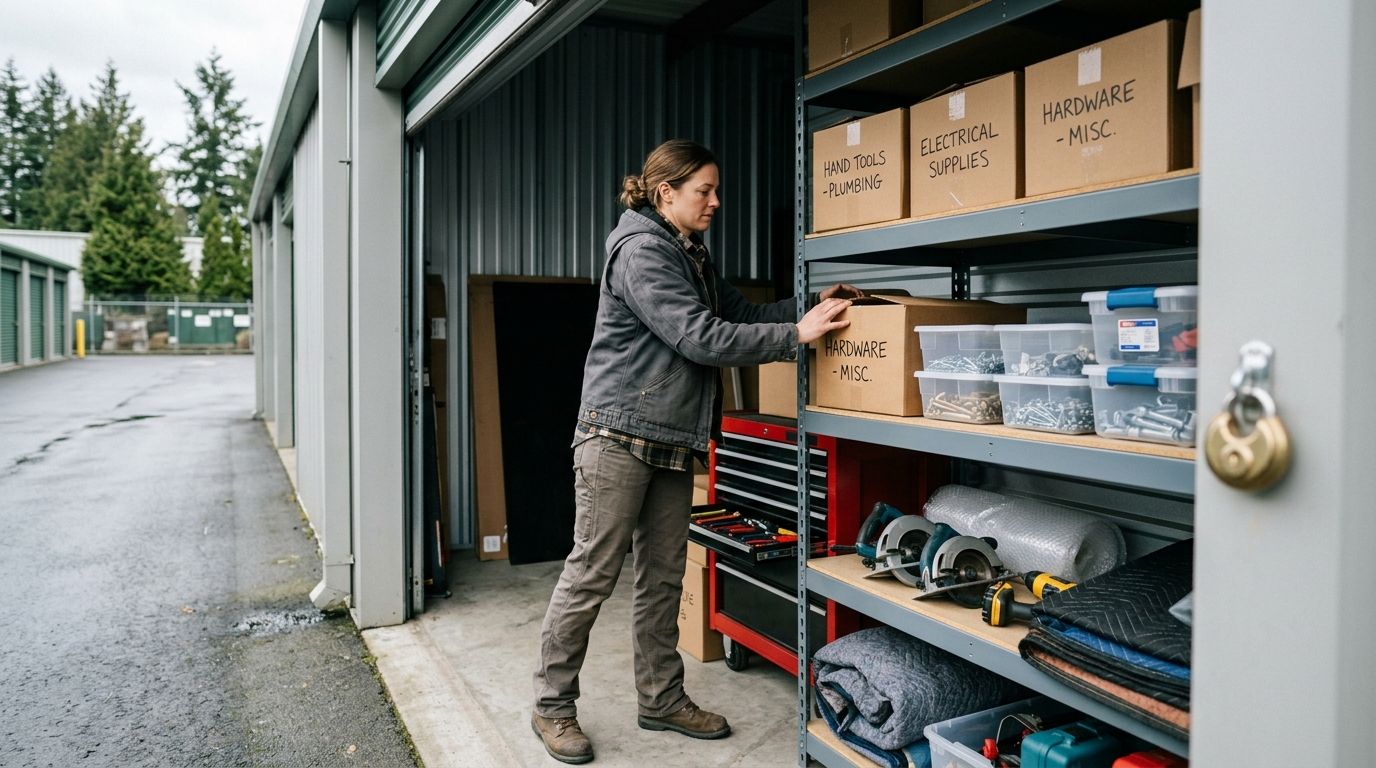
Add Seattle traffic and wet weather, and storing tools, materials, and equipment takes real planning.
This guide breaks down why contractors use self storage, what features matter for trade work, and how to choose a unit that supports your schedule without turning storage into a second job.
For decades, independent contractors often relied on residential garages, driveways, and small industrial spaces. That setup is getting harder in parts of Seattle.
The city's housing policies are changing the way residential land gets used. Under the One Seattle Plan and middle housing initiatives, more neighborhoods are being planned for additional housing options. In some middle-housing scenarios, developers building a fourplex on a standard lot may prioritize livable square footage, which can leave less room for traditional garage or storage space.
Small commercial space can also be challenging. A contractor may not need a full warehouse, a long lease, or separate utility obligations just to store tools, ladders, supplies, and job materials.
That gap is where self storage can help. A storage unit can provide flexible space for business items without requiring a multi-year warehouse commitment. Commercial warehouses may make sense for larger operations with consistent space needs, while residential garages are limited by whatever space is available at home. Self storage can work well for contractors who need a more flexible place for tools, supplies, records, or project overflow.
Theft is a real concern for contractors, especially when tools or materials are left in vans, garages, or unsecured job sites. Stolen tools can delay projects, create replacement costs, and disrupt crews.
Equipment theft can also move quickly through resale channels. Reporting from SentryPods notes that stolen equipment can vanish quickly into secondary markets, making recovery difficult.
A storage unit should not be treated as a guarantee against theft, but it can be part of a better storage routine. When comparing facilities, review the listed security features for the specific location and decide what additional precautions make sense for your business.
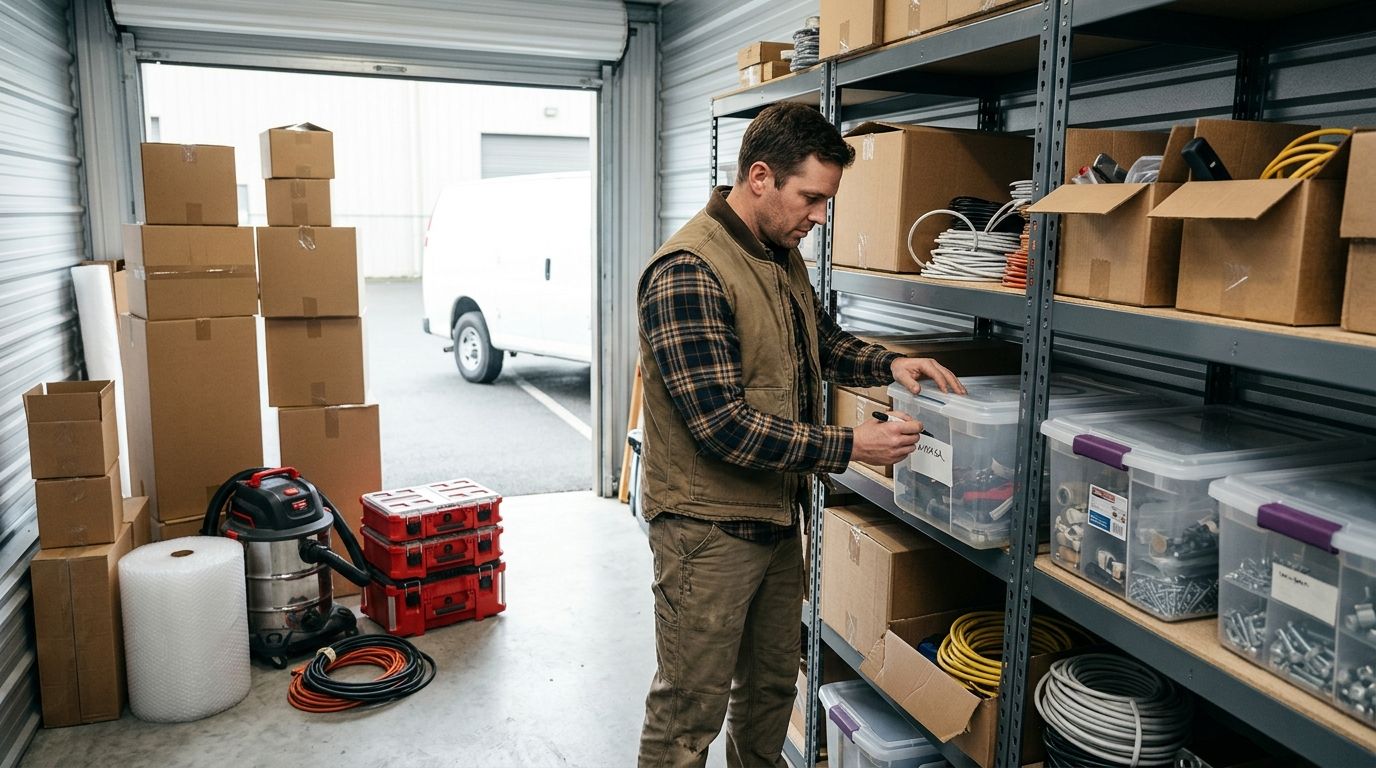
Useful steps include:
Use a quality lock where applicable.
Keep an inventory of tools and materials.
Record serial numbers for high-value equipment.
Photograph stored items.
Review insurance or business-property coverage.
Avoid leaving tools visible in vehicles overnight when possible.
Seattle's wet climate makes tool prep important. Metal tools, blades, fasteners, and equipment should be clean and fully dry before storage, especially if they were used outdoors or transported in the rain.
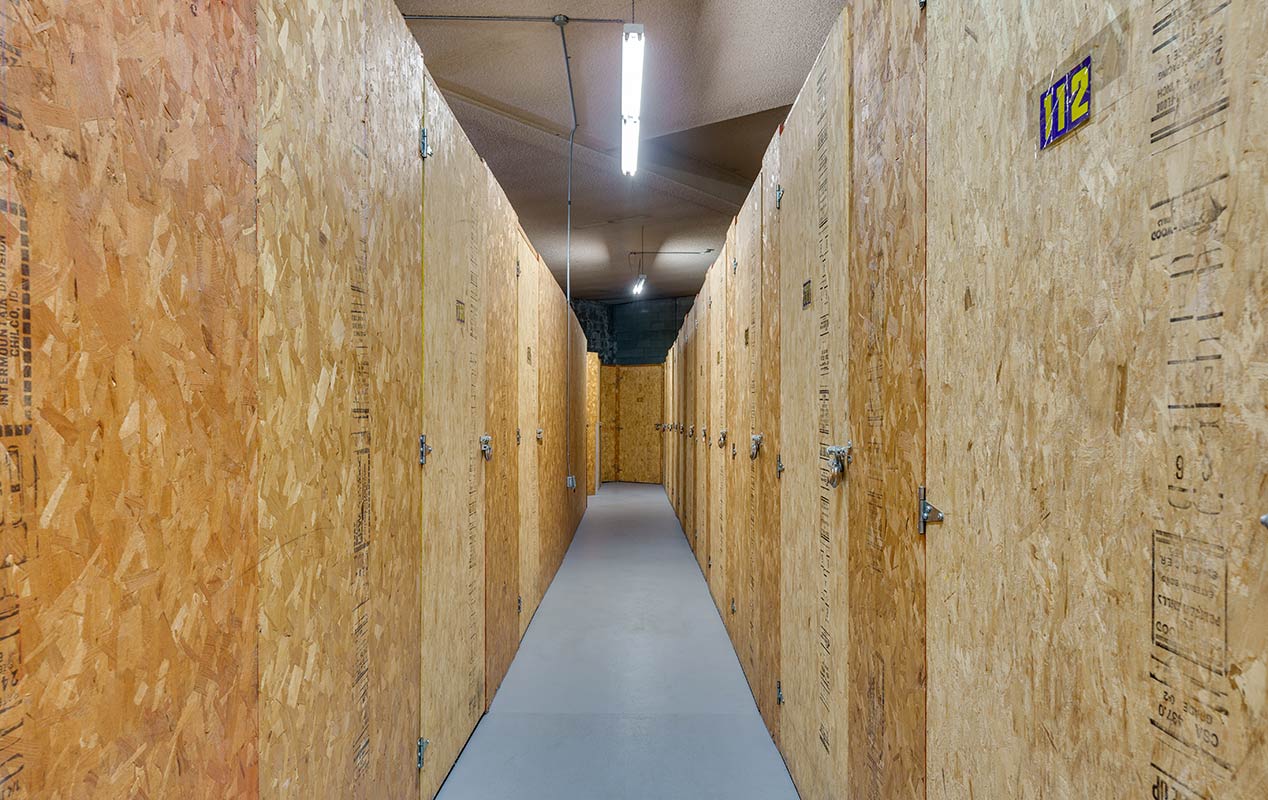
Heated indoor storage may be useful in Seattle, particularly during colder months. It keeps tools and supplies inside a building and may reduce exposure to colder conditions compared with non-heated spaces.
That said, no unit replaces basic maintenance. Before storing tools:
Wipe down metal surfaces.
Dry wet gear completely.
Store smaller tools in sealed cases or bins.
Keep chemicals, fuel, and prohibited items out of the unit.
Follow manufacturer guidance for batteries and power tools.
Check facility rules before storing equipment with fluids, fuel, or hazardous materials.
The goal is to keep your tools organized, dry, and ready for the next job.
For contractors, time spent crossing town for one tool or box of materials is time lost. Seattle traffic, bridge routes, construction, and job-site parking can all make tool access harder than it needs to be.
A storage unit can help if it is located near your regular job routes. Instead of keeping everything at home or in one distant workspace, you can store supplies closer to the neighborhoods where you work most often.
When choosing a location, think about:
Drive time from current and future job sites
Access hours
Parking and loading setup
Elevator availability
Whether carts or dollies are available
Unit size and layout
How often your crew needs to retrieve items
Do not assume a facility has drive-up access, covered loading, freight access, or trailer space unless those features are clearly listed for that location.
The right size depends on your trade, tools, and how often you need access. Start with the largest items first, then estimate boxes, bins, and shelving.
Smaller units can work for hand tools, boxed supplies, safety gear, records, and compact equipment. They are often useful for electricians, cleaners, painters, or contractors who need overflow storage rather than full material staging.
A 10x10 can work for more tools, boxed materials, shelving, small equipment, and job supplies. It may be a good fit if you need enough room to organize items by project or category.
A larger unit may help with bulkier supplies, larger tools, seasonal business inventory, or multi-project storage needs, depending on availability and facility rules.
If you plan to visit often, leave space near the front for frequently used items. A tightly packed unit may hold more, but it can cost time when you need to find one tool before a job.
Contractor storage works best when the unit supports how your business actually runs. Instead of looking for a long feature list, focus on the practical details.
Check current access hours before renting. If your workday starts early or runs late, make sure the schedule fits your routine.
Ask how loading works at the facility. Review parking, elevator access, carts or dollies, and move-in instructions. If you have oversized items, confirm the route from vehicle to unit before bringing them.
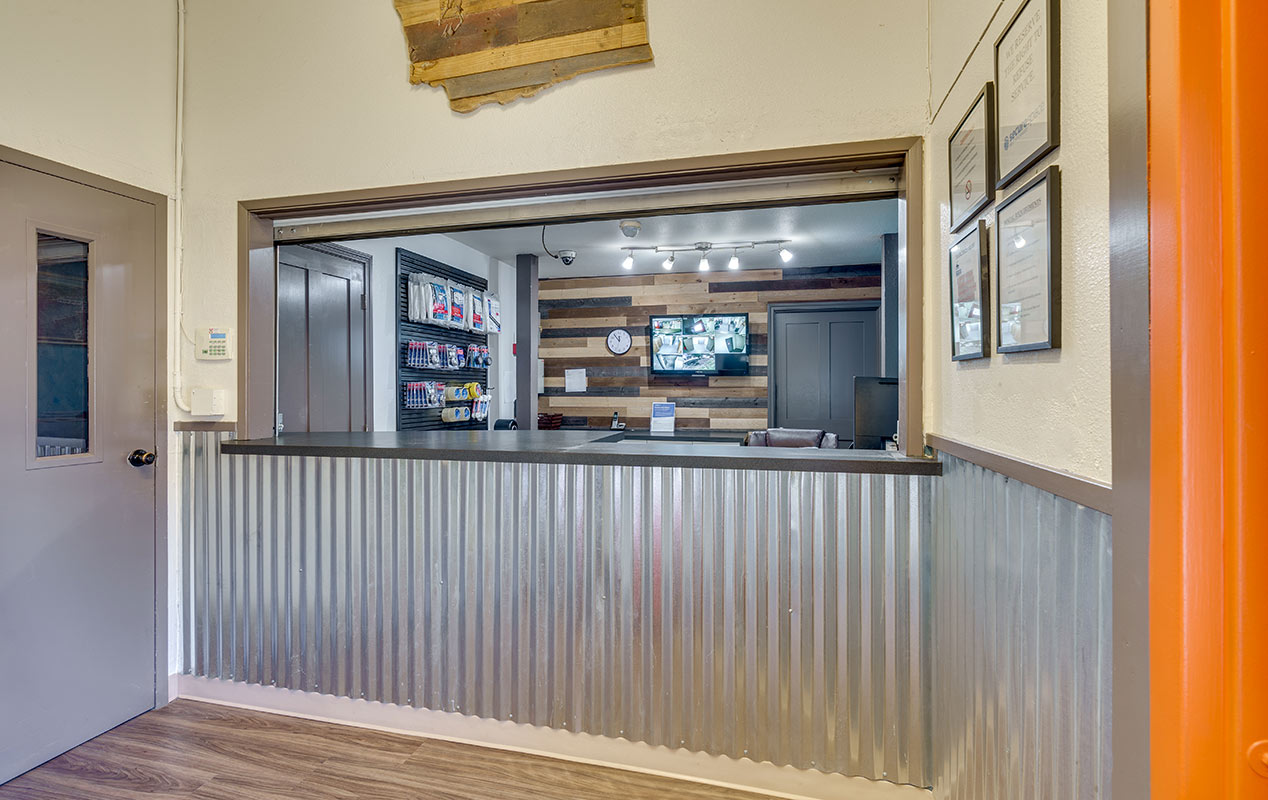
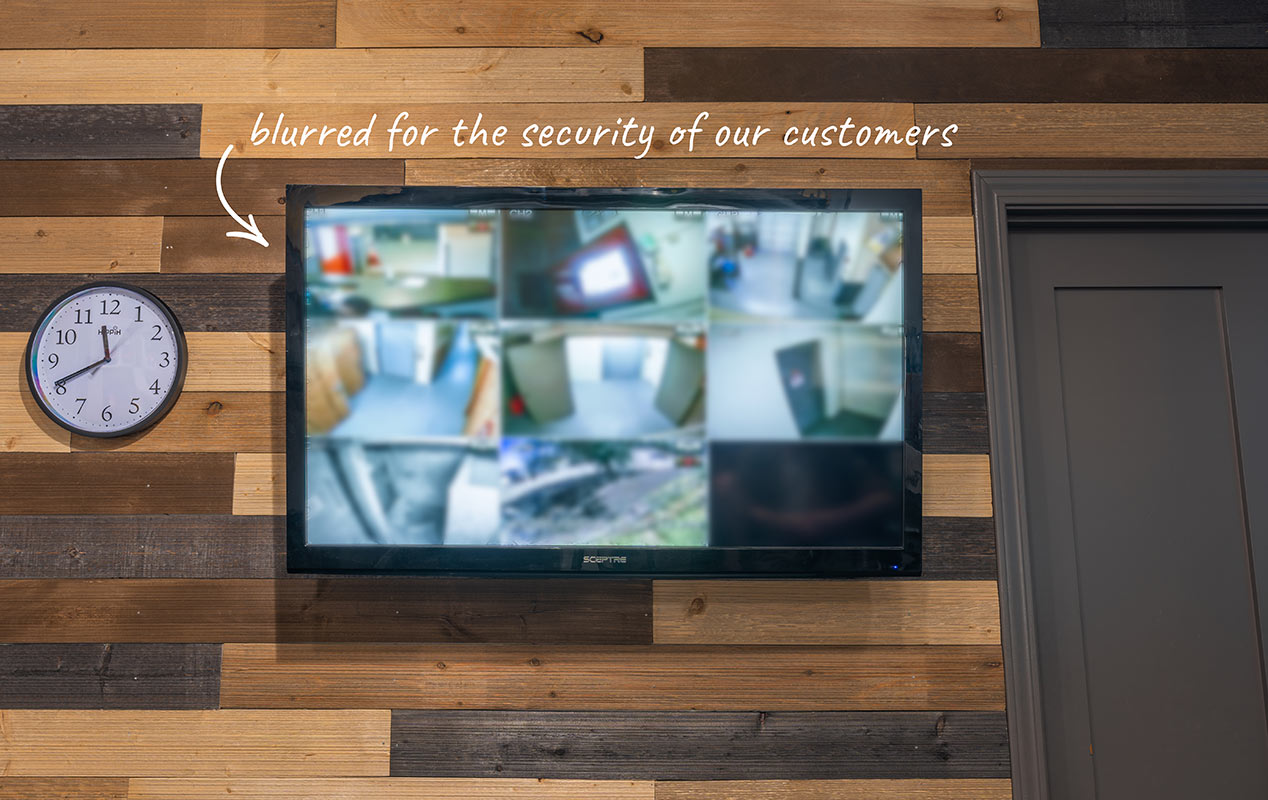
Review the listed security features for the specific facility. Depending on the location, features may include digital video recording, logged access, posted access procedures, and staff availability. Pair those with your own lock, inventory, and coverage plan.
Month-to-month leases can help contractors adjust storage as projects change. Review billing, move-out notice, payment options, and rate-change terms before signing.
A storage unit can hold tools, records, inventory, supplies, and equipment if allowed by facility rules. It should not be used as a workshop, staffed office, storefront, customer pickup point, or active business operation unless the facility explicitly permits that use.
Many facilities allow you to review availability, compare unit sizes, and begin the rental process online. Before renting, confirm the current move-in process, payment requirements, access instructions, and any rules that apply to business items.
A good setup starts with a simple storage plan:
The more organized the unit is on day one, the easier it will be to use between jobs.
Yes, storage units can be useful for tools, materials, records, supplies, and business inventory, as long as the items are allowed by facility rules. Do not store fuel, hazardous materials, food, or prohibited items.
Do not assume vehicle or trailer storage is available. Vehicle storage, parking, drive-up access, and trailer space vary by facility and must be confirmed directly before renting.
Storage can be part of a better tool-security routine, but it is not a guarantee. Review listed facility security features, use a quality lock, keep an inventory, record serial numbers, photograph valuable items, and review your coverage options.
Tools should be clean and dry before storage. Heated indoor storage may be useful during colder months, but tool maintenance still matters. Wipe down metal surfaces, store smaller items in cases or bins, and follow manufacturer guidance for power tools and batteries.
Access depends on the facility's current access hours and rules. Review access hours before renting, and confirm whether helpers or crew members can enter the facility if you are not present.
Not always. Many storage facilities offer month-to-month leases, which can be helpful when project volume changes. Review the rental agreement, billing cycle, and move-out notice before signing.
Seattle contractors need storage that fits real job-site routines: tools that are organized, supplies that are easy to find, and a location that works with regular routes. Before renting, focus on unit size, access hours, loading setup, rental terms, and the rules for business items.
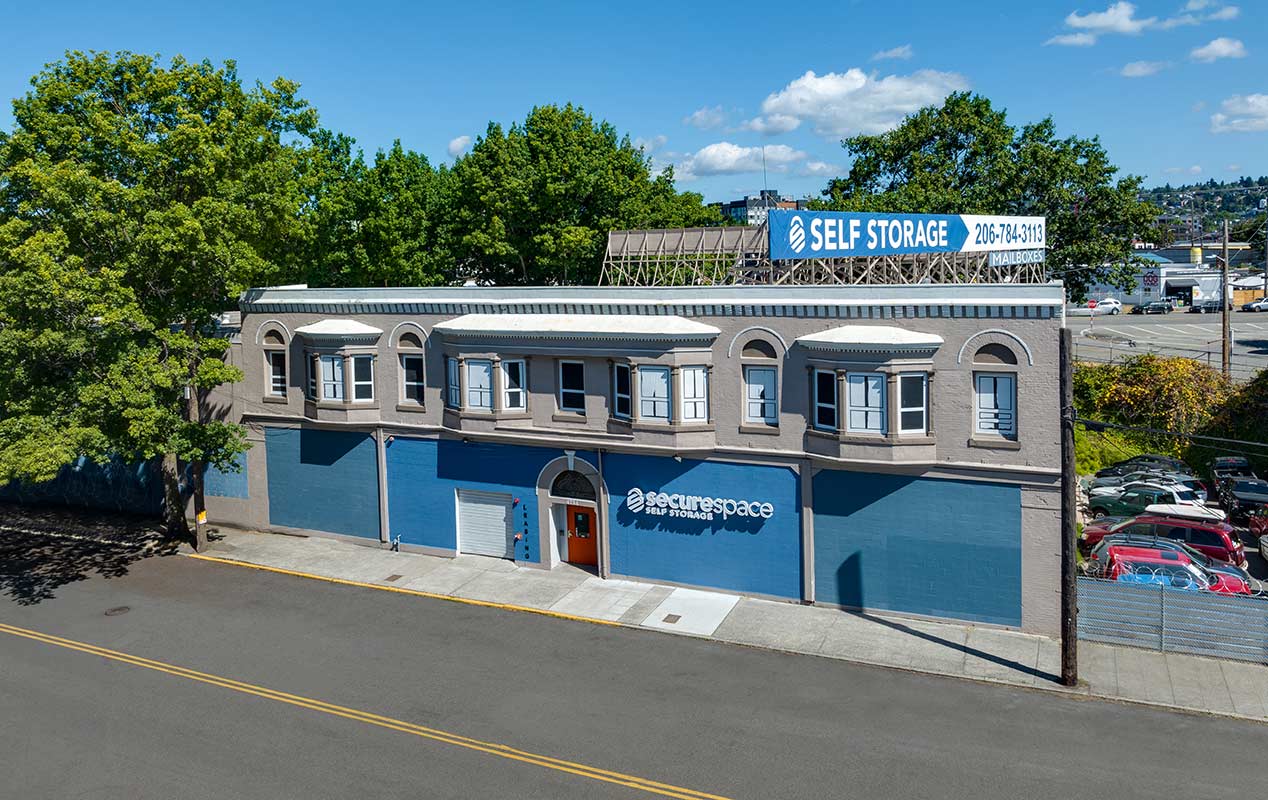
For tools, materials, and project overflow, review current options for contractor storage in Seattle, WA at SecureSpace.
Everything you need to store your belongings securely, on your schedule.
Visit us online