Last updated Aug 12, 2026
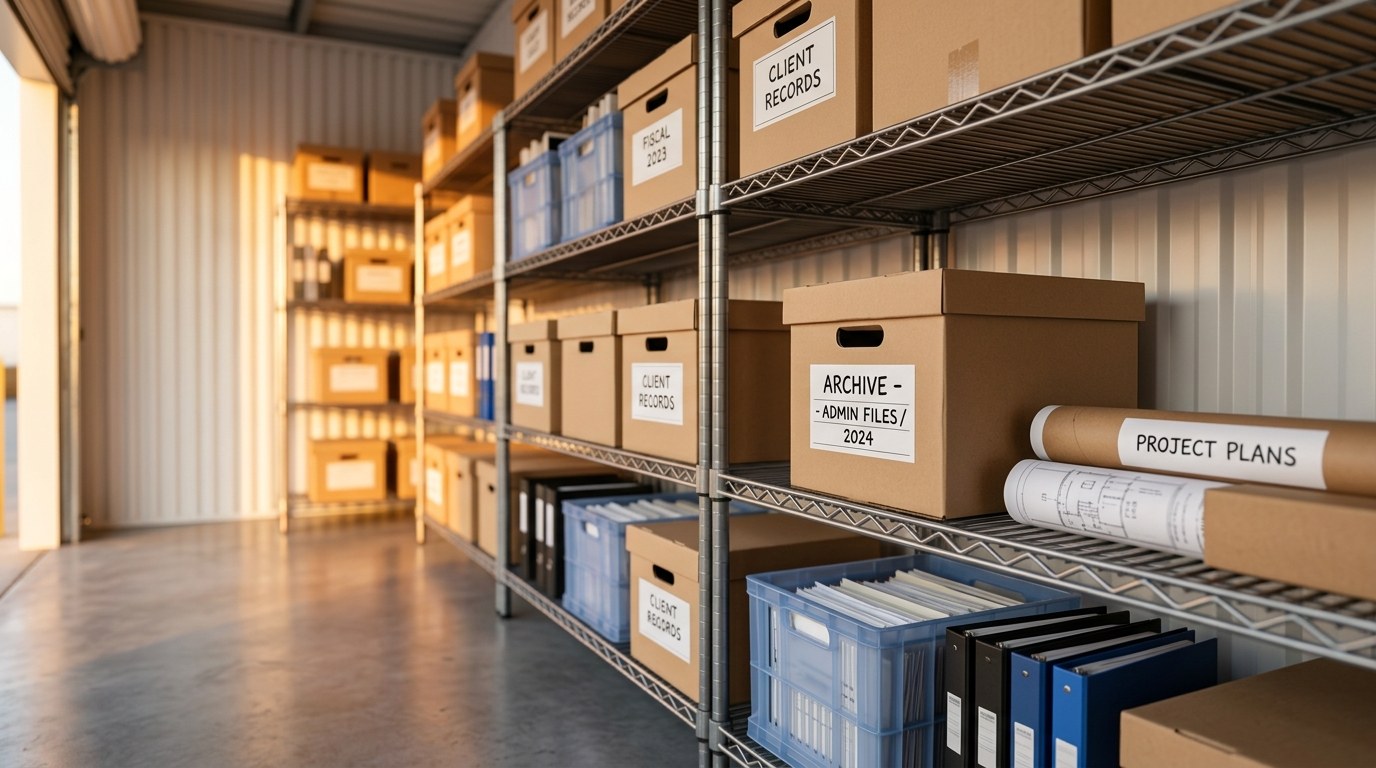
Paper records can take over useful office space quickly. Filing cabinets, archive boxes, and inactive project files may occupy rooms that could otherwise support employees, equipment, or day-to-day operations.
For Everett businesses, the challenge isn't simply finding somewhere to place old files. Records may need to remain organized, accessible, and retained for a period determined by contracts, industry standards, or state law. Self-storage can provide additional space for permitted business records, but it doesn't replace a formal records-management program or guarantee regulatory compliance.
This guide explains the practical factors Everett businesses should review before moving documents off-site.
Businesses often treat document storage as a shelving problem. In practice, the more important questions are how long records must be retained, who needs access to them, and whether they require specialized handling.
A storage unit may work for ordinary business files that can legally and contractually be kept in self-storage. Records involving patient privacy, government custody, aerospace certification, or formal chain-of-custody requirements may call for a specialized records provider instead.
Each organization should identify its obligations before choosing where and how to store documents.
Everett's aerospace, healthcare, maritime, and public-sector activity means local businesses may work under very different retention rules.
Everett is home to the Boeing Everett Assembly Plant, whose main assembly building is recognized as the world's largest building by volume.
Aerospace suppliers may have quality-record and document-retention duties established by purchase orders, contracts, certification programs, and applicable quality standards. Businesses working in Boeing's supply chain should review the current Boeing supplier quality requirements and the requirements incorporated into their specific contracts.
FAA AC 20-179 addresses certification-data retention agreements involving certain domestic type-certificate applicants and holders. It is guidance for a defined certification context, not a blanket operational-life retention rule for every aerospace supplier.
Snohomish County's healthcare network includes Providence Regional Medical Center Everett, which provides hospital and specialty services to communities across Northwest Washington.
Under Washington State law (RCW 70.41.190), hospitals must retain and preserve medical records for at least 26 years from the date each record was created. The statute applies specifically to hospitals; clinics, individual practices, and other healthcare organizations should verify the rules that govern their records.
Medical records may also involve privacy, access-control, and handling obligations that ordinary self-storage does not independently satisfy.
Public agencies must follow applicable Washington retention schedules and public-records procedures. Within five business days of receiving a public-records request, an agency must provide an initial response, which may include producing the record, acknowledging the request with a reasonable time estimate, seeking clarification, providing a relevant link, or denying the request. Complete production is not always required within those five days.Government records with formal custody, access, or destruction requirements may require more than a standard storage unit. Agencies should follow their approved retention schedules and records-management policies.
Keeping inactive files in an office may appear convenient, but it uses space that could support revenue-producing or operational work.
The actual cost depends on the amount of space occupied, the office lease, filing equipment, employee time, and how often documents must be retrieved. Off-site self-storage may reduce the amount of office space devoted to inactive records, but it should not be presented as a guaranteed savings.
Before moving files, calculate:
Current footprint: Measure the floor space used by cabinets, shelves, and boxed archives.
Expected growth: Estimate how many new boxes the business creates each year.
Retrieval frequency: Separate records needed regularly from files that are rarely accessed.
Retention dates: Identify when each record category can be reviewed or disposed of under the applicable rules.
Management time: Consider the labor required to label, index, retrieve, and return records.
This review can help determine whether a compact unit or a larger archive layout makes sense.

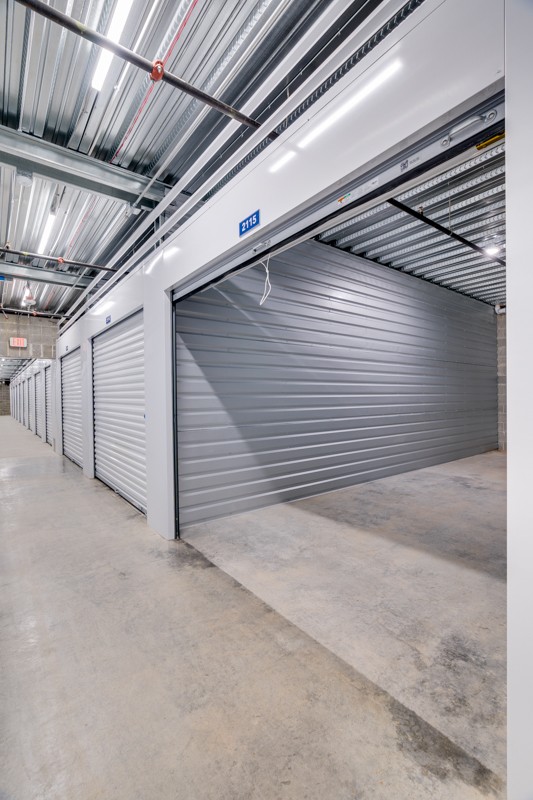
Paper, cardboard boxes, adhesives, and some storage media can respond poorly to changing temperatures. Climate-controlled and heated storage can help reduce exposure to temperature swings and cold conditions compared with standard storage spaces.
These units should not be described as archival vaults or as providing precise humidity management. They also cannot guarantee that documents will remain undamaged or legally usable.
Businesses can improve their storage practices by preparing records carefully:
Clean, dry materials: Do not place damp boxes or documents into storage.
Closed containers: Use sturdy containers that keep files together and limit dust exposure.
Raised storage: Place boxes on shelving rather than directly on the floor.
Clear labels: Mark each container with the department, record type, date range, and scheduled review date.
Document index: Maintain a searchable list showing where each box is located.
Restricted access: Limit keys and access credentials to authorized employees.
Documents that require certified environmental conditions, formal chain of custody, scanning services, or regulated destruction should be handled by a records-management provider equipped for those services.
A practical document-storage setup should support organization and controlled access without implying services the facility does not provide.
Unit options: Choose enough room for shelving and a clear path to frequently requested boxes.
Access schedule: Make sure the facility's access window fits the times employees may need to retrieve records.
Rental flexibility: Month-to-month leasing may help as the volume of retained files changes.
Payment convenience: Online payments and ACH or credit-card payment plans can simplify routine account management.
Moving assistance: Carts and dollies can make it easier to transport multiple document boxes to an indoor unit.
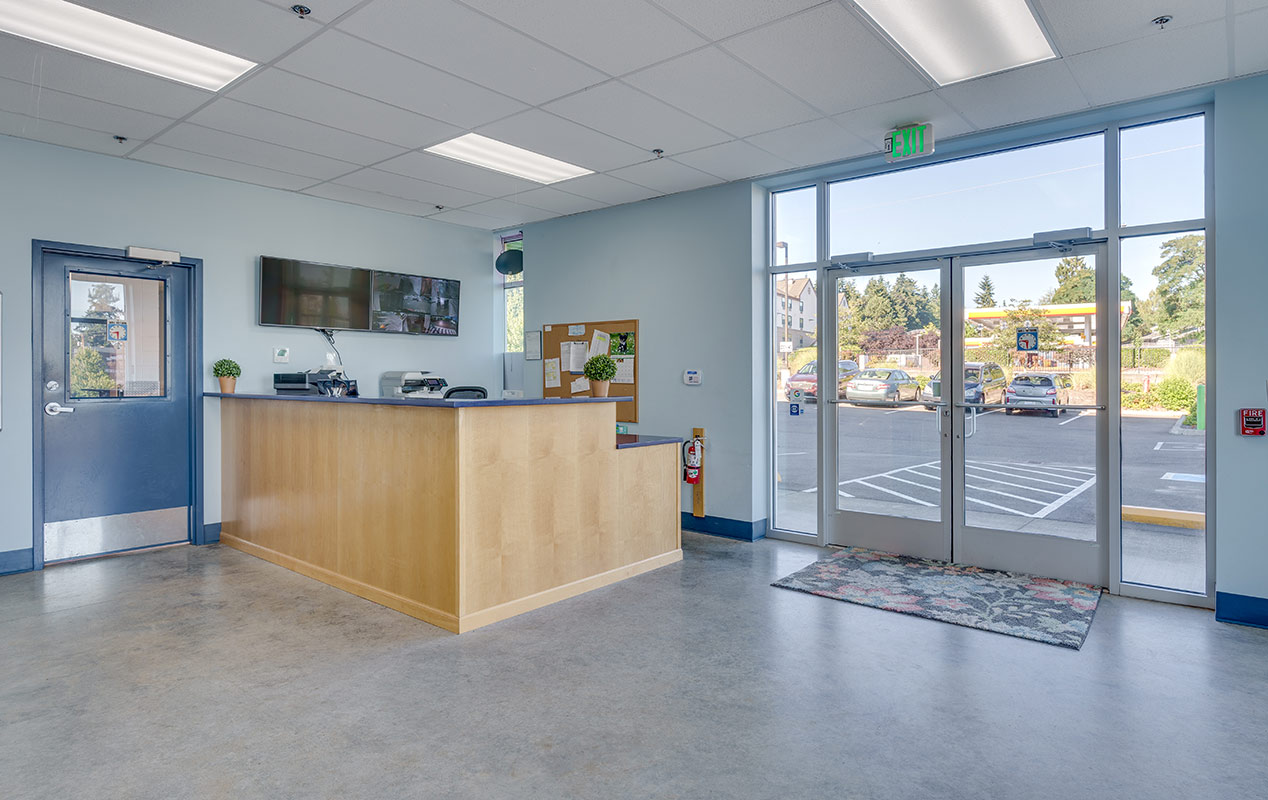
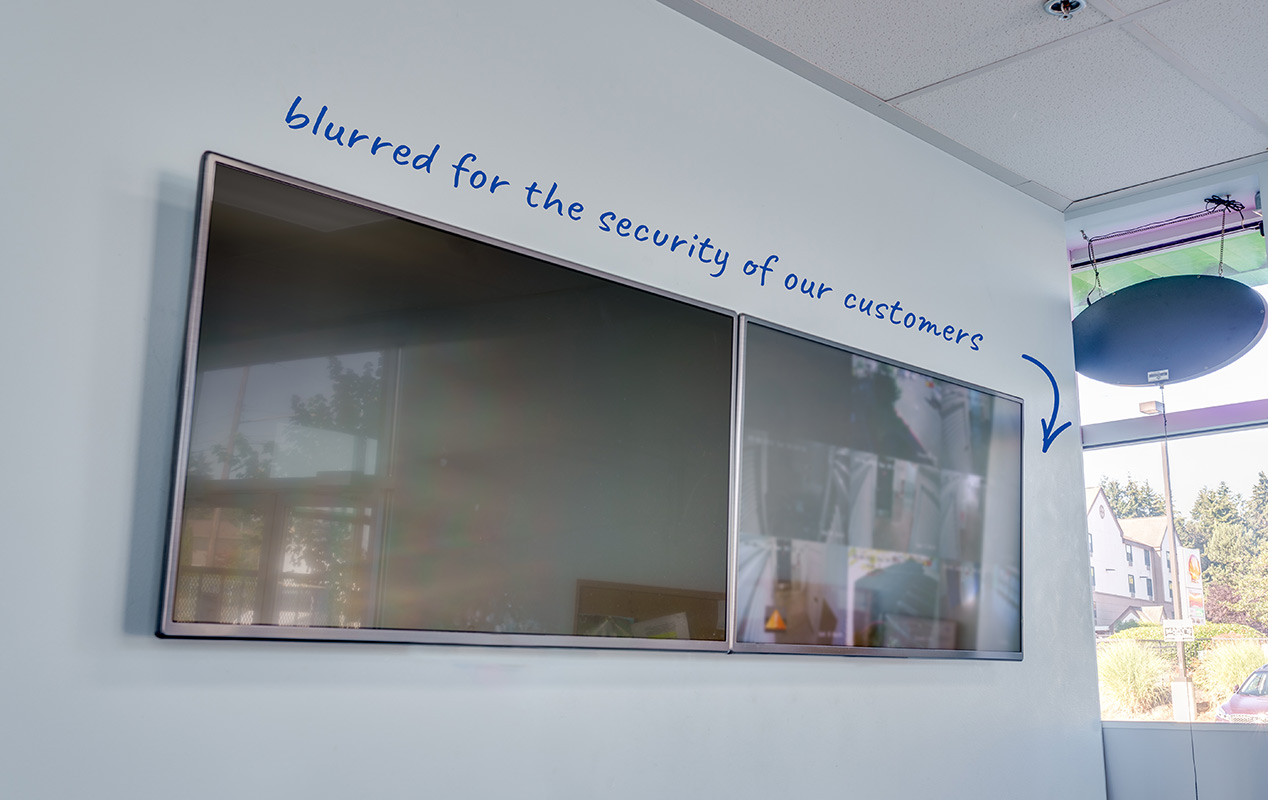
Security features: Review the facility's access gate, digital video recording, logged access, overnight surveillance, and Turing-enabled monitoring without treating those features as a guarantee against loss.
Records requirements: Confirm that self-storage is appropriate for the specific information being stored.
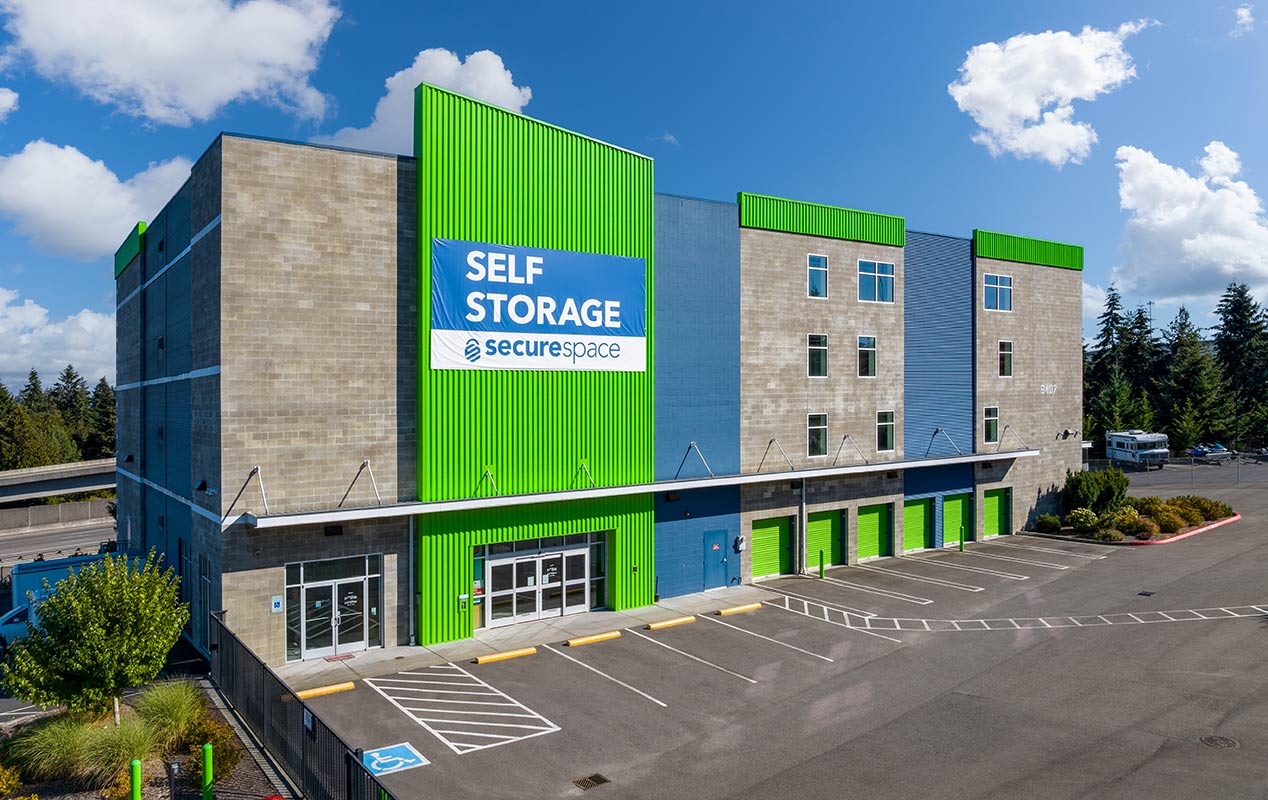
SecureSpace Everett provides climate-controlled and heated storage, elevator access, carts and dollies, and daily gate access from 6:00 AM to 10:00 PM. It does not provide barcode records tracking, scan-on-demand retrieval, certified shredding, or a formal document chain-of-custody service.
The right size depends on the number of boxes, whether shelving will be installed, and how much aisle space employees need for retrieval.
A 5x5 unit may accommodate a smaller archive when boxes are organized vertically on suitable shelving. It can be useful for tax files, closed client records, or several years of administrative documents.
A 5x10 unit provides more room for shelving and a central access path. It may fit businesses that add records regularly or need to separate files by department or retention period.
A 10x10 unit may work for a broader archive with multiple shelving rows. Before renting, map the shelving layout and leave enough room to retrieve boxes without repeatedly moving other records.
Current size availability can change, so businesses should verify available units before planning the move.
No. The appropriate storage environment depends on the document type, required retention period, and applicable legal or contractual standards. Climate-controlled and heated storage may help reduce exposure to temperature changes, but it isn't the same as archival environmental control.
There is no single retention period that applies to every supplier or every document. Requirements may come from Boeing contracts, purchase orders, quality standards, FAA obligations, or other program-specific terms. Suppliers should review the requirements tied to each contract before storing or disposing of records.
RCW 70.41.190 requires hospitals to preserve medical records for at least 26 years from creation. Other healthcare providers should verify the laws and professional rules that apply to their records rather than assuming the hospital standard governs them.
Create a box-level index before move-in. Assign each shelf and box a number, record the date range and contents, and keep the index somewhere accessible to authorized staff. Frequently requested records should remain near the front of the unit.
No specialized retrieval, barcode tracking, scanning, or certified destruction services are identified for the Everett facility. Customers are responsible for organizing, accessing, and managing their stored records.
Not necessarily. The result depends on office costs, storage rates, the number of records, transportation, and employee retrieval time. Businesses should calculate their own costs rather than relying on a general savings estimate.
That depends on the record category and the agency's retention, custody, access, and security requirements. Agencies should consult their records officer and applicable schedules before moving public records off-site.

Moving inactive files out of the office can create useful workspace, but the storage decision should begin with a records inventory-not a rental reservation.
Identify what must be retained, remove records that have reached an authorized disposal date, separate frequently accessed files, and determine whether any documents require specialized records management. Then select a unit with enough space for shelving, labeling, and safe retrieval.
For current unit sizes, rental rates, and availability, visit SecureSpace Self Storage Everett.
Everything you need to store your belongings securely, on your schedule.
Visit us online