Last updated Aug 12, 2026
Dorm rooms can feel crowded quickly. A bed, desk, clothing, textbooks, kitchen supplies, and everyday essentials may leave little room for seasonal gear or belongings brought from home.
Students at Everett Community College, Washington State University Everett, and other nearby programs can make limited space more manageable by planning the room carefully, choosing flexible organizers, and storing overflow elsewhere when necessary.
This guide explains how to organize a dorm room, prepare belongings for a school break, and decide whether a small off-campus storage unit fits your needs.
Student housing is designed to make essential living space available within a compact layout. Furniture supplied with the room may occupy much of the available floor area before personal belongings are unpacked.
Limited closet space, shared furnishings, outdoor equipment, and supplies needed for different seasons can make organization difficult. Students may also need temporary storage while changing housing, returning home during a break, studying away from campus, or moving between leases.
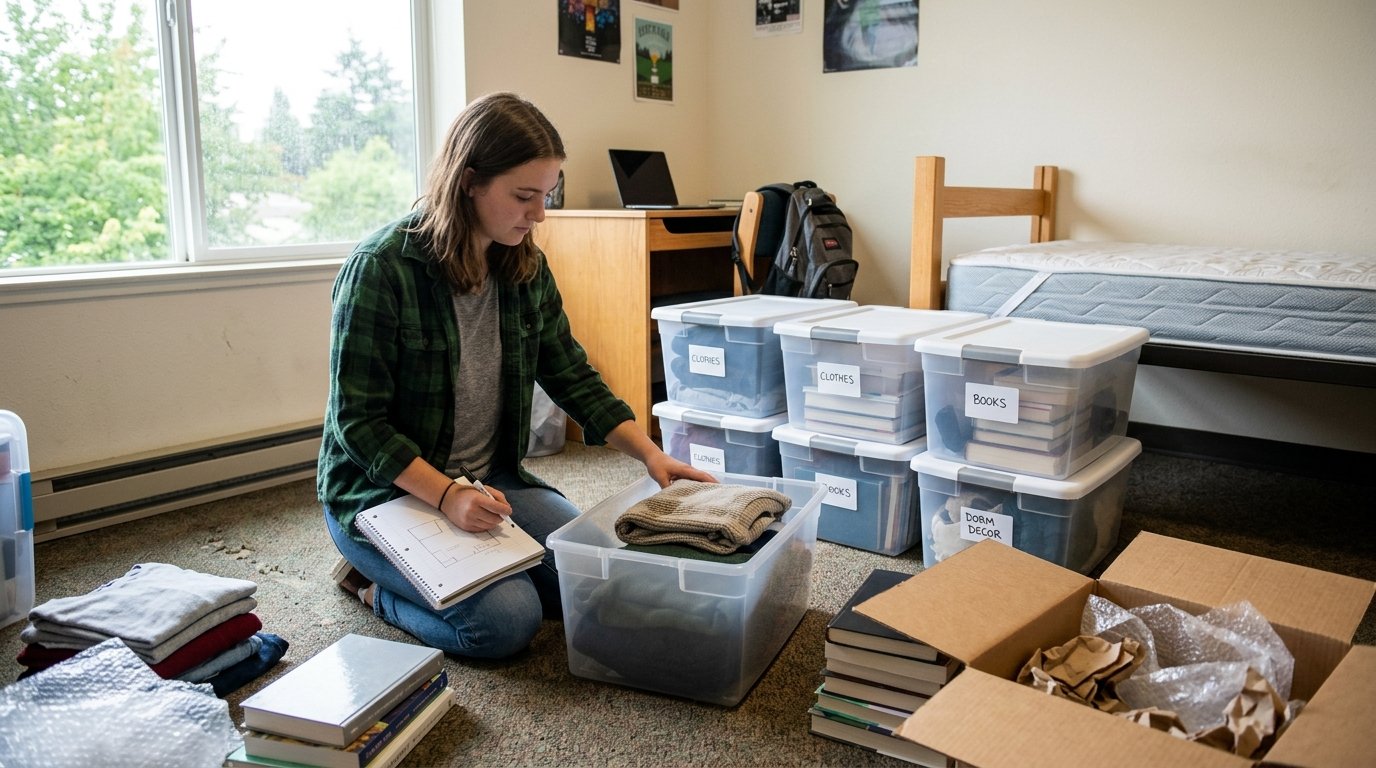
The most effective approach begins with an inventory. Knowing what you use regularly makes it easier to decide what should remain in the room, what can be stored elsewhere, and what no longer needs to be kept.
Review the room layout before purchasing bins, carts, shelves, or additional furniture.
Measure open areas, closet space, door clearance, and the area beneath the bed. Confirm whether furniture can be raised, rearranged, or modified under the housing provider's rules.
A basic sketch can help prevent organizers from blocking doors, walkways, vents, or access to supplied furniture.
Shared rooms work better when students coordinate before move-in.
Discuss who will bring commonly shared items and how closet, refrigerator, cabinet, and floor space will be divided. Avoid bringing duplicate appliances or furniture unless the room can accommodate them and housing policies allow them.
Tall, narrow organizers can provide storage without occupying as much floor space as wide furniture.
Useful options may include:
Over-door organizers
Hanging closet shelves
Freestanding bookcases
Stackable containers
Narrow rolling carts
Wall organizers permitted by housing rules
Avoid installing permanent hardware or placing heavy objects above beds and seating areas. Follow residence-hall rules before using adhesives, hooks, or wall-mounted products.
The area beneath a bed may provide useful storage for clothing, shoes, linens, school supplies, and belongings that are not needed every day.
Choose containers that fit the actual clearance and can be removed without shifting other furniture. Clear or clearly labeled containers can make stored items easier to identify.
Keep frequently used belongings toward the front and less frequently needed items farther back.
Furniture that provides more than one function may help conserve space.
Depending on housing rules and the room layout, useful options may include:
Storage ottomans
Rolling carts
Freestanding cube organizers
Bedside storage pockets
Benches with interior storage
Folding containers
Do not add furniture that obstructs exits, creates unstable stacks, or makes the room difficult to navigate.
Hanging organizers, slim hangers, stackable shoe storage, and labeled containers can help make better use of a compact closet.
Place frequently worn clothing within easy reach. Store seasonal clothing or spare bedding higher or farther back when it can be accessed safely.
Avoid overloading closet rods, shelves, or organizers beyond their intended capacity.
Small spaces become crowded when unused items accumulate.
Review clothing, textbooks, decorations, supplies, and household items periodically. Donate, sell, recycle, or take home anything that no longer needs to remain in the room.
Students may need temporary storage when leaving campus for a break, changing roommates, moving between apartments, or waiting for a new lease to begin.
Begin packing early enough to sort belongings instead of placing everything into unlabeled boxes at the last minute.
Keep the following items with you:
Identification
Medications
Travel documents
School records
Keys
Chargers
Daily clothing
Irreplaceable belongings
Anything needed before returning to storage
Clean and dry every item before packing. Remove food, liquids, trash, and restricted materials.
A dorm room has practical limits, even when it is organized carefully.
Off-campus storage may be useful for:
Seasonal clothing
Moving boxes
Compact furniture
Bicycles
Camping equipment
Sports gear
Bedding
Kitchen supplies
School supplies
Belongings stored between housing arrangements
A storage unit should not be treated as a place for living, studying, working, charging equipment, or storing prohibited materials.
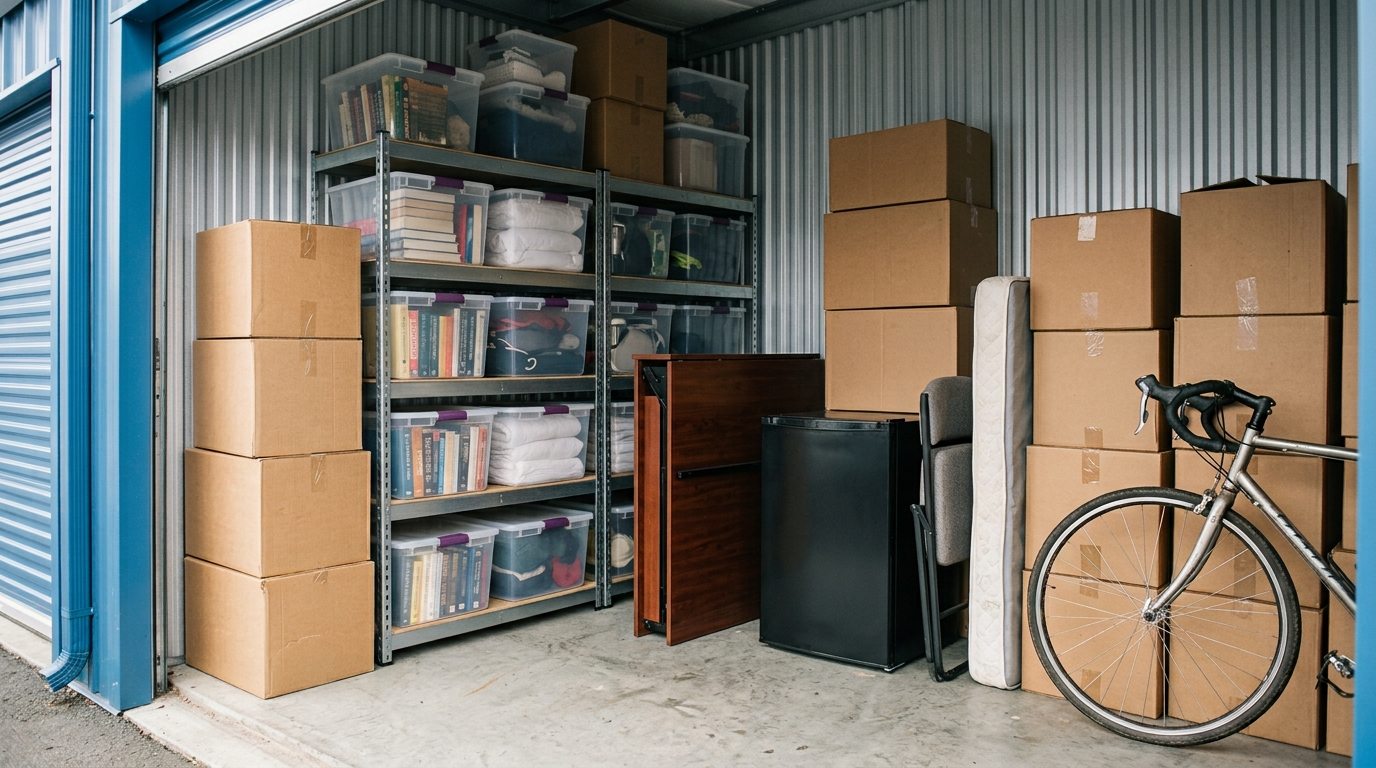
A 5x5 unit may work for students storing boxes, clothing, decorations, school supplies, compact furniture, or recreational equipment.
It may be appropriate when most belongings can be packed into containers and only a limited amount of furniture is involved.
A 5x10 unit provides additional length for a larger group of belongings.
It may accommodate a combination of permitted items such as:
A mattress and disassembled bed frame
A compact desk or chair
A small dresser
Moving boxes
Bedding
Bicycles
Sports equipment
Kitchen supplies
Compact furniture
Actual fit depends on the dimensions of each item, how furniture is disassembled, the strength of the containers, and how much room is left for access.
Create an inventory and measure bulky belongings before choosing a unit.
SecureSpace Everett offers climate-controlled and heated storage options.
These features may help reduce exposure to temperature swings and cold conditions compared with an unconditioned space. They do not provide confirmed humidity regulation and cannot guarantee protection against mold, rust, corrosion, warping, fading, odors, or other deterioration.
Climate-controlled or heated storage may be worth considering for compatible belongings containing:
Electronics
Wooden furniture
Leather
Paper records
Photographs
Musical instruments
Specialized fabrics
Materials with manufacturer temperature guidance
Not every belonging requires climate-controlled storage. Suitability depends on the materials, preparation, expected storage period, and manufacturer recommendations.
Everything should be clean and dry before move-in, regardless of the unit type.
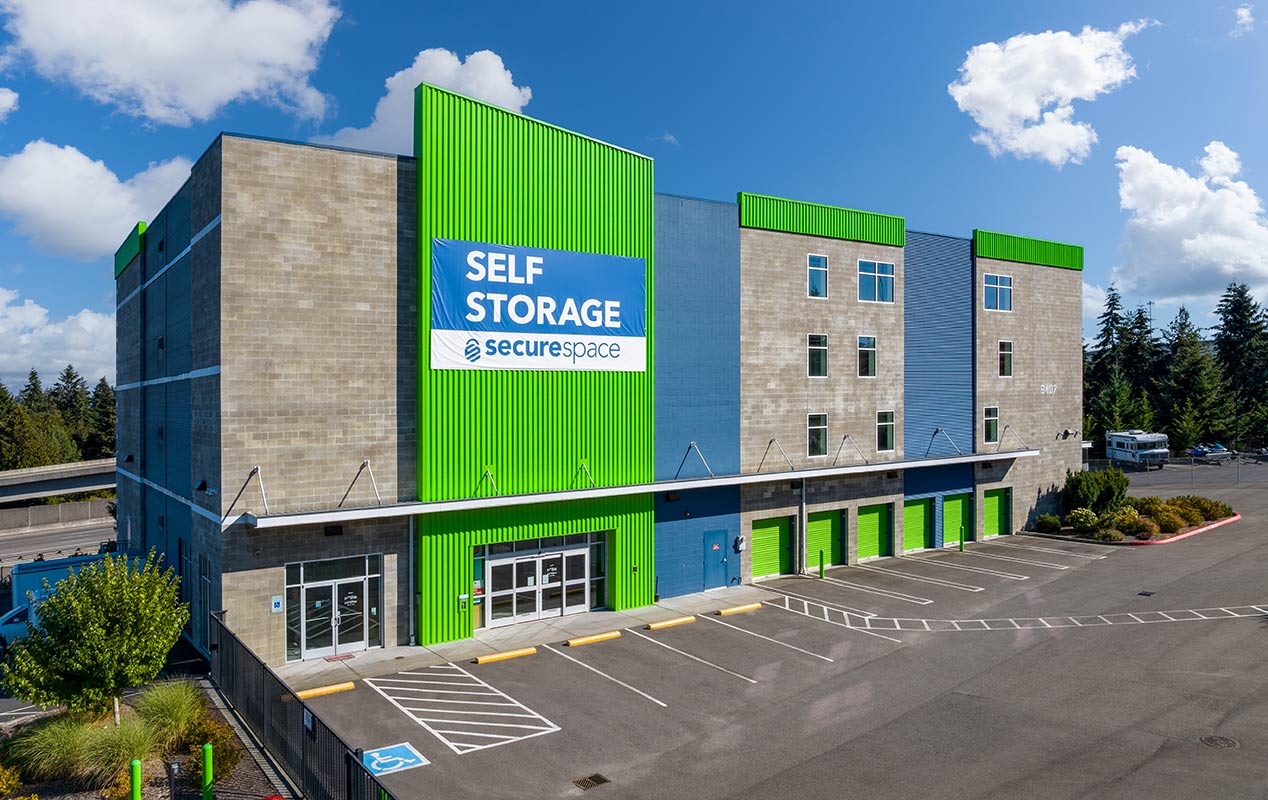
SecureSpace Everett offers indoor and drive-up storage options, subject to current availability.
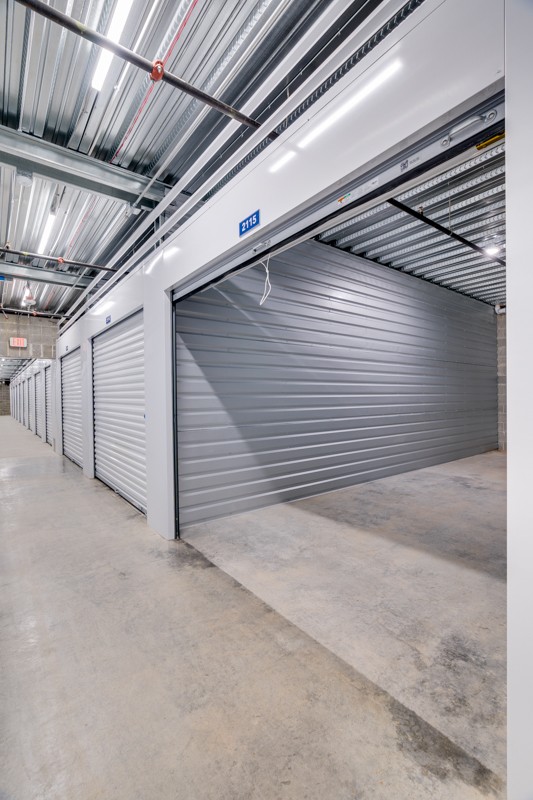
Indoor units are accessed through the building.
Elevator access is available for units located away from the ground level, and carts and dollies are available to help move suitable belongings through the facility.
Measure furniture and large containers to ensure they can pass through entrances, corridors, elevators, and the unit door.
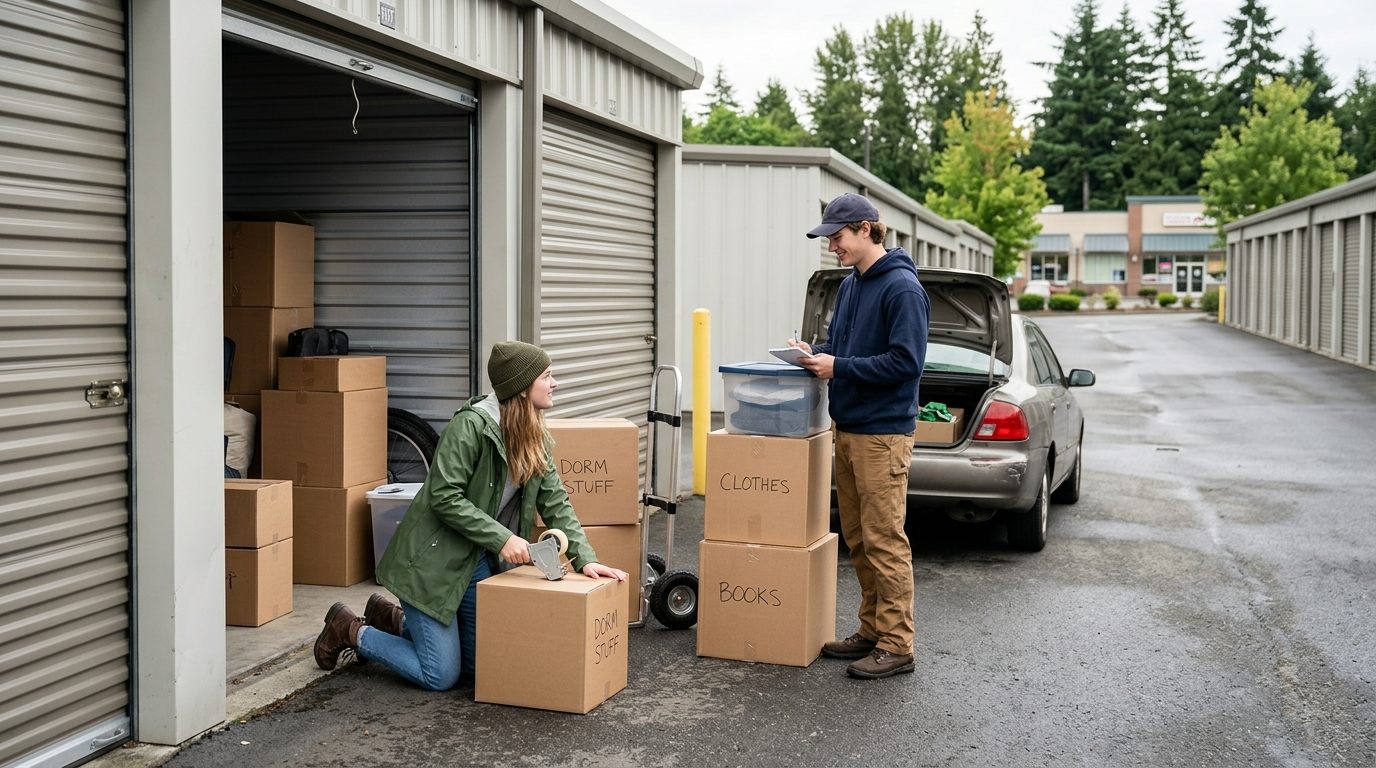
Drive-up units allow customers to park closer to the storage door, which may simplify moving boxes, furniture, bicycles, and other permitted belongings.
The exact access arrangement depends on the unit and facility layout.
Vehicles, including motorcycles and scooters, cannot be stored inside drive-up units at SecureSpace Everett.
Choose containers that are strong enough for their contents.
Smaller boxes may work well for books, dishes, documents, and dense school supplies. Larger boxes are generally better suited to lightweight belongings such as clothing, towels, pillows, and bedding.
Do not pack damp clothing, wet recreational gear, food residue, or containers holding liquids.
Allow every item to dry completely before placing it inside a box, cover, or sealed container.
Mark each box with its contents and intended room.
Side labels remain visible after boxes are stacked and make move-in easier when returning to campus.
Place heavier containers at the bottom of stable stacks.
Do not stack beyond the strength of the boxes or place heavy items above fragile belongings.
Desks, bed frames, shelving, and tables may take up less room when detachable components are removed.
Place hardware in a labeled bag and keep it securely with the matching item.
Keep belongings you may need during the storage period closer to the entrance.
Leave enough space to retrieve important boxes without unloading the entire unit.
Record what is stored and its general location.
Photographs and a written inventory can make it easier to determine whether something is in storage, at home, or in the dorm room.
SecureSpace Everett offers month-to-month leases, which may suit students whose storage needs change between school terms or housing arrangements.
Month-to-month leasing does not eliminate billing obligations, notice requirements, rate terms, or move-out conditions. Review the rental agreement before move-in.
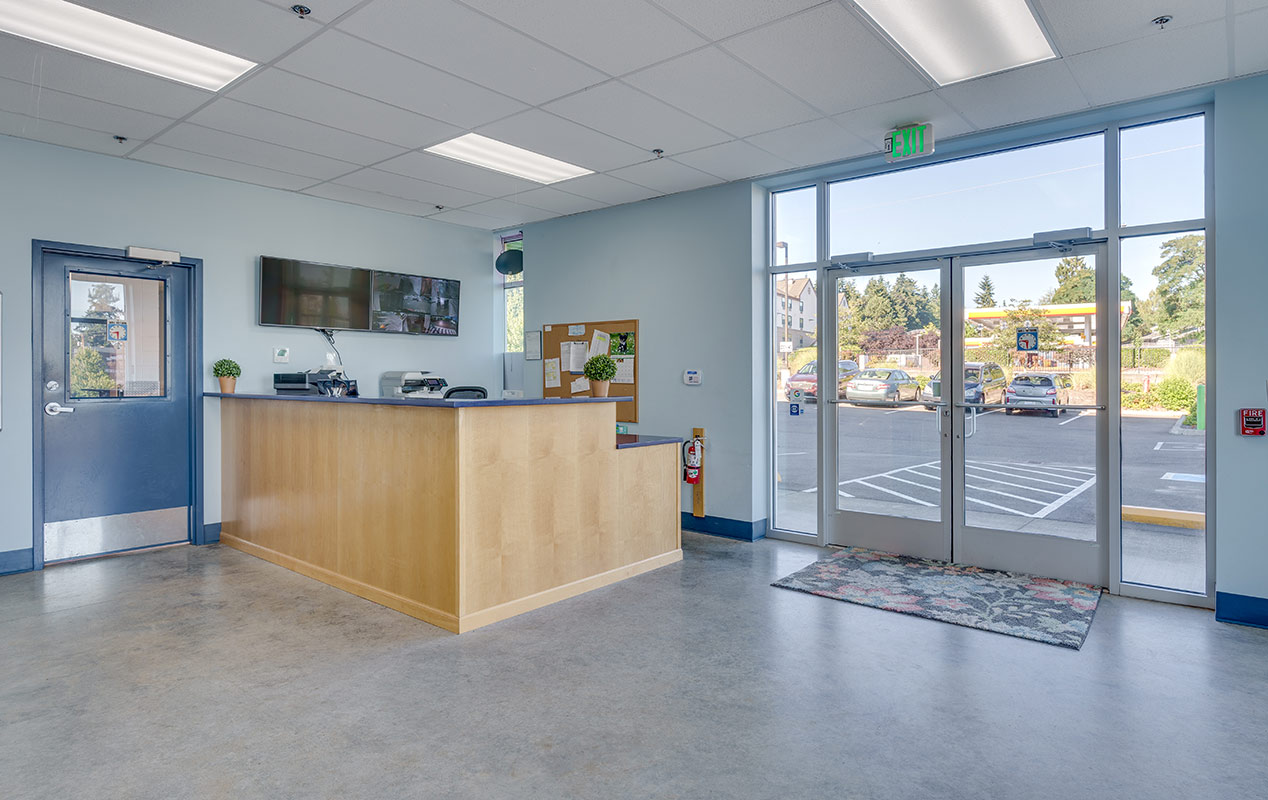
Online rental, online payments, electronic payment options, and touchless move-in are available.
Daily gate access is available from early morning into the evening. Manager hours are separate from storage-access hours, so review the current schedule before planning a visit.
Security features include:
An access gate
Digital video recording
Logged access
Overnight surveillance
Touchless computer-controlled access
Turing-enabled monitoring
These features support access and monitoring procedures but cannot guarantee protection against theft, loss, or damage.
Use a suitable lock, protect access credentials, maintain an inventory, and review applicable coverage requirements.
A 5x5 unit may be sufficient for boxes, seasonal clothing, supplies, and compact belongings.
A 5x10 unit may be more appropriate when the inventory includes a mattress, disassembled furniture, bicycles, or a larger collection of boxes.
Actual capacity depends on the dimensions and packing arrangement of your belongings.
Yes. SecureSpace locations offer month-to-month leases.
Billing dates, notice requirements, rate terms, and move-out conditions still apply, so review the rental agreement carefully.
Not every item requires climate-controlled storage.
Climate-controlled and heated options may help reduce exposure to temperature swings and cold conditions. The appropriate choice depends on the materials, preparation, storage duration, and manufacturer guidance.
These features do not guarantee humidity control or prevent deterioration.
SecureSpace Everett offers drive-up and indoor storage options, subject to current availability.
Review the features of the specific unit before renting.
A bicycle may be stored when it fits inside the unit and complies with facility rules.
Clean and dry it before storage and follow manufacturer guidance for support and preparation.
A permitted compact refrigerator may be stored after it has been emptied, cleaned, defrosted, and dried.
Follow the manufacturer's transportation and storage guidance. Food and standing water should be removed before move-in.
Stable freestanding shelving may be used when it complies with facility rules.
Do not drill into walls, install permanent hardware, or modify the unit without written permission.
No storage facility or packing method can guarantee protection against theft, loss, shifting, deterioration, or damage.
Suitable preparation, careful packing, an appropriate lock, inventory records, and applicable coverage can help reduce avoidable risks.
A small storage unit may provide useful room during a school break, dorm move, apartment transition, or semester away from campus.
Before renting, inventory your belongings, measure bulky items, remove prohibited materials, and review the rental terms.
See current options for student storage in Everett, WA.
Everything you need to store your belongings securely, on your schedule.
Visit us online