Last updated Aug 12, 2026
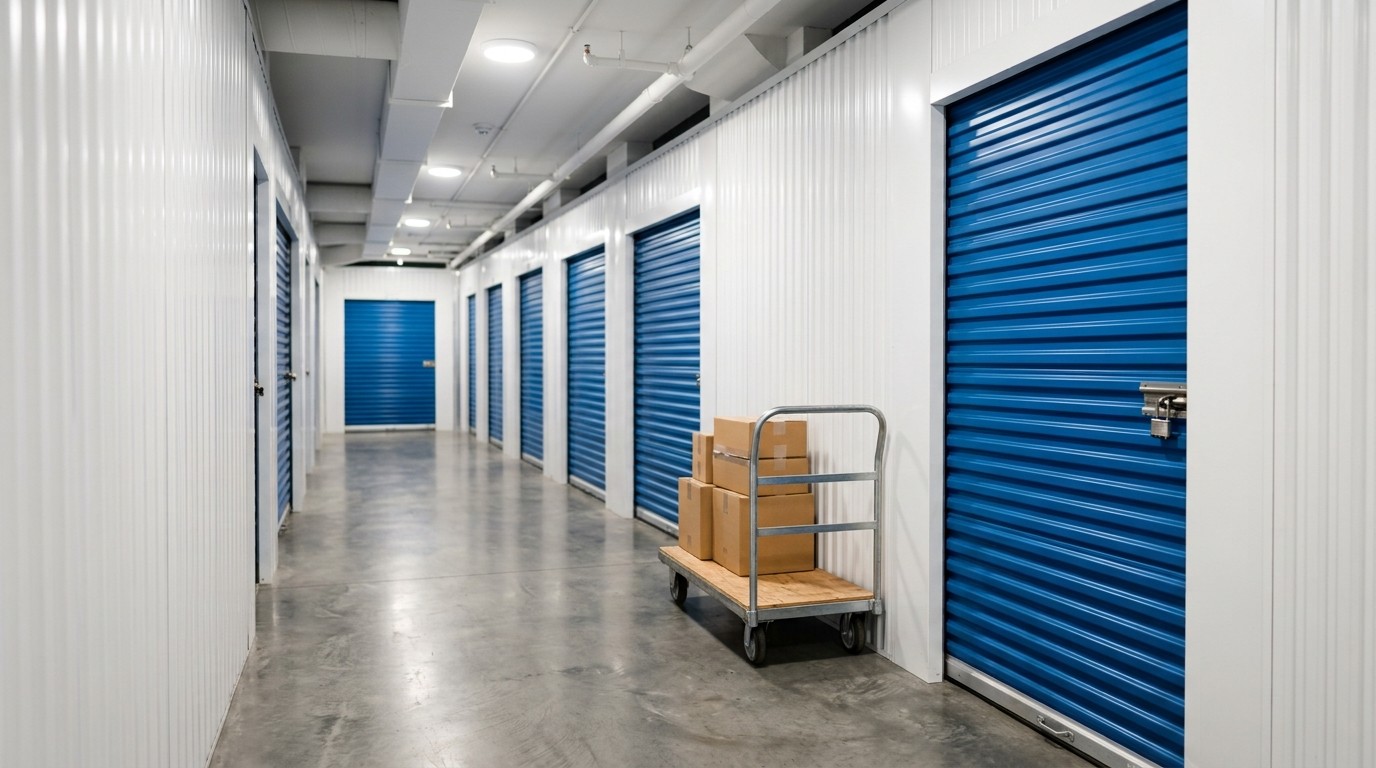
Indoor storage can provide a useful place for household belongings during a move, renovation, deployment, downsizing project, or other transition. Because these units are located within an enclosed building, they offer a different access and moving experience from exterior drive-up storage.
Some indoor units also include climate-controlled or heated features. These options may help reduce exposure to temperature swings and cold conditions, but they should not be treated as precise humidity-management systems or guarantees against damage.
Understanding unit features, building access, rental terms, and packing requirements can help you select storage that supports your plans.
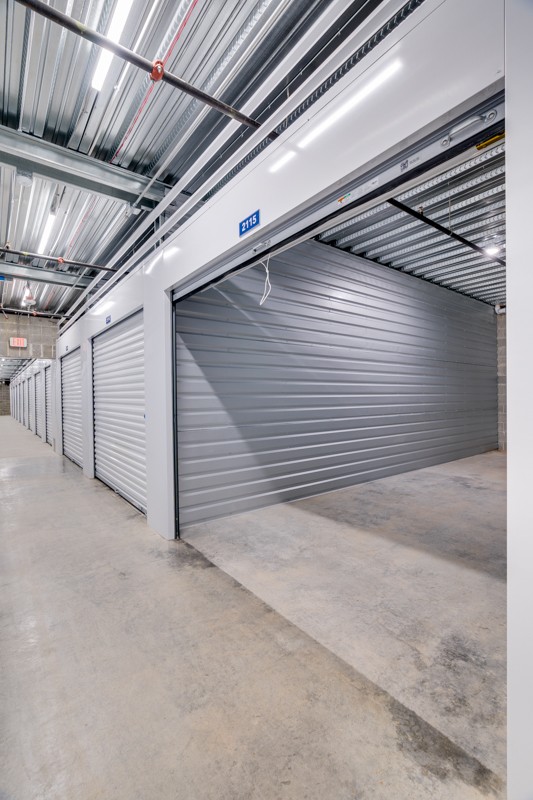
Indoor units are reached through interior hallways rather than directly from an outdoor driveway. Depending on the unit location, customers may use an elevator and available moving equipment to transport belongings through the building.
Drive-up units allow customers to park near the storage door, which can be convenient when moving bulky furniture, equipment, or a large number of boxes.
Neither option is automatically better for every renter. The right choice depends on the belongings, access preferences, move-in plan, and available unit features.
Everett has cool seasonal weather and frequent rainfall. Local averages available through Time and Date climate data provide useful background on the area's general conditions.
Outdoor weather information does not establish what conditions will be present inside a particular storage unit. Building construction, unit location, ventilation, heating, and other factors can affect the storage environment.
Climate-controlled and heated indoor units may help reduce exposure to temperature changes and colder conditions compared with an unconditioned space. They do not necessarily regulate humidity, and they cannot guarantee prevention of mold, corrosion, warping, odors, pests, or other damage.
Belongings should be clean and completely dry before move-in. Manufacturer guidance should also be reviewed for electronics, appliances, furniture, and specialized equipment.
Indoor storage can support a range of temporary and ongoing needs.
An indoor unit may provide room for furniture and boxes when closing dates, lease periods, or moving schedules do not align.
Grouping belongings by room can make the eventual move into a new home easier to manage.
Furniture, appliances, and household items may need to be removed from active work areas during a renovation.
Storage can also provide time to decide what will fit after moving into a smaller home rather than forcing rushed decisions during the transition.
Deployments, housing changes, and relocation orders can create uncertain timelines.
Month-to-month leasing may provide useful flexibility, although customers should still review billing dates, notice requirements, authorized contacts, and move-out procedures.
Compact indoor units may help with boxes, dorm-room belongings, seasonal clothing, and smaller furniture between leases or academic terms.
Indoor storage may be useful for permitted records, office equipment, packaged products, and compatible inventory.
Commercial customers should review the rental agreement and confirm that their materials do not require specialized storage conditions.
Interior hallways can reduce direct exposure to outdoor weather while belongings are being transported through the building.
This does not mean that vehicle unloading takes place inside or beneath a covered loading area. Customers should review the move-in route before arriving with furniture or bulky items.
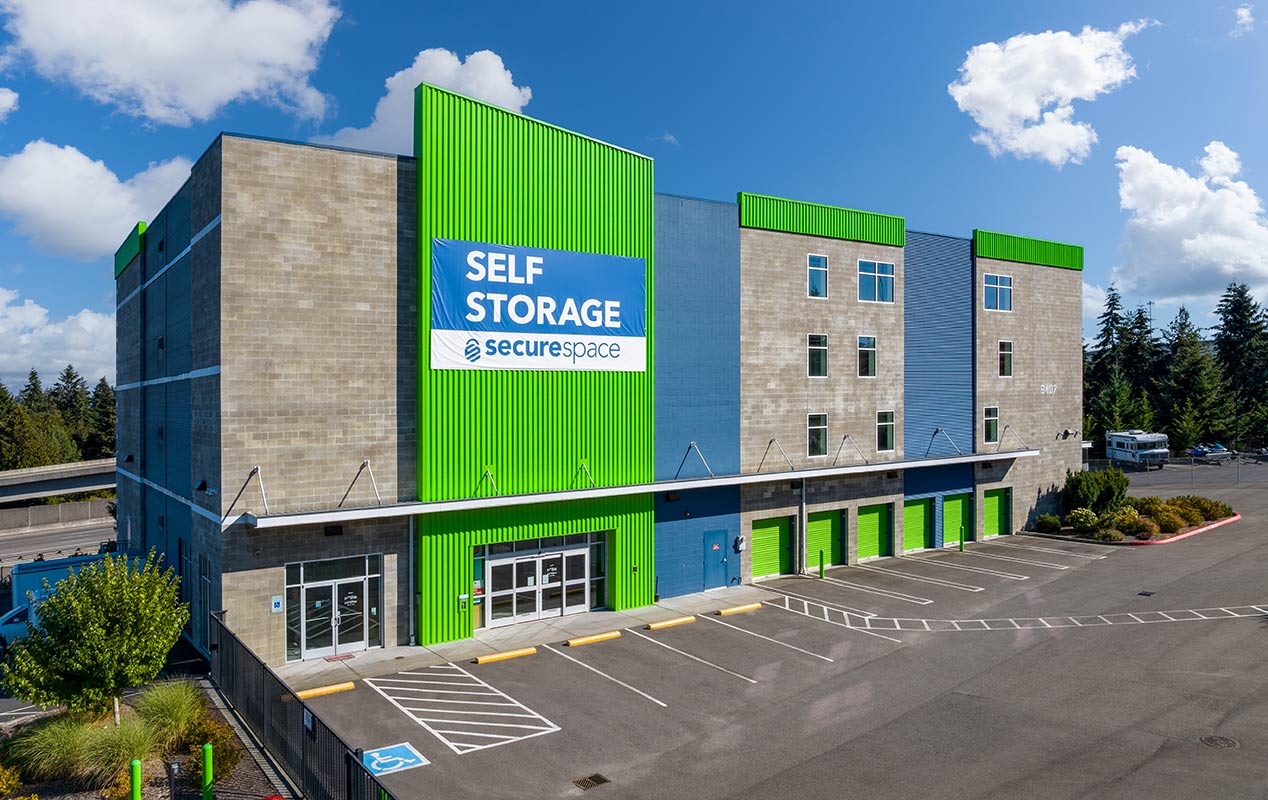
Climate-controlled and heated units are available at SecureSpace Everett.
Confirm the features of the specific unit before renting rather than assuming every indoor space includes the same conditions.
Elevator access is available for indoor units located away from the ground level.
Carts and dollies are also available to help move boxes and furniture through the facility.
Month-to-month leases can accommodate moves, renovations, deployments, and other situations with uncertain end dates.
Customers should read the agreement carefully because payment schedules, rate terms, and notice requirements still apply.
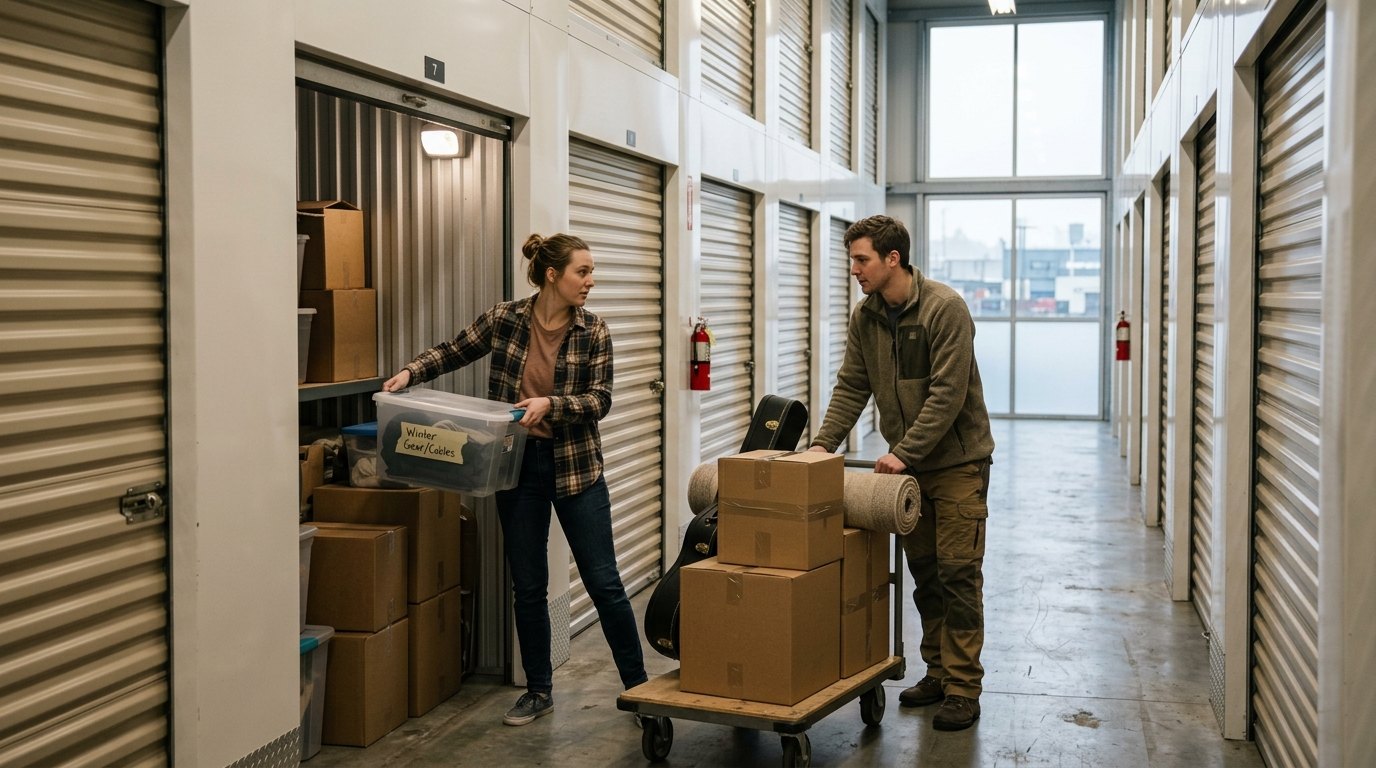
Indoor storage may be suitable for many ordinary household and business belongings, including:
Clean and dry furniture
Electronics prepared according to manufacturer guidance
Household appliances
Books and business records
Photographs
Clothing and household fabrics
Seasonal equipment
Permitted office supplies and packaged inventory
Items requiring tightly controlled temperature or humidity conditions may need specialized storage beyond what a self-storage unit provides.
Customers should also review the lease before storing anything regulated, hazardous, perishable, flammable, illegal, or otherwise restricted.
Begin with an inventory rather than choosing a unit based only on the number of rooms in a home.
Measure large furniture, appliances, shelving, and equipment. Estimate the number of boxes and decide whether you will need a walkway for regular access.
A compact unit may work for boxes, seasonal belongings, small furniture, household supplies, or dorm-room contents.
Vertical stacking can improve space use when containers are sturdy and compatible.
A medium unit may accommodate furniture and boxes from an apartment or several rooms of a home.
Leave frequently needed belongings near the entrance and avoid placing fragile containers beneath heavy items.
A larger unit may suit a substantial household move, renovation, or permitted business inventory.
Avoid automatically selecting more space than necessary. A measured inventory provides a better estimate than a general room-count comparison.
A storage size guide can provide a useful starting point, but the actual fit will depend on the dimensions and arrangement of your belongings.
Remove dirt, food residue, and moisture before packing.
Allow furniture, fabrics, appliances, and outdoor equipment to dry completely before placing them in storage.
Sturdy cardboard boxes and plastic bins can both be useful depending on the contents and expected rental period.
Avoid overloading containers or creating unstable stacks.
Disassemble furniture when practical and protect surfaces with suitable moving blankets or covers.
Follow material-specific care instructions and avoid wrapping that may trap existing moisture against a surface.
Label containers clearly and record where important belongings are placed.
Photographs of the packed unit can also help document the arrangement.
Place belongings you may need sooner near the entrance.
Leave a walkway when space allows so individual items can be retrieved without unloading most of the unit.
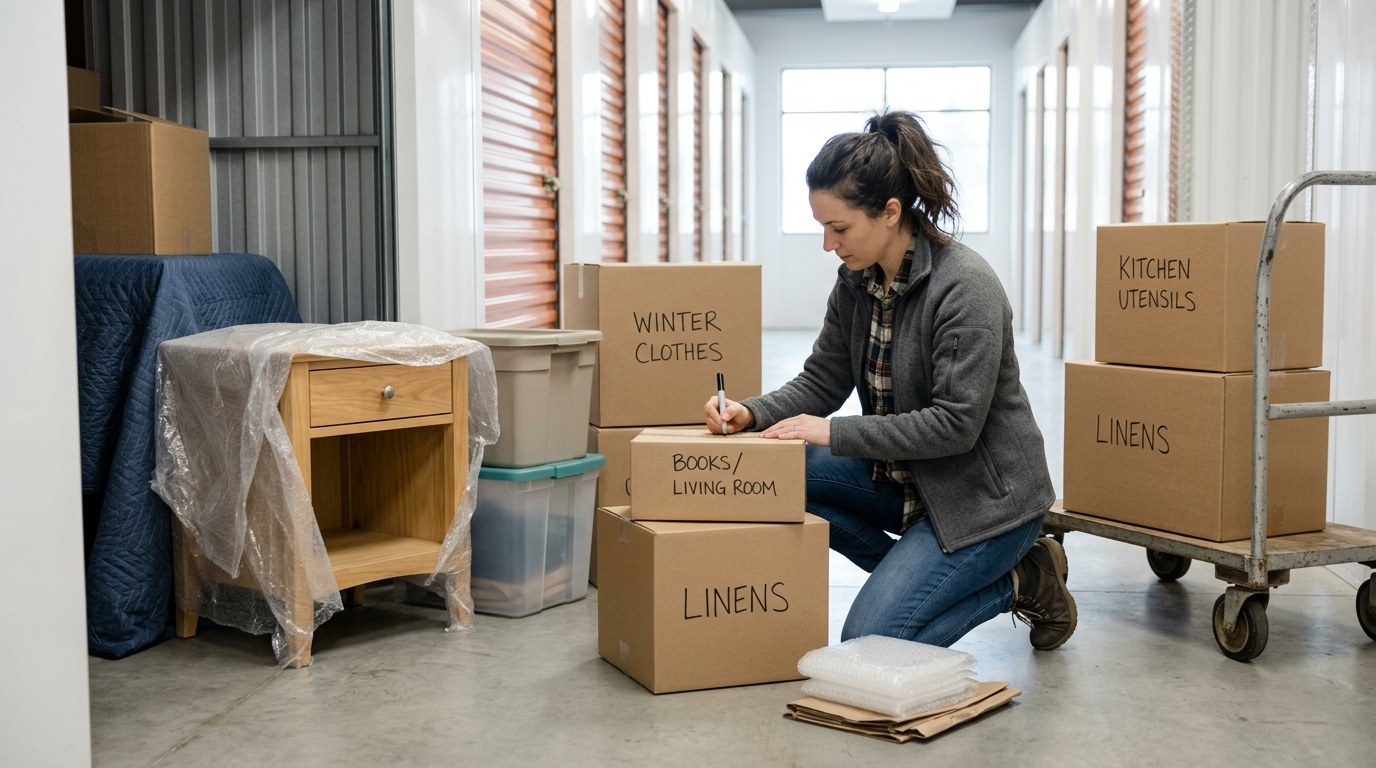
The expected rental period can affect how the unit should be packed.
For a short move or renovation, accessibility may be the priority. Group belongings by room, label boxes clearly, and keep essentials near the front.
For a longer rental, pay closer attention to container strength, furniture preparation, stacking stability, and inventory records.
The Self Storage Association provides broader industry resources, but packing and access decisions should still be based on the belongings in your specific unit.
Indoor storage should not be presented as inherently safe or guaranteed to prevent theft or damage.
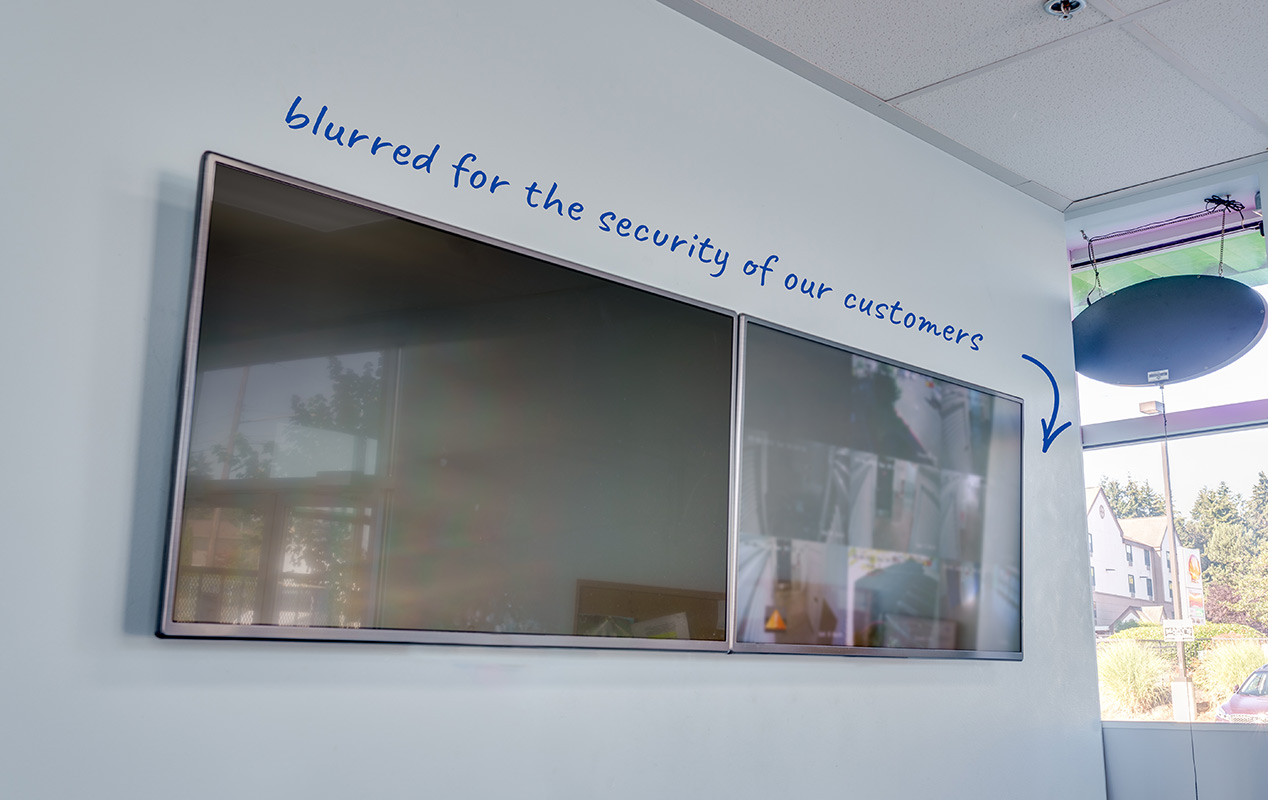
SecureSpace Everett includes an access gate, digital video recording, logged access, overnight surveillance, touchless computer-controlled access, and Turing-enabled monitoring.
These features support facility access and monitoring procedures but do not guarantee a particular outcome.
Customers should also use a quality lock, maintain an inventory, review applicable coverage requirements, and protect their access credentials.
Review the facility's gate schedule before planning a move or regular visits.
SecureSpace Everett provides access throughout the day and into the evening. Manager hours are separate from the unit-access schedule.
Online rental, online payments, touchless move-in, and electronic payment options are available.
Customers should follow the instructions for the selected unit rather than assuming every rental provides immediate access or a completely remote process.
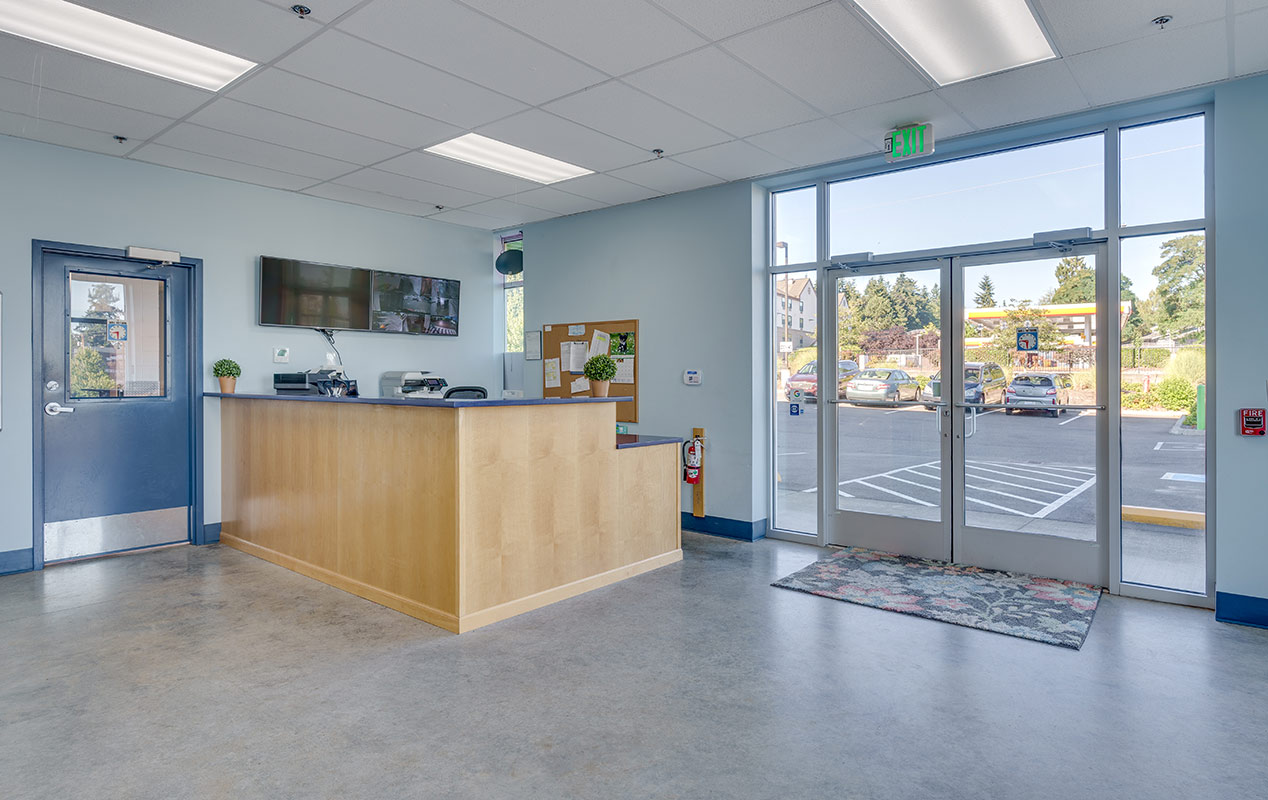
Basic moving and packing supplies are available through the leasing office.
Availability of a particular product can change, so check before relying on the facility for a specific item.
Self-storage demand and availability can shift with local moves, housing transitions, and seasonal activity. Broader self-storage market research can provide industry context, but current inventory at an individual property should always be checked directly.
No. Indoor access and climate control are separate features.
Confirm whether the selected unit is climate controlled, heated, or standard before completing the rental.
Not necessarily. Climate-controlled storage should not automatically be described as humidity controlled.
Customers needing specific environmental conditions should review their item requirements and the features of the selected unit.
Indoor and drive-up units have different access arrangements, but neither option can guarantee protection against theft, loss, or damage.
Review the facility's specific security features and choose the unit type that fits your moving and access needs.
Create an inventory, measure bulky belongings, and estimate the space needed for boxes and an access path.
The appropriate size depends on the actual volume and arrangement of the items.
Online rental and touchless move-in options are available.
Identification, payment, and access steps may vary depending on the selected unit.
Facilities commonly restrict hazardous materials, flammable substances, perishable food, plants, animals, illegal property, and other unsafe items.
Review the rental agreement for the complete restrictions before move-in.
Indoor storage can provide enclosed building access, elevator availability, and optional climate-controlled or heated features for compatible belongings.
Before renting, review the selected unit's features, access arrangement, current pricing, and lease terms. Visit SecureSpace Everett to see current indoor storage availability.
Everything you need to store your belongings securely, on your schedule.
Visit us online