Last updated Aug 12, 2026
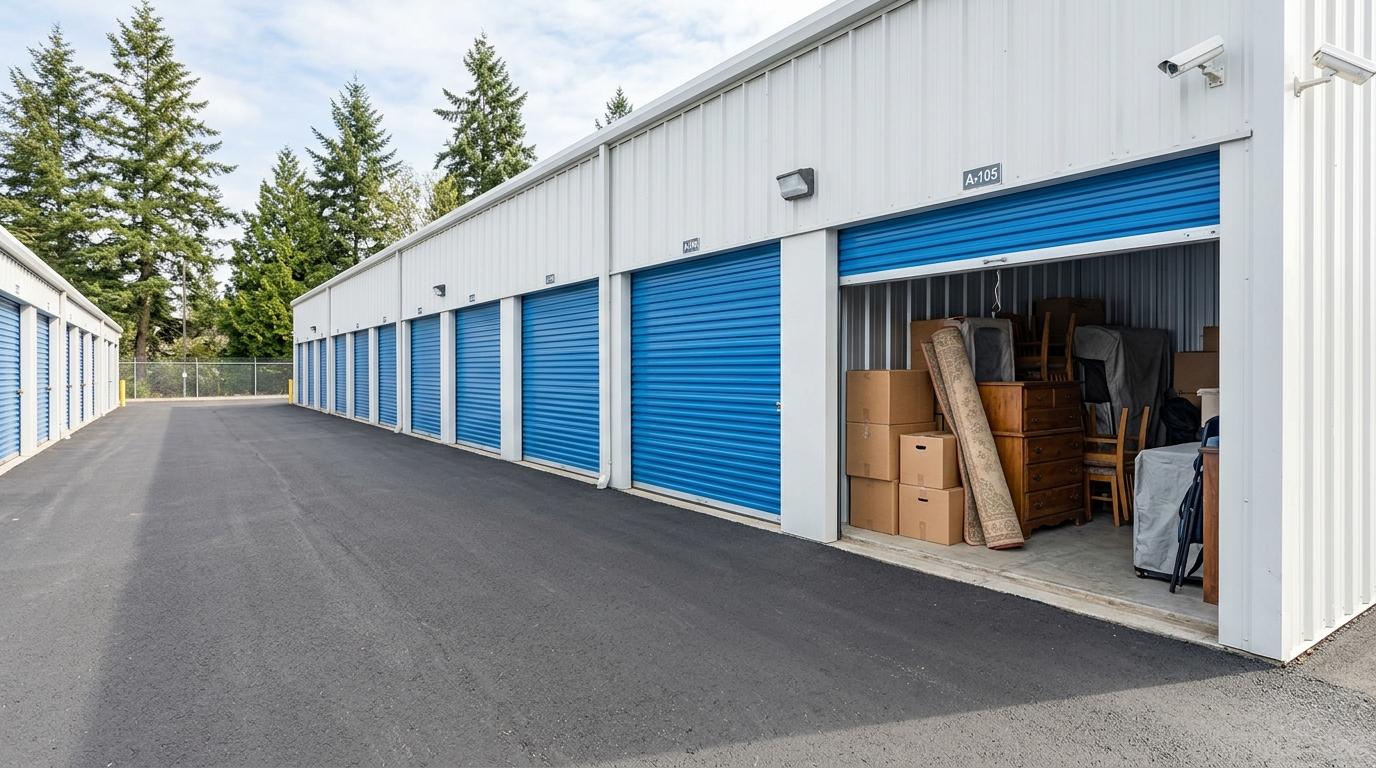
Finding space in Seattle is hard. The city sits between Puget Sound and Lake Washington, and many neighborhoods are dense, expensive, and short on extra room. For homeowners, renters, sellers, and small business owners, a larger storage unit can help when a closet, garage, or spare room is no longer enough.

Whether you're remodeling a Ballard bungalow, staging a Capitol Hill condo, clearing out a family home, or storing extra business inventory, the right unit can take pressure off your living or work space. This guide breaks down what larger storage units can hold, what affects pricing in Seattle, and how to choose a size that matches your situation without paying for space you do not need.
Large storage units are usually the next step up from small closet-style units. For many renters, that means starting around a 10x10 and moving into larger spaces when furniture, equipment, or business inventory require more room.
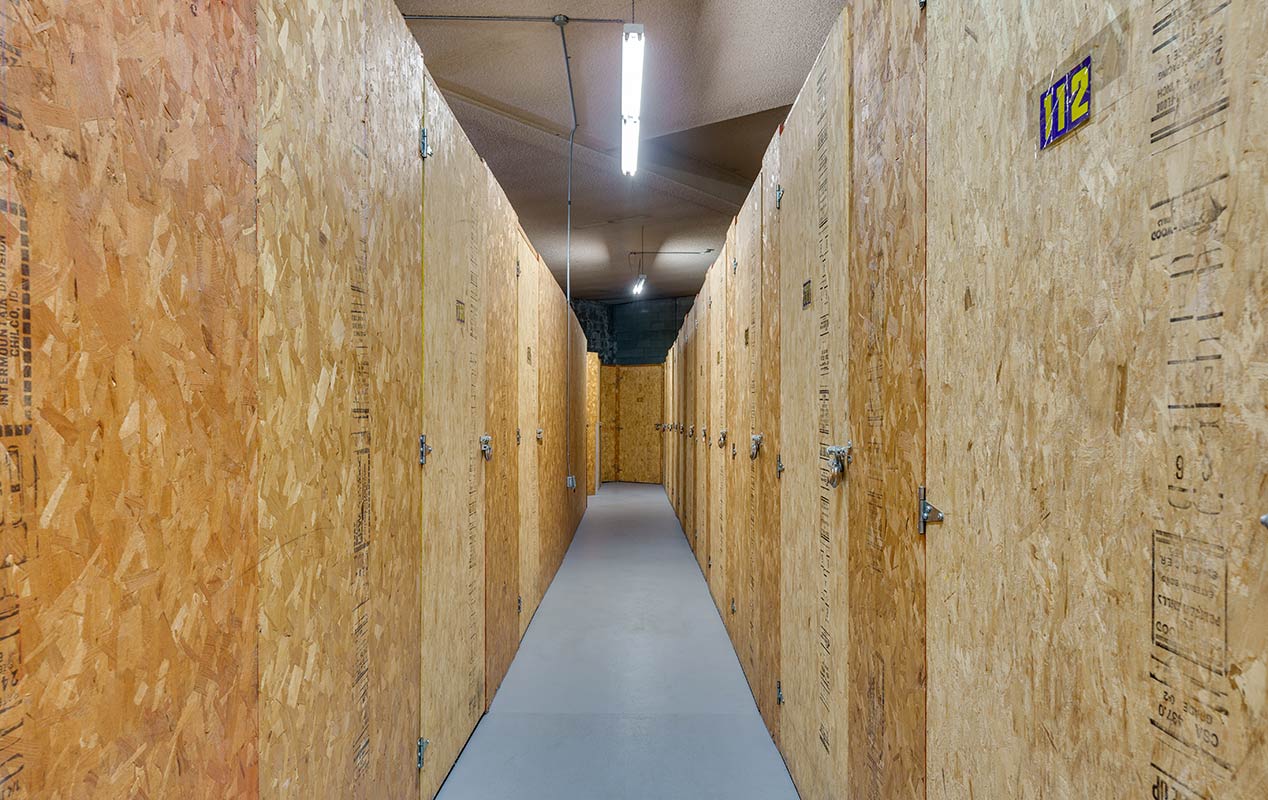
A 10x10 unit gives you 100 square feet of floor space. It can work for one-bedroom apartment overflow, furniture, boxes, seasonal items, or small business supplies, depending on how items are packed.
A 10x25 unit offers substantially more room for larger household storage needs, remodel overflow, business inventory, or bulky furniture. Availability varies by facility, so check current unit options before planning around this size.
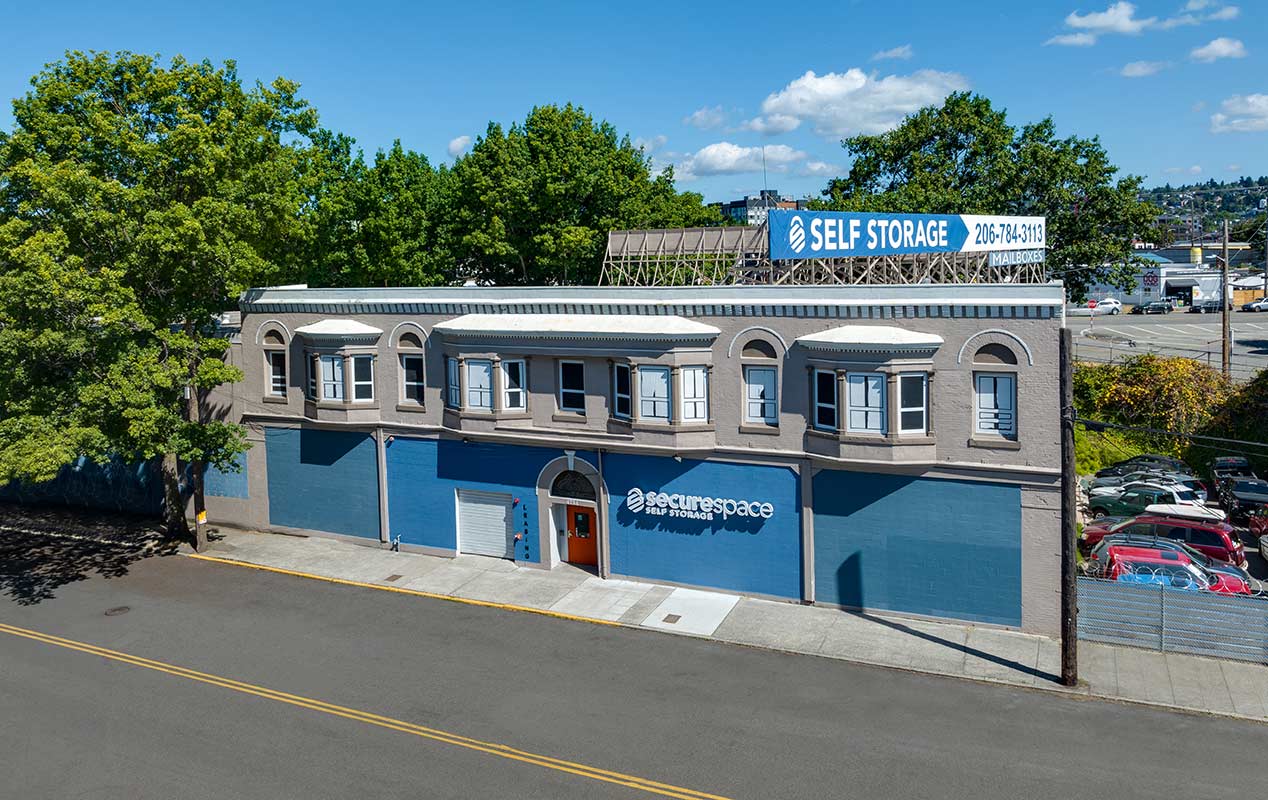
Some Seattle-area storage facilities may offer other large-unit sizes, such as 10x15, 10x20, or 10x30. Those can be useful market comparisons, but exact availability depends on the facility. If you're looking at SecureSpace Self Storage in Seattle, review current available unit sizes on the Seattle storage page before reserving.
If you're stuck between two sizes, start with your largest items first. A sofa, mattress set, shelving unit, dining table, or bulky business equipment will determine the minimum space you need more accurately than box count alone.
Prices generally rise with square footage, and larger units can carry a premium because they take up more space inside a facility. Market context from RentCafe and StorageCafe shows how larger storage spaces can support inventory and overflow needs, especially in dense markets.
Seattle-specific supply also matters. RadiusPlus points to measured supply and steady demand in the Seattle self-storage market, while Matthews offers broader Pacific Northwest storage-market context.
For renters, the practical takeaway is simple: use market numbers as context, not as a guaranteed rate. Current pricing depends on location, unit size, features, availability, access setup, and promotions.

When comparing larger units, ask about:
Base monthly rent
Current move-in promotions
Insurance or proof-of-coverage requirements
Administrative fees
Lock requirements
Taxes or other charges
Access hours
Month-to-month terms
Rate-change notice policies
The monthly rate after any promotion ends
Large-unit availability can change, so check current inventory once your move, remodel, or project timeline is clear.
Most people rent a larger unit because something significant is happening: a remodel, a move, a home sale, an estate cleanout, or a business growth phase. These are some of the most common use cases.
Seattle homeowners often use storage during renovations because furniture, appliances, boxes, and household items need to be out of the way before work begins. With Seattle home prices remaining high, Maggie Sun Real Estate provides useful context on the local housing market and why some owners choose to improve existing homes rather than move.
Renovation budgets can also be substantial. The W Report notes that Seattle renovation costs have risen in recent years. During a remodel, a larger storage unit can help hold furniture, boxes, tools, fixtures, or appliances while work is underway.
For remodel storage, choose the size based on the rooms being cleared. A kitchen remodel may need less space than a whole-home flooring project, while a multi-room renovation may require a larger unit with room to access items during the project.
If you're preparing a home or condo for sale, storage can help reduce clutter before photos, showings, and open houses. Seattle condo and housing conditions can shift over time; local market reporting from Jeff Reynolds Seattle and broader coverage from Realtor.com show why sellers often pay close attention to presentation.
Staging advice varies, but FastExpert notes that clearing excess items can help buyers focus on the home itself. A short-term, month-to-month storage rental can give sellers a place for extra furniture, boxes, seasonal items, and personal belongings while the property is on the market.
Clearing out a family home can take time. A larger unit can provide a temporary place for furniture, household goods, boxes, and keepsakes while relatives sort, donate, sell, or distribute items.
For estate cleanouts, organization matters more than simply filling the unit. Label boxes clearly, group items by room or recipient, and leave a path so family members can reach items without unpacking everything.
Seattle's location makes it easy to collect outdoor gear: skis, snowboards, bikes, camping supplies, climbing equipment, paddles, tents, and seasonal clothing can quickly overwhelm an apartment or garage.
A larger unit may help if you have bulky gear, but fit still depends on exact dimensions. Measure longer items before renting, especially bikes, boards, racks, and oversized gear. If an item is longer than the unit's usable wall space, you may need a different size or layout.
Seattle business owners may use storage for inventory, displays, marketing materials, tools, archived records, packaging, or seasonal supplies. Urban Storage discusses how storage can support small businesses in the Pacific Northwest, and StorageCafe discusses storage as a flexible option for e-commerce inventory.
A storage unit should be used for storing business property, not as a storefront, staffed workspace, workshop, fulfillment center, or customer meeting place. Before planning around business use, confirm facility rules for inventory, deliveries, access, and prohibited items.
Big units often mean heavier, bulkier, or more valuable items. Instead of chasing a long feature list, focus on what will actually affect move-in, access, and organization.
Heated indoor storage can be useful in Seattle, especially during colder months. It keeps belongings inside a building and may reduce exposure to colder conditions compared with non-heated spaces.
Even so, preparation matters. Make sure furniture, fabrics, business inventory, and outdoor gear are clean and fully dry before storage. Use sturdy containers, avoid damp cardboard, and follow facility rules for appliances, liquids, batteries, food, and prohibited items.
Large-unit move-ins take planning. Before renting, confirm how loading works at the facility. Ask about parking, elevator access, carts or dollies, access hours, and move-in instructions.
Do not assume a facility has drive-up access, covered loading, freight elevators, or space for large trucks unless those features are clearly listed for that location.
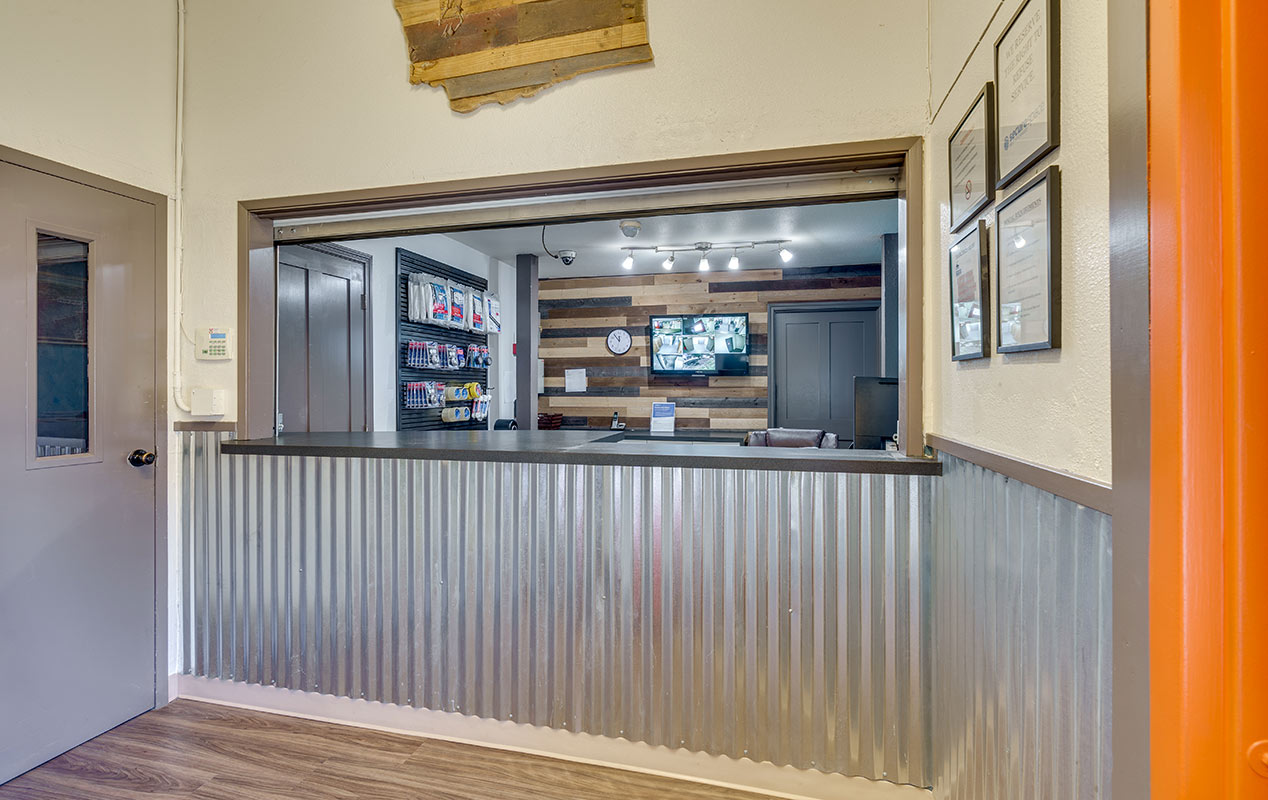
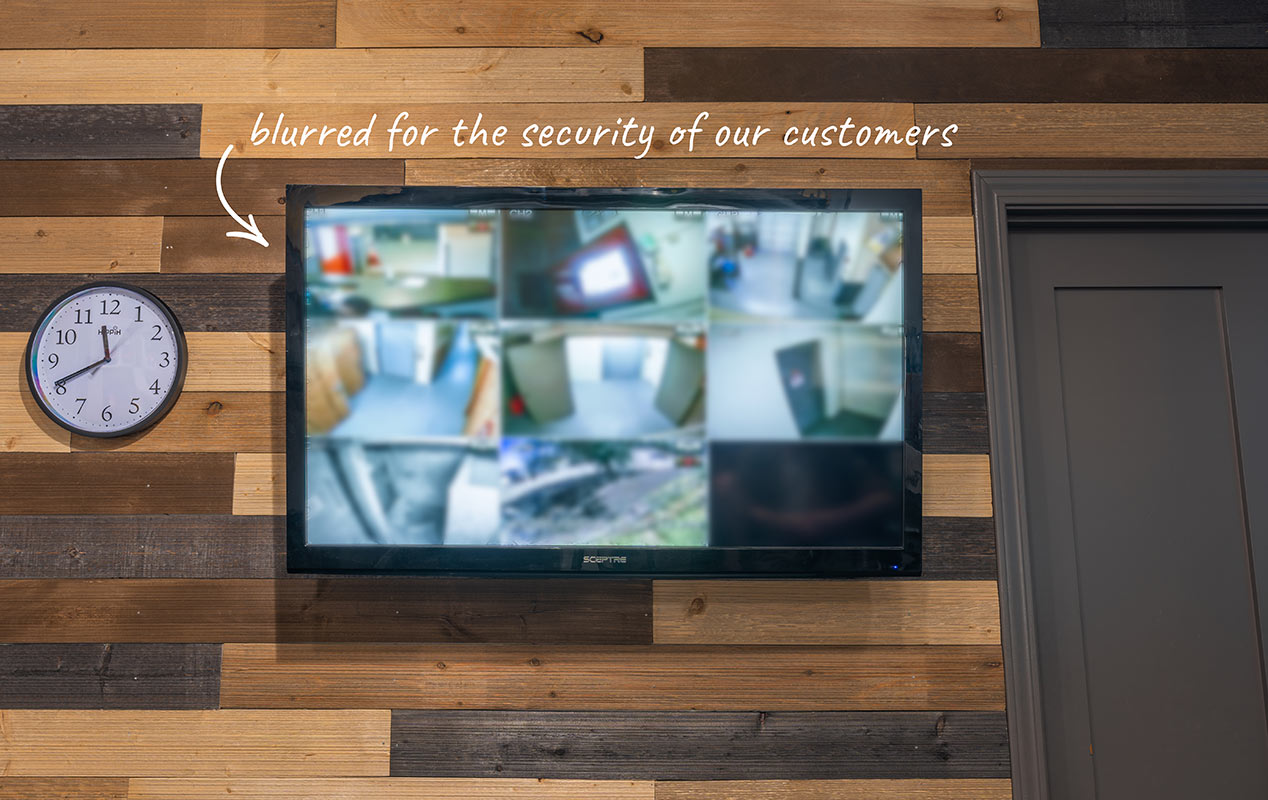
Review the facility's listed security features, access procedures, and coverage options before renting. Depending on the location, useful features may include digital video recording, logged access, posted access procedures, and staff availability.
You can also take practical steps: use a quality lock where applicable, keep an inventory, photograph stored items, save serial numbers for equipment, and review insurance or business-property coverage.
Larger storage needs often come from unpredictable timelines. Renovations run long, home sales shift, and inventory needs change with the season. Month-to-month leases can help keep storage flexible, but always review billing, move-out notice, and promotion terms before signing.
Picking a size comes down to translating your belongings into a workable layout. A little planning helps avoid renting too much space-or not enough.
Measure sofas, mattresses, appliances, shelving, dining sets, bikes, and bulky equipment first. These items determine the minimum unit size and whether you will need room for a walkway.
For a remodel, group items by room. For staging, separate what stays in the home from what goes into storage. For business storage, divide inventory, supplies, records, and equipment so frequently used items stay near the front.
If you need to retrieve items during storage, leave a walkway or at least keep a clear front section. A slightly larger unit may be easier to use if you'll visit often.
Larger units may not be available at every facility. Once your timeline is set, review current inventory and reserve the size that fits your move, project, or business need.
If you're unsure, use a storage size guide or contact the facility with your item list. Give dimensions for large items instead of only saying "three-bedroom house" or "business inventory," since layouts vary.
It depends on the exact unit size and your items. A 10x10 may work for one-bedroom apartment overflow, while a larger unit may be better for multi-room furniture, remodel storage, estate sorting, or business inventory. Measure large pieces before choosing.
Prices vary by size, location, availability, features, and promotions. Use local market reports as a general snapshot, then check live rates and full move-in costs before renting.
Some large units may be heated indoor spaces, depending on the facility and current availability. Review the specific unit details before reserving, and store items clean, dry, and properly packed.
You can use a storage unit for business items such as inventory, supplies, records, tools, or packaging if allowed by facility rules. You should not use it as a staffed workplace, retail storefront, workshop, fulfillment center, or customer pickup location unless the facility explicitly permits that use.
Reserve once your timeline is clear. Larger units can have more limited availability than small units, especially during busy moving seasons, renovations, or home-sale timelines.
A 10x10 gives you 100 square feet and may work for apartment overflow, furniture, and boxes. A 10x25 offers much more room for larger household storage needs, business inventory, or bulky items, depending on availability and facility rules.
Large storage can be useful when life temporarily creates more stuff than your home, garage, or workspace can handle. Whether you're remodeling, preparing a home for sale, sorting an estate, or storing business inventory, focus on the unit size, access setup, rental terms, and current availability.
Ready to review larger storage options? Browse large storage units in Seattle at SecureSpace and choose a space that fits your next move.
Everything you need to store your belongings securely, on your schedule.
Visit us online