Last updated Aug 12, 2026
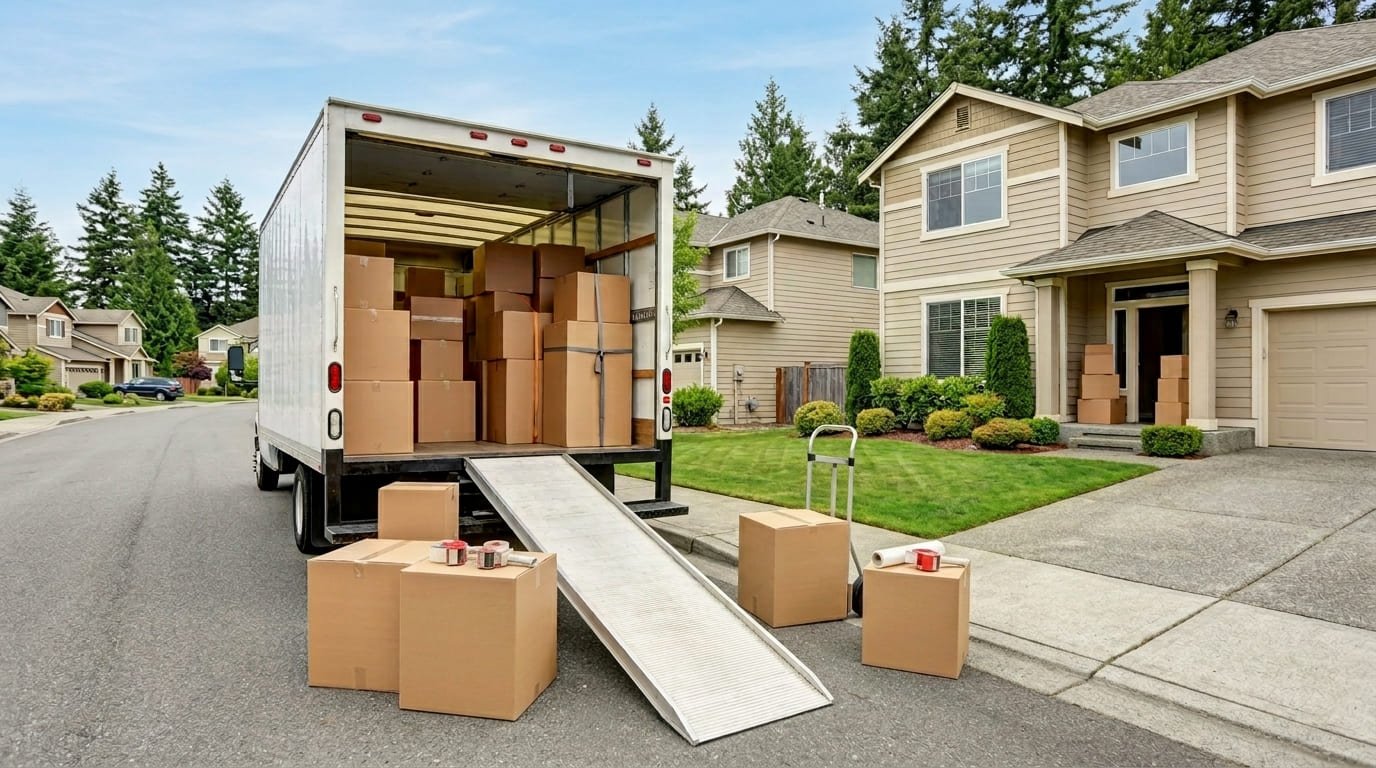
Hiring a moving company is one of the most important decisions in a relocation. The right mover can keep the process organized, while unclear estimates, incomplete credentials, or poorly defined services can create delays and unexpected costs.
Federal Way residents may be moving between apartments near Pacific Highway South, relocating to a Twin Lakes home, downsizing, or arriving from another state. Regardless of the route, the selection process should begin with licensing, written estimates, and a clear understanding of who will actually transport the belongings.
This guide explains how to evaluate moving companies serving Federal Way, compare estimates, identify common warning signs, and use temporary storage when move-out and move-in dates do not align.
A mover should be evaluated on more than star ratings or the lowest advertised price. Licensing, insurance, written documentation, communication, and relevant experience all matter.
According to the Washington Utilities and Transportation Commission (UTC), household-goods movers operating within Washington must hold the appropriate permit and follow state consumer-protection requirements.
Before booking a local or intrastate move:
Confirm that the mover has an active UTC permit.
Verify the company's legal name and business address.
Review any available complaint or enforcement information.
Make sure the company name on the estimate matches the licensed business.
Ask whether the crew and truck belong to the company or another carrier.
A company advertising moving services without the required authorization should not be treated as a legitimate alternative simply because it offers a lower price.
For a move that crosses state lines, use the Federal Motor Carrier Safety Administration (FMCSA) mover search tool to review a company's USDOT registration, operating authority, business type, and complaint information.
The database can also help determine whether the company is:
A motor carrier that transports belongings
A broker that arranges transportation
A freight forwarder
Registered but not authorized to transport household goods
A broker is not the same as the moving company that will load and transport the shipment. Ask for the name and registration details of the actual carrier before agreeing to an interstate move.
A verbal quote is not enough for a significant household move. Request a written estimate that identifies the services, inventory, labor, transportation, and additional charges included in the price.
The estimate should address:
Pickup and delivery locations
Estimated inventory
Crew size
Truck size
Hourly or shipment-based pricing
Travel time
Packing services
Materials
Stairs or long carrying distances
Large or unusually heavy items
Storage between addresses
Valuation or coverage options
Tell the mover about access conditions at both properties. An estimate based on incomplete information may change when the crew encounters stairs, restricted parking, elevators, narrow hallways, or additional belongings.
A lower estimate may exclude services included in another company's price.
When comparing quotes, determine whether each mover includes:
Furniture wrapping
Basic disassembly and reassembly
Wardrobe boxes
Mattress protection
Travel time
Fuel or transportation charges
Equipment fees
Minimum billable time
Overtime
Packing materials
Valuation coverage
Ask the company to explain any unclear charge before signing.
Online lists often describe certain movers as the "best" based on reviews, sponsored placements, or information supplied by the businesses themselves.
Instead of relying on a ranking alone, verify each company independently.
Read recent feedback across more than one platform. Pay attention to recurring comments about:
Estimate accuracy
Arrival times
Communication
Property damage
Claims handling
Billing disputes
Crew professionalism
Delivery delays
Last-minute cancellations
A high average rating does not automatically verify licensing, operating authority, or the terms offered for a specific move.
Ask whether the company will use its own employees and vehicles. When another carrier or subcontractor may be involved, request that company's name and credentials before paying a deposit.
An estimate that is substantially lower than every other quote may be incomplete.
Warning signs can include:
Refusal to provide a written estimate
A large cash deposit
Missing license information
No physical business address
Pressure to book immediately
Blank or incomplete documents
Estimates based on very limited inventory information
A company answering the phone under several business names
Unclear explanations of whether it is a broker or carrier
Do not sign paperwork containing blank sections or terms you do not understand.
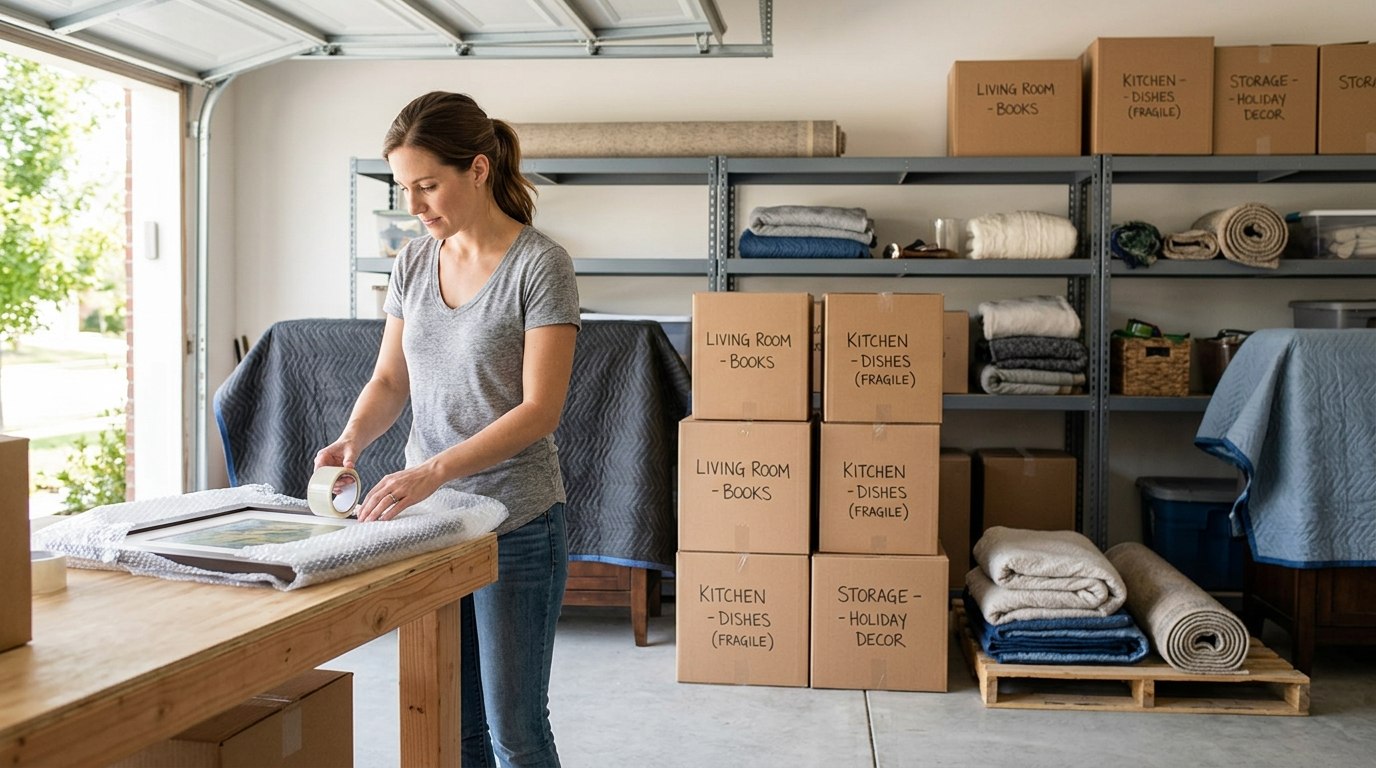
The appropriate verification process depends on where the move begins and ends.
For a move entirely within Washington, verify the mover through the UTC. Ask for a written estimate and retain copies of the estimate, inventory, bill of lading, receipts, and other documents.
For an interstate move, use FMCSA resources to confirm that the mover or broker is properly registered and that the carrier has authority to transport household goods.
Read the required consumer information before moving day and understand whether the estimate is binding or non-binding.
A broker arranges transportation but does not necessarily own trucks or employ the crew that will complete the move.
Before using a broker:
Verify its federal registration.
Ask for the carrier's name.
Confirm the carrier's registration separately.
Review the cancellation and deposit terms.
Determine who handles damage or delivery complaints.
Keep all written communications.
Moving costs vary too much for one hourly rate or apartment-size estimate to apply to every household.
The final cost may depend on:
Distance
Number of movers
Amount of property
Packing services
Property access
Stairs or elevators
Long carrying distances
Heavy or specialty items
Moving date
Travel time
Storage requirements
Additional stops
Coverage selections
A local move may be priced by time, while an interstate move may use shipment weight, volume, distance, or other factors.
Request estimates from multiple properly authorized companies. Compare the actual services included rather than choosing solely by the lowest total.
A short conversation can reveal whether the mover provides clear, consistent answers.
Ask:
Keep the answers in writing whenever possible.
Local conditions can affect loading, transportation, and scheduling.
I-5, Pacific Highway South, and surrounding roads may experience congestion, collisions, construction, or weather-related delays.
Ask the mover how travel time is billed and whether the crew plans routes before departure. Check current road conditions close to moving day rather than relying on an old construction schedule.
Rain may complicate loading and unloading. Keep tarps, towels, floor protection, and suitable furniture covers accessible.
Ask what protection the mover provides and which materials carry an additional charge.
Confirm:
Elevator reservations
Loading-zone rules
Parking permits
Move-in hours
Insurance-certificate requirements
Hallway or floor-protection rules
Building access procedures
Complete these arrangements before the truck arrives.
Rules vary by property and association. Review any restrictions involving commercial vehicles, loading hours, street access, noise, or temporary containers.
Do not assume the same rules apply throughout an entire Federal Way neighborhood.
Storage is not necessary for every move, but it may be useful when:
A lease ends before the next home is available.
A closing date changes.
Renovations delay move-in.
A household is downsizing.
Belongings are being moved in stages.
Furniture must be removed before listing a home.
Temporary housing cannot accommodate a full household shipment.
Ask the mover whether storage is provided directly or through another company. Review access rules, pricing, coverage, and retrieval procedures before allowing belongings to be transferred into storage.
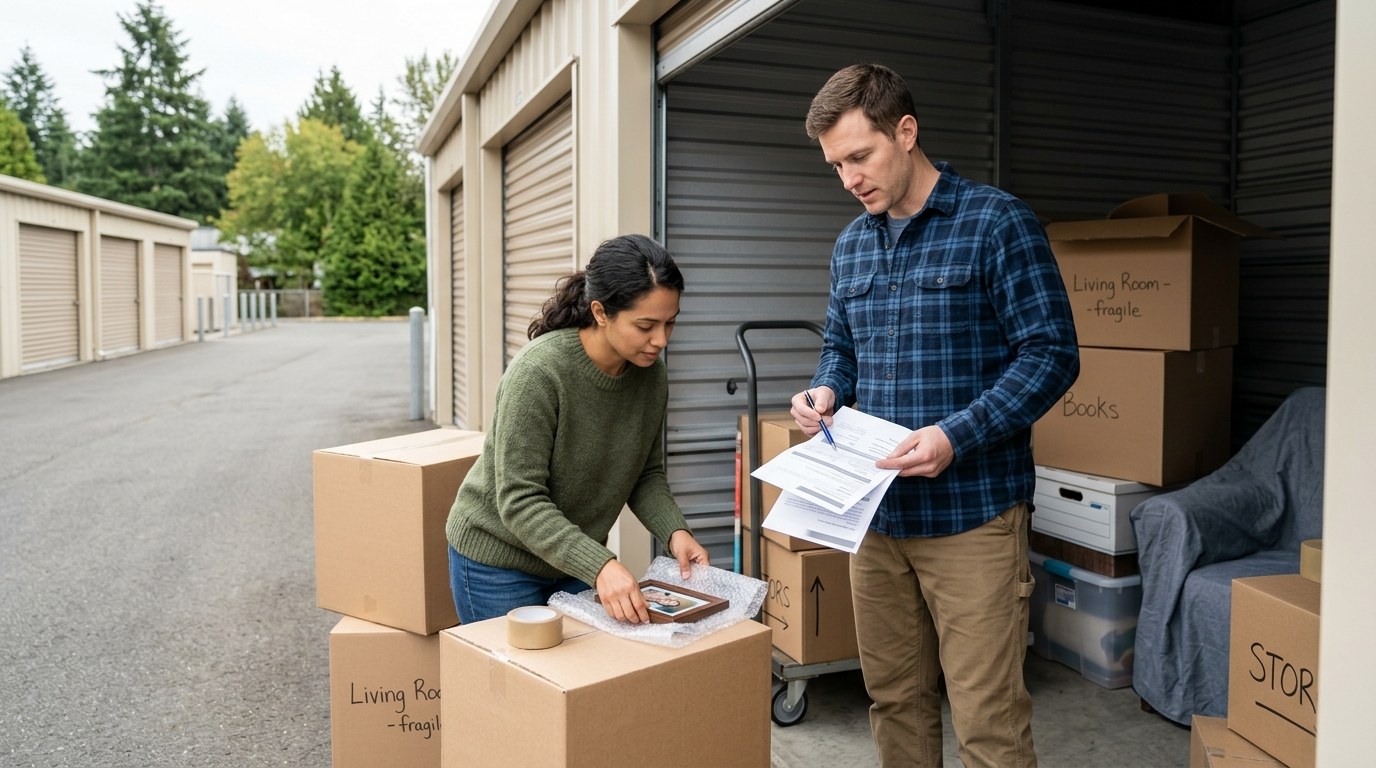
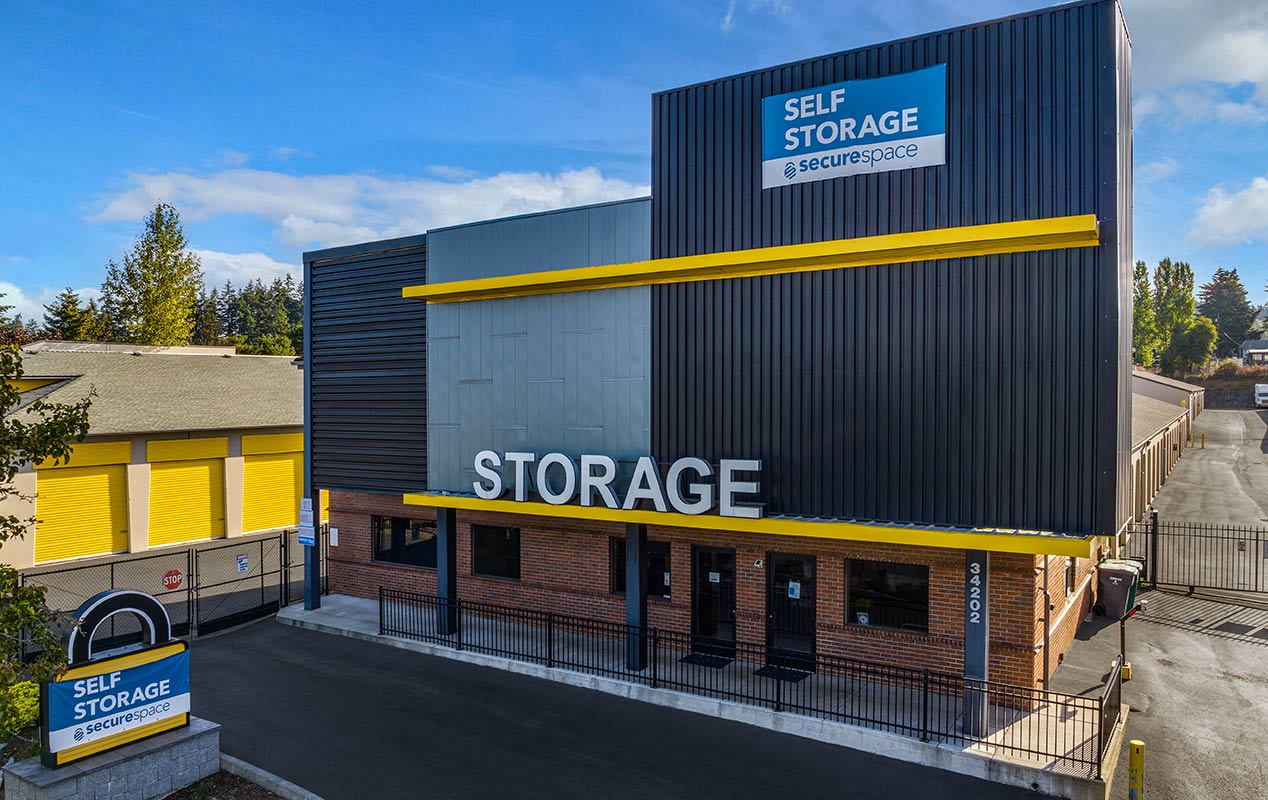
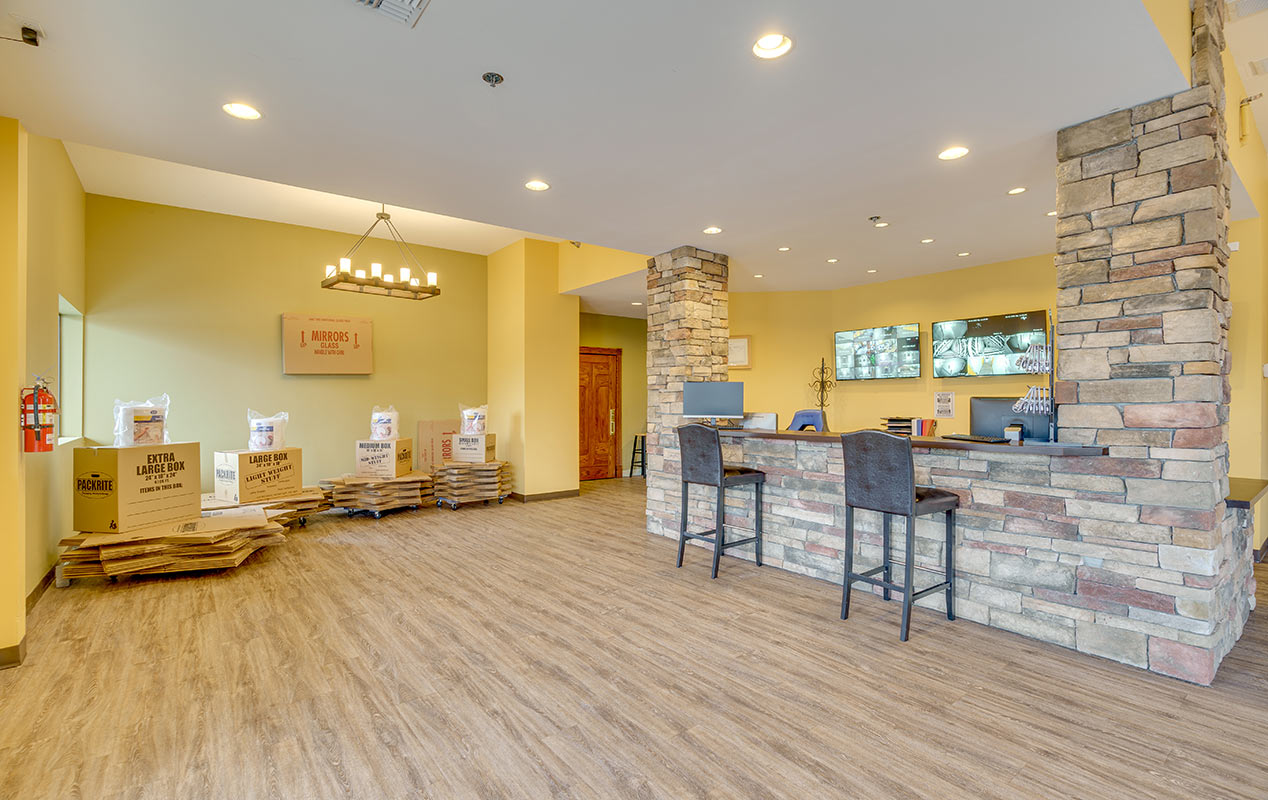
SecureSpace Self Storage Federal Way is located at 34202 16th Ave S and offers standard, non-climate-controlled self storage.
Primary unit sizes include:
5x5
5x15
10x10
10x15
10x20
10x25
10x30
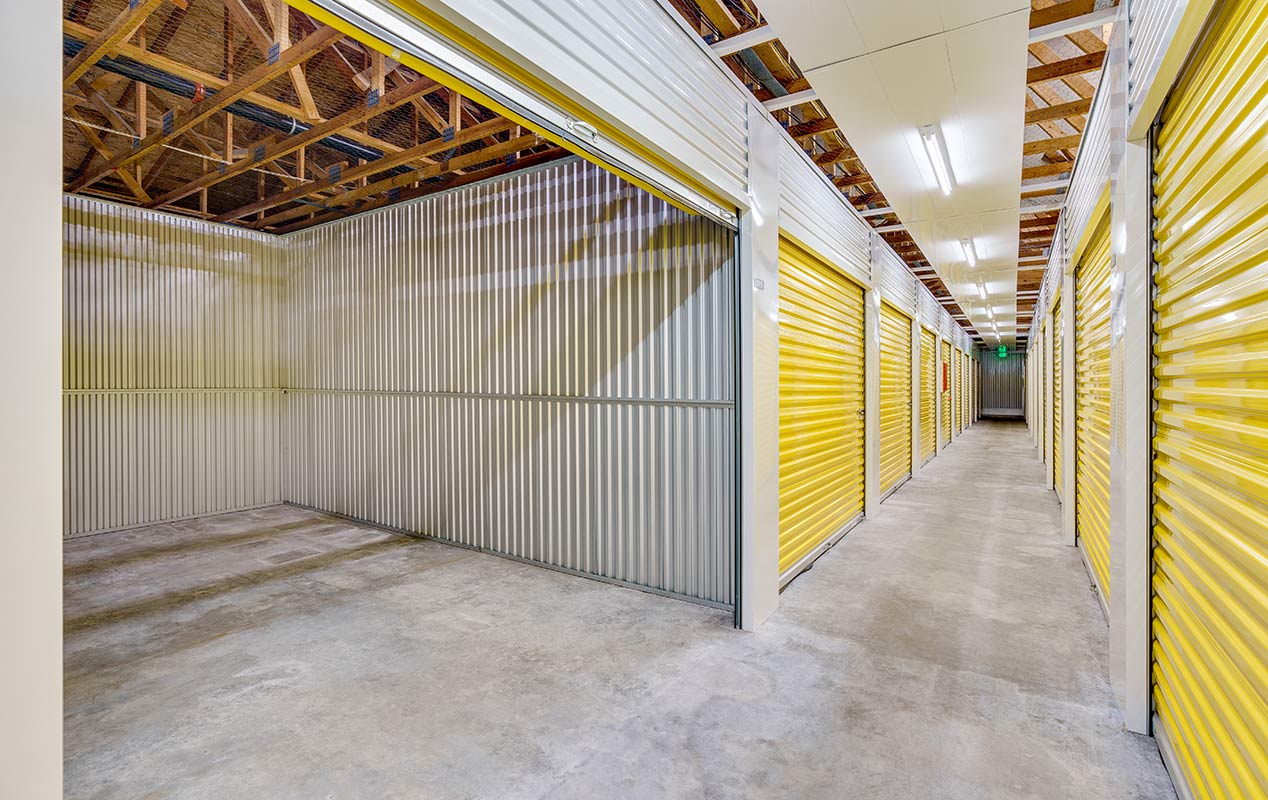
Selected units provide drive-up access, which can reduce carrying distance for furniture, boxes, and permitted household belongings. Vehicles cannot be stored inside drive-up units.
The property also offers eligible uncovered outdoor parking for cars, motor vehicles, RVs, and boats. Parking depends on dimensions, documentation, facility rules, and availability. Covered and trailer parking should not be assumed.
Gate access is available daily from 6:00 a.m. to 9:00 p.m.
Facility security features include:
An access gate
Digital video recording
Overnight surveillance
These features cannot guarantee protection from theft, loss, or damage. Customers should use a compatible lock, maintain an inventory, photograph higher-value belongings, and review applicable coverage.
The facility does not provide:
Carts or dollies
An elevator
Covered loading
A loading dock
Semi-truck access
Moving-pod staging
Bring the moving equipment, protective covers, and lifting assistance needed for unloading.
Month-to-month leases, online payments, and ACH or credit card payment plans are available. Review the rental agreement for billing dates, access rules, rate adjustments, prohibited items, notice requirements, and move-out procedures.
Use the Washington Utilities and Transportation Commission's resources to confirm that a household-goods mover has an active permit. Verify the company's legal name and make sure it matches the estimate and moving documents.
Use FMCSA's mover search tool to review the company's USDOT registration, operating authority, business type, and complaint information.
No. A broker arranges transportation but does not necessarily own trucks or employ the crew. Verify both the broker and the carrier that will transport the shipment.
Yes. Multiple written estimates make it easier to compare pricing, included services, and potential additional charges.
Not automatically. Review licensing, services, exclusions, complaint information, and estimate terms before comparing the final prices.
Availability varies by company, move size, date, and service type. Begin contacting movers early enough to verify credentials, obtain written estimates, and complete any building or parking arrangements.
No. The facility provides standard, non-climate-controlled storage.
Yes. Selected units offer drive-up access, subject to current availability.
No. Vehicles cannot be stored inside the storage units.
Eligible cars, motor vehicles, RVs, and boats may qualify for uncovered outdoor parking, subject to documentation, dimensions, rules, and availability.
No. Customers should bring their own carts, dollies, or other moving equipment.
Gate access is available daily from 6:00 a.m. to 9:00 p.m.
Yes. Customers should review the rental agreement for billing, rate adjustments, notice requirements, and move-out terms.
A reliable moving plan starts with independent verification. Check the mover's authorization, request a detailed written estimate, confirm who will transport the shipment, and retain copies of every document.
When moving dates or available space do not align, check unit availability and reserve your space today.
Everything you need to store your belongings securely, on your schedule.
Visit us online