Choosing a Moving Company in Homestead, FL
Last updated Aug 12, 2026
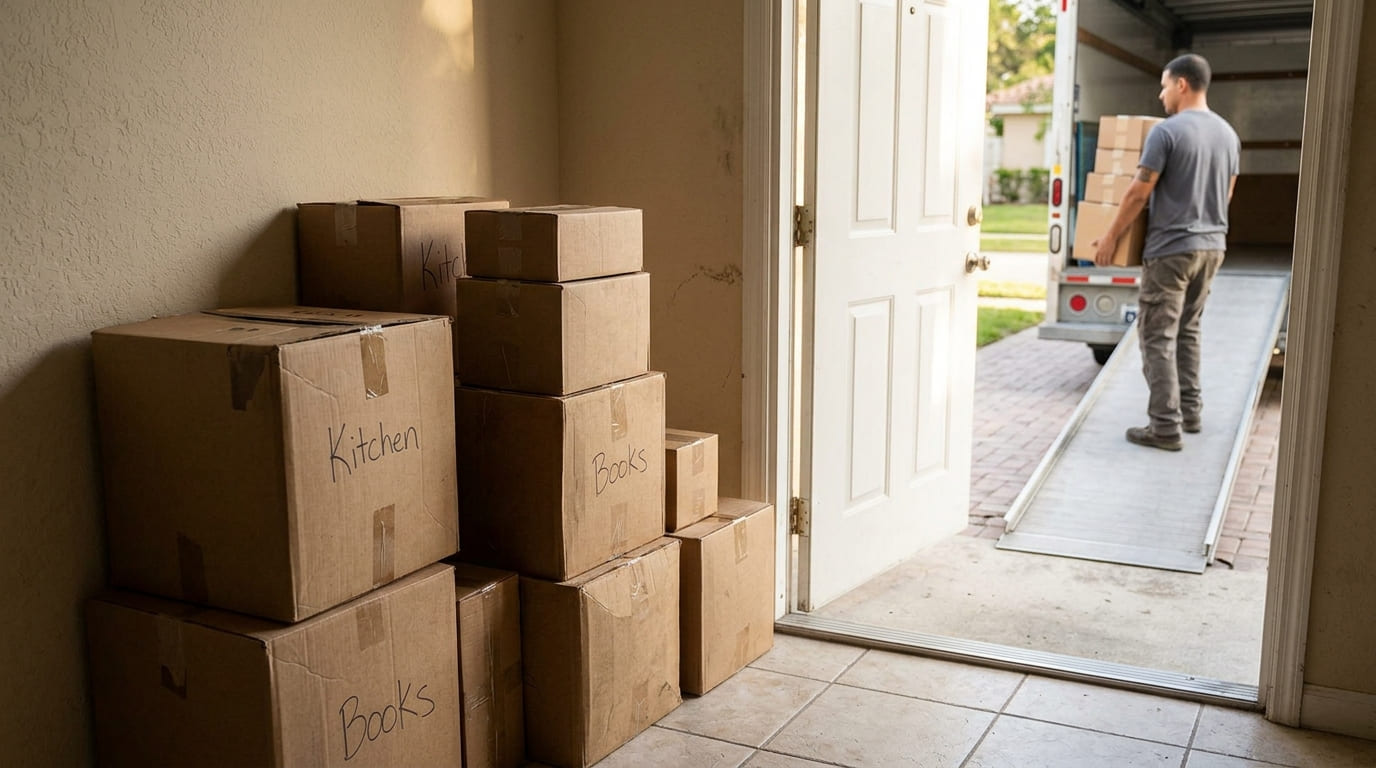
Choosing a moving company in Homestead requires more than comparing prices. Registration status, written estimates, insurance information, service terms, and claims procedures can all affect the experience.For moves completed entirely within Florida, start by checking whether the mover is registered with the Florida Department of Agriculture and Consumer Services. If temporary storage may be needed, compare unit sizes, rental terms, access hours, and storage features before moving day.This guide explains how to evaluate movers, plan a military or local relocation, and use storage when move-out and move-in dates do not align.
How Do You Evaluate Movers in Homestead?
No single company is automatically the best choice for every move. The right mover depends on the origin, destination, home size, required services, timing, building access, and budget.
Verify the Mover's Registration
Florida requires intrastate household movers and moving brokers to register with FDACS.Before signing a contract, search for the business through the FDACS portal and confirm:
The business name matches the estimate and contract
The registration is active
The listed address and contact information are consistent
The company is registered as a mover or broker
The registration number appears on required documents and advertising
Registration establishes compliance with a state requirement, but it does not guarantee service quality or prevent disputes.Interstate moves are subject to separate federal requirements. Confirm whether the company is acting as the carrier, a broker, or both.
Watch for Moving-Scam Warning Signs
Mover-authored consumer protection guidance from A-Class Movers describes a scheme in which a company gives a low initial quote, loads the shipment, and then demands substantially more money before delivery.Treat the source as general industry guidance rather than proof that South Florida is uniquely affected.Possible warning signs include:
A quote that is substantially lower than competing estimates
Refusal to inspect or discuss the complete inventory
Demands for a large cash deposit
Missing registration information
Unclear identification of the actual carrier
Blank or incomplete contracts
Refusal to explain potential additional charges
Pressure to sign immediately
No written claims procedure
Do not rely on a company's website or online rating alone. Compare registration records, recent reviews, complaint patterns, written terms, and direct answers from the mover.
Request a Detailed Written Estimate
Ask each mover to evaluate the belongings and provide a written estimate identifying:
The inventory
Labor or transportation charges
Packing services
Materials
Stairs, elevators, and long-carry charges
Heavy or oversized items
Travel time
Storage-in-transit charges
Possible additional services
A binding estimate is based on the listed inventory and services. It should not be described as an unconditional guarantee that the final bill can never change. Added items, changed services, access problems, or other contract terms may affect the total.A nonbinding or hourly estimate may also be appropriate for some moves. Review how time, mileage, minimum hours, and additional labor are calculated.
Review Insurance and Valuation Terms
Ask the mover to explain:
Required insurance coverage
Valuation options for the shipment
Coverage limits
Exclusions
Deductibles
Claims deadlines
Documentation requirements
Whether subcontractors are involved
FDACS currently requires registered movers to provide evidence of specified coverage, but the official requirements do not support a universal claim that every Florida mover must carry at least $500,000 in general liability insurance.A Certificate of Insurance can document applicable coverage, but it does not guarantee that every type of loss will be covered.
Confirm the Business Details
Verify:
Legal business name
Physical or mailing address
Telephone number
Registration number
Years in business
Whether the company is a mover or broker
Who will load, transport, and unload the shipment
The supplied 2025 mover-law page did not load, so the claim that every mover must maintain a specific type of physical Florida office has been removed.
What Should You Ask Before Booking?
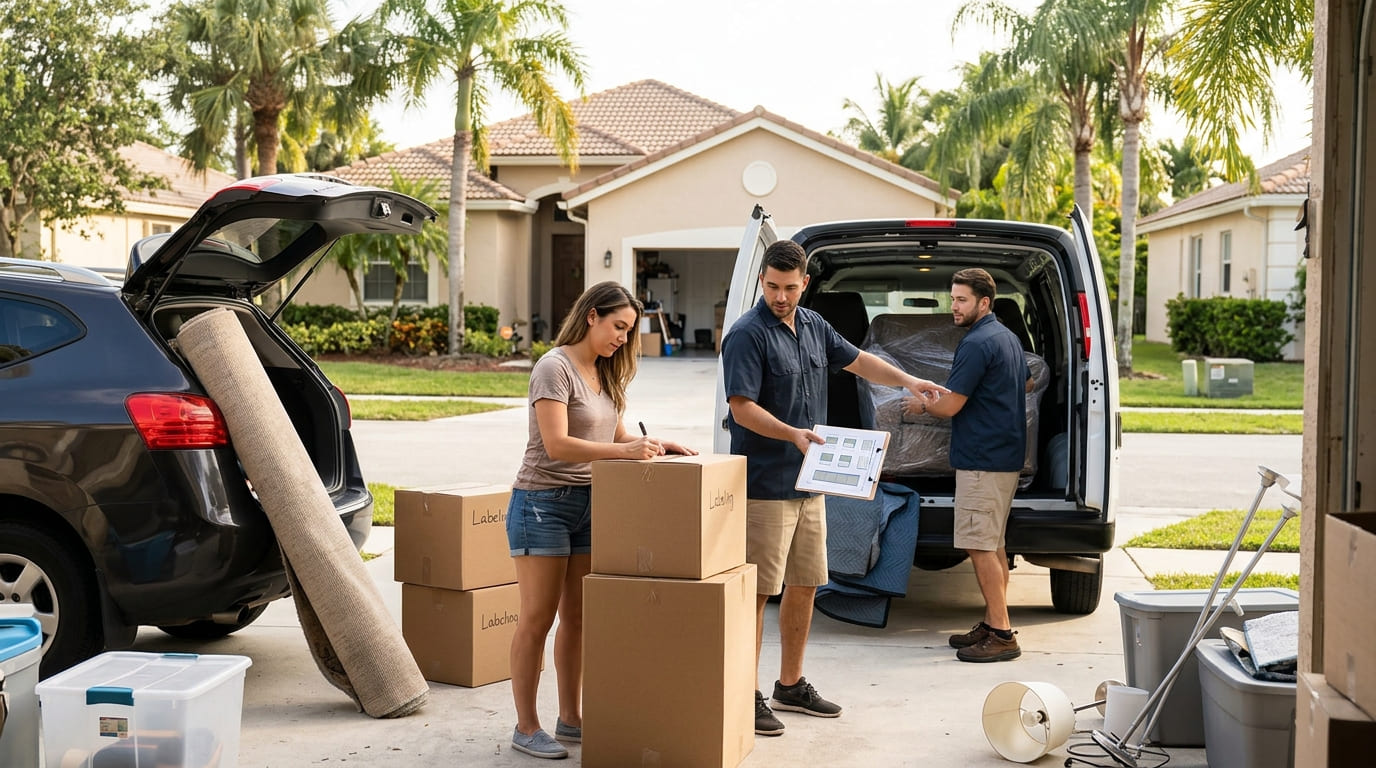
Ask each company the same questions so the estimates are easier to compare:
Are you the carrier or a moving broker?
What is your Florida registration number?
Who will handle the shipment?
Is the estimate binding, nonbinding, or hourly?
Which charges could change?
Are packing materials included?
How are stairs, elevators, and long carries billed?
What happens if the move is delayed?
What valuation options are available?
How do I file a damage or loss claim?
What is the cancellation policy?
Do you provide temporary storage?
Moving Near Homestead Air Reserve Base
Military relocations may follow different procedures depending on the orders, service branch, destination, and whether the government arranges the shipment.
Personally Procured Moves
Military OneSource provides information about the Defense Personal Property Program and resources for conducting a Personally Procured Move.Service members should use Military OneSource and their installation transportation office to verify:
Advance authorization
Weight-ticket requirements
Reimbursable expenses
Required receipts
Claim forms
Filing deadlines
Temporary-storage authorization
Branch-specific proceduresDo not assume a mover can determine reimbursement eligibility or complete the official claim. A company may provide receipts and weight documentation, but the service member remains responsible for following current military instructions.
Temporary Storage During a PCS
Month-to-month self-storage may be useful during:
Housing delays
Temporary assignments
Deployments
Closing gaps
Downsizing
Staggered household-goods deliveries
Reimbursement is not automatic. Confirm authorization and covered expenses before renting.
Moving Toward the Florida Keys
Homestead may serve as a mainland stop for people relocating farther south, but it should not be described as a universally safer or less expensive storage location than the Florida Keys.A household may consider storage in Homestead when:
The new property is not ready
The destination has limited space
Furniture must be delivered in stages
A boat or RV needs eligible outdoor parking
The move requires temporary housingFlood exposure and storm risk vary by exact address, elevation, construction, and flood zone. SecureSpace Self Storage Homestead should not be described as elevated or flood-proof.Eligible boats, RVs, cars, trucks, motorcycles, and trailers may use uncovered outdoor parking, subject to dimensions, documentation, vehicle condition, business use, availability, and facility rules.Indoor vehicle storage is not available.
How Should You Handle Moisture During a Move?
The EPA explains that moisture control is central to preventing mold growth. Its guidance advises drying water-damaged items and areas within 24 to 48 hours.The EPA's recommendations on mold and moisture do not establish that every item exposed to humidity will develop mold within a fixed period. Wetness, material type, temperature, airflow, contamination, and exposure duration all matter.During a move:
Do not pack damp belongings
Dry furniture and fabrics completely
Keep boxes away from rain
Inspect moving trucks and storage areas for visible moisture
Use appropriate covers without sealing wet materials inside
Address leaks or water exposure promptly
Follow manufacturer guidance for electronics and appliancesClimate-controlled storage does not guarantee humidity regulation or mold prevention.
Should You Use Climate-Controlled Storage?
Climate-controlled storage may help reduce exposure to outdoor temperature fluctuations for selected permitted belongings.It may be worth considering for:
Electronics
Documents
Photographs
Wooden furniture
Clothing
Household fabrics
Business recordsClimate-controlled storage does not guarantee:
Humidity control
Mold or mildew prevention
Rust or corrosion prevention
Protection from leaks or storms
Prevention of warping or fading
Preservation of irreplaceable belongingsMake sure everything is clean and completely dry before storage.
Storage During a Delayed Move
Temporary storage may help when:
Closing dates do not align
A lease ends before the next home is ready
Repairs continue after closing
A moving company cannot deliver immediately
A household moves in stages
Temporary housing has limited spaceSecureSpace Self Storage Homestead offers month-to-month leases, but billing dates, rate changes, notice requirements, and move-out procedures remain subject to the rental agreement.
Available Unit Sizes
SecureSpace Self Storage Homestead offers:
5x5
5x10
5x15
10x10
10x15
10x20
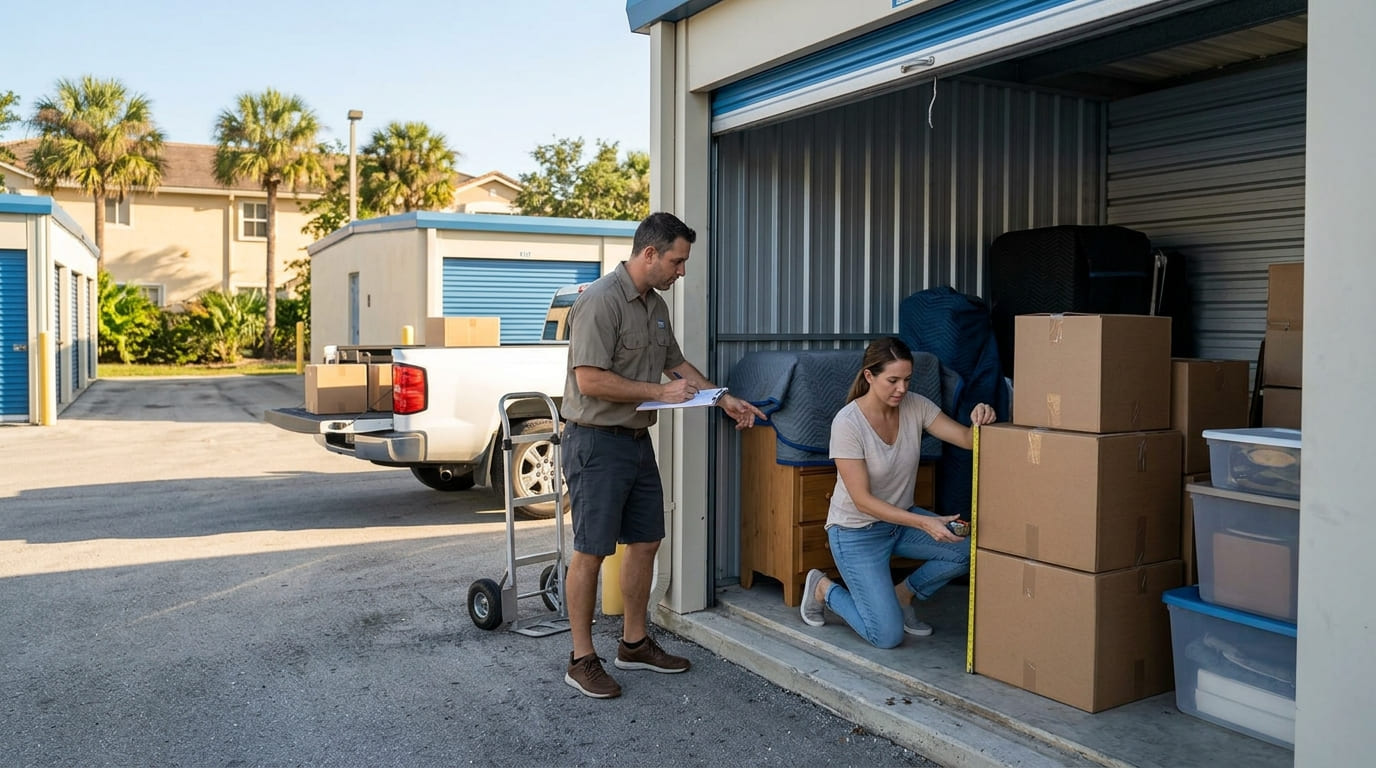
10x25Actual capacity depends on furniture dimensions, boxes, appliances, shelving, packing layout, and aisle space.Measure belongings rather than relying solely on room-size comparisons.
Access and Moving Features
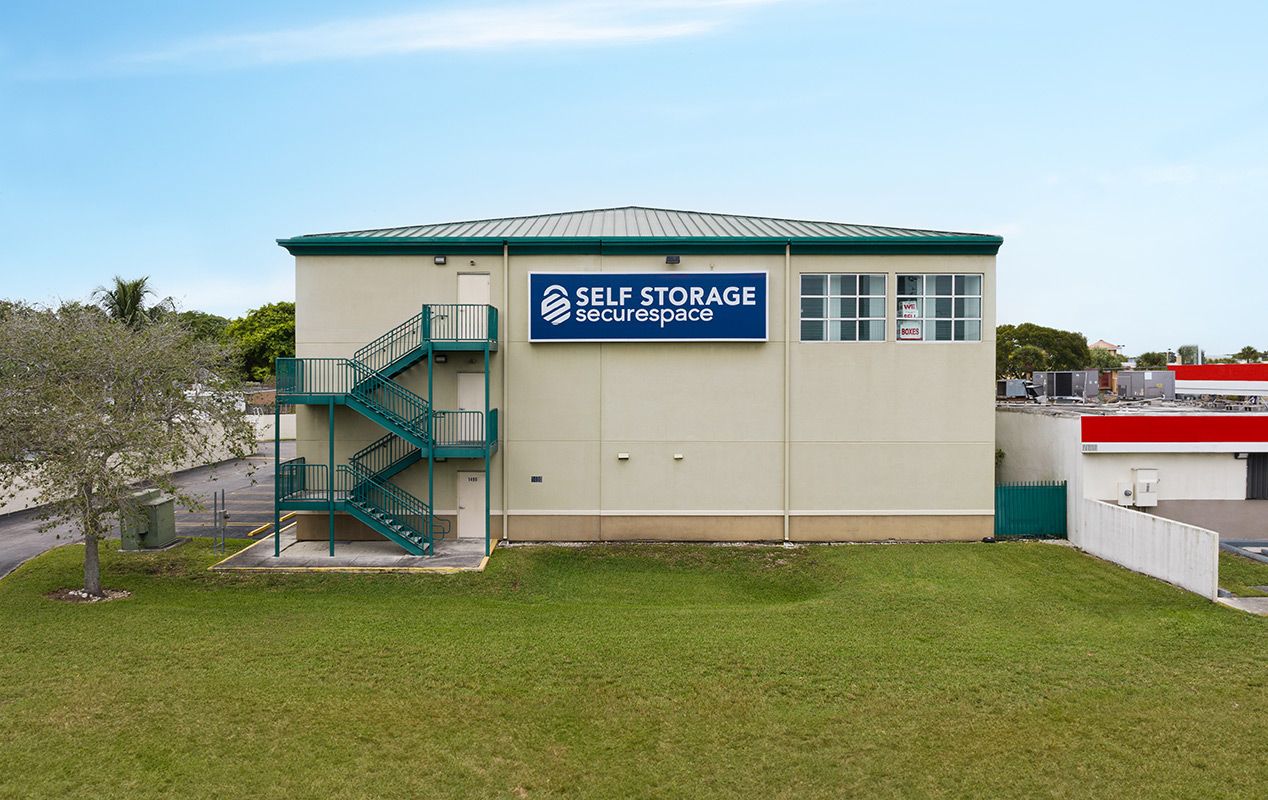
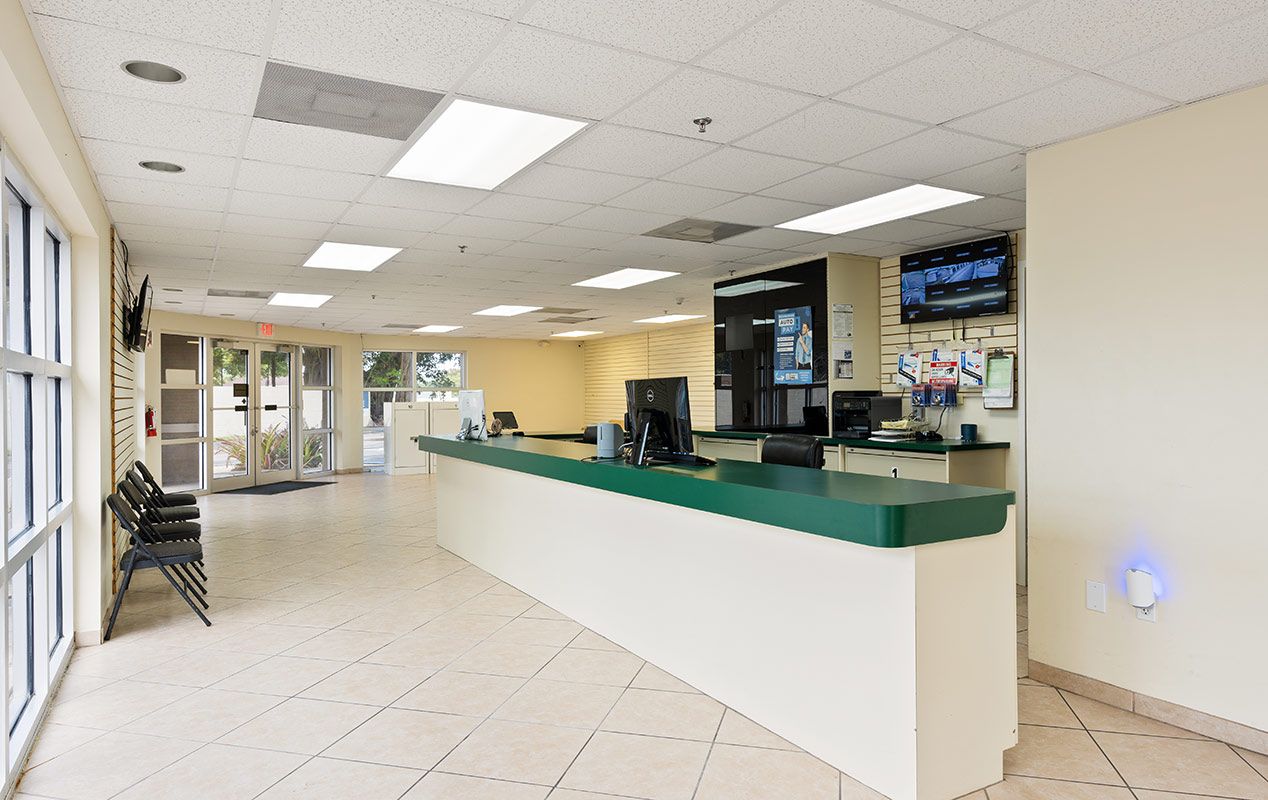
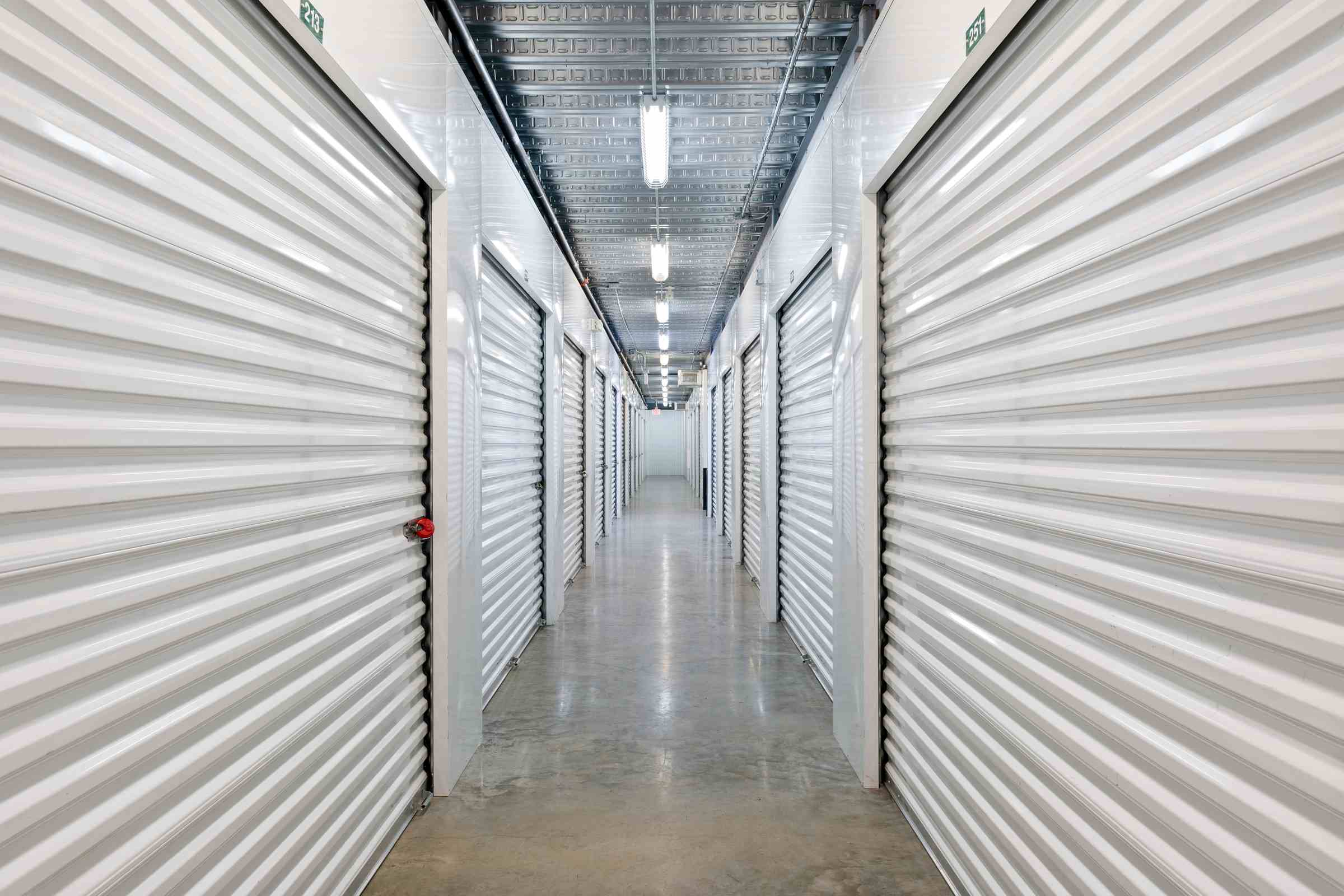
SecureSpace Self Storage Homestead provides:
Daily physical access from 6:00 AM to 9:00 PM
Climate-controlled units
Drive-up units
Interior storage
Elevator access
Carts and dollies
Multi-building access
Touchless move-in
Touchless computer-controlled access
Basic moving supplies
Semi-truck accessibility
There is no covered loading area, loading dock, or extra-large freight elevator.Semi-truck accessibility does not mean the property provides freight receiving, warehouse operations, or loading-dock service.
Security Features
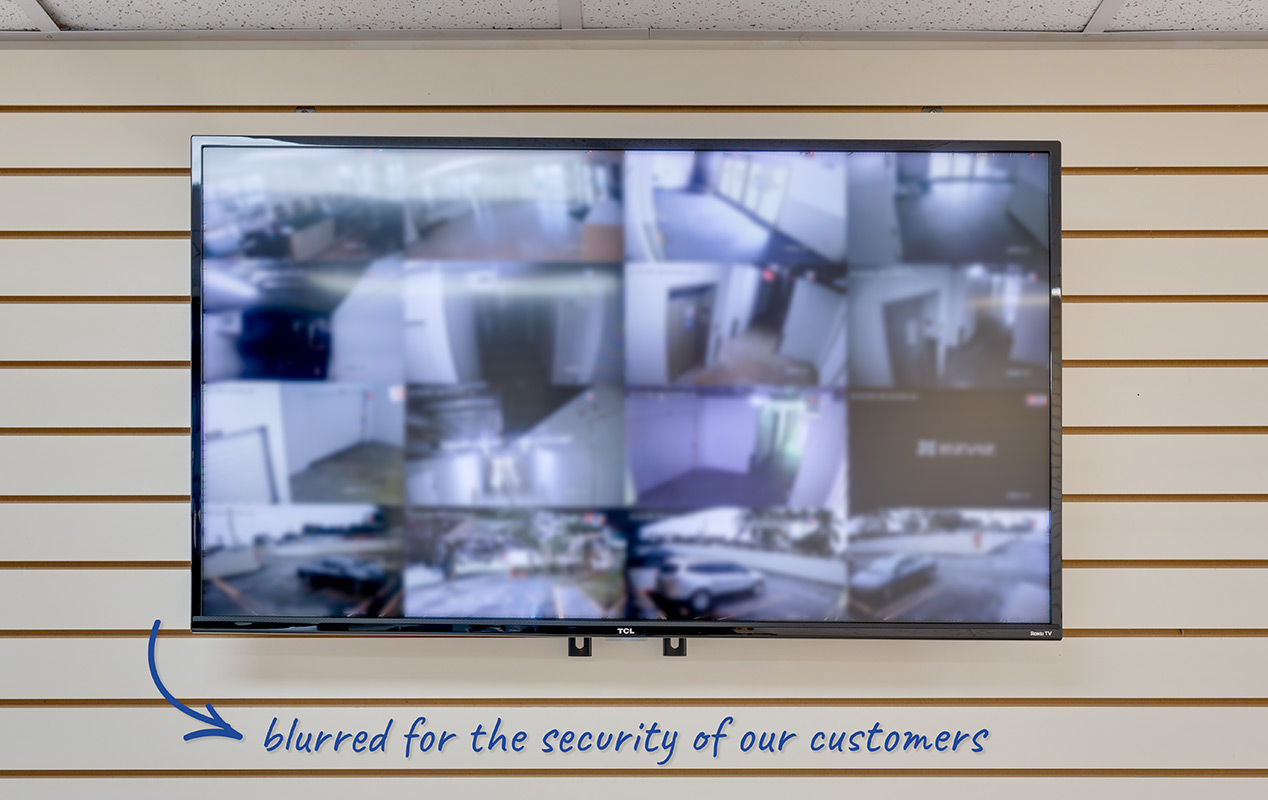
SecureSpace Self Storage Homestead provides:
An access gate
Digital video recording
Logged access
These features do not guarantee protection from theft, loss, damage, pests, weather, or deterioration.Customers should use a durable lock, maintain an inventory, photograph belongings, and review applicable coverage requirements.
Agricultural and Heavy-Equipment Moves
Moving tractors, combines, skid steers, and other heavy machinery requires specialized commercial transportation rather than a standard household mover.Before hiring a carrier, verify:
Operating authority
Equipment suitability
Cargo coverage
Liability limits
Loading and rigging capabilities
Weight and dimension restrictions
Route and permit requirements
Subcontractor involvementSecureSpace Self Storage Homestead does not offer indoor storage for vehicles, tractors, or other motorized equipment.Commercial or oversized outdoor parking should be confirmed directly before renting.
Frequently Asked Questions
How Do I Verify a Mover in Homestead?
For an intrastate Florida move, check the company's registration through the FDACS portal.Confirm that the business name, registration number, address, and contract information match.
Does Registration Guarantee a Good Mover?
No.Registration confirms that the business has met a state requirement. It does not guarantee pricing, timeliness, handling quality, or claim resolution.
Should I Request a Binding Estimate?
Ask movers to explain each available estimate type and provide detailed written terms.A binding estimate is based on the listed inventory and services, but additional agreed services or changed conditions may affect the amount owed.
What Insurance Must a Florida Mover Carry?
Requirements depend on the company's operations and applicable law.Review current FDACS information and ask the mover for documentation explaining liability, cargo protection, valuation options, exclusions, and claims procedures.
Can a Mover Hold My Belongings Until I Pay More?
A mover may have rights under the contract and applicable law, but unexpected demands that differ substantially from the written estimate are a serious warning sign.Keep copies of the estimate, contract, inventory, receipts, and communications. Contact the appropriate regulator or law-enforcement agency when necessary.
What Is a Personally Procured Move?
A Personally Procured Move allows an eligible service member to arrange some or all of a military relocation under applicable rules.Review current Military OneSource guidance and confirm authorization with the installation transportation office.
Does Mold Always Grow Within 24 to 48 Hours?
No.EPA guidance recommends drying wet items within 24 to 48 hours to help prevent mold growth. It does not guarantee that mold will appear after a fixed number of hours.
Do I Need Climate-Controlled Storage for a Short Delay?
Not for every item.It may be worth considering for selected belongings that could be affected by prolonged outdoor temperature changes. It does not guarantee humidity control or mold prevention.
Can I Store a Boat or RV Indoors?
No. Indoor vehicle storage is not available at SecureSpace Self Storage Homestead.Eligible boats and RVs may qualify for uncovered outdoor parking.
Are Month-to-Month Leases Available?
Yes. Month-to-month leases are available, subject to the rental agreement's billing, rate, notice, and move-out terms.
Can I Access My Unit at Any Time?
No. Physical access is available daily from 6:00 AM to 9:00 PM.
Plan Your Homestead Move Carefully
Start by determining whether the move is intrastate or interstate, verifying the company's registration or operating authority, comparing written estimates, and reviewing insurance and claims information.When temporary space is needed, measure your belongings, confirm unit availability, review prohibited items, and complete rental requirements before moving day.Review SecureSpace locations and storage information at SecureSpace Self Storage.
Store With Confidence at SecureSpace Homestead
Everything you need to store your belongings securely, on your schedule.
Visit us online