Last updated Aug 12, 2026
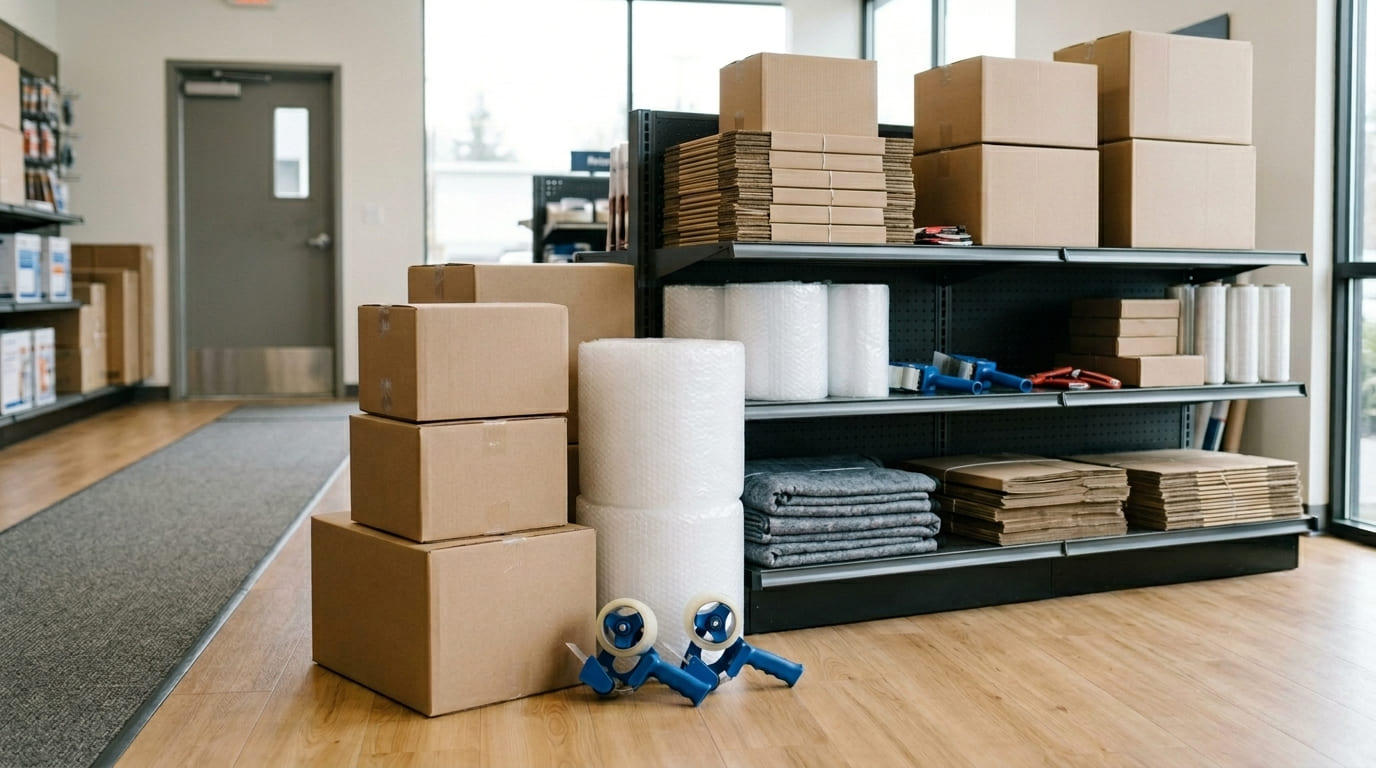
Having the right supplies can make packing, transportation, and storage easier to manage. Sturdy boxes, reliable tape, protective covers, and clear labels help keep a move organized from the first packed room through final unloading.
According to Point2Homes demographic data, approximately 44.7% of Federal Way's occupied housing units are renter-occupied, creating steady demand for moving supplies and storage services throughout the city.
Whether you're moving between apartments, preparing a home for sale, or placing belongings in storage, this guide explains which supplies are useful, how to choose appropriate box sizes, and how to prepare for Federal Way's rainy weather.
Most moves require a combination of boxes, cushioning materials, tape, labels, and protective covers. The quantities you need will depend on the size of your home and the types of belongings being packed.
Different items require different types of containers.
Small boxes: Use for books, tools, dishes, canned goods, and other dense belongings that can become difficult to lift in a larger box.
Medium boxes: Pack kitchen items, toys, small appliances, decor, and general household belongings.
Large boxes: Reserve for lightweight, bulky items such as pillows, comforters, towels, and linens.
Wardrobe boxes: Use for hanging clothing that you prefer not to fold.
Dish boxes: Choose reinforced boxes with dividers for plates, glasses, and other breakable kitchenware.
Picture or mirror boxes: Use adjustable boxes for framed items and mirrors.
Water-resistant bins: Consider lidded plastic containers for items that may be exposed briefly to wet conditions during loading or unloading.
Avoid making boxes so heavy that they're difficult to carry safely. Keeping similar items together also makes unpacking easier.
Quality packing tape helps keep box seams closed during lifting and stacking. Use a tape dispenser to apply consistent strips across the bottom and top of each box.
Label each container with:
Room: Identify where the box belongs at the destination.
Contents: List the main items inside without making the label overly detailed.
Handling instructions: Mark fragile belongings or indicate which side should remain upright.
Priority: Note which boxes should be opened first.
Inventory number: Assign a number that corresponds with a written or digital moving list.
Place labels on at least two sides so they remain visible when boxes are stacked.
Use cushioning and covers to limit shifting, scratches, and direct contact between belongings.
Packing paper: Wrap dishes, glassware, decor, and other breakable items.
Bubble cushioning: Add protection around fragile or irregularly shaped belongings.
Moving blankets: Cover furniture, appliances, and finished wood surfaces.
Stretch wrap: Hold drawers, doors, blankets, or protective padding in place during transportation.
Mattress covers: Keep mattresses and box springs separated from dirt during a move.
Furniture covers: Protect upholstered furniture while carrying and transporting it.
Resealable bags: Keep screws, brackets, cords, and furniture hardware together.
Do not wrap items while they are damp. Allow furniture, fabric, and other belongings to dry fully before covering or packing them.
Wet weather can weaken cardboard and create slippery loading conditions. Checking the forecast and organizing supplies in advance can help reduce unnecessary exposure.
Keep packed boxes indoors or inside a closed vehicle until they're ready to be moved. Avoid leaving cardboard on wet pavement, grass, or uncovered truck beds.
Use tarps or water-resistant covers when belongings must be staged outside briefly. Covers should remain secure without creating a tripping hazard.
Do not seal damp clothing, upholstered furniture, rugs, or bedding inside plastic. Trapped moisture can create odors and may damage the item during transportation or storage.
Allow belongings to dry fully, then use appropriate covers for the move.
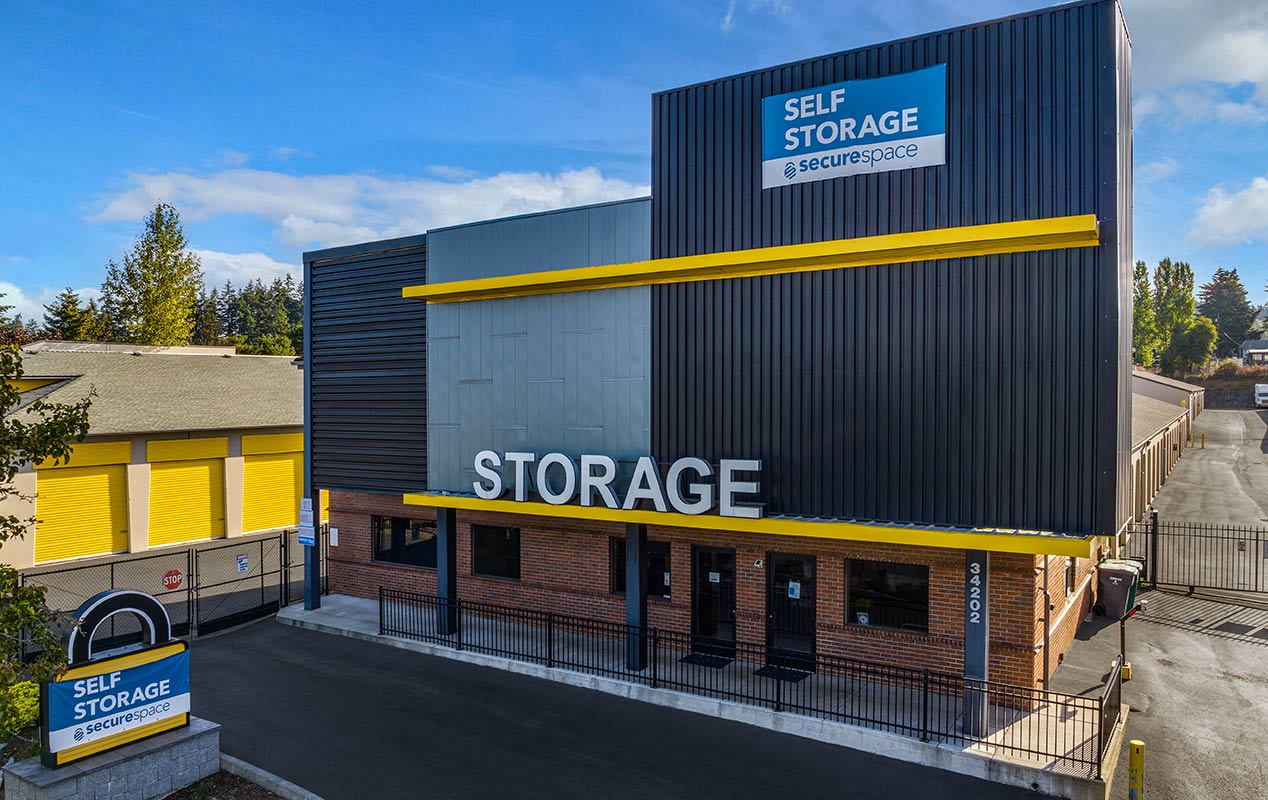
SecureSpace Self Storage Federal Way does not provide a covered loading area, loading dock, carts, or dollies. Customers should bring any hand trucks, furniture dollies, lifting straps, or other equipment needed for their move.
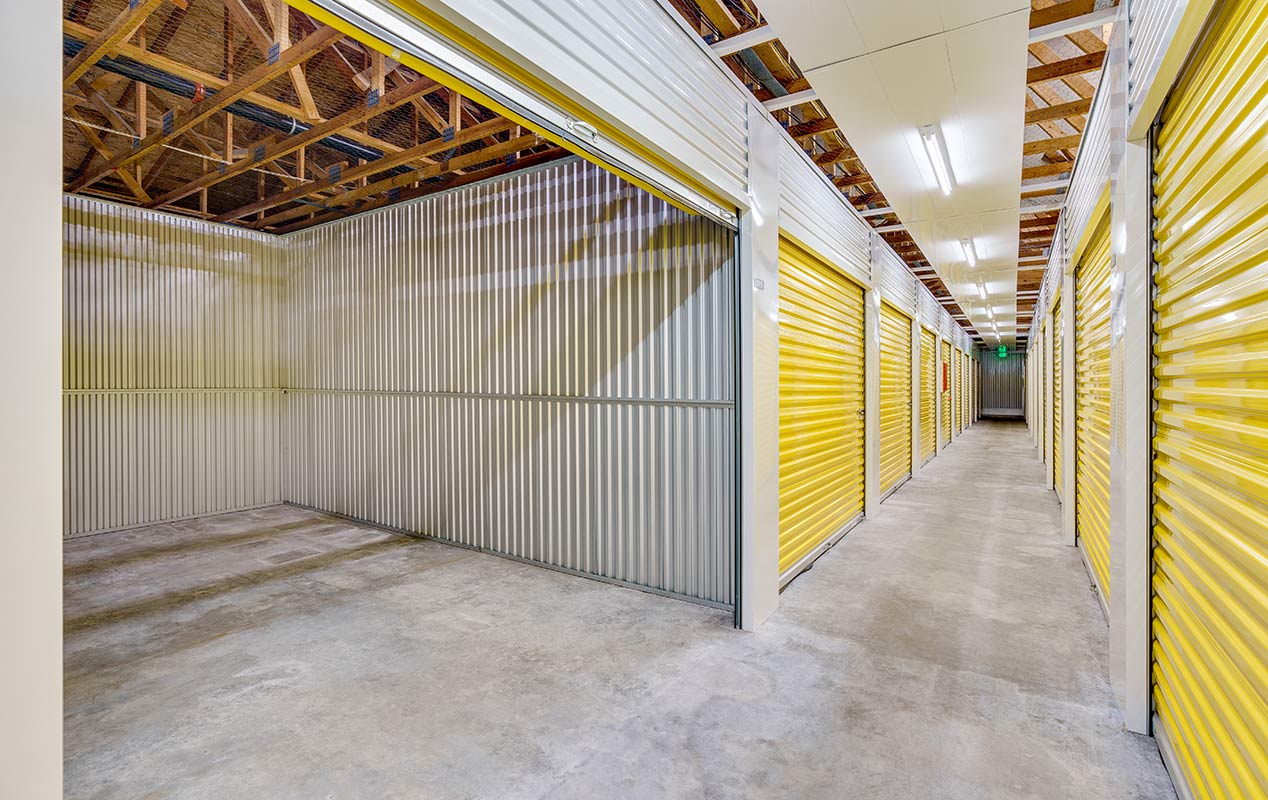
Drive-up units are available for selected unit sizes, which can reduce the distance belongings need to be carried from a vehicle. Gate access is available daily from 6:00 a.m. to 9:00 p.m.
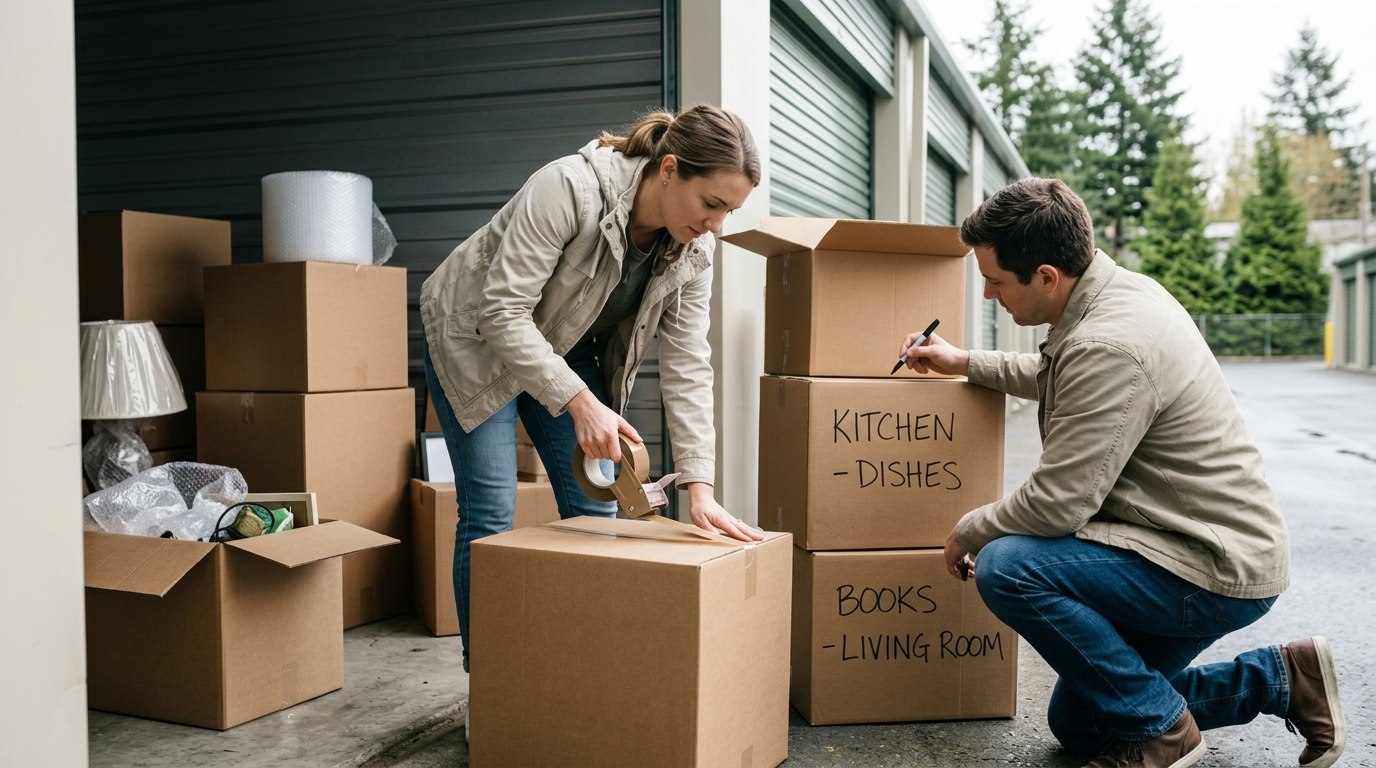
Using the correct box size can make packed containers easier to lift and stack.
Books, tools, canned goods, and small kitchen appliances belong in smaller boxes. Fill empty areas with packing paper so the contents do not shift, but avoid overloading the container.
Medium boxes work well for toys, cookware, decor, folded clothing, and miscellaneous belongings. Keep breakable items separated with paper or cushioning.
Large boxes are best for pillows, comforters, blankets, lampshades, and other light items that occupy significant space. Avoid filling large boxes with books or dishes.
Use specialty containers or create extra internal support for mirrors, framed pictures, televisions, glassware, and lamps. Follow manufacturer packing instructions for electronics whenever they are available.
A well-packed box should be full enough to maintain its shape without becoming too heavy or bulging at the seams.
Apply tape across the center seam and along the edges when packing heavier belongings. Check reused boxes for soft spots, tears, or weakened corners before filling them.
Use packing paper, towels, or suitable cushioning to prevent belongings from shifting. Fragile items should not move when the box is handled gently.
Test the box before sealing it completely. If it is difficult to lift safely, divide the contents between two containers.
Record the number assigned to each box and a brief description of its contents. A simple inventory makes it easier to locate specific belongings without opening every container.
Large belongings often require more preparation than boxes.
Disassemble furniture when practical and keep all hardware in a labeled bag attached securely to the corresponding piece. Use moving blankets around finished surfaces and protect corners before carrying items through doorways.
Do not attach adhesive tape directly to finished wood, leather, painted surfaces, or upholstery.
Use a properly sized mattress cover during transportation. Before placing a mattress in storage, make sure it is clean and dry and follow the manufacturer's guidance for positioning.
Clean and defrost refrigerators and freezers well before moving day. Drain applicable hoses and follow manufacturer instructions for securing doors, shelves, and moving components.
Do not connect appliances to electrical outlets inside a storage unit.
Remove loose accessories and pack cords separately in labeled bags. Use original packaging when available or choose a sturdy box with sufficient cushioning.
Electronics may require specific storage conditions, so review manufacturer guidance before placing them in a standard storage unit.
The way you arrange a unit can affect how easily you retrieve belongings later.
Place sturdy furniture and heavier boxes near the bottom. Avoid unstable stacks or positioning heavy containers above fragile belongings.
Keep a central aisle if you expect to retrieve items during the rental. Store frequently needed boxes near the entrance and long-term belongings farther back.
Freestanding shelves can help organize smaller boxes and keep frequently used belongings visible. Do not attach shelving or hardware to unit walls.
Record where major categories are located. A basic sketch can save time when you return for seasonal decorations, documents, clothing, or household equipment.
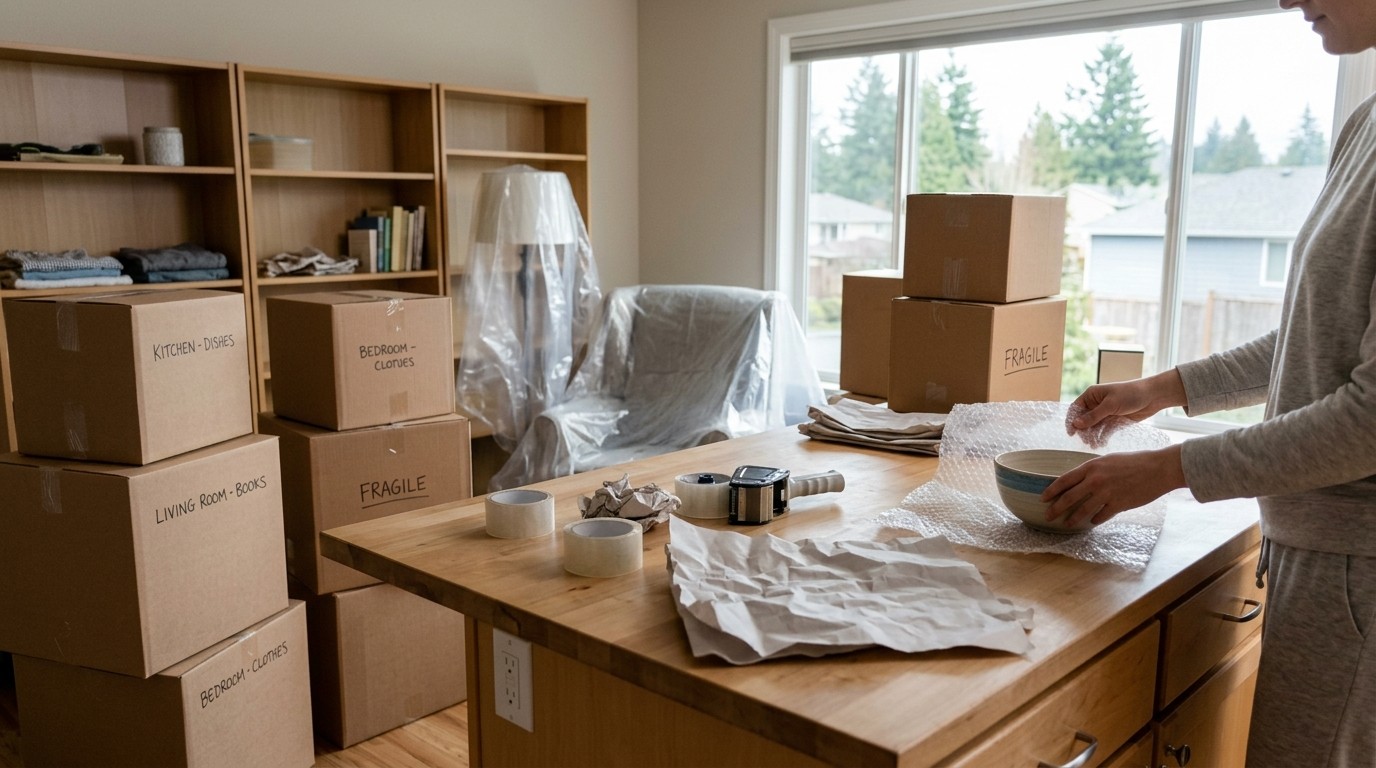
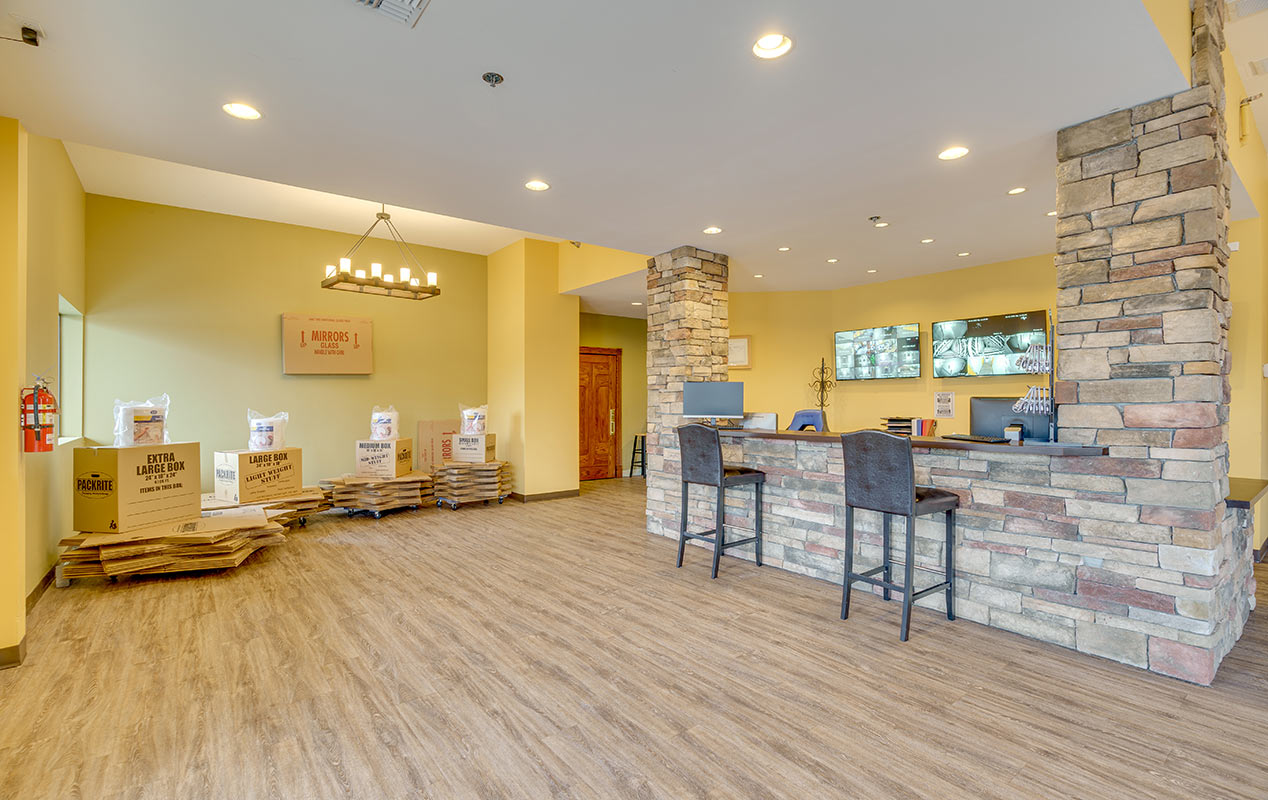
Basic moving and packing supplies are available for purchase in the leasing office at SecureSpace Self Storage Federal Way.
Exact inventory can change, so confirm that the supplies you need are available before making a special trip. Customers looking for specialty boxes or large quantities may also need to visit a moving-supply retailer or home-improvement store.
The facility offers month-to-month leases, online payments, selected drive-up units, and primary unit sizes ranging from compact 5x5 spaces to larger 10x30 units. Climate-controlled and heated storage are not available.
Basic moving and packing supplies are available for purchase in the leasing office. Product selection may vary, so confirm current inventory if you need a particular item.
Use small boxes for heavy belongings, medium boxes for general household items, and large boxes for lightweight, bulky items. Specialty boxes may be useful for dishes, hanging clothes, mirrors, framed items, and televisions.
Each option has advantages. Cardboard moving boxes are easy to label, stack, and recycle, while sturdy lidded bins can provide additional resistance to brief exposure during wet-weather loading.
Bins are not automatically waterproof, so avoid leaving them outdoors or in standing water.
Keep boxes indoors or inside a closed vehicle until loading. Use secured tarps or water-resistant covers when belongings must be outside briefly, and avoid setting cardboard directly on wet surfaces.
No. Customers should bring their own hand truck, furniture dolly, lifting straps, or other moving equipment.
No. Plan around the weather and keep boxes covered while moving between your vehicle and unit.
No. The facility offers standard, non-climate-controlled storage. Store belongings clean and dry, use suitable packing materials, and follow manufacturer guidance for sensitive items.
Primary sizes include 5x5, 5x15, 10x10, 10x15, 10x20, 10x25, and 10x30. Current availability may vary.
Gate access is available daily from 6:00 a.m. to 9:00 p.m.
Starting with the right boxes, tape, covers, and labels can make moving and storage more organized. Estimate quantities by room, keep packed containers manageable, and prepare additional weather protection when rain is expected.
For packing supplies and self storage in Federal Way, WA, review current unit availability and rental details before planning your move.
Everything you need to store your belongings securely, on your schedule.
Visit us online