Last updated Aug 12, 2026
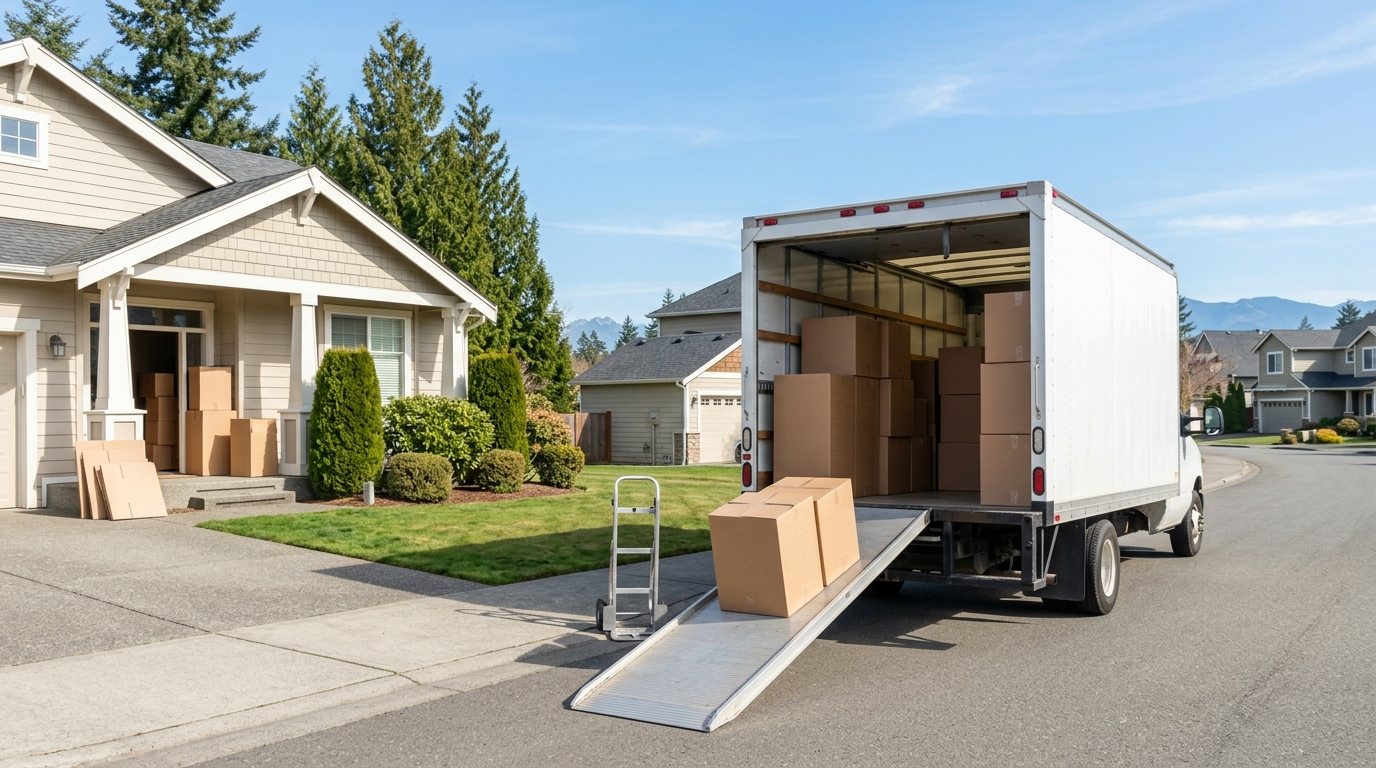
Everett offers a mix of regional employment, waterfront access, established neighborhoods, and connections to the greater Puget Sound area. People relocate here for work, military assignments, family changes, housing transitions, and a lifestyle that combines city services with nearby outdoor recreation.
Moving successfully requires more than choosing a neighborhood. Housing timelines, transportation, moving services, temporary accommodations, and storage needs can all affect the transition.
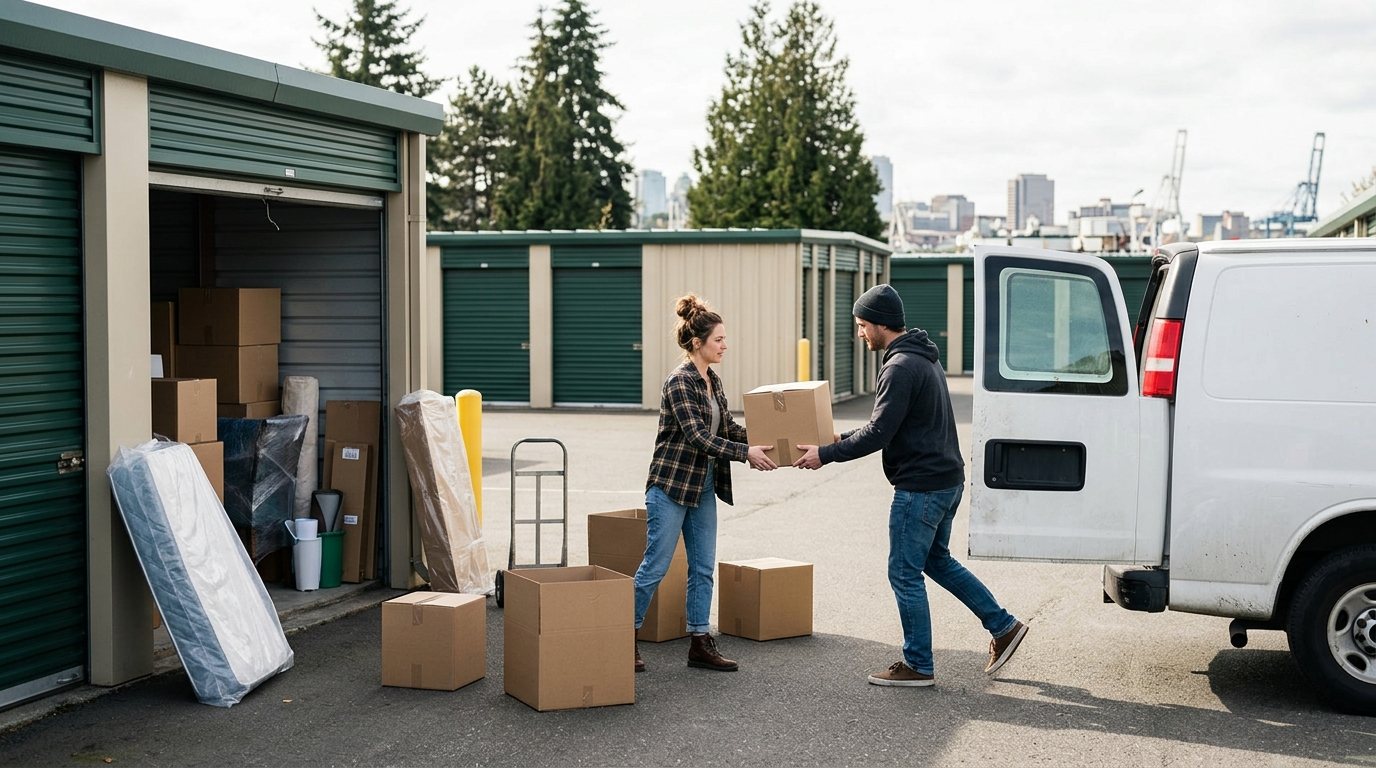
This guide covers practical considerations for moving to Everett, including neighborhood characteristics, budgeting, move planning, and ways self storage may help while you settle in.
Everett's economy includes aerospace, maritime activity, health care, education, government, military operations, construction, and small businesses.
Washington's aerospace sector supports a broad network of employers and skilled occupations. Everett's connection to aircraft manufacturing continues to attract engineers, technicians, logistics professionals, contractors, and other workers.
Naval Station Everett also brings service members, civilian employees, and military households to the area. Military relocations may involve temporary housing, changing assignment dates, and household-goods deliveries that do not align perfectly with move-in schedules.
Everett may also appeal to people who want access to Seattle and surrounding employment areas without living directly in the region's largest urban center.

Housing costs, commute requirements, and transportation options still vary, so prospective residents should compare their priorities carefully.
Everett's neighborhoods differ in housing style, setting, transportation access, and proximity to parks, shopping, employment, and the waterfront.
No single neighborhood is the right choice for everyone. Visit the area when possible and consider commute patterns, housing type, daily errands, and the services most important to your household.
Silver Lake is located in southern Everett and includes residential areas near the lake, parks, shopping, and major travel routes.
The neighborhood may appeal to people who want a suburban residential setting with access to outdoor recreation and everyday services. Housing includes apartments, townhomes, and detached homes.
North Everett includes established residential streets, older homes, and access to downtown and waterfront areas.
People drawn to historic architecture and a more urban residential setting may consider this part of the city. Older homes can offer distinctive character, but buyers and renters should evaluate maintenance needs, storage space, parking arrangements, and renovation plans.
Boulevard Bluffs is a residential area known for its elevated setting and proximity to Puget Sound.
Housing options and views vary throughout the neighborhood. Residents should consider commute routes, access to services, and the practical needs of maintaining a larger or older property.
Pinehurst is located in southern Everett and includes a mix of residential housing, parks, schools, and access to commercial corridors.
The area may suit people seeking a neighborhood setting while remaining close to shopping and major routes.
South Everett offers varied housing, employment access, shopping, and transportation connections.
This broad area includes apartments, condominiums, townhomes, and detached houses. Because traffic and housing conditions vary by location, visit at the times you expect to commute.
Bayside and Riverside provide access to downtown, older residential areas, local businesses, and portions of Everett's waterfront and cultural districts.
These neighborhoods may appeal to residents who value proximity to city amenities. Housing age, renovation needs, street layout, and storage capacity can differ significantly from property to property.
Living expenses depend on housing type, household size, transportation, insurance, utilities, child care, and personal habits.
Housing is often the largest expense. Before choosing a home, compare:
Monthly rent or mortgage obligations
Deposits and application fees
Utilities
Insurance
Maintenance responsibilities
Commuting costs
Parking or transportation expenses
Moving and storage needs
Online estimates may provide a starting point, but current housing costs can change quickly. Confirm rent, sale prices, utility expectations, and fees directly with the appropriate provider.
Renters should review the full lease rather than focusing only on the advertised monthly rate.
Confirm:
Deposit requirements
Utility responsibilities
Parking terms
Pet policies
Move-in procedures
Lease renewal terms
Notice requirements
Storage available within the property
Apartment closets, balconies, garages, and shared storage areas may not accommodate every household item. Measure the available space before move-in.
Buyers should account for expenses beyond the purchase price.
Potential costs may include inspections, repairs, moving services, temporary accommodations, insurance, renovations, and replacement of major household systems.
Closing and possession dates may also change. A backup plan for furniture and household goods can help when the move-out and move-in schedules do not align.
Moving costs vary based on distance, home size, access conditions, service level, and time of year.
Request written estimates from moving companies and confirm what each quote includes.
Potential charges may involve:
Packing services
Packing materials
Furniture disassembly
Long carries
Stairs or elevators
Difficult building access
Temporary holding
Additional stops
Schedule changes
Specialty-item handling
Ask whether the quote is binding, how changes are approved, and what happens if the move takes longer than expected.
Before packing, sort belongings into categories:
Keep
Donate
Sell
Dispose of responsibly
Store temporarily
Reducing the volume of belongings can simplify packing and may reduce moving and storage expenses.
Housing transactions, rental approvals, repairs, military orders, and delivery schedules can change.
Keep important documents, medications, chargers, work supplies, clothing, and essential household items with you rather than placing them on a moving truck or in storage.
Self storage may help when housing and moving timelines do not align.
Common uses include:
Holding furniture between homes
Clearing rooms before listing a property
Storing belongings during renovations
Managing a temporary housing arrangement
Separating seasonal items from immediate move-in needs
Organizing permitted business supplies
Supporting a military relocation
Creating space while downsizing
A storage unit should be used for storage rather than as a residence, office, workshop, storefront, or active work area.
Start with an inventory of everything you plan to store.
Measure furniture, appliances, shelving, bicycles, containers, and other bulky belongings. Consider the route into the unit, including entrances, corridors, elevator access, and the unit door.
A compact unit may suit boxes, seasonal belongings, clothing, small furniture, and limited household overflow.
A medium unit may provide room for furniture, appliances, boxes, and belongings from an apartment or partial household move.
A larger unit may be appropriate for substantial furniture, multiple rooms of belongings, or permitted business inventory.
Fit depends on the dimensions and arrangement of the actual items. Avoid selecting a unit solely from a general room comparison.
Place belongings you may need soon near the entrance.
Leave a practical path when possible and avoid creating unstable stacks. Less frequently used furniture and containers can be positioned farther inside.
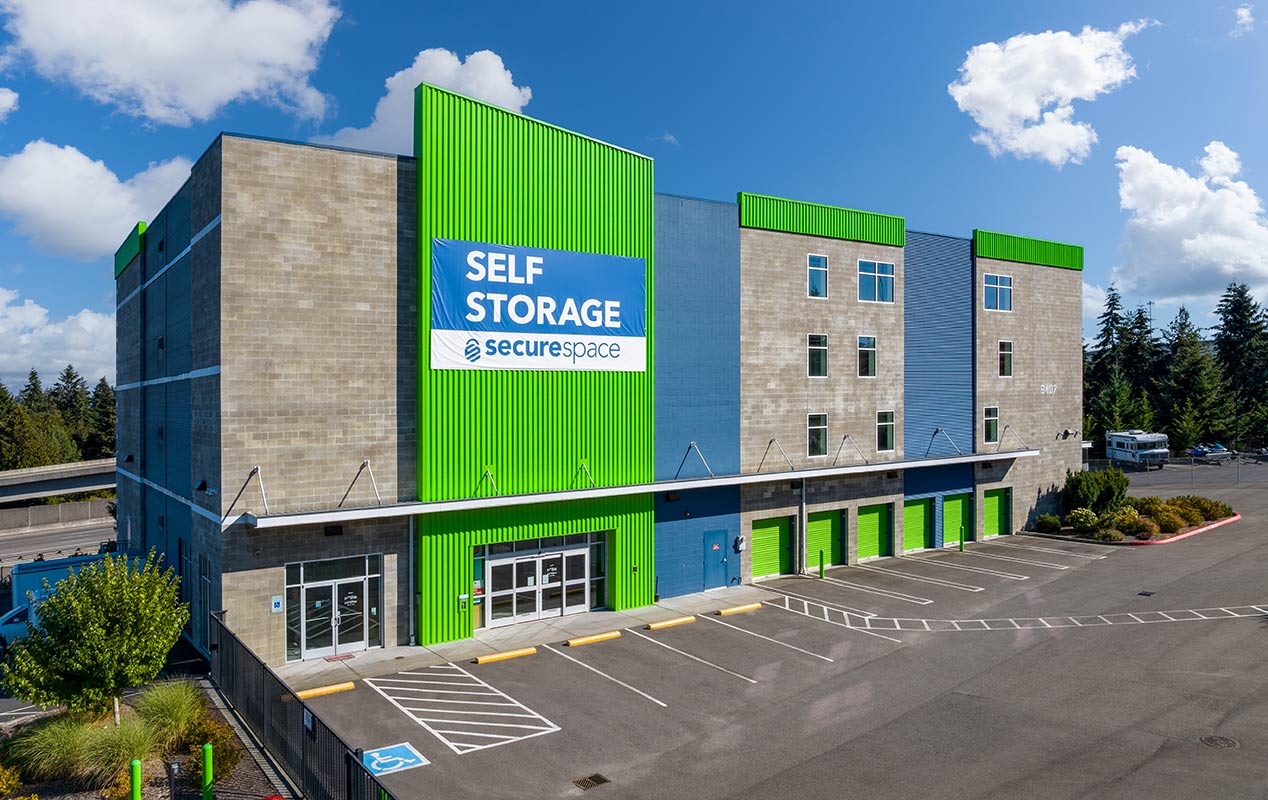
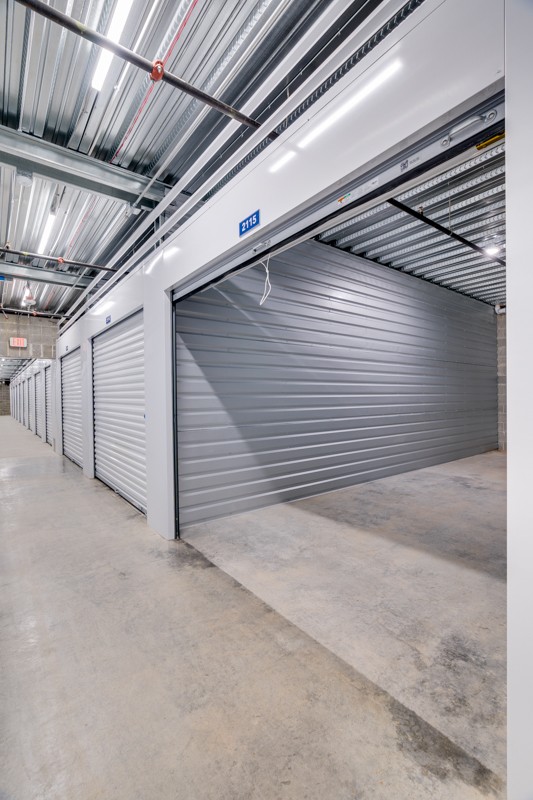
SecureSpace Everett offers climate-controlled and heated storage options.
These features may help reduce exposure to temperature swings and cold conditions compared with an unconditioned space. They should not be described as precise humidity-control systems or as guarantees against mold, rust, warping, fading, or other deterioration.
Climate-controlled or heated storage may be worth considering for compatible belongings containing:
Electronics
Wooden furniture
Leather
Documents
Photographs
Musical instruments
Specialized fabrics
Materials with manufacturer-specified temperature guidance
Not every belonging requires climate-controlled storage. The decision should depend on the materials, preparation, expected storage period, and manufacturer recommendations.
Do not store damp furniture, clothing, boxes, appliances, or equipment.
Clean items appropriately and allow them to dry completely before packing.
Removing legs, shelves, frames, and detachable components may make furniture easier to move and arrange.
Place hardware in a labeled bag and keep it with the corresponding item.
Choose boxes, containers, covers, and padding appropriate for the contents.
Do not tightly seal damp belongings in plastic. Packing materials cannot correct moisture already present on an item.
Label boxes by room, category, or contents.
An inventory can help you locate belongings without opening every container.
Use suitable moving blankets, covers, or padding during transportation and storage.
Do not place heavy boxes on delicate furniture, electronics, or breakable items.
Identification, financial records, housing documents, military orders, medical information, and other essential paperwork should remain accessible during the move.
SecureSpace Everett offers indoor and drive-up storage options.
Drive-up access may simplify moving furniture, boxes, tools, and other permitted belongings by allowing customers to park closer to the unit door. Vehicles cannot be stored inside drive-up units.
Elevator access is available for indoor units located away from the ground level. Carts and dollies are also available to assist with moving suitable belongings through the facility.
The facility provides daily gate access from early morning into the evening. Manager hours are separate from storage-access hours, so review the current schedule before planning a move.
Security features include:
An access gate
Digital video recording
Logged access
Overnight surveillance
Touchless computer-controlled access
Turing-enabled monitoring
These features support access and monitoring procedures but cannot guarantee protection against theft, loss, or damage.
Month-to-month leases, online rental, online payments, electronic payment plans, and touchless move-in are available. Customers should review billing dates, notice requirements, rate terms, coverage requirements, and move-out procedures before renting.
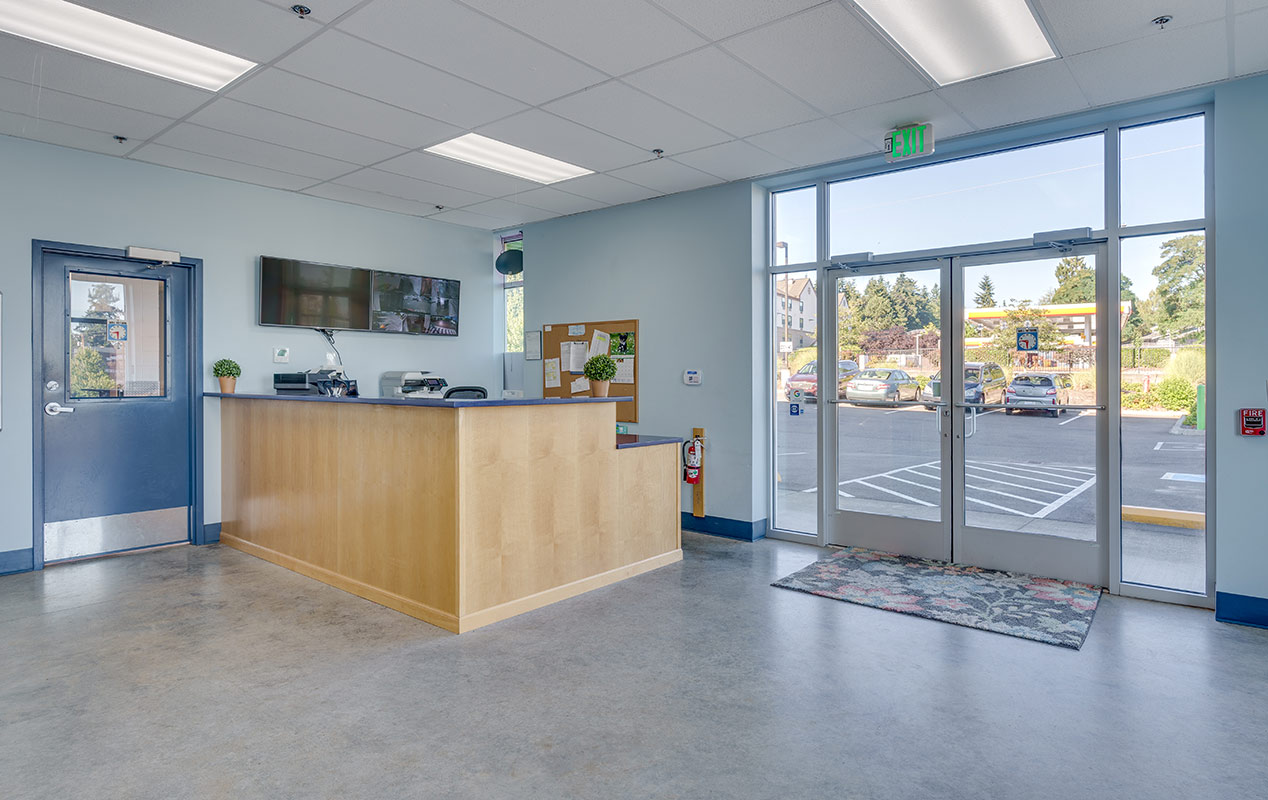
Basic moving supplies are available through the leasing office. Confirm current inventory when you need a particular box, lock, cover, or packing product.
Once the move is complete, take time to learn the routes, services, and resources near your new home.
Useful steps include:
Testing your commute at the time you expect to travel
Locating grocery stores, pharmacies, and medical providers
Reviewing public transportation options
Learning local waste and recycling procedures
Updating vehicle and insurance records
Finding nearby parks and recreation areas
Registering for applicable community and school services
Keeping emergency and property-management contacts accessible
Everett provides access to parks, waterfront areas, community events, arts organizations, educational institutions, and regional outdoor destinations.
Explore gradually rather than trying to complete every task immediately after move-in.
The right neighborhood depends on your housing budget, commute, preferred property type, and access to daily services.
Visit the neighborhoods you are considering and evaluate traffic, noise, walkability, building condition, and the available storage within the home.
Housing and other expenses may differ from Seattle, but affordability depends on the household and the specific property.
Compare current housing, transportation, insurance, utility, and commuting costs before making a decision.
Request current moving estimates and account for deposits, packing materials, travel, temporary accommodations, utility setup, repairs, and storage.
Include a reserve for schedule changes or unexpected access issues.
A storage unit may help when household-goods delivery, temporary lodging, and housing availability do not align.
Service members should follow official relocation guidance and keep military, medical, financial, and identification documents accessible.
Not every item requires it.
Climate-controlled and heated options may help reduce exposure to temperature swings and cold conditions. The decision should depend on item materials, manufacturer guidance, preparation, and storage duration.
These features do not guarantee humidity control or prevent deterioration.
Permitted furniture may be stored during a move, renovation, or temporary housing period.
Clean and dry each item, disassemble it when appropriate, protect the surfaces, and avoid placing heavy belongings on delicate components.
Review:
Unit type
Access arrangement
Rental rate
Promotional terms
Billing schedule
Notice requirements
Coverage terms
Prohibited items
Move-out procedures
Confirm unusual belongings, batteries, powered equipment, or intended business use before move-in.
No storage facility or packing method can guarantee protection against theft, loss, shifting, deterioration, or damage.
Suitable packing, a quality lock, inventory records, proper preparation, and applicable coverage can help reduce avoidable risks.
A successful move begins with realistic planning. Compare neighborhoods, verify current housing expenses, understand your moving agreement, and decide which belongings need to be immediately accessible.
When move-in dates, renovations, or temporary housing create a space gap, self storage can provide a practical place for permitted household goods.
Review available options for self storage in Everett, WA.
Everything you need to store your belongings securely, on your schedule.
Visit us online