Last updated Jun 23, 2026
Relocating to a new city involves managing many moving parts, from comparing neighborhoods to establishing a realistic budget. Piscataway Township sits in the heart of Central New Jersey and offers a mix of suburban neighborhoods, Rutgers University connections, commuter access, and local business activity.
Navigating this transition requires more than packing boxes. The local housing market can move quickly, and coordinating closing dates with moving schedules often creates logistical hurdles. Understanding local costs, neighborhood differences, and the role of temporary storage can help you plan a more organized move.
This guide explores key factors to consider before making Piscataway your new home, including community profile, housing costs, neighborhood options, storage planning, and commuting logistics.
Piscataway stands out as a diverse township in Middlesex County. According to Census Bureau Data, 2023, the demographic makeup is exceptionally varied, fostering a cosmopolitan environment within a suburban landscape.
A major driver of local activity is Rutgers University. The township is closely connected to the Busch and Livingston campuses, and according to Rutgers University, 2023, the institution supports a highly mobile population of over 71,000 students across its regional campuses, alongside thousands of medical professionals and visiting researchers. That university presence can shape housing demand, short-term moves, rentals, and seasonal storage needs.
Piscataway also benefits from its Central New Jersey location and access to regional employment areas. Residents may be drawn by the balance of suburban living, nearby academic institutions, local parks, and access to broader Middlesex County job markets.
New Jersey carries a reputation for high property taxes, so many buyers compare local tax rates carefully before choosing a town. According to New Jersey Real Estate Network, 2024, Piscataway Township maintains an effective property tax rate of 1.801%.
Housing costs in the township reflect local demand and vary by property type, size, condition, and neighborhood. According to Zillow, 2024, home prices generally range from $350,000 to over $600,000 for single-family residences. Renters should also compare apartment costs, lease terms, commute needs, and available storage space before moving.
For some households, storage becomes part of the budget conversation. If a smaller apartment or townhome is the right financial fit, a storage unit can help keep seasonal items, furniture, sports gear, or moving boxes out of daily living areas.
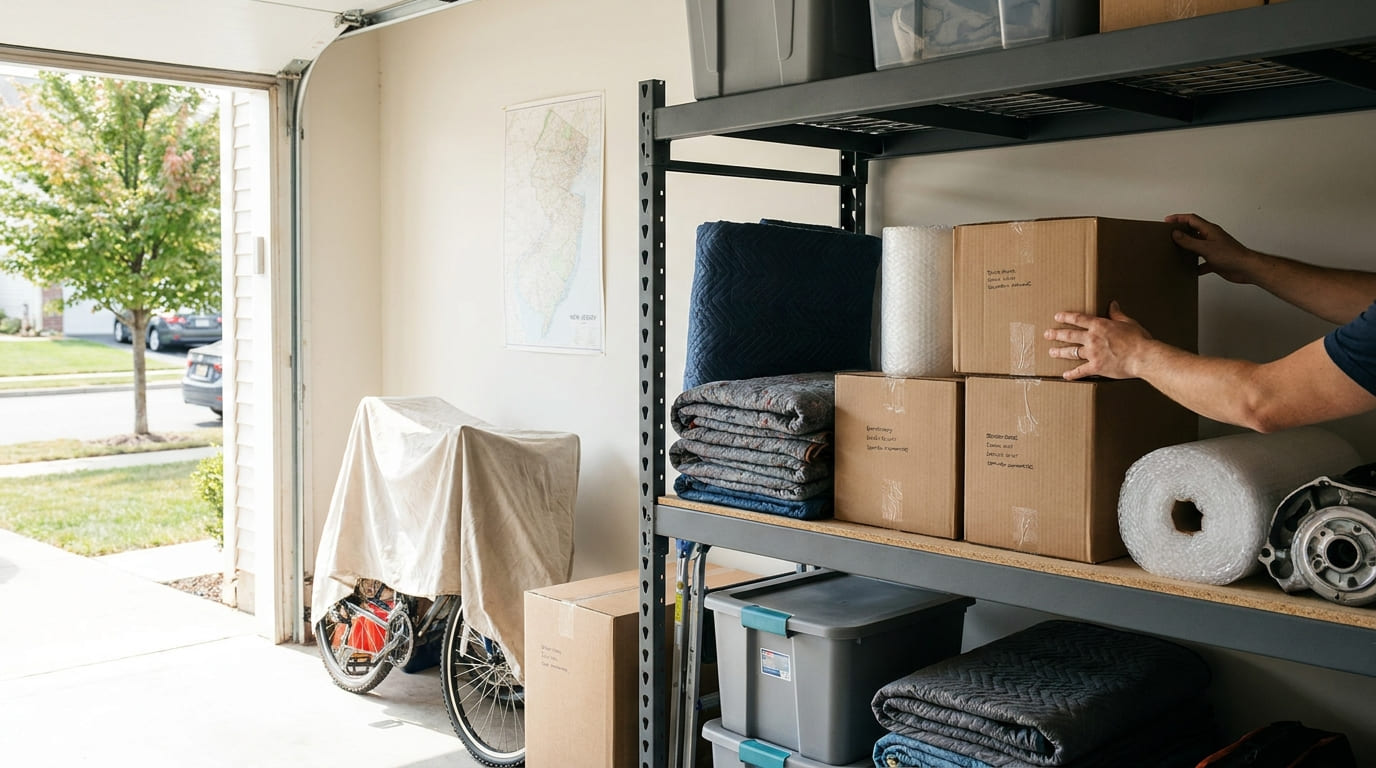
Piscataway spans multiple neighborhoods and residential areas, each with different housing styles and access considerations. Exploring these local areas can help you decide what kind of home and storage setup fits your move.
Society Hill is known for townhomes and condominiums, making it a common option for buyers and renters who want a more compact residential setting. Because attached homes may have less garage or basement space than larger detached houses, some residents use self storage for seasonal items, extra furniture, or moving overflow.
The Heights, also known as Bound Brook Heights, is associated with a more residential feel and larger home settings. Households moving into detached homes may still need temporary storage during renovations, painting, flooring projects, or staged move-ins.
Lake Nelson offers a suburban setting with access to local outdoor areas. Residents moving into or out of homes in this area may use storage during closing gaps, renovations, or downsizing projects.
Possumtown is another residential area where moving timelines, home projects, and household storage needs can vary. Whether you're moving into a larger home or reorganizing after a relocation, a nearby storage unit can help keep boxes and furniture out of the way while you settle in.
The Central New Jersey real estate market can be competitive. According to Prodigy Real Estate, 2024, Middlesex County maintains a highly competitive active inventory of just 1.4 months.
When buyers secure a property in a competitive market, closing dates may not line up perfectly with the end of an apartment lease or the sale of a previous home. This can create a temporary gap where belongings need to be stored before the new home is ready.
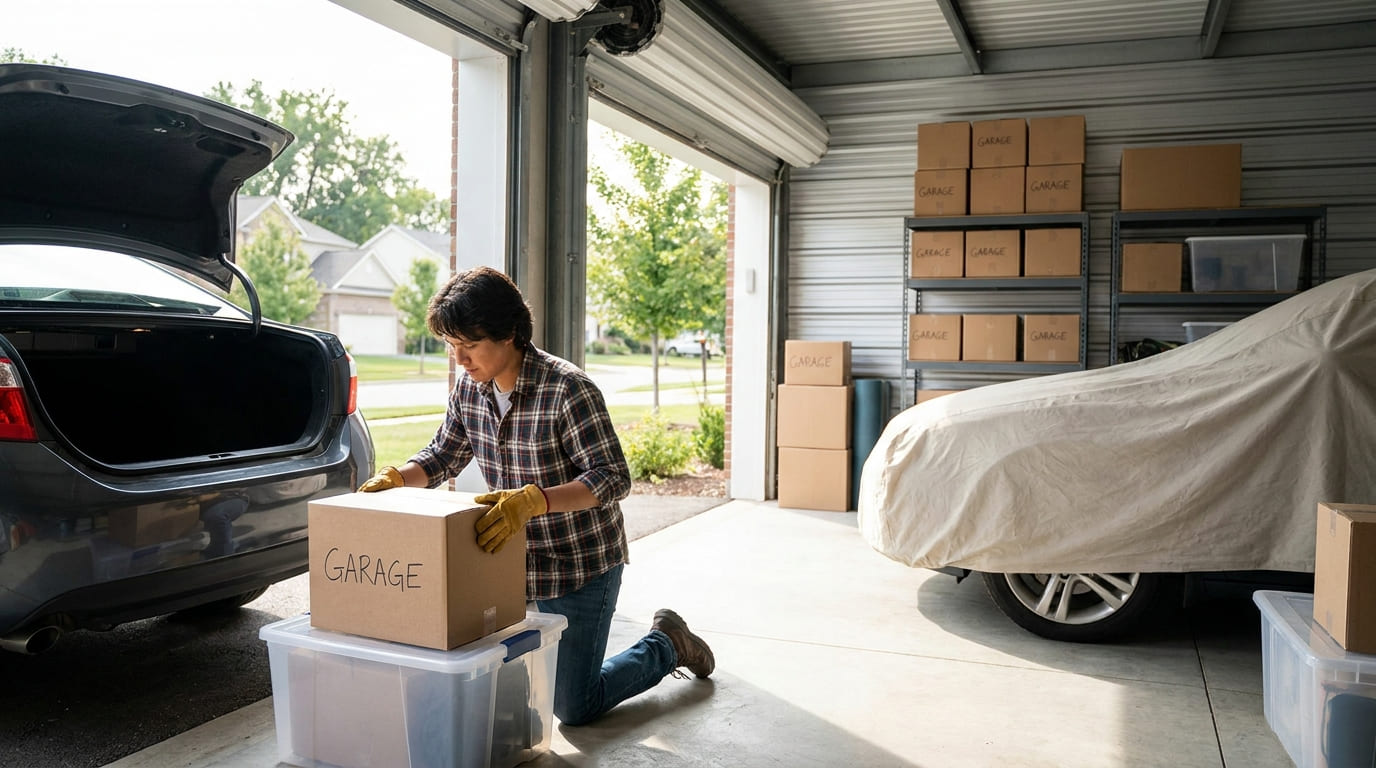
During these transitional periods, a flexible self storage facility can be useful. Families may compare larger unit sizes such as 10x20 or 10x30 for household moves, while renters or students may only need a smaller space. Month-to-month leases can help during uncertain moving timelines, renovations, staging projects, or gradual unpacking.
New Jersey's seasonal climate can include cold winters, warm summers, humidity, and temperature swings. These conditions may matter when storing household goods for more than a short period.
Climate-controlled storage can help reduce exposure to temperature swings compared with non-climate-controlled spaces. It may be useful for wooden furniture, electronics, documents, books, vinyl records, fabrics, photographs, and other items that may be sensitive to heat, cold, or moisture.
Drive-up units can still be helpful for durable items, frequent loading, or heavier belongings. The right choice depends on what you are storing, how long you are storing it, and how often you need access.
Some people moving to Central New Jersey are coming from New York City or other high-density areas where space is limited. Storage costs can vary widely based on market, unit size, amenities, and availability. According to Extra Space Storage Market Data, 2024, an average climate-controlled unit in Brooklyn costs upwards of $154 per month, with large units exceeding $600.
Rather than relying on one price comparison, new residents should review current storage pricing in Piscataway and compare unit sizes, climate-controlled options, drive-up access, and rental terms. Storage pricing changes frequently, so checking current availability and rates online is the safest approach.
Piscataway residents often plan around regional commuting, nearby transit hubs, and daily driving needs. People moving from denser urban areas may find that suburban life requires more planning for vehicles, errands, and storage space.
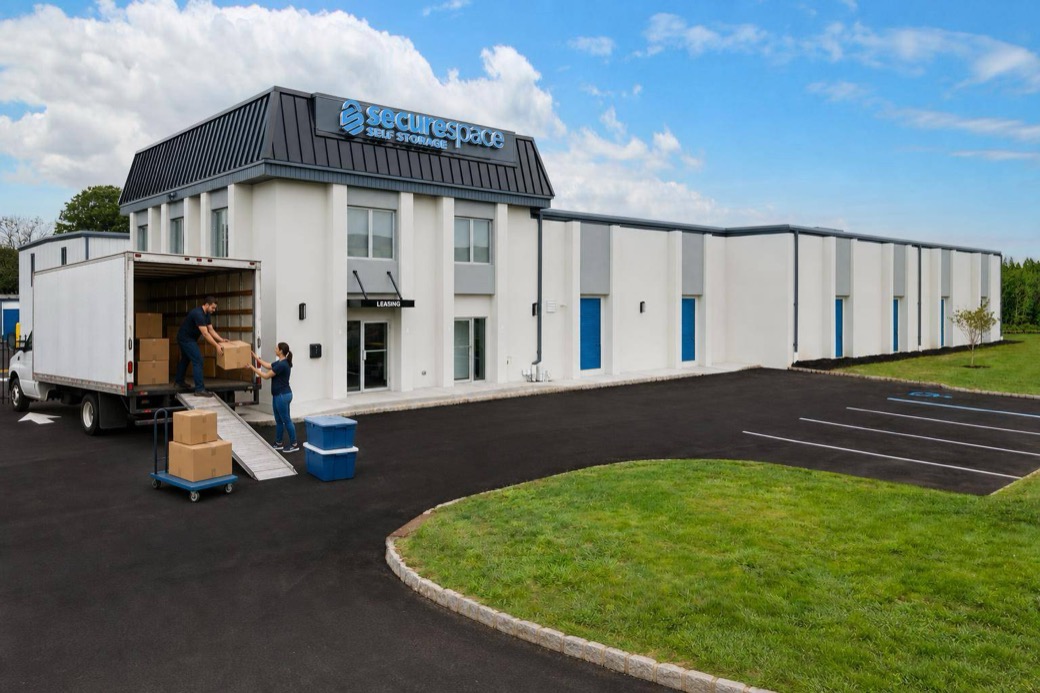
If your new home has limited garage or driveway space, storage may help with seasonal items, bikes, tools, sports gear, or household overflow. SecureSpace Self Storage Stelton-Piscataway also offers outdoor parking, and vehicles may be stored in drive-up units when the vehicle fits, the right unit is available, and facility rules and documentation requirements are met. Covered parking is not offered at this location.
Before planning vehicle storage, confirm vehicle size, documentation, parking availability, access needs, and facility rules.
Moving to a new municipality is a major life event, but it does not have to feel unmanageable. By understanding the local housing market, comparing neighborhoods, and planning for temporary storage needs, you can make the transition more organized.
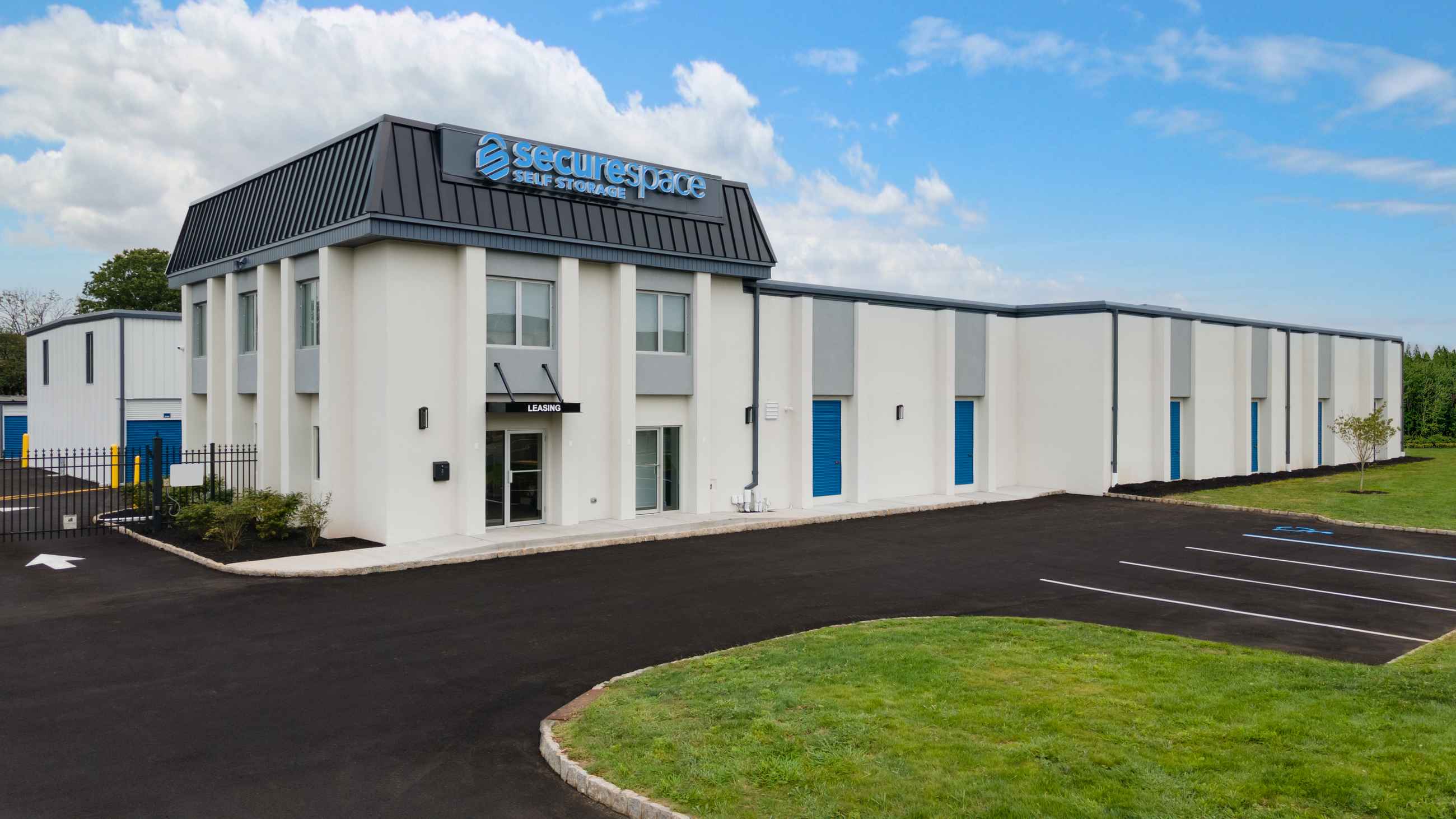
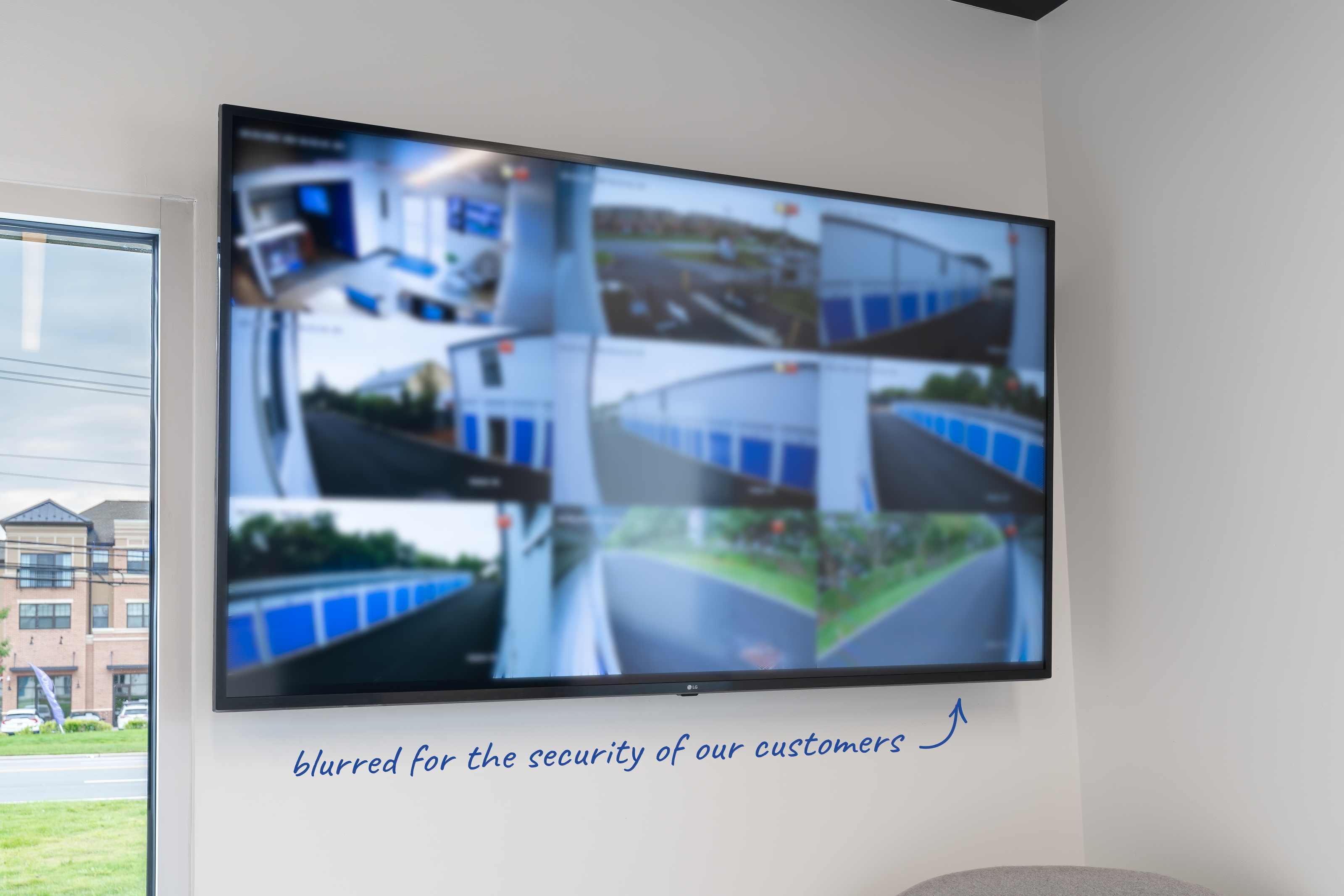
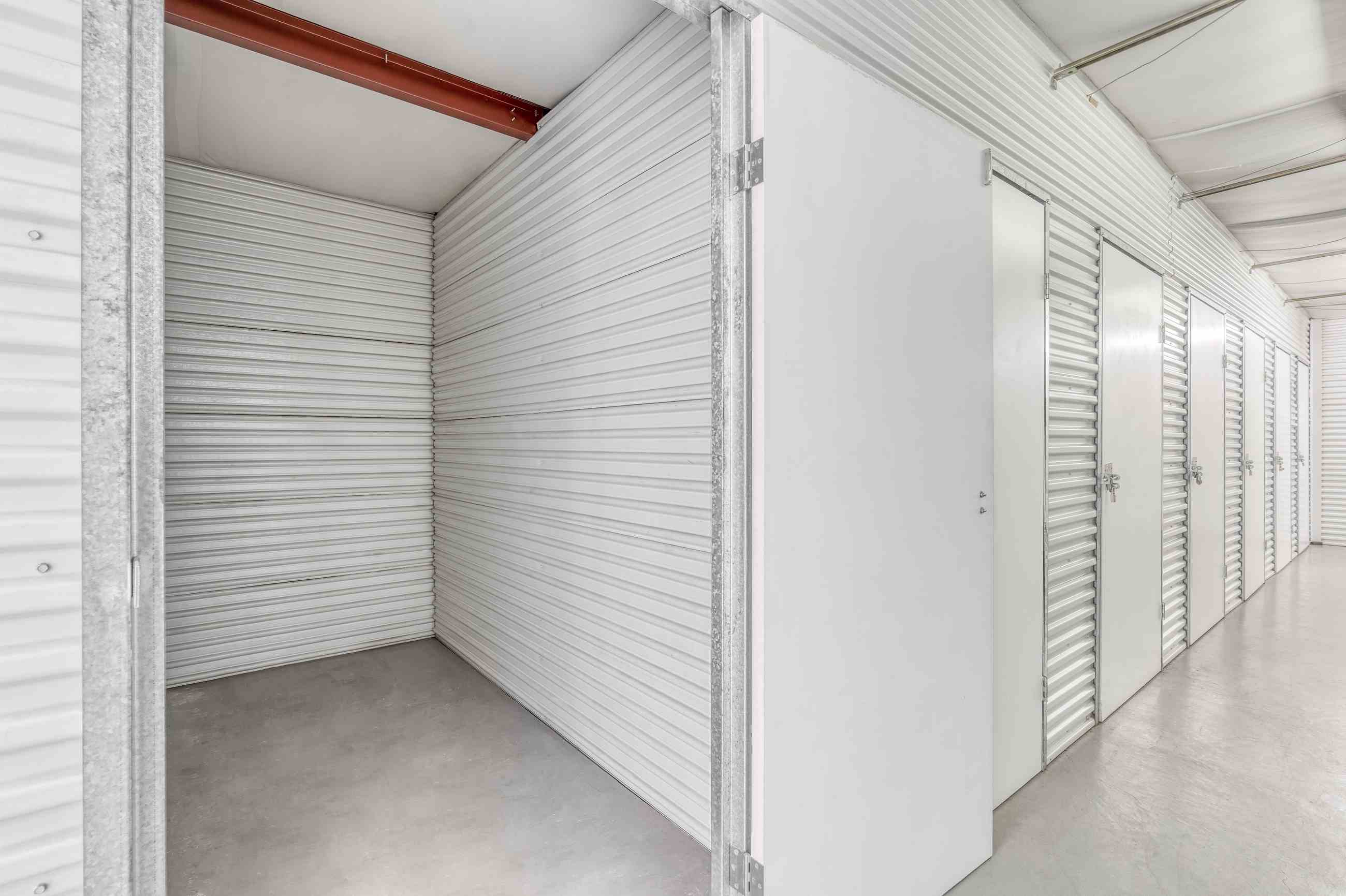
When closing dates, renovations, and moving trucks overlap, a storage unit can provide extra space while you settle in at your own pace. SecureSpace Self Storage Stelton-Piscataway offers climate-controlled storage, drive-up units, locker units, outdoor parking, elevator access, carts and dollies, touchless move-in, online payments, and month-to-month leases. Security-related features include an access gate, digital video recording, logged access, and overnight surveillance.
If you are planning your move to Central New Jersey, review current unit availability, compare storage sizes, and choose the features that fit your timeline. View Rates and Book Online at SecureSpace Self Storage Piscataway.
Society Hill is one option to compare because it includes townhomes and condominiums that may appeal to buyers or renters looking for a compact residential setting. Other neighborhoods may fit better depending on budget, commute, school needs, home size, and lifestyle preferences.
Property tax rates can vary by municipality and change over time. According to New Jersey Real Estate Network, 2024, Piscataway Township maintains an effective property tax rate of 1.801%. Buyers should confirm current tax rates and estimated bills with official municipal or real estate sources before making decisions.
Climate-controlled storage can be a good option for items that may be sensitive to temperature changes, such as wooden furniture, electronics, records, books, documents, photographs, and certain fabrics. It can help reduce exposure to temperature swings compared with non-climate-controlled spaces, but proper packing still matters.
Piscataway residents often use nearby regional transit options, depending on where they live and where they commute. New residents should compare routes, driving time, parking, and train or bus schedules before choosing a neighborhood.
Storage pricing changes based on unit size, availability, location, and features. According to Extra Space Storage Market Data, 2024, an average climate-controlled unit in Brooklyn costs upwards of $154 per month, with large units exceeding $600. For Piscataway storage, review current online rates and availability before renting.
Everything you need to store your belongings securely, on your schedule.
Visit us online