Last updated Aug 12, 2026

So you're moving to Seattle. Whether a new job pulled you in or you're chasing mountain views and waterfront living, the Emerald City has plenty to offer-great food, distinctive neighborhoods, and easy access to the outdoors.

But relocating here comes with a few surprises. Housing can be expensive, apartments are often compact, and the weather calls for a little extra planning when packing and storing belongings. This guide breaks down popular neighborhoods, what living here may cost, and how to think about storage while you settle in.
Let's get you settled.
Seattle is a city of distinct neighborhoods, each with its own personality. Where you land depends on your budget, your commute, and your lifestyle. Here's a quick look at common areas newcomers consider.
If you want walkability, nightlife, and a shorter commute to the urban job centers, focus on these areas:
Capitol Hill is known for restaurants, nightlife, transit access, and a walkable layout. It's a common pick for renters who want an energetic neighborhood close to downtown.
Ballard has breweries, restaurants, an arts scene, and a weekend farmers market. It offers a lively neighborhood feel with access to parks, shops, and waterfront-adjacent areas.
South Lake Union is a major tech and office hub with modern apartment buildings, restaurants, and access to downtown. If commute time matters most, it can be a practical place to start your search.
Belltown is dense and central, with a mix of older buildings, newer apartments, restaurants, and easy access to downtown, the waterfront, and Seattle Center.
If schools, space, and a quieter pace top your list, many newcomers also look across Lake Washington to the Eastside.
Bellevue offers an urban-suburban mix with shopping, office hubs, parks, and highly regarded schools. Expect premium housing costs compared with many other areas.
Redmond is home to Microsoft's campus, trail access, and suburban neighborhoods. It can be a strong fit for tech workers who want more space outside Seattle proper.
Kirkland offers waterfront access along Lake Washington, a walkable downtown, and a quieter pace than Seattle's urban core.
Woodinville and Bothell sit farther out and may offer more space, depending on your budget and commute tolerance.
One thing to keep in mind: locals often draw a line between "Seattle proper" neighborhoods such as Capitol Hill, Ballard, and Queen Anne, and Eastside cities such as Bellevue, Redmond, and Kirkland. The two areas are separated by Lake Washington and connected by the I-90 and SR-520 bridges, so bridge traffic should be part of your commute planning.
Seattle has a high cost of living, especially for housing. Some local cost-of-living estimates put Seattle roughly 44% to 57% above the national average, though actual monthly costs vary widely by neighborhood, household size, transportation choices, and lifestyle.
Here are the main categories to budget for:
A few things to know before you sign a lease:
Washington does not tax personal income, but other taxes and costs still matter. For example, Seattle shoppers may notice sales tax at the register; one city guide notes that the combined sales tax in Seattle is 10.25%.
Landlords may require first month's rent, a security deposit, and other move-in costs. Requirements vary, so confirm the total amount due before signing.
Seattle can work well without a car in some neighborhoods, especially near Link light rail or frequent bus routes. King County Metro has noted that adult Metro fares are a flat $3, though fares and pass options can change, so check current transit pricing before building your budget.
Here's a surprise for many transplants: Seattle apartments can be compact. One report on apartment size found that units built between 2015 and 2024 averaged 649 square feet, smaller than the national average cited in that same report.
That smaller footprint is one reason newcomers sometimes need extra space. If you're arriving from a larger, more affordable market, your furniture, outdoor gear, seasonal items, or home office setup may not all fit comfortably.
This is where smart downsizing comes in. Renting a smaller apartment and pairing it with a storage unit can be one way to keep everyday living space clear without parting with belongings you still use. Think of storage as an off-site closet for items that do not need to be in your apartment every day.
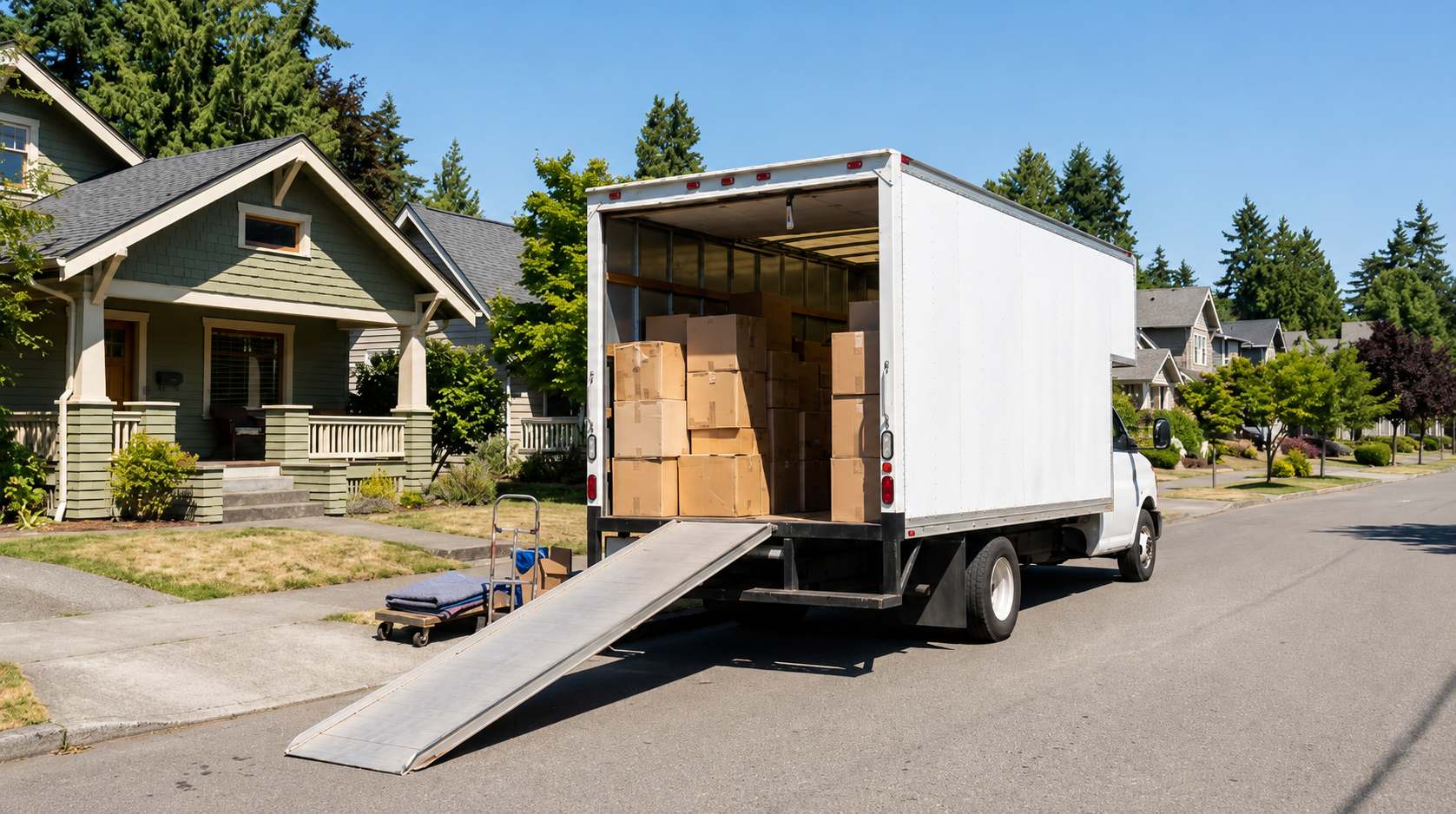
Once you've picked a neighborhood, it's time to plan the move itself. A local Seattle move can vary widely depending on how much you're hauling, how many movers you need, building access, stairs, elevators, parking, and the time of year.
Here are the main cost drivers:
Local movers often charge by the hour, and rates vary by company, crew size, truck size, and date.
A studio move may take only a few hours, while a larger apartment with stairs, elevators, or long carrying distances can take much longer.
Seattle's older buildings, steep hills, tight streets, and limited loading areas can add time. Budget extra for elevator reservations in high-rises, parking permits for moving trucks, and narrow streets in neighborhoods like Queen Anne and Capitol Hill.
A little planning goes a long way. Booking movers early, reserving building elevators, and confirming parking rules can help moving day run more smoothly.
Seattle's reputation for rain is well earned. The city averages over 39 inches of precipitation a year, and frequent wet weather makes packing and move-in planning important.
That does not mean every item needs a specialized storage environment. It does mean you should avoid putting damp belongings into boxes, bins, or storage. Make sure furniture, clothing, camping gear, and household items are clean and fully dry before storing them.
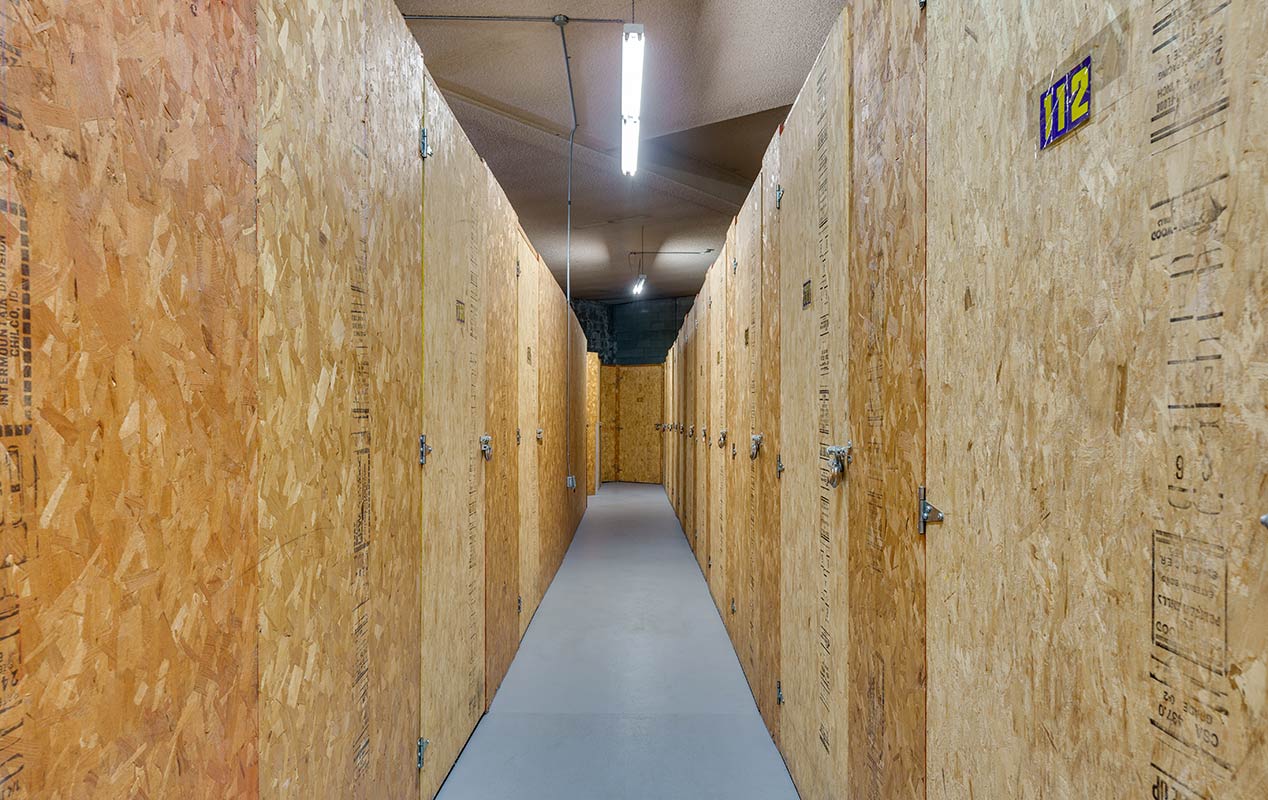
Heated indoor storage can be useful during colder months, depending on what you're storing and which unit features are available. It keeps belongings inside a building and may reduce exposure to colder conditions compared with non-heated spaces. Still, preparation matters most: use sturdy containers, avoid damp cardboard, and do not store prohibited or perishable items.
If you're storing household goods, consider how often you'll need access and which items should stay near the front of the unit.
Choosing the right unit size helps you avoid paying for more space than you need. Here's a quick guide to match your situation.
A 5x5 unit is about the size of a small closet. It can work for off-season clothing, boxes, small furniture, and outdoor gear.
A 5x10 unit can help with studio apartment overflow, seasonal items, business supplies, or boxes during a lease gap.
A 10x10 unit can fit many one-bedroom storage needs, depending on furniture size, box count, and how efficiently items are packed.
A 10x25 unit may help with larger household storage needs, business inventory, or bigger moves, depending on availability and facility rules.
Not sure where you land? Review a size guide or contact the facility before reserving.
South Lake Union, Belltown, Capitol Hill, Ballard, and Queen Anne are common options for people working near downtown Seattle or the urban core. Bellevue and Redmond are popular Eastside options, especially for people working near major Eastside employers. The right choice depends on commute, budget, transit access, and lifestyle.
Move-in costs vary by landlord and building. Plan for rent, deposits, possible application fees, pet fees, parking, utilities, and moving costs. Before signing, ask for the full move-in amount in writing.
Costs vary widely by apartment size, mover availability, crew size, stairs, elevator reservations, parking access, and distance. Get multiple quotes and confirm what is included before booking.
Yes, it can be useful for many storage needs, especially during colder months. Make sure belongings are clean and fully dry before storage, use sturdy containers, and review current unit features before renting.
Not necessarily. Seattle has Link light rail, buses, streetcars, ferries, bike lanes, and walkable neighborhoods. Many residents in areas like Capitol Hill, South Lake Union, and Belltown live car-light or car-free, while others prefer a car for commuting, errands, or weekend trips.
Relocating to Seattle is a big step, but a little planning makes all the difference. Pick a neighborhood that fits your commute and lifestyle, budget realistically for the city's higher costs, and prepare your belongings carefully before storing anything during the transition.
When you're ready to free up space in your new Seattle home, review available storage features, unit sizes, lease terms, and access details before reserving.
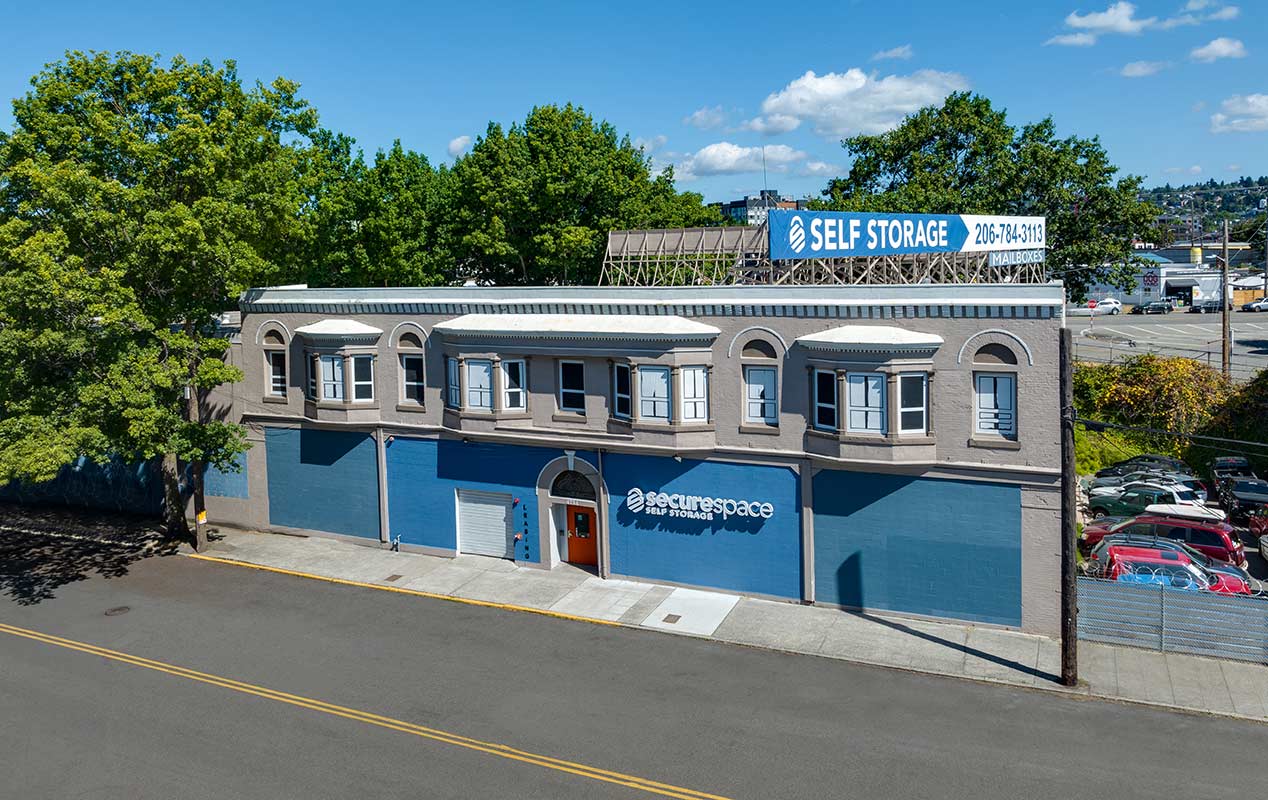
Find Seattle storage options for your new neighborhood at SecureSpace.
Everything you need to store your belongings securely, on your schedule.
Visit us online