Last updated Jun 23, 2026
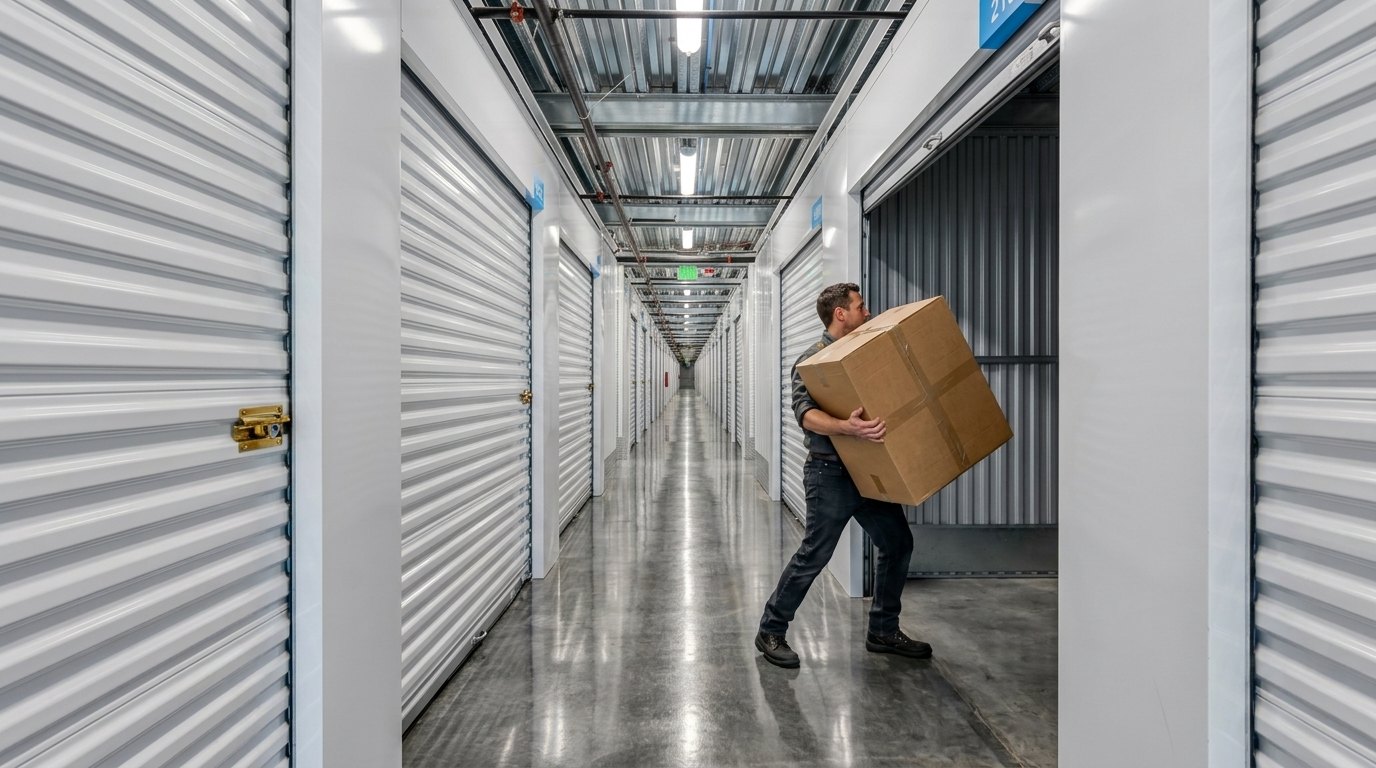
Quick answer: Rent a self-storage unit when you have a gap between lease dates, need temporary space during a renovation, want room to stage belongings during a move, or need a practical place for boxes, furniture, and seasonal items while you settle in. For moves in SE Portland, a month-to-month storage unit can make local transitions more manageable without relying on a moving truck or apartment hallway longer than necessary.
Moving to a new home should be an exciting milestone. Relocating within Portland, Oregon, can still bring logistical challenges that quickly drain your energy and your budget. Narrow streets, apartment move-in windows, limited parking, and Pacific Northwest rain all require careful planning. For many local residents, completing a move in a single day is difficult, especially when lease dates or renovation timelines do not line up.
The local housing market can move quickly. Residents often find themselves caught in complex transitions, juggling overlapping lease agreements or waiting for a home renovation to finish. These transitional periods can leave you holding a household full of furniture with nowhere convenient to put it. A local storage unit gives you a practical way to bridge the gap while keeping your belongings organized.
That is where a self-storage facility can become a useful moving tool. Instead of rushing to cram everything into a rented box truck on a rainy Tuesday, you can stage your move over several days or weeks. For SE Portland residents near Centennial, Powellhurst-Gilbert, Pleasant Valley, Rockwood, and surrounding eastside neighborhoods, choosing storage close to home can reduce backtracking and make repeat trips easier.
This guide walks through when to use storage during a Portland move, with a stronger focus on SE Portland. We will look at lease gaps, rainy-season packing, street parking logistics, downsizing, home renovations, and the facility features that can help make a move more manageable.
The primary reason Portlanders turn to a self-storage facility is the misalignment of lease dates. Securing a new apartment or home can mean signing a lease that starts days or weeks after your current lease ends. That gap leaves tenants trying to coordinate furniture, boxes, movers, temporary lodging, and access to the next home all at once.
According to QualityInfo.org, 2026, Portland maintains a 47 percent rentership rate, a figure that jumps to 68 percent for residents under the age of 35. This large renter population can create a steady volume of local relocations. The regulatory landscape also plays a role. With Oregon's statewide rent control rules allowing certain annual rent increases, some tenants may reassess their housing options over time. According to Willamette Week, 2025, the average monthly rent for a one-bedroom apartment is $1,529, which can add financial pressure during a move.
When move-out and move-in dates fail to align, you have limited options. Leaving belongings in a rented moving truck overnight on a city street can create avoidable risk. Moving everything into a friend's living room is rarely realistic for a whole household. By renting a short-term, month-to-month storage unit, you create a staging area. You can move items out of your old place at your own pace, store them temporarily, and transition into your new home when the lease officially begins.
The Pacific Northwest climate can change the moving process. Rain is common in Portland, especially from autumn through spring, so it is worth building extra time and weather protection into your plan. According to PureMovers, 2026, the region experiences over 150 wet days annually, with heavy precipitation heavily concentrated between November and March.
This sustained moisture profile makes outdoor staging risky. It is usually best to avoid leaving organic materials such as wood furniture, leather upholstery, books, cardboard boxes, and electronics in driveways or yards during the loading process. Exposure to ambient humidity and direct rainfall can increase the chance of moisture-related damage if items are not packed and moved carefully.
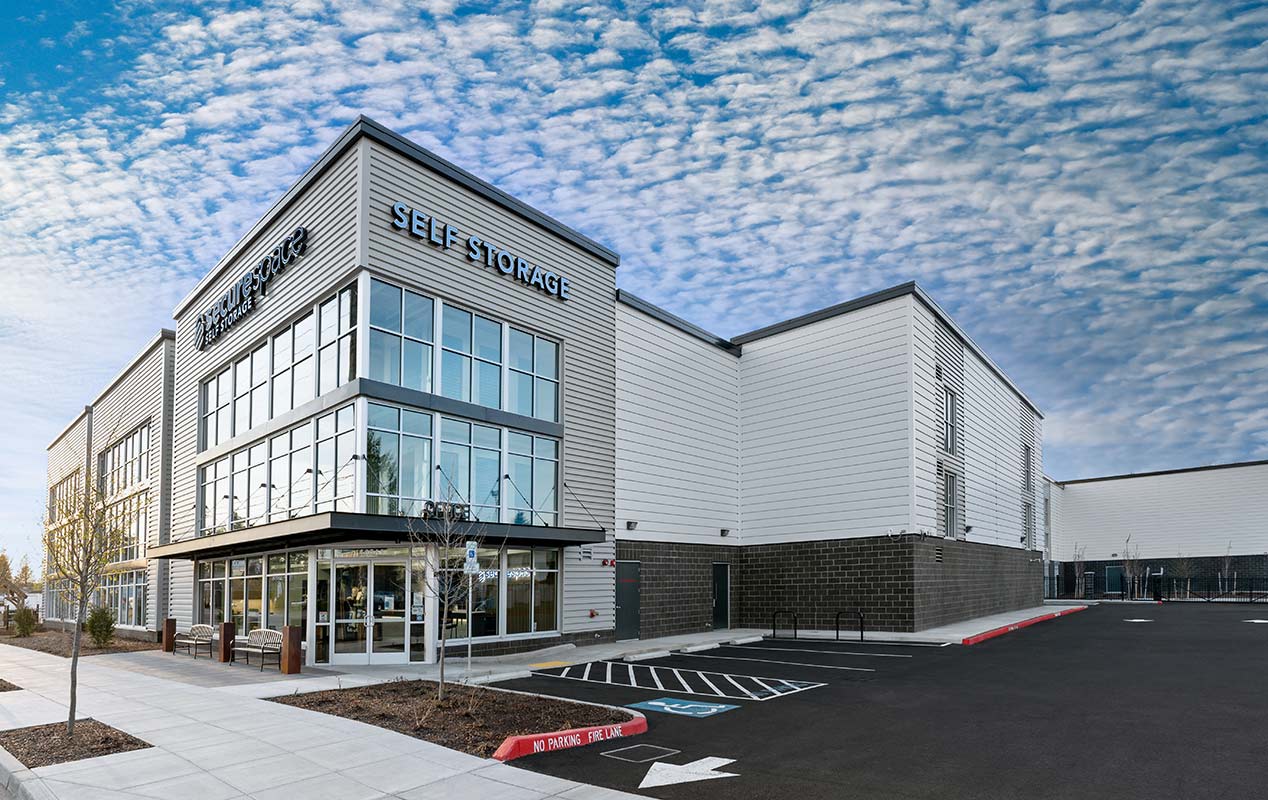
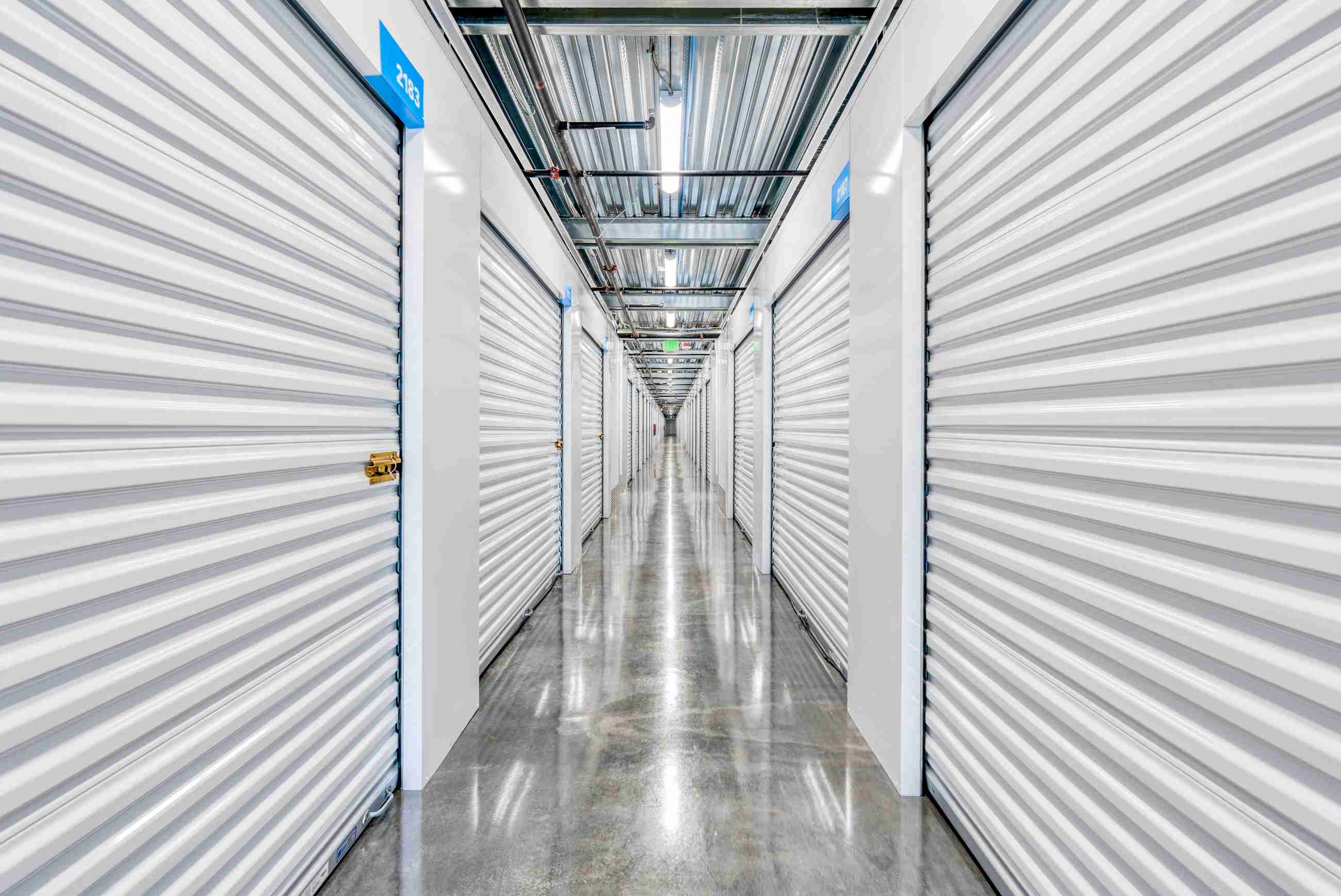
SecureSpace Self Storage Centennial offers heated indoor storage. Heated storage is not the same as climate-controlled storage and does not provide strict humidity control, but it can be a useful indoor option during damp months. Customers should still pack items clean and dry, use sealed bins where appropriate, and avoid storing anything that is wet from rain or outdoor use.
If you must move during a downpour, use specific weather protocols. First, prioritize waterproof plastic bins instead of traditional cardboard boxes for items that are more sensitive to moisture. Cardboard can weaken when exposed to standing water or heavy rain, risking the contents inside.
Second, use tarps or weather-resistant covers to reduce exposure while items move between the home and the vehicle. If you are using a professional moving team or loading a truck yourself, non-slip floor runners can help protect delicate flooring in older homes from mud and water. Load delicate electronics last so they are exposed to the elements for the shortest practical time.
A self-storage facility with a covered loading area can make rainy-day loading easier. SecureSpace Self Storage Centennial offers a covered loading area, elevator access, extra-large elevators, and carts and dollies, which can help when moving boxes, furniture, bins, or household goods into an indoor unit.
Conducting a move in dense neighborhoods often means planning around street parking. Many residents underestimate the regulatory friction of urban logistics. If you plan to park a moving truck, portable moving container, or large vehicle on a public right-of-way, you may need to review Portland's Temporary Street Use Permit rules before moving day.
According to Portland.gov, 2026, navigating this process involves several compounding costs and strict timelines:
A non-refundable base application fee.
Additional costs may apply for required signage or posted parking controls.
Applications may require processing time.
Signage may need to be posted in advance.
If you fail to secure the right permit or post required signage in time, your reserved space may not be enforceable. Non-compliance can also create fines, towing risk, or delays. Storage will not solve every parking challenge, but it can reduce the pressure to complete a full household move in one truck trip. For some SE Portland moves, staging items in a nearby unit and making smaller planned trips can be more manageable than relying on one large moving day.
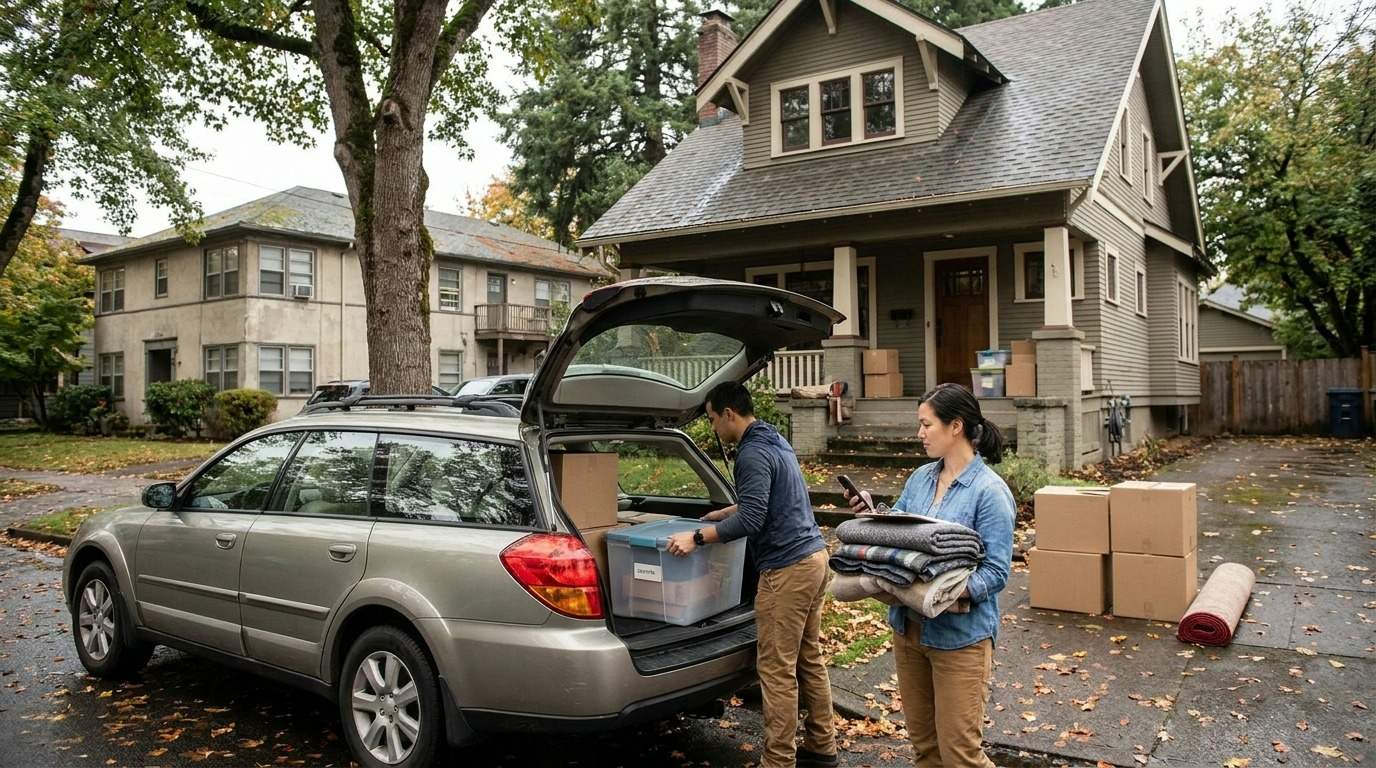
Downsizing for urban living can create a major space challenge. Many residents move from larger suburban properties or bigger shared homes into smaller apartments, townhomes, or older Portland houses with limited closet, basement, or garage space. When that happens, you may face an immediate spatial deficit.
You may find that an oversized sectional sofa, large dining table, or collection of seasonal decorations simply will not fit into a new home right away. Rather than hastily selling personal items or trying to cram them into a small space, a self-storage unit can provide a secondary staging area. You can store these items while you measure your new rooms, determine what fits, and decide what to sell, donate, or keep.
The active, outdoorsy lifestyle common in the Pacific Northwest can increase the need for supplemental storage. Portland residents often own recreational equipment for trips to the Columbia River Gorge, Mount Hood, local parks, trails, and nearby waterways.
Kayaks, mountain bikes, camping gear, ski equipment, and climbing gear can be bulky, awkward, and sometimes wet or dirty after use. Storing outdoor recreational gear in a self-storage unit can help keep an apartment or home uncluttered while keeping seasonal equipment easier to rotate. Fit depends on item dimensions, unit availability, access path, and facility rules.
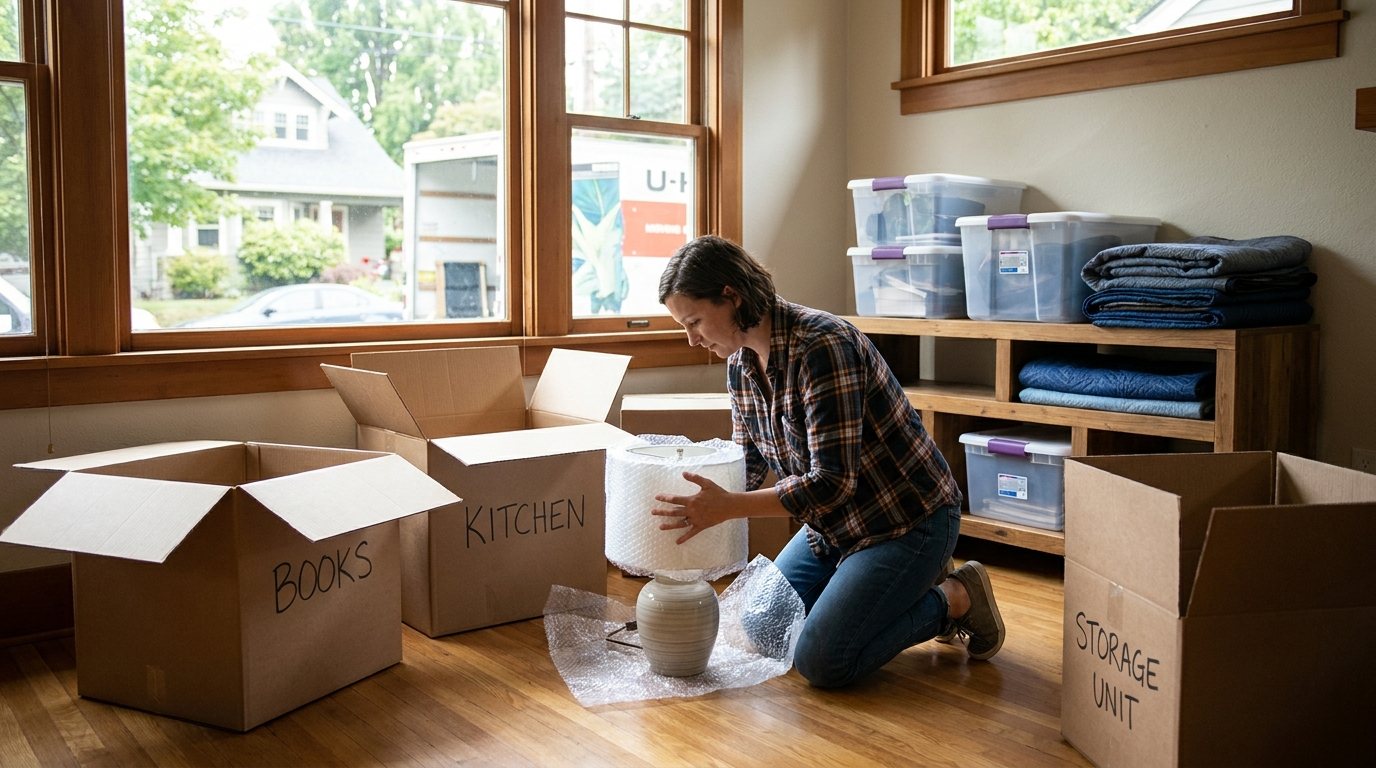
Portland has many older homes, including Craftsman, bungalow, and Victorian-style properties across the eastside. Renovating an older home often requires clearing rooms, protecting furniture, and keeping belongings away from dust and debris.
Renovations can generate pervasive dust, physical hazards, and severe space constraints. Drywall dust can get into soft furnishings, and moving materials through crowded rooms may increase the chance of scratches or damage. Using a storage unit to clear the renovation zone can help protect belongings and give contractors a more open workspace.
For homeowners in SE Portland, a nearby storage unit can also make phased renovation easier. You can move furniture out one room at a time, keep seasonal items out of the way, and bring belongings back after work is complete.
Portland's physical layout can influence moving logistics. According to JustLuxe, 2026, areas like the Pearl District, Old Town, and the inner Southeast quadrants feature highly restricted infrastructure. You may encounter narrow streets, bike lanes, limited loading zones, and older buildings with tight entryways.
Historic architecture can also introduce friction such as steep staircases, narrow halls, and delicate flooring. Apartment complexes may require elevator reservations or limited move-in windows. If traffic or timing throws off the schedule, a move can become more stressful than expected.
For SE Portland moves, it helps to plan around major routes, bridge traffic if crossing the river, and the number of trips you need to make. Renting storage near your new neighborhood can reduce repeat cross-town drives and help you avoid block-by-block navigation until your final move-in window.
Yes, storage can be worth considering when lease dates do not line up, your new home is not ready, or you need to stage items before a renovation or apartment move-in. According to Budget Movers, 2026, utilizing a centralized storage facility can be cost-effective and may reduce logistical friction by limiting reliance on municipal permits and commercial truck rentals.
Avoid staging wood, leather, electronics, cardboard boxes, and other moisture-sensitive items outdoors. Wrap items carefully, use sealed bins where appropriate, load sensitive items last, and allow wet outdoor gear or furniture to dry before placing it in storage. SecureSpace Self Storage Centennial offers heated indoor storage, but it is not climate-controlled and does not provide strict humidity control.
SecureSpace Self Storage offers month-to-month leases, which can be useful for renters, homeowners, and students managing short-term transitions. Rental terms, availability, and pricing can change, so review current facility details before making plans.
Parking rules depend on where you park, the type of vehicle, the duration, and whether you are using public right-of-way space. If you plan to use a moving truck or portable container in a dense area, review Portland's Temporary Street Use Permit requirements in advance. Storage may help reduce the need for one large move, but it does not eliminate every parking or permit requirement.
A self-storage unit can be a practical tool for people in transition. By giving you room to stage belongings, bridge lease gaps, and move in phases, storage can make a local move easier to organize.
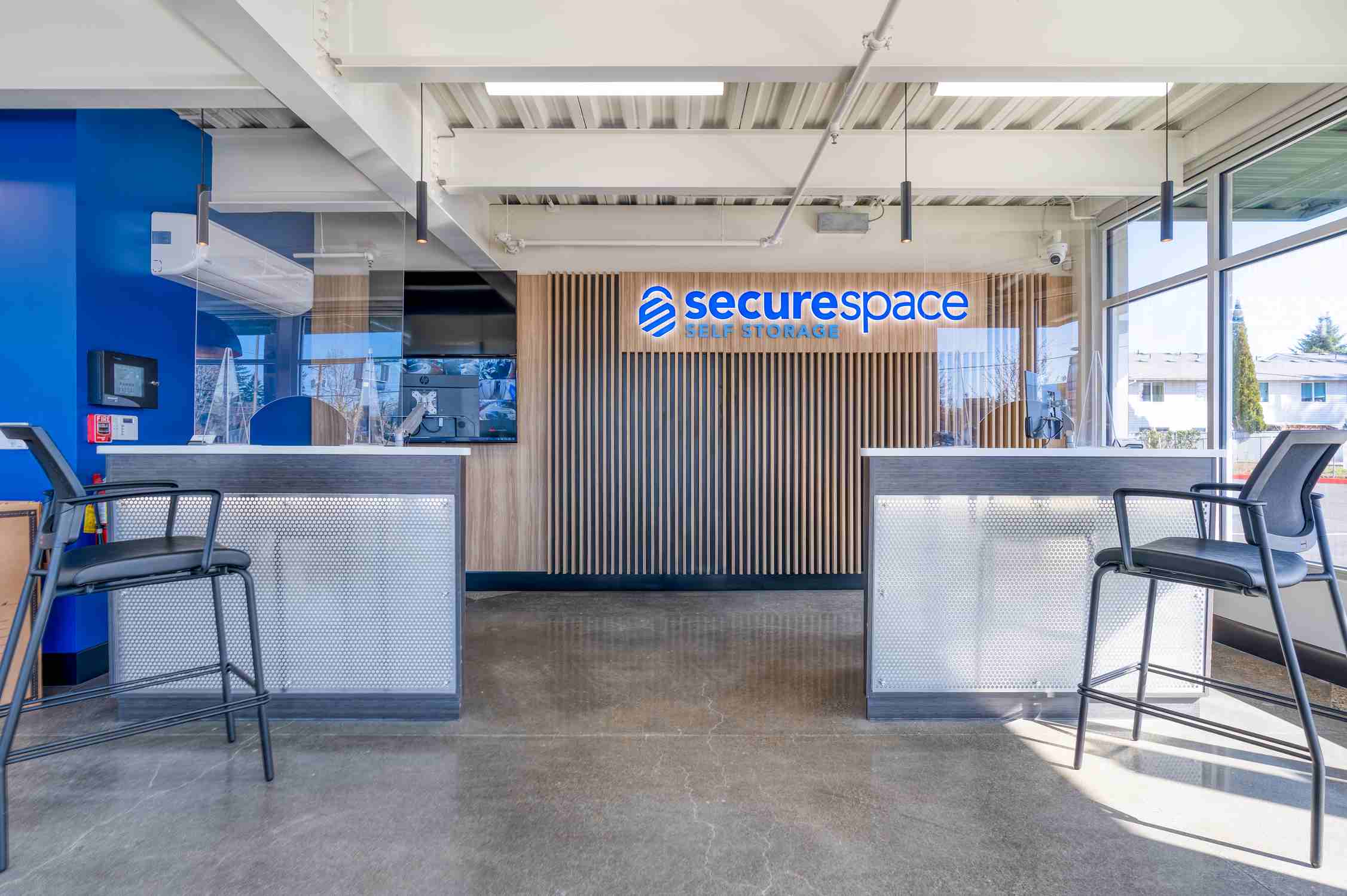
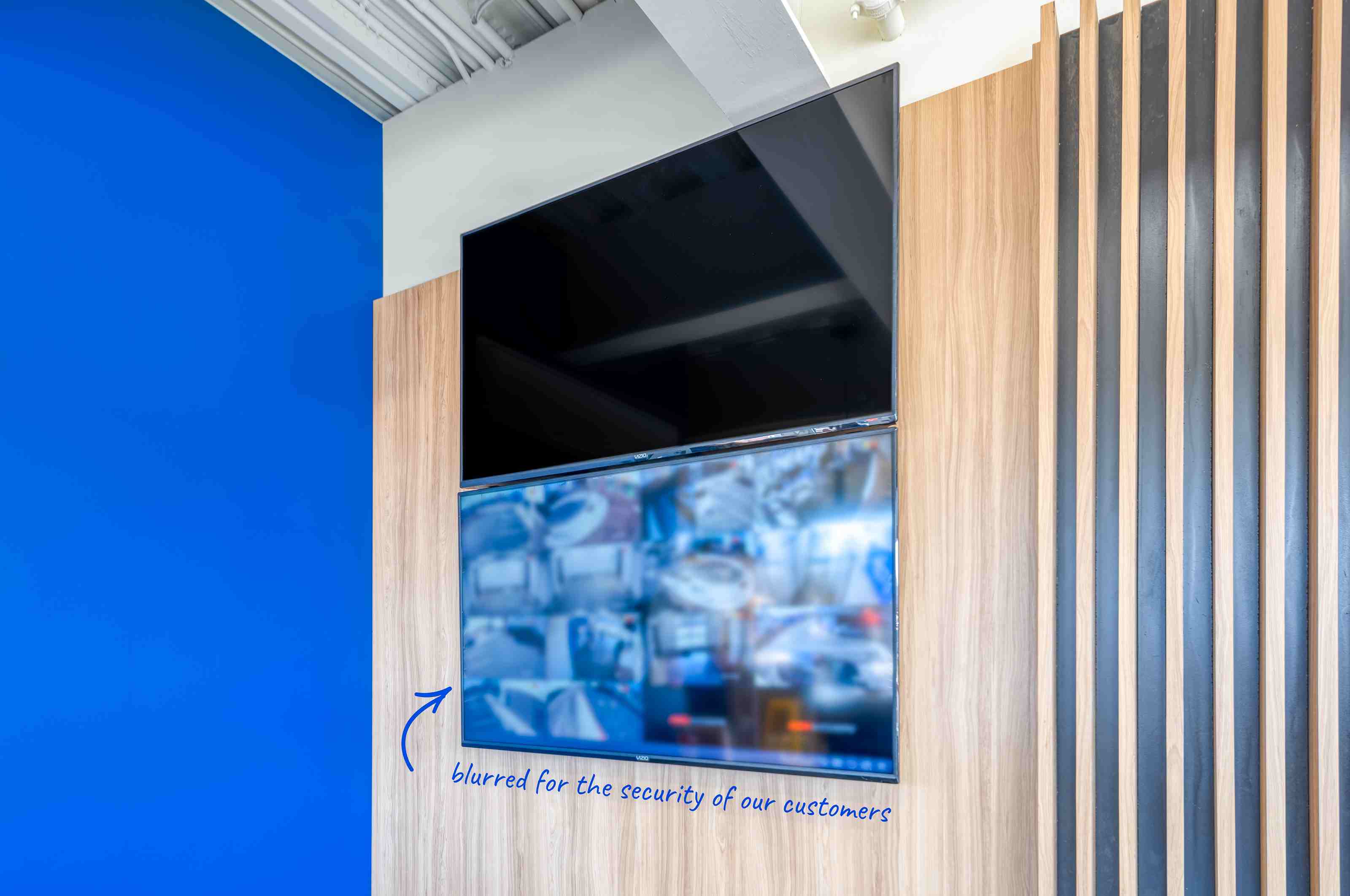
SecureSpace Self Storage Centennial offers heated indoor storage, daily access from 7:00 AM to 10:00 PM, month-to-month leases, online payments, ACH and credit card payment plans, a covered loading area, elevator access, extra-large elevators, carts and dollies, digital video recording, logged access, and overnight surveillance.
Ready to make your SE Portland move more manageable? Review current options at SecureSpace Self Storage Centennial and choose the unit size that fits your timeline, belongings, and available inventory.
Find self storage in SE Portland, OR with SecureSpace and compare current unit availability before moving day.
Everything you need to store your belongings securely, on your schedule.
Visit us online