Last updated Aug 12, 2026
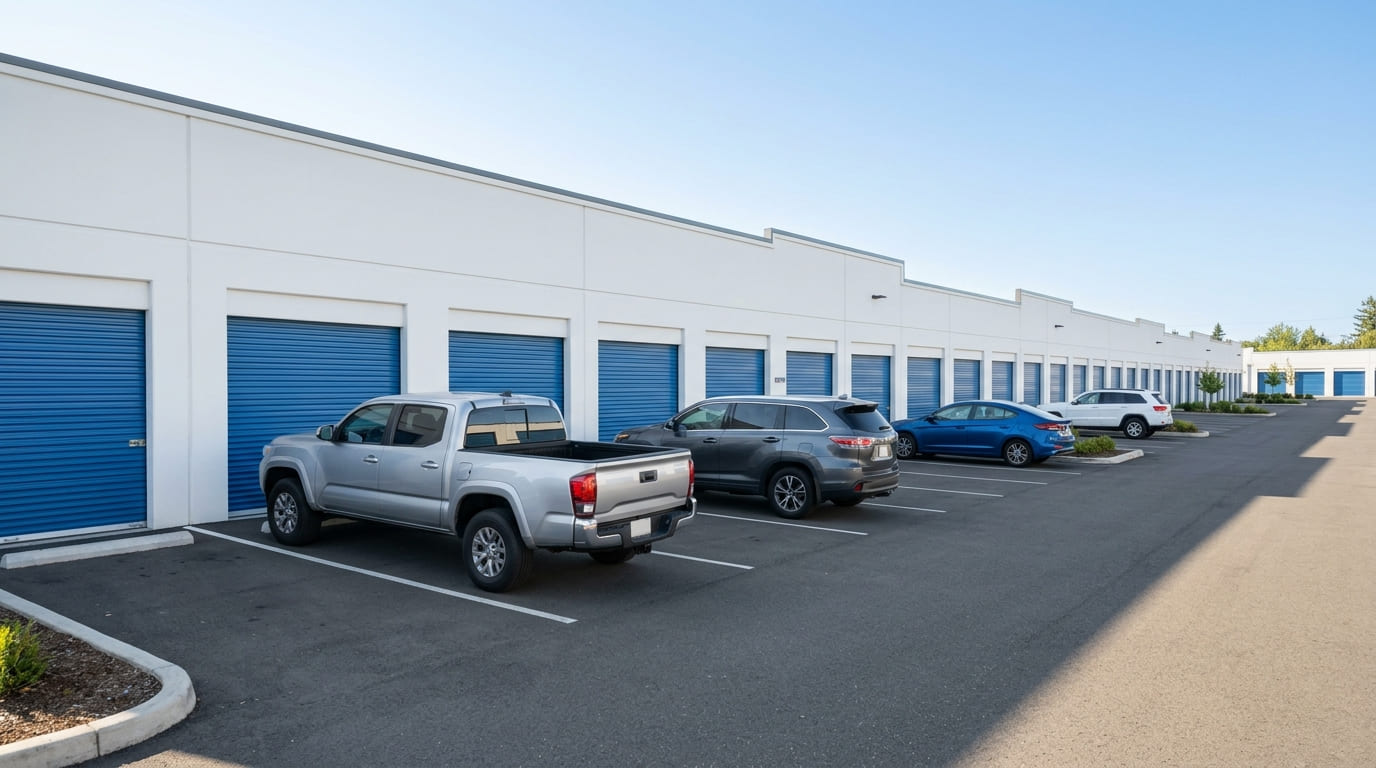
Limited driveway space, municipal parking rules, HOA restrictions, and seasonal travel can make it difficult to keep an extra vehicle at home. Outdoor vehicle storage provides another option for eligible cars, motor vehicles, RVs, and boats when residential parking is unavailable or impractical.
SecureSpace Self Storage Federal Way offers uncovered outdoor parking. Eligibility depends on vehicle dimensions, documentation, condition, facility rules, and current availability.
This guide covers local parking considerations, available storage types, outdoor vehicle preparation, and what to review before renting a space.
Vehicle owners may need off-site parking for several reasons.
Federal Way regulates where recreational vehicles and boats may be parked. Before leaving a vehicle on a public street or residential property, review the current Federal Way Revised Code (FWRC) 22-1177 and other applicable city provisions.
Rules may depend on:
Vehicle type
Overall dimensions
Parking duration
Location on the property
Driveway or parking-pad access
Temporary loading or unloading
Permit requirements
Zoning
Vehicle condition
Because code language and enforcement procedures can change, consult the current municipal code or contact the city when a particular parking situation is unclear.
Private rules may be more restrictive than city requirements.
Review:
HOA covenants
Apartment parking policies
Lease terms
Assigned-space limits
Guest-parking rules
Commercial-vehicle restrictions
Towing procedures
Do not assume an RV, boat, or extra car can remain in a driveway, shared lot, guest space, or private street simply because it fits.
Some households have assigned apartment parking, narrow driveways, shared garages, or no suitable room for an additional vehicle.
Outdoor storage may help during:
A move
A renovation
Seasonal travel
A temporary work assignment
Changes in household vehicles
Periods when an RV or boat is not in use
RecNation Storage describes several common vehicle-storage formats used across the industry. Availability differs by facility.
The vehicle is kept in a designated outdoor space without overhead protection.
It remains exposed to:
Rain
Sunlight
Wind
Temperature changes
Airborne debris
Outdoor moisture
This is the only vehicle-parking format available at SecureSpace Federal Way.
Covered parking typically adds a roof or canopy while leaving the sides open.
SecureSpace Federal Way does not offer covered parking.
Indoor storage places a vehicle inside a building or enclosed unit.
SecureSpace Federal Way does not offer indoor vehicle storage. Vehicles cannot be stored inside standard or drive-up storage units.
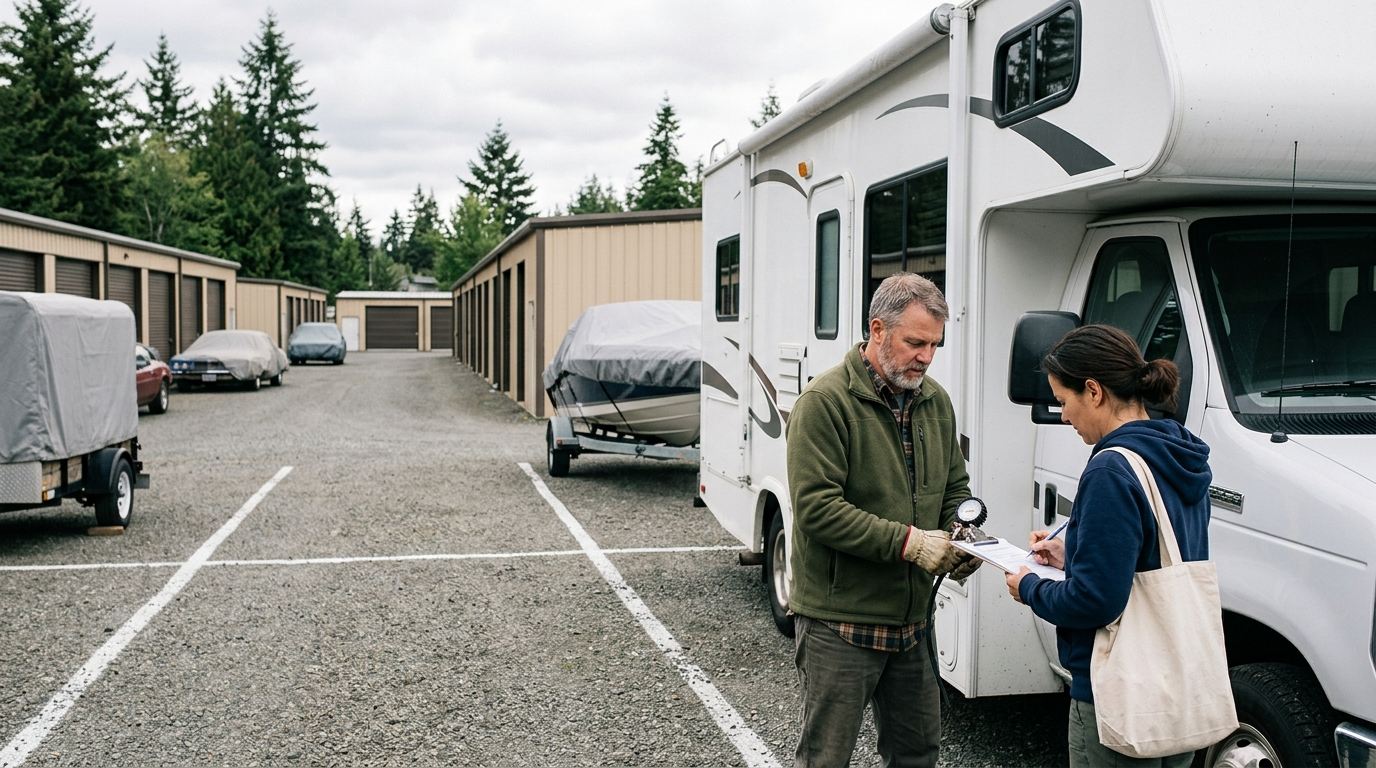
SecureSpace Self Storage Federal Way offers uncovered outdoor parking for eligible:
Cars
Motor vehicles
RVs
Boats
Acceptance depends on:
Vehicle or watercraft type
Overall dimensions
Required documentation
Vehicle condition
Facility rules
Current availability
Trailer parking should not be assumed. If a boat, RV, or other vehicle will arrive on a trailer, confirm the complete setup with the facility before arranging transportation.
Outdoor parking does not guarantee protection from weather, theft, vandalism, corrosion, pests, or mechanical deterioration.
Model names and manufacturer classifications do not always reflect the full space required.
Measure the vehicle from its outermost points, including:
Front and rear bumpers
Mirrors
Hitches
Spare tires
Ladders
Bike racks
Cargo carriers
Running boards
Boat motors
Roof-mounted accessories
Awnings
Other aftermarket equipment
Record the overall length, width, and height.
Ask whether the available space can hold the entire vehicle without extending beyond its assigned boundaries. Do not rely only on a nominal model length or general parking-size guide.
Before bringing a vehicle to the property, confirm:
Do not assume that a disabled, leaking, unregistered, oversized, or commercially used vehicle will qualify.
Online payment availability does not necessarily mean every rental and move-in step can be completed without communicating with the facility.
Preparation requirements vary by vehicle type, manufacturer, storage duration, battery system, and mechanical condition.
Follow the applicable owner's manuals or consult a qualified vehicle, RV, marine, or motorcycle technician.
Before storage:
Remove food and trash.
Remove valuables and important documents.
Clean the interior.
Wash away dirt and road residue.
Allow the vehicle to dry completely.
Empty compartments that may attract pests.
Check for fluid leaks.
Cleaning also makes it easier to photograph and document the vehicle's condition.
Look for:
Oil leaks
Fuel leaks
Coolant leaks
Brake-fluid leaks
Damaged tires
Loose exterior components
Roof or seal damage
Battery concerns
Warning lights
Address significant issues before storage. Repairs and maintenance should not be assumed to be permitted in the parking area.
Battery procedures differ among conventional vehicles, hybrids, electric vehicles, motorcycles, RVs, and boats.
Review manufacturer instructions for:
Battery disconnection
Charging
Battery maintainers
Electric-vehicle charge levels
Alarm systems
Parasitic power use
Battery ventilation
Do not assume that electrical outlets or charging connections are available.
Inspect tires and follow the vehicle and tire manufacturers' recommendations for:
Inflation
Long-term parking
Load requirements
Tire covers
Supports or stands
Periodic movement
Do not overinflate tires or place a vehicle on blocks without suitable guidance and facility approval.
The correct approach to fuel levels, stabilizers, engine oil, coolant, plumbing systems, and winterization varies by vehicle.
Do not add chemicals, drain systems, or alter normal maintenance procedures unless directed by the manufacturer or a qualified technician.
A properly fitted outdoor cover may reduce exposure to dirt and debris, but an unsuitable cover may trap moisture, rub against painted surfaces, or damage accessories.
Before using one:
Review manufacturer guidance.
Confirm that covers are permitted.
Choose the correct size and material.
Make sure the vehicle is clean and dry.
Protect sharp projections.
Secure the cover according to its instructions.
Inspect it periodically.
Avoid using a loose plastic tarp as a substitute for a vehicle-specific cover.
RV systems may require special attention before an extended parking period.
Review the manufacturer's instructions for:
Freshwater systems
Wastewater tanks
Water heaters
Pumps and fixtures
Propane systems
Batteries
Generators
Roof seals
Slide-outs
Appliances
Winterization
Remove food, medications, valuables, and sensitive property before storage.
Do not assume that tank dumping, utility connections, generator operation, washing, or maintenance is permitted at the parking facility.
Boat preparation depends on the hull, engine, fuel system, battery, trailer setup, and storage duration.
Review manufacturer or marine-service guidance for:
Drainage
Engine preparation
Fuel systems
Batteries
Bilge areas
Covers
Upholstery
Electronics
Exterior finishes
Water remaining in onboard systems
A boat may qualify for outdoor parking, but trailer eligibility should be checked before arrival.
SecureSpace Federal Way has:
An access gate
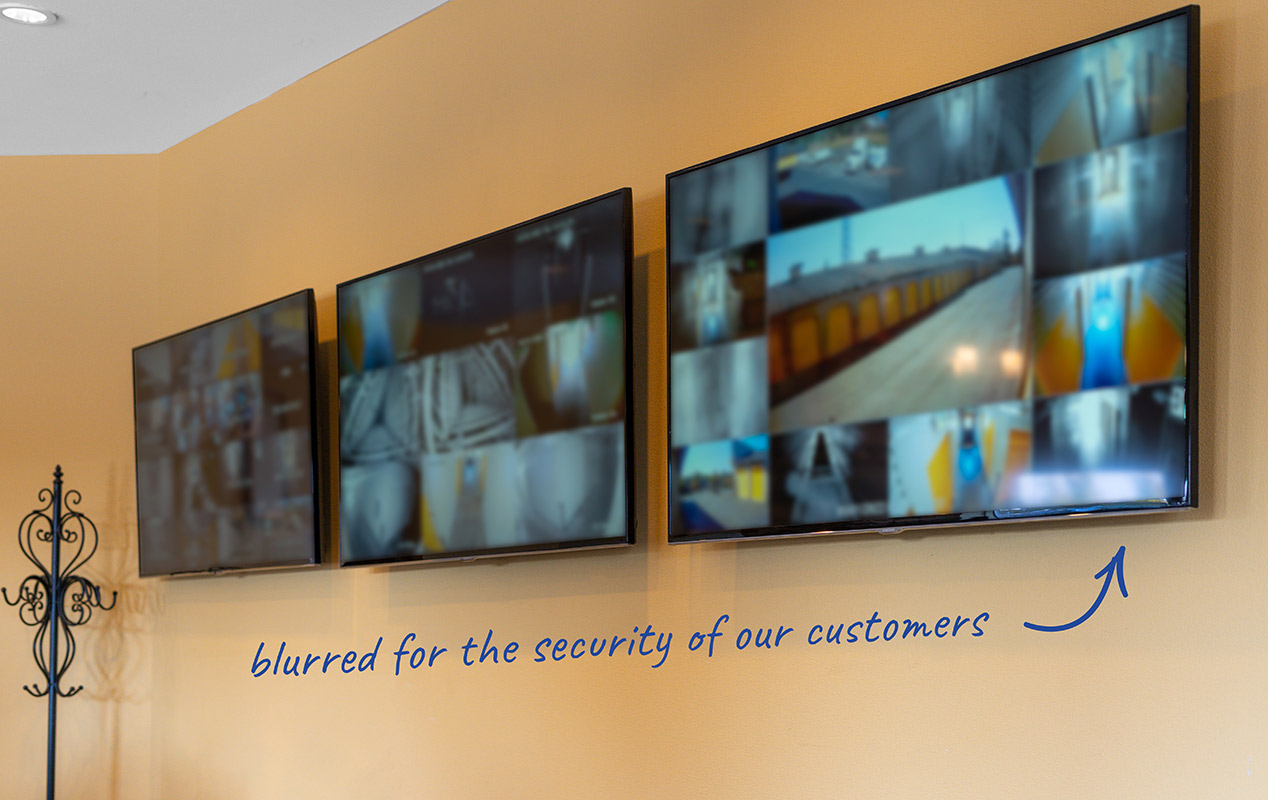
Digital video recording
Overnight surveillance
The property also lists pest control as a general facility feature, but pest control cannot guarantee that animals or insects will not enter a parked vehicle.
The facility does not advertise:
Logged individual access
Personalized entry records
Individual motion alerts
Instant text notifications
Security patrols
Continuous live camera monitoring
A facility-wide intercom
Facility features cannot guarantee protection from theft, vandalism, weather, or damage.
The Federal Way Police Department provides current public-safety information and crime-prevention resources. Vehicle owners should also take practical precautions:
Lock all doors and compartments.
Remove valuables.
Keep keys and access credentials private.
Photograph the vehicle before storage.
Record the vehicle identification number.
Maintain registration and insurance records.
Review applicable coverage.
Inspect the vehicle periodically when practical.
Gate access is available daily from 6:00 a.m. to 9:00 p.m.
The facility does not provide 24-hour vehicle access. Plan departures and returns within the posted gate hours.
Leasing-office hours are:
Monday: 9:30 a.m.-6:00 p.m.
Tuesday: 9:30 a.m.-6:00 p.m.
Wednesday: Closed
Thursday: 9:30 a.m.-6:00 p.m.
Friday: 9:30 a.m.-6:00 p.m.
Saturday: 9:00 a.m.-5:30 p.m.
Sunday: Closed
Office and gate hours serve different purposes. Complete eligibility, documentation, and rental steps before arriving with the vehicle.
Month-to-month leases are available.
Review the rental agreement for:
Current monthly rent
Billing dates
Rate adjustments
Required notice
Documentation requirements
Vehicle-condition standards
Insurance or coverage requirements
Access rules
Parking-space assignment
Prohibited activities
Move-out procedures
Month-to-month leasing provides flexibility, but payment, notice, access, and vehicle requirements still apply.
Customers can use:
Online payments
ACH payment plans
Credit card payment plans
Before move-in, ask:
Which documents are required?
Must the vehicle be operable?
Are covers allowed?
What condition standards apply?
How are access credentials issued?
When does access begin?
Is an office visit required?
Which parking space has been assigned?
Do not assume online payment includes automatic billing, touchless move-in, instant credentials, or live parking inventory.
An outdoor parking space should not be treated as a repair area, marina, campsite, workshop, sales lot, or business location.
Do not assume the facility permits:
Repairs
Oil or fluid changes
Washing or detailing
Fueling
Battery charging
Tank dumping
Utility connections
Engine or generator testing
Vehicle sales
Customer pickups
Commercial operations
Living or sleeping in a vehicle
Review the rental agreement and facility rules before doing anything beyond parking, retrieving, or inspecting the vehicle.
Before bringing a vehicle to SecureSpace Federal Way:
Review applicable city, HOA, and lease parking rules.
Measure the complete vehicle.
Confirm vehicle eligibility.
Check current parking availability.
Gather required documentation.
Review manufacturer storage instructions.
Remove food, trash, valuables, and sensitive property.
Clean and fully dry the vehicle.
Check for leaks and mechanical concerns.
Follow battery guidance.
Inspect tires.
Review fuel, fluid, and winterization instructions.
Confirm whether a cover is permitted.
Photograph the vehicle's condition.
Review applicable insurance coverage.
Note the daily gate hours.
Plan periodic inspections when practical.
Eligible cars, motor vehicles, RVs, and boats may qualify, subject to dimensions, documentation, condition, facility rules, and availability.
Trailer parking should not be assumed. Confirm the specific trailer, vehicle, or boat configuration before arranging transportation.
No. SecureSpace Federal Way offers uncovered outdoor parking.
No. Vehicles cannot be stored inside standard or drive-up storage units.
The available facility information does not specify the parking surface. Review the current space details before renting.
Dimensions and availability can change. Measure the complete vehicle and check whether a current space can accommodate it.
The answer depends on the current municipal code, property layout, zoning, vehicle dimensions, HOA rules, and lease terms. Review the current city code and applicable private restrictions.
No. Parking is uncovered and does not prevent exposure to rain, sunlight, wind, debris, or temperature changes.
The property has an access gate, digital video recording, and overnight surveillance. These features cannot guarantee protection from theft or damage.
Logged individual access is not available.
Yes. Review the rental agreement for billing dates, rate adjustments, notice requirements, and move-out procedures.
Yes. Gate access is available daily from 6:00 a.m. to 9:00 p.m.
No. The facility does not provide 24-hour gate access.
Repairs, washing, fueling, charging, utility connections, and other activities should not be assumed to be permitted.
Yes. Online payments and ACH or credit card payment plans are available.
Outdoor vehicle storage is easier when the complete vehicle is measured, prepared according to manufacturer guidance, and approved for the available parking space before transportation begins.
Reserve your outdoor vehicle storage space at SecureSpace Self Storage Federal Way today.
Everything you need to store your belongings securely, on your schedule.
Visit us online