Last updated Aug 12, 2026
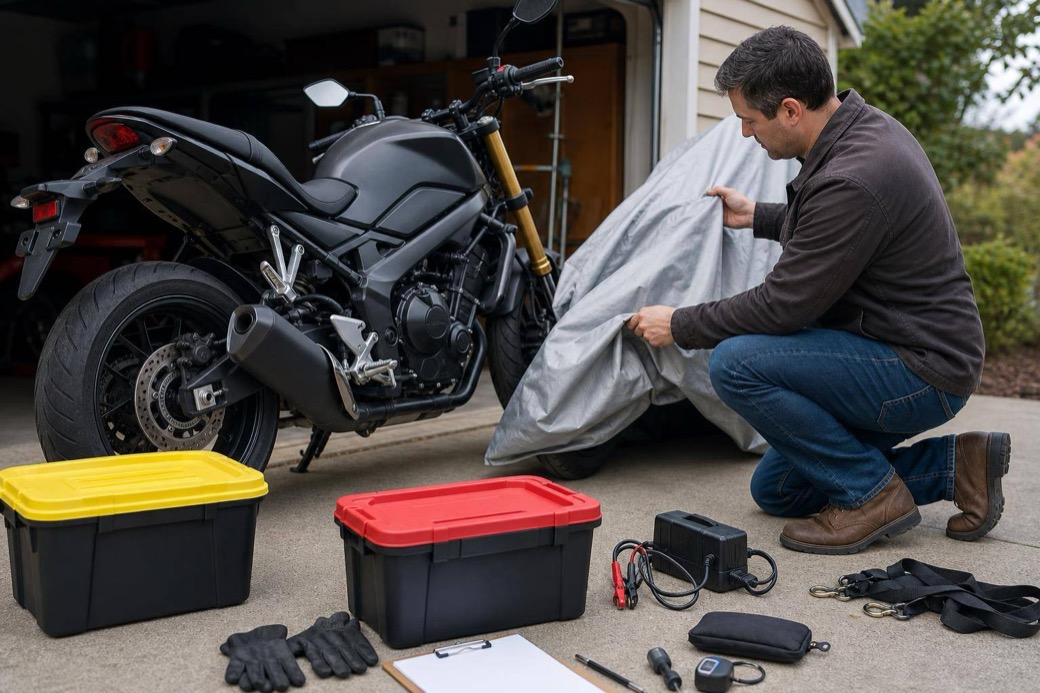
Living in the Pacific Northwest comes with plenty of opportunities for outdoor recreation, from boating on Puget Sound to camping near Mount Rainier. However, owning an RV, boat, trailer, or extra vehicle in Pierce County can also create storage challenges. Driveway space may be limited, street parking rules can be restrictive, and wet weather makes preparation important.
When you need a place for a recreational vehicle, boat, commuter vehicle, or trailer, the right storage option depends on the vehicle's dimensions, current availability, access needs, documentation, and facility rules. Outdoor vehicle storage may be practical for eligible vehicles, but it should not be treated as one-size-fits-all.
This guide explains what Tacoma vehicle owners should compare before renting storage, including local parking rules, route access, weather preparation, security-related features, and vehicle-size considerations.
Tacoma is a unique geographic and demographic hub. The combination of military activity, maritime recreation, apartment living, dense neighborhoods, and limited residential parking can make at-home vehicle storage difficult.
Tacoma is closely connected to Joint Base Lewis-McChord, which supports military households, civilian employees, contractors, and families across the South Sound. Deployments, Permanent Change of Station moves, training schedules, and housing transitions can all create temporary vehicle-storage needs.
For some service members and military families, commercial vehicle storage may be useful when a car, RV, trailer, or boat cannot stay at a residence during a move or extended absence. Storage needs vary by vehicle type, timing, documentation, and facility availability.
If you are considering keeping a boat, RV, trailer, or extra vehicle at home or on the street, check current City of Tacoma rules first. Local parking and zoning requirements may affect long-term street parking, recreational vehicles, boats, screening, private-property storage, and vehicle movement.
Rules can vary based on where the vehicle is parked, whether it is operational, how long it remains in one place, posted signage, neighborhood restrictions, and property-specific requirements. HOA rules, apartment lease terms, and property-management policies may add additional limits.
A storage facility may help reduce at-home parking conflicts, but it is still important to confirm both city rules and facility rules before making plans.
Tacoma's wet seasons make vehicle preparation important. Rain, cool temperatures, and moisture can affect how owners prepare an RV, boat, trailer, or vehicle before leaving it parked for an extended period.
Outdoor storage should not be described as guaranteed protection from moisture, mold, mildew, rust, UV exposure, theft, vandalism, leaks, or mechanical issues. Before storing a vehicle, clean and dry it, remove food and valuables, check seals and covers, follow manufacturer guidance for batteries and fuel, and confirm what accessories or covers are allowed at the facility.
Long-term street parking can create practical risks for vehicle owners. A vehicle may need to be moved periodically, could be affected by posted restrictions, or may draw attention if it appears unused. Large RVs, boats, trailers, or work vehicles can also be difficult to maneuver, especially in tighter residential areas.
Rather than relying on street parking, compare storage options that fit the vehicle's size and your access needs. A dedicated space may be helpful if you need to keep a vehicle off the street, reduce driveway clutter, or make seasonal storage easier to manage.
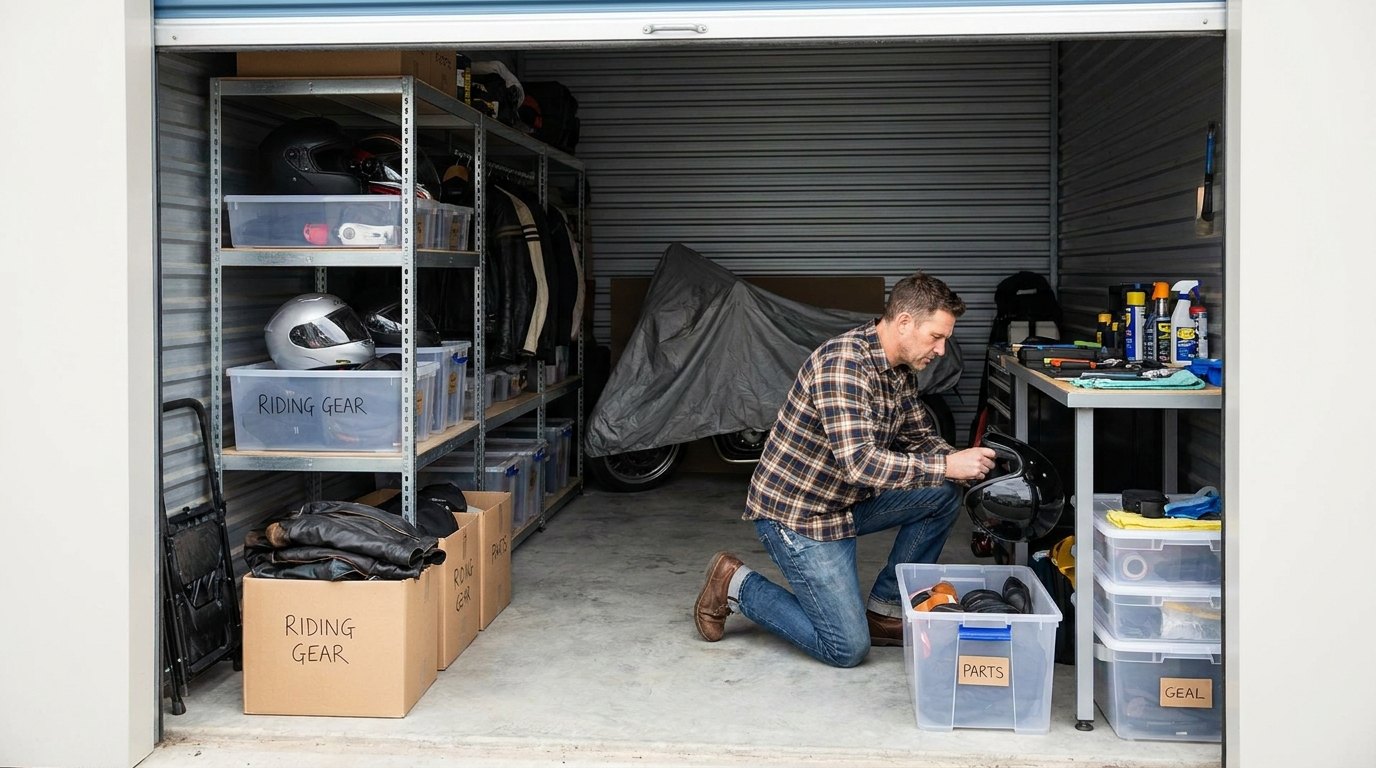
When comparing vehicle storage, look beyond the monthly rate. The right option should fit your vehicle, access schedule, route, documentation needs, and comfort level with the facility's listed features.
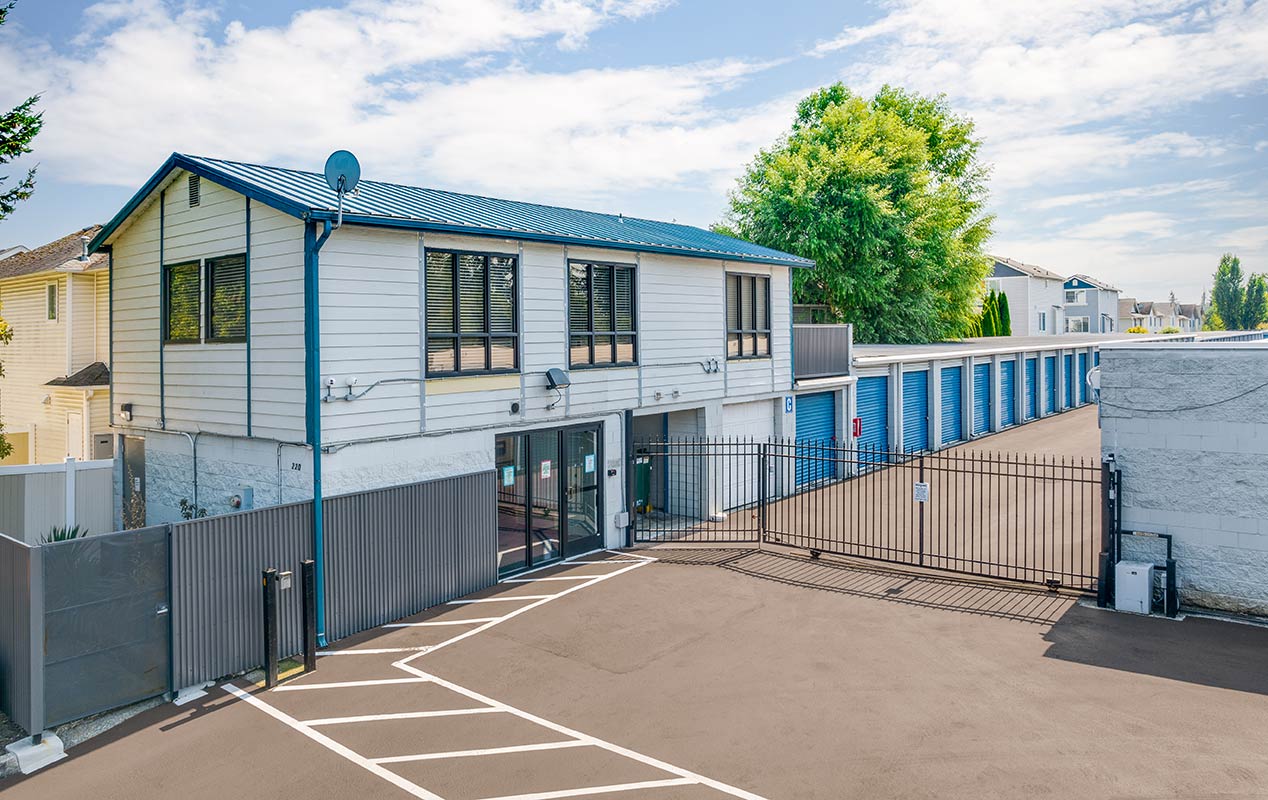
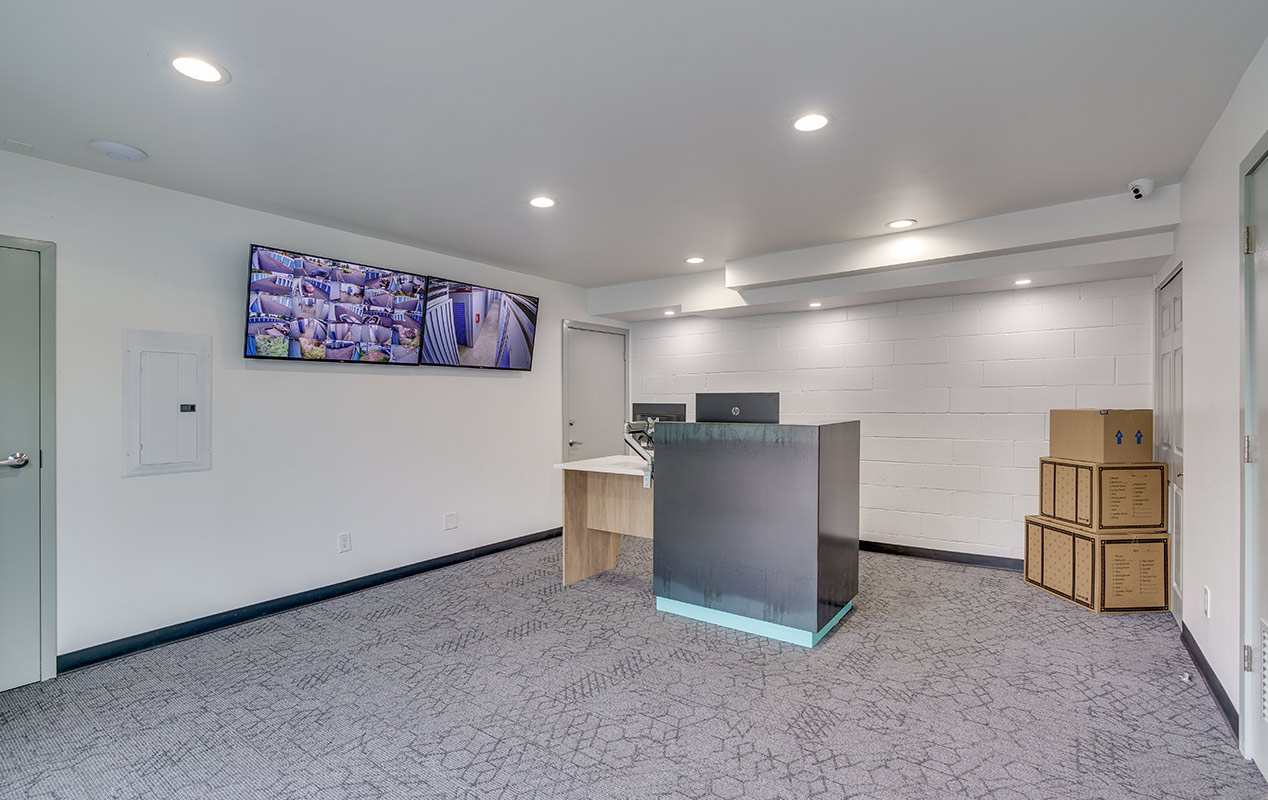
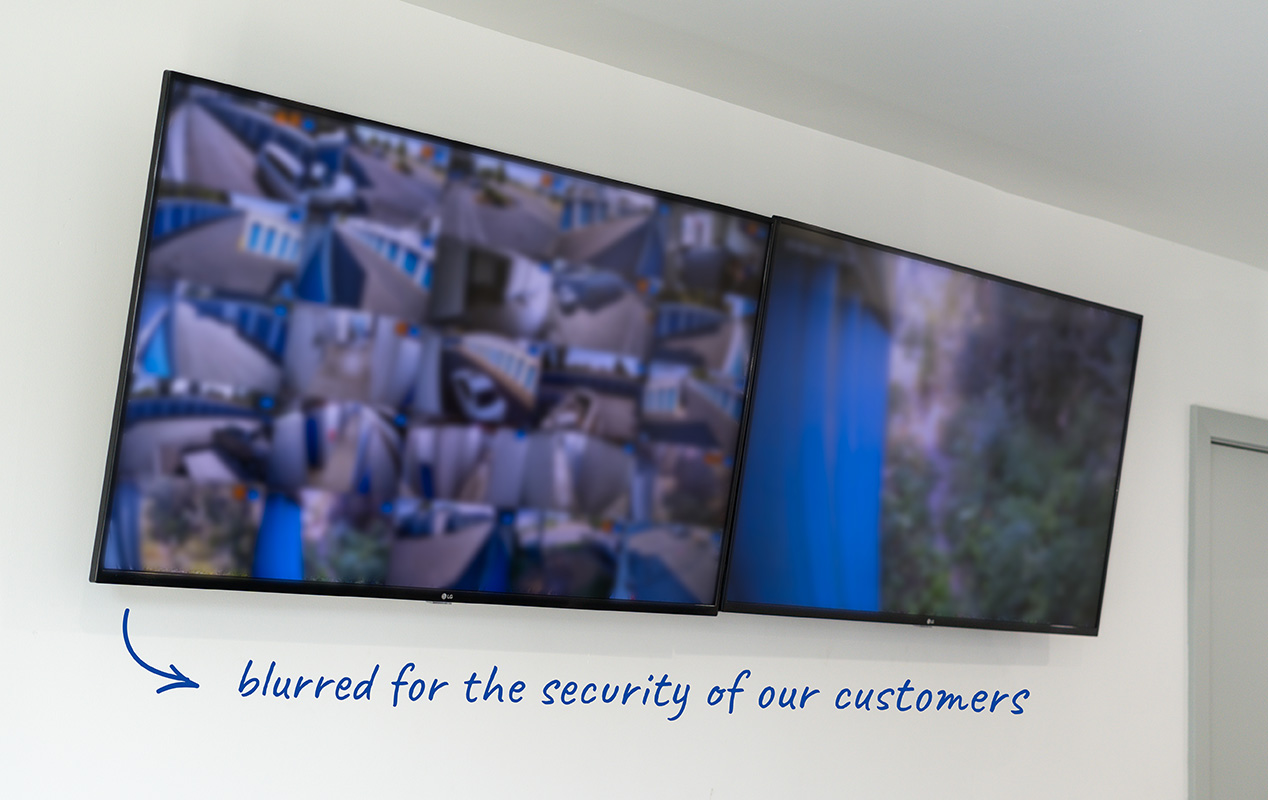
Security-related features vary by facility. Depending on the location, features may include an access gate, digital video recording, logged access, overnight surveillance, or other monitoring-related systems.
Review the specific facility page rather than assuming every location has the same fencing, lighting, cameras, gate systems, or security procedures. Storage should not be described as guaranteed protection from theft, vandalism, catalytic converter theft, weather damage, or other risks.
Vehicle owners can also take practical steps by removing valuables, keeping documentation current, securing accessories, and following facility rules.
Route access matters when you are picking up a boat before a weekend trip, returning an RV after a long drive, or storing an extra vehicle that you still need occasionally. The easier the route, the less time you spend navigating tight streets or making unnecessary detours.
This can matter for commuters, JBLM personnel, and weekend travelers heading toward destinations such as the Point Defiance Marina, Mount Rainier, or other regional outdoor areas. Before renting, compare the facility's location with your typical routes, home base, work location, and recreation plans.
Vehicle storage depends on dimensions, turning space, access path, and facility rules. Measure the full length, width, and height of the vehicle, including mirrors, hitches, ladders, racks, trailers, motors, or accessories.
A smaller vehicle or compact trailer may need a different option than a boat, fifth-wheel trailer, camper, or larger RV. Some vehicles may fit outdoor parking, while others may require a larger space or may not be eligible at a specific facility.
Before renting, confirm:
Maximum vehicle length, width, and height
Parking or unit availability
Access path and turning space
Whether the vehicle must be operational
Required registration, title, or insurance documents
Rules for boats, trailers, RVs, motorcycles, and commercial vehicles
Whether covers, batteries, fuel, or accessories have restrictions
Do not assume every facility can accommodate every vehicle.
Outdoor parking may be useful for eligible vehicles, boats, trailers, and RVs where available. Drive-up units may work for some vehicles only when the vehicle dimensions fit the unit, the access path works, the facility allows it, and the required documentation is provided.
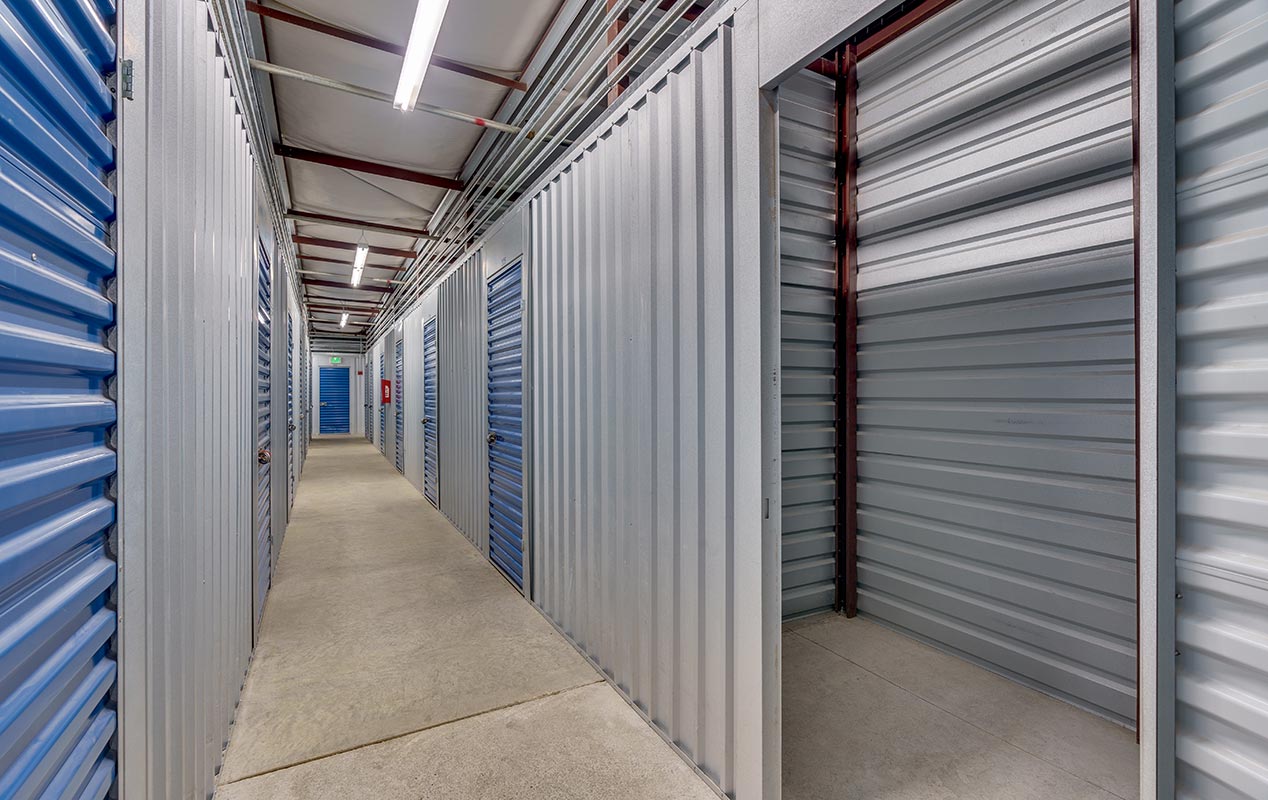
Indoor vehicle storage should be discussed carefully. It depends on vehicle size, unit availability, access path, facility rules, and documentation. Covered parking, enclosed RV storage, oversized pull-through spaces, and climate-controlled vehicle storage should not be assumed unless the specific facility confirms those options.
If you are storing a smaller vehicle in a unit, verify the door size, interior dimensions, and vehicle-storage rules before move-in.
Vehicle storage needs can change quickly. A boat may only need storage during the offseason. A military household may need space during a move or deployment. A resident may need temporary parking while changing apartments, renovating, or freeing up driveway space.
Month-to-month leases can help when timelines are uncertain. SecureSpace offers month-to-month leases, which can be useful for seasonal storage, military transitions, and changing household needs. Review the rental terms for the specific facility before move-in.
Before renting vehicle storage in Tacoma, ask questions that match your vehicle and timeline:
Is vehicle storage currently available?
What vehicle types are allowed?
What are the maximum length, width, and height limits?
Are boats, RVs, trailers, motorcycles, or commercial vehicles allowed?
What documentation is required?
Does the vehicle need to be operational?
What access hours apply?
Are office hours different from gate hours?
What are the current rates and promotion terms?
Are month-to-month leases offered?
What security-related features are listed for the location?
Are covers or accessories allowed?
What move-out notice is required?
The best option is the one that fits your vehicle, route, budget, and facility rules without creating problems later.
A little preparation can help make vehicle storage easier to manage.
Helpful steps include:
Clean and dry the vehicle before storage.
Remove food, trash, valuables, and personal documents.
Check seals, tires, windows, roof areas, covers, and accessories.
Follow manufacturer guidance for batteries, fuel, propane, fluids, and ventilation.
Confirm whether covers are allowed.
Keep registration and insurance information current.
Take photos before move-in for your records.
Ask the facility which documents are required.
Check the vehicle periodically if allowed and appropriate.
For boats and watercraft, follow applicable clean, drain, and dry guidance before storage and confirm facility rules for trailers, covers, motors, and accessories.
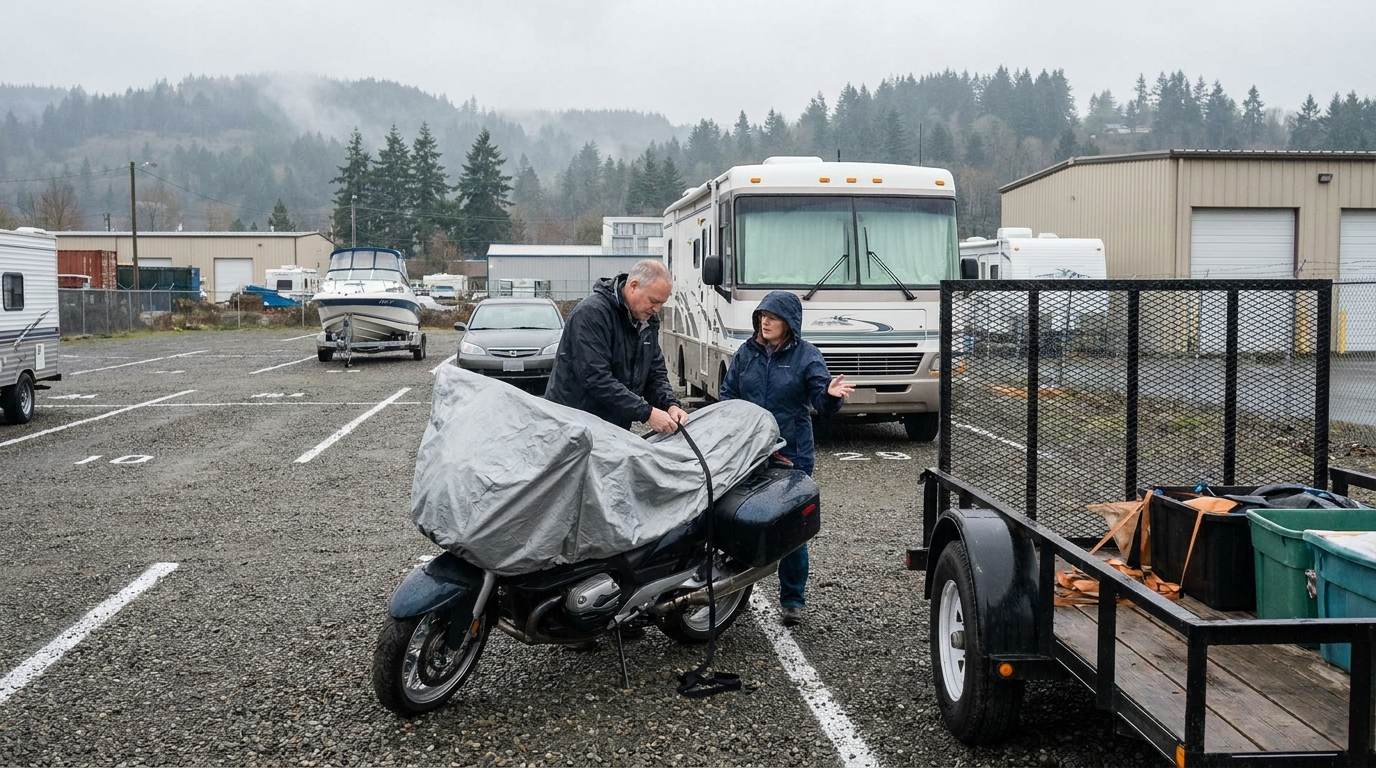
Outdoor vehicle storage in Tacoma requires more than choosing the nearest open space. Vehicle size, access hours, route convenience, documentation, weather preparation, and facility-specific rules all matter.
Before planning your move-in, explore available options for outdoor vehicle storage in Tacoma, WA.
Outdoor vehicle storage may be available depending on the facility, vehicle type, vehicle size, parking availability, documentation, access path, and facility rules. Confirm directly before planning to store a car, boat, trailer, RV, motorcycle, or other vehicle.
Storage may be useful for some JBLM-area customers during deployments, PCS moves, housing transitions, or seasonal needs. Availability depends on the facility, vehicle size, documentation, access needs, and rental terms.
Tacoma parking and zoning rules may affect long-term street parking, recreational vehicles, boats, trailers, and private-property storage. Check current city guidance, posted signage, HOA rules, and lease terms before relying on street or driveway parking.
Measure the full vehicle length, width, and height, including mirrors, hitches, motors, racks, trailers, and accessories. Then confirm the facility's size limits, access path, and rules before renting.
SecureSpace offers month-to-month leases, which can be helpful for seasonal storage, deployments, moves, or uncertain timelines. Review the rental terms for the specific facility before move-in.
Storage should not be treated as guaranteed protection from weather, theft, vandalism, rust, mold, mildew, leaks, or mechanical issues. Review the facility's security-related features, prepare the vehicle carefully, remove valuables, and follow facility and manufacturer guidance.
Everything you need to store your belongings securely, on your schedule.
Visit us online