Last updated Aug 12, 2026
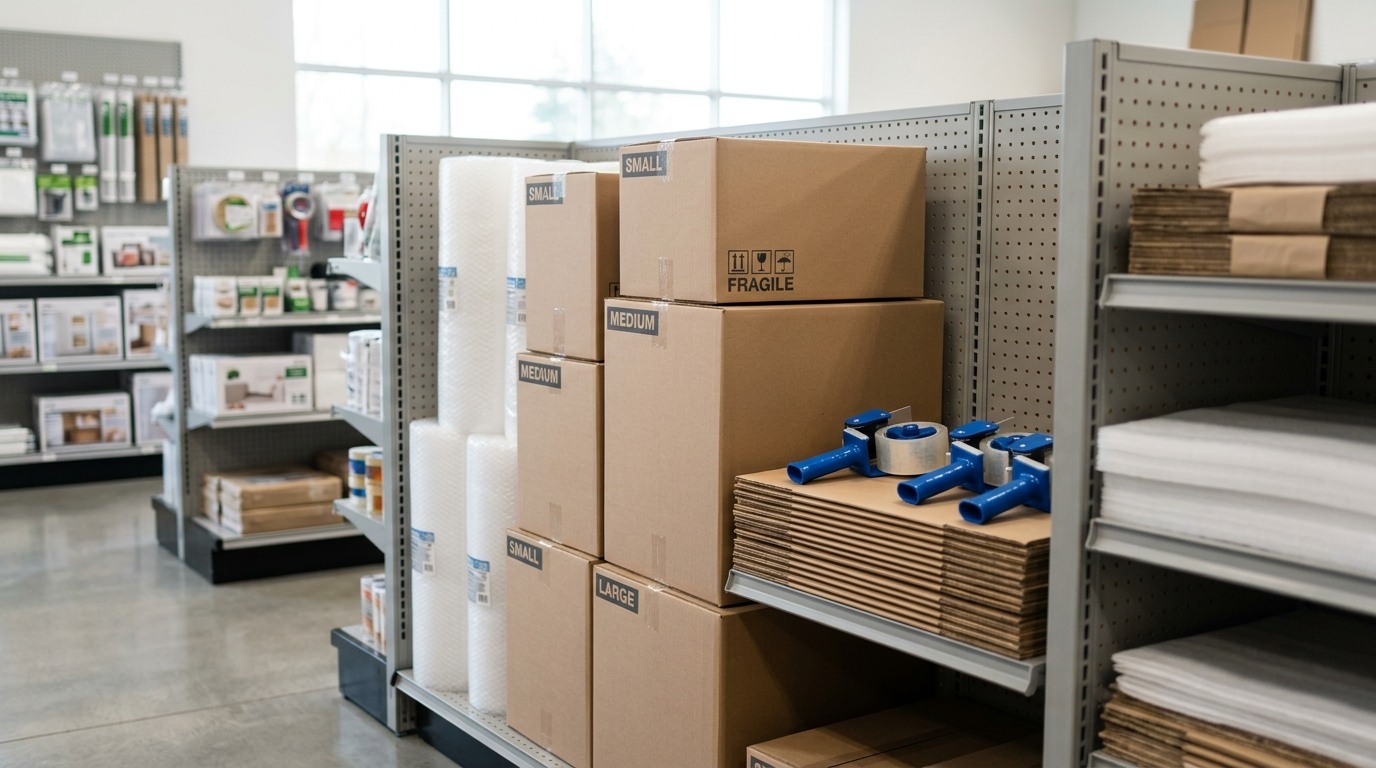
Planning a move involves more than arranging transportation and choosing a move-in date. Boxes, tape, protective covers, labels, and other packing materials are easier to manage when they are purchased before packing begins.
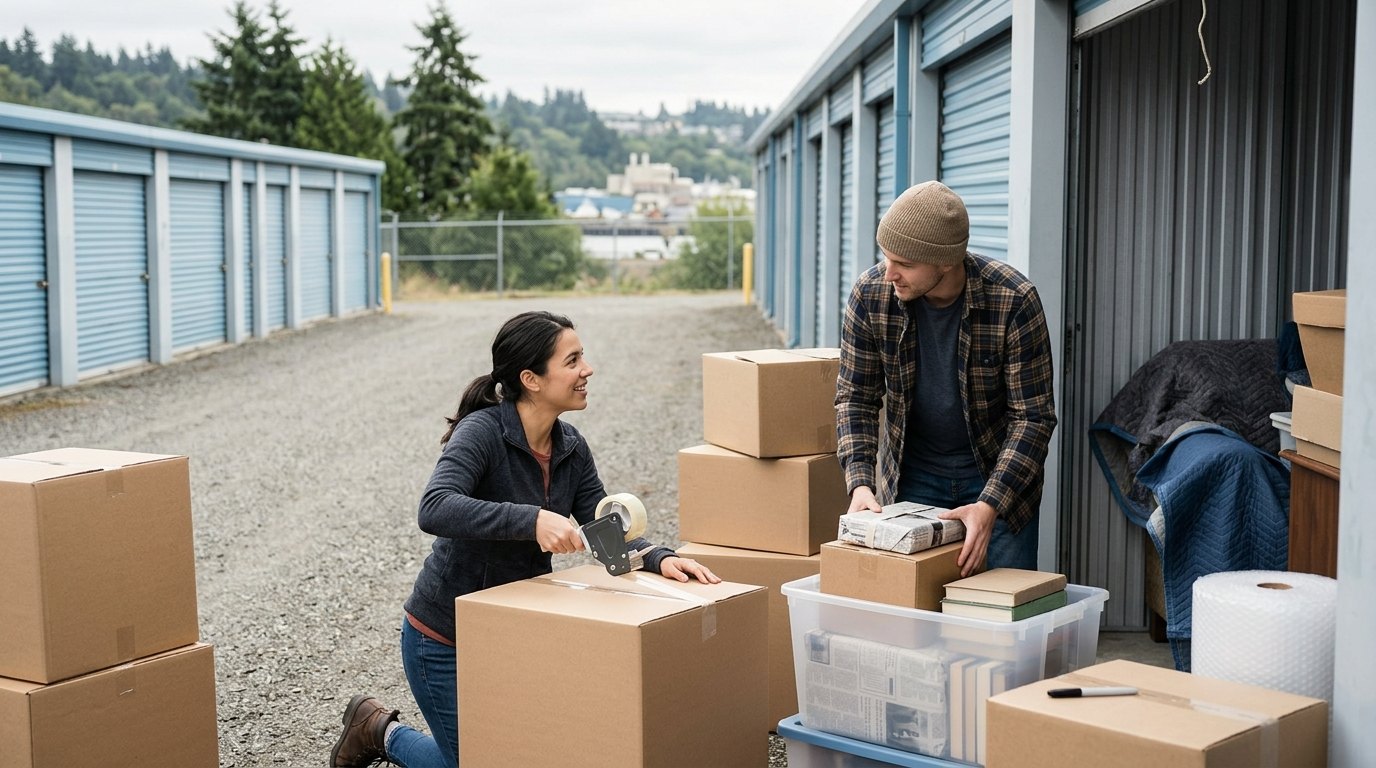
Everett residents can find moving supplies through storage facilities, shipping stores, office supply retailers, home improvement stores, general retailers, and online sellers.
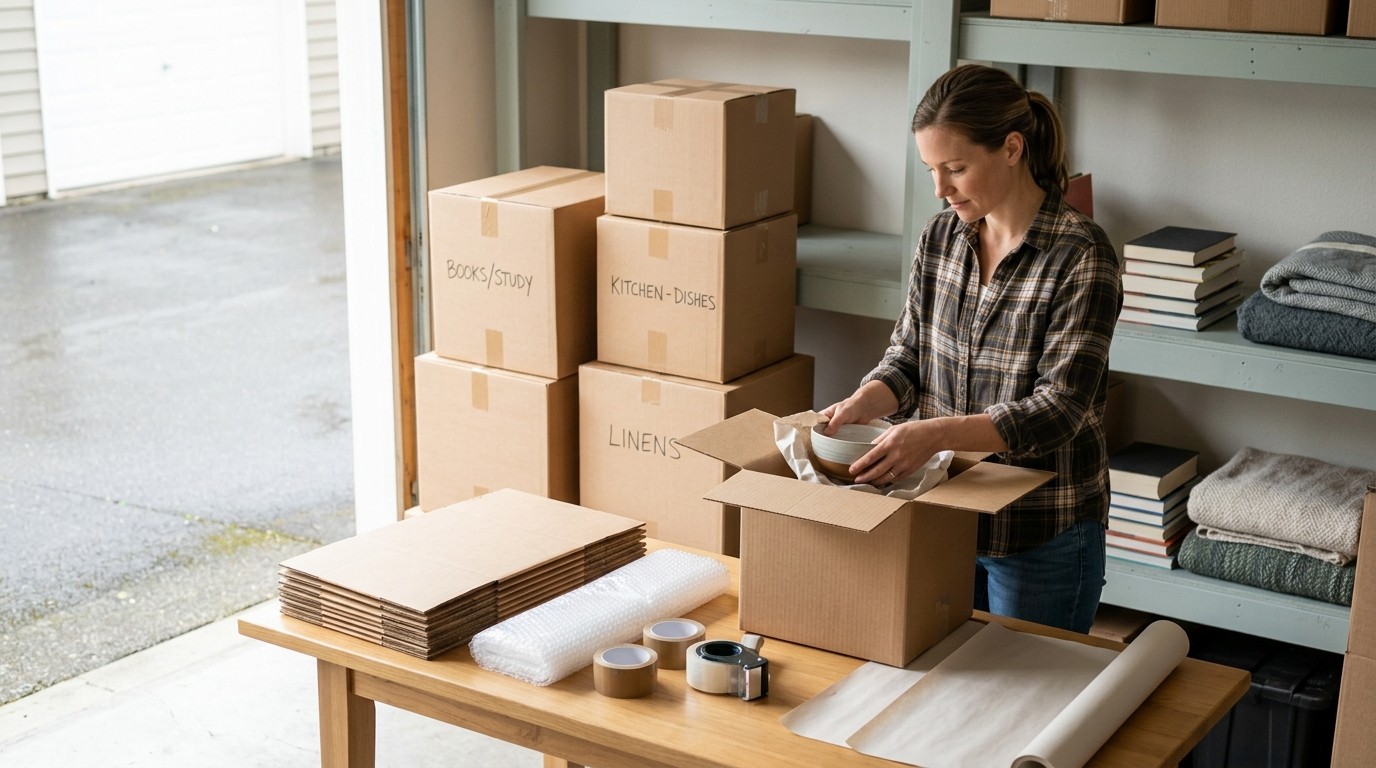
The best source depends on what you are packing, how much material you need, and how soon the move is taking place.
Creating a supply list before shopping can help prevent unnecessary purchases and last-minute trips.
Common moving supplies include:
Corrugated moving boxes
Packing paper
Cushioning material
Packing tape
A tape dispenser
Furniture covers
Mattress bags
Stretch wrap
Labels
Permanent markers
Moving blankets
Suitable locks
Divided inserts for dishes or glassware
Specialty containers may also be useful for clothing, televisions, mirrors, framed items, dishes, or other belongings that do not fit safely in standard boxes.
The appropriate materials depend on the item, transportation method, expected storage period, and manufacturer guidance.
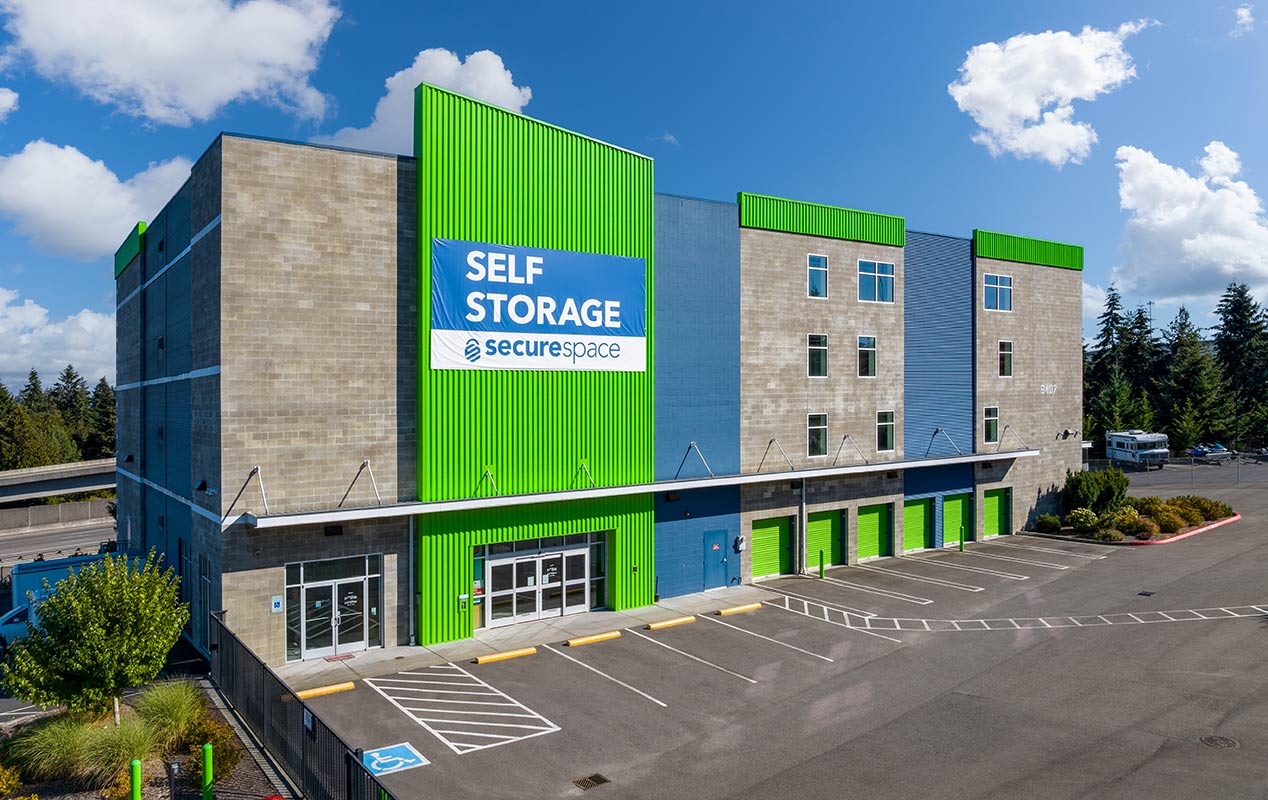
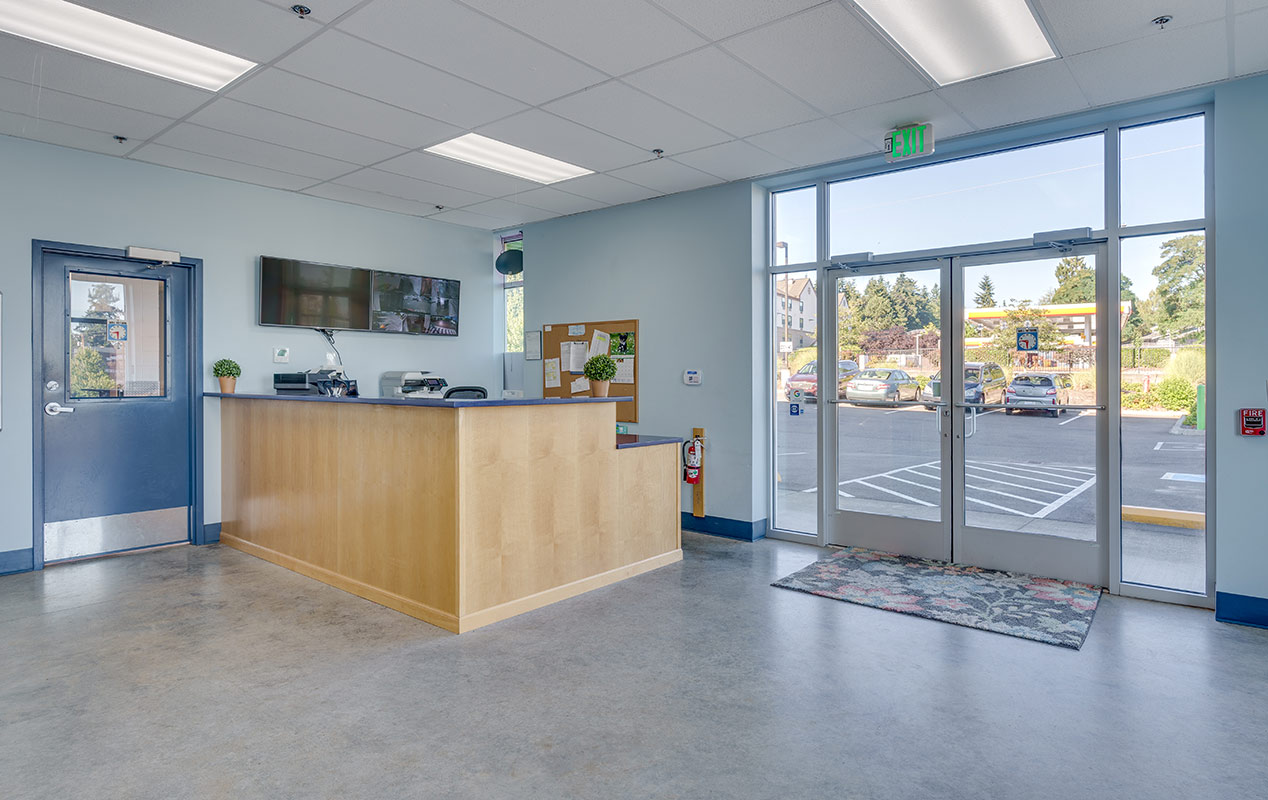
Basic moving supplies are available through the leasing office at SecureSpace Self Storage Everett.
Customers who need a particular box, cover, lock, tape product, or other packing item should confirm current inventory before visiting. Product selection may vary, and specific specialty supplies are not guaranteed to be in stock.
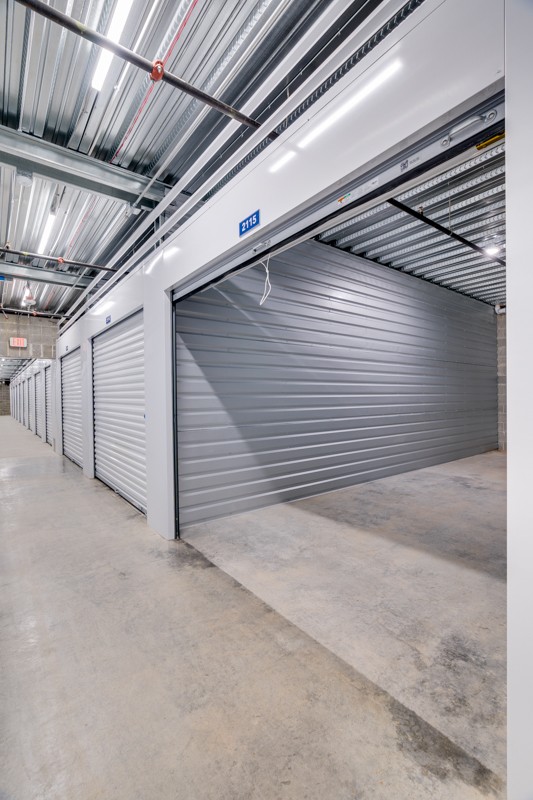
Purchasing supplies at the facility may be convenient when you are also renting a unit or moving belongings into storage. SecureSpace Everett offers indoor and drive-up storage options, elevator access, and carts and dollies for moving suitable belongings through the property.
Climate-controlled and heated storage options are also available. These features may help reduce exposure to temperature swings and cold conditions, but they do not guarantee humidity control or prevent deterioration.
Shipping and mailing stores commonly carry boxes, tape, packing paper, cushioning materials, and mailing supplies.
They may be useful for:
Small moves
Fragile packages
Oddly shaped belongings
Last-minute purchases
Professional packing assistance
Inventory and services vary by location, so confirm availability before making a special trip.
Home improvement stores often carry moving boxes, protective covers, tape, moving blankets, lifting equipment, and packing kits.
These retailers may be useful when purchasing supplies in larger quantities or combining a supply trip with other moving or renovation purchases.
Large general retailers may carry basic boxes, tape, stretch wrap, labels, and bundled moving supplies.
Selection can differ by store and season. Check current inventory rather than assuming a particular item will be available.
Office supply retailers may be a practical source for boxes, labels, markers, packing tape, document containers, and shipping materials.
They may work particularly well for office moves, records, books, electronics, and smaller household relocations.
Online sellers may offer bulk boxes, specialty containers, packing paper, protective covers, and moving kits delivered to your home.
Ordering online works best when there is enough time to review product dimensions and delivery dates before packing begins. Avoid relying on a shipment that may arrive too close to moving day.
Reusable boxes may be available through:
Neighborhood groups
Community exchange pages
Local online marketplaces
Friends or family who recently moved
Workplace supply rooms
Community bulletin boards
Local businesses willing to set aside clean boxes
Inspect every reused box before packing.
Avoid boxes that are damp, stained, torn, crushed, unusually flexible, or contaminated by food or chemicals. A reused box may be suitable for lightweight belongings but inappropriate for books, dishes, tools, or other dense items.
Remove old shipping labels and markings so the destination and contents are clear.
Small boxes are generally easier to carry when packed with dense belongings such as:
Books
Canned goods
Hand tools
Small appliances
Documents
Dishes
Do not overload the box simply because the contents fit.
Medium boxes may work for:
Kitchen supplies
Toys
Decorative items
Shoes
Folded clothing
Small electronics
Household accessories
Keep the weight manageable and fill empty areas with suitable packing material.
Large boxes are better suited to lightweight, bulky belongings such as:
Bedding
Pillows
Towels
Lampshades
Lightweight clothing
Soft household goods
Heavy belongings can make a large box difficult to lift and more likely to fail during handling.
Specialty boxes may help with belongings such as:
Hanging clothing
Televisions
Mirrors
Dishes
Glassware
Lamps
Framed household décor
Measure the item before purchasing a specialty box and follow the manufacturer's assembly instructions.
Everett's cool, wet weather can complicate outdoor loading and unloading, but outdoor conditions do not establish what conditions will exist inside a vehicle, building, or storage unit.
Practical preparation may include:
Checking the forecast before moving day
Keeping boxes indoors until loading begins
Using a covered vehicle
Moving boxes promptly between locations
Drying any damp surfaces before packing
Keeping clean towels available during loading
Using suitable covers for furniture and mattresses
Avoiding prolonged exposure on sidewalks or driveways
Packing supplies cannot protect belongings from every condition. Clean, dry preparation and careful handling remain important.
Secure the bottom seams with packing tape appropriate for the box and its contents.
Follow the box manufacturer's instructions rather than adding excessive tape without a clear purpose.
Pack heavier belongings at the bottom and lighter items above them.
This can improve stability and reduce pressure on fragile contents.
Use packing paper or another suitable cushioning material to limit movement inside the box.
Avoid using materials that may stain, transfer ink, or react with the contents.
Mark the destination room and a brief description of the contents on the side of each box.
Labels on the side remain visible when boxes are stacked.
Keep medications, identification, keys, chargers, basic toiletries, important documents, and immediate clothing accessible during the move.
Do not place essential belongings in a box that may be difficult to retrieve.
Electronics, appliances, furniture, and specialized equipment may have specific transportation and storage instructions.
Follow those instructions when removing parts, securing doors, packing accessories, or selecting protective materials.
Clean and dry furniture before covering it.
Use suitable moving blankets, furniture covers, or mattress bags during transportation. Plastic wrapping should not be used to seal damp items, since existing moisture may become trapped.
Disassemble furniture when practical and keep the hardware in a labeled bag attached securely to the corresponding item.
Do not place heavy boxes on upholstered furniture, mattresses, electronics, or delicate surfaces.
When belongings will remain in storage:
Use sturdy containers appropriate for the contents
Label boxes clearly
Create an inventory
Place heavier containers low
Keep frequently needed belongings near the entrance
Leave a practical access path
Avoid unstable stacks
Keep restricted materials out of the unit
Confirm unusual items before move-in
A storage unit should not be used as a residence, office, workshop, storefront, or active work area.
Certain belongings may require manufacturer guidance, professional packing, or confirmation from the storage facility.
These may include:
Batteries
Electronics
Appliances
Musical instruments
Documents
Leather goods
Tools
Fuel-powered equipment
Chemicals
Compressed containers
Fragile household items
Fuel, propane, hazardous chemicals, explosives, perishable goods, and other restricted materials should not be placed in storage.
Basic moving supplies are available through the leasing office.
Confirm current inventory before visiting when you need a specific box, lock, cover, tape product, or specialty item.
Shipping stores, home improvement retailers, office supply stores, general retailers, and online sellers may carry specialty boxes.
Measure the item and confirm current inventory before purchasing.
Customers may be able to purchase available basic moving supplies while completing a storage rental.
Unit inventory, supply selection, and move-in timing can vary, so review current options before visiting.
Clean, dry, structurally sound boxes may be suitable for some belongings.
Avoid damaged, damp, contaminated, or weakened boxes, especially when packing dense or fragile contents.
No packing material can guarantee protection against moisture or deterioration.
Only cover items after they are clean and dry, and use materials appropriate for the specific belonging.
Not every box or belonging requires climate-controlled storage.
Climate-controlled and heated options may help reduce exposure to temperature swings and cold conditions. Suitability depends on the contents, preparation, expected storage period, and manufacturer guidance.
Create an inventory by room and note any belongings requiring specialty containers or protective materials.
Purchase a practical starting supply and reassess as packing progresses rather than relying entirely on a generic moving kit.
The right packing supplies depend on what you are moving, how the belongings will be transported, and whether they will remain in storage.
Start with an inventory, choose containers appropriate for the contents, and keep every item clean and dry before packing. Confirm current product inventory when visiting a retailer or storage facility for a particular supply.
Get moving supplies and reliable storage at SecureSpace in Everett, WA.
Everything you need to store your belongings securely, on your schedule.
Visit us online