Last updated Jun 23, 2026

Moving into or out of dense Portland neighborhoods like the Pearl District, Slabtown, or the Alphabet District takes planning. Limited curb space, older buildings, and wet weather can make temporary storage more complicated than it first appears.
Portable containers can seem convenient because they're delivered near your home, but using one in Portland may involve street-use permits, delivery logistics, weather exposure, and clearance issues.
This guide compares portable storage containers with indoor self storage so you can choose the option that fits your timeline, budget, and belongings.
The most significant barrier to using a portable storage container in Portland is the local regulatory environment. Placing a large container on a public right-of-way, such as a parking lane or sidewalk, may require a Temporary Street Use Permit issued by the Portland Bureau of Transportation. Securing and maintaining that permit can add extra steps and costs to your moving plan.
The base monthly rental fee for a portable container does not always reflect the full cost. In addition to the rental rate, customers may need to account for delivery, pickup, street-use permits, parking reservations, signage requirements, and potential enforcement costs. Those expenses can add up quickly, especially in areas with metered parking or limited curb access.

Within metered zones that dominate areas like the Pearl District and Slabtown, parking reservations can be a major cost factor. Depending on the location, timeline, and permit type, the city may require fees for reserving curbside space. These costs can make a short-term container rental more expensive than it first appears.
PBOT rules may also require proper sign posting and physical barricades for reserved parking areas. If a vehicle is parked in the permitted space on delivery day, additional enforcement steps may be needed before the container can be placed. This can create uncertainty during a move, particularly when movers, building elevators, or lease deadlines are already scheduled.
Renting a unit at a dedicated self-storage facility bypasses much of this curbside coordination. Instead of arranging city permits or parking reservations, customers rent a storage unit and transport items directly to the facility.
The Pacific Northwest climate plays an important role in residential moving and storage. Weather protection matters when handling upholstered furniture, mattresses, wooden items, electronics, paper records, clothing, and other belongings that should be kept dry during transport.
Portland receives an average of 44.1 inches of rainfall annually. Portable containers may require loading and unloading in open-air conditions, sometimes over multiple days. Carrying furniture across wet sidewalks or loading boxes during a sudden downpour can make the process more difficult and increase the chance that items get damp before they are stored.
A portable container placed at the curb can leave belongings exposed during the loading process. Even if the container itself is enclosed, the transfer from the home to the container may happen in rain, wind, or standing water. That is especially relevant for fabric, wood, paper, and electronics.
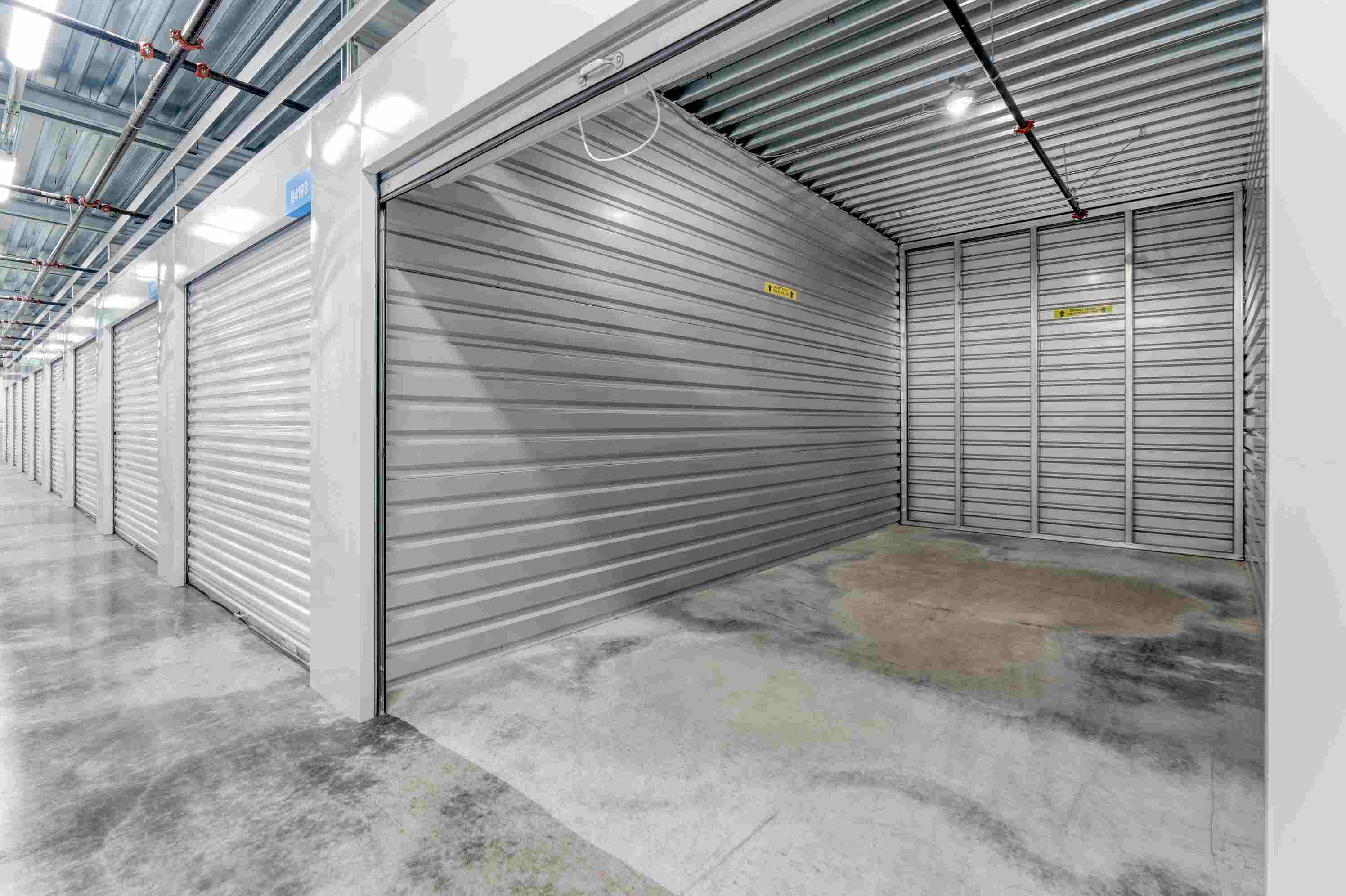
A steel container stored outdoors can also follow ambient outdoor conditions more closely than an indoor unit. Rapid heating, cooling, or damp weather may be a concern for sensitive belongings. Heated indoor storage can help reduce exposure to cold conditions compared with unheated spaces, but careful packing still matters. Items should be clean, dry, and packed in sturdy containers before storage.
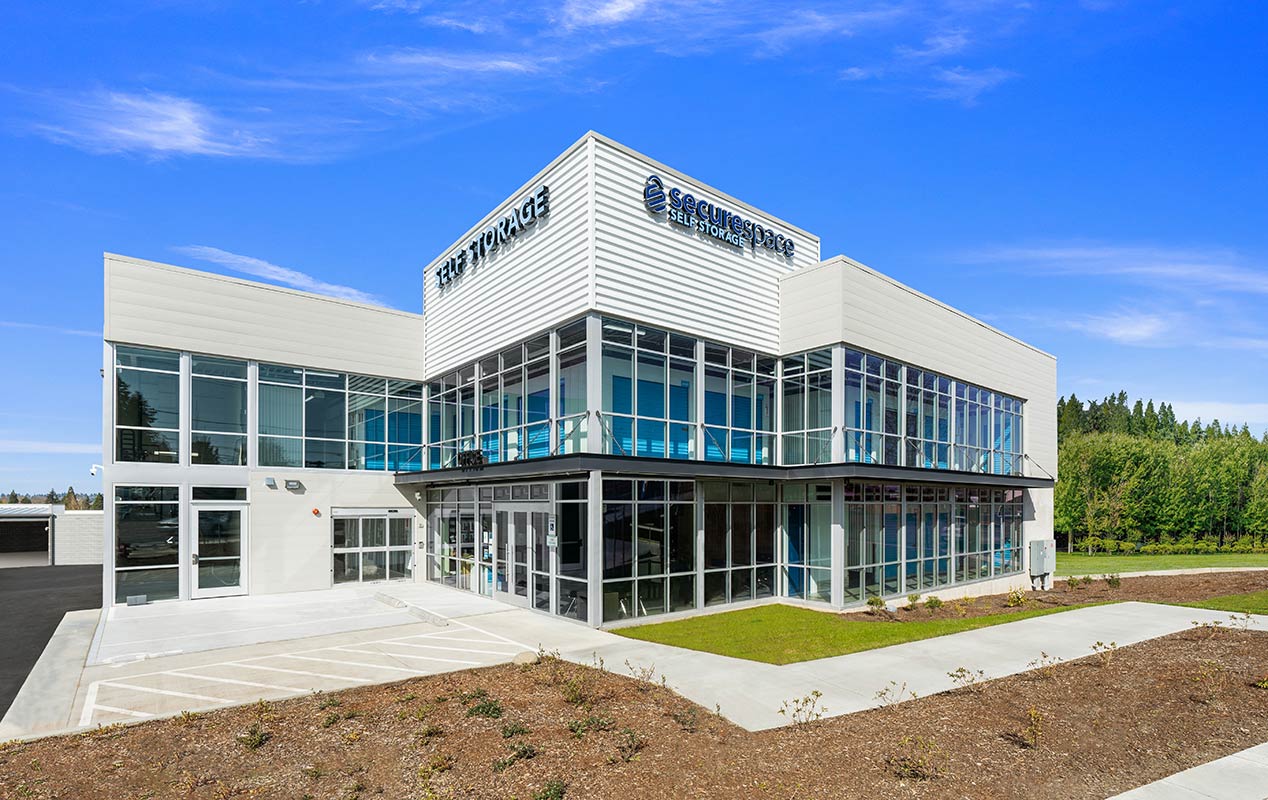
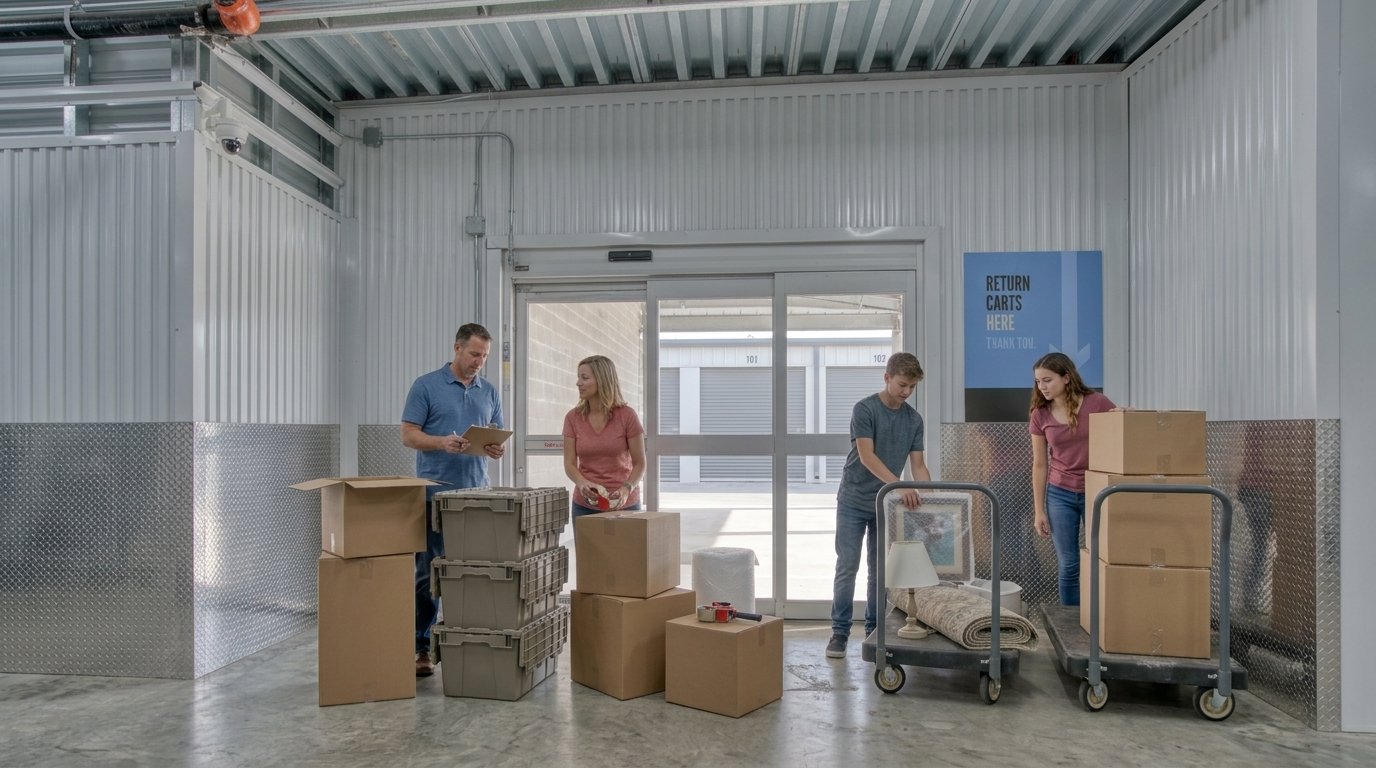
SecureSpace Self Storage NE Portland offers heated indoor storage, a covered loading area, elevator access, extra-large elevators, carts and dollies, semi-truck accessibility, and moving pods. These features can make loading more manageable than relying on curbside access alone.
Beyond municipal paperwork and weather concerns, the physical layout of Portland's older neighborhoods can create delivery challenges. Portable container companies often need substantial clearance for the delivery truck, container placement, and safe maneuvering.
Narrow streets, dense parallel parking, mature trees, bike infrastructure, overhead lines, and tight turns can all complicate delivery. If a driver determines that placement is unsafe or physically impractical, the delivery may need to be rescheduled or canceled.
Delivery trucks may require enough straight-line space, height clearance, and curbside room to safely place a container. In older or denser parts of Portland, that can be difficult to guarantee. A reserved space may still be blocked by vehicles, construction activity, tree limbs, or building constraints.
Portland continues to manage curbside space for transit, loading, bike lanes, parking, and commercial delivery. That can make short-term container placement more complicated in busy neighborhoods. A self-storage facility offers a more predictable destination for unloading, especially when the facility has features like a covered loading area, elevator access, and carts and dollies.
Opting for a portable container means leaving belongings in a temporary structure that may sit on a public street or in another exposed location. That can create concerns around theft, vandalism, weather, neighborhood complaints, and access limitations.
Under Portland City Code (Section 16.20.170), nonvehicular property stored for an extended period in a regulated parking zone may be classified as a public nuisance and subject to summary abatement. Rules and enforcement can depend on the situation, but the broader point is simple: long-term curbside storage can create legal and logistical complications.
A portable container typically relies on the container shell and customer-supplied lock while it sits outdoors. A dedicated storage facility provides a more purpose-built environment for storing household belongings.
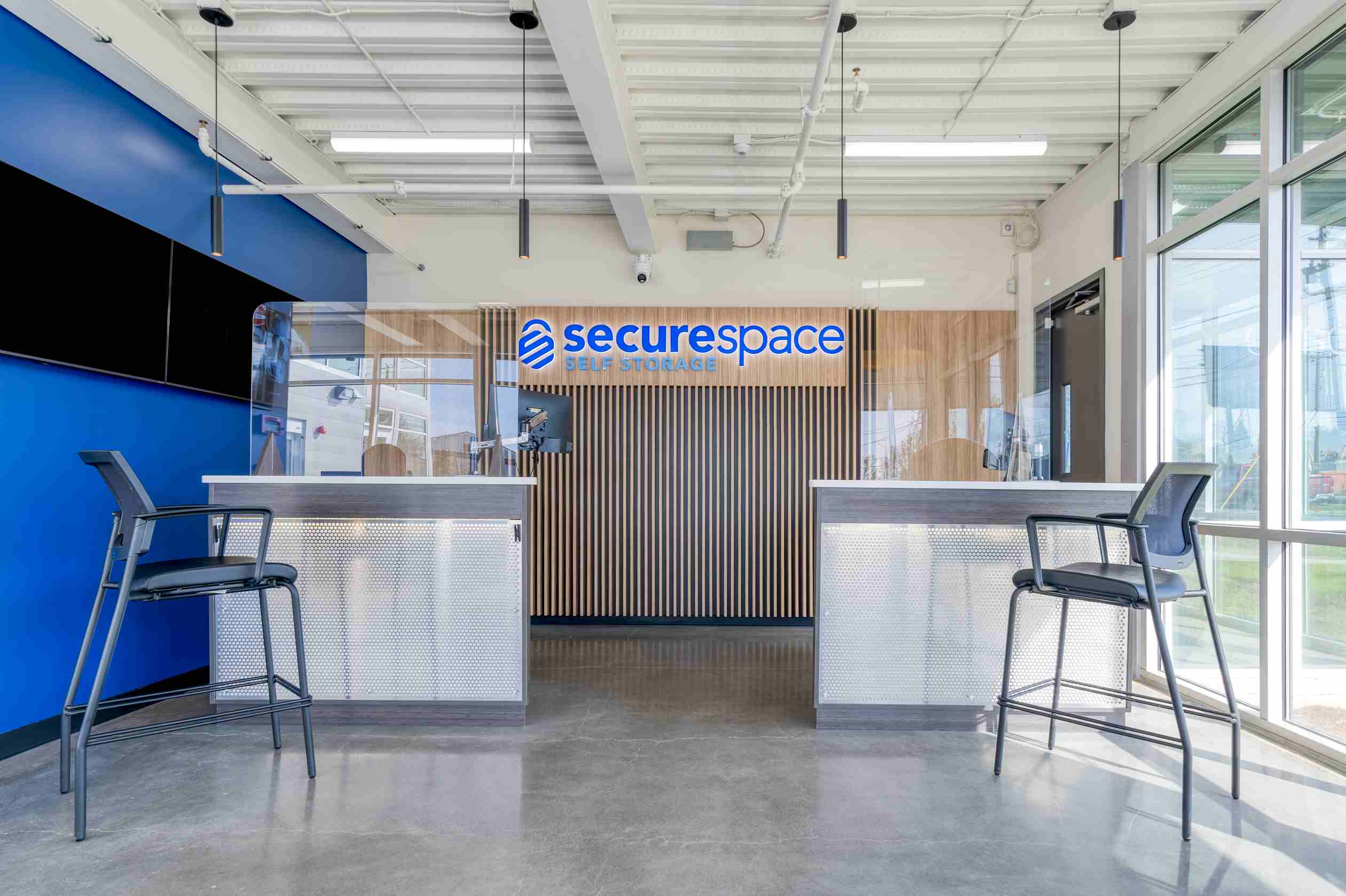
SecureSpace Self Storage NE Portland offers security-related features such as digital video recording, overnight surveillance, and logged access. Customers also have daily access from 6:00 AM to 10:00 PM, which can make it easier to retrieve items without scheduling container redelivery or warehouse access.
Self storage can also simplify the moving timeline. Instead of waiting for a container drop-off, reserving curb space, or coordinating pickup, customers can move items into a unit on their own schedule during access hours. For apartment moves, remodeling projects, business storage, or household transitions, that predictability can be valuable.
Moving in Portland does not have to mean fighting for curb space, coordinating street permits, or loading furniture in the rain. For many residents, a dedicated storage unit offers a simpler way to manage belongings during a move, renovation, downsizing project, or seasonal transition.
SecureSpace Self Storage NE Portland provides heated indoor storage with practical moving features such as a covered loading area, carts and dollies, elevator access, extra-large elevators, semi-truck accessibility, and moving pods. Month-to-month leases, online payments, and ACH or credit card payment plans can also help keep the rental process flexible.
Before choosing between a portable container and a storage unit, consider the full picture: permit requirements, delivery access, weather exposure, loading conditions, access needs, and how long you expect to store your items.
A street permit may be required if a portable storage container is placed on a public street, parking lane, sidewalk, or other public right-of-way in Portland. Requirements can vary based on location, duration, and the type of permit needed. Check current PBOT rules before scheduling container delivery.
Costs can include the base container rental, delivery, pickup, permit fees, parking reservations, required signage, and possible enforcement-related costs. Pricing varies by provider, container size, location, and rental length, so compare the full cost rather than only the advertised monthly rate.
A portable container parked on the street may be exposed to public access, weather, and curbside restrictions. A self-storage facility is designed specifically for storing belongings and may offer security-related features, controlled facility processes, and more predictable access. At SecureSpace Self Storage NE Portland, features include digital video recording, overnight surveillance, and logged access.
Clearance requirements vary by provider and equipment, but portable container delivery trucks often need substantial room to maneuver and place the container safely. Narrow streets, parked cars, overhead wires, trees, and tight turns can make delivery more difficult in dense Portland neighborhoods.
SecureSpace Self Storage NE Portland offers heated indoor storage, elevator access, extra-large elevators, a covered loading area, carts and dollies, semi-truck accessibility, moving pods, daily access from 6:00 AM to 10:00 PM, online payments, and ACH or credit card payment plans.
For a more predictable option than curbside containers, explore available self storage units in Northeast Portland, OR.
Everything you need to store your belongings securely, on your schedule.
Visit us online