Last updated Aug 12, 2026
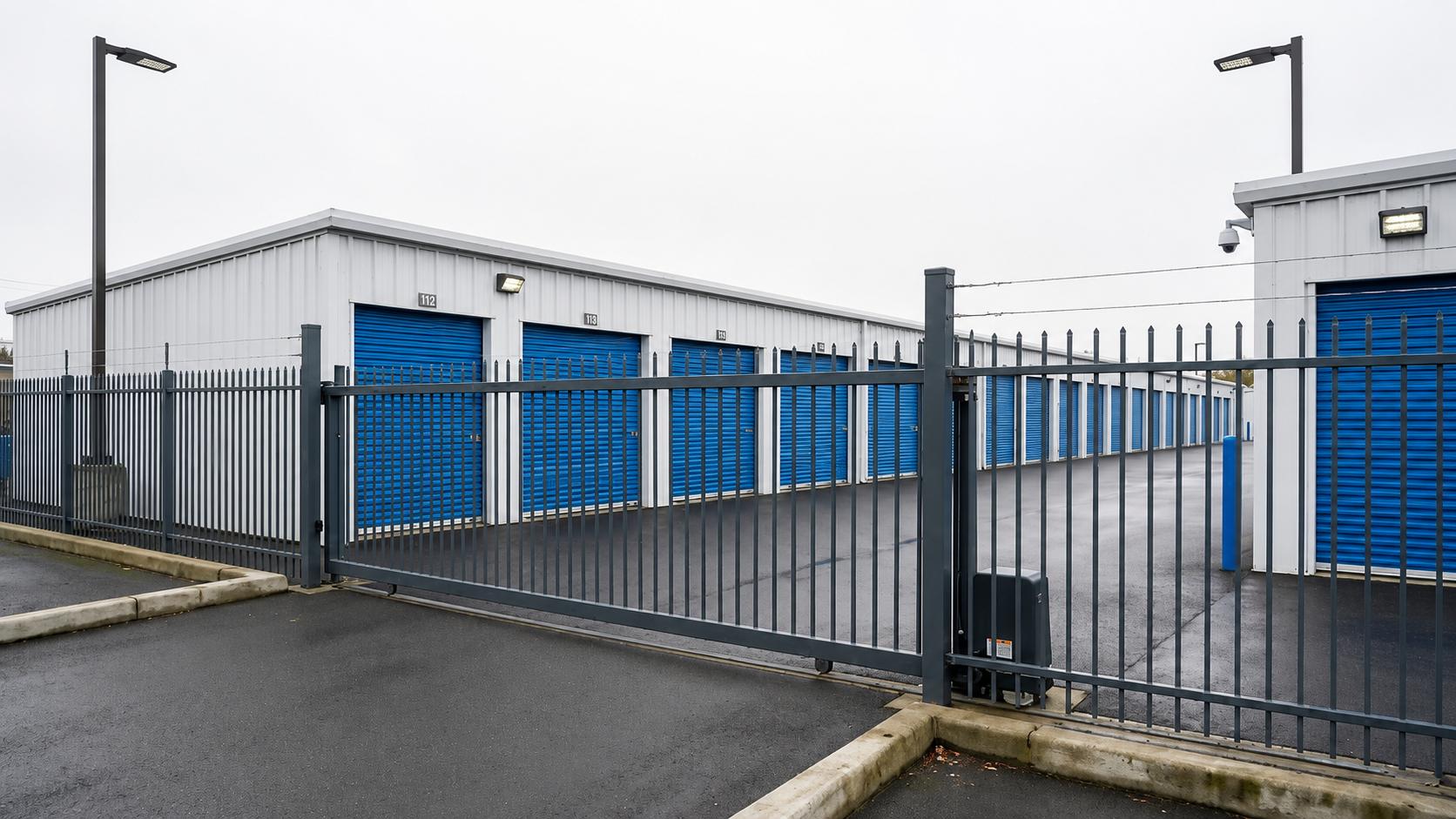
Living in Seattle comes with a few trade-offs. The micro-apartments near Capitol Hill, South Lake Union, and Ballard offer walkable, transit-friendly living-but they rarely leave room for your bike, ski gear, or seasonal wardrobe. Add in the need to plan around building access, wet-weather move-ins, and storage security features, and it's easy to see why so many residents want storage that's practical, convenient, and well managed.
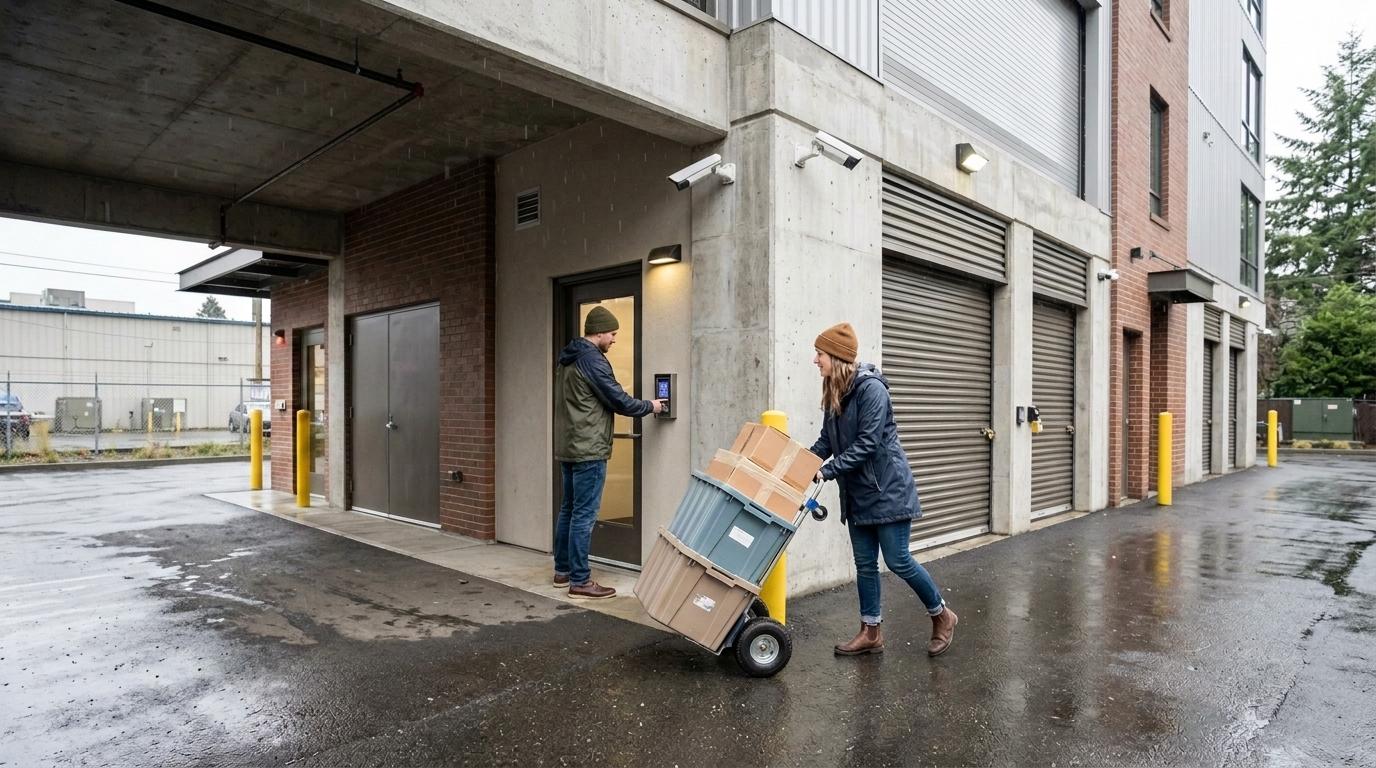
This guide breaks down what to look for when storing your belongings in Seattle: why residents use storage, which security features are worth reviewing, and how to choose a facility that fits your needs. Whether you're storing a few boxes or a larger household overflow, here's how to make a more informed choice.
Seattle's rapid growth, fueled by a booming tech sector, has reshaped the city's housing. To fit more people into a tight footprint, developers have leaned heavily into micro-apartments and Small Efficiency Dwelling Units (SEDUs)-compact homes that often run between 150 and 400 square feet.
These units make sense for young professionals who want to live close to work and nightlife. The catch? There's barely room for the essentials, let alone seasonal storage. In neighborhoods like Magnolia and Queen Anne, micro-housing occupancy has hit 100%, according to a Kidder Mathews micro-housing study. West Seattle and Beacon Hill aren't far behind at 96%.
For many residents, a storage unit becomes an off-site extension of home. It's where the mountain bike, the snowboard, the camping gear, and the holiday decorations live the rest of the year. Because Seattleites often invest in quality outdoor equipment, it makes sense to choose a facility with clear access, monitoring, and rental features before moving items in.
When people search for "secure" storage, they usually have a specific concern in mind. In Seattle, that often means thinking about both access control and wet-weather preparation.
Property crime is a recurring concern for many Seattle residents. According to an analysis by Lewis & Laws, Seattle's property crime rate sits roughly 184% above the national average.
The concern isn't limited to homes and cars. Apartment storage lockers can be vulnerable when they rely on minimal barriers, shared building access, or basic padlocks. That's why many renters look for a dedicated storage facility with clearer access procedures and facility-level monitoring features.
Even some commercial storage facilities have been hit. In one case covered by FOX 13 Seattle, thieves rented their own units to gain access, then broke into neighboring units during off-hours. One incident doesn't define every facility, but it does show why customers should review how access, monitoring, and unit-level procedures work before renting.
Seattle's rainy season can also affect how people pack, move, and store. Items carried through rain or packed while damp can create problems later, especially when boxes, fabric, or outdoor gear are stored without being fully dried first.
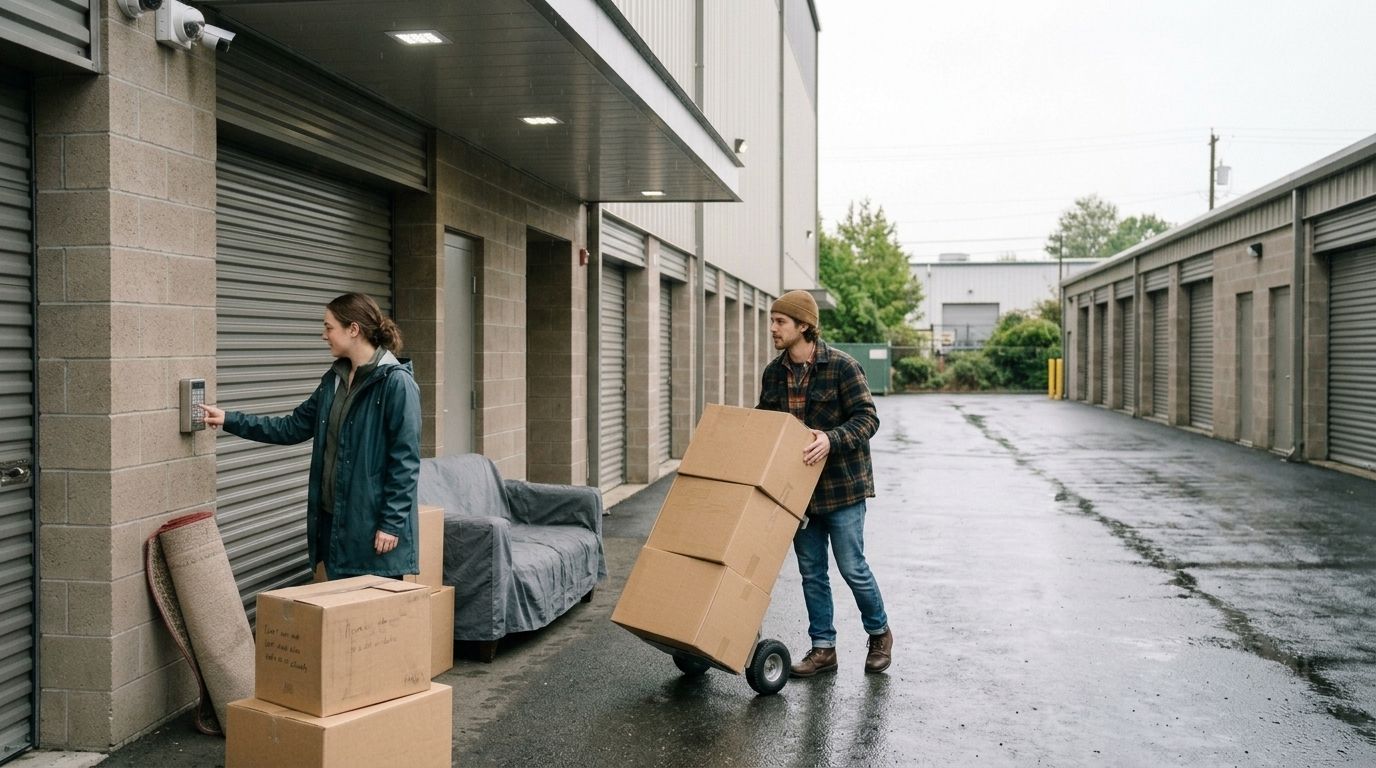
As Urban Self Storage explains, Pacific Northwest rainy-season preparation matters when storing belongings. Before moving items into storage, make sure they are clean and dry, use sturdy containers where appropriate, and avoid sealing damp clothing, furniture, or outdoor gear inside boxes.
Not all facilities list or manage security features the same way. Rather than relying on broad claims, look for specific details on the facility page and ask questions before signing.
Review how customers enter the property, building, elevators, and storage areas. Some facilities may offer touchless computer-controlled access, logged access, or other controlled-entry features, but details vary by location. Confirm the current access setup before move-in.
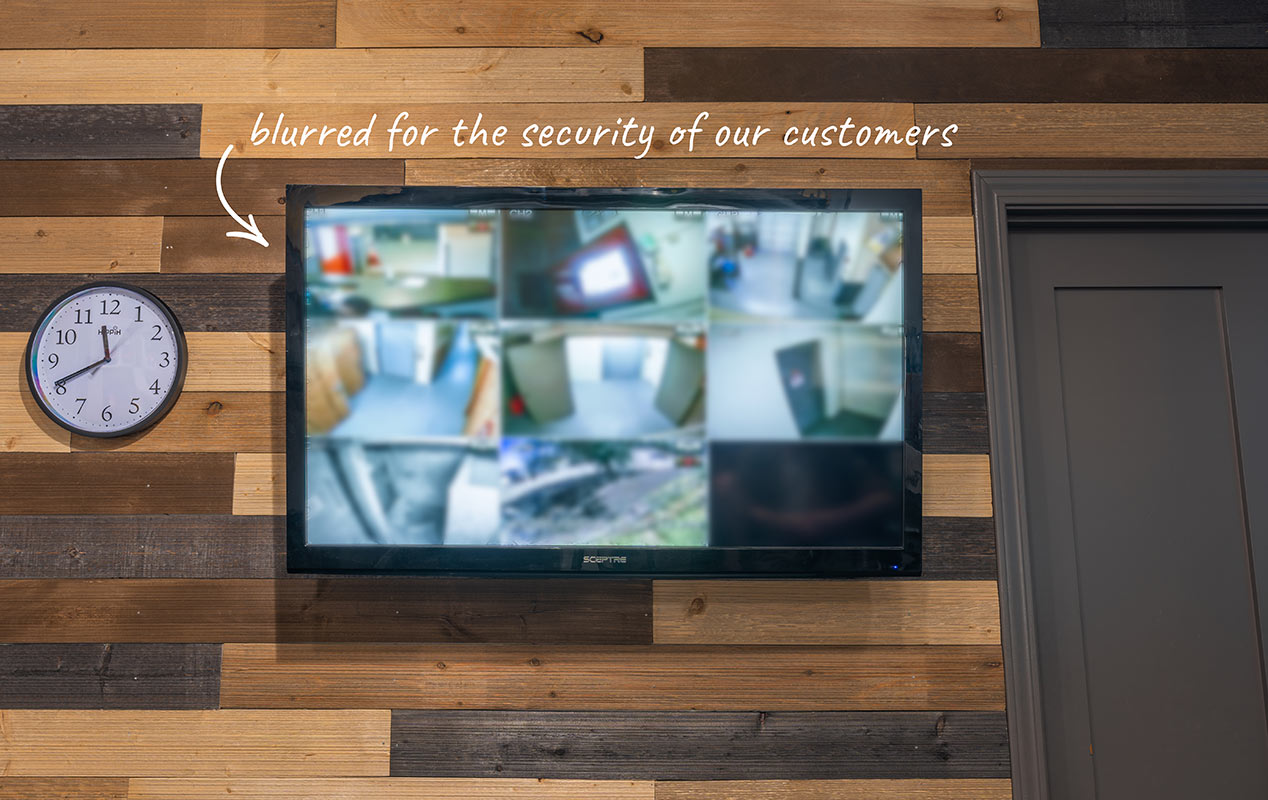
Digital video recording is one of the most common storage security features to look for. Ask whether cameras are used at the location, what areas are covered, and how the facility handles security events.
Logged access can help facilities track entries and exits. If this feature matters to you, ask how access is logged and whether it applies to the areas you'll use.
Some facilities list monitoring features such as overnight surveillance or technology-enabled monitoring. These can be useful features to review, but avoid assuming every Seattle storage location has the same setup. Check the specific facility page before renting.
In many cases, a dedicated storage facility can be a better fit than an apartment locker, especially if the locker is small, shared, difficult to access, or secured only by a basic lock.
Apartment basement lockers and parking-garage storage areas can be convenient, but they may not offer the same level of facility management, customer access procedures, or monitoring features as a storage facility. If you're storing items you use seasonally, household overflow, or outdoor gear, a dedicated storage unit may give you more room and a more predictable rental setup.
That said, no storage option can guarantee protection. Review the facility's listed features, use a strong lock where applicable, keep an inventory of stored items, and check your insurance or coverage requirements before move-in.
Independent reviewers tend to weigh storage facilities on a mix of factors: pricing value, customer reviews, security features, access, and flexibility. Here's a practical way to narrow your options.
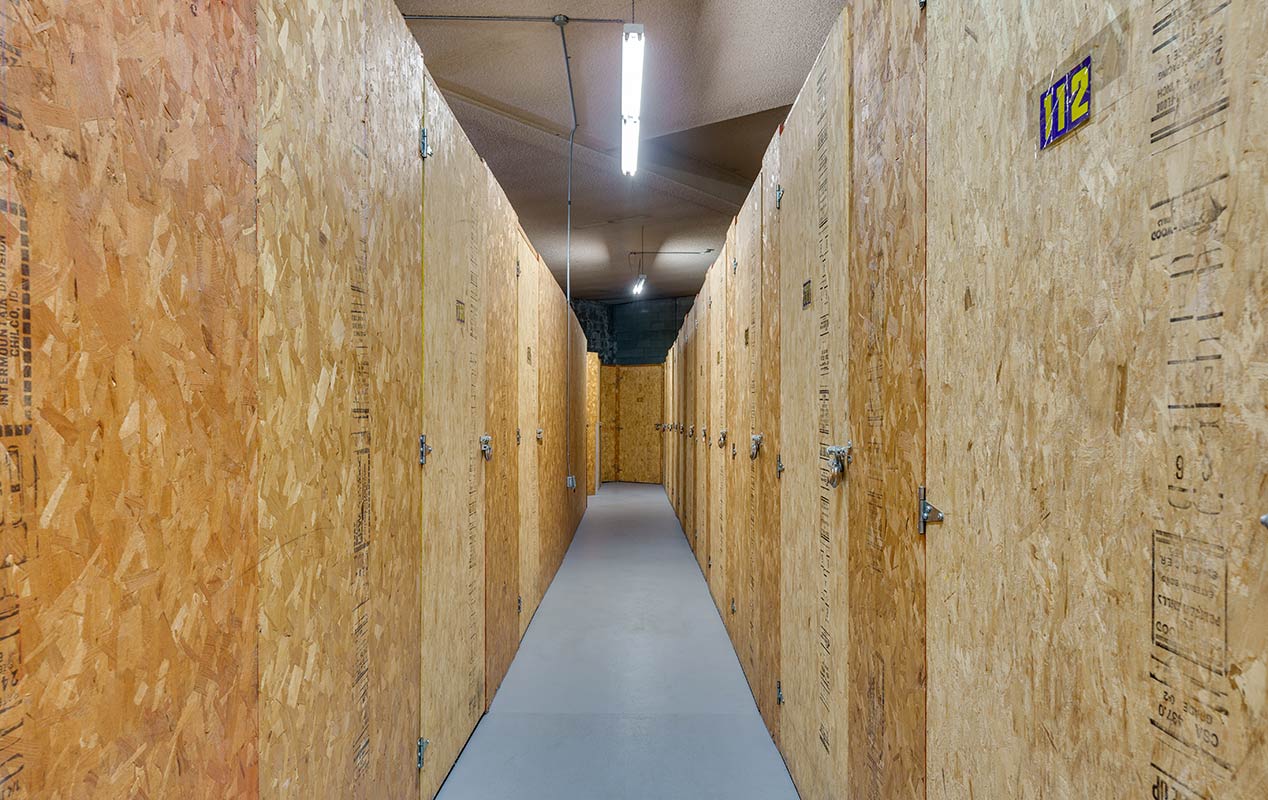
A 5x5 unit can work for boxes and small gear. A 5x10 can fit apartment overflow, bikes, or smaller furniture. A 10x10 can handle the contents of a room or small apartment, depending on how efficiently you pack. If you need more space, review larger available units and current size options before renting.
Look for specific features rather than broad promises. Depending on the location, useful features may include digital video recording, logged access, elevator access, carts and dollies, online payments, heated indoor storage, or touchless move-in.
Aim for a facility close to home, work, or a route you use often. Seattle traffic, bridges, hills, and neighborhood parking can make a short distance feel much longer on move-in day.
Month-to-month leases and clear pricing let your storage adjust as your needs change. They can be especially useful for lease gaps, renovations, student storage, or short-term household overflow.
Prices vary by unit size, features, availability, and location. Indoor, heated, elevator-access, or other feature-specific units may cost more than basic units. Many facilities offer introductory promotions, such as 50% off your first one or two months, so review both the promotional and standard rates before deciding.
Not every Seattle storage need requires climate-controlled storage. For many household items, heated indoor storage can be a practical option during colder months. Availability varies by facility, so review the current features and choose the unit type that fits what you're storing.
A secure storage facility should be evaluated by its specific features and procedures. Look for details such as digital video recording, controlled access, logged access, monitoring features, staff availability, and clear rental policies. Avoid relying on vague claims alone.
Individual unit alarms may be useful when available, especially for customers storing higher-value items. Availability varies by facility, and they should not be assumed unless the location specifically lists them. Ask the storage office what unit-level monitoring or alert features are currently offered.
Most facilities let you reserve online in a few minutes. You'll choose your unit size, review pricing and current promotions, and complete your reservation digitally. If you're unsure about size or features, the facility team can walk you through your options.
Storing belongings in Seattle is easier when you choose a facility based on specific features, convenient access, and a unit size that fits your needs. Review the facility page, ask questions about access and monitoring, and prepare your items before move-in.
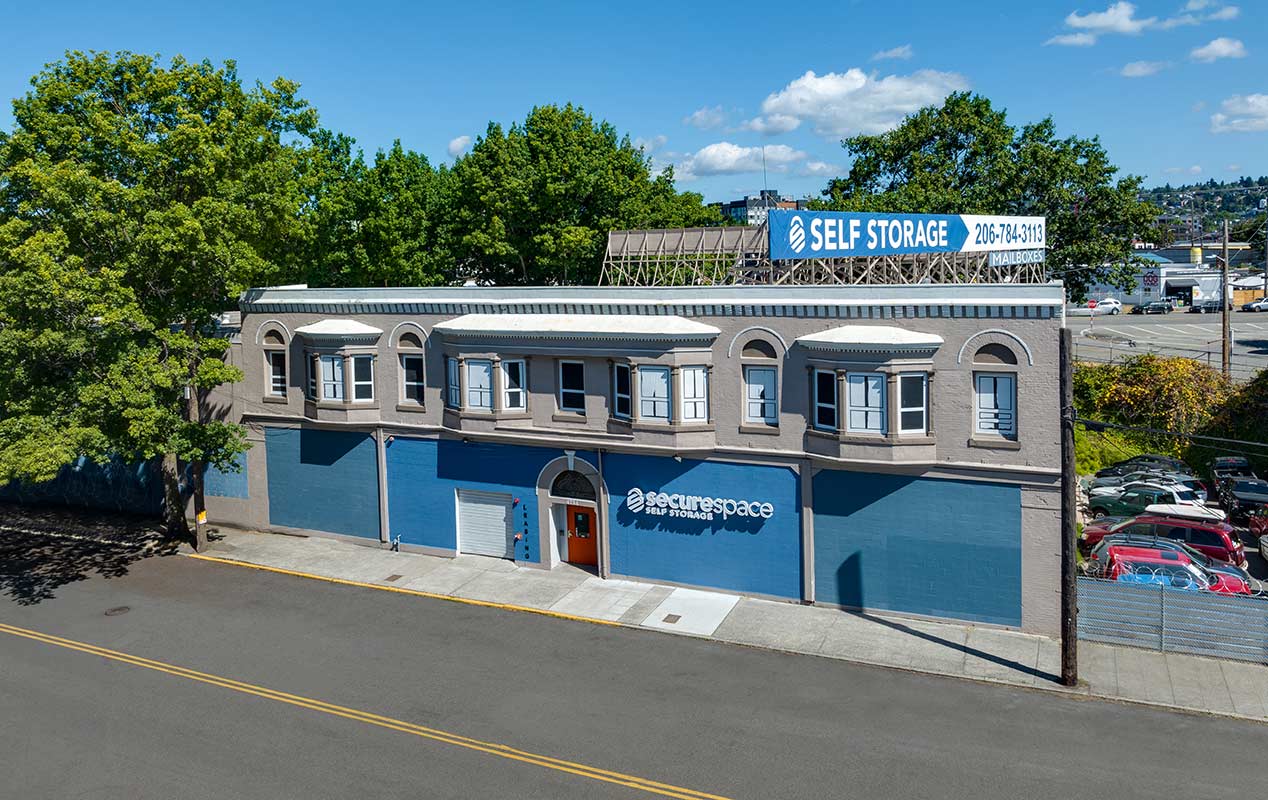
Ready to find storage in Seattle? Explore available units and current move-in deals at SecureSpace Self Storage in Seattle and reserve online today.
Everything you need to store your belongings securely, on your schedule.
Visit us online