Last updated Aug 12, 2026
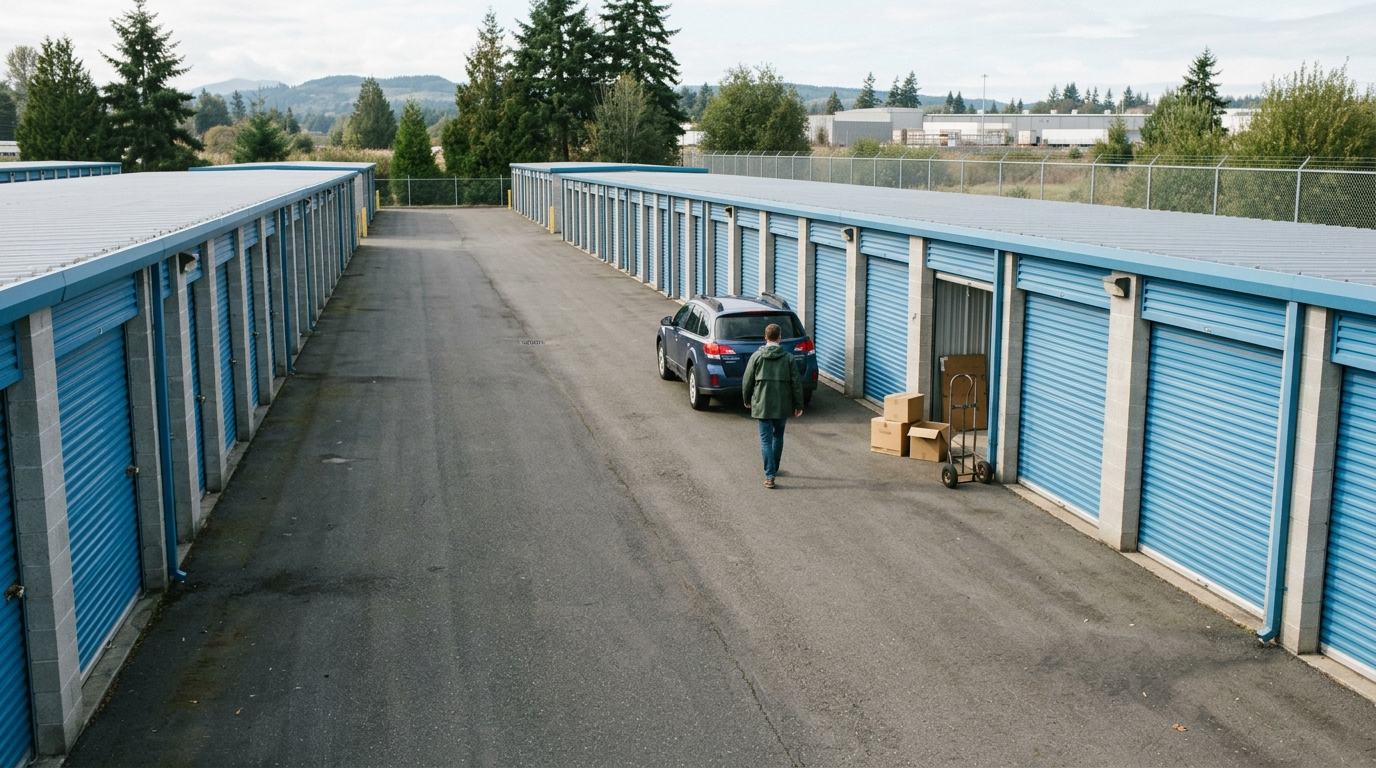
Finding a self-storage unit in Everett doesn't have to be complicated. Whether you're downsizing, clearing space before a home sale, renovating, or managing a business transition, the right facility can make it easier to organize belongings without paying for more space than you need.
The challenge is knowing which features matter for your situation. Location, unit size, access hours, storage conditions, payment options, and security features can all affect how practical a rental will be.
This guide explains what to consider when choosing self-storage in Everett and how to select a unit that fits your belongings, schedule, and budget.
Not every storage facility offers the same mix of unit types and customer conveniences. Before renting, identify what you're storing, how often you'll visit, and whether you need indoor storage, drive-up access, or outdoor parking.
Customers should look beyond broad claims such as "safe" or "completely secure" and review the specific features available at a facility.
The Self Storage Association provides general industry resources, but features vary from one property to another. Useful questions include whether the facility has controlled entry, video recording, logged access, overnight monitoring, and clearly defined access procedures.
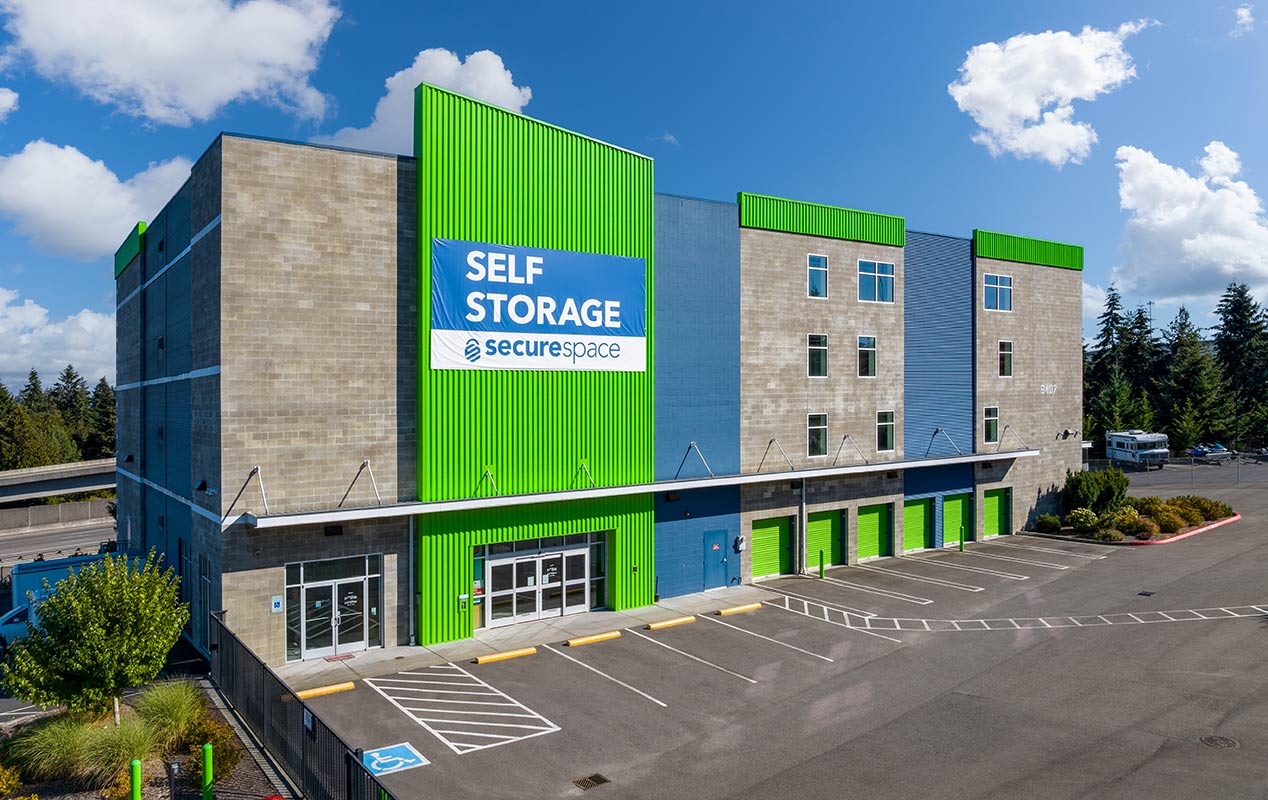
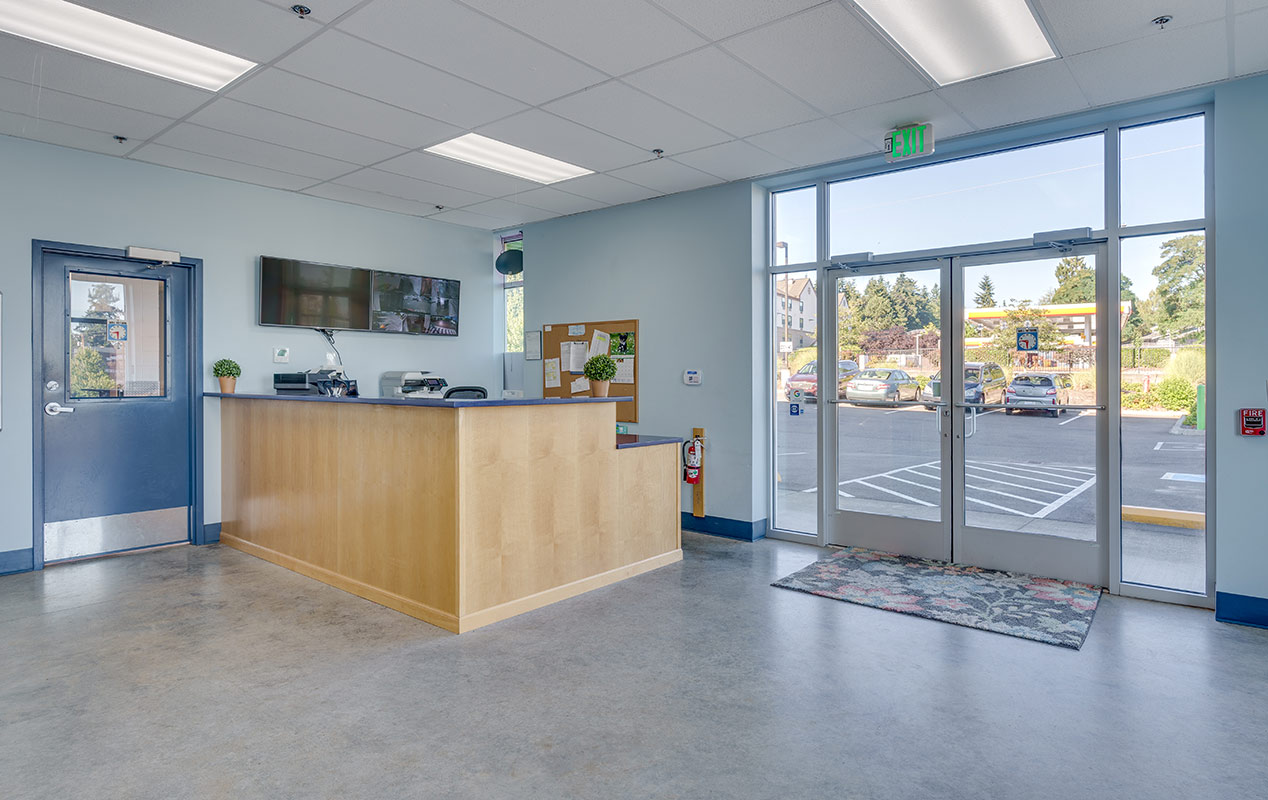
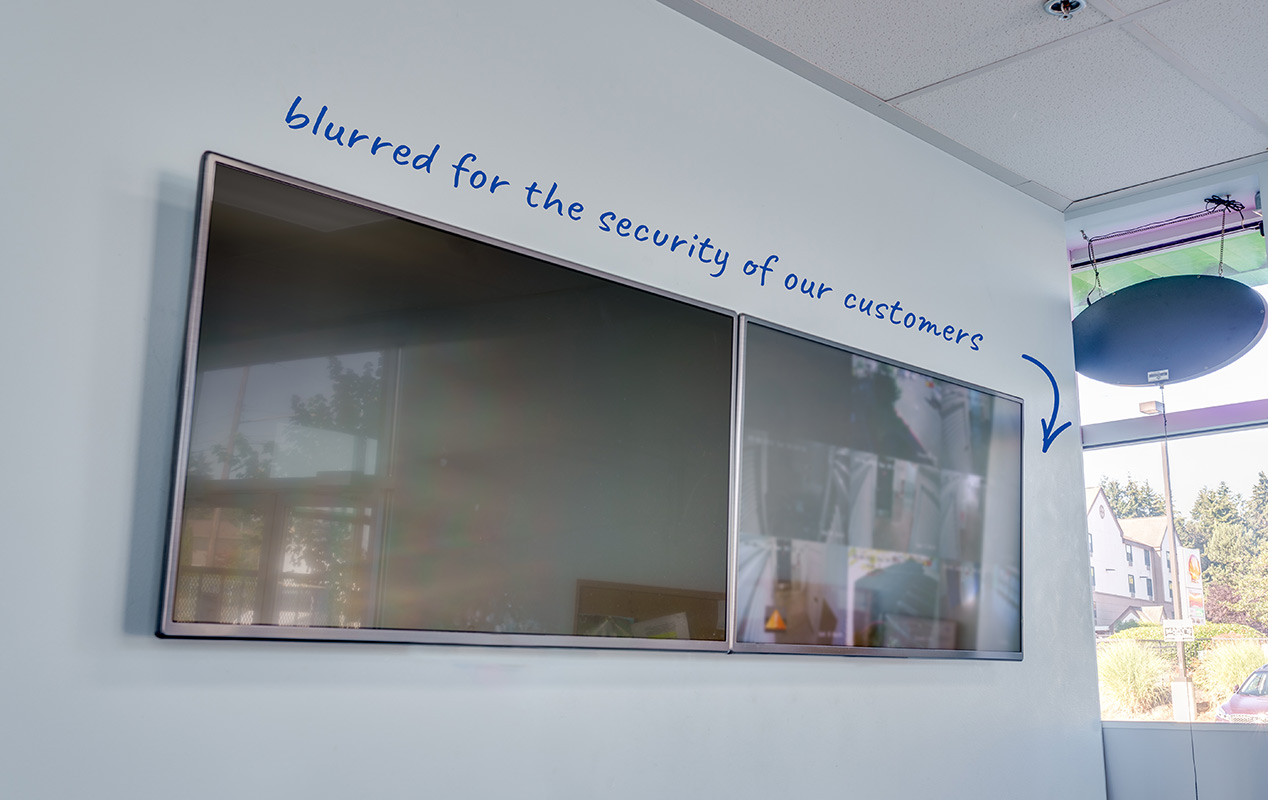
SecureSpace Everett includes an access gate, digital video recording, logged access, overnight surveillance, touchless computer-controlled access, and Turing-enabled monitoring. These features support the facility's access and monitoring practices without guaranteeing protection against every possible incident.
Customers can also use a quality lock, maintain an inventory of stored belongings, review applicable coverage requirements, and avoid sharing access credentials.
The Pacific Northwest experiences changing temperatures and cool seasonal conditions. Local National Weather Service climate data can provide context on regional weather patterns.
Climate-controlled and heated storage may be worth considering for compatible belongings that could be affected by temperature swings or prolonged cold. Examples may include electronics, business records, wooden furniture, appliances, and certain household items.
Climate control should not be treated as precise humidity management or a guarantee against damage. Store belongings clean and dry, use suitable containers, and follow manufacturer guidance for electronics, appliances, or specialized equipment.
Standard units may work for sturdier belongings that do not require the same level of temperature consideration.
A nearby unit is generally easier to keep organized because retrieving or returning belongings requires less planning.
Consider how the facility fits into your usual travel routes. Someone commuting along Interstate 5 may prioritize different access points than a resident near Silver Lake, downtown Everett, or the Highway 99 corridor.
Access hours matter as well. SecureSpace Everett provides daily gate access from 6:00 AM to 10:00 PM. Customers who expect to visit early in the morning or later in the evening should confirm that this window fits their schedule.
Rather than relying on an unverified ranking of competing facilities, focus on whether a location offers the unit types and features your move or storage project requires.
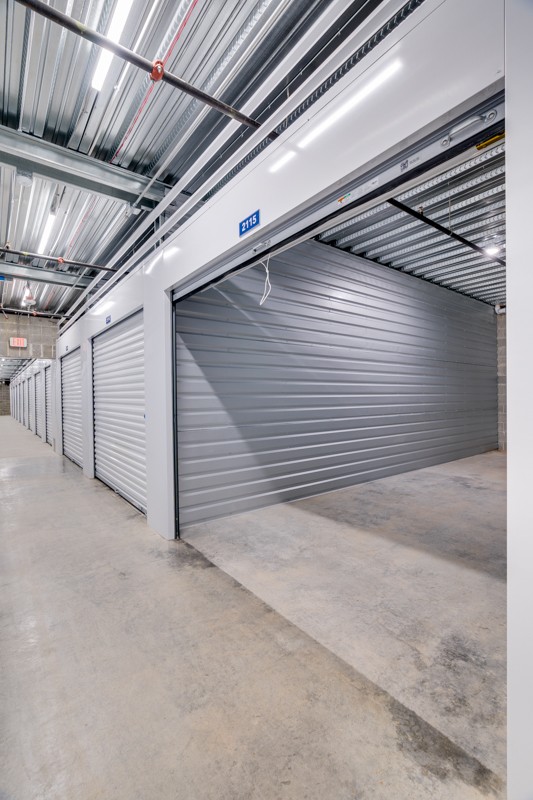
Indoor units can be useful for customers who prefer enclosed building access. SecureSpace Everett provides elevator access along with carts and dollies for moving boxes and household items to upper-floor units.
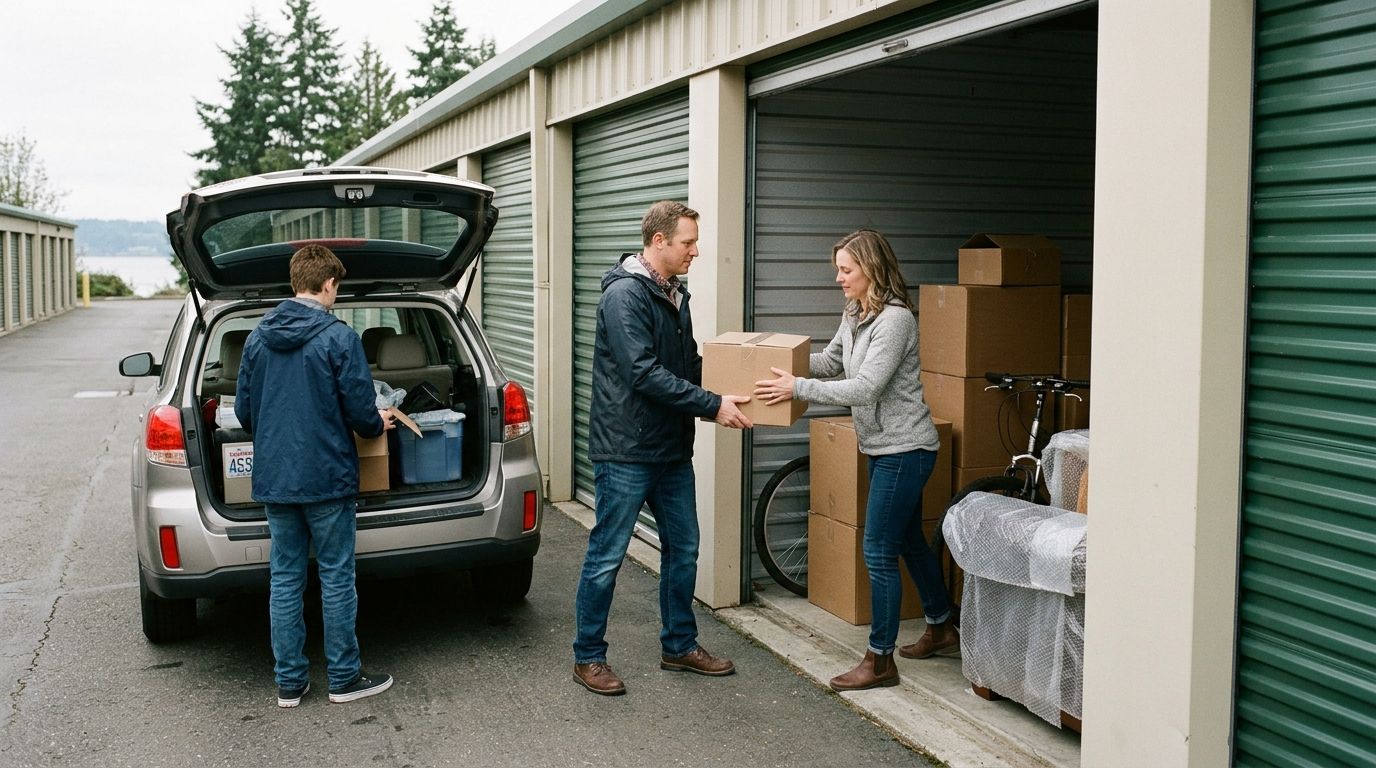
Drive-up units reduce the distance between a vehicle and the storage space, which may be helpful when moving bulky furniture, tools, or multiple boxes. Customers should still confirm current availability and make sure their vehicle can maneuver comfortably near the assigned unit.
Climate-controlled and heated options are available for customers who want to reduce their belongings' exposure to temperature changes and cold conditions.
Before choosing this option, consider what you're storing and how long it will remain in the unit. Good packing practices remain important even when climate-controlled storage is used.
The Everett facility offers outdoor parking for eligible motor vehicles, cars, boats, and RVs. Covered parking and indoor vehicle storage are not available.
Vehicle dimensions, documentation requirements, facility rules, and space availability should be confirmed before renting. Outdoor parking should not be assumed to accommodate every trailer, commercial truck, or oversized vehicle.
Month-to-month leases provide flexibility for customers who don't know exactly how long they will need storage.
Online payments, ACH and credit-card payment plans, and touchless move-in are also available. Basic moving and packing supplies can be purchased through the leasing office.
One of the most common rental mistakes is choosing a unit that is too small to organize properly or unnecessarily large for the items being stored.
Use measurements and an item inventory rather than relying only on room-count estimates.
5x5 Units: May fit boxes, seasonal belongings, small furniture, and compact household items.
5x10 Units: Can work for studio-apartment contents, office materials, or a combination of boxes and smaller furniture.
10x10 Units: May accommodate belongings from a modest apartment or provide space for household and business inventory.
10x15 Units: Can provide additional room for furniture, appliances, boxes, and belongings from a larger move.
10x20 Units: May suit a substantial household move, business supplies, or larger permitted equipment. Vehicles cannot be stored inside drive-up units at this facility.
10x25 Units: Offer additional space for larger household contents, shelving, inventory, or bulky permitted items.
Measure large furniture, appliances, and equipment before selecting a size. Leave frequently used belongings near the front and maintain a path to items stored toward the back.
Storage rates change based on unit size, unit type, location within the property, current availability, and active promotions. Climate-controlled, heated, drive-up, and parking options may also have different prices.
Because rates can change, fixed market-wide price ranges may become inaccurate quickly. Review the facility's current online pricing and confirm any applicable fees before completing the rental.
When estimating the total cost, consider:
Monthly rent: Review the current rate for the exact unit being offered.
Promotions: Check how long an introductory discount lasts and what the regular rate will be afterward.
Administrative charges: Ask about required setup or account fees.
Coverage requirements: Review the lease to understand applicable property-coverage obligations.
Moving supplies: Include locks, boxes, tape, covers, or shelving in the moving budget.
Month-to-month leasing provides flexibility, but customers should still review billing dates, rate terms, notice requirements, and move-out procedures.
The way a unit is arranged can matter as much as the amount of space rented.
Use clear labels that identify both the contents and the room or department associated with each box. Label more than one side so the description remains visible after stacking.
Maintain a simple inventory showing what is stored and where it is located. A spreadsheet, notes document, or inventory app can work well.
Sketch a basic floor plan and decide where large furniture, shelving, and frequently needed boxes will go.
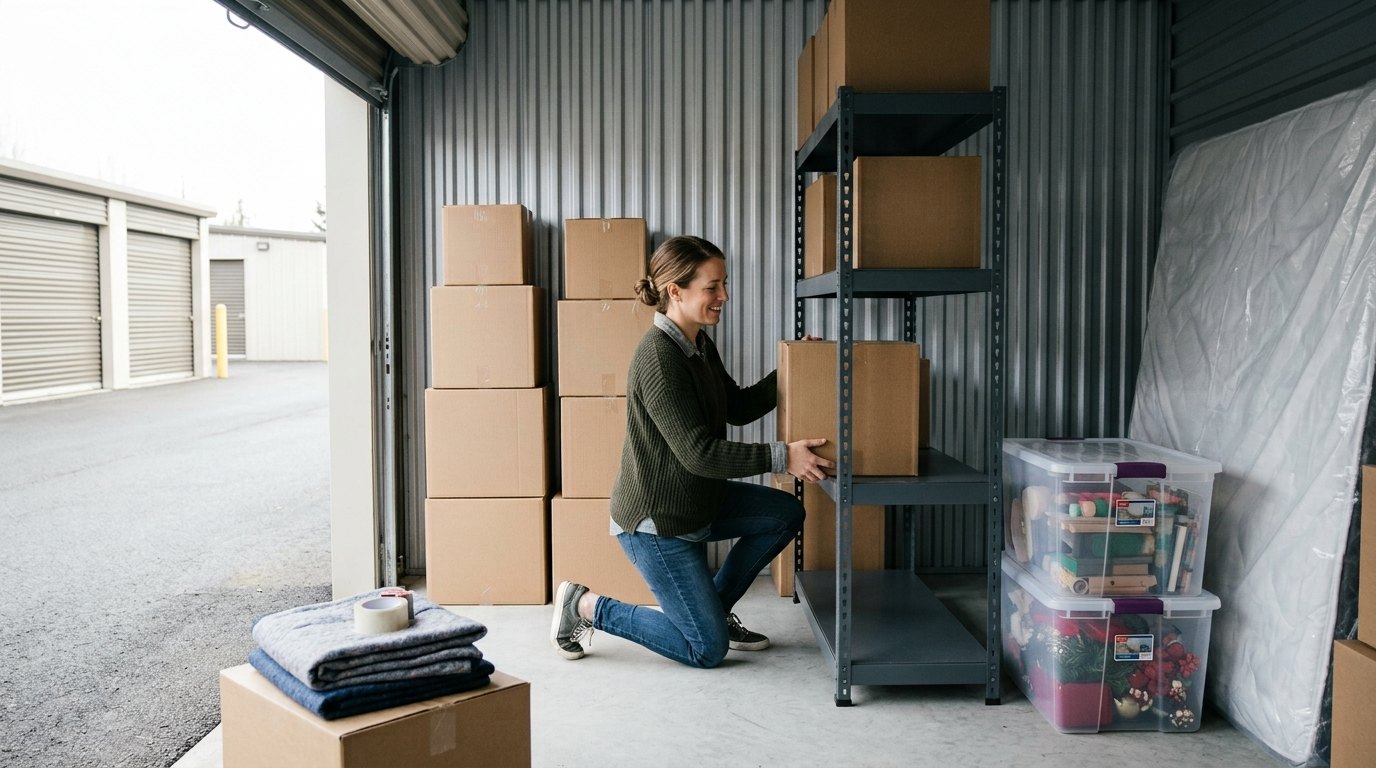
Place heavier containers at the bottom of stable stacks. Keep commonly retrieved items near the entrance and leave a path through the unit rather than filling every open space.
Uniform box sizes are generally easier to stack than irregular containers. Avoid overfilling boxes, especially when they contain books, files, tools, or other heavy items.
Furniture covers and moving blankets can help limit scratches and dust exposure. Store boxes and compatible belongings on clean shelving when practical rather than relying on claims that any particular setup will prevent moisture damage.
Self-storage can be useful when the need is temporary, seasonal, or tied to a specific transition.
Common uses include preparing a home for sale, moving between leases, renovating, storing business inventory, organizing inherited belongings, or creating more functional space at home.
Before renting, consider how long you expect to keep the unit and whether the stored items justify the ongoing cost. If belongings remain untouched for an extended period, review the inventory and decide whether everything still needs to be stored.
Not for every item. Climate-controlled and heated storage may help reduce exposure to temperature swings and cold conditions, but the best option depends on what you're storing and for how long.
A 10x10 or 10x15 unit may work, depending on the amount and dimensions of the furniture. A 10x20 may provide more room for bulky items or an accessible aisle. Measure large pieces and estimate the number of boxes before choosing.
Review the specific features rather than relying on broad safety claims. Ask about controlled entry, video recording, access logs, monitoring practices, and customer access procedures. You can also check recent reviews on Google Maps or Yelp for comments about access, cleanliness, maintenance, and customer service.
No. Vehicles cannot be stored inside SecureSpace Everett's drive-up units. Eligible motor vehicles, cars, boats, and RVs may qualify for outdoor parking, depending on dimensions, facility rules, and current availability.
No. Access is available daily from 6:00 AM to 10:00 PM rather than 24 hours a day. Manager hours are separate from gate-access hours.
Yes. Month-to-month leases are available, giving customers flexibility when storage needs are temporary or likely to change.
The right storage space should fit your belongings, access schedule, and expected rental period without including features you do not need.
Start by making an inventory, measuring bulky items, and deciding whether indoor, drive-up, climate-controlled, heated, or outdoor parking space is appropriate. Then review current pricing, availability, access procedures, and rental terms before completing the move.
See current sizes and rental availability for self storage in Everett, WA.
Everything you need to store your belongings securely, on your schedule.
Visit us online