Last updated Aug 12, 2026
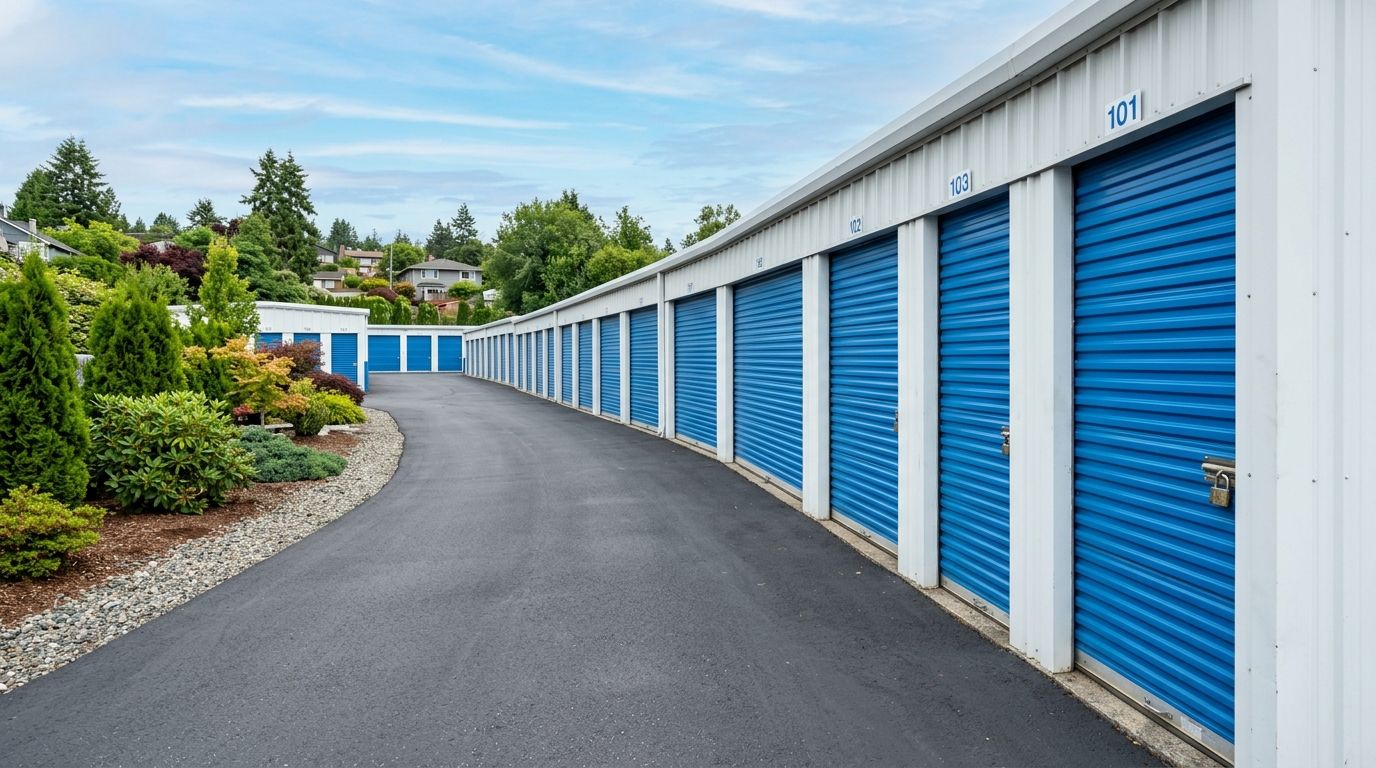
Finding storage in Seattle has its own set of challenges. Compact apartments, wet weather, busy streets, and limited extra space all shape what people need from a storage facility.
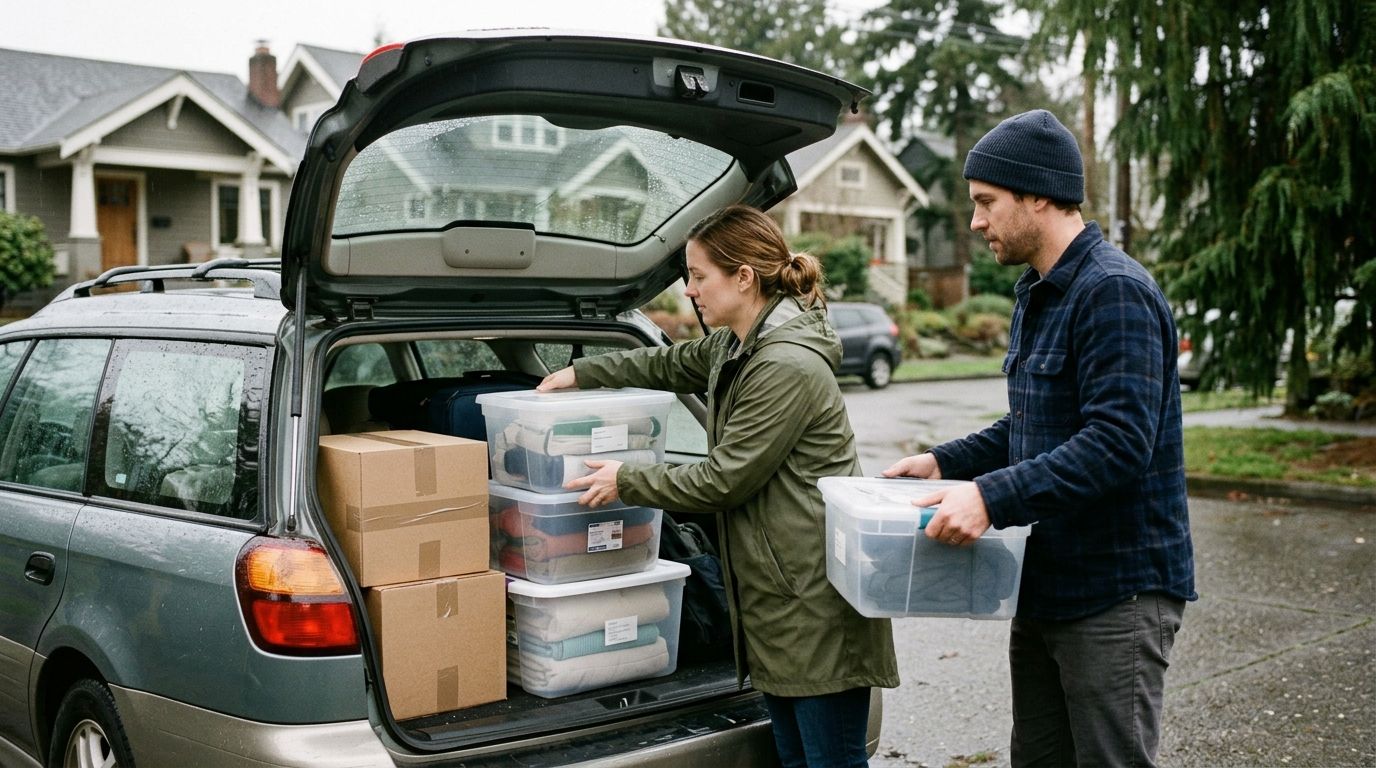
If you live in a Capitol Hill studio, a South Lake Union one-bedroom, or a shared house with no spare closet, you already know the feeling: there's nowhere to put skis, camping gear, seasonal bins, furniture, or the boxes you haven't unpacked since your last move. Storage can become a practical extension of your home when everyday space runs short.
This guide breaks down what to look for in Seattle self storage, from security features and unit setup to access, pricing, and location, so you can choose a unit that fits your needs without relying on vague promises.
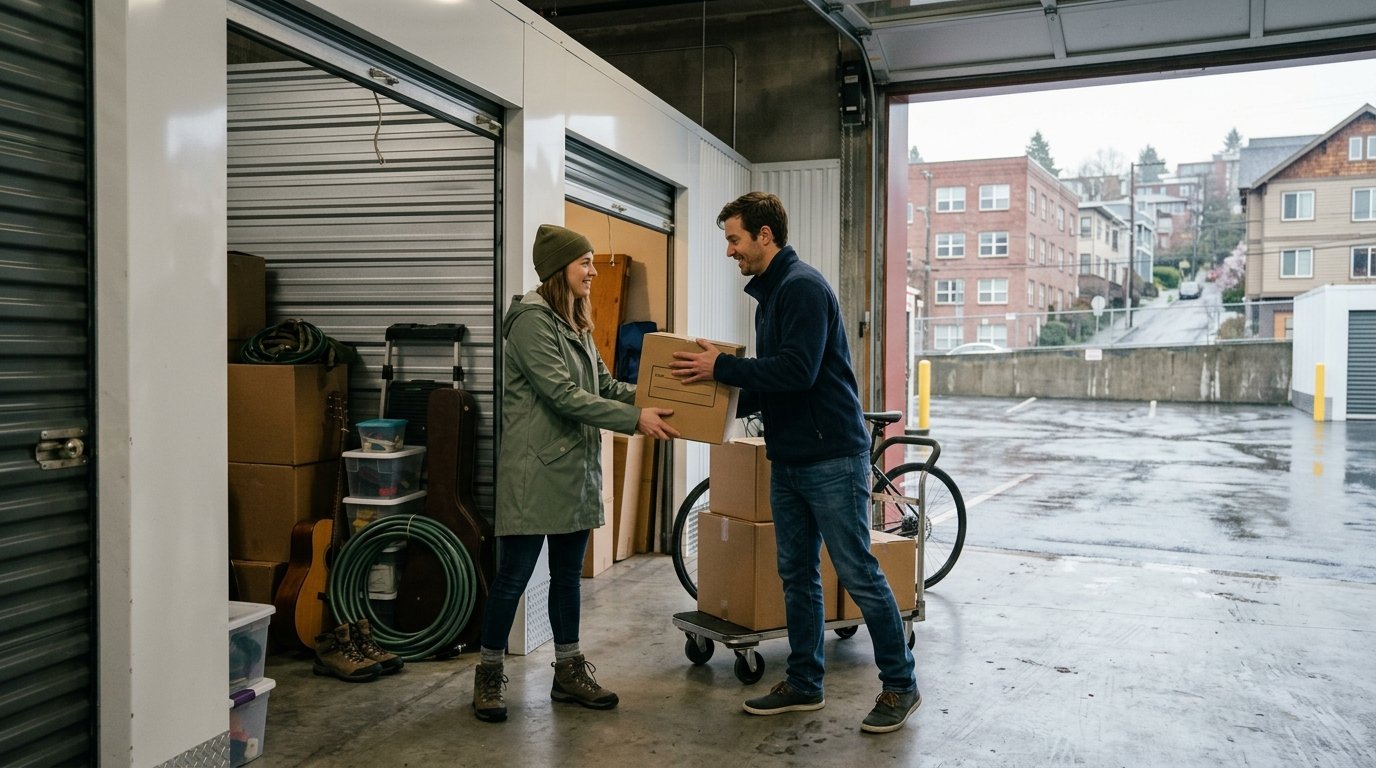
Seattle housing can be expensive and compact, especially in dense neighborhoods where closets, garages, and extra rooms are limited. When apartment space is tight, even normal household overflow can become a problem.
Add the Pacific Northwest's outdoor culture to the mix, and the storage challenge gets bigger. Kayaks, paddleboards, mountain bikes, camping gear, skis, snowboards, and seasonal clothing can take up serious room.
Most people who search for storage here are not browsing casually. They need a reliable place for items that do not fit comfortably at home. The challenge is sorting through facilities and choosing one with the right size, features, access, and rental terms.
Security is an important consideration for anyone storing household goods, electronics, outdoor gear, tools, or business items. No storage facility can guarantee protection, but the right features and habits can help reduce risk.
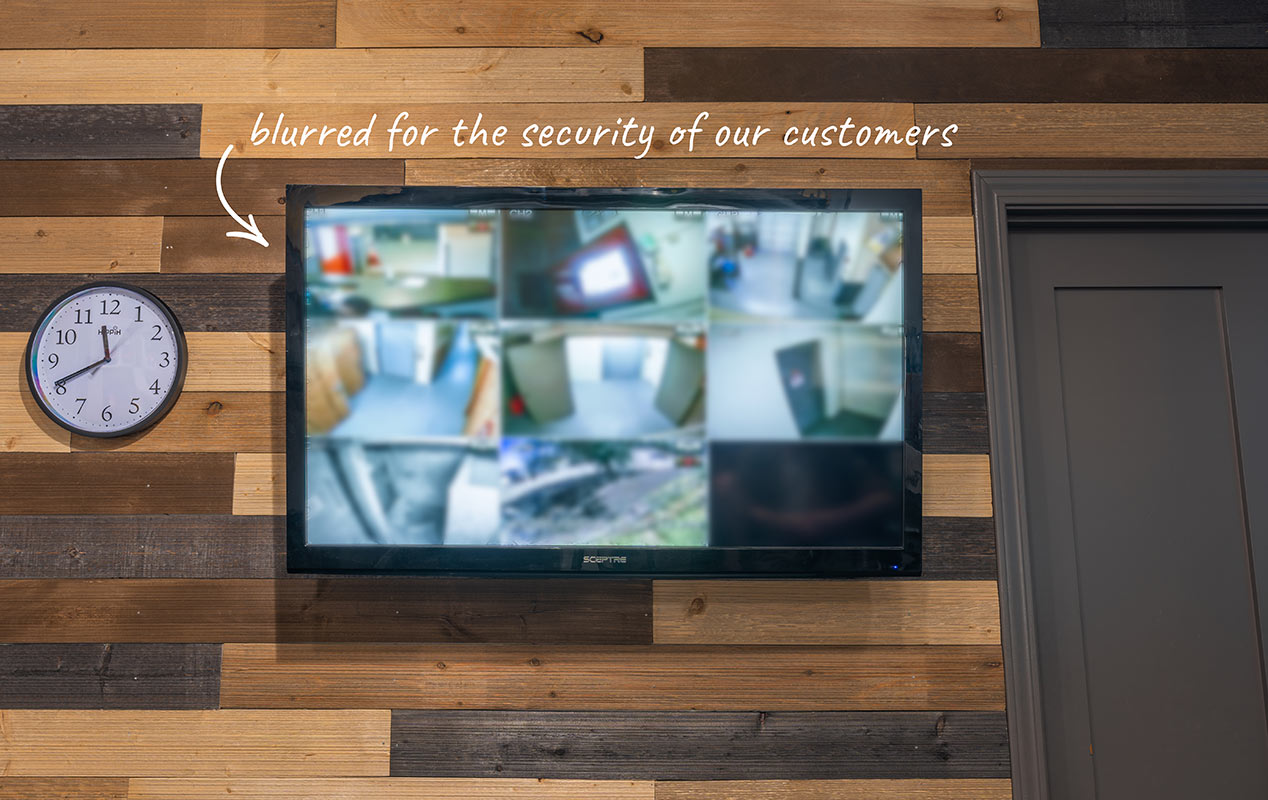
When comparing facilities, review the security features listed for the specific location you are considering. Depending on the facility, those may include digital video recording, logged access, controlled entry procedures, staff availability, or other access-related features.
You can also take your own precautions:
Use a quality lock where applicable.
Keep an inventory of stored items.
Photograph higher-value belongings.
Save serial numbers for electronics, bikes, and equipment.
Avoid storing irreplaceable originals without a backup plan.
Review insurance or coverage options.
Read recent reviews for access, billing, cleanliness, and management themes.
The goal is not to find a facility that makes broad security promises. It is to choose a location with clearly listed features and a storage routine that helps you stay organized.
Seattle's wet climate makes storage preparation important. Rainy move-in days, damp cardboard, wet gear, and poorly packed soft goods can create avoidable problems.
Heated indoor storage may be useful during colder months because it keeps belongings inside a building and may reduce exposure to colder conditions compared with non-heated spaces. Before renting, review the current unit features and choose the option that fits what you're storing.
Good packing matters just as much as the unit type:
Dry outdoor gear before storing it.
Avoid packing damp cardboard, clothing, bedding, or rugs.
Use sturdy bins for items that may be stacked.
Keep items off the floor when possible.
Store frequently used items near the front.
Do not store food, liquids, or prohibited items.
Review facility rules for appliances, batteries, and equipment.
If you're storing electronics, documents, clothing, bedding, or furniture, take extra care with packing and review the exact unit features before move-in.
Storage prices in Seattle vary by unit size, location, availability, features, access setup, and current promotions. A small unit for seasonal gear will usually cost less than a larger unit for apartment furniture, but the advertised price is only one part of the decision.
Before renting, check:
Base monthly rent
Move-in promotions
Administrative fees
Insurance or proof-of-coverage requirements
Lock requirements
Taxes or other charges
Access hours
Month-to-month terms
Move-out notice requirements
The standard monthly rate after any promotion ends
Pricing transparency matters. If a promotion is offered, make sure you understand how long it lasts and what the regular monthly rate will be afterward.
Seattle's geography makes location more important than it may seem. Waterways, bridges, hills, traffic, and neighborhood parking can all affect how easy a storage unit is to use.
When comparing storage locations, think about your real routine:
How close is the facility to home, work, or school?
Will you visit often or only during moves?
Are access hours a good fit?
Is the route practical during traffic?
Are carts, dollies, elevator access, or loading areas available?
Can you park conveniently while moving items?
Are the unit features clearly listed?
A slightly more convenient location may be worth it if you expect to visit regularly. A lower rate across town may not feel like a deal if every trip takes longer than expected.
A good Seattle storage facility should fit your items, schedule, and budget. Instead of looking for the longest feature list, focus on the details that affect your actual move-in and access experience.
Look for patterns in reviews, not just the star rating. Cleanliness, helpful staff, access issues, billing clarity, elevator reliability, and move-in instructions are all worth noting.
Do not assume every facility has the same setup. Check the specific location page for listed security features and access procedures.
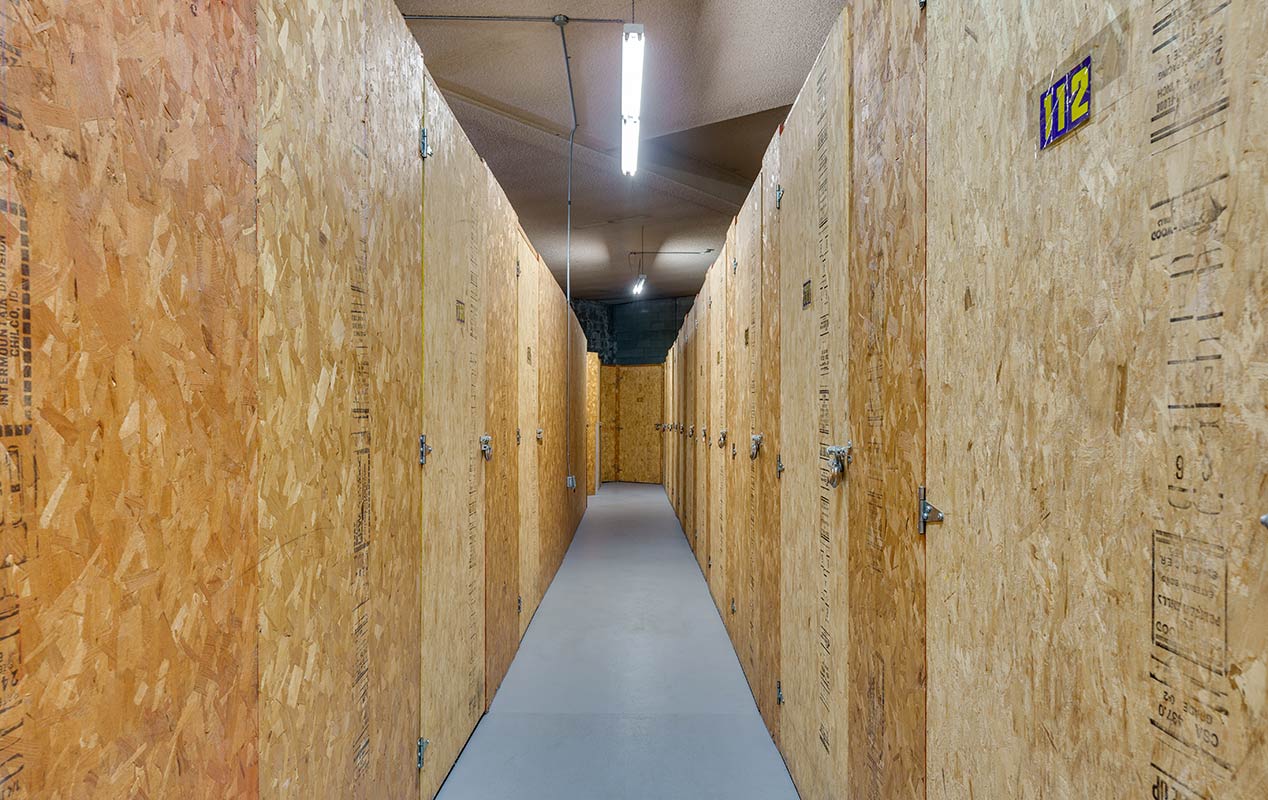
Review whether the unit is indoors, heated, elevator-accessible, ground-level, or sized appropriately for your items. Do not assume drive-up access, covered loading, or vehicle storage unless the location clearly lists those features.
Compare the base rate, promotion terms, fees, and month-to-month rental details. Ask what the regular monthly rate will be after any introductory offer.
Choose a facility that fits your normal routes. If you're storing outdoor gear, apartment overflow, or business items you may need regularly, convenience can matter as much as unit size.
Review the specific facility's listed security features, access procedures, and recent customer reviews. You can also use a quality lock, keep an inventory, photograph stored items, and review coverage options.
It can be useful, especially during colder months or for items you prefer to keep inside a building. Still, packing matters: store items clean and dry, avoid damp cardboard, and use sturdy containers where possible.
Seattle has storage options near many residential and commercial areas. Choose a location based on your route, access needs, unit features, and how often you expect to visit.
Costs vary by unit size, location, availability, features, and promotions. Check current rates, fees, promotion terms, and the standard monthly rate before renting.
Start with your largest items, then estimate boxes, bins, and furniture. A small unit may work for seasonal gear and apartment overflow, while larger units may be better for furniture, business items, or a bigger move.
The right Seattle storage unit should fit your space problem, your route, your budget, and the items you need to store. Before renting, review the unit features, access hours, security details, pricing terms, and move-in instructions for the specific location.
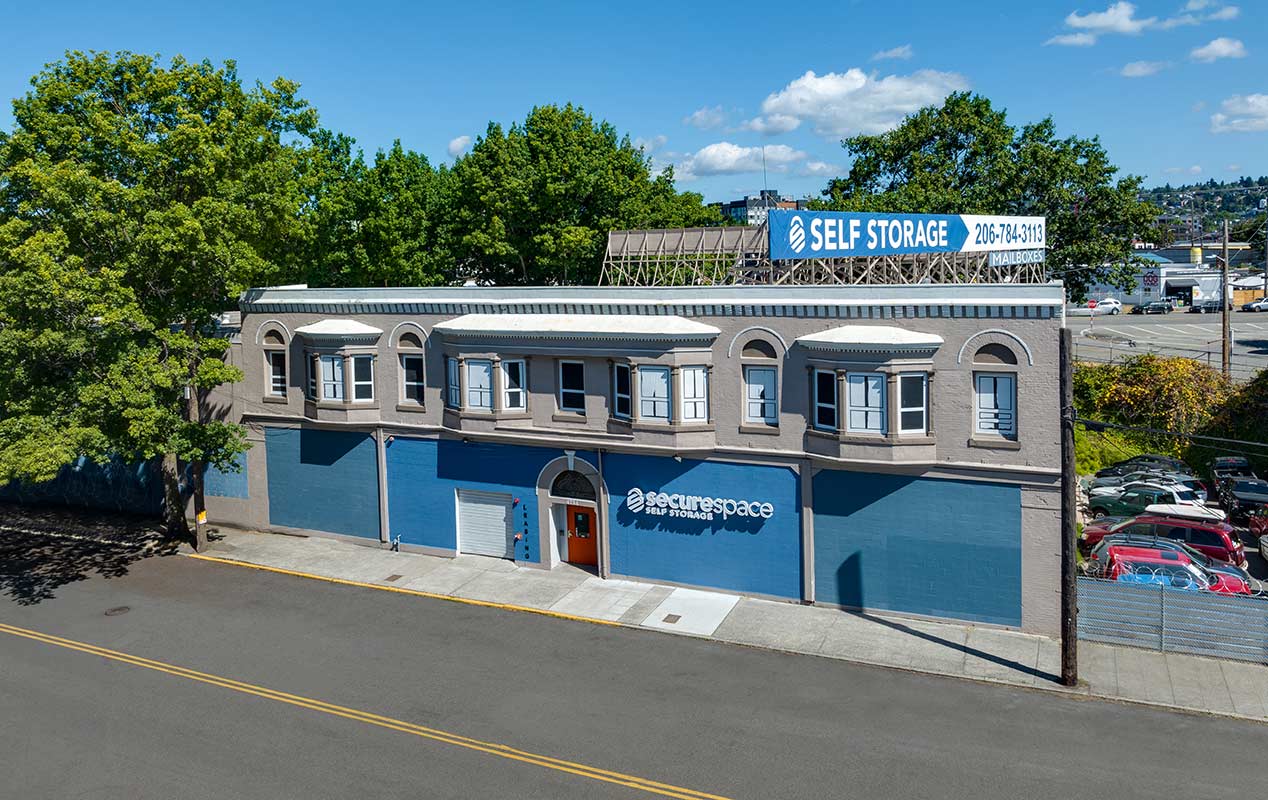
For household overflow, seasonal gear, moving boxes, or business items, review current options for self storage in Seattle, WA at SecureSpace.
Everything you need to store your belongings securely, on your schedule.
Visit us online