Last updated Jun 23, 2026
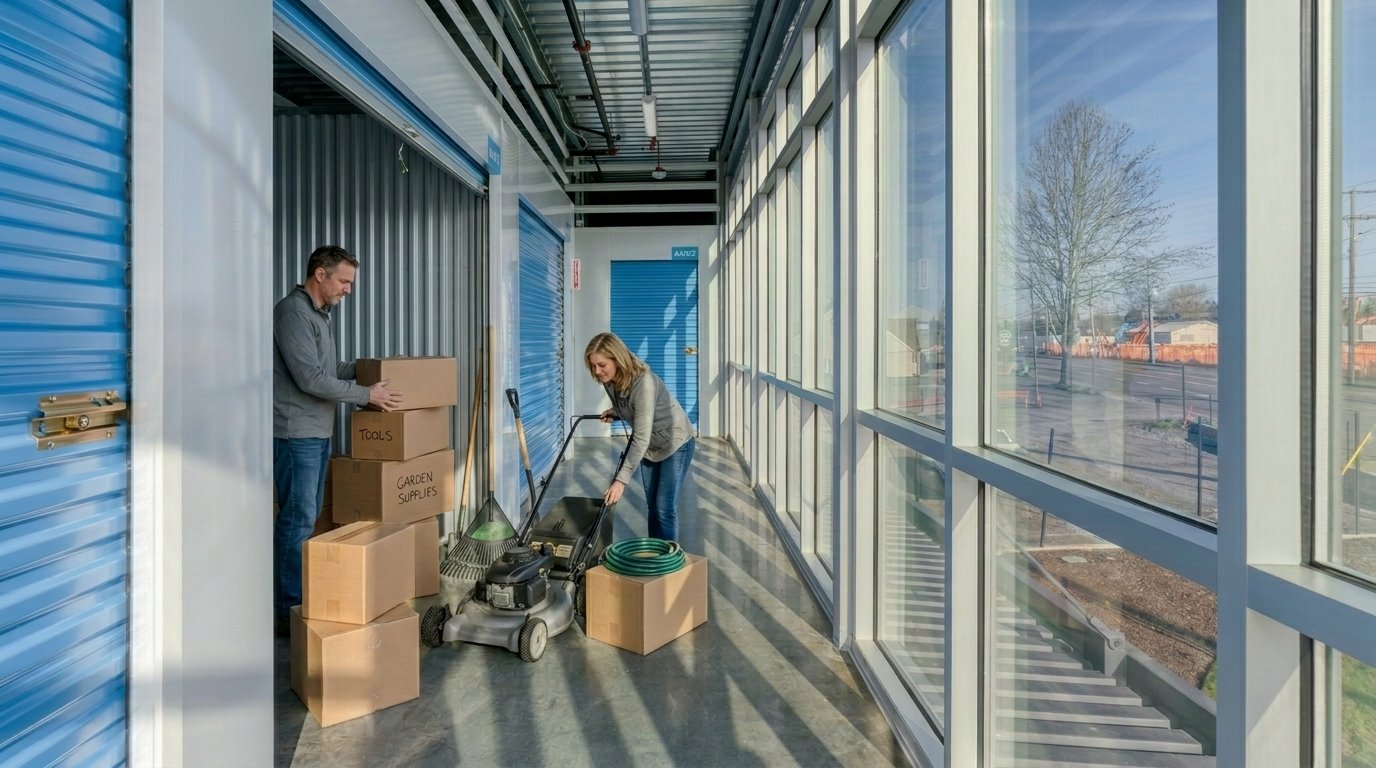

Portland residents often run out of room faster than expected. Outdoor gear, seasonal wardrobes, work-from-home supplies, and household overflow can make a backyard shed seem like the easiest fix.
But building a shed in Portland comes with cost, permitting, placement, and weather considerations. This guide compares backyard shed construction with indoor storage so you can choose the option that fits your space, budget, and belongings.

The financial barrier to constructing an outdoor storage shed can be higher than Portland homeowners initially anticipate. While a basic, uninsulated plastic shed might seem inexpensive, these structures may offer limited security and little protection from cold or damp conditions. Higher-quality wood, concrete, or brick sheds capable of handling Oregon weather can cost significantly more in materials and installation.
When you factor in professional labor, the average cost to install a functional shed in the Portland market sits at approximately $4,500 The Home Depot, 2026. Localized installation labor can also vary depending on site accessibility, ground preparation, and the type of foundation required. Site preparation may involve clearing uneven terrain, marking the footprint, and laying a crushed gravel or poured concrete base to support drainage and stability.
The City of Portland's Bureau of Development Services sets zoning and permitting rules that can affect shed installation. A common misconception is that smaller sheds bypass all municipal requirements. While certain small, single-story accessory structures may be exempt from traditional structural building permits, they still need to follow applicable zoning rules.
In higher-density single-family zones such as R2.5 and R5, detached accessory structures must maintain a mandatory 5-foot rear setback and a 5-foot side setback from the property lines PropertyZoned, 2026. Homeowners should still verify requirements for their specific lot, because standards can vary based on zoning, lot conditions, structure size, and placement.
If a homeowner tries to maximize limited yard space by building close to a shared property line, additional construction standards may apply. For example, structures near property lines may need fire-rated construction or other safety-related measures.
Any introduction of utilities can also change the permitting picture. Running electrical wiring, adding plumbing, or installing mechanical systems may require trade permits. The cost of obtaining minor zoning permits starts with a $153 base fee, adding a hidden financial burden to the project PermitFlow, 2026. Because permitting rules and fees can change, homeowners should confirm current requirements with the City of Portland before beginning a shed project.
Homeowners in historically designated neighborhoods may face an additional layer of review. Portland includes Historic Districts and Conservation Districts, and exterior changes in those areas may require review before construction begins. Any exterior changes in these zones are subject to a rigorous Historic Resource Review process Arciform, 2026.
Sheds in historic areas may need to follow design expectations related to height, roof pitch, materials, and visual compatibility. That can limit the use of some prefabricated or low-cost options, depending on the property and project.
Residents in newer planned developments may also need to review Homeowners Association rules before building. HOA architectural review boards frequently dictate strict limits on shed size and placement, universally requiring the shed's exterior siding and roofing materials to seamlessly match the primary residence Penn Dutch Structures, 2026.
Since HOA requirements vary, homeowners should review their governing documents before buying materials or scheduling installation. That early review can help avoid ordering a shed that does not meet placement, color, roofing, or design expectations.
One of the strongest arguments against shed installation in Portland is the region's wet climate. Portland experiences between 40 to 80 inches of annual rainfall, accompanied by 150 to 180 days of measurable precipitation each year JK Paint, 2026. That moisture can create challenges for outdoor structures and the belongings stored inside them.
Damp conditions can contribute to mold, mildew, musty odors, and material deterioration, especially when items are stored without airflow or packed away while wet. Mold spores can settle and begin developing into active colonies within a mere 24 to 48 hours Oregon Restoration, 2026.
Wooden sheds may also need regular maintenance to reduce exposure to rot, water intrusion, and weather-related wear. Roofs, siding, doors, seals, and foundations can all become weak points if rainwater collects or airflow is poor.
A standard, uninsulated backyard shed in Portland can become a difficult place to store sensitive belongings. Sentimental photographs, electronics, upholstered furniture, paper records, seasonal clothing, and delicate household items generally need more care than a basic outdoor structure can provide. If you use a shed, items should be clean, dry, elevated when possible, and protected from leaks or condensation.
When evaluating self storage, the recurring monthly fee can feel like a drawback. However, a broader cost comparison should include shed materials, installation labor, site preparation, permits, shelving, repairs, and ongoing maintenance.
Installing a moderate-quality 10x10 wood or metal shed may involve site leveling, a gravel or concrete base, professional assembly, and periodic upkeep. Over time, homeowners may also need to budget for cleaning, sealing, repainting, roof repairs, pest prevention, or drainage improvements. A shed can also take up valuable yard space that could otherwise be used for outdoor seating, gardening, play areas, or landscaping.
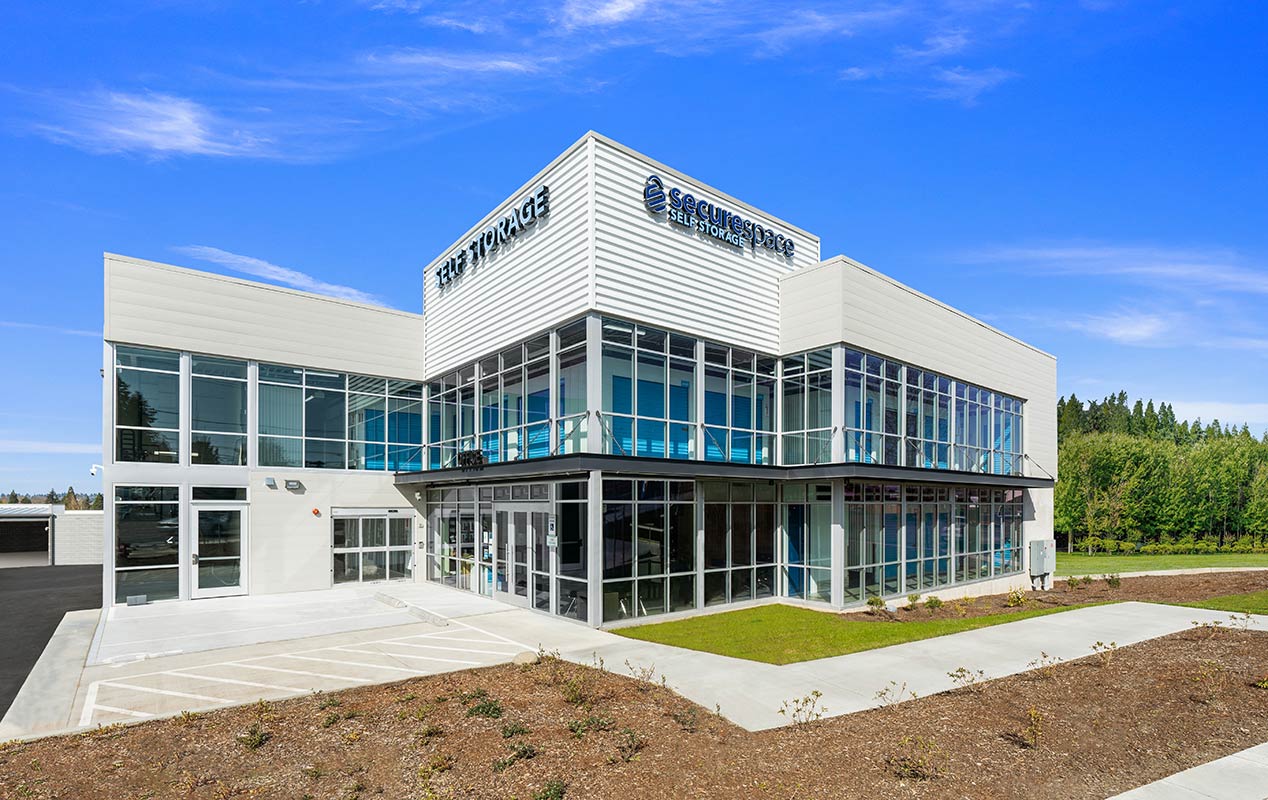
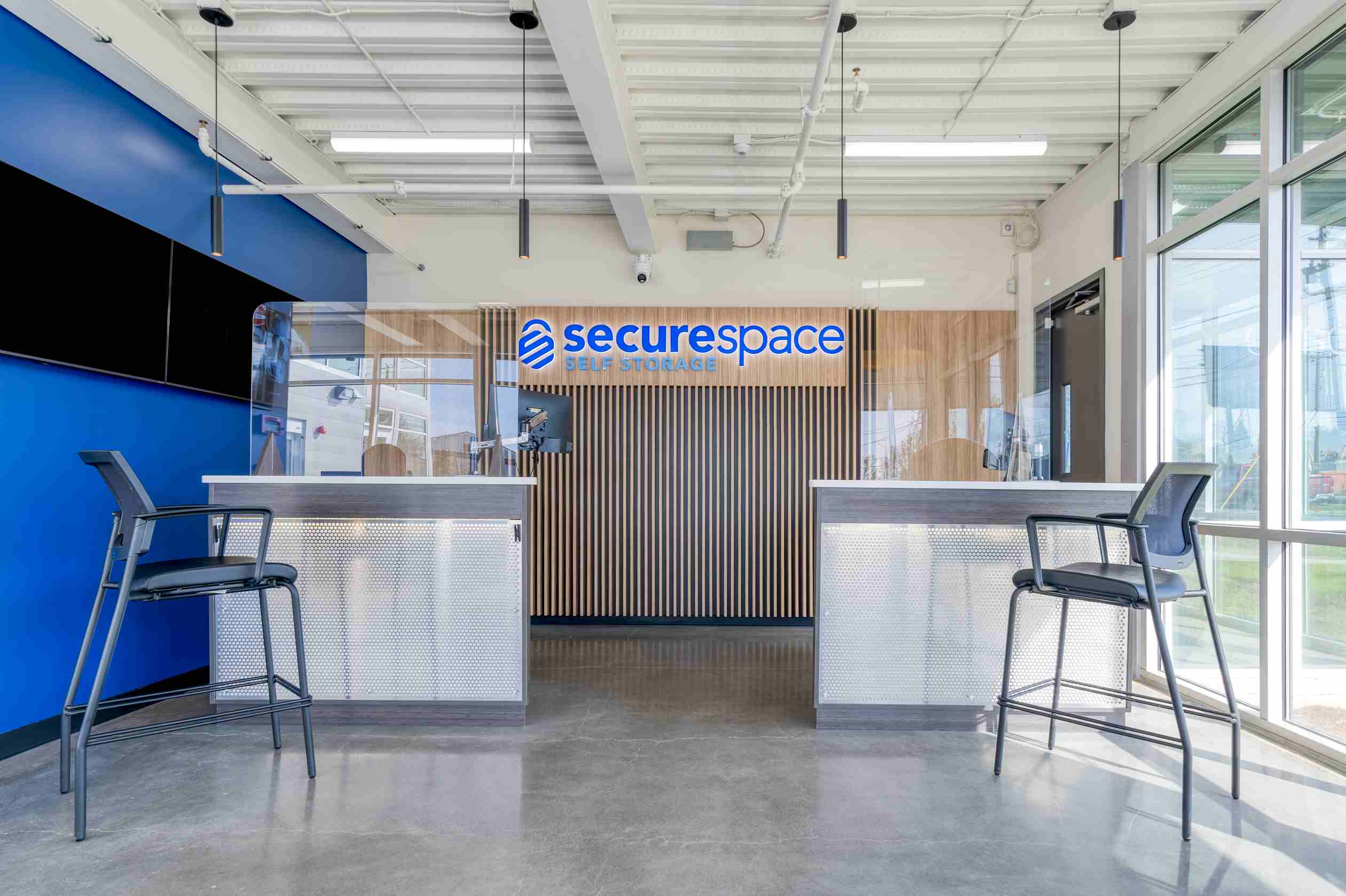
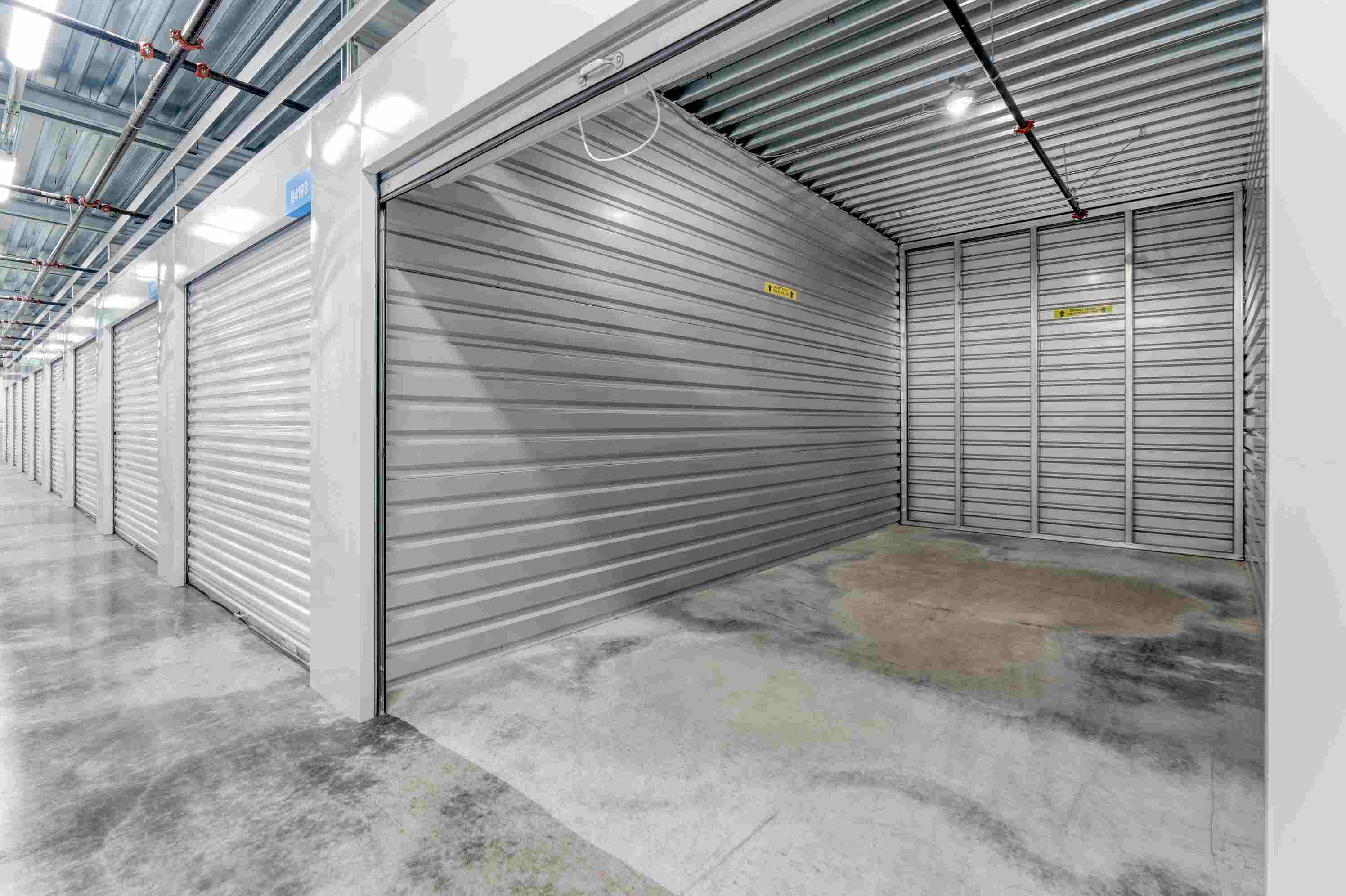
A storage unit, by contrast, can offer flexibility without a permanent backyard structure. SecureSpace Self Storage NE Portland offers heated indoor storage, month-to-month leases, online payments, ACH and credit card payment plans, daily access from 6:00 AM to 10:00 PM, elevator access, extra-large elevators, a covered loading area, carts and dollies, semi-truck accessibility, and moving pods. Current rates and availability can vary, so it is best to review the latest options before renting.
Choose a backyard shed if you mainly need to store wet garden hoses, muddy shovels, basic lawn tools, or items that do not require indoor storage. Choose heated indoor storage if you want a more practical place for belongings that should be kept cleaner, drier, and easier to organize.
SecureSpace Self Storage NE Portland offers heated indoor storage, which can help reduce exposure to cold conditions compared with unheated spaces. Heated storage should not be treated as a guarantee against moisture, mold, mildew, rust, or weather damage, but it can be a useful part of a better storage setup when paired with good packing habits.
For household items, seasonal gear, boxes, and furniture, prepare items before move-in. Dry everything fully, use sturdy containers, keep fabrics clean, and avoid packing damp items into sealed bins. If you plan to visit your unit often, leave a walkway and keep frequently used items near the front.
A backyard shed becomes part of your property. That can be useful for some homeowners, but it also means the shed needs regular attention. Roofs, siding, doors, foundations, locks, drainage, and ventilation can all become maintenance tasks over time.
Indoor storage shifts much of that burden away from your yard. You do not need to pour a foundation, paint exterior walls, clear space near property lines, or navigate HOA review for a structure. You can choose the unit size that fits your current needs, then adjust later if your storage needs change and space is available.
For Northeast Portland residents managing seasonal gear, furniture, home-project supplies, or apartment overflow, a storage unit can also keep belongings out of crowded closets and garages without permanently changing the backyard.
Managing clutter in the Pacific Northwest requires a practical approach to weather, space, and local regulations. Navigating zoning rules, historic review, HOA approval, foundation work, and ongoing maintenance can add friction to a shed project. A storage unit can be a simpler option when you want more room without building a permanent structure at home.
Find a storage setup that fits your belongings, timeline, and budget without taking over your backyard.
In Portland, some small, single-story, non-habitable sheds may not require a structural building permit, but they still need to comply with zoning rules. Utility work, larger structures, certain placements, and specific property conditions can trigger additional requirements. Always confirm current rules with the City of Portland before building.
Setback requirements depend on your specific residential zoning designation and lot conditions. In common residential zones, detached accessory structures may need to meet side and rear setback rules, and structures built close to shared property lines may trigger additional fire-rating requirements. Check your zoning before purchasing or installing a shed.
It depends on the shed size, materials, labor, site prep, permits, maintenance, and how long you plan to store items. A shed may require a large upfront investment, while self storage typically spreads costs monthly and avoids permanent backyard construction. For many renters and homeowners, the flexibility of a storage unit can be more practical than building a structure.
That depends on your property. HOAs may require approval for shed size, placement, color, roof style, or exterior materials. Historic and Conservation Districts may also require design review for exterior changes. Review your HOA documents and local historic district rules before starting a shed project.
A storage unit can be useful for seasonal decor, boxes, furniture, outdoor gear, business inventory, home-project supplies, and other belongings that fit inside your rented space. For oversized items, prohibited materials, or anything unusual, review facility rules before move-in.
For residents who want extra room without building in the backyard, explore the available units at SecureSpace NE Portland to find a storage solution that fits your needs.
Everything you need to store your belongings securely, on your schedule.
Visit us online