Last updated Jul 10, 2026
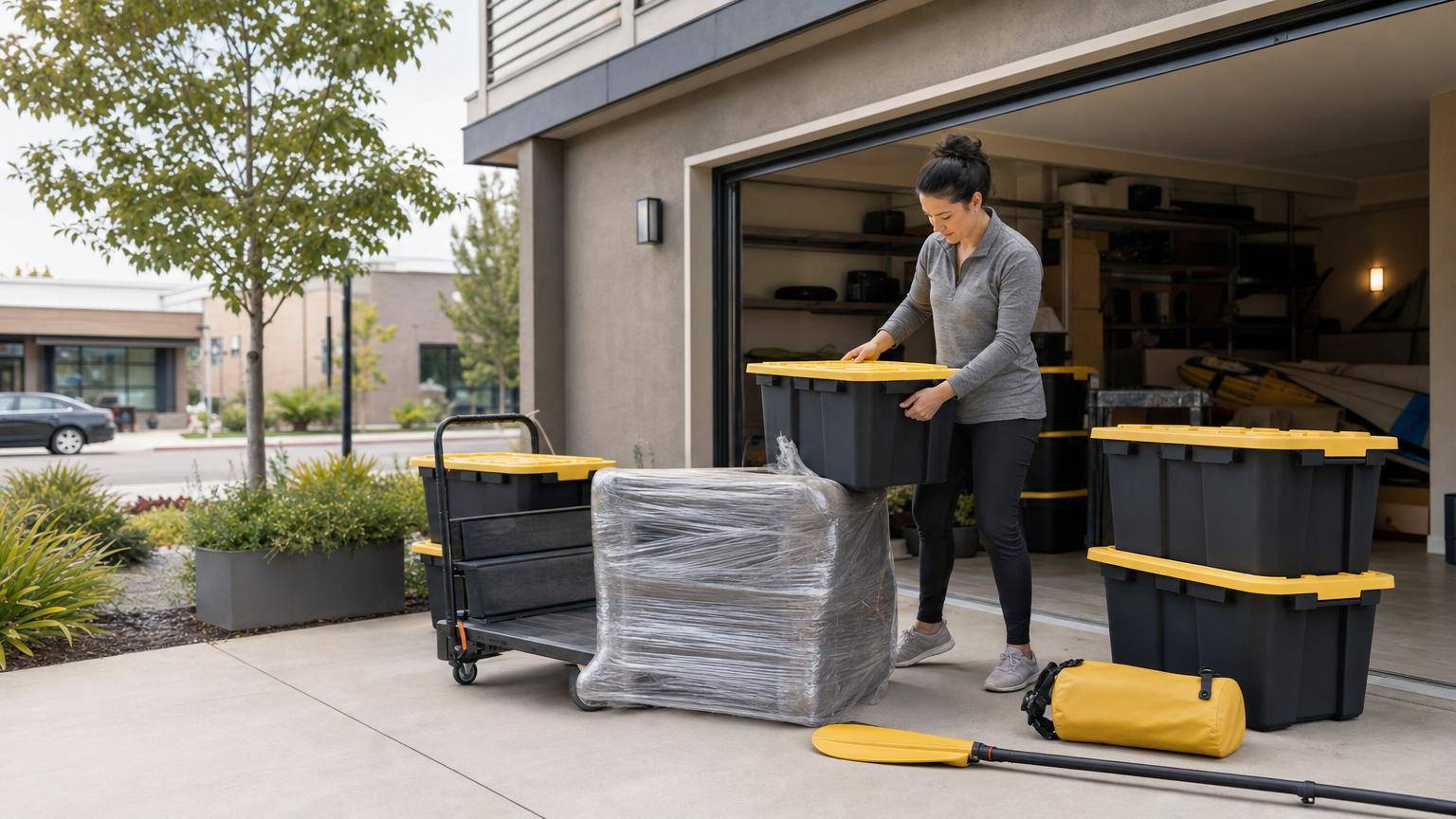
In the rapidly evolving landscape of South San Jose, space has transitioned from a plentiful resource to a strategic commodity. The region, particularly the corridor stretching along Santa Teresa Boulevard and encompassing the diverse neighborhoods of Blossom Valley, Santa Teresa, and the foothills, represents a unique convergence of suburban tranquility and high-density Silicon Valley living. For residents residing in ZIP codes like 95119, 95123, 95139, and the surrounding areas, the decision to seek external storage is rarely a simple reaction to accumulating too much "stuff." Rather, it is increasingly a strategic lifestyle choice driven by the specific architectural constraints of local housing stock, the seasonal rhythms of an active outdoor culture, and the logistical realities of living in a mixed-density market.
This guide serves as a comprehensive resource for residents navigating the complex decision matrix of self-storage in this specific locale. Unlike generic storage advice that focuses broadly on box sizes or packing tape, this report analyzes storage through the lens of the local resident: the homeowner managing a 1970s ranch renovation on Martinvale Lane, the apartment dweller in Palm Valley seeking to reclaim their living room, or the outdoor enthusiast needing a staging ground for adventures in the nearby Santa Teresa County Park.
The objective is to provide a nuanced, data-informed framework that helps locals answer the "in-between" questions—those critical logistical considerations that arise after the initial realization that more space is needed, but before a lease is signed. By examining the interplay of local housing trends, traffic patterns along the Cottle and Santa Teresa corridors, and the specific climate characteristics of the Santa Clara Valley, this report aims to empower residents to make low-stress, enduring storage decisions that align with their daily lives. The analysis suggests that when chosen correctly, a storage unit ceases to be a passive warehouse and becomes an active extension of the home—a detached garage for the condo owner or a climate-controlled archive for the historian.
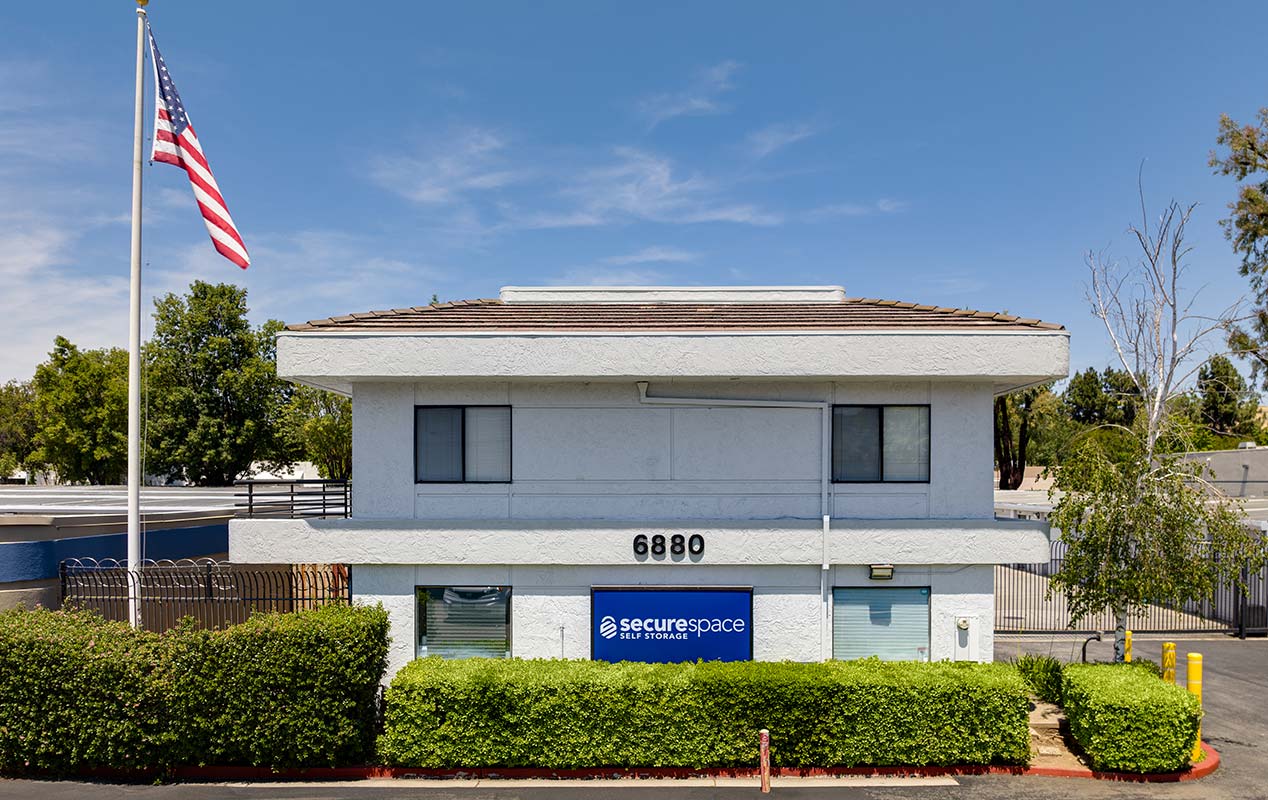
The housing stock in the immediate vicinity of 6880 Santa Teresa Blvd presents a distinct paradox that drives the local storage market. On one hand, the area is defined by the charming, single-story ranch homes of the Rancho Santa Teresa neighborhood (95119), built predominantly in the 1970s. These homes, while offering generous lots and established trees, often feature limited interior storage, small closets by modern standards, and garages that are functionally shallow. The architectural norms of the 1970s did not anticipate the size of modern SUVs, the proliferation of recreational gear, or the home office requirements of the 2020s. Consequently, residents in these heritage neighborhoods often find themselves engaging in a constant battle for square footage, utilizing garages for storage rather than vehicles, which in turn exacerbates street parking congestion.
On the other hand, the explosive growth in 95123 and 95136 has introduced high-density living options, such as the apartment complexes near Cottle Road and the vertical townhomes of Communications Hill. These modern units offer premium finishes and amenities but often lack the "garage buffer" that suburban residents rely on for overflow storage. The "modern paradox" here is that while living space has become more efficient and vertically oriented, the accumulation of lifestyle assets—camping gear for the Sierras, holiday decorations, and business inventory—has not diminished. Thus, the demand for off-site storage in this market is driven not solely by excess clutter, but by a fundamental mismatch between architectural design and modern lifestyle requirements.
Research into local search behaviors indicates that while price and location are initial triggers, long-term satisfaction with a storage decision is determined by how well the facility integrates into the user's routine after the rental is finalized. Residents frequently find themselves grappling with questions that go beyond the brochure:
"Will I actually drive to the unit if it's 15 minutes out of my way during the rush hour on Highway 85?"
"Can I access my hiking gear at 6:00 AM before a trip to Santa Teresa County Park, or is the gate locked?"
"How does the dry summer heat in the valley affect the longevity of my stored antique furniture?"
"Is the facility accessible enough to serve as a staging ground for my small business inventory?"
Addressing these questions requires a granular understanding of the local environment—from the traffic congestion on Highway 85 during rush hour to the specific humidity patterns of the Santa Clara Valley. This report addresses these "in-between" concerns, positioning the facility at 6880 Santa Teresa Blvd not merely as a warehouse, but as a strategic extension of the resident's home. The following sections will dismantle these concerns, offering a guide that prioritizes utility, access, and preservation over mere capacity.
When residents of South San Jose begin their search for storage, they often operate under misconceptions derived from general knowledge rather than local reality. The "storage experience" in this specific micro-market is influenced by factors that are unique to the geography, infrastructure, and culture of the South Bay.
One of the most overlooked aspects of storage selection is the "trip chain." In a car-dependent culture like South San Jose, a storage unit should ideally be located along an existing route rather than requiring a dedicated, disjointed trip. The location at 6880 Santa Teresa Blvd sits at a critical junction in the South San Jose traffic ecosystem. It is positioned near the intersection of Santa Teresa Blvd and Bernal Rd, a major arterial route for residents commuting to and from the tech hubs further north or engaging in errands at the nearby retail centers.
For residents of 95119 and 95139, this location allows for "errand stacking." A trip to the storage unit can be seamlessly integrated with a visit to the nearby Costco on Great Oaks Blvd, the Lowe's on Cottle Road, or the various grocery outlets in the vicinity. This proximity transforms the storage unit from a remote destination into a convenient waypoint. Locals often fail to account for the friction of "the extra mile." A facility that requires crossing heavy traffic on Highway 101 or navigating the congestion of central San Jose can quickly become a burden, leading to "storage abandonment"—where items are stored and effectively forgotten because the friction of access is too high. The strategic placement of the Santa Teresa facility mitigates this friction, integrating storage access into the weekly rhythm of grocery runs and home improvement trips.
While San Jose is generally known for its mild Mediterranean climate, the Santa Teresa and Blossom Valley areas experience distinct micro-climatic variations that have significant implications for storage. The valley floor can trap heat, leading to summer temperatures that regularly exceed 85°F and can spike into the 90s or higher during heatwaves. Conversely, the winter months bring a damp chill, with the majority of the region's rainfall occurring between November and March.
Residents storing sensitive items—such as wooden furniture, electronics, or archival documents—often underestimate the impact of these thermal cycles. A standard, non-climate-controlled garage in a 1970s ranch home can experience significant temperature swings, effectively baking items in the summer and exposing them to humidity in the winter. This reality makes the availability of modern, climate-controlled options a critical factor for long-term preservation in this specific ZIP code cluster. The perception that "it's just a garage" fails to account for the insulation differences between a residential garage and a purpose-built storage facility designed to mitigate these extremes. The "Micro-Climate" effect dictates that for anything of value—whether sentimental or financial—passive storage in a driveway or shed is often insufficient to prevent degradation over time.
South San Jose is generally considered a safe, family-oriented region, but the reality of urban living requires a proactive security mindset. Residents of 95123 and 95136, often living in denser environments, are acutely aware of the "porch pirate" phenomenon and vehicle break-ins. This anxiety often translates to storage needs. The expectation is no longer just a padlock on a door; it is an integrated security ecosystem.
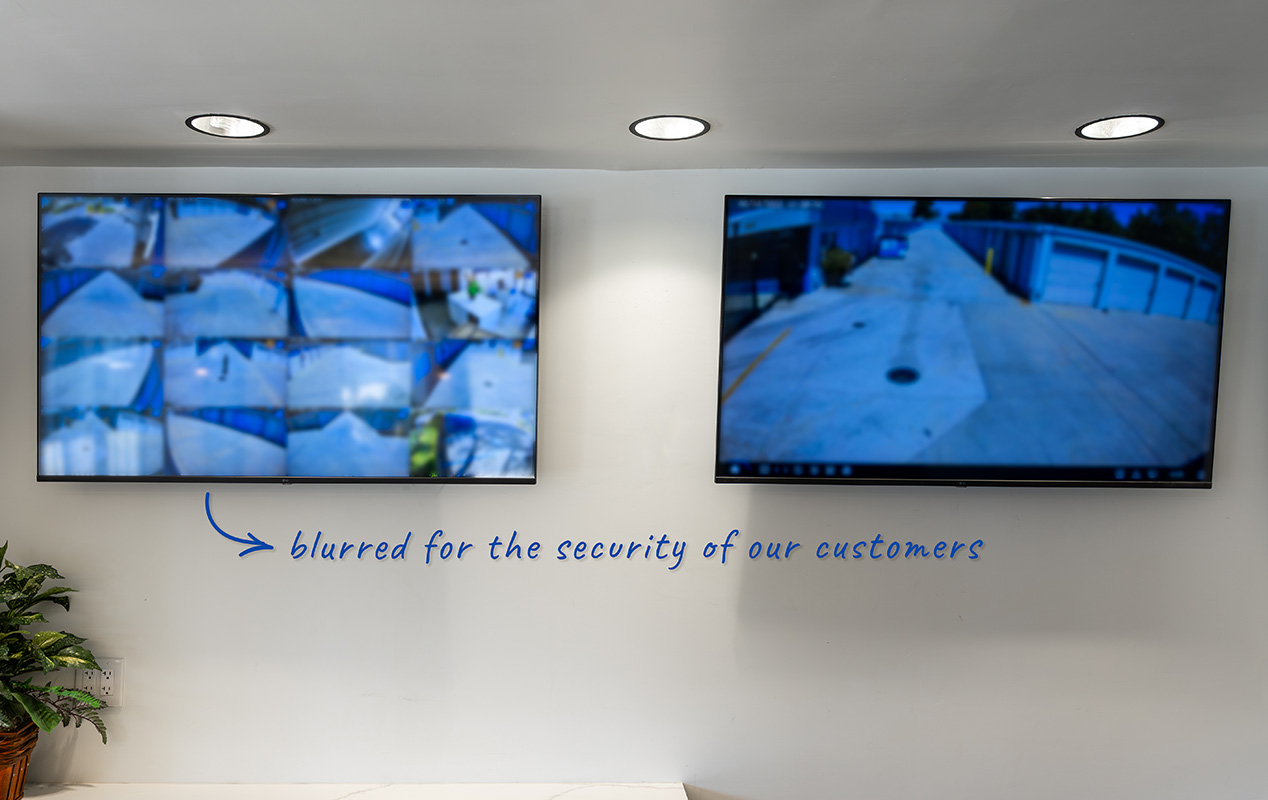
Locals researching storage often do not initially prioritize features like "logged access," "individual door alarms," or "digital video recording" until they consider the value of what they are storing—often irreplaceable family heirlooms or expensive recreational gear. The presence of advanced security measures, such as 24/7 digital surveillance and controlled gate access, is not just a feature but a requisite baseline for peace of mind in the current market. Residents in the area are increasingly looking for facilities that offer "peace of mind" as a tangible product, ensuring that their off-site belongings are monitored with the same rigor as their primary residence.
To navigate the selection process effectively, residents should utilize a structured decision framework. This checklist is designed to align storage needs with the specific lifestyle constraints of the South San Jose resident, moving beyond generalities to address the specific "pain points" of the local area.
The most common error in storage rental is miscalculating the necessary volume. This is particularly prevalent in South San Jose due to the variety of items being stored, from bulky kayaks used at Calero Reservoir to dense boxes of files from a home office. Residents often underestimate the vertical potential of a unit or overestimate the floor space required.
The "Room-to-Unit" Translation Guide for South San Jose:
The "Condo Overflow" (5x5 or 5x10): This size is ideal for residents in 95123 (e.g., Palm Valley or The Foothills) who need to store seasonal wardrobes, holiday decor, or a single set of golf clubs. It functions effectively as a walk-in closet extension, compensating for the limited storage in modern apartment layouts. It allows for the rotation of seasonal items without cluttering the primary living space.
The "Ranch Renovation" (10x10 or 10x15): This size is frequently required by homeowners in 95119 clearing out two bedrooms or a living room during a remodel. A 10x10 unit can accommodate sofas, mattress sets, and dozens of boxes, mirroring the capacity of a standard bedroom. This is the "sweet spot" for many local homeowners engaging in the popular trend of updating 1970s ranch interiors.
The "Whole House Transition" (10x20 or larger): This size is necessary for full moves or major downsizing events, such as moving from a 2,500 sq ft home in Almaden Valley (95120) to a smaller residence. Roughly equating to a one-car garage, this unit can hold the contents of a multi-bedroom home, including major appliances and large furniture pieces.
How often will you visit the unit? This question determines the relative importance of location and facility hours.
High Frequency (Weekly): If you are a business owner storing inventory or a hobbyist accessing gear for weekend trips to Santa Teresa Park, proximity to your residence (within 3-5 miles) and extended access hours (e.g., 7 AM to 7 PM) are non-negotiable. Drive-up access becomes critical in this scenario to minimize loading fatigue and maximize efficiency.
Low Frequency (Monthly/Seasonal): If storing tax documents, archival records, or holiday decorations that are accessed only once or twice a year, a slightly longer drive might be acceptable. However, the ease of the drive—specifically proximity to major highways like 85 or 101—remains important to prevent the trip from becoming a major logistical hurdle.
Given the local climate characteristics—hot, dry summers and cool, damp winters—specific packing protocols are recommended to ensure the preservation of stored items.
Dust Protection: The dry summer heat in the valley generates significant dust. It is advisable to use plastic bins with tight-sealing lids rather than cardboard boxes, which can degrade over time and attract pests.
Air Circulation: Avoid packing the unit wall-to-wall. Leave a center aisle and small gaps between stacks to allow air to circulate. This simple step helps to mitigate heat buildup and prevent the formation of humidity pockets that can damage sensitive materials.
Elevation: Use pallets or shelving to keep items off the concrete floor. While modern facilities typically have moisture barriers, this precaution protects against any unforeseen condensation or spills and facilitates airflow under the stored items.
Understanding storage needs requires a localized understanding of the neighborhoods surrounding 6880 Santa Teresa Blvd. Each ZIP code presents a unique profile of housing stock, lifestyle triggers, and logistical constraints that influence how residents utilize storage.
The Neighborhood Context:
This ZIP code is the immediate home of the SecureSpace facility. The area is characterized by the "Rancho Santa Teresa" neighborhood, a community of single-family homes largely developed in the 1970s. These homes often feature the classic "California Ranch" style: single-story, low-pitched roofs, and attached two-car garages. While desirable for their lots and layouts, these homes often lack the specialized storage spaces found in newer builds, such as mudrooms or large pantries.
The Storage Trigger:
The primary driver for storage in 95119 is the "Garage Reclamation Project." Over decades of occupancy, the garages in these ranch homes often become catch-all repositories for family history, tools, and overflow from the home's modest closets. Furthermore, many of these homes are undergoing generational turnover or significant renovation. New owners often seek to modernize the interiors, necessitating the temporary displacement of furniture and household goods to clear the way for construction.
Additionally, the proximity to Santa Teresa County Park means a high density of residents own mountain bikes, hiking gear, and even equestrian equipment. The typical 1970s garage struggles to house two modern vehicles alongside this recreational arsenal, leading many residents to seek external solutions for their gear.
Why Local Storage Matters Here:
For a resident of 95119, a storage facility at 6880 Santa Teresa Blvd is essentially a neighborhood amenity. It is walkable or a very short drive (minutes) from most homes in the ZIP code. This allows for a "pantry-style" usage pattern, where the unit is accessed frequently for rotating items like golf clubs or camping gear, effectively serving as a detached garage extension that is as accessible as the home itself.
The Neighborhood Context:
This area represents a denser, more mixed-use environment compared to 95119. It includes the expansive Palm Valley residential developments and numerous apartment complexes near Cottle Road and the Blossom Hill Caltrain station. The housing stock here is diverse, ranging from older single-family homes to modern, multi-story condos and apartments.
The Storage Trigger:
Space constraints are the primary motivator in this ZIP code. Apartment dwellers often lack external storage lockers or garages entirely. For residents in complexes like "The Foothills" or "Charlotte Park", a storage unit compensates for the lack of deep closets or attic space. Life transitions are also frequent here; the rental market drives a higher rate of moving, creating a consistent need for temporary storage during lease gaps or while consolidating households.
Traffic along Cottle Road and Blossom Hill Road can be heavy, particularly during school drop-off/pick-up times and rush hour. Residents in 95123 value a storage location that allows them to bypass the worst of the Highway 85 congestion while remaining close to their daily routes.
Why Local Storage Matters Here:
The location on Santa Teresa Blvd offers a strategic "back door" access for 95123 residents. By utilizing Santa Teresa Blvd instead of the highway, residents can avoid the bottlenecks at the 85/101 interchange. The facility serves as a critical release valve for the high-density living environments that define much of this ZIP code, offering a pressure relief mechanism for overcrowded apartments.
The Neighborhood Context:
Moving east and south, ZIP codes 95138 (Silver Creek) and 95139 (Santa Teresa Foothills) feature larger, newer homes, often situated on hillside lots. These areas are more affluent and scenic, but they come with their own set of challenges, including strict HOA regulations regarding street parking and the visible storage of recreational vehicles.
The Storage Trigger:
Residents here are more likely to own recreational vehicles (RVs), boats (for use at nearby Anderson or Coyote Lakes), or extra vehicles that cannot be parked in driveways due to HOA covenants. While the homes are larger, the desire to maintain a pristine aesthetic often pushes "clutter" (holiday decorations, seasonal sports gear, business documents) out of the home.
Additionally, the semi-rural nature of parts of 95138 brings a heightened awareness of fire safety. Clearing defensible space and decluttering garages to reduce fire load is a seasonal ritual that often drives storage needs, as residents seek to minimize flammable materials stored on their properties.
Why Local Storage Matters Here:
For these residents, the facility provides a secure, compliant location for items that are restricted by neighborhood rules. The "drive-up" convenience is particularly valued by this demographic, who may be loading heavier items or managing business inventory. The facility acts as a compliant annex for the lifestyle assets that the home's covenants restrict.
The Neighborhood Context:
Almaden Valley is known for its upscale homes, large lots, and established community. While homes here are spacious, the residents often have significant accumulation of high-value items—wine collections, antiques, art, and extensive holiday displays.
The Storage Trigger:
Downsizing is a key trend in 95120. Empty nesters looking to transition from large family estates to smaller condos or retirement communities often use storage as a staging area for sorting decades of possessions. Preservation is paramount; the climate-controlled options are a non-negotiable requirement for protecting valuable wood furniture or sensitive electronics from heat damage during the warm Almaden summers.
Why Local Storage Matters Here:
While slightly further west, Almaden Valley residents utilize Santa Teresa Blvd as a key connector. A high-quality facility that meets their security and cleanliness standards is worth the short drive. The trust factor is significant; these residents are looking for a facility that reflects the maintenance standards of their own neighborhoods and offers a secure environment for their valued possessions.
While the primary ZIP codes represent the immediate catchment area, the facility's location serves a broader network of residents in 95013 (Coyote/Madrone), 95111 (Edenvale), 95121, and 95136. For these individuals, the facility is often chosen not for its immediate proximity to home, but for its alignment with their "life logistics."
Residents of 95136 (Communications Hill) or 95111 often travel south to access the major retail boxes located along Cottle Road and Santa Teresa Blvd. The presence of Lowe's, Costco, and Target creates a natural "errand gravity". Smart storage users in these ZIPs combine trips: dropping off seasonal gear on the way to a Costco run. This efficiency minimizes the perceived distance of the facility, making it part of a larger, efficient routine rather than a standalone chore.
For residents further south in Coyote Valley and Madrone (95013), options for high-quality, modern storage are limited. Driving north to Santa Teresa Blvd is often a necessity. These users typically look for larger units (10x20 or 10x30) to support agricultural or large-scale residential storage needs. The facility acts as the first major "urban" storage option as they move north towards San Jose, bridging the gap between the rural south county and the urban core.
Residents of South San Jose share a specific set of anxieties regarding self-storage, shaped by the local environment. Addressing these concerns directly is key to making a confident decision.
The Concern: The Santa Clara Valley heats up significantly in late summer. Locals worry about the effect of 90°F+ days on their belongings, particularly plastics, electronics, and wood.
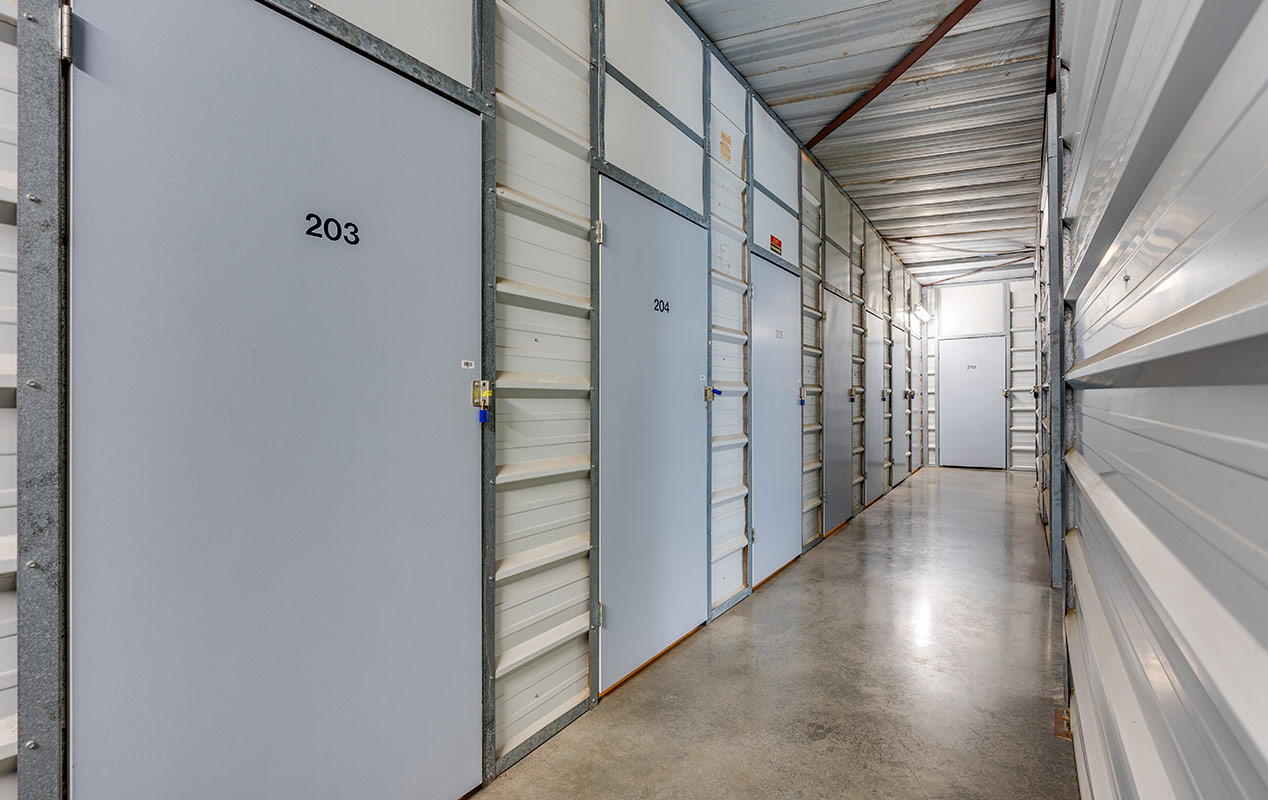
The Reality: While standard drive-up units are excellent for garage-type items (tools, yard gear), they do fluctuate with ambient temperature. For sensitive items, seeking a facility with "climate-controlled" or "interior" units is crucial. These units are typically housed within a building that mitigates the extremes of the external environment, maintaining a more stable range that protects against warping, melting, or cracking. This feature is not a luxury but a preservation necessity for certain classes of goods in this climate.
The Concern: While 95119 is relatively safe, the general increase in property crime across the Bay Area has made security a top priority.
The Reality: Modern storage security has evolved beyond a simple fence. Residents should look for "active" security measures. This includes:
Individual Door Alarms: Ensuring that only the authorized tenant is accessing a specific unit.
Digital Video Recording: High-definition cameras that provide continuous coverage, not just grainy snapshots.
Bright Lighting: A well-lit facility discourages illicit activity and makes evening visits feel safe and welcoming.
The SecureSpace location prioritizes these advanced measures, reflecting the "security-first" mindset of the local community.
The Concern: The 1970s infrastructure of some local streets can be tight. Residents driving large moving trucks or towing trailers worry about turning radii and aisle widths.
The Reality: Facility layout matters. A modern facility is designed with wider drive aisles to accommodate the turning radius of a 26-foot moving truck. The location at 6880 Santa Teresa Blvd is situated with direct access from a major thoroughfare, minimizing the need to navigate narrow residential side streets with a large vehicle. This logistical advantage simplifies the moving process, reducing stress and potential for damage.
The Concern: Getting stuck on Santa Teresa Blvd during rush hour can turn a 10-minute errand into a 30-minute ordeal.
The Reality: Traffic patterns are predictable. The morning rush (7:00-9:00 AM) flows north/west towards downtown and the tech parks. The evening rush (4:00-7:00 PM) flows south/east. Accessing the facility in the "counter-commute" direction or during the mid-day window (10:00 AM - 2:00 PM) ensures the most efficient trip. Weekend mornings, prior to the shopping rush at the nearby big-box stores, are often the "golden hour" for quick access.
Life in South San Jose is governed by a distinct seasonal rhythm, dictated by the Mediterranean climate and the region's active outdoor culture. Storage needs ebb and flow with these seasons, and understanding this cycle allows residents to optimize their space usage.
Spring (March - May): The Awakening. Activity: The rains subside, and the hills turn green. This is the prime season for hiking in Almaden Quicksilver and Santa Teresa Parks. Storage Action: Retrieval of hiking gear, mountain bikes, and gardening tools. Winter coats and heavy bedding are packed away. Tip: This is the ideal time to audit the unit, clearing out any winter items that were not used to make space for summer gear.
Summer (June - September): The Dry Heat. Activity: Camping trips to the Sierras, boating on Calero Reservoir, and backyard BBQs. Temperatures peak, often exceeding 85°F. Storage Action: Frequent access for camping gear, kayaks, and wakeboards. Holiday decorations remain deep in storage. Tip: Ensure heat-sensitive items (candles, vinyl records) are in climate-controlled units. Use dust covers on upholstery as the dry air increases ambient dust.
Autumn (October - November): The Transition. Activity: The heat breaks, and the focus shifts to home maintenance and preparation for the holidays. Storage Action: Summer recreational gear (boats, RVs) is winterized and stored. Patio furniture covers are retrieved. Tip: This is the "Swap Season." As camping gear goes in, holiday decorations are staged near the front of the unit for easy access in December.
Winter (December - February): The Rain & Holidays. Activity: The rainy season arrives. Indoor activities dominate. The holidays bring a flurry of retrieval and re-storage. Storage Action: Retrieval of holiday decor. Storage of patio furniture to protect from rain. Tip: Use plastic bins for all ground-level storage to protect against tracked-in moisture. Ensure the unit is organized to allow quick "grab-and-go" access for holiday boxes during the busy festive season.
The choice of 6880 Santa Teresa Blvd is often validated by its alignment with the practical realities of local life. It is not just about the square footage; it is about the "usability" of the space and how it integrates into the unique fabric of the South San Jose community.
The San Jose market is uniquely a "hybrid" market—a dynamic mix of residential, light commercial, and recreational use. This facility caters to this diversity effectively.
For the Resident: The availability of smaller units (5x5) and medium units (10x10) perfectly matches the overflow needs of modern condos and traditional ranch homes respectively. It offers a scalable solution that grows with the family.
For the Business: The location near the Bureau of Automotive Repair and other light industrial zones makes it a logical hub for local contractors, sales reps, or e-commerce entrepreneurs who need access to inventory without venturing into the deep industrial parks of North San Jose. It provides a professional, accessible base of operations.
Residents of San Jose, accustomed to high-tech interfaces in every other aspect of their lives, expect a similar friction-less experience in storage. The "old school" model of cash-only payments and limited office hours does not align with the Silicon Valley lifestyle. This location meets the modern standard with online account management, digital lease signing, and automated access protocols. This digital-first approach aligns with the expectations of the demographic, who value the ability to manage their storage unit from their smartphone as easily as they manage their bank account.
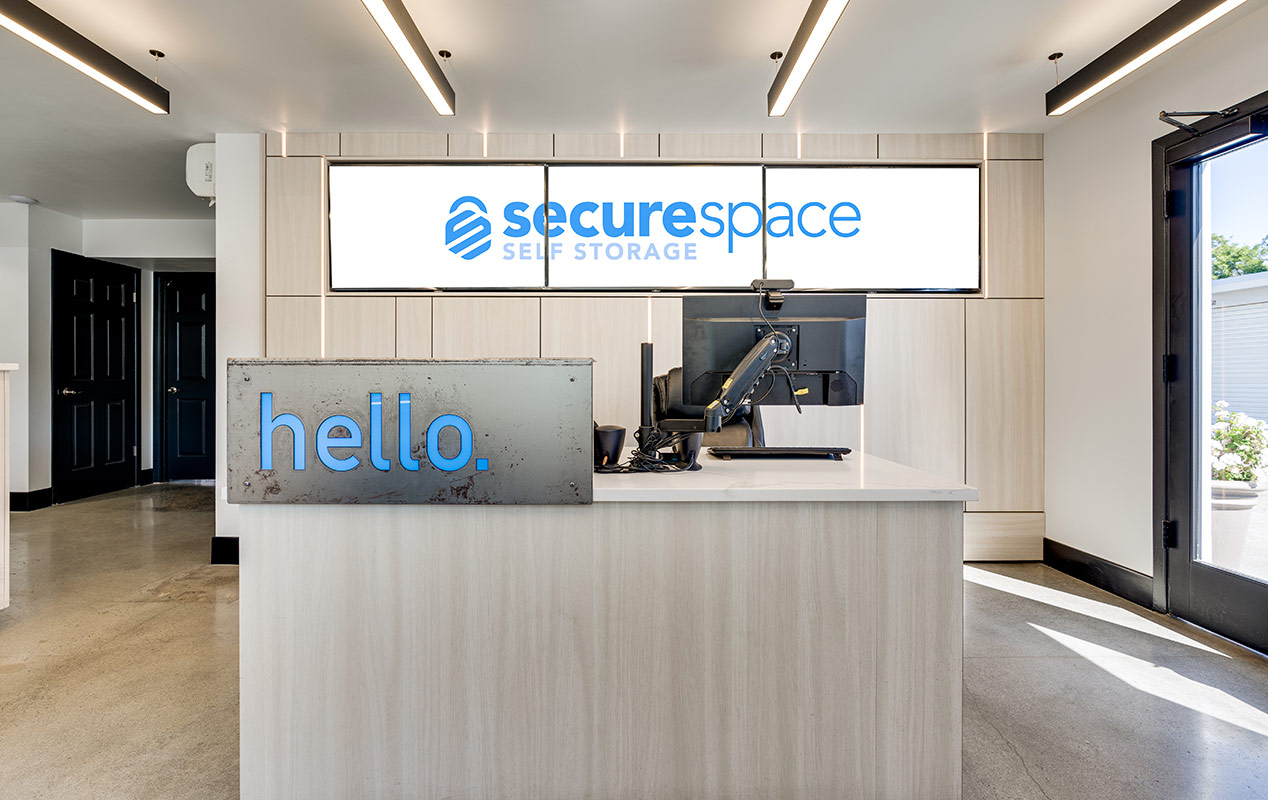
Unlike massive, impersonal industrial parks that can feel isolating, this location feels integrated into the community fabric. It sits at a transition point between residential zones and commercial services, making it feel less like a "warehouse" and more like a community utility. The presence of on-site management adds a layer of human oversight that is reassuring to residents storing personal valuables. This human element fosters a sense of trust and accountability that is often missing in purely automated facilities.
Choosing a storage unit in South San Jose is a decision that impacts your daily convenience and peace of mind. It is about more than just finding the lowest rate; it is about finding a partner in managing your space. For the family in 95119 renovating their dream home, the commuter in 95123 seeking a closet extension, or the outdoor enthusiast in 95138 protecting their gear, the facility at 6880 Santa Teresa Blvd offers a compelling blend of location, security, and modern convenience. By understanding the unique dynamics of the local housing market, climate, and traffic patterns, residents can move forward with confidence, knowing they have selected a storage solution that fits seamlessly into their San Jose lifestyle.
The decision to store is, ultimately, a decision to create space for living. Whether that means reclaiming a garage for a new car or clearing a spare room for a new family member, the right storage facility makes that transition smoother, safer, and stress-free.
Donation Centers: Before storing, consider donating items you no longer need. Goodwill Silicon Valley (multiple locations) and The Salvation Army (Camden Ave) are key local partners.
Recycling & Disposal: For items that cannot be stored or donated, the City of San Jose offers robust recycling programs and "junk pickup" services to help clear clutter.
Emergency Preparedness: South San Jose residents are encouraged to keep emergency supplies accessible. A small storage unit can serve as a secondary location for emergency kits, water, and non-perishable supplies, separate from the primary residence.
ZIP Code — Neighborhood Name — Primary Housing Type — Common Storage Need
95119 — Santa Teresa / Rancho — 1970s Ranch (Single Family) — Garage Reclamation, Renovation Staging
95123 — Blossom Valley / Palm Valley — Mixed (Apts, Condos, SFH) — Closet Overflow, Seasonal Rotation
95138 — Silver Creek — Large Single Family — RV/Boat Storage, Business Inventory
95139 — Santa Teresa Foothills — Single Family (Hillside) — Fire Safety Clearing, Outdoor Gear
95136 — Communications Hill — Townhomes / Vertical — High-Density Overflow, Stairs Constraints
95120 — Almaden Valley — Estate / Large SFH — Downsizing, High-Value Preservation
Everything you need to store your belongings securely, on your schedule.
Visit us online