Last updated Aug 12, 2026
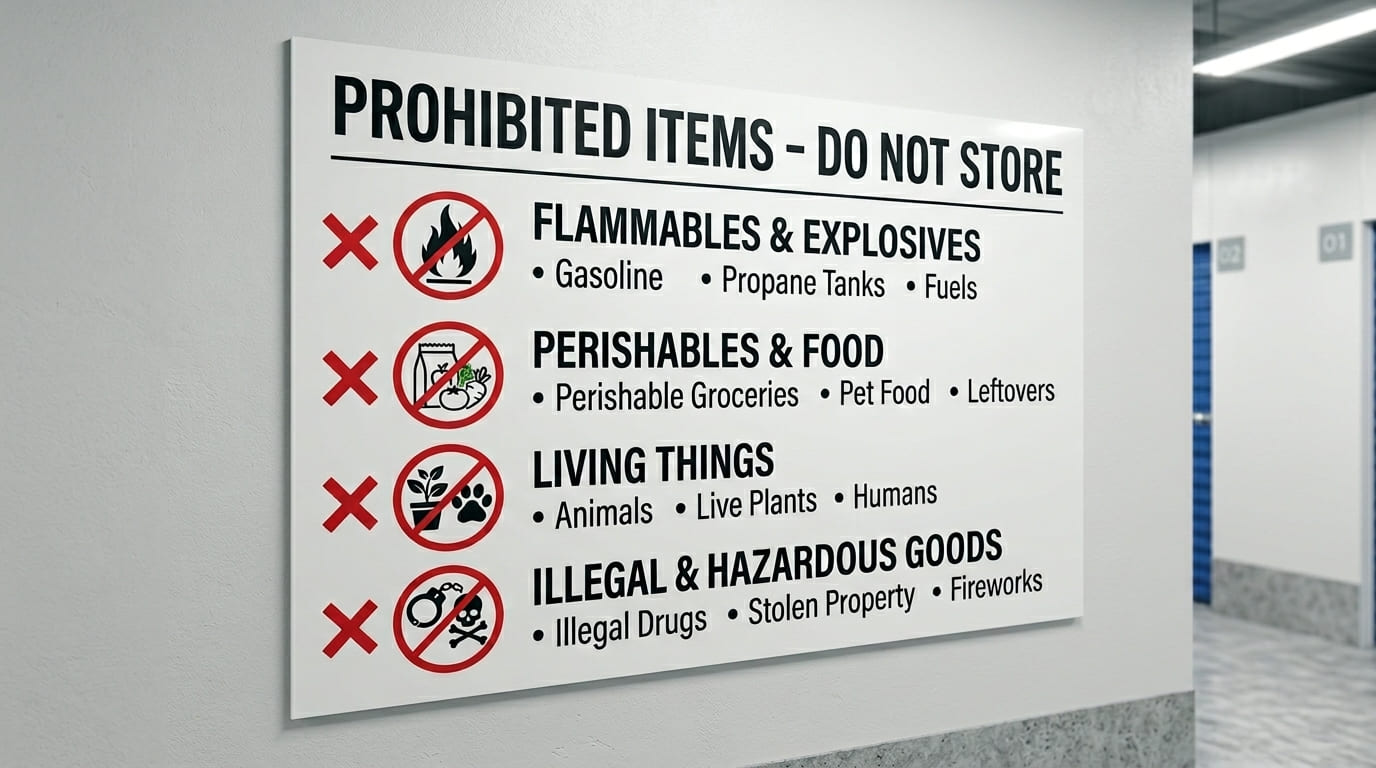
A storage unit can hold many common household and business belongings, but some items create fire, health, legal, environmental, or pest risks. Other property may not be expressly prohibited yet still be unsuitable for standard storage because it requires specialized handling or environmental conditions.
The most important source is the rental agreement for the facility you're using. The Washington Self-Service Storage Facility Act (RCW 19.150) defines a rental agreement as the document that establishes the terms, conditions, and rules governing use of a storage space.
Review that agreement before move-in rather than assuming a rule applies universally across every Federal Way facility.
Hazardous or combustible products can leak, produce fumes, react with other substances, or increase fire risk. The Washington State Fire Code establishes statewide safety requirements for hazardous and combustible materials, while individual storage agreements may impose additional restrictions.
Commonly restricted items include:
Motor fuels: Gasoline, diesel, kerosene, and mixed fuel.
Compressed gases: Propane tanks, butane cylinders, and similar pressurized containers.
Solvents: Paint thinner, turpentine, acetone, and certain cleaning products.
Combustible products: Fireworks, flares, and explosive materials.
Hazardous chemicals: Pesticides, herbicides, corrosive products, and toxic substances.
Automotive fluids: Motor oil, transmission fluid, and other liquids that may leak.
Radioactive or reactive materials: Products requiring specialized handling or disposal.
Do not bring a questionable product to the facility before confirming that it is allowed. Check its label for warnings such as "flammable," "combustible," "corrosive," "reactive," or "toxic."
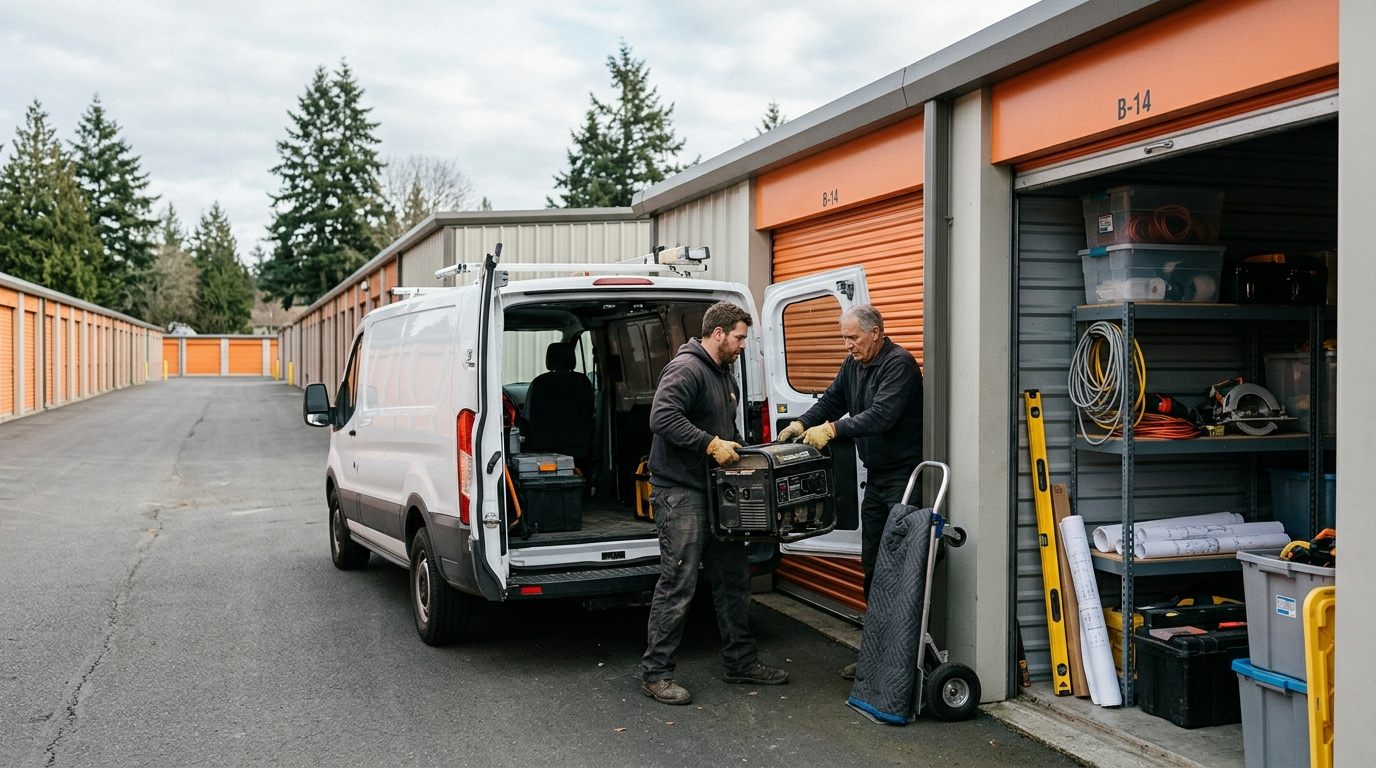
Lawnmowers, leaf blowers, generators, trimmers, and similar equipment may contain fuel, oil, batteries, or other restricted materials.
Whether the equipment itself may be stored depends on the rental agreement and how it must be prepared. Before move-in:
Review the manufacturer's storage instructions.
Confirm the facility's requirements for fuel and fluids.
Check whether batteries must be removed.
Clean dirt, grass, grease, and residue from the equipment.
Make sure the item is completely dry.
Do not assume draining a tank automatically makes every piece of powered equipment eligible for storage.
Fresh, frozen, refrigerated, or otherwise perishable food should not be placed in a storage unit. These products can spoil, leak, create odors, and attract insects or rodents.
Common examples include:
Meat and dairy products
Fresh fruit and vegetables
Open food packages
Frozen or refrigerated products
Pet food and animal feed
Organic waste
Restaurant ingredients
Policies for factory-sealed, shelf-stable products may vary. Businesses and households should confirm the facility's rules before storing any food, even when it is commercially packaged.
People, animals, and plants do not belong in a self-storage unit.
Washington law expressly states that occupants may not use a self-service storage facility for residential purposes. Storage units are not living spaces and should not be used for sleeping, shelter, cooking, or other residential activity.
Living plants can introduce soil, moisture, and pests. Animals cannot be housed in a unit, and animal remains or biological materials may create serious health and sanitation concerns.
Property that is illegal to possess cannot be stored in a unit. This includes stolen goods, illegal drugs, unlawful contraband, and items prohibited under local, state, or federal law.
Renters are responsible for what is placed in their units, including property brought in by relatives, employees, movers, or other authorized users. Limit access and understand what another person intends to store before providing a key or entry information.
Firearm, ammunition, and weapon policies can vary by facility and may also be governed by local, state, and federal requirements.
Do not assume that lawful ownership automatically means an item may be placed in a storage unit. Review the rental agreement and applicable laws before bringing any weapon, ammunition, explosive component, or related material onto the property.
The article should not be treated as legal advice about transporting, securing, or storing weapons.
Loose tires, engines, batteries, fuel tanks, and other automotive parts may be restricted because of fire risk, fluids, disposal requirements, or environmental concerns.
Before storing vehicle-related property, confirm:
Whether loose tires are accepted.
Whether batteries must be removed.
Whether parts must be completely drained.
Whether engines or fuel-system components are allowed.
How oily or contaminated equipment must be prepared.
Do not rely on waste-tire regulations as proof that an individual facility must allow or prohibit a customer's tire set. The rental agreement controls the facility-specific policy.
SecureSpace Self Storage Federal Way offers uncovered outdoor parking for eligible cars, motor vehicles, RVs, and boats.
Parking depends on:
Vehicle dimensions
Current availability
Required documentation
Facility rules
Vehicle condition
Applicable parking terms
Vehicles cannot be stored inside the facility's drive-up storage units. Covered parking is not available, and trailer parking should not be assumed without checking eligibility.
Even when an item is otherwise permitted, it should not enter storage while wet or damp.
Allow furniture, clothing, rugs, camping equipment, boxes, and outdoor gear to dry completely before packing. Avoid sealing damp upholstery or fabric under plastic covers.
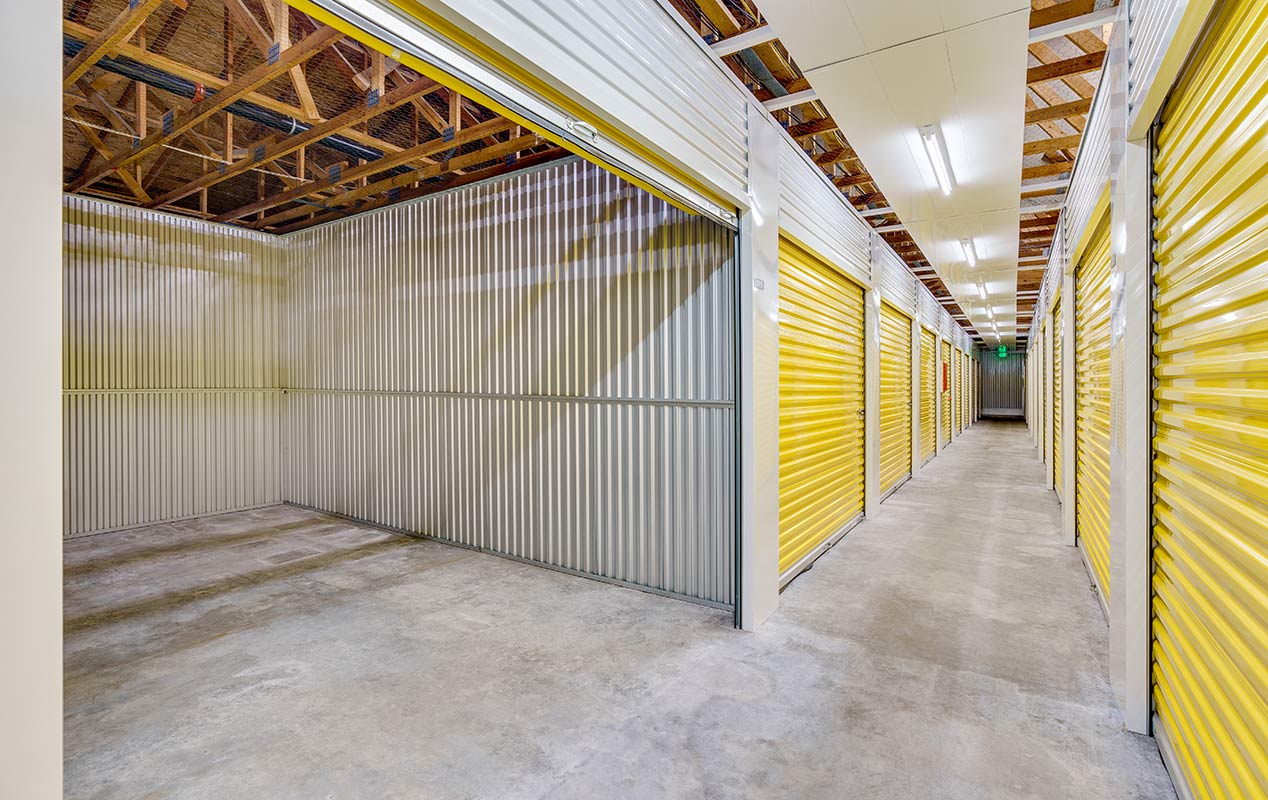
SecureSpace Self Storage Federal Way offers standard, non-climate-controlled units. Proper preparation remains important because the facility does not regulate temperature or humidity.
Some belongings may not be prohibited but can still be poor candidates for ordinary self storage.
Consider another arrangement for:
Cash and negotiable documents
Irreplaceable family property
Exceptionally valuable collections
Items requiring precise temperature conditions
Products governed by professional or regulatory standards
Sensitive medical, financial, or legal records
Review manufacturer guidance, insurance limitations, privacy obligations, and professional storage recommendations before placing sensitive property in a standard unit.
SecureSpace does not advertise specialized art or antique storage at this location.
Businesses may store permitted inventory, tools, furniture, equipment, records, and general supplies, but not every commercial product is appropriate for self storage.
Additional review may be needed for:
Pharmaceutical or medical products
Chemicals and cleaning supplies
Batteries and electronic components
Food or beverage inventory
Customer records
Regulated merchandise
Pressurized containers
Construction materials containing hazardous substances
A storage unit should not be used as a workshop, manufacturing site, commercial kitchen, staffed office, or customer-facing retail location unless the rental agreement expressly allows the activity.
Consequences depend on the rental agreement, the type of item, the risk involved, and applicable law.
A facility may require the renter to remove an item, correct a lease violation, or take other action allowed under the agreement. Serious hazards or suspected illegal activity may require involvement from emergency services or law enforcement.
Restricted property may also affect an insurance claim, but coverage is governed by the specific policy. Do not assume that every violation automatically produces the same coverage outcome.
Read both the rental agreement and any applicable insurance documents before move-in.
Do not place hazardous products in household garbage or abandon them at a storage facility.
Through King County's Household Hazardous Waste Program, residents can find collection options for products such as oil-based paint, solvents, pesticides, fuels, and qualifying propane tanks. Household disposal is generally available without a separate drop-off fee, subject to product, container, and quantity limits.
Before visiting a collection site:
Verify that the item is accepted.
Review container-size and quantity limits.
Keep products in their original containers when possible.
Do not mix different chemicals.
Secure containers against tipping or leaking.
Confirm the current location, schedule, and closure information.
Explosive or unstable materials may require special instructions and should not be transported without guidance from the appropriate authorities.
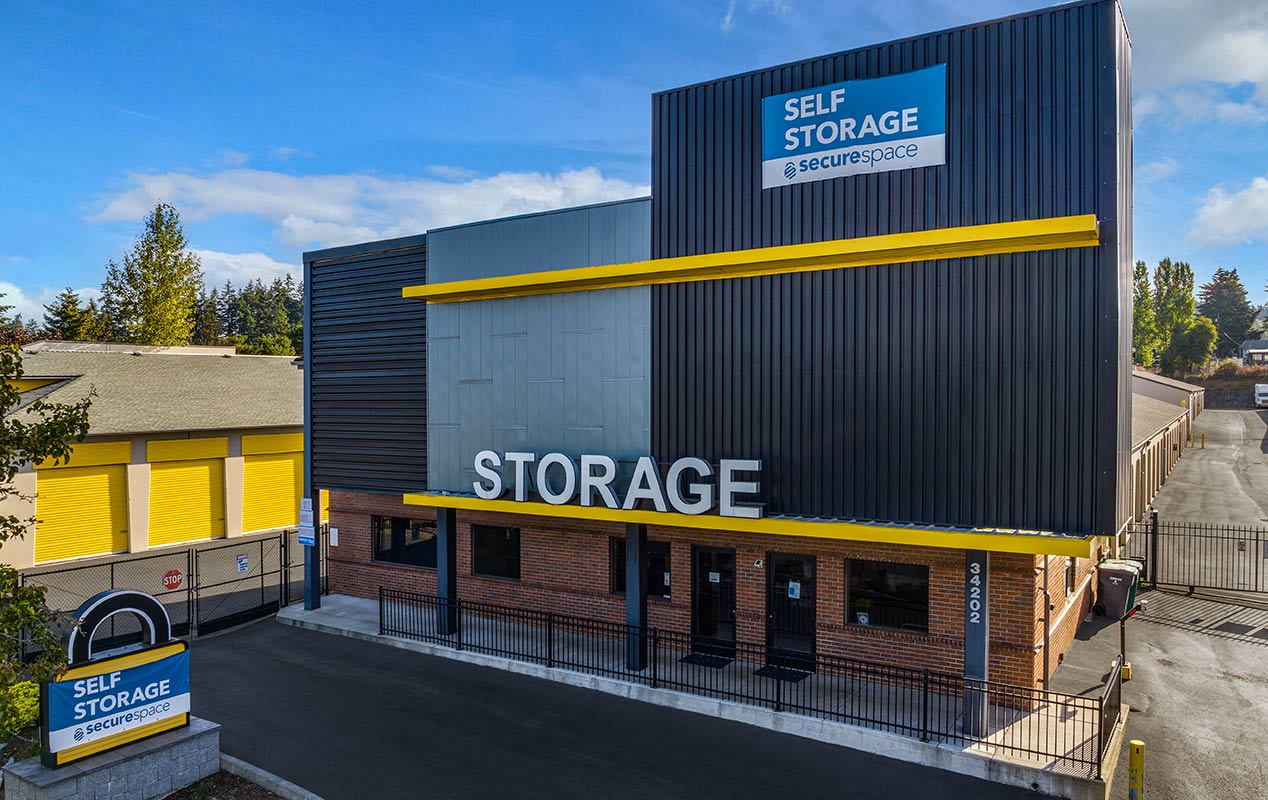
SecureSpace Self Storage Federal Way is located at 34202 16th Ave S and offers standard self storage, selected drive-up units, and qualifying outdoor vehicle parking.
Primary unit sizes include:
5x5
5x15
10x10
10x15
10x20
10x25
10x30
Gate access is available daily from 6:00 a.m. to 9:00 p.m. The facility does not offer climate-controlled storage, heated units, covered loading, carts, dollies, an elevator, a loading dock, semi-truck access, or moving-pod staging.
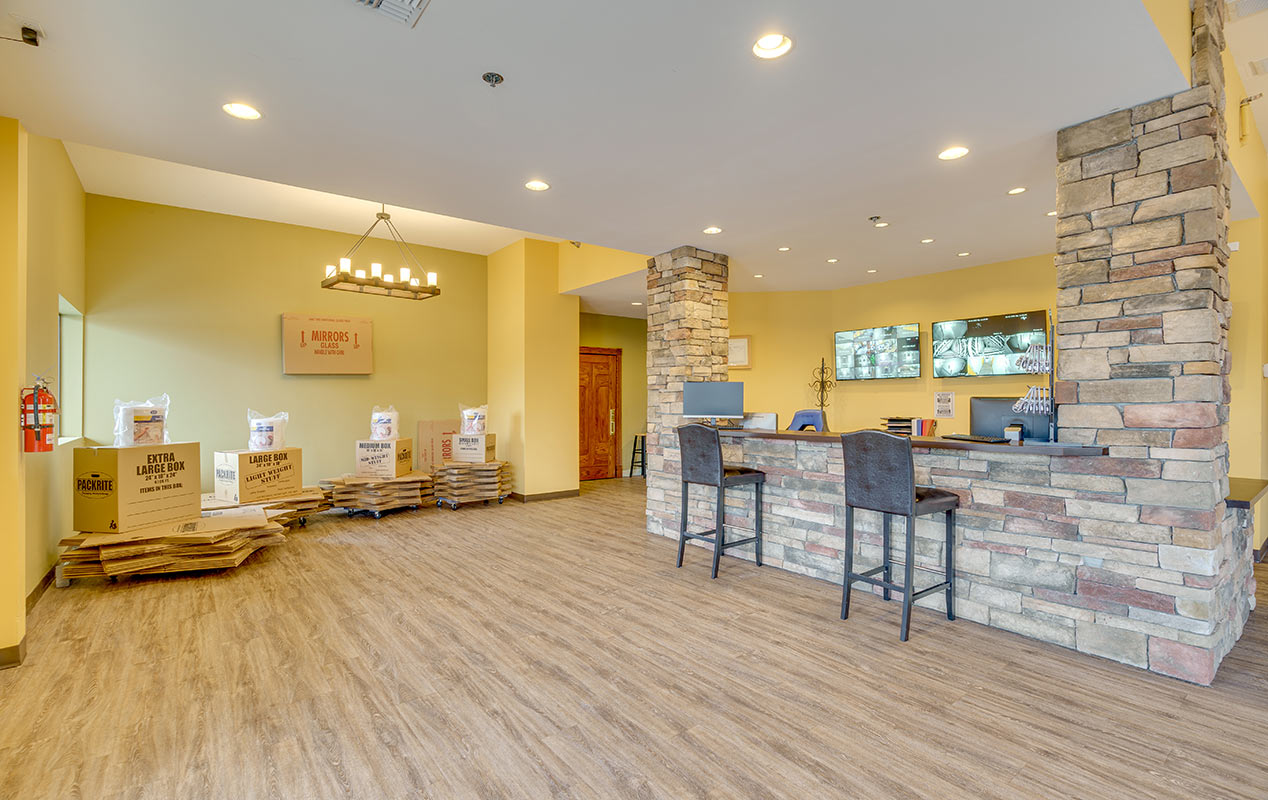
Month-to-month leases, online payments, and ACH or credit card payment plans are available. Basic packing and moving supplies can be purchased in the leasing office.
Possibly, but eligibility and preparation requirements depend on the rental agreement. Confirm the rules for fuel, oil, batteries, and equipment cleaning before bringing the item to the facility.
Perishable food and products likely to spoil or attract pests should not be stored. Policies for commercially sealed, shelf-stable products may vary, so check the rental agreement.
The facility-specific tire policy is not stated here. Confirm whether loose tires, mounted tires, wheels, or other automotive parts are permitted before move-in.
Do not assume weapons or ammunition are permitted. Review the rental agreement and applicable laws before bringing them onto the property.
Flammable, combustible, pressurized, or hazardous products are commonly prohibited. Use an appropriate hazardous-waste or recycling program instead of placing them in a storage unit.
Eligible cars, motor vehicles, boats, and RVs may qualify for uncovered outdoor parking. Acceptance depends on dimensions, documentation, facility rules, and availability.
No. Vehicles cannot be stored inside the storage units.
No. Washington law prohibits using a self-service storage facility for residential purposes.
Living plants should not be stored. They may introduce soil, moisture, insects, and organic material into the unit.
Use the King County Hazardous Waste Management Program to find an appropriate collection location and review current acceptance limits before transporting the material.
No. SecureSpace Self Storage Federal Way offers standard, non-climate-controlled units.
Review the rental agreement before loading it. If the rule is unclear, confirm the item's eligibility before bringing it to the property.
The easiest way to avoid problems is to identify questionable items before moving day. Separate hazardous products, food, living plants, sensitive property, and anything governed by special legal or environmental requirements.
Once you've reviewed the rental terms and confirmed that your belongings are suitable for standard storage, Reserve Your Federal Way Unit Today.
Everything you need to store your belongings securely, on your schedule.
Visit us online