Last updated Aug 12, 2026
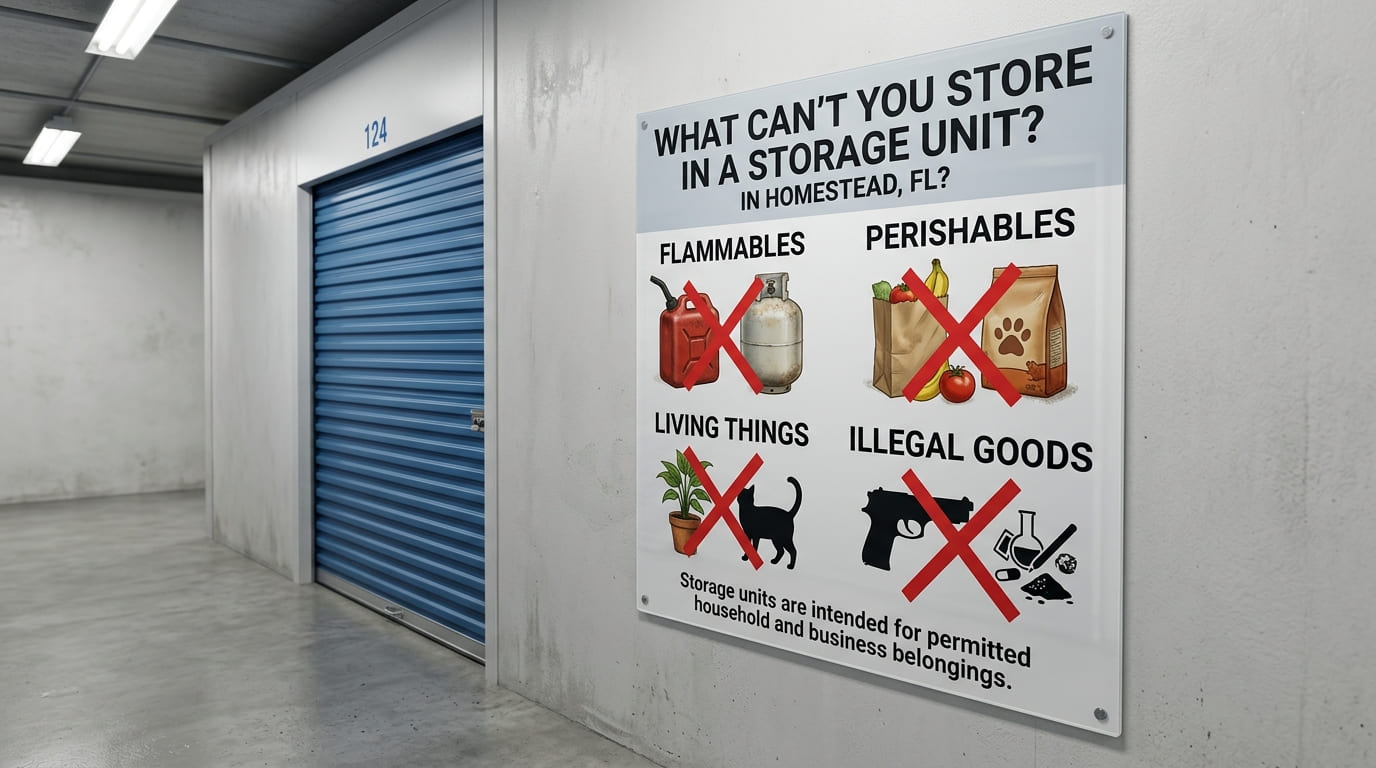
Storage units are intended for permitted household and business belongings. Hazardous, illegal, living, perishable, and regulated items are commonly restricted because they may create fire, environmental, sanitation, or safety risks.
The exact prohibited-item list is established by the rental agreement and applicable laws. Before bringing anything unusual to SecureSpace Self Storage Homestead, review the current lease or contact the facility.
This guide covers common restricted categories, safer disposal options, and practical preparation tips for permitted belongings.
Self-storage units are not designed for hazardous-material handling. Products that are flammable, explosive, corrosive, toxic, pressurized, leaking, or chemically unstable may be prohibited.
Common examples include:
Gasoline and aviation fuel
Propane and other compressed-gas cylinders
Kerosene
Paint thinner and industrial solvents
Fireworks and flares
Pesticides and herbicides
Chemical fertilizers
Pool chemicals
Pressurized containers
Leaking batteries
Unidentified chemicals
This is not necessarily a complete list. Product type, quantity, container condition, and facility rules all matter.
Do not assume that placing a chemical in a sealed container makes it acceptable for self-storage.
Agricultural chemicals, pesticides, herbicides, fertilizers, fuels, and similar materials may require specialized storage, labeling, ventilation, containment, and disposal procedures.
A standard self-storage unit should not be treated as a chemical-storage building.
Homestead-area farmers, nursery operators, landscapers, and gardeners should review:
Product-label storage instructions
Applicable environmental regulations
Local disposal requirements
Employer or business safety procedures
The self-storage rental agreement
The Florida Department of Environmental Protection oversees solid and hazardous-waste programs, but its general homepage does not establish that every chemical follows the same storage or disposal rule.
Businesses should work with an appropriate licensed waste contractor or regulatory agency when disposing of commercial agricultural chemicals.
Do not store firearms or ammunition without explicit written approval from the facility and compliance with all applicable laws.
Florida Statute 790.174 addresses the safe storage of loaded firearms where minors could gain access. It does not establish that a standard self-storage unit is an approved firearm-storage location.
SecureSpace should not be presented as offering specialized firearm, ammunition, or weapons storage.
Customers needing long-term firearm storage should consult applicable law, their insurer, the manufacturer's guidance, and a properly qualified storage provider.
Perishable food, live plants, animals, and other materials that may spoil, leak, produce odors, or attract pests are commonly prohibited.
Examples may include:
Fresh or frozen food
Open food packages
Pet food
Produce
Live plants
Seeds requiring controlled conditions
Animal products
Compost
Waste
Other decomposable materials
Policies for sealed, shelf-stable products may vary. Do not assume that canned goods, emergency rations, or unopened pantry products are permitted without checking the lease.
Food-service and agricultural businesses should not use a general self-storage unit for products requiring refrigeration, sanitation controls, pest exclusion, or licensed handling.
No storage unit should be used as a residence, sleeping area, animal shelter, office, or occupied workspace.
Do not use a unit for:
Living or sleeping
Housing animals
Customer appointments
Employee workstations
Food preparation
Manufacturing
Mechanical repairs
Regular business operations
Brief visits to organize or retrieve permitted belongings differ from occupying or operating from the unit.
No. Illegal goods, stolen property, controlled substances, contraband, and items obtained through unlawful activity should never be placed in storage.
The facility may also restrict:
Medical waste
Biological materials
Asbestos-containing materials
Unregistered or unauthorized vehicles
Items that create a nuisance
Property that violates another person's rights
Materials prohibited by federal, state, or local law
When the legality of an item is uncertain, obtain appropriate legal or regulatory guidance before bringing it to the property.
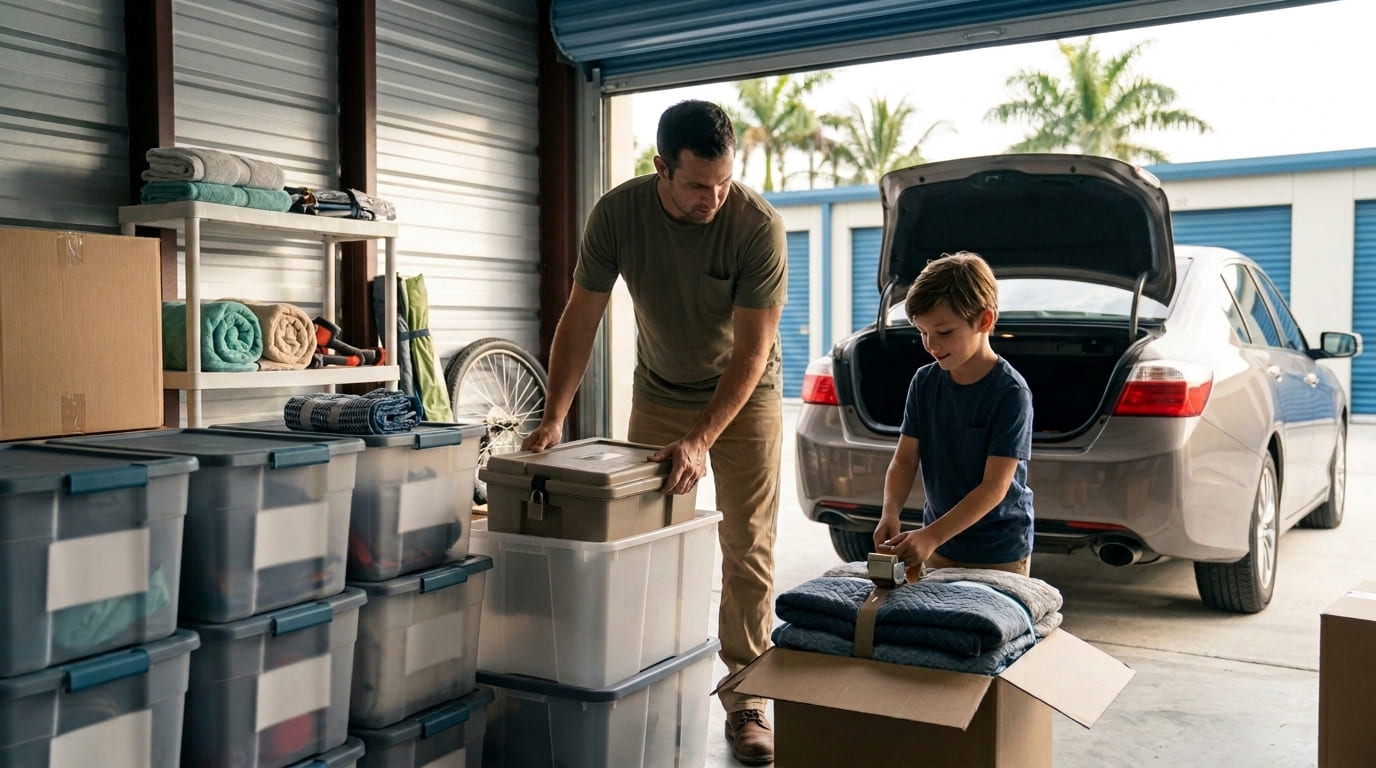
Permitted hand tools and certain clean, nonhazardous equipment may be suitable for storage. However, motorized equipment should not be assumed acceptable simply because its fuel has been drained.
Vehicles, tractors, ATVs, riding lawnmowers, and other motorized equipment cannot be promoted for storage inside SecureSpace Self Storage Homestead's drive-up units.
Before storing any powered tool or equipment, ask whether it is permitted and confirm requirements related to:
Fuel
Oil and other fluids
Batteries
Leaks
Cleaning
Equipment condition
Size and weight
Hazardous components
Do not operate, repair, charge, dismantle, or test powered equipment inside the unit unless the facility explicitly permits the activity.
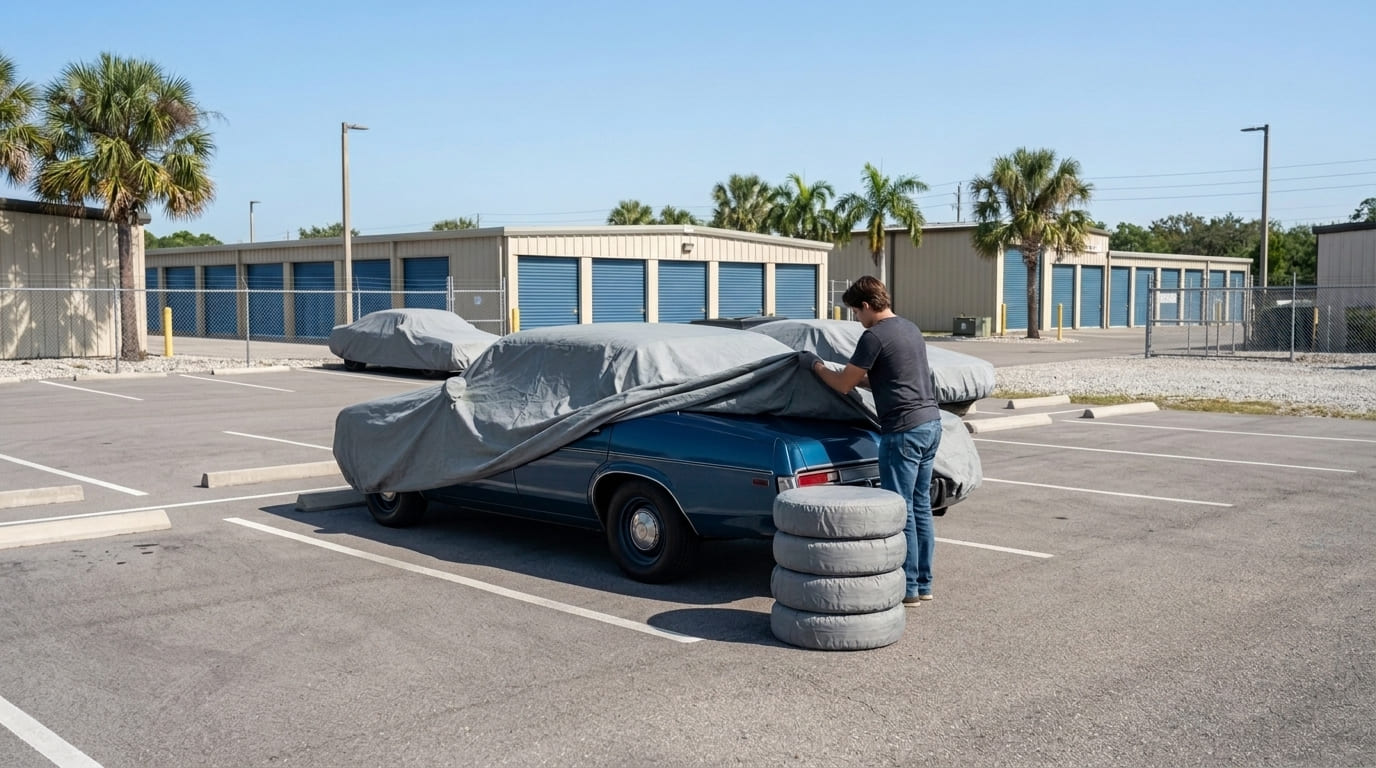
Eligible cars, trucks, boats, RVs, motorcycles, and trailers may use designated uncovered outdoor parking at SecureSpace Self Storage Homestead.
Vehicles cannot be stored inside:
Drive-up units
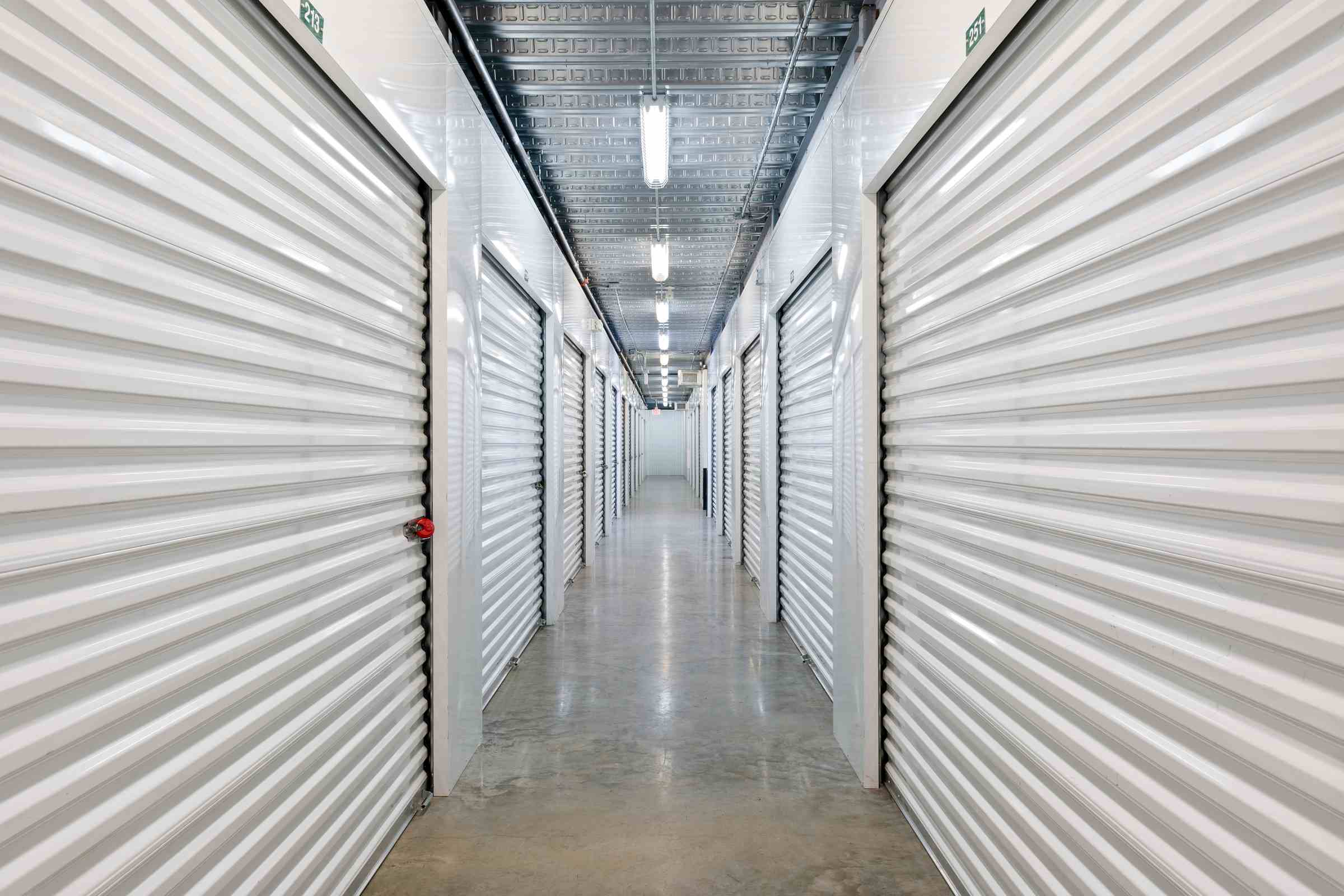
Interior units
Climate-controlled units
10x20 or 10x25 storage units
Any other enclosed self-storage space
Before renting outdoor parking, confirm:
Vehicle eligibility
Complete dimensions
Current availability
Registration and insurance requirements
Ownership or authorization documents
Condition and operability standards
Facility access procedures
Outdoor parking does not protect a vehicle from heat, sunlight, rain, flooding, storms, or flying debris.
No. Climate-controlled storage does not override the lease's prohibited-item rules.
A restricted chemical, perishable product, firearm, living organism, or hazardous material does not become acceptable simply because the unit is indoors or climate controlled.
Climate-controlled units may help reduce exposure to outdoor temperature fluctuations for selected permitted belongings, such as:
Furniture
Electronics
Appliances
Documents
Photographs
Clothing and linens
Permitted boxed inventory
They do not guarantee humidity control or prevent mold, mildew, rust, corrosion, water damage, pest activity, or deterioration.
Appropriate preparation can help organize belongings and reduce avoidable problems, although no packing method guarantees protection.
Furniture, fabrics, appliances, tools, and containers should be clean and dry before move-in.
Sturdy plastic containers may work well for some belongings. Cardboard boxes may also be appropriate when they are dry, undamaged, and packed correctly.
Avoid creating airtight conditions around damp materials.
Remove crumbs, food residue, pet treats, and other attractants from furniture, appliances, bags, and containers.
Use the manufacturer's storage instructions for electronics, appliances, batteries, tools, and other equipment.
Keep a separate list of stored belongings and place frequently needed items near the unit entrance.
Do not place loose chemicals or spill-prone moisture absorbers in a unit without reviewing the product instructions and facility rules.
Do not place hazardous materials in household trash, drains, vacant land, or a storage unit.
Miami-Dade County's Department of Solid Waste Management provides current information about residential waste, recycling, and household chemical disposal services.
Before visiting a disposal site, confirm:
Current location
Hours
Accepted materials
Quantity limits
Residency requirements
Identification requirements
Whether an appointment is needed
Whether the service accepts business waste
Household collection programs may not accept commercial, agricultural, or institutional waste. Businesses may need to use a licensed private contractor.
Because hours and accepted-item lists can change, the article should not publish unverified facility schedules or disposal instructions.
Prohibited-item violations are governed by the rental agreement and applicable law.
Possible actions may depend on:
The item involved
Whether it creates an immediate hazard
The lease terms
Required notices
Cleanup or disposal needs
Applicable fire, environmental, criminal, or civil law
The Florida Self-Storage Facility Act addresses self-storage liens and related facility procedures. It does not provide a simple universal penalty for every prohibited-item violation.
Do not assume that every violation automatically results in eviction, immediate item removal, or a specific cleanup charge. Review the lease for the applicable remedies and responsibilities.
Homestead is located near Everglades National Park and Biscayne National Park.
Those geographic links provide local context, but they should not be used as proof of the exact temperature, humidity, pest exposure, or environmental conditions inside a storage unit.
Customers should prepare belongings for South Florida's generally hot, muggy weather without assuming that climate-controlled storage guarantees protection.
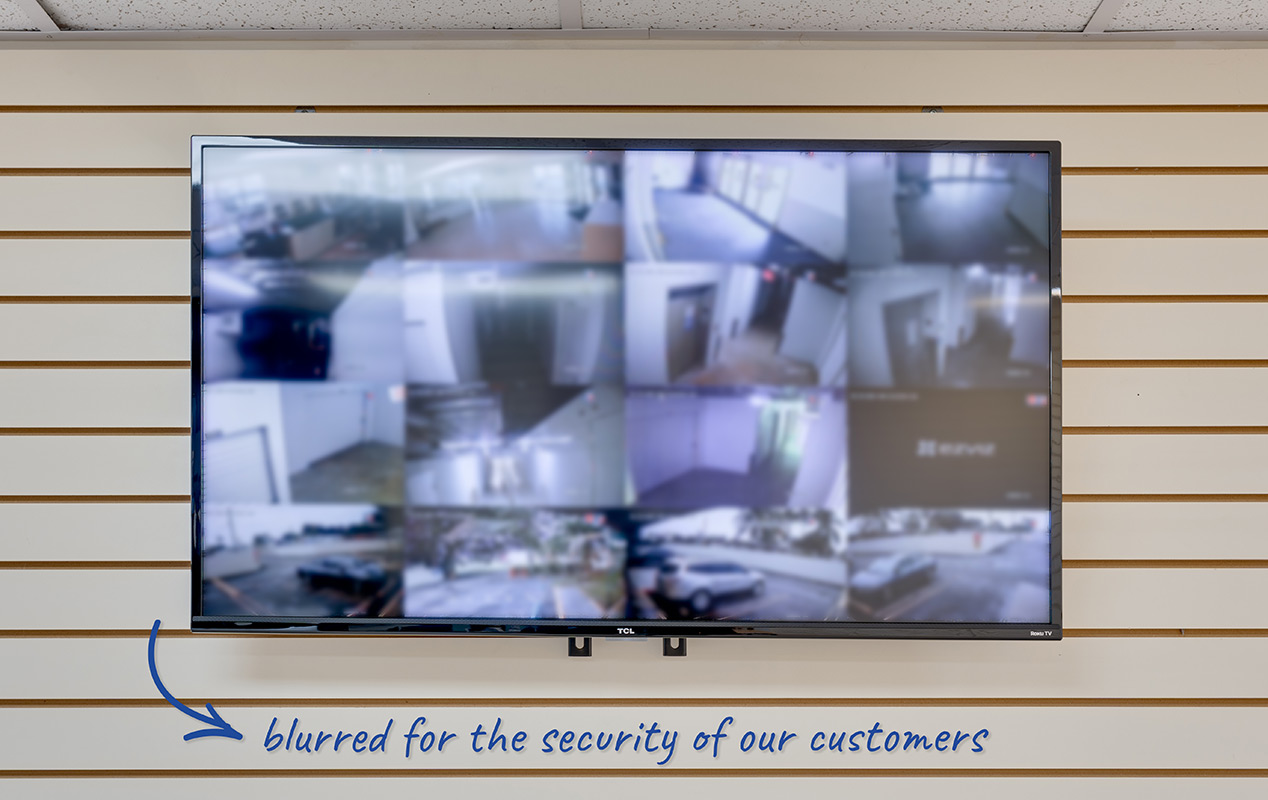
SecureSpace Self Storage Homestead provides:
An access gate
Digital video recording
Logged access
Pest-control service
Elevator access
Carts and dollies
Drive-up units
Multi-building access
Touchless computer-controlled access
These features should not be described as guaranteeing protection from theft, contamination, pests, environmental conditions, or damage.
Customers should use a durable lock, maintain an inventory, review applicable coverage requirements, and follow all storage restrictions.
Paint thinner, solvents, oil-based coatings, aerosols, and other flammable or hazardous products may be prohibited.
Check the lease and use an approved household chemical disposal program when appropriate.
Do not assume propane tanks or other compressed-gas cylinders are allowed.
Remove tanks from grills, heaters, RV accessories, and similar equipment before storage unless the facility provides explicit written approval.
Some household cleaning products may be corrosive, reactive, leaking, pressurized, or otherwise restricted.
Ask the facility before storing bleach, ammonia, pool chemicals, solvents, or commercial cleaning products.
Policies for sealed shelf-stable products vary.
Perishable food, open packages, pet food, and products likely to attract pests should not be stored. Review the lease before bringing any food product into a unit.
Do not assume motorized equipment is permitted inside a unit, even after draining its fuel.
Vehicles, tractors, ATVs, and similar motorized equipment are not approved indoor-storage examples for SecureSpace Self Storage Homestead.
Eligible cars may use uncovered outdoor parking, subject to availability, documentation, dimensions, condition, and facility rules.
Cars cannot be stored inside self-storage units at this location.
No. Climate-controlled storage does not guarantee mold prevention or humidity control.
Belongings should be clean and completely dry before storage.
Review the prohibited-item section of the lease or contact the facility before move-in.
Do not bring the item to the property until its eligibility is clear.
Prohibited-item policies can be more detailed than a general online checklist. Read the rental agreement and confirm unusual business, agricultural, automotive, chemical, or regulated items before placing them in storage.
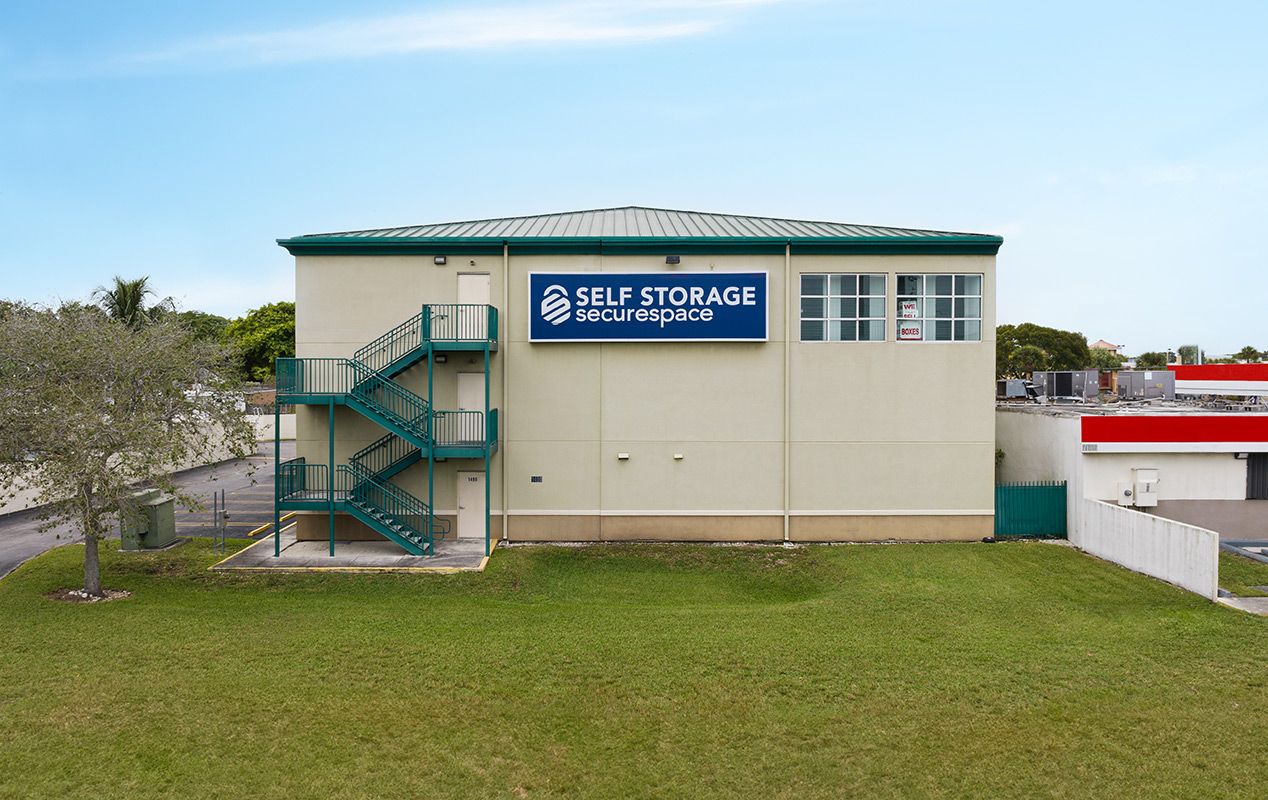
SecureSpace Self Storage Homestead offers climate-controlled units, drive-up storage, outdoor vehicle parking, month-to-month leases, and daily access from 6:00 AM to 9:00 PM.
Review current unit options and rental requirements at SecureSpace Self Storage in Homestead.
Everything you need to store your belongings securely, on your schedule.
Visit us online