Last updated Aug 12, 2026
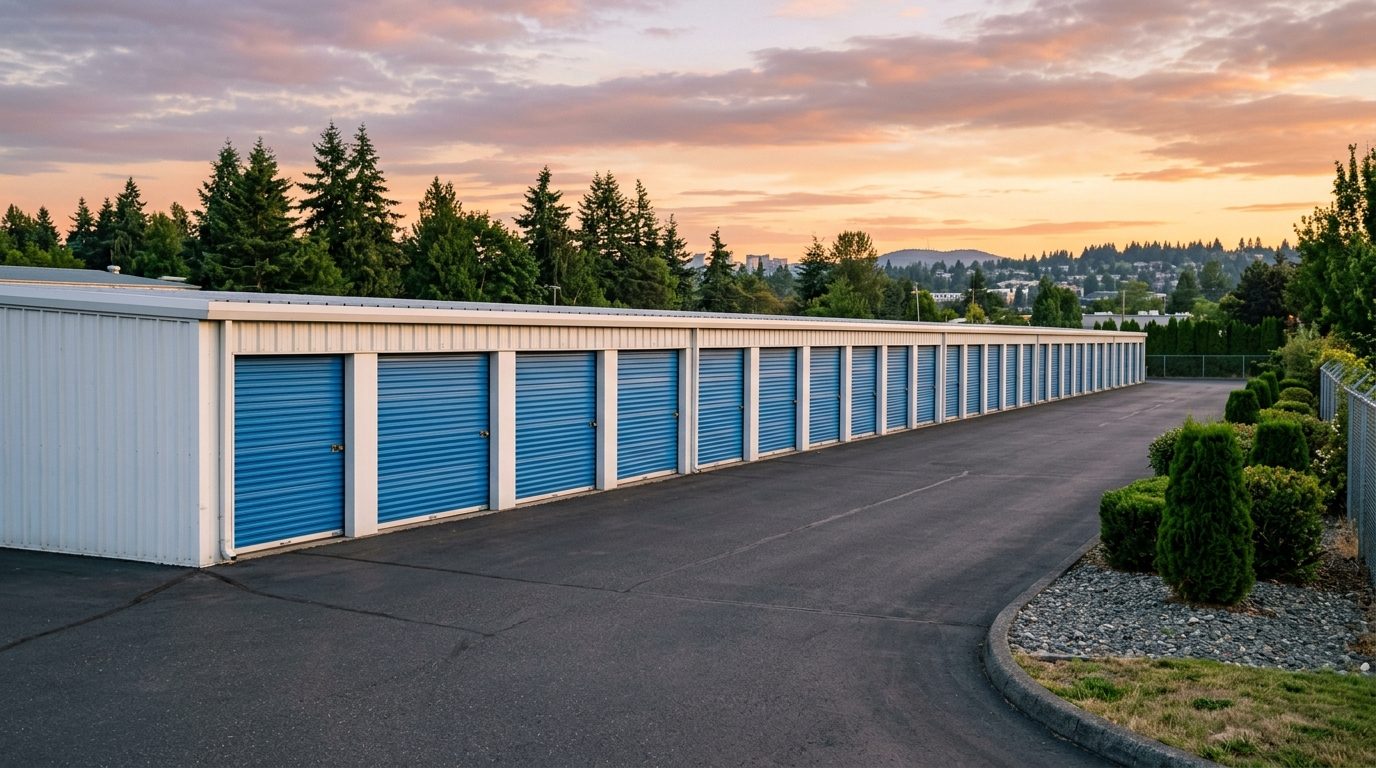
Everett continues to grow as residents move into apartments, renovate established homes, change jobs, and navigate temporary housing transitions. Situated north of Seattle, the city offers access to regional employment, transit, waterfront areas, and established neighborhoods.
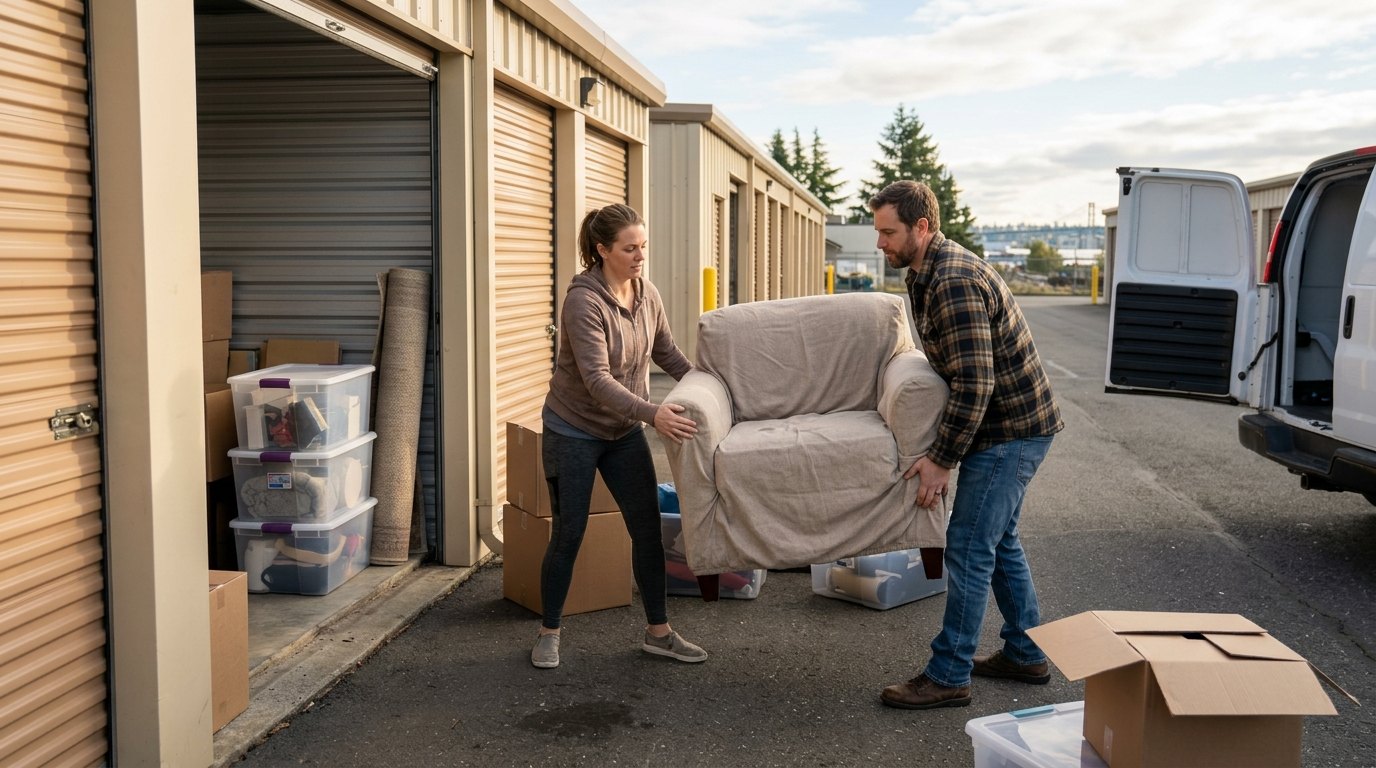
Growth can also create a practical challenge: finding enough room for furniture, seasonal belongings, moving boxes, recreational gear, and household overflow.
A self-storage unit can provide temporary or ongoing space when closets, garages, and spare rooms are no longer enough.
The right option depends on what you plan to store, how often you need access, and whether certain belongings would benefit from climate-controlled or heated storage.
Storage needs vary widely, even among people living in the same part of the city.
Apartment and condominium residents may have limited closets, smaller entryways, or little room for seasonal belongings.
A storage unit can help organize:
Moving boxes
Seasonal clothing
Bicycles and recreational gear
Extra furniture
Holiday decorations
Household supplies
Permitted hobby equipment
Keeping less frequently used belongings off-site can make compact living areas easier to manage.
Moving schedules do not always align perfectly.
A unit may provide temporary space when:
A lease ends before the next home is ready
A closing date changes
Furniture arrives before move-in
A household is combining
Someone is relocating for work
A temporary living arrangement has limited space
Month-to-month leasing may provide flexibility, but billing dates, notice requirements, rate terms, and move-out procedures still apply.
Renovation projects often require rooms to be cleared before work begins.
Self storage may help keep permitted furniture, boxes, tools, and household belongings away from active work areas. Items should be cleaned, packed, and protected appropriately before being moved.
Military moves may involve short timelines, temporary housing, deployments, or changing duty assignments.
A storage unit may provide space for permitted household goods and personal belongings during a transition. Customers should review rental terms and confirm any unusual equipment before move-in.
Self storage may help businesses organize permitted supplies, records, inactive inventory, tools, or event materials.
A unit should not be used as an office, storefront, workshop, employee work area, or active operating location. Customers should confirm that their intended business use complies with facility rules.
Unit selection should begin with an inventory rather than a general room comparison.
Group belongings into categories such as:
Furniture
Boxes and containers
Clothing
Appliances
Recreational equipment
Business supplies
Tools
Seasonal items
An inventory can help identify items that should be donated, discarded, sold, or kept at home.
Measure furniture, appliances, bicycles, shelving, and other bulky items.
Consider the full move-in path, including entrances, corridors, elevator access, and the storage-unit door. Furniture that fits inside a unit may still be difficult to move through a narrow approach.
Frequently used belongings should remain near the entrance.
If you expect regular visits, leave a practical aisle and avoid tightly packing the unit. Less frequently used boxes and furniture can be placed farther back.
A larger unit may provide easier organization, but it can also create unnecessary expense.
Measure your belongings, consider how they can be safely arranged, and review available layouts before making a selection.
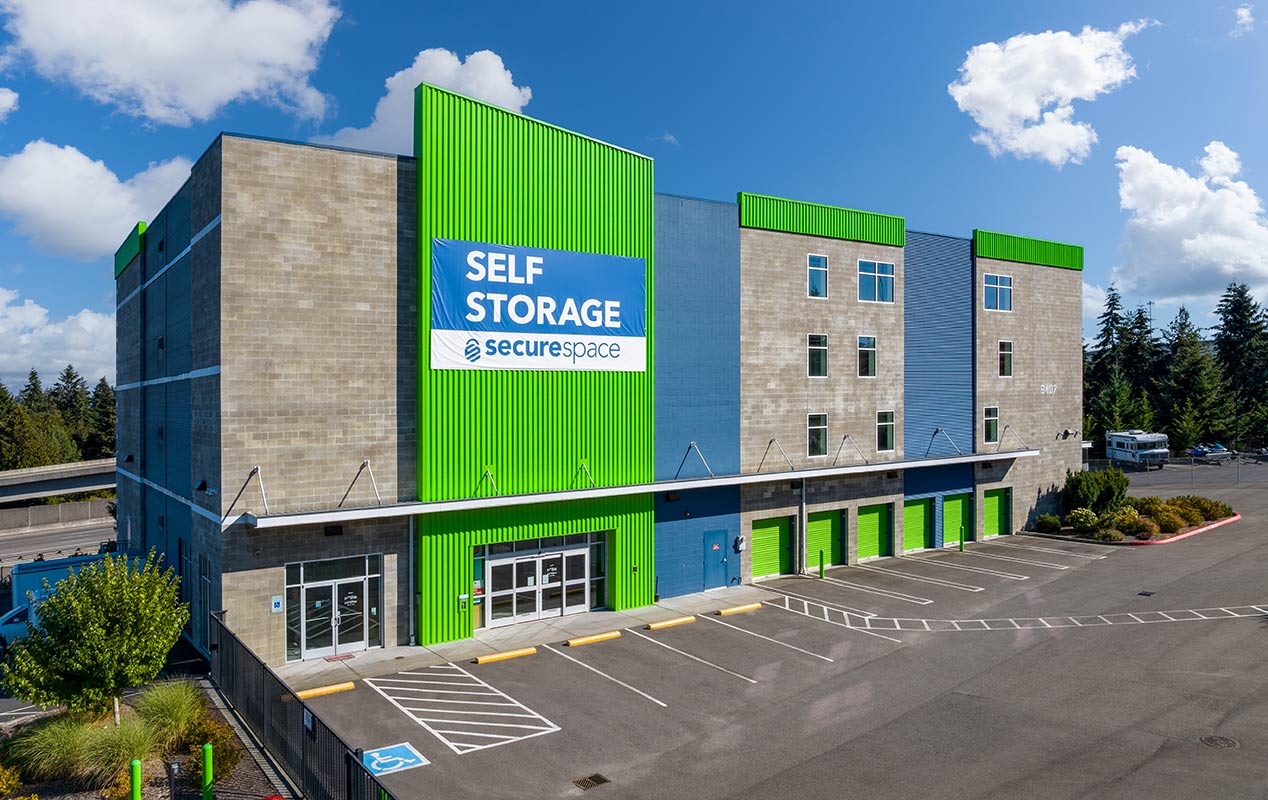
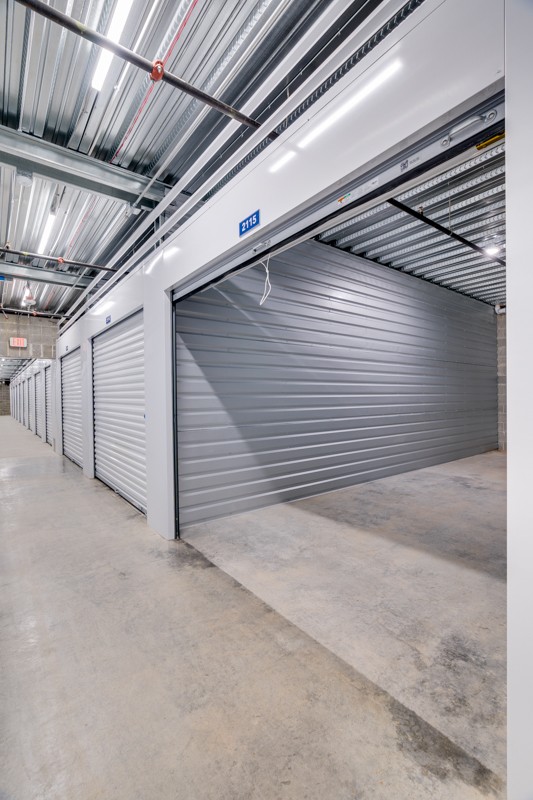
SecureSpace Everett offers climate-controlled and heated storage options.
These features may help reduce exposure to temperature swings and cold conditions compared with an unconditioned space. They should not be described as precise humidity-control systems or as guarantees against mold, rust, warping, fading, electrical damage, or other deterioration.
Climate-controlled or heated storage may be worth considering for compatible belongings containing:
Electronics
Wooden furniture
Leather
Documents
Photographs
Musical instruments
Specialized fabrics
Manufacturer-specified temperature requirements
Not every item requires climate-controlled storage. The decision should depend on the materials, preparation, expected storage period, and manufacturer guidance.
Careful preparation can help keep a unit organized and reduce avoidable problems.
Do not place damp furniture, clothing, boxes, equipment, or household goods into storage.
Clean each item using appropriate products and allow it to dry completely before packing.
Removing legs, shelves, frames, and detachable components can reduce the amount of floor space furniture occupies.
Keep hardware in a labeled bag secured to the corresponding item.
Sturdy boxes and securely closed containers may both be useful, depending on the contents.
Do not seal damp belongings inside plastic containers. Container choice cannot replace proper cleaning and drying.
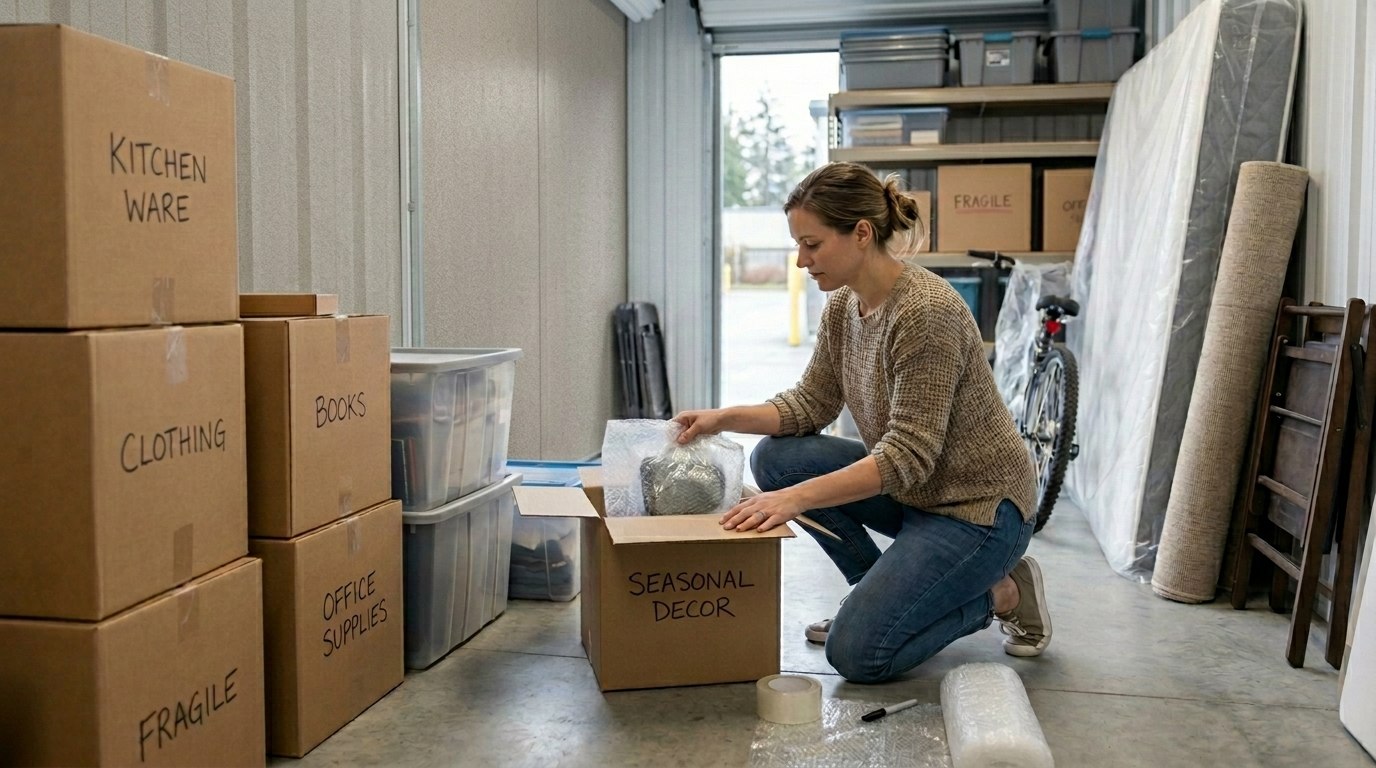
Use labels that identify the room, category, or contents.
An inventory list can provide additional detail and help locate belongings without opening every container.
Use suitable covers, padding, or moving blankets to protect surfaces during transportation and storage.
Avoid wrapping damp furniture tightly or placing heavy containers on delicate items.
Avoid pressing belongings tightly against every wall or creating unstable stacks.
A deliberate arrangement can make inspection and retrieval easier.
A clear layout can help customers make better use of the available space.
Keep heavy furniture, appliances, and containers on stable surfaces.
Lighter boxes can be placed above heavier ones when the stack is secure and the containers are designed for stacking.
Stable freestanding shelving can help organize boxes and smaller items.
Do not drill into walls, install hooks, or modify the unit without written permission.
Clean, dry dressers, cabinets, and wardrobes may provide additional space for lightweight items.
Avoid overloading drawers or doors in a way that could damage the furniture.
Leave enough room to reach belongings stored toward the back.
Place items needed more frequently near the entrance and long-term belongings farther inside.
Record what is stored and where it is located.
Update the inventory when belongings are added, removed, or rearranged.
SecureSpace Everett offers indoor and drive-up storage options.
Drive-up access may simplify moving furniture, boxes, tools, and other permitted belongings by allowing customers to park closer to the unit door.
Vehicles cannot be stored inside drive-up units at this facility.
Elevator access is available for indoor units located away from the ground level.
Customers moving large furniture or appliances should measure their belongings and consider the entire route to the unit.
Carts and dollies are available to assist with moving suitable boxes and household belongings through the facility.
Availability may vary during busy periods, so customers moving heavy or awkward items should plan accordingly.
The facility provides daily gate access from early morning into the evening.
Review the current access schedule before planning a move or retrieval visit. Manager hours are separate from storage-access hours.
SecureSpace Everett includes an access gate, digital video recording, logged access, overnight surveillance, touchless computer-controlled access, and Turing-enabled monitoring.
These features support access and monitoring procedures but cannot guarantee protection against theft, loss, or damage.
Customers should also:
Use a suitable lock
Protect access credentials
Photograph valuable belongings
Record serial numbers when applicable
Maintain an inventory
Review applicable coverage requirements
Month-to-month leases, online rental, online payments, electronic payment plans, and touchless move-in are available.
Review billing dates, notice requirements, rate terms, identification requirements, and move-out procedures before completing the rental.
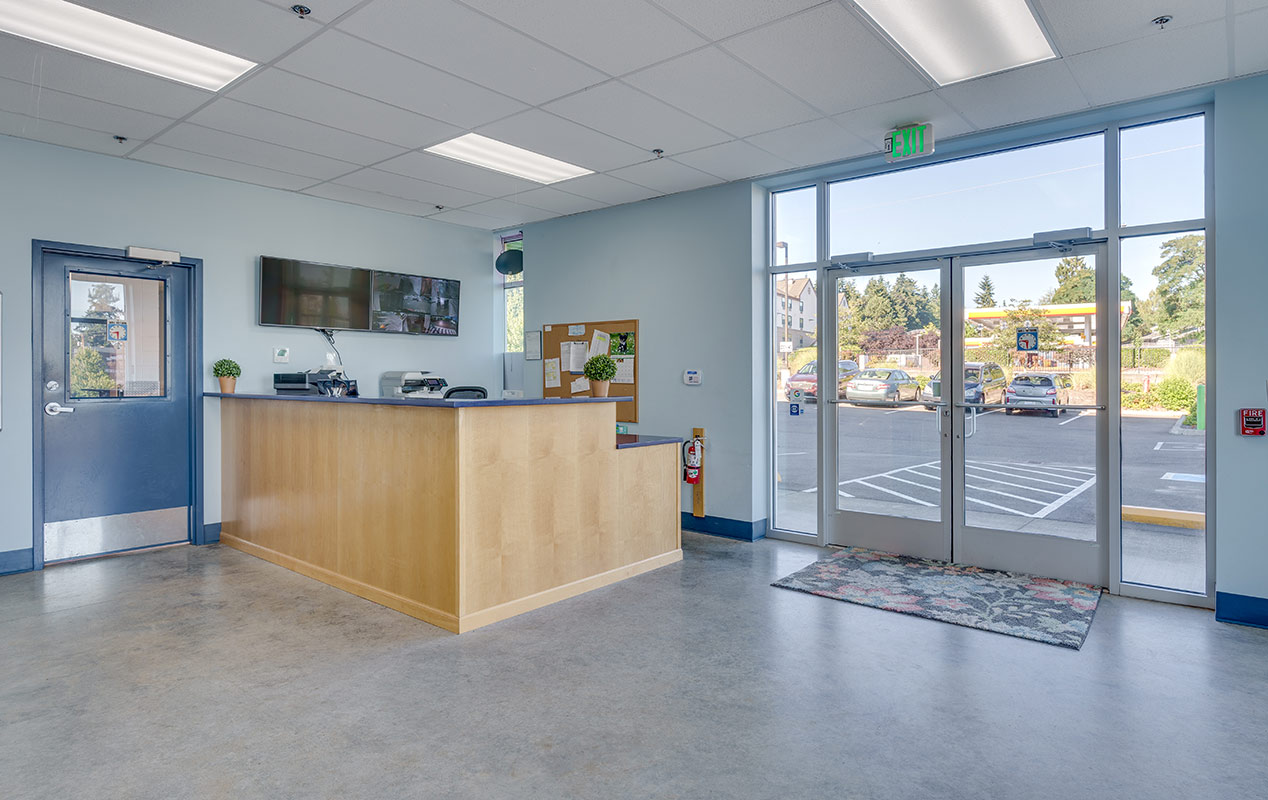
Basic moving supplies are available through the leasing office.
Customers needing a particular lock, box, cover, or packing product should confirm current inventory before relying on on-site availability.
Permitted household belongings commonly placed in self storage may include:
Furniture
Clothing
Boxes
Appliances
Electronics
Documents
Seasonal decorations
Recreational gear
Tools
Business supplies
Inactive inventory
All belongings must comply with the rental agreement and facility rules.
Self-storage facilities commonly restrict hazardous, illegal, perishable, or unsafe materials.
Potentially restricted items may include:
Fuel
Propane
Flammable liquids
Hazardous chemicals
Compressed gases
Perishable food
Plants
Animals
Illegal items
Explosives
Certain batteries
Equipment containing fluids or fumes
Do not assume that an item is allowed because it has been emptied, drained, or placed inside a sealed container. Confirm unusual belongings with facility management before move-in.
Storage rates vary according to unit type, features, current availability, and promotional terms.
Rather than relying on a static price table, review the facility page for current options. Before renting, confirm:
The advertised rental rate
Any introductory promotion
Additional fees
Coverage requirements
Billing dates
Rate-adjustment terms
Move-out procedures
Current unit availability
A promotional rate may apply only for a limited period, so review the full rental terms before completing the reservation.
The appropriate space depends on the amount and size of the furniture, boxes, and equipment being stored.
Create an inventory and measure large items before selecting a unit. Avoid relying only on a general apartment-size comparison.
Not every belonging requires it.
Climate-controlled and heated options may help reduce exposure to temperature swings and cold conditions. The decision should depend on the materials, preparation, storage duration, and manufacturer guidance.
These features do not guarantee humidity control or prevent deterioration.
Permitted furniture may be stored during a renovation or move.
Clean and dry each piece, disassemble it when appropriate, protect the surfaces, and avoid placing heavy items on delicate components.
A unit may be suitable for permitted supplies, records, tools, and inactive inventory.
It should not be used as an office, storefront, workshop, customer meeting space, employee work area, or active operating location.
No. Vehicles cannot be stored inside drive-up units at SecureSpace Everett.
Customers with vehicle-related needs should confirm facility rules, dimensions, documentation requirements, and permitted vehicle types before making plans.
No storage facility or packing method can guarantee protection against theft, loss, shifting, deterioration, or damage.
Suitable packing, a quality lock, inventory records, proper preparation, and applicable coverage can help reduce avoidable risks.
Review the unit type, access arrangement, rental rate, billing schedule, notice requirements, coverage terms, prohibited-items policy, and move-out procedures.
Customers storing unusual equipment or using a unit for permitted business belongings should confirm those plans before move-in.
Self storage can provide flexible space during a move, renovation, housing transition, or period of limited room at home.
Start by creating an inventory, measuring bulky belongings, removing restricted materials, and deciding how frequently you need access. Then review available unit types and rental terms before making a selection.
Explore current options for self storage near downtown Everett, WA.
Everything you need to store your belongings securely, on your schedule.
Visit us online