Last updated Aug 12, 2026
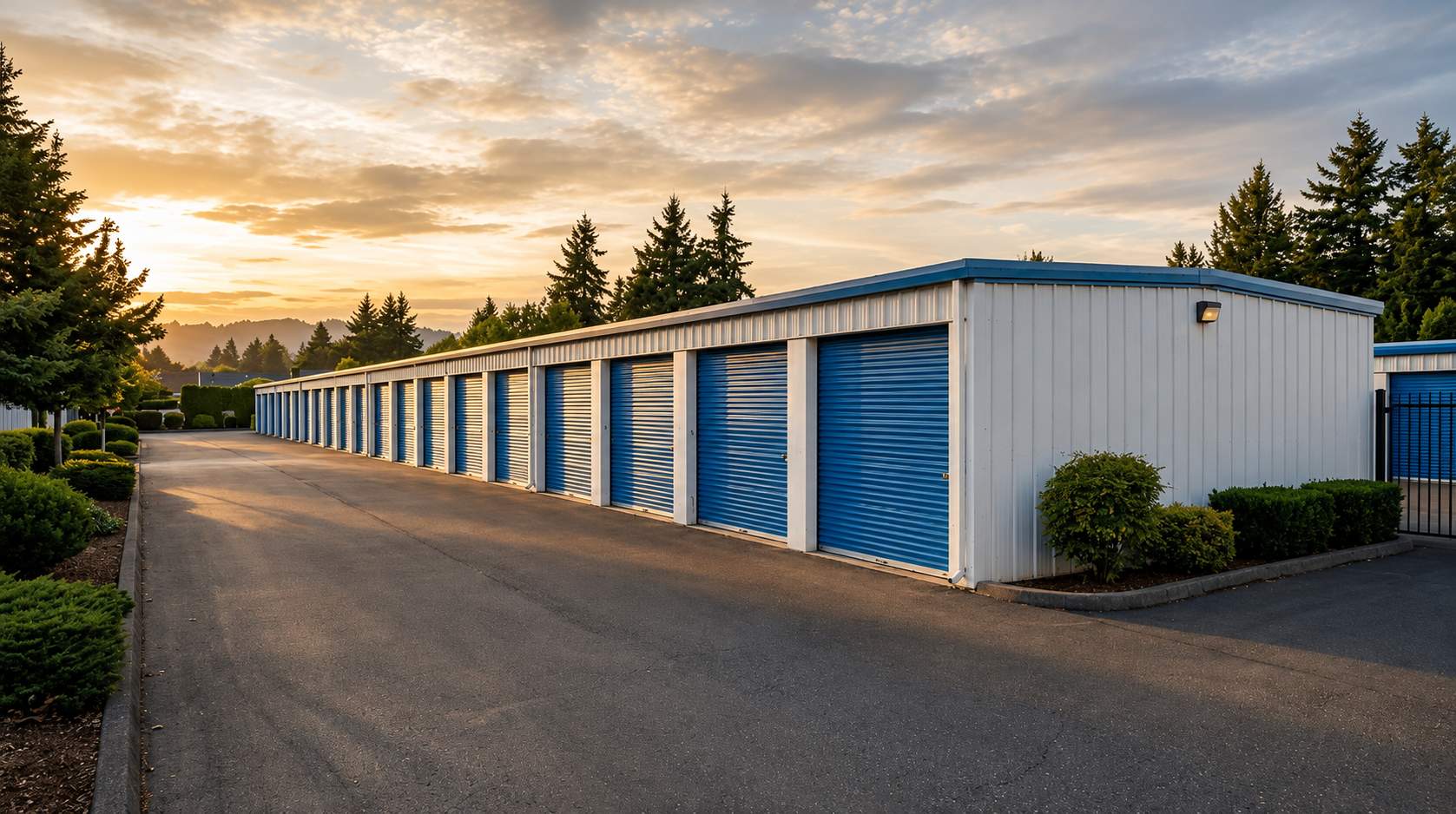
Living in downtown Seattle means trading square footage for walkability. Newly built apartments in the city average just 649 square feet, and many studios near the core hover around 449 square feet, according to RentCafe. That leaves little room for skis, kayaks, camping gear, seasonal clothes, or extra home office supplies.
If your closet is overflowing and moving into a larger apartment is not realistic, a storage unit near downtown can be a practical fix.

This guide walks through where to look, which features matter in Seattle, how to think about pricing, and how to choose a unit that fits your routine.
Seattle's geography, dense neighborhoods, and high housing costs make extra space valuable. Many residents choose smaller apartments so they can stay close to work, transit, restaurants, and waterfront access.
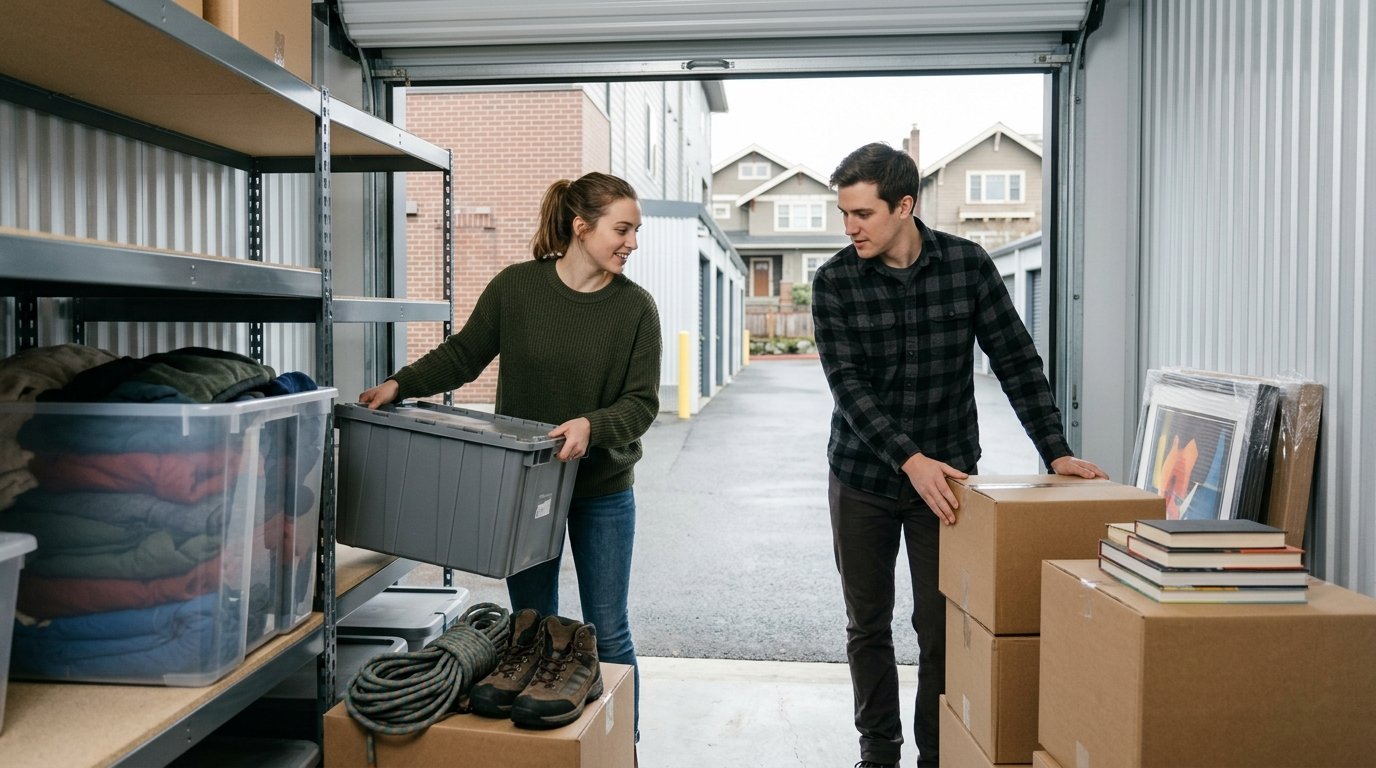
The trade-off is that skis, camping gear, bikes, seasonal clothing, spare office equipment, and household overflow can quickly take over the space.
Storage can also be more practical than immediately moving into a larger apartment. Downtown rent varies by unit type and availability, but the monthly difference between apartment sizes can be significant. A storage unit gives you a separate place for items you do not need every day without changing your lease.
Common reasons people near downtown rent a unit include:
Storing seasonal gear like skis, bikes, camping equipment, and holiday decorations
Making room for a home office in a hybrid or remote work setup
Moving between apartments or merging households
Decluttering before a sale or after inheriting items
Holding furniture during a renovation or short-term lease gap
For many downtown residents, the best choice may not be directly inside the core. A facility a short distance from downtown can sometimes offer more practical move-in conditions, easier vehicle access, and a wider range of unit sizes.
Rather than choosing only by distance on a map, think about how you will use the unit. A location near your commute, regular errands, or weekend route may be more useful than one that is technically closer but harder to reach.
Consider areas just outside the densest part of downtown, especially if they help you avoid tight loading zones, expensive parking, or crowded streets on move-in day. The right location is the one that fits your schedule, your transportation plan, and the items you need to store.
Downtown Seattle can be difficult for loading and unloading. Street parking, curb access, building rules, hills, traffic, and rain can all complicate a simple move.
Research from the University of Washington's Urban Freight Lab found that many buildings in the urban core rely on public curbs and alleys for commercial deliveries and loading activity. While that research focuses on freight, it reflects a common downtown reality: curb space can be limited and competitive.
A storage facility just outside the busiest blocks may make the process easier. You may have more room to park, more predictable access, and fewer downtown loading constraints. Before reserving, ask how loading works and whether the facility offers carts, dollies, elevator access, or other move-in features.
Seattle's climate and urban setting make a few features worth reviewing before you rent.
Heated indoor storage can be useful in Seattle, especially during colder months. It keeps items inside a building and may reduce exposure to colder conditions compared with non-heated spaces.
That said, storage is not a substitute for careful preparation. The Washington State Department of Health notes that moisture control matters for mold prevention, so make sure items are clean and fully dry before move-in. Avoid packing damp fabrics or cardboard, and use sturdy containers where appropriate.
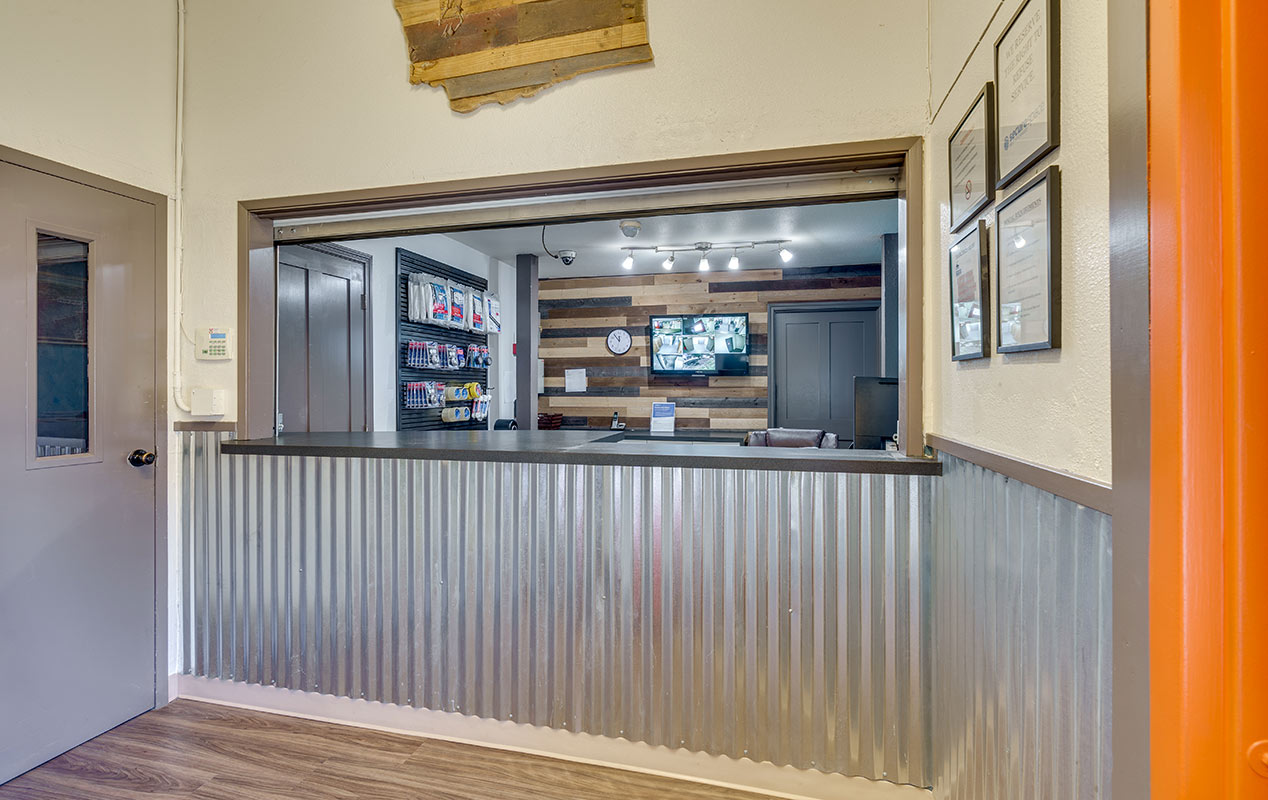
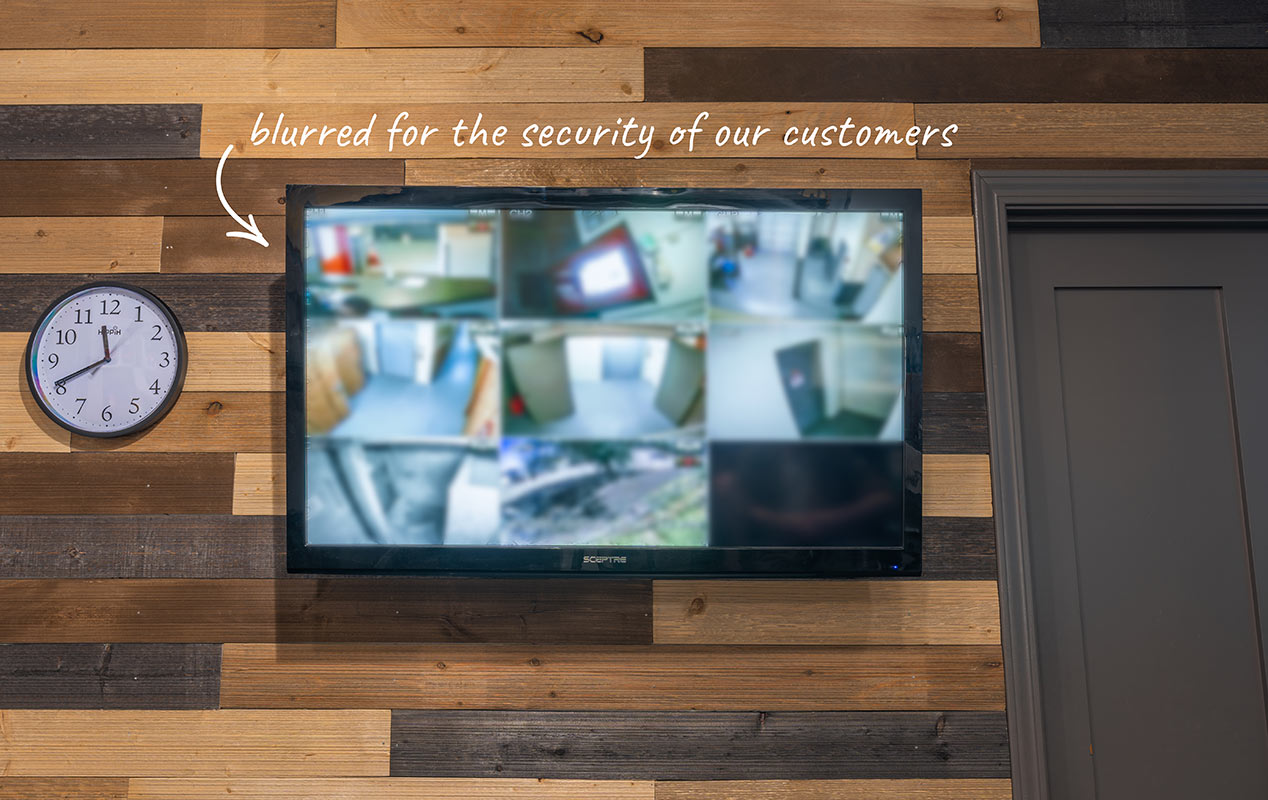
Look for specific listed features rather than broad promises. Depending on the facility, useful features may include digital video recording, logged access, posted access procedures, and staff availability.
You can also take your own precautions. Use a quality lock where applicable, keep an inventory of stored items, photograph higher-value belongings, and review your insurance or coverage options before move-in.
Because moving in Seattle often means planning around rain and traffic, access features can make a big difference. Review whether the facility offers elevator access, carts, dollies, posted access hours, and clear loading instructions.
Avoid assuming a facility has covered loading, drive-up units, gated access, or special parking unless those features are clearly listed for that location. For rainy-season storage, Urban Self Storage also emphasizes practical preparation, such as keeping items dry before packing them away.
Month-to-month leases can help if you are storing during a move, renovation, seasonal transition, or short-term apartment change. Review the rental agreement, billing cycle, move-out notice, and current promotion terms before reserving.
Pricing depends on unit size, location, availability, features, and current promotions. Smaller units usually cost less, while larger or feature-specific units may cost more. According to RentCafe, Seattle storage prices vary widely by unit and facility.
To compare options, focus on the total fit rather than the advertised rate alone:
Does the unit size match what you are storing?
Are the access hours workable?
Is the location convenient enough to use?
Are there current promotions, rate terms, or fees to review?
Does the facility offer the moving features you need?
Checking nearby neighborhoods may expand your options and price range. A location outside the busiest part of downtown can sometimes be more practical than one inside the core.
Picking the right unit is simpler when you start with your actual storage list.
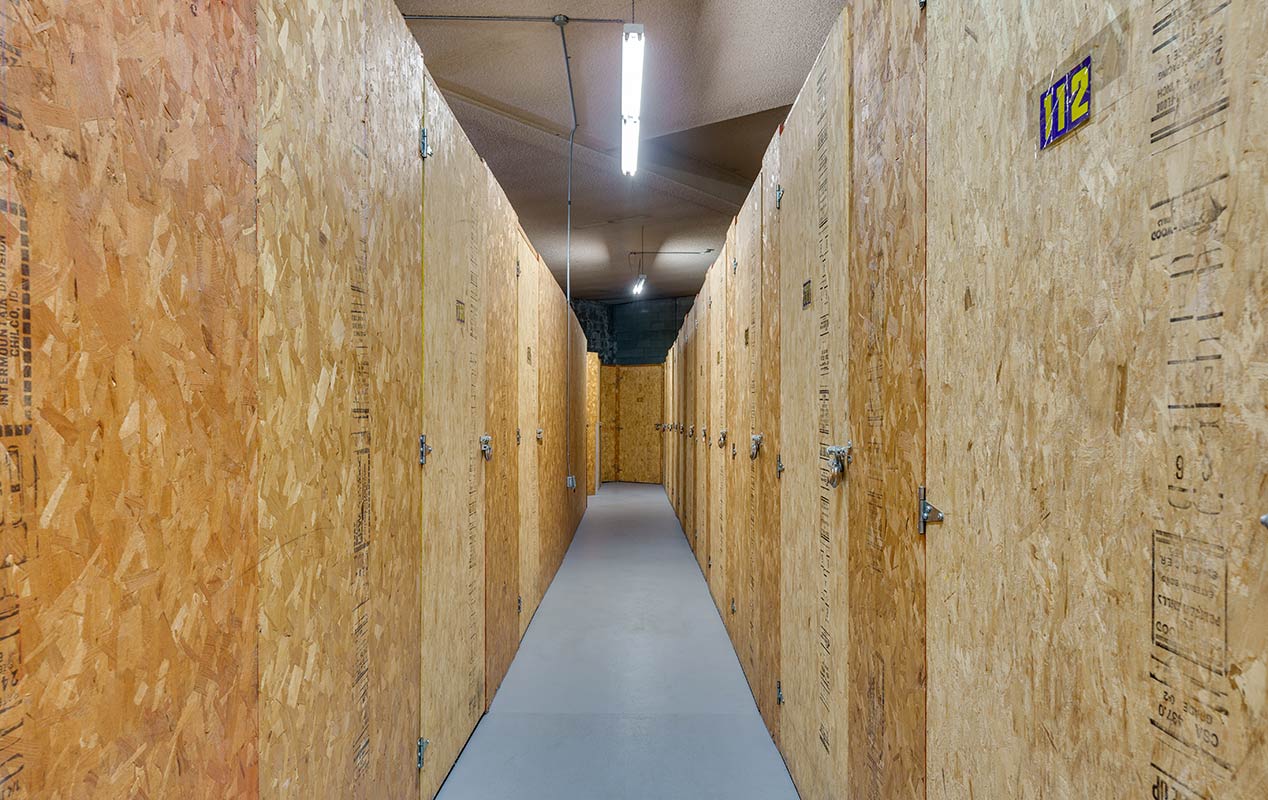
A 5x5 unit can work for boxes, small furniture, seasonal items, and closet-style overflow. A 5x10 gives more room for apartment overflow, business supplies, or outdoor gear. A 10x10 may work for larger household storage needs, depending on what you are storing and how it is packed.
If you are storing household items, business supplies, or seasonal gear, review whether heated indoor storage, elevator access, carts, dollies, or online payments are available. Choose features based on what you are actually storing, not just a generic checklist.
Before move-in day, check access hours, loading instructions, elevator availability, and whether carts or dollies are available. If you are moving from a downtown apartment, plan the route from your building to the storage facility in advance.
Reservation holds, promotions, fees, billing cycles, and move-out requirements vary. Read the rental details before confirming your unit.
Storage near downtown Seattle is really about smart trade-offs. The closest facility is not always the easiest one to use. A location just outside the busiest downtown blocks may give you a better mix of access, unit size, moving convenience, and price.
Start by deciding what you need to store, how often you will visit, and which route fits your routine. Then compare available units and rental details before reserving.
Many residents may find more practical options just outside the busiest downtown blocks. Look for a facility that fits your route, offers the unit size you need, and has access features that make move-in manageable.
Not every storage need requires climate-controlled storage. Heated indoor storage can be useful during colder months, and careful packing matters for every unit type. Make sure items are clean and fully dry before storage, and review current unit features before renting.
Prices vary by size, location, availability, and facility features. Downtown and high-density areas may have fewer options, so checking nearby neighborhoods can give you a broader range of unit sizes and rates.
Availability varies by facility. Downtown loading can be difficult, so review access hours, loading instructions, parking setup, elevator availability, and carts or dollies before reserving.
Yes. Many storage facilities offer month-to-month leases, which can be useful for moves, renovations, seasonal storage, or short-term overflow. Review the rental terms and move-out notice requirements before renting.
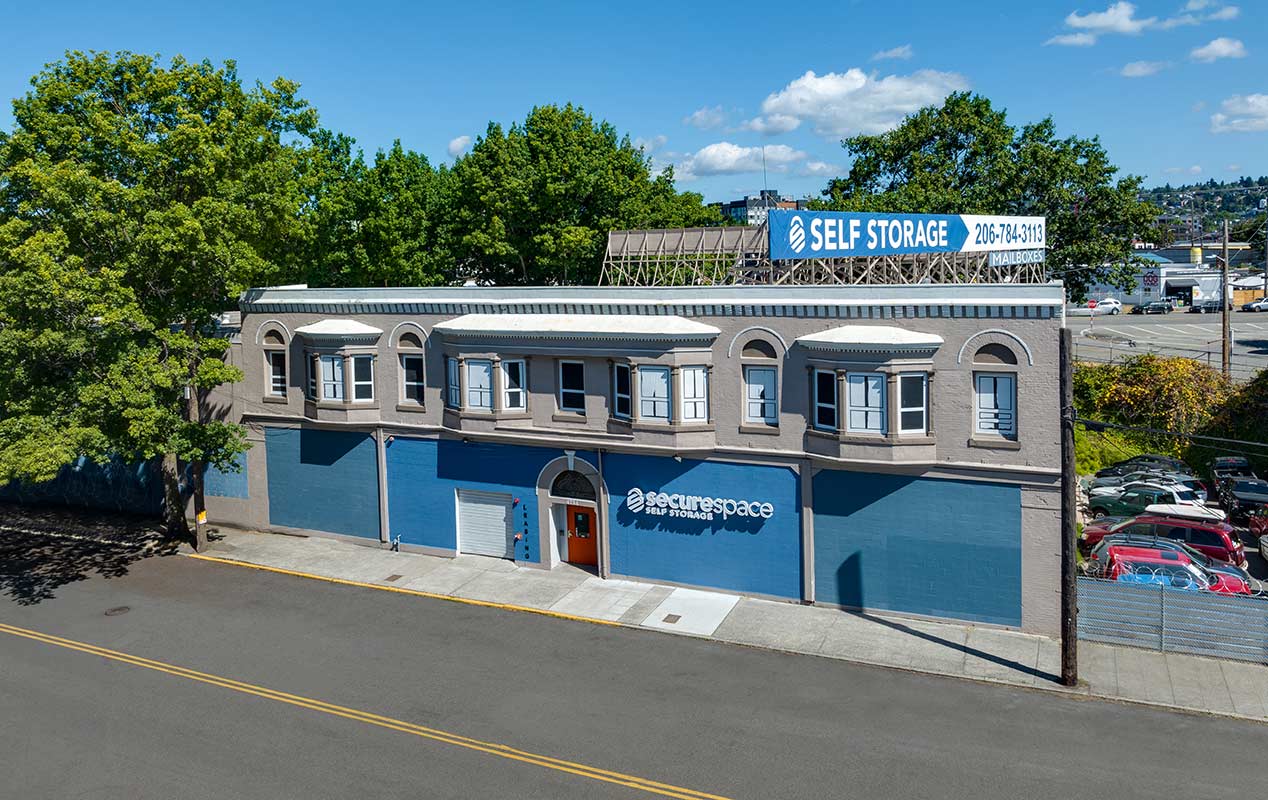
Ready to make more room near downtown? Explore storage units in Seattle, WA at SecureSpace and choose a space that fits your needs.
Everything you need to store your belongings securely, on your schedule.
Visit us online