Last updated Aug 12, 2026
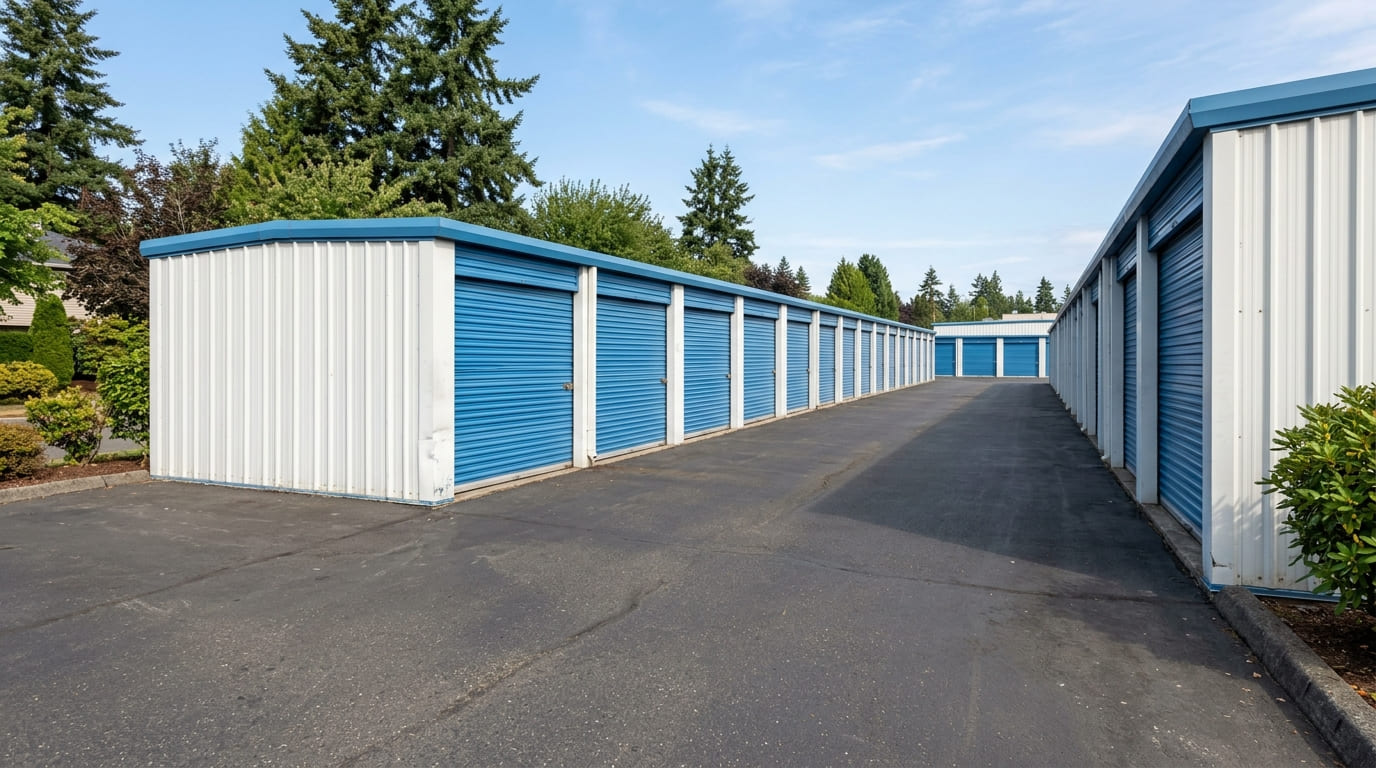
When you need storage quickly, waiting days to sort through options may not work. Maybe a lease fell through, your apartment suddenly feels too small, or you need a temporary place for boxes, furniture, or outdoor gear. Whatever the reason, searching for "storage units open now" usually means you need clear answers: what is available, how soon can you move in, and what steps come before access.
Seattle has multiple storage options, and many facilities now offer online rental or reservation tools. This guide explains how same-day storage may work, what "open now" really means, how to compare costs, and what to check before you load the car.
In some cases, yes. Same-day rental or move-in may be available, depending on the facility, current inventory, access hours, payment steps, and move-in instructions.
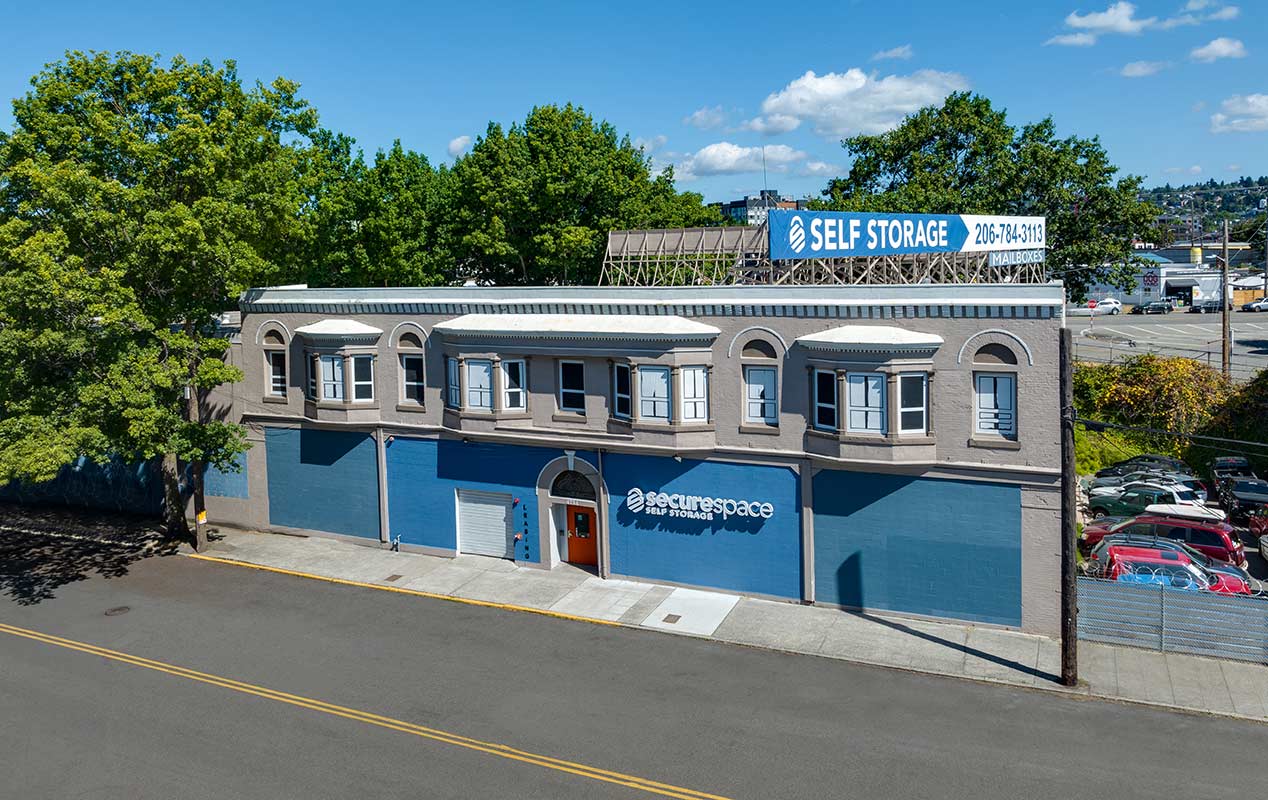
With SecureSpace Self Storage, customers can look at available Seattle storage options online and check current rental details before choosing a unit. Before planning a same-day move-in, make sure the location you choose can support your timeline.
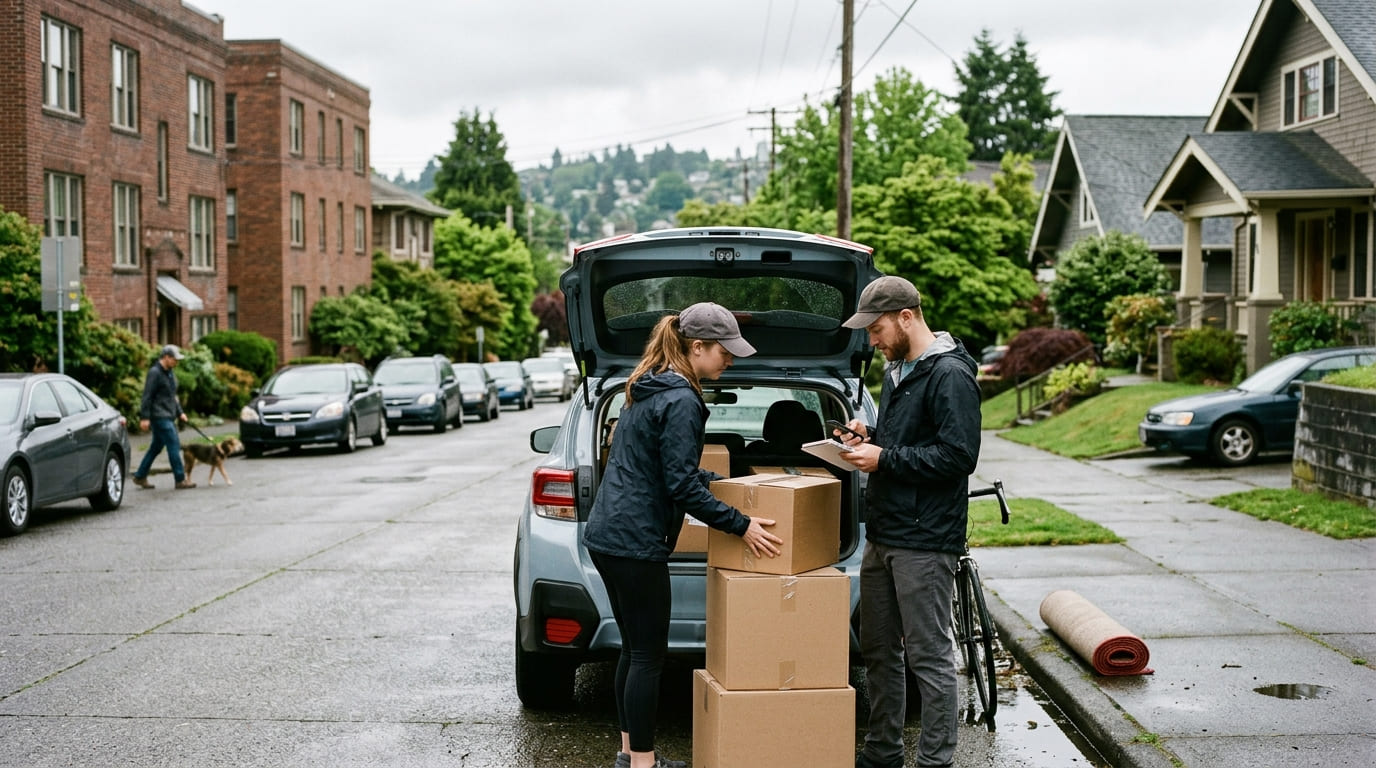
A typical same-day storage plan may include:
Start with what you need to store today. A few boxes and seasonal items may not need the same space as a sofa, mattress, or apartment overflow. Choosing the right size first can save you a second trip.
Some facilities allow online reservations or rentals. Check the lease terms, payment requirements, required documents, and move-in instructions before heading over.
After renting, use the access instructions provided by the facility. Do not assume instant gate codes, after-hours entry, or immediate access unless the specific location clearly provides those details.
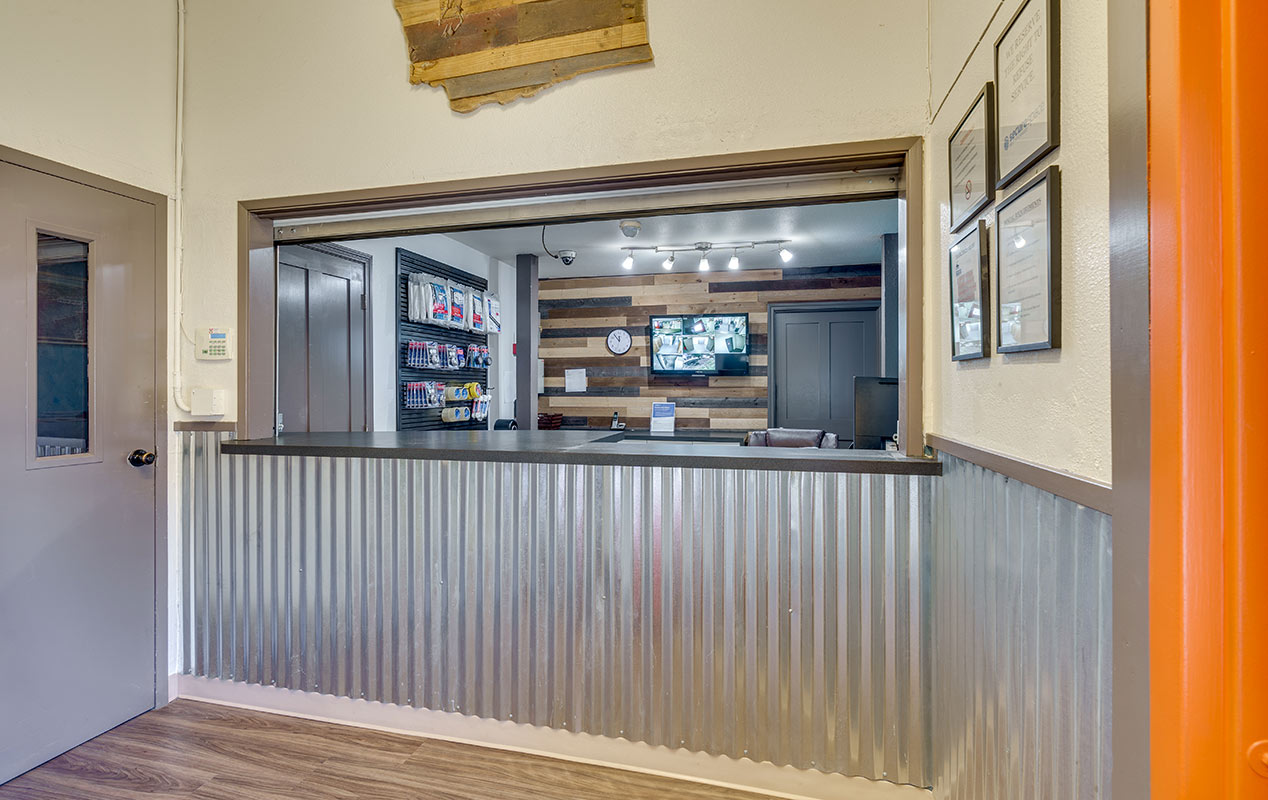
A storage facility's office hours and access hours may be different. Office hours are when staff may be available on site. Access hours are when customers can enter the property or building to reach their unit.
That distinction matters. A facility may let you begin a rental online outside office hours, but actual move-in still depends on the location's current access hours and procedures. Some facility pages, such as SecureSpace Magnolia, list office hours separately from access and move-in hours. Check the exact location page before loading a truck.
The safer approach is to treat "open now" as two questions: Can you rent now, and can you physically access the unit now? The answer may not be the same for every facility.
Seattle storage prices vary by unit size, location, availability, access setup, and unit features. StorageCafe provides Seattle storage-market data, but published averages should be treated as snapshots rather than guaranteed prices.
When comparing units, focus on the full rental cost instead of the headline monthly rate. Ask about:
Base monthly rent
Move-in promotions
Administrative fees
Insurance or proof-of-coverage requirements
Lock requirements
Taxes or other charges
Access hours
Month-to-month terms
Rate-change notice policies
The standard monthly rate after any promotion ends
Location can also affect value. A cheaper unit across town may not help much if traffic makes every visit difficult. If you need storage quickly, convenience may matter as much as the rate.
Seattle's wet climate makes move-in preparation important, especially if you're loading during rain. General guidance from Storage.com highlights why clean, dry storage habits matter.
For a quick Seattle move-in, keep the prep simple:
Dry furniture, clothing, bedding, and outdoor gear before storage.
Avoid packing damp cardboard or soft goods.
Use sturdy bins for items that may be stacked.
Keep the items you may need first near the front.
Do not store food, liquids, or prohibited items.
Check the unit details before renting.
Heated indoor storage may be useful during colder months because it keeps belongings inside a building and may reduce exposure to colder conditions compared with non-heated spaces. Do not assume a unit is climate-controlled or humidity-controlled unless the facility clearly lists that feature.
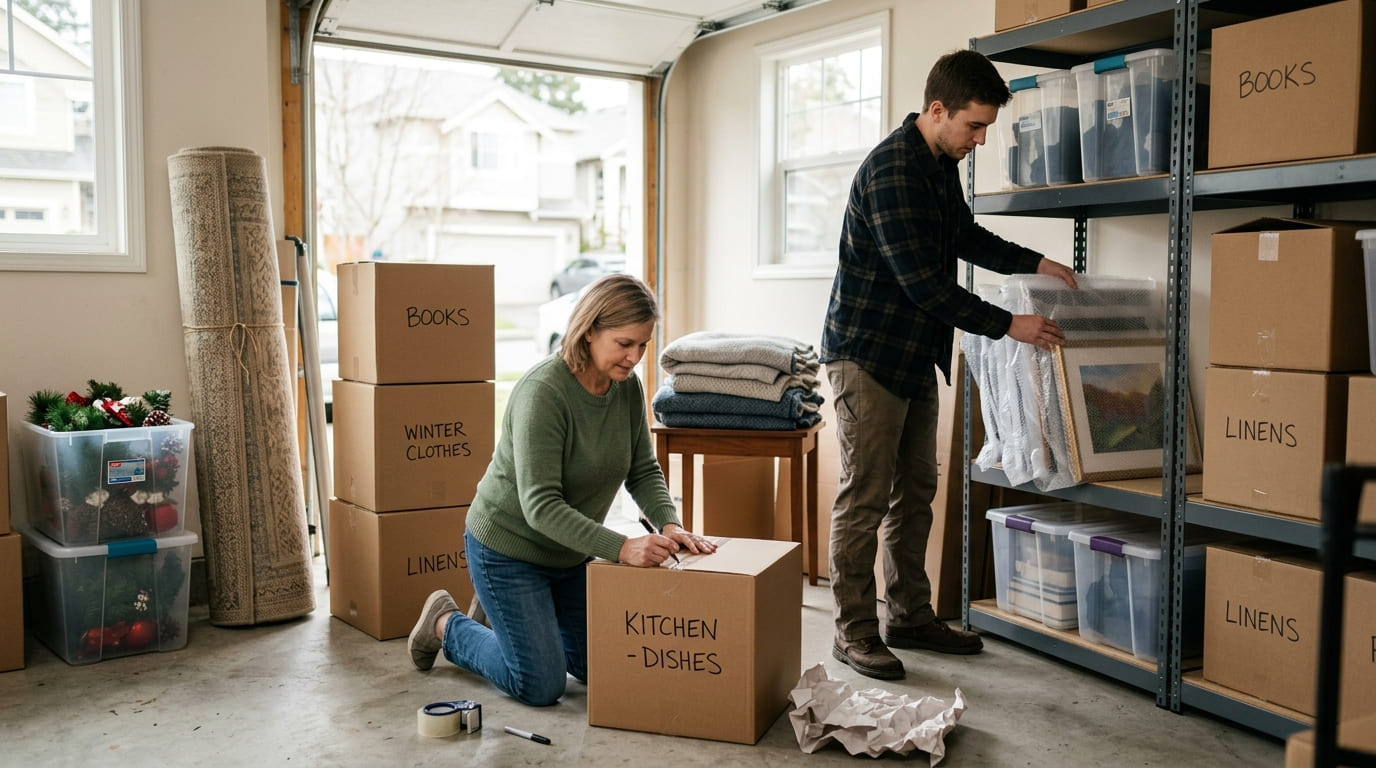
Seattle's housing reality drives much of the demand. StorageCafe reports that Seattle apartments can be compact, and when living space is tight, off-site storage can be useful for items that do not need to stay at home every day.
Storage can help with:
Seasonal sports gear
Camping supplies
Bikes, skis, and snowboards
Boxes during a move
Furniture during a remodel
Decluttering before a home sale
Business supplies or records
Short-term apartment transitions
Month-to-month leases can also be helpful when your timeline is uncertain. Read the rental agreement so you understand billing, move-out notice, and any promotion terms before signing.
If you need storage quickly, focus on the details that affect move-in day. A long feature list matters less than knowing whether the unit, access process, and timing actually work.
Online tools may help you compare sizes, see current availability, and begin the rental process before visiting. Confirm what steps are required before you arrive.
If you're storing during a lease gap, move, remodel, or short-term project, month-to-month terms can be useful. Look at billing dates, move-out notice, and promotion terms before committing.
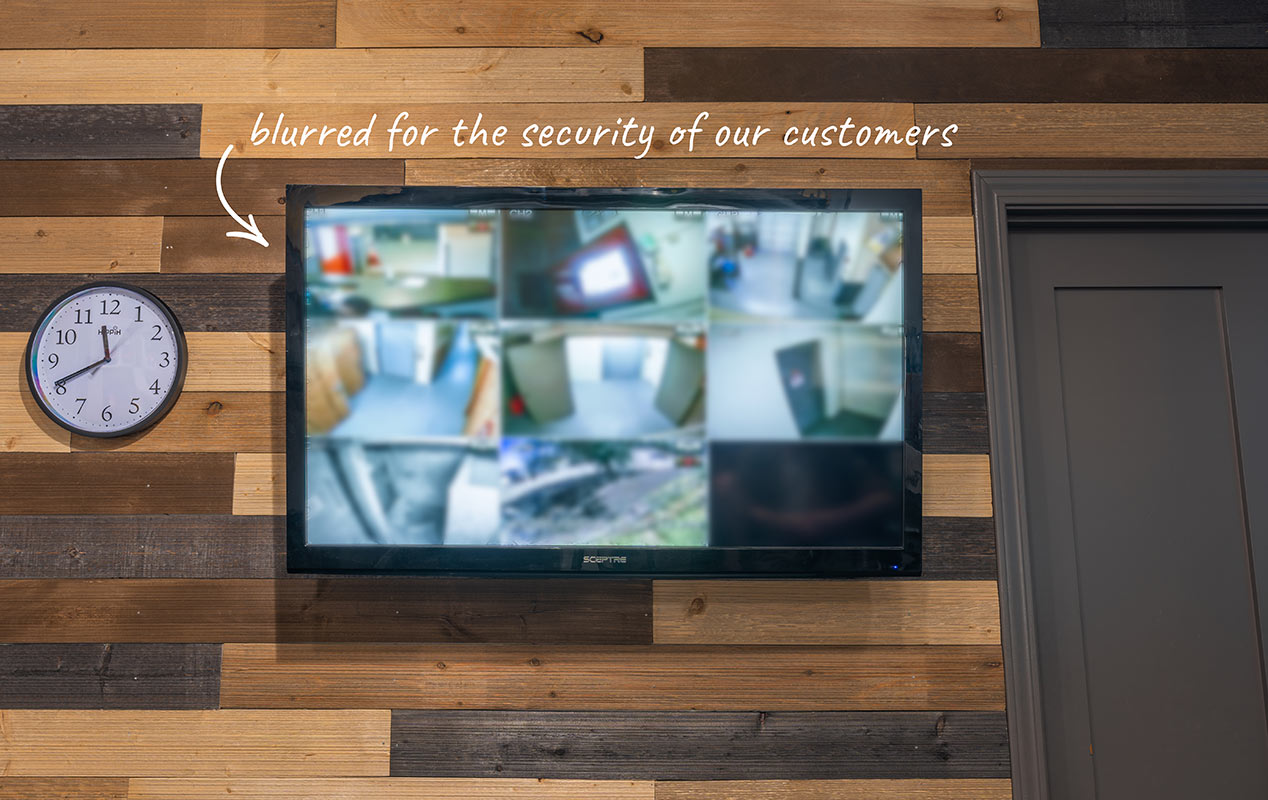
Look at the facility's listed security features rather than relying on broad promises. Depending on the location, useful details may include digital video recording, logged access, posted access procedures, and staff availability.
You can also take your own precautions: use a quality lock where applicable, keep an inventory, photograph stored items, and review coverage options.
Seattle rain, traffic, and parking can complicate a rushed move. Ask about loading setup, elevator access, carts or dollies, and parking before you arrive. Do not assume covered loading, drive-up access, or large elevators unless those features are clearly listed.
Choose a facility that fits your route from home, work, school, or the place you are moving from. For urgent storage, the easiest location to use may be better than the cheapest one on paper.
Same-day move-in may be available depending on the facility, current unit availability, access hours, and rental process. Check the specific location's instructions before loading your vehicle.
You may be able to start a rental or reservation online outside office hours, depending on the facility. Actual move-in depends on current access hours and the instructions provided after rental.
Prices vary by unit size, neighborhood, availability, features, and promotions. Use published market averages as a starting point, then check live rates and full move-in costs before renting.
They can be useful depending on what you're storing and the time of year. Heated indoor storage may reduce exposure to colder conditions, but clean, dry packing still matters.
Many storage facilities offer month-to-month leases. Review the billing cycle, move-out notice, and promotion terms before signing.
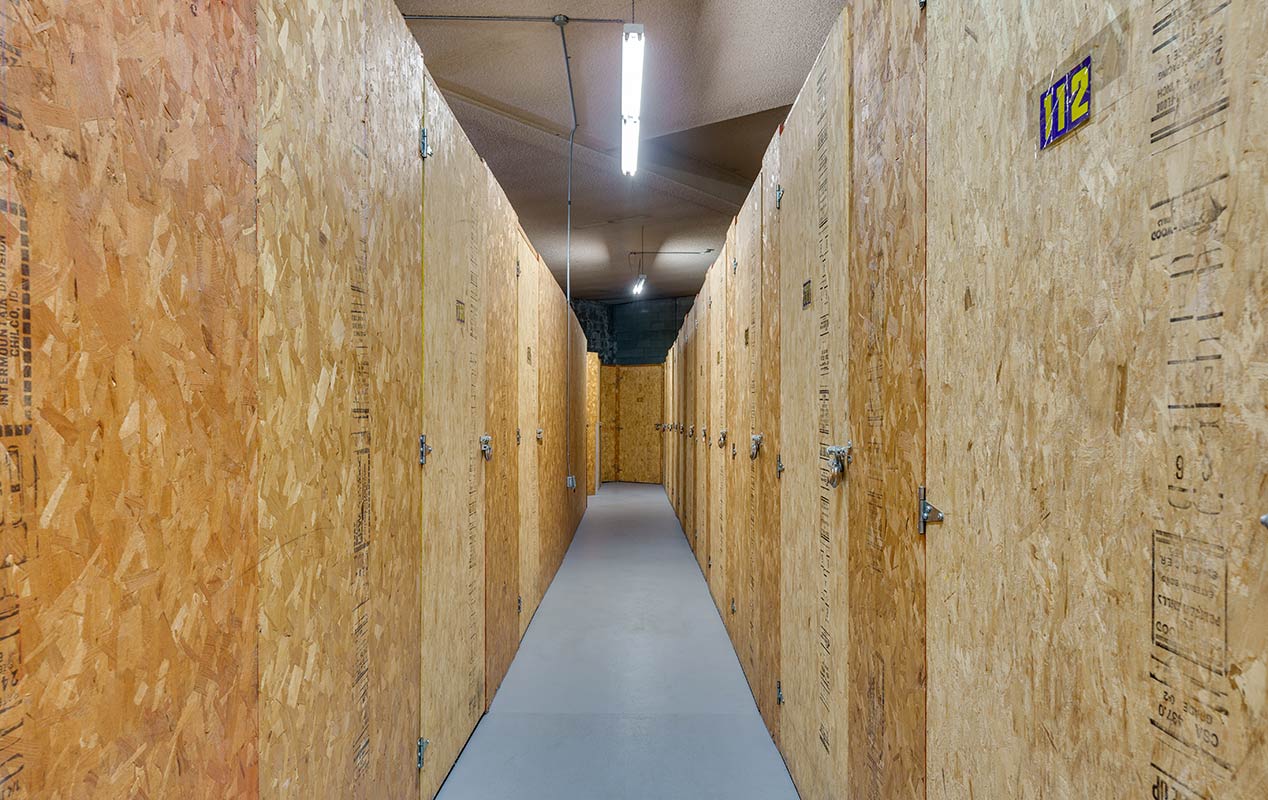
Start with your largest items, then estimate your box count. A 5x5 may work for boxes and seasonal gear, a 5x10 may fit small furniture and apartment overflow, and a 10x10 may work for larger apartment storage needs. Measure bulky items before choosing.
Finding storage in Seattle is easier when you know what to check first: current availability, access hours, move-in instructions, total cost, and the unit features that matter for your items.
Review current options and find a SecureSpace storage unit in Seattle that fits your timeline.
Everything you need to store your belongings securely, on your schedule.
Visit us online