Last updated Aug 12, 2026
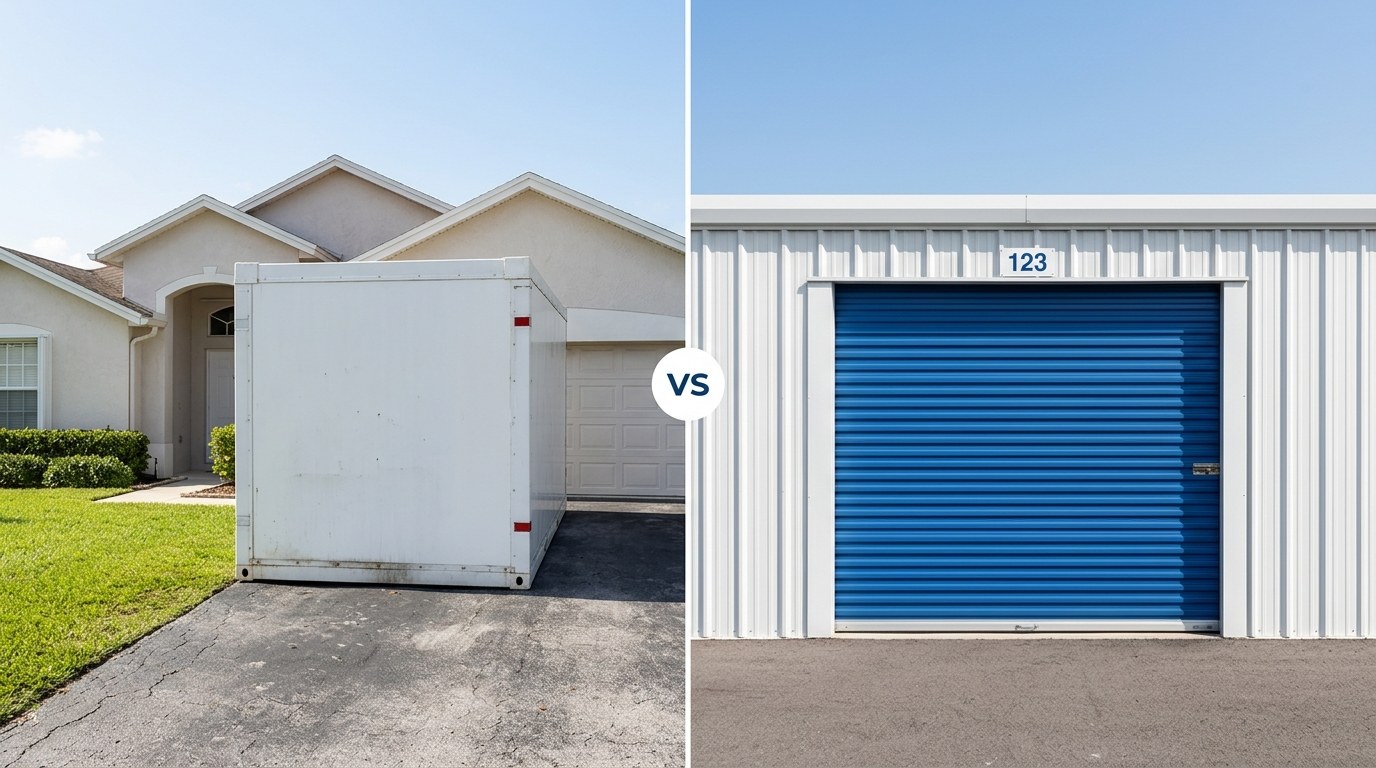
Portable storage containers can be convenient during a move or renovation, but local placement rules, delivery fees, and weather exposure may affect whether they're the best option for your situation.
Traditional self-storage offers a different setup: you transport your belongings to an off-site facility, choose a unit based on your space needs, and access it during the facility's established hours. The better choice depends on your property, timeline, budget, and how often you need your items.
This guide explains how portable containers and self-storage differ in Homestead, including local rules, potential costs, climate considerations, and practical uses for military families, agricultural businesses, and homeowners.
Portable containers may be regulated by the city, county, or a homeowners association. The requirements that apply depend on the property's jurisdiction and community rules.
The Homestead City Code defines dimensional, placement, and time restrictions for portable storage containers. A container may remain on qualifying property for 30 consecutive days, and no more than 30 days total in a calendar year.
Other requirements may address container dimensions, setbacks, placement surfaces, and prohibited locations. Residents should review the current city code before scheduling delivery, particularly for a renovation or move expected to last longer than a few weeks.
Properties under Miami-Dade County jurisdiction may require a Certificate of Use for a residential portable mini-storage unit.
County rules may also address the total placement period, utility connections, insurance documentation, setbacks, and where the container can be positioned. Fees and requirements can change, so residents should verify the current process rather than relying on an older quoted amount.
City and county rules should not automatically be treated as cumulative. Check which jurisdiction governs the specific address.
Planned communities may impose additional rules beyond municipal or county requirements. The Keys Gate community standards, for example, include restrictions involving trailers and portable containers in residential areas.
Exact limits can vary by subdivision and may be revised over time. Residents should review current governing documents or contact their association before arranging delivery.
Off-site self-storage may avoid property-based container restrictions because the container is not placed in a driveway or yard.
The answer depends on the container size, storage-unit size, rental duration, transportation distance, and number of container moves.
Local self-storage listings may show rates in a broad range, including approximately $50 to $200 per month, but actual pricing depends on unit type, current availability, promotions, administrative charges, and coverage requirements.
Portable-container pricing may include:
Monthly container rent
Initial delivery
Transportation to another address or storage facility
Final pickup
Additional distance or scheduling fees
One published estimate for a 16-foot container includes an $88 delivery fee, a first-month base rate around $205, and movement fees over $90 each. These figures are examples rather than guaranteed local prices.
A separate cost comparison illustrates how delivery and transportation charges can affect the overall total. Portable containers may be worthwhile when loading at home is the top priority, while self-storage may be more economical when you can transport your belongings yourself.
Review complete quotes from both providers before deciding. A low monthly rate may not represent the full cost once delivery, transportation, fees, and rental terms are included.
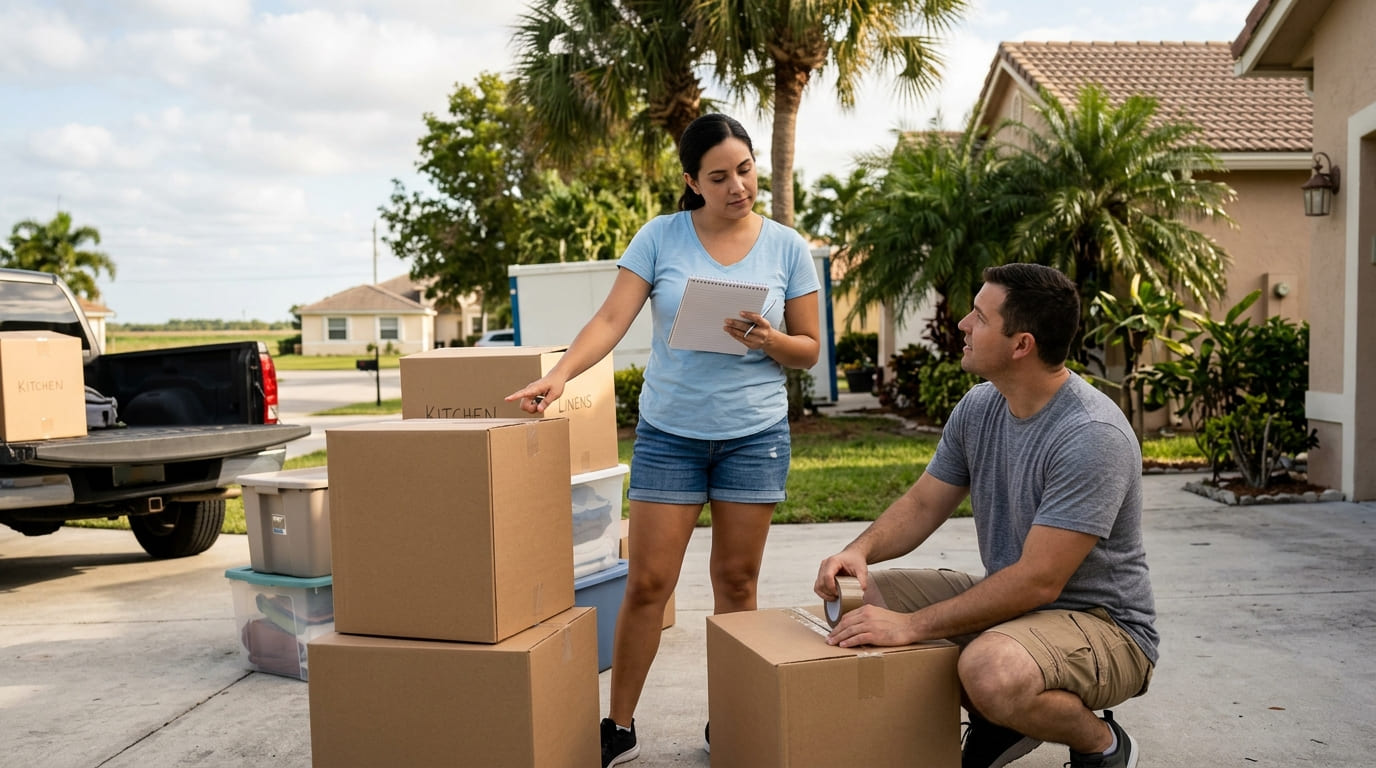
A portable container placed outdoors can be exposed to direct sunlight, rain, and changing temperatures. Interior conditions depend on the container, placement, ventilation, packing methods, and weather.
Furniture, paper, electronics, leather, fabrics, and other sensitive belongings should be stored clean and dry. Use sturdy containers, avoid sealing damp items, and follow manufacturer guidance for appliances and electronics.
Climate-controlled self-storage may help reduce exposure to outdoor temperature fluctuations compared with an outdoor container. It does not guarantee a specific humidity level or prevent mold, corrosion, condensation, or other damage.
Hurricane preparation is another consideration. Some municipalities or associations may require containers, trailers, or loose outdoor equipment to be removed or secured before severe weather. Residents using a portable container should understand the provider's pickup procedures and any local emergency requirements in advance.
The right choice depends on how you plan to load, store, and retrieve your belongings.
Relocations, deployments, and temporary assignments can create changing storage needs. Some single airmen and PCS arrivals may live in apartments, rental homes, or planned communities where long-term container placement is limited.
Traditional self-storage may be useful for families who want:
Month-to-month rental terms
A unit away from their residence
Access during an established daily window
Drive-up or climate-controlled options
A place to organize belongings between housing transitions
Some storage providers advertise military-focused discounts or services, but promotions vary by company and location. Service members should confirm current offers and follow official transportation guidance for reimbursable moving expenses.
The Redland agricultural district includes farms, nurseries, landscapers, and service businesses that may need additional room for permitted tools, boxed supplies, documents, or seasonal inventory.
Self-storage may help separate business materials from a home, office, or work vehicle. Drive-up units can make loading heavier items easier, while outdoor parking may accommodate eligible work vehicles or trailers.
Fertilizers, pesticides, fuels, chemicals, and other regulated materials may be prohibited. Heavy machinery and commercial operations should not be assumed acceptable simply because the facility offers semi-truck accessibility. Review the rental agreement and confirm item eligibility before moving business inventory.
Portable containers can be useful when belongings need to remain close to the house during a short move or renovation. However, HOA placement rules and local time limits may make them less practical for longer projects.
Off-site storage keeps the driveway clear and may be more suitable when:
The project timeline is uncertain
The HOA restricts containers
Repeated access is needed
Climate-controlled storage is preferred
A container cannot be placed safely on the property
A portable container may still work well for a short project when local rules allow it and home loading is the main priority.
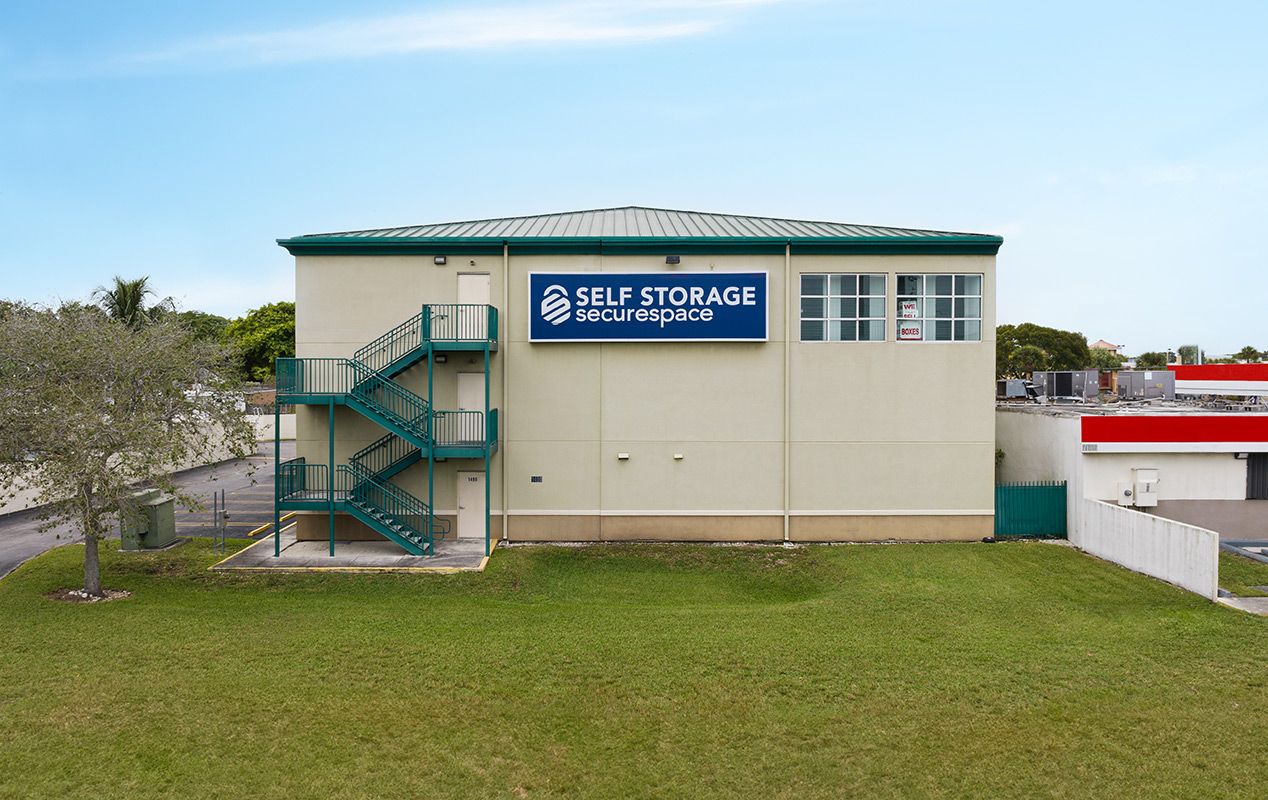
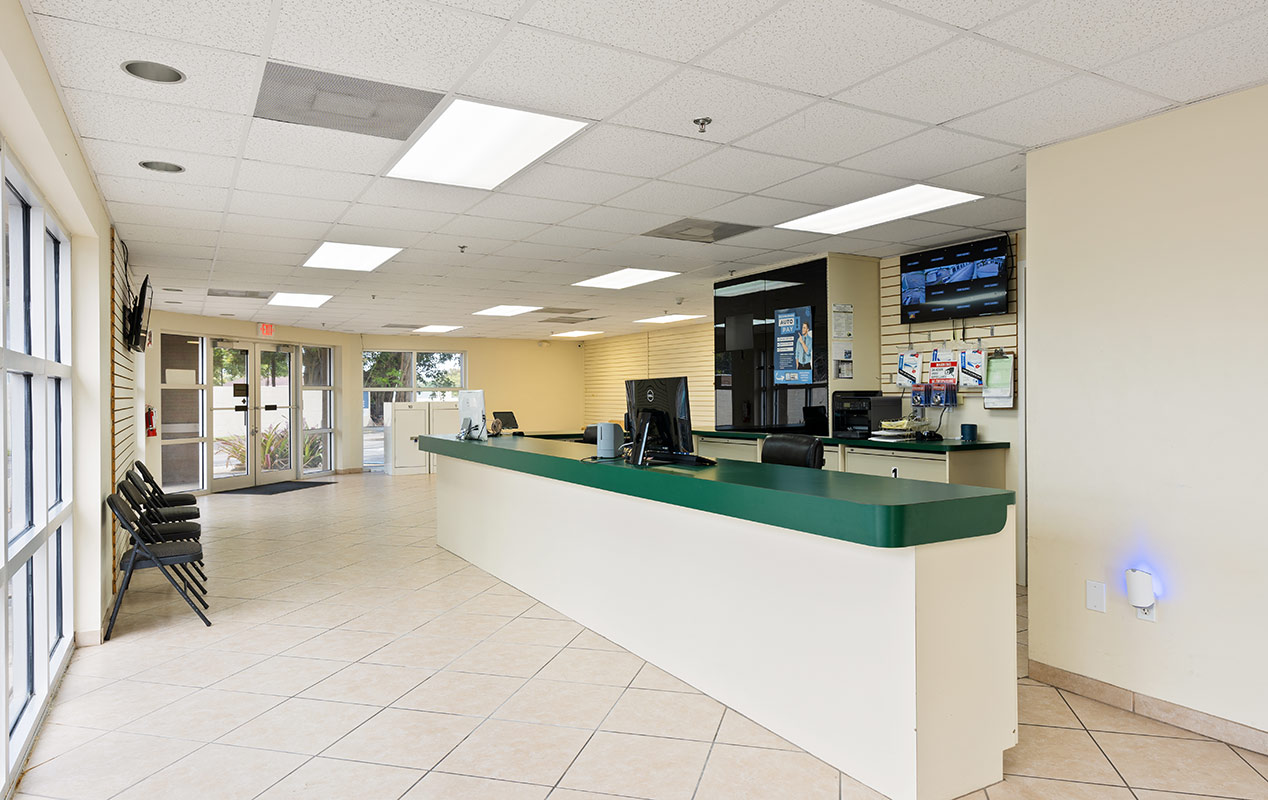
SecureSpace Self Storage Homestead is located at 1496 Old Dixie Hwy and offers several options for residents, service members, and local businesses.
Available features include:
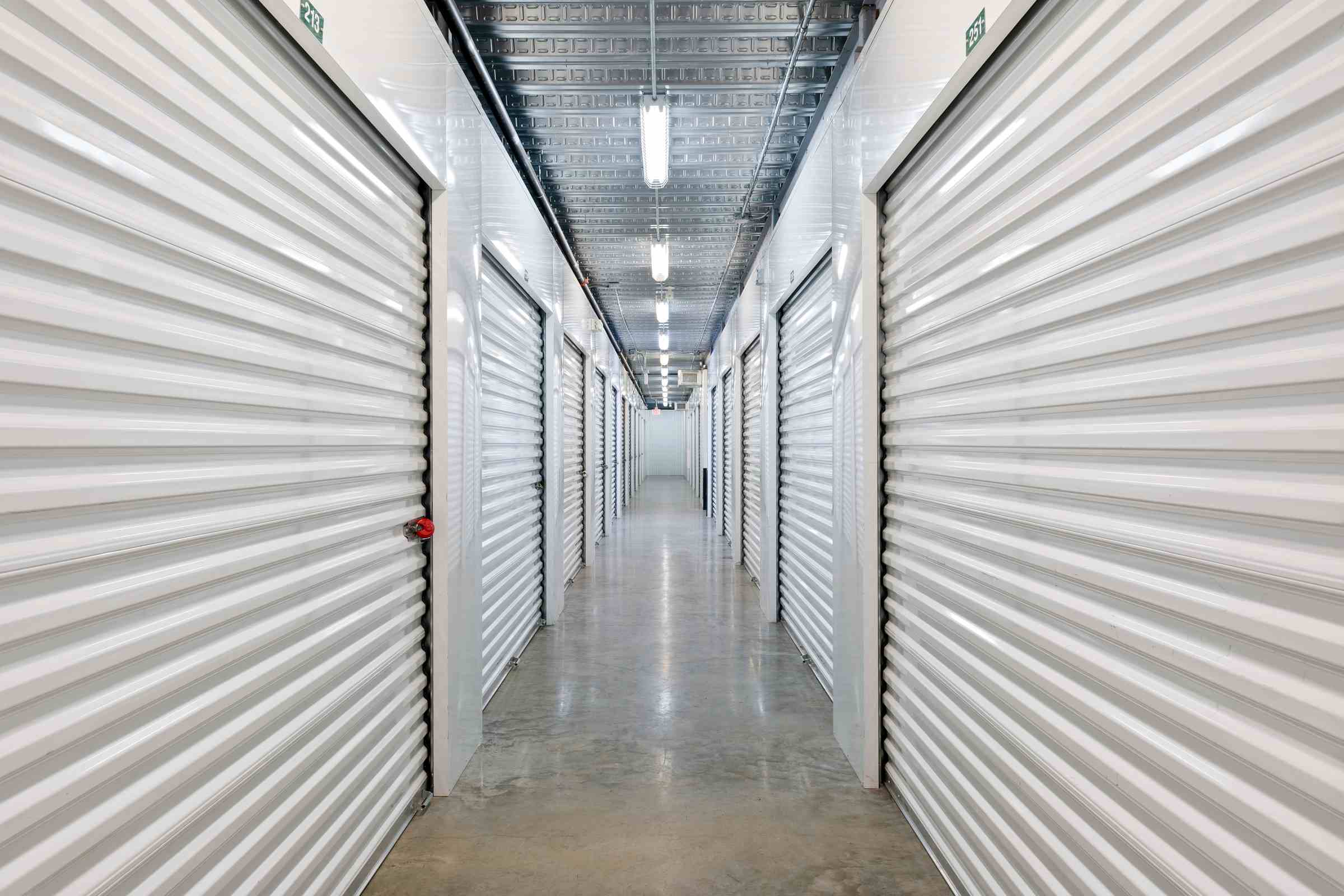
Climate-controlled storage
Drive-up units
Outdoor parking for eligible vehicles, boats, RVs, motorcycles, and trailers
Elevator access
Carts and dollies
Month-to-month leases
Online payments
Daily access from 6:00 AM to 9:00 PM
An access gate
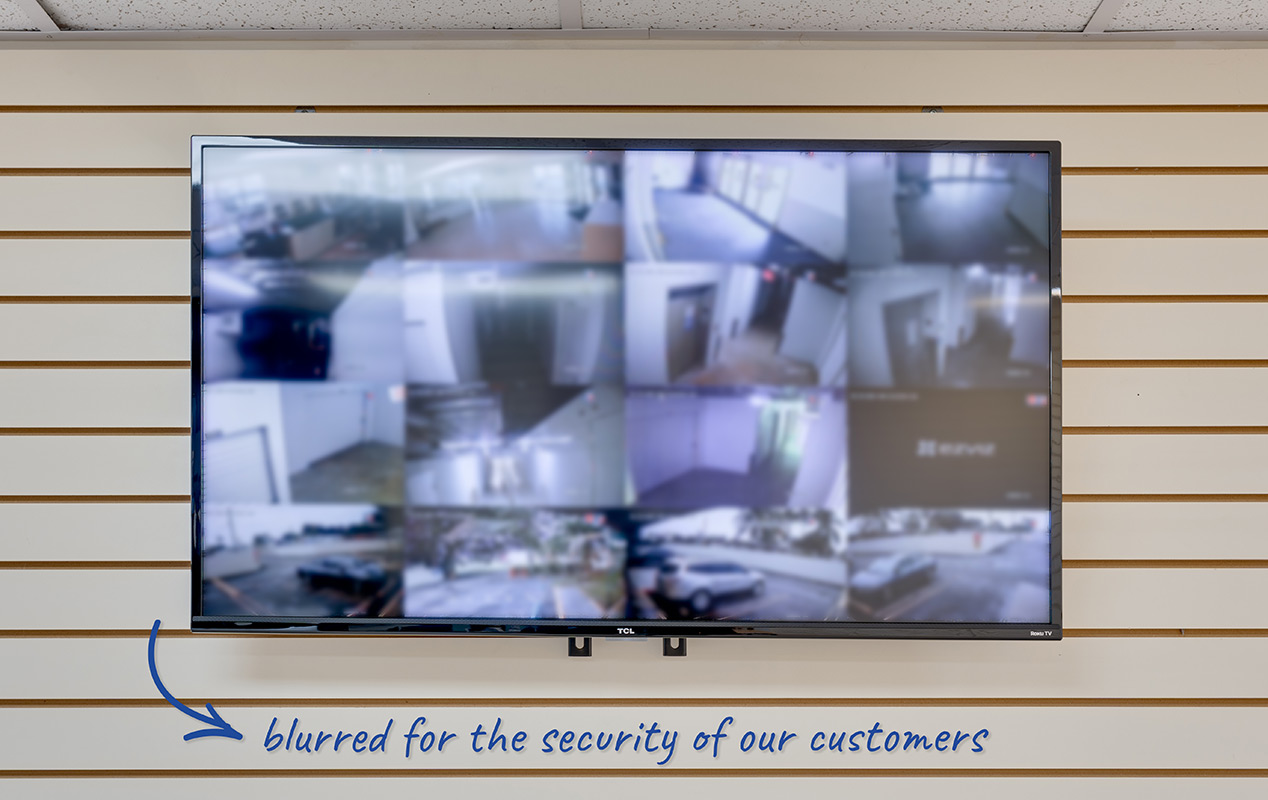
Digital video recording
Logged access
Climate-controlled units may help reduce exposure to outdoor temperature changes, but they should not be described as humidity-controlled or as guaranteed protection against environmental damage.
The facility does not offer covered parking or indoor vehicle storage. Vehicles cannot be stored inside drive-up units.
Online rental options are available, but move-in timing depends on unit availability, completion of the rental process, and the facility's access instructions.
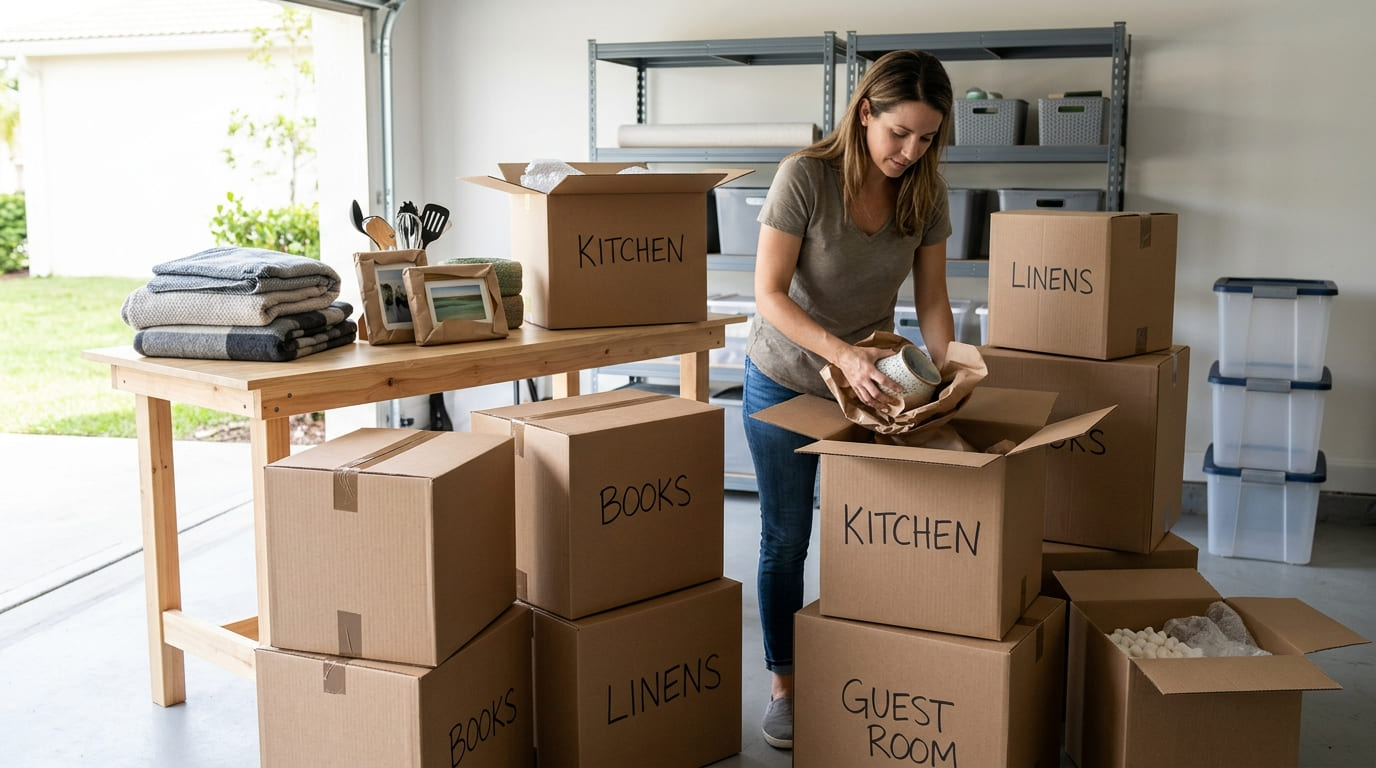
Portable containers generally should not be placed in public rights-of-way unless specifically authorized. City, county, and HOA requirements may also regulate where a container can sit on private property.
Review the rules that apply to the specific address before arranging delivery.
Keys Gate has community rules governing trailers and portable containers. Exact placement and time limits may depend on the subdivision and current association standards.
Review the latest governing documents or contact the association before delivery.
Possibly. Properties under Miami-Dade County jurisdiction may require a Certificate of Use, while addresses within the City of Homestead may be governed by separate municipal rules.
Confirm the property's jurisdiction and current requirements before ordering a container.
No. Cost depends on the rental period, storage size, transportation distance, delivery charges, and how often the container needs to move.
Self-storage may cost less when you transport your own belongings. A portable container may offer more convenience when loading at home is the priority.
Yes. Climate-controlled units are available and may help reduce exposure to outdoor temperature changes.
They do not guarantee humidity control or prevent mold, corrosion, water damage, or deterioration. Store belongings clean and dry and follow appropriate packing guidance.
Timing depends on current availability, completion of the rental process, and the facility's move-in instructions.
SecureSpace Self Storage Homestead offers online rentals and daily access from 6:00 AM to 9:00 PM, but same-day move-in should not be assumed.
The facility offers an access gate, digital video recording, and logged access.
Customers should also use a durable lock, maintain an inventory, and review applicable coverage requirements.
Portable containers can simplify loading because the container comes to your home. They may also involve delivery costs, transportation charges, local placement rules, and limits on how long they can remain on the property.
Traditional self-storage requires you to transport your belongings, but it may provide more flexible rental periods, climate-controlled options, and regular access without placing a container in your driveway.
Review current pricing, local rules, HOA requirements, and storage needs before deciding which option works best for your move or renovation.
Everything you need to store your belongings securely, on your schedule.
Visit us online