Last updated Aug 12, 2026
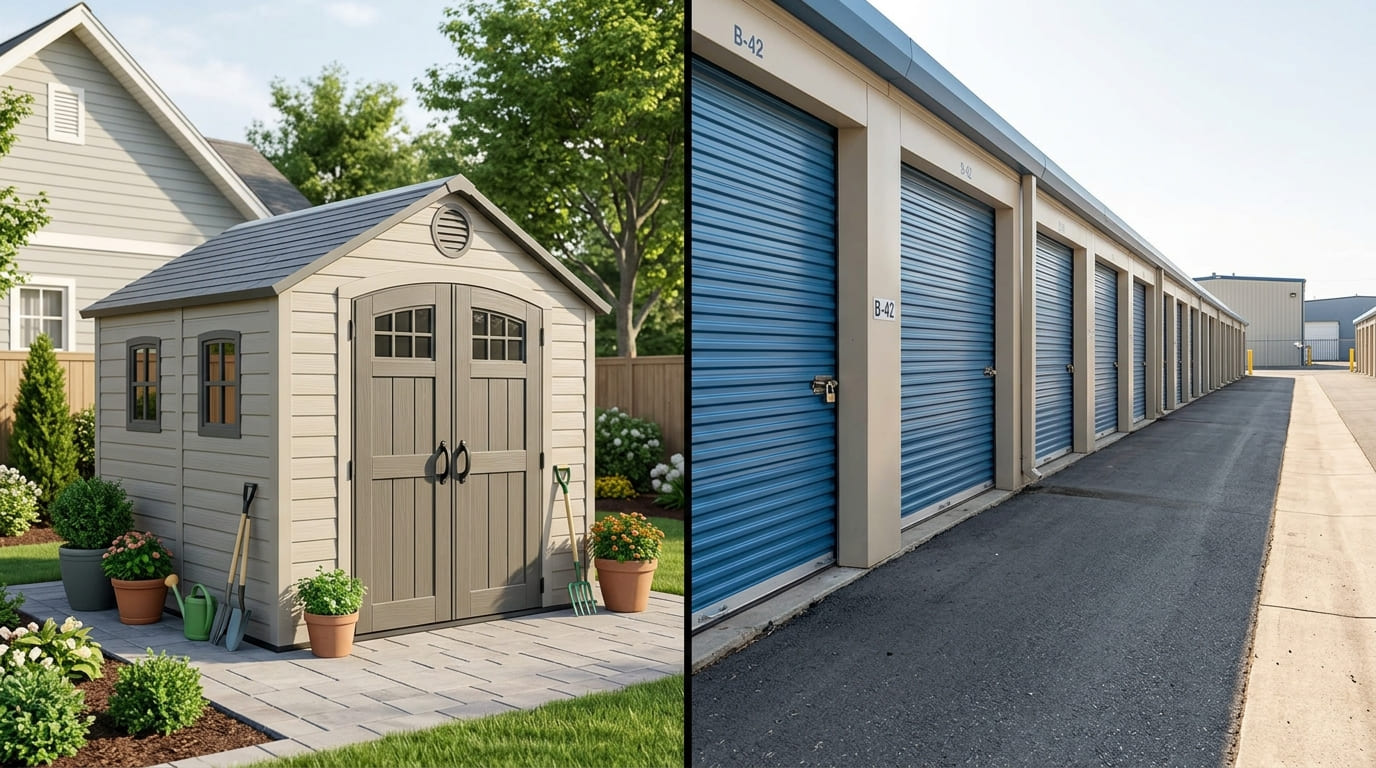
Running out of room at home often leads to one practical question: should you add a backyard shed or rent a storage unit?
Both options create extra space, but they involve different costs, responsibilities, and timelines. A shed provides permanent storage on your property, while self storage offers flexible space without construction, site preparation, or long-term maintenance.
For Federal Way homeowners, the right choice depends on what you're storing, how long you expect to need the space, and whether your property can accommodate an accessory structure.
The advertised price of a prefabricated shed is only one part of the total project. Before deciding whether a shed fits your budget, account for the structure, installation, site work, permits, and future upkeep.
Shed prices vary based on dimensions, materials, roofing, doors, windows, and whether the structure is delivered assembled or built on-site.
Additional expenses may include:
Site preparation: Leveling the ground or installing a gravel pad, concrete slab, or other suitable base.
Delivery: Transporting a prefabricated structure or building materials to the property.
Installation: Hiring professionals to assemble or construct the shed.
Exterior finishing: Painting, roofing, trim, or other work needed to match the home or satisfy neighborhood rules.
Drainage planning: Directing runoff away from the shed and nearby structures.
Electrical work: Adding permitted wiring or lighting when allowed.
Ongoing maintenance: Repairing roofing, siding, doors, seals, paint, and foundations over time.
These expenses make it difficult to establish one standard shed price. A small kit installed on a prepared site will cost less than a larger structure requiring grading, a foundation, professional labor, or utility work.
A shed has no monthly rent once it is paid for, but ownership still involves maintenance. Exposure to rain, wind, temperature changes, and pests can gradually affect the roof, siding, floor, doors, and foundation.
Homeowners should budget for periodic inspections and repairs rather than treating a shed as a one-time purchase with no future expenses.
Self storage generally involves a recurring monthly payment instead of a large construction expense. The rate depends on unit size, location, unit type, current availability, and any introductory promotion.
Other potential expenses can include:
Administrative charges: One-time fees associated with opening the rental account.
Insurance or coverage: Protection required under the rental agreement.
Lock purchase: A compatible lock for the unit door.
Moving supplies: Boxes, tape, protective covers, and other packing materials.
Transportation: The cost of moving belongings between the home and facility.
Future rate changes: Adjustments permitted under the rental agreement.
A storage unit does not require the renter to prepare a construction site, hire an installer, or maintain the building. However, monthly rent continues for as long as the unit is used.
The better financial choice depends on the expected storage period, the size of the space, and the full cost of constructing and maintaining a shed.
Permit requirements should be reviewed before purchasing materials or scheduling a shed delivery.
According to the City of Federal Way's Residential Permit Exemptions, a shed may qualify for a building-permit exemption when it is a detached, one-story accessory structure no larger than 200 square feet and contains no plumbing or electrical utilities.
That exemption does not mean every shed can be placed anywhere on a property. Zoning, setbacks, easements, drainage, critical areas, and separate electrical or plumbing requirements may still apply.
A project that appears simple may require additional review because of:
Setbacks: Minimum distances from property lines, streets, and other structures.
Easements: Areas reserved for utilities, access, or drainage.
Critical areas: Wetlands, streams, steep slopes, buffers, or other regulated land.
Utilities: Electrical, plumbing, or mechanical work that requires a separate permit.
Lot coverage: Limits on how much of the property may be occupied by structures.
Shed use: Different requirements may apply if the structure will be used for something other than ordinary storage.
Homeowners should confirm current requirements with the city before buying or installing a shed. Review times and fees depend on the project and should not be assumed in advance.
City approval and HOA approval are separate processes. A shed may satisfy municipal requirements but still conflict with private community rules.
The Washington Homeowners' Association Act (RCW 64.38) outlines powers available to qualifying homeowners' associations, but the restrictions affecting a particular shed come from that community's governing documents.
Before proceeding, review:
Architectural standards: Approved materials, colors, roof styles, and exterior finishes.
Placement rules: Required distance from homes, fences, streets, and neighboring properties.
Height and size limits: Restrictions that may be stricter than city requirements.
Application procedures: Drawings, photographs, site plans, fees, or written approval.
Enforcement provisions: Possible consequences for beginning work without authorization.
Homeowners should obtain any required written approval before ordering a shed or preparing the installation area.
Outdoor structures remain exposed to seasonal rain, wind, debris, and temperature changes. The effect on stored belongings depends heavily on the shed's construction, foundation, roofing, drainage, ventilation, and maintenance.
A well-built shed can be useful for garden tools, outdoor equipment, and other belongings suited to an exterior structure. A poorly maintained shed may develop roof leaks, damaged seals, floor problems, or pest entry points.
Regular maintenance should include:
Roof inspections: Check shingles, flashing, seams, and fasteners for damage.
Drainage checks: Keep water from pooling around the foundation.
Door and window seals: Repair gaps that allow rain or pests to enter.
Exterior upkeep: Repaint or reseal wood surfaces when needed.
Floor inspection: Look for shifting, soft spots, or signs of water intrusion.
Pest checks: Inspect corners, walls, and stored containers periodically.
Item preparation: Store belongings clean and dry in suitable containers.
Neither a shed nor a storage unit can guarantee that belongings will remain free from damage. Packing, maintenance, and periodic inspections remain important with either option.
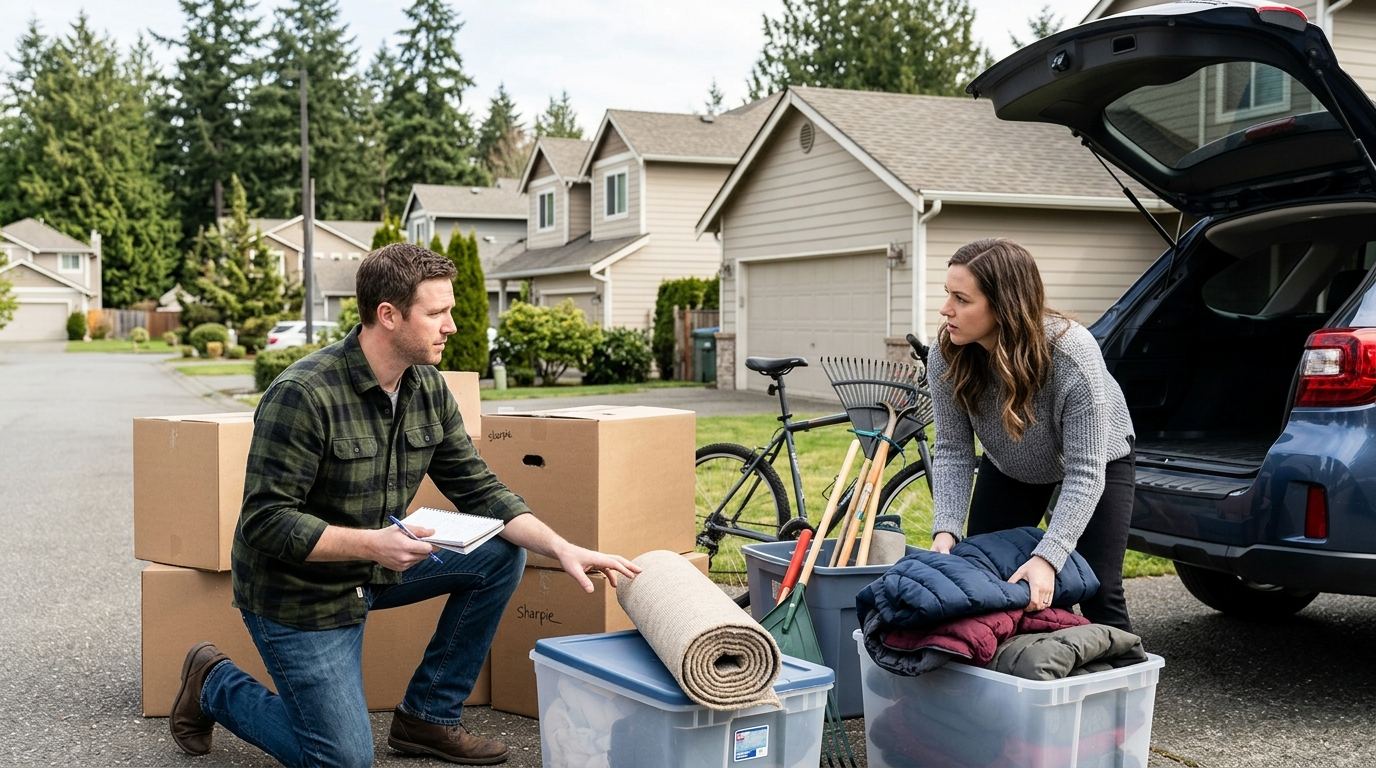
The answer depends on how you plan to use the space.
A shed may be practical when you need permanent, on-property storage and have enough yard space to meet city and neighborhood requirements.
It may work well for garden tools, outdoor furniture, lawn equipment, and other belongings suitable for an exterior structure. A shed may also appeal to homeowners prepared to handle construction planning and long-term maintenance.
A storage unit may be useful when you:
Need temporary flexibility: Your storage needs are connected to a move, renovation, downsizing project, or life transition.
Do not want construction: You prefer to avoid site preparation, installation, permits, and HOA applications.
Need more size options: Your belongings require more room than the property can comfortably accommodate.
Want to preserve yard space: You do not want a permanent structure occupying part of the lot.
Expect your needs to change: A different unit size may be available later, subject to current inventory.
Prefer less maintenance: You do not want responsibility for repairing another structure.
Self storage is not automatically cheaper for every timeline. Homeowners should evaluate the total shed project cost against the expected rental period and monthly storage expenses.
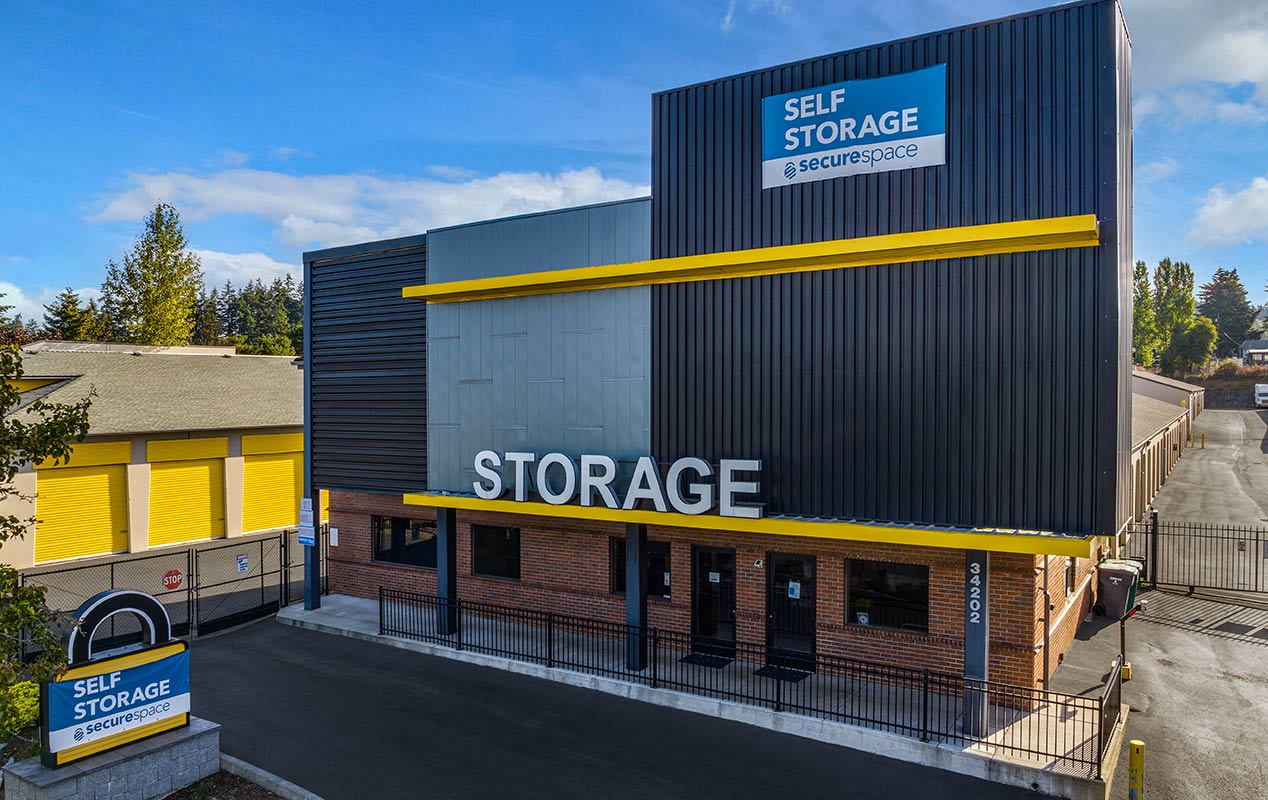
SecureSpace Self Storage Federal Way is located at 34202 16th Ave S and offers standard self-storage units with month-to-month leases.
Primary unit sizes include:
5x5: A compact option for boxes, seasonal belongings, and small household items.
5x15: A longer layout that may accommodate furniture, shelving, and packed containers.
10x10: Useful for a larger collection of boxes, furniture, and household belongings.
10x15: Provides additional room for appliances, furniture, and larger moves.
10x20: May suit substantial household contents or permitted business equipment.
10x25: Offers more room for extensive furniture and storage needs.
10x30: The largest primary size for major moves or larger household inventories.
Actual fit depends on item dimensions, packing arrangement, shelving, and aisle space.
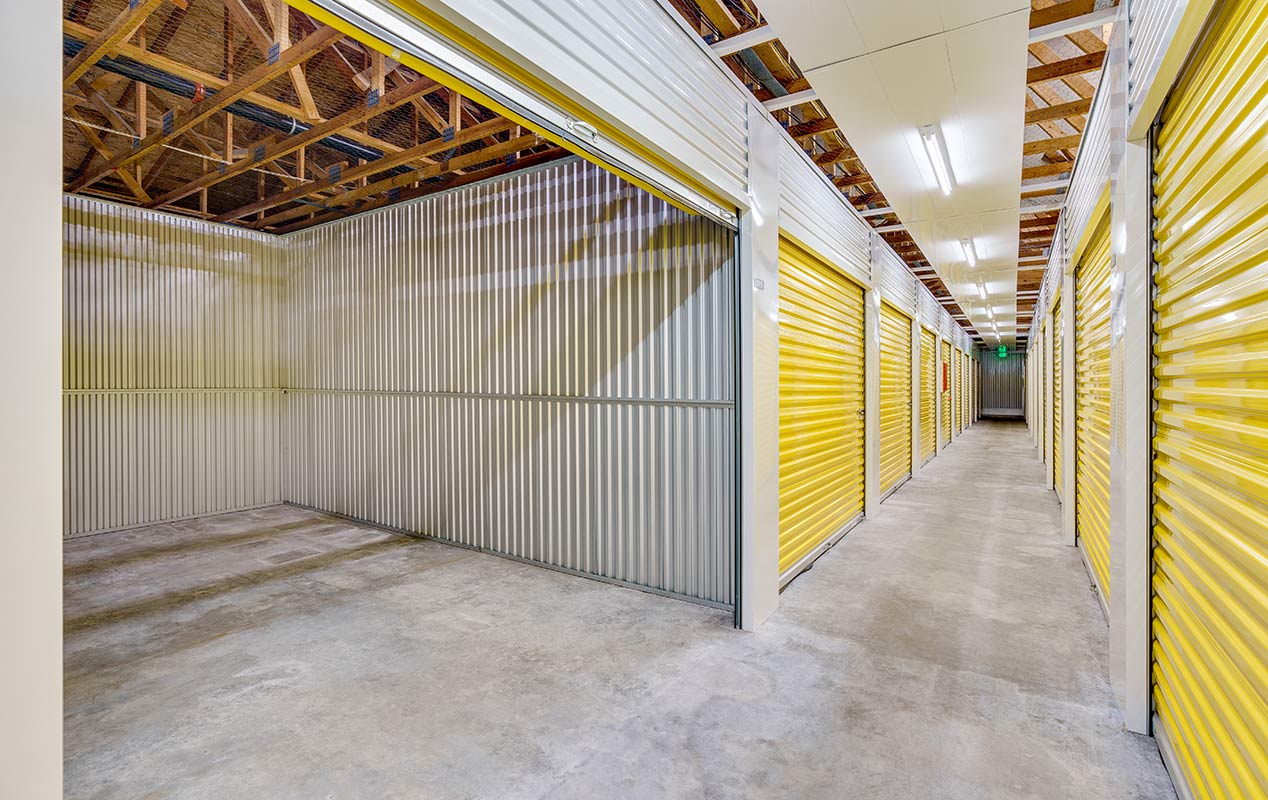
Selected units offer drive-up access, allowing customers to bring a vehicle near the unit entrance while loading or unloading.
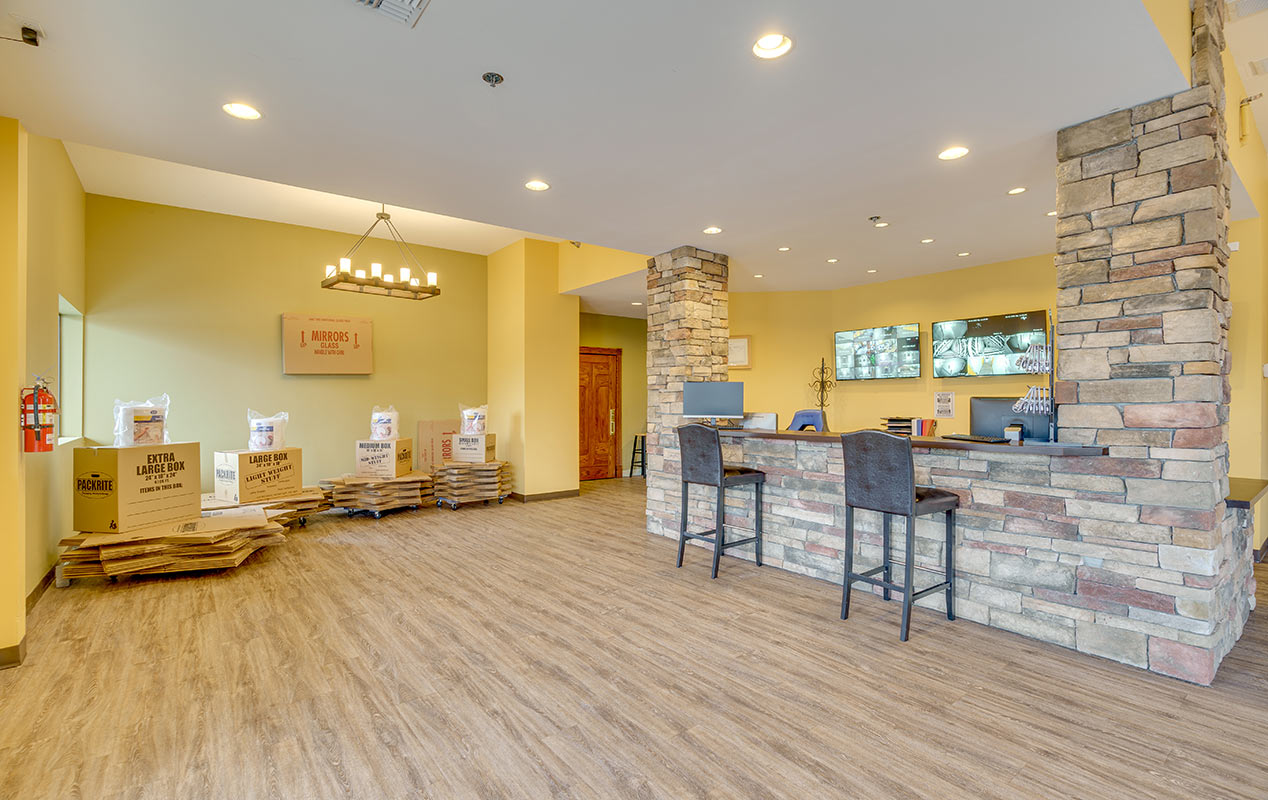
Gate access is available daily from 6:00 a.m. to 9:00 p.m. The facility also offers online payments, ACH and credit card payment plans, and basic moving supplies for purchase in the leasing office.
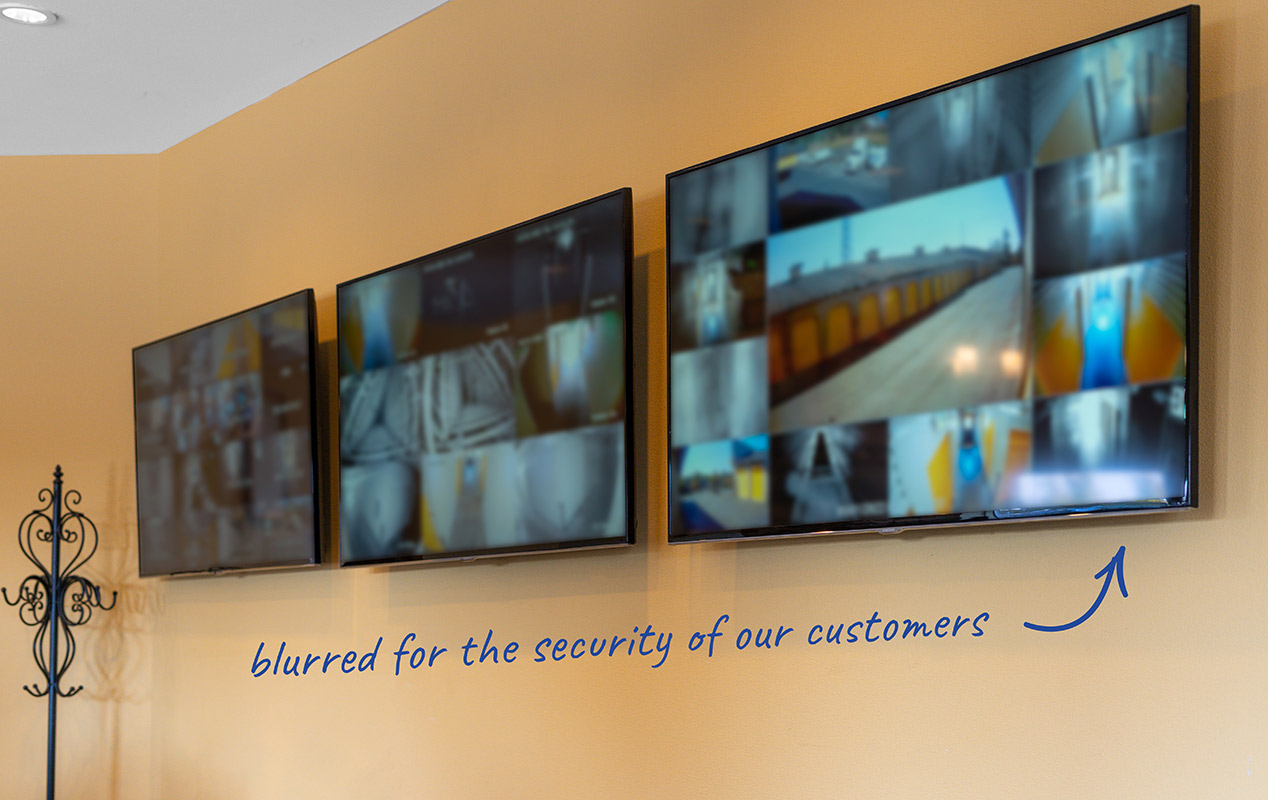
Security features include an access gate, digital video recording, and overnight surveillance. Customers should still use a suitable lock, maintain an inventory, and review applicable coverage requirements.
The facility does not offer climate-controlled or heated storage. Belongings should be stored clean and dry in containers appropriate for standard self storage.
Some detached, one-story storage structures no larger than 200 square feet may qualify for a building-permit exemption when they contain no plumbing or electrical utilities. Zoning, setbacks, critical areas, easements, HOA rules, and separate trade permits may still apply.
Confirm current requirements with the City of Federal Way before purchasing or installing a shed.
It depends on the project cost and how long you need storage. A shed involves a larger initial expense and ongoing maintenance, while self storage involves recurring rent without construction costs.
Estimate the complete shed expense, including site preparation and installation, then weigh it against the expected rental period.
Yes. An HOA may enforce shed restrictions contained in its governing documents. These may address size, placement, design, materials, colors, and application procedures.
Review your community documents and obtain any required written approval before beginning work.
Sheds are often used for garden tools, lawn equipment, outdoor furniture, and other belongings suited to an exterior structure. The shed should be properly built and maintained, and items should be packed for the conditions inside it.
No. The facility offers standard, non-climate-controlled storage only.
Rental timing depends on current inventory, account requirements, identification, and completion of the rental process. Avoid scheduling movers until the unit and move-in details are finalized.
Primary sizes include 5x5, 5x15, 10x10, 10x15, 10x20, 10x25, and 10x30. Availability can change.
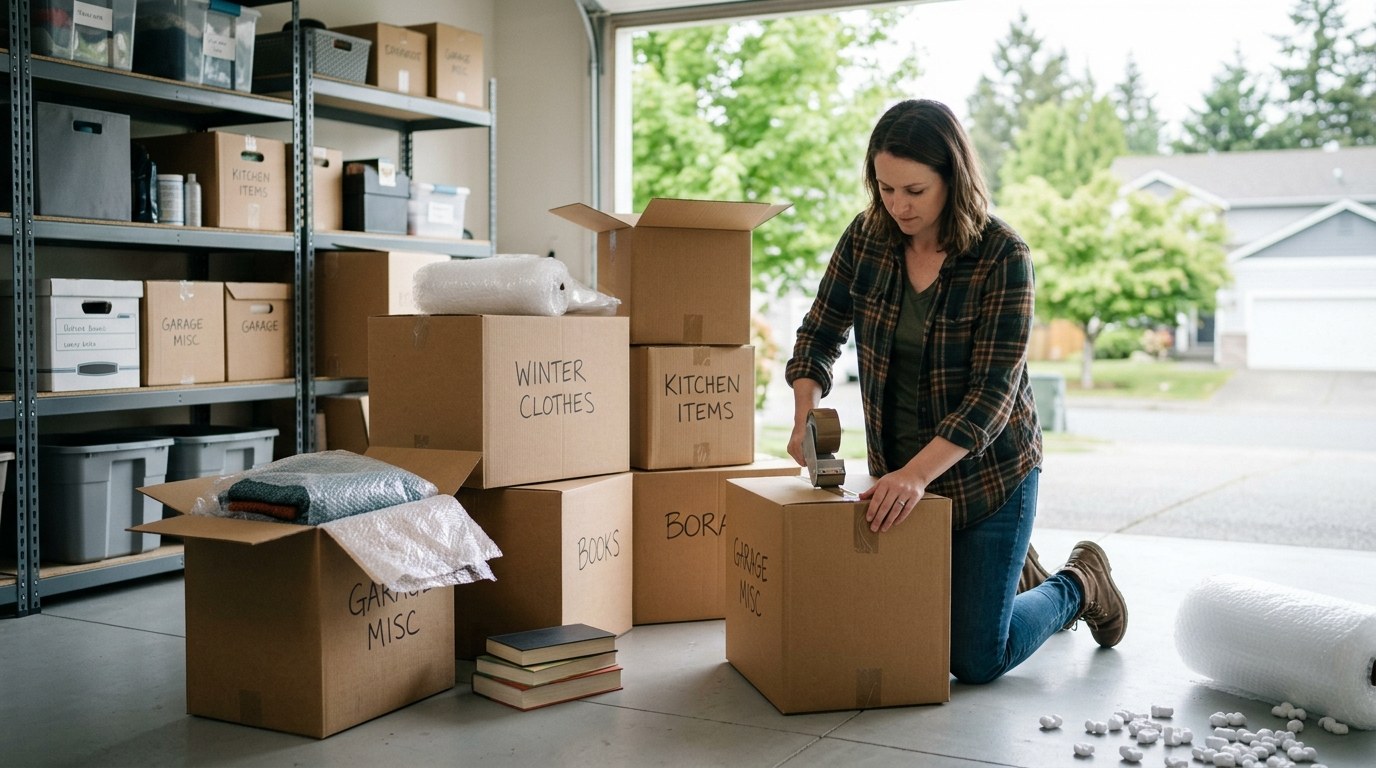
A backyard shed can provide convenient, permanent storage when the property, budget, and local requirements support the project. A self-storage unit offers a flexible alternative without adding a new structure to your yard.
Before deciding, calculate the full shed cost, review city and HOA requirements, estimate how long you need extra space, and measure the belongings you plan to store.
View available units and current move-in specials at SecureSpace Federal Way →
Everything you need to store your belongings securely, on your schedule.
Visit us online