Last updated Aug 12, 2026
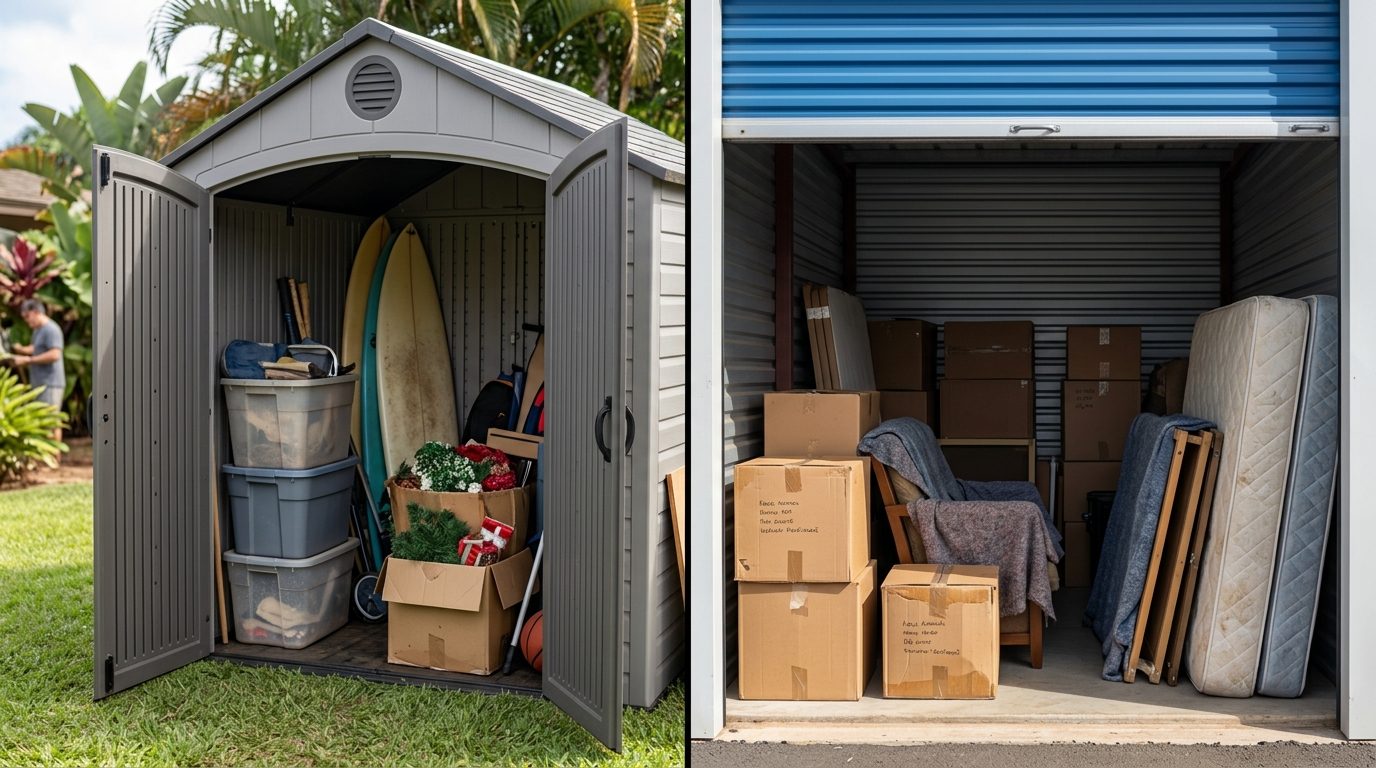
Running out of space at home is frustrating. Boxes pile up in the garage, surfboards lean against the wall, and seasonal gear takes over areas meant for everyday living. A backyard shed may seem like the obvious fix, but Mililani homeowners may need to consider association rules, county requirements, installation costs, yard space, and Hawaii's climate before moving forward.
This guide explains what may be involved in adding a shed in Mililani and how that option compares with renting a nearby self-storage unit. The better choice depends on your property, budget, timeline, and how long you expect to need the extra space.
Mililani is one of Oahu's best-known master-planned communities. Homes that fall under Mililani Town Association rules may be subject to covenants, conditions, and restrictions governing exterior property changes.
That means a homeowner should not assume a prefabricated shed can simply be placed in the backyard. Association approval may be required depending on the property, visibility, shed design, and governing documents.
Residents of Mililani Mauka, Mililani Town, Launani Valley, and nearby communities should review the rules that apply specifically to their property before purchasing materials or scheduling installation.
Shed costs vary widely based on size, material, installation method, site preparation, and customization.
A basic prefabricated shed may cost several thousand dollars, while a locally built or custom structure can cost considerably more. Additional expenses may include:
Site Preparation: Grading, foundation work, or removal of existing landscaping
Delivery and Installation: Transportation and assembly charges
Design Adjustments: Exterior materials or colors needed to satisfy association requirements
Permit or Review Costs: Fees that may apply depending on the project
Ongoing Maintenance: Repairs, painting, pest treatment, or weather-related upkeep
Self-storage involves recurring rent rather than a large construction expense. Rates vary by unit size, unit type, availability, current promotions, and move-in requirements, so homeowners should compare the total cost over the period they expect to need storage.
A shed may make sense for someone who owns the property, has enough yard space, receives the necessary approvals, and expects to use it for many years. Storage may be more practical for temporary needs or when a homeowner wants to avoid construction and permanent yard changes.
Homeowners subject to Mililani Town Association rules may need Design Committee approval before installing an accessory structure.
Depending on the project, an application may require:
Plot Plan: The location of the proposed shed in relation to the home and property lines
Building Details: Dimensions, elevations, roof design, and exterior appearance
Materials Information: Roofing, siding, finishes, and paint colors
Supporting Documents: Product information, photographs, or other specifications requested during review
The review may take up to 30 days and may result in requests for revisions. Homeowners should wait for written approval before purchasing a custom structure or beginning installation.
Beyond the Design Committee, homeowners must also consider applicable setback requirements. Rules may limit how close an accessory structure can sit to side, rear, or front property lines.
Those requirements can be especially important for smaller lots and townhome communities such as The Ridge and Terraces at Launani Valley, where available exterior space and governing rules may make shed installation impractical. Residents should verify their parcel boundaries and association requirements rather than assuming a shed will fit.
Association approval and county permitting are separate considerations. Receiving approval from an association does not automatically satisfy city requirements, and a county permit exemption does not override private covenants.
The City and County of Honolulu Department of Planning and Permitting (DPP) provides information about when building permits are required.
Under the Revised Ordinances of Honolulu Chapter 18, certain one-story detached accessory structures of limited size may qualify for a building-permit exemption. Eligibility depends on the structure and how it will be used.
Even when a building permit is not required:
Zoning and setback rules may still apply.
Electrical or plumbing work may require separate permits.
Drainage and property-line restrictions still matter.
Association or sub-association approval may still be required.
Projects that do not qualify for an exemption may require plans, fees, and additional review. Homeowners should confirm current requirements with DPP before ordering or installing a shed.
Outdoor sheds are exposed to heat, moisture, rain, pests, and changing environmental conditions. The actual conditions inside a shed depend on its materials, ventilation, location, maintenance, and exposure to sun and weather.
Belongings placed in a shed should be prepared carefully:
Clean and fully dry furniture, textiles, tools, and sporting equipment.
Use sturdy, sealed containers when appropriate.
Keep boxes and furniture off the floor.
Avoid tightly wrapping wood furniture in plastic.
Remove batteries from electronics and tools when practical.
Inspect the shed periodically for leaks, pests, or condensation.
Climate-controlled self-storage may help reduce exposure to temperature fluctuations compared with an outdoor shed. It should not be described as humidity-controlled unless that feature is specifically offered, and it does not guarantee protection from mold, rust, pests, moisture, or other damage.
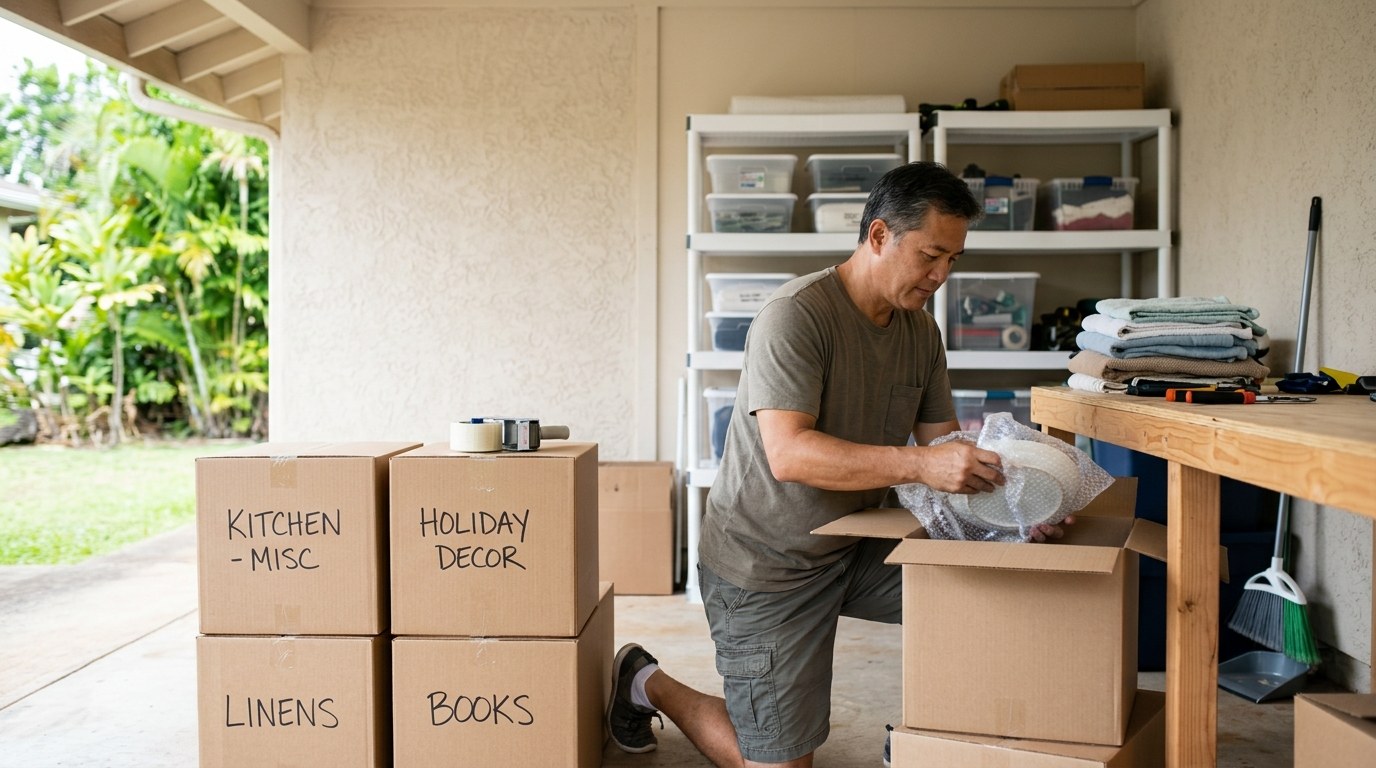
Neither option is automatically better for every homeowner. A shed provides on-site convenience, while self-storage avoids construction and preserves yard space.
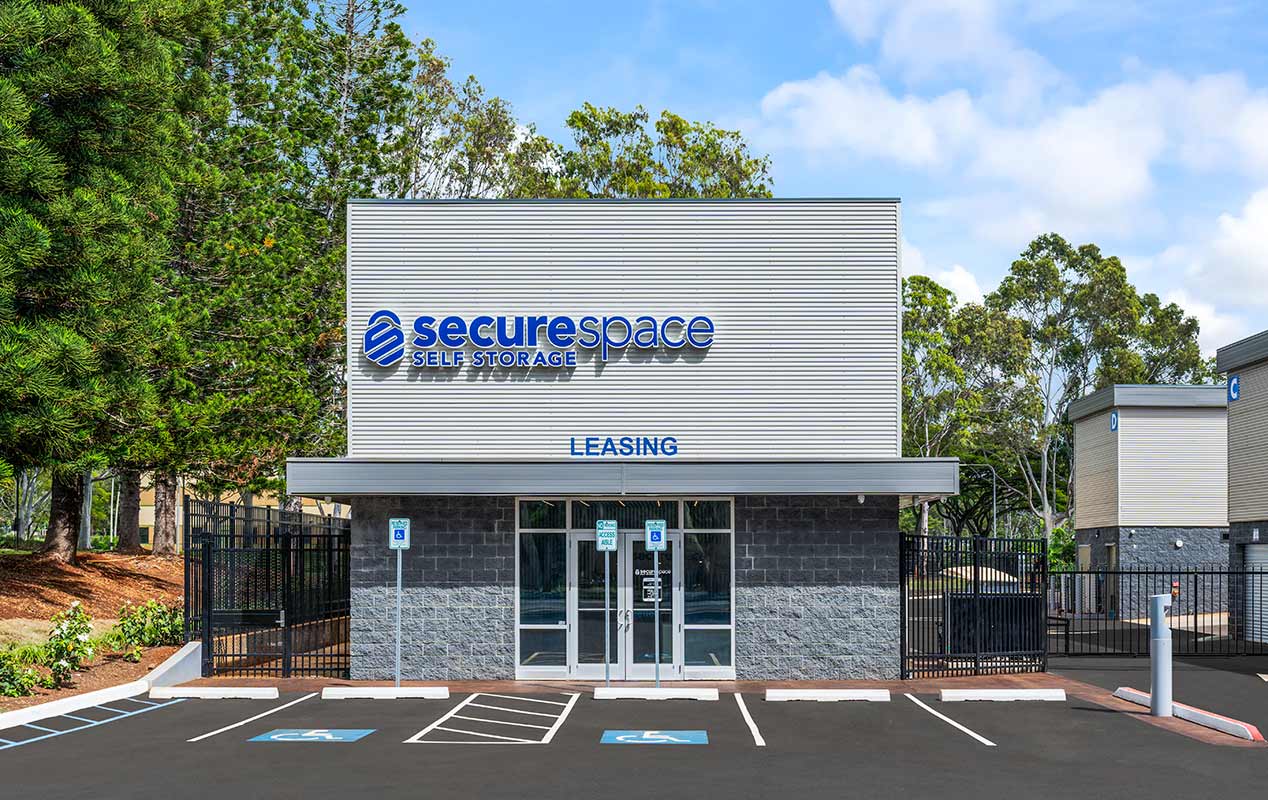
SecureSpace Self Storage Mililani is located at 95-1 Wikao St and offers several unit sizes for household belongings, outdoor equipment, furniture, and seasonal items.
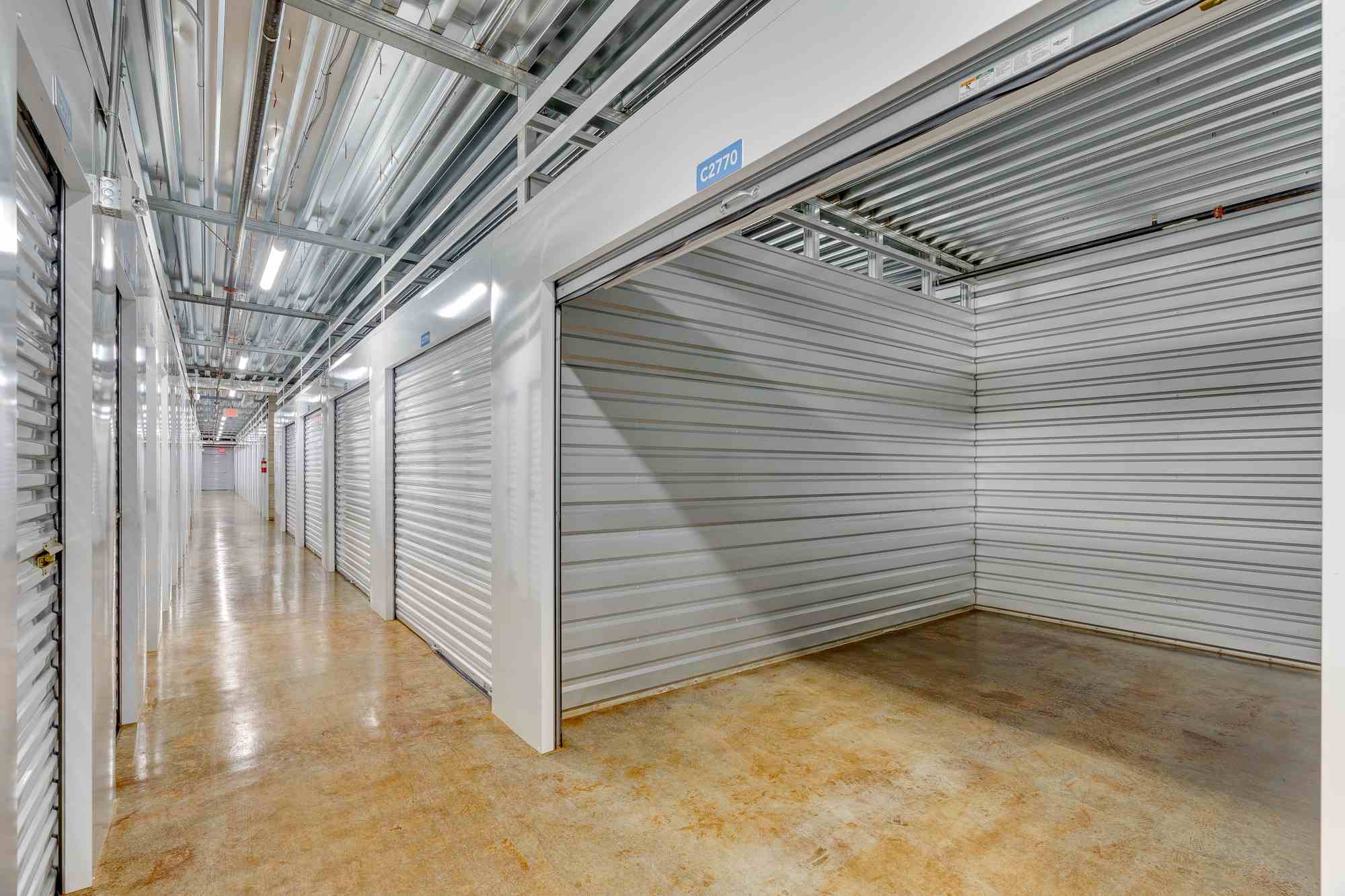
Daily gate access runs from 6:00 AM to 10:00 PM. Climate-controlled storage is available for customers who want to reduce exposure to temperature changes, and drive-up units may make loading larger items more convenient.
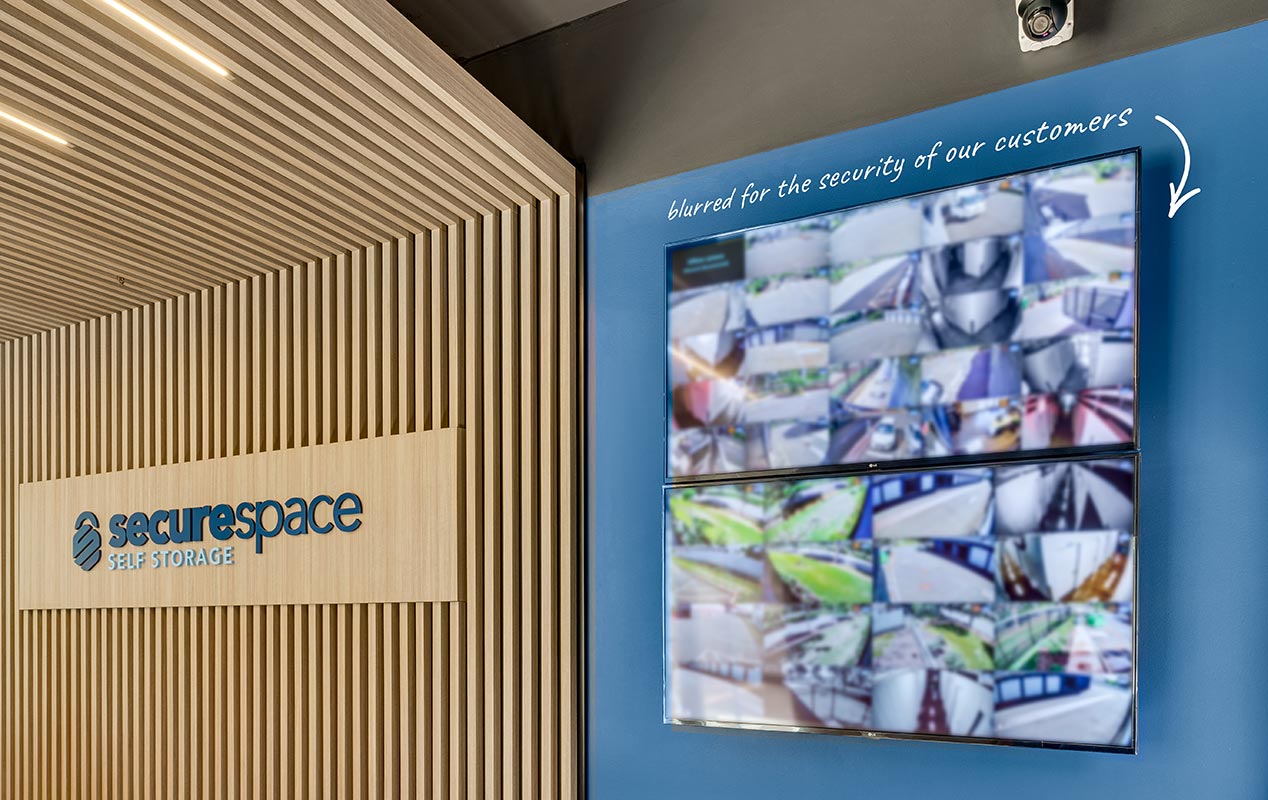
The facility's security features include:
An access gate
Digital video recording
Logged access
Overnight surveillance
Turing-enabled monitoring
These features do not guarantee against theft or damage. Customers should use a suitable lock, keep an inventory of stored belongings, and review applicable coverage requirements.
Month-to-month leases may be useful during a renovation, military move, downsizing project, or temporary effort to reclaim garage space. Customers who later need a different size should check current availability and transfer terms rather than assuming a larger or smaller unit will always be open.
A backyard shed may be worth considering when:
You own the property and expect to need storage for many years.
Your lot has enough space after setbacks are considered.
Your association approves the design.
The shed qualifies under current county requirements.
You are prepared to maintain the structure.
Self-storage may be a better fit when:
Your need is temporary or uncertain.
You do not want to permanently reduce yard space.
Association approval or site preparation would be difficult.
You want access to climate-controlled unit options.
You prefer month-to-month rental terms.
Before deciding, estimate the full shed cost and compare it with storage rent over the expected length of use.
It depends on the shed's size, design, utilities, location, and use. Some small, one-story detached accessory structures may qualify for a Honolulu building-permit exemption, but zoning, setback, electrical, plumbing, and association requirements can still apply.
Homeowners should review current DPP guidance and the governing documents for their property before beginning construction.
It depends on the type of shed and how long storage will be needed. A basic prefabricated shed may cost less than a custom structure, while installation, site preparation, association requirements, and maintenance can increase the total.
Self-storage avoids a large construction expense but creates a recurring monthly cost. Compare the full shed project cost with the total rent expected over your planned storage period.
Climate-controlled storage may help reduce exposure to temperature fluctuations compared with an outdoor shed.
Customers should still store belongings clean and dry, use suitable containers, and inspect items periodically. Climate control does not guarantee protection from moisture, mold, rust, warping, pests, or other damage.
Setback requirements depend on the property, zoning designation, association rules, and shed design. Some MTA guidance may restrict structures near side, rear, or front property lines.
Homeowners should confirm the rules for their exact property rather than relying on a general setback summary.
SecureSpace offers online rental and touchless move-in. The time needed to complete a rental and obtain access can depend on unit availability, account requirements, payment processing, and the selected move-in date.
Review the current rental instructions before planning to move belongings into the facility.
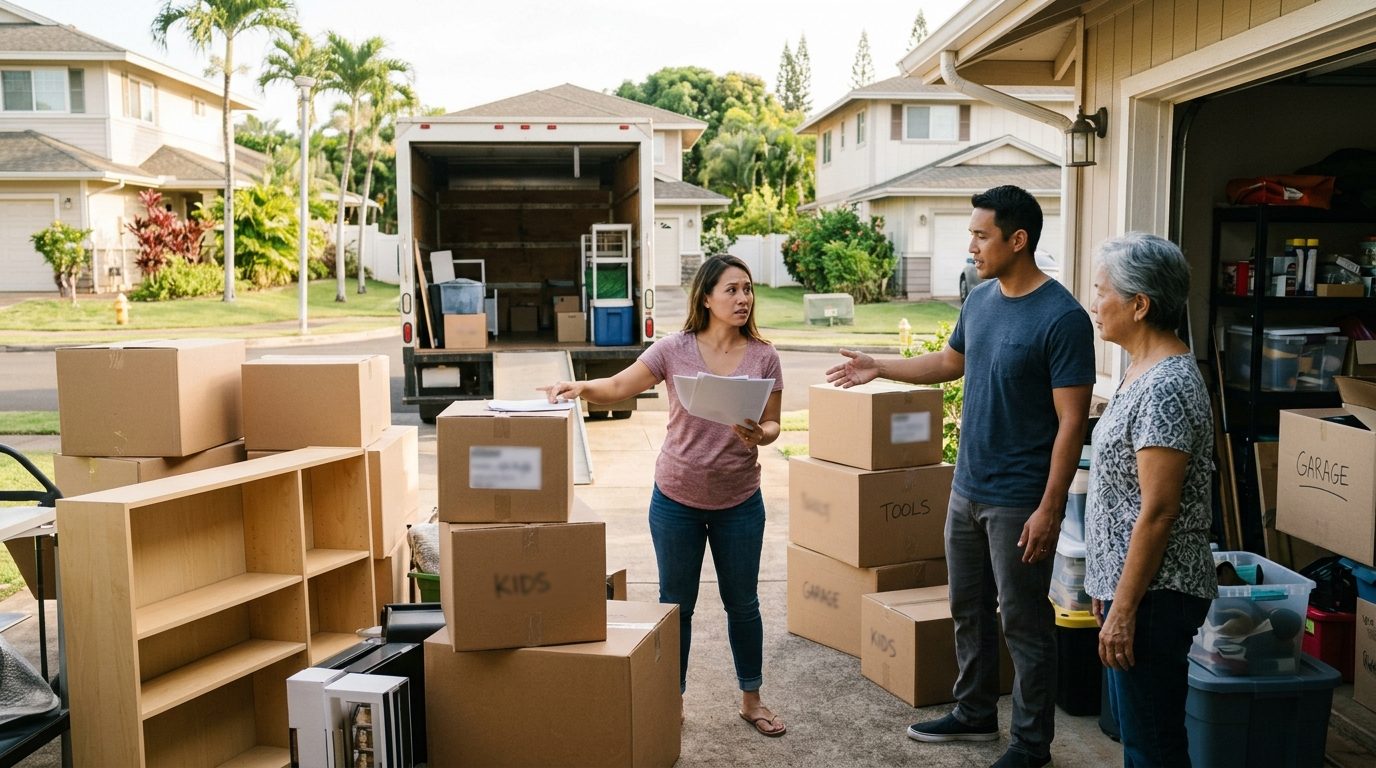
A shed can provide convenient storage at home, but it may require association approval, county review, site preparation, construction expenses, and ongoing maintenance. A self-storage unit avoids permanent changes to the property and offers month-to-month flexibility, but it comes with recurring rent and scheduled access hours.
Before making a decision, review the rules for your property, estimate the total cost of each option, and consider how long you expect to need the space. Homeowners looking for an alternative to backyard construction can review current availability for self storage in Mililani, HI at SecureSpace.
Everything you need to store your belongings securely, on your schedule.
Visit us online