Last updated Aug 12, 2026
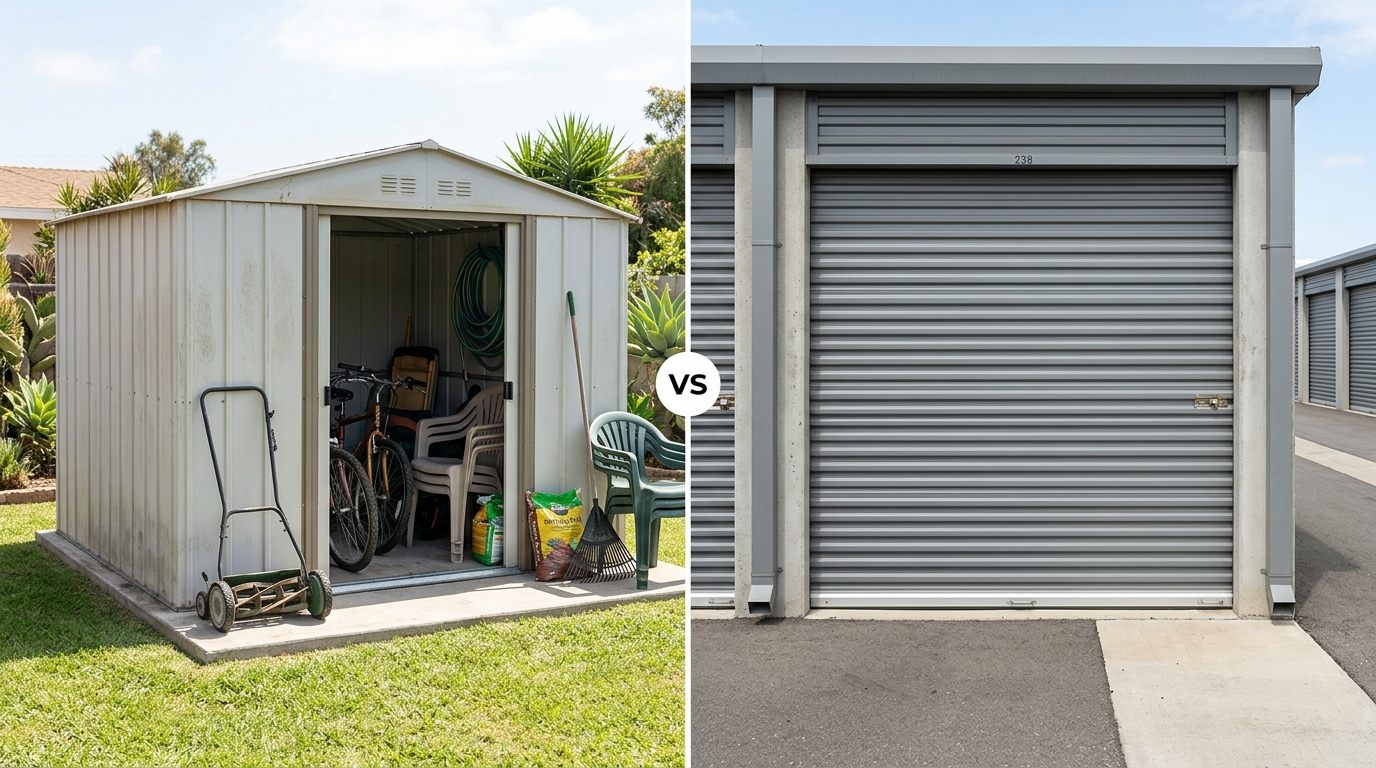
When storage space runs short, San Diego homeowners often consider two options: adding a backyard shed or renting a self-storage unit. Both can create room for boxes, seasonal belongings, tools, furniture, and other permitted household items, but they solve the problem in different ways.
A shed provides storage directly on the property and may suit homeowners with adequate yard space and long-term needs. A storage unit avoids construction and can offer greater flexibility when the amount of space needed may change.
The better choice depends on local permitting requirements, HOA rules, available yard space, expected storage duration, budget, convenience, and the types of belongings being stored.
A prefabricated shed may appear to be a straightforward home project, but local building, zoning, utility, and property rules can affect where and how it may be installed.
Some small, detached structures may be exempt from a building permit, but that does not necessarily mean they are exempt from every planning, zoning, fire, electrical, plumbing, or mechanical requirement.
General California building code guidelines indicate that permits are typically required when a shed includes plumbing, mechanical systems, or HVAC. Electrical work may also require separate review or permits, depending on the project and jurisdiction.
The structure's size, height, foundation, intended use, utility connections, and location on the lot may all affect the approval process.
Before purchasing a shed, confirm the current requirements with the city or county department that has authority over the property.
A shed cannot always be placed wherever open yard space happens to be available.
Setback requirements may address the distance between the shed and the primary residence, neighboring property lines, easements, streets, slopes, fire-hazard areas, or other structures.
San Diego County guidance for accessory structures on corner lots states that detached accessory structures maintain a minimum of four feet between eaves and six feet between building walls. That document applies to a specific corner-lot context and should not be treated as a universal setback rule for every San Diego property.
City properties, unincorporated county properties, coastal areas, and planned developments may follow different requirements. A site-specific review is important before construction begins.
A shed that does not require a full building permit may still need to comply with zoning, placement, height, lot-coverage, foundation, and utility rules.
Golden State Buildings provides a general overview of how California shed requirements vary by county and project type. Local government guidance should remain the controlling source for a specific property.
Permit processing, site-plan preparation, inspections, revisions, and contractor scheduling can also affect the project timeline.
Homeowners in HOA-managed communities may need approval in addition to any government permits.
An architectural review committee may regulate:
Shed dimensions and height
Roof style and materials
Exterior colors and siding
Placement within the yard
Visibility from streets or neighboring properties
Landscaping or screening
Foundation type
Drainage and maintenance responsibilities
Some communities may prohibit sheds entirely or limit them to certain areas of the property.
Review the current Covenants, Conditions, and Restrictions and obtain required approvals before ordering materials or beginning site preparation. Municipal approval does not replace HOA approval, and HOA approval does not replace government permits.
A shed is exposed to sunlight, temperature changes, moisture, wind, dust, pests, and normal material deterioration.
The effects depend on the shed's construction, location, ventilation, foundation, maintenance, and distance from the coast.
Wood may require periodic inspection, sealing, painting, and repair. Poor drainage, damaged roofing, or prolonged moisture exposure can contribute to deterioration.
A raised and properly prepared foundation may help separate the structure from soil moisture, but it does not eliminate the need for maintenance.
Metal sheds can provide durable storage when installed and maintained correctly. Scratches, failed coatings, condensation, or exposure to moisture may contribute to corrosion over time.
Ventilation and proper site drainage remain important.
Resin and vinyl structures generally require less painting or sealing than wood. They can still be affected by prolonged sunlight, heat, wind, installation quality, and foundation movement.
Follow the manufacturer's placement, anchoring, ventilation, and maintenance guidance.
A backyard shed does not ordinarily provide temperature-controlled conditions. Interior temperatures may change significantly with the weather.
Belongings should be clean, dry, packed appropriately, and suitable for an outdoor accessory structure. Avoid storing prohibited, irreplaceable, or highly sensitive property in an environment that does not meet its storage requirements.
The total cost extends beyond the advertised price of the shed.
Potential expenses include:
The shed or building materials
Delivery and installation
Site preparation
Grading or drainage work
A gravel, wood, or concrete foundation
Permit and planning fees
Electrical or other utility work
HOA application requirements
Anchoring and weatherproofing
Shelving and interior organization
Ongoing maintenance and repairs
A do-it-yourself build may reduce labor costs but requires suitable tools, time, construction knowledge, and compliance with the same property rules.
Custom materials or HOA design requirements may also increase the cost.
Obtain project-specific quotes instead of relying on a statewide or regional average.
Self-storage pricing depends on the location, unit size, floor, access type, climate-control availability, current inventory, and promotional terms.
Before renting, review:
The ongoing monthly rate
Introductory pricing conditions
Administrative charges
Coverage requirements
Billing dates
Rate-adjustment terms
Access hours
Notice requirements
Move-out procedures
A storage unit generally requires less upfront spending than building a permanent structure, but the monthly cost continues for as long as the unit is rented.
Month-to-month leases are available at SecureSpace's San Diego locations. Billing and move-out terms still apply.
Neither option is automatically less expensive.
A shed may make financial sense when the homeowner expects to use it for many years, has suitable yard space, and can complete the project without extensive site work or custom construction.
A storage unit may be more practical when the need is temporary, the homeowner wants to avoid construction, or the amount of required space may change.
Consider the complete cost of each option rather than comparing only a shed's purchase price with one month of storage rent.
A shed involves an upfront investment and potential future expenses for maintenance, repairs, roofing, paint, pest treatment, drainage, or removal.
It also permanently occupies part of the property.
A storage unit involves recurring rent and possible future rate changes. Transportation time and retrieval frequency should also be considered.
The renter does not have to construct, repair, or maintain the storage building.
A shed may work well when:
The homeowner has sufficient yard space.
Local and HOA rules permit the structure.
The belongings are suitable for outdoor storage conditions.
Frequent access from home is important.
The same amount of storage is expected to be needed for several years.
The homeowner is prepared for installation and maintenance responsibilities.
Gardening tools, outdoor equipment, patio supplies, and other durable permitted items may be natural candidates for shed storage.
Self storage may be useful when:
The storage need is temporary or uncertain.
A move, renovation, or household transition is underway.
Yard space is limited.
HOA or property restrictions make shed installation difficult.
The homeowner does not want to manage construction or maintenance.
More or less storage space may be needed later.
Indoor or climate-controlled options are preferred.
Large groups of boxes or furniture need to be stored away from the home.
The right unit should be selected based on item measurements and packing layout rather than a broad room-count estimate.
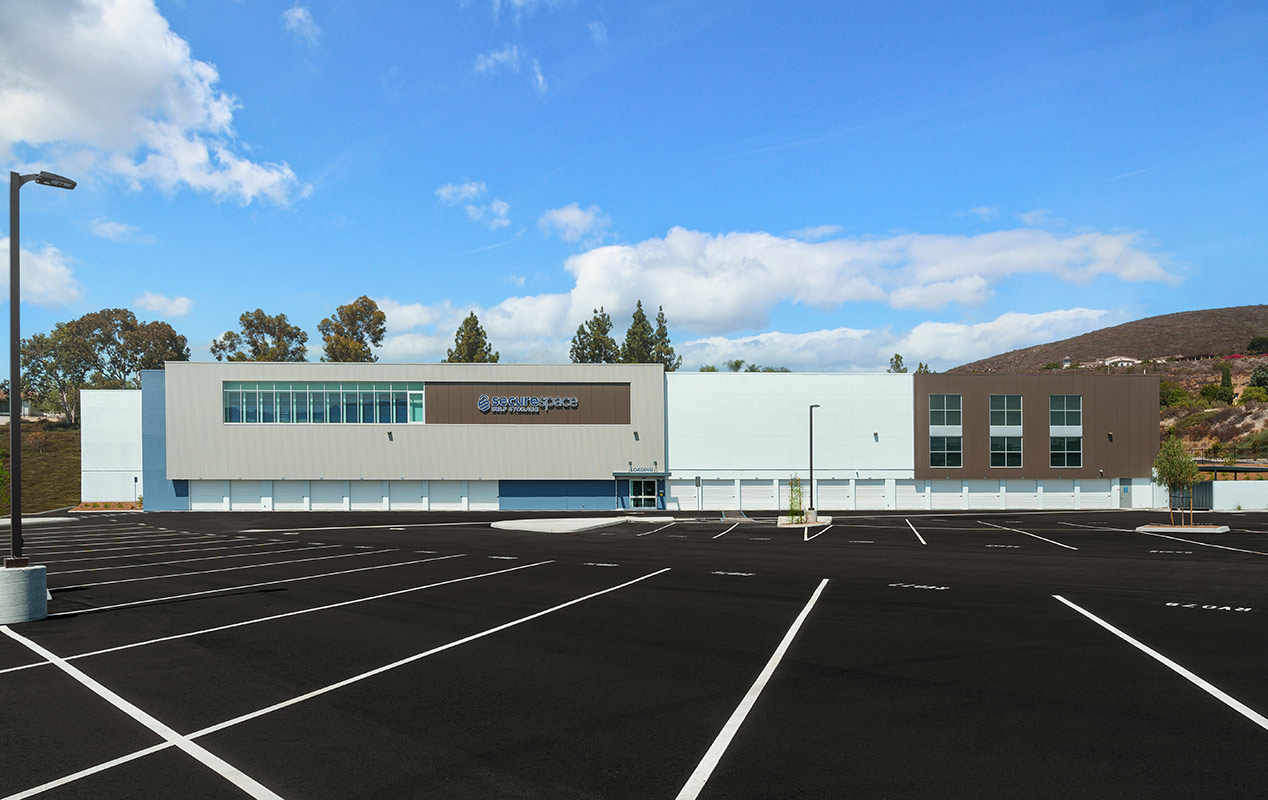
SecureSpace Self Storage Rancho Penasquitos is located at 10389 Azuaga Street near the I-15 and Route 56 corridors.
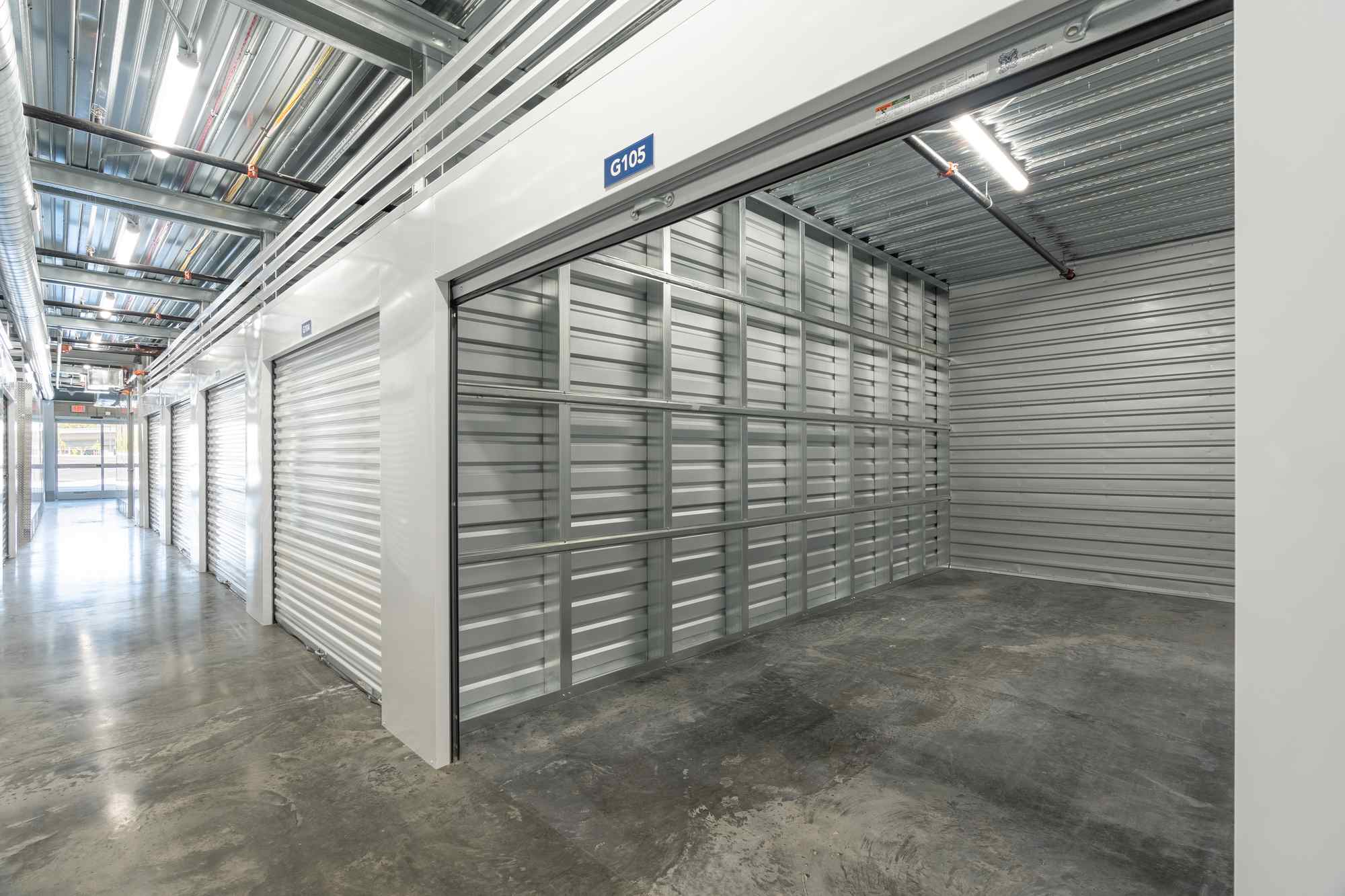
The facility offers unit sizes ranging from 5x5 through 10x30, including indoor and drive-up options.
Climate-controlled options are available at Rancho Penasquitos, subject to the features and availability of the specific unit.
Climate control can help reduce exposure to significant temperature swings compared with standard storage. It does not provide confirmed humidity regulation or guarantee prevention of moisture, mold, rust, pests, fading, or other damage.
Belongings should still be clean, dry, and properly packed.
Rancho Penasquitos provides daily gate access from 6:00 AM to 10:00 PM.
Elevators, extra-large elevators, carts, and dollies are available to assist with suitable loads. Drive-up units may simplify moving bulky household items when that unit type is available.
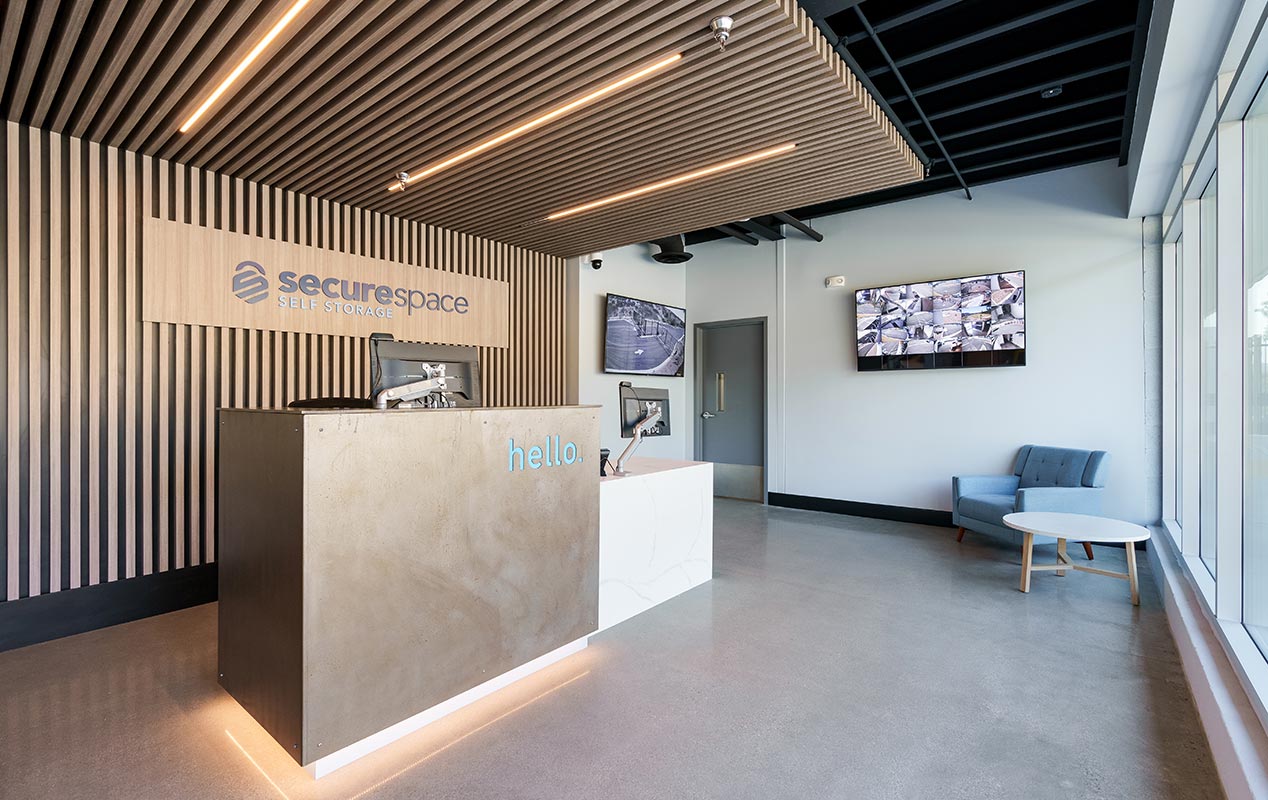
Facility features include an access gate, digital video recording, logged access, overnight surveillance, and Turing-enabled monitoring.
These features support access management and facility monitoring but do not guarantee protection against theft, fire, water, pests, or damage.
Rancho Penasquitos offers online payments, ACH and credit card payment plans, month-to-month leases, touchless computer-controlled access, and touchless move-in.
Review the specific unit details and rental terms before completing the move-in process.
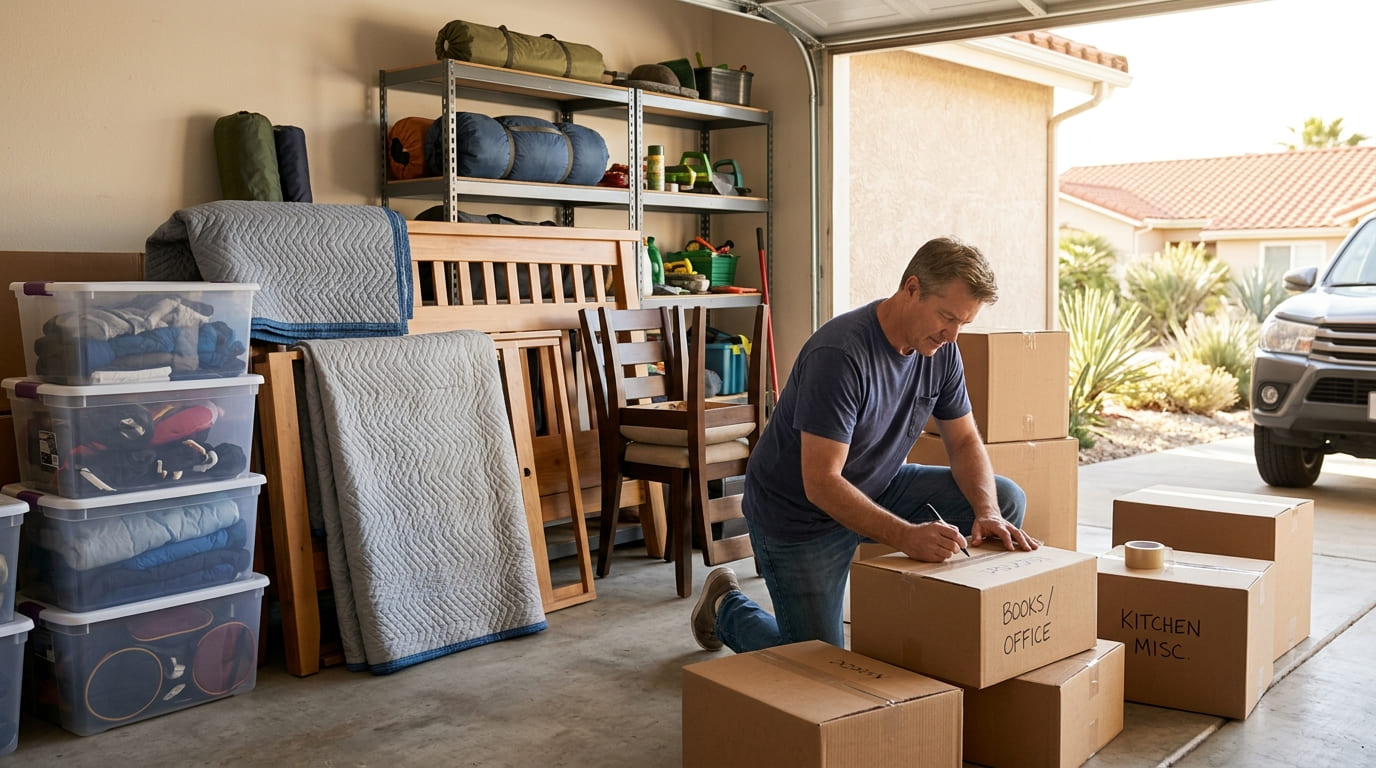
SecureSpace Self Storage San Diego Encanto is located at 5950 Federal Boulevard near SR-94.
The facility offers sizes from 5x5 through 10x30, with indoor and drive-up units available.
San Diego Encanto does not offer climate-controlled storage.
Renters should consider the items being stored, expected rental duration, packaging, and manufacturer guidance when selecting a standard unit.
Access is available from 9:30 AM to 6:00 PM Monday through Friday and from 9:30 AM to 5:00 PM on Saturday and Sunday.
Elevators, carts, and dollies are available for suitable items. Drive-up units can simplify loading, but vehicles cannot be stored inside those units.
San Diego Encanto includes an access gate, digital video recording, logged access, and overnight surveillance.
Turing-enabled monitoring is not offered at this location.
The facility offers online payments, ACH and credit card payment plans, and month-to-month leases.
San Diego Encanto is cash-free. Touchless move-in and touchless computer-controlled access are not offered.
Actual capacity depends on furniture dimensions, box sizes, shelving, and the amount of walking space retained inside the unit.
Smaller units may work for boxes, seasonal belongings, compact furniture, sports equipment, or items removed from one room.
Measure long or bulky pieces before selecting a unit.
Medium units may accommodate a larger collection of furniture, appliances, boxes, and household belongings.
Fit varies considerably based on how furniture is disassembled and packed.
Large units may suit multi-room moves, renovation storage, or substantial groups of furniture and equipment.
A listed unit size does not guarantee that every item will fit through the building entrance, elevator, hallway, or unit door.
Good preparation matters regardless of which option is selected.
Do not pack damp furniture, clothing, boxes, or outdoor equipment.
Cleaning and drying items before storage may reduce odors and prevent dirt from transferring to nearby belongings.
Choose boxes that can support their contents and remain stable when stacked.
Place heavier containers low and avoid overloading boxes.
Remove legs, shelves, and detachable pieces when practical.
Keep hardware in labeled bags attached to the corresponding item.
Record what is being stored and where major categories are placed.
Photographs and box labels can make retrieval easier.
Frequently needed belongings should remain near the entrance.
Leave enough room to reach stored items without unloading the entire space.
A permit may be required depending on the shed's size, height, foundation, utility connections, intended use, property location, and local jurisdiction.
Planning, zoning, HOA, coastal, fire, or utility requirements may apply even when a structure is exempt from a standard building permit.
Confirm current requirements with the applicable city or county department before purchasing or installing a shed.
It depends on the project and how long the storage space will be needed.
A storage unit generally requires less upfront spending, while a shed may provide long-term value when the property can accommodate it and the owner expects to use it for many years.
Compare construction, site preparation, permits, maintenance, monthly rent, transportation, and expected duration.
Sunlight, moisture, wind, salt exposure, drainage, and temperature changes may affect shed materials over time.
The extent depends on the material, installation quality, location, maintenance, and surrounding conditions.
The effect varies by property, permit status, construction quality, placement, condition, and buyer preferences.
A compliant, well-maintained structure may be useful to some buyers, while an unpermitted or poorly placed shed may create concerns during a sale.
Rancho Penasquitos offers climate-controlled options, subject to availability for the specific unit.
San Diego Encanto does not offer climate-controlled storage.
Both San Diego locations offer month-to-month leases.
Billing, rate, notice, and move-out terms still apply.
Moving to another size depends on current availability and the rental process.
Choosing a unit based on measured belongings can reduce the chance of renting substantially more or less space than needed.
Rancho Penasquitos offers eligible outdoor and covered parking for boats, RVs, cars, and other qualifying vehicles. Eligible vehicles may also be stored inside qualifying drive-up units when dimensions, availability, and facility rules allow.
San Diego Encanto offers eligible outdoor parking but does not permit vehicles inside drive-up units.
A backyard shed may suit homeowners who have sufficient space, appropriate approvals, durable belongings, and a long-term need for storage at home.
A storage unit may be more practical when flexibility, indoor space, changing storage needs, or avoiding a construction project matters more.
Before deciding, review local rules, obtain complete shed estimates, measure the belongings, compare current storage terms, and consider how often the stored items will be needed.
For a flexible alternative to a backyard shed, review available self storage in San Diego, CA.
Everything you need to store your belongings securely, on your schedule.
Visit us online