Last updated Aug 12, 2026
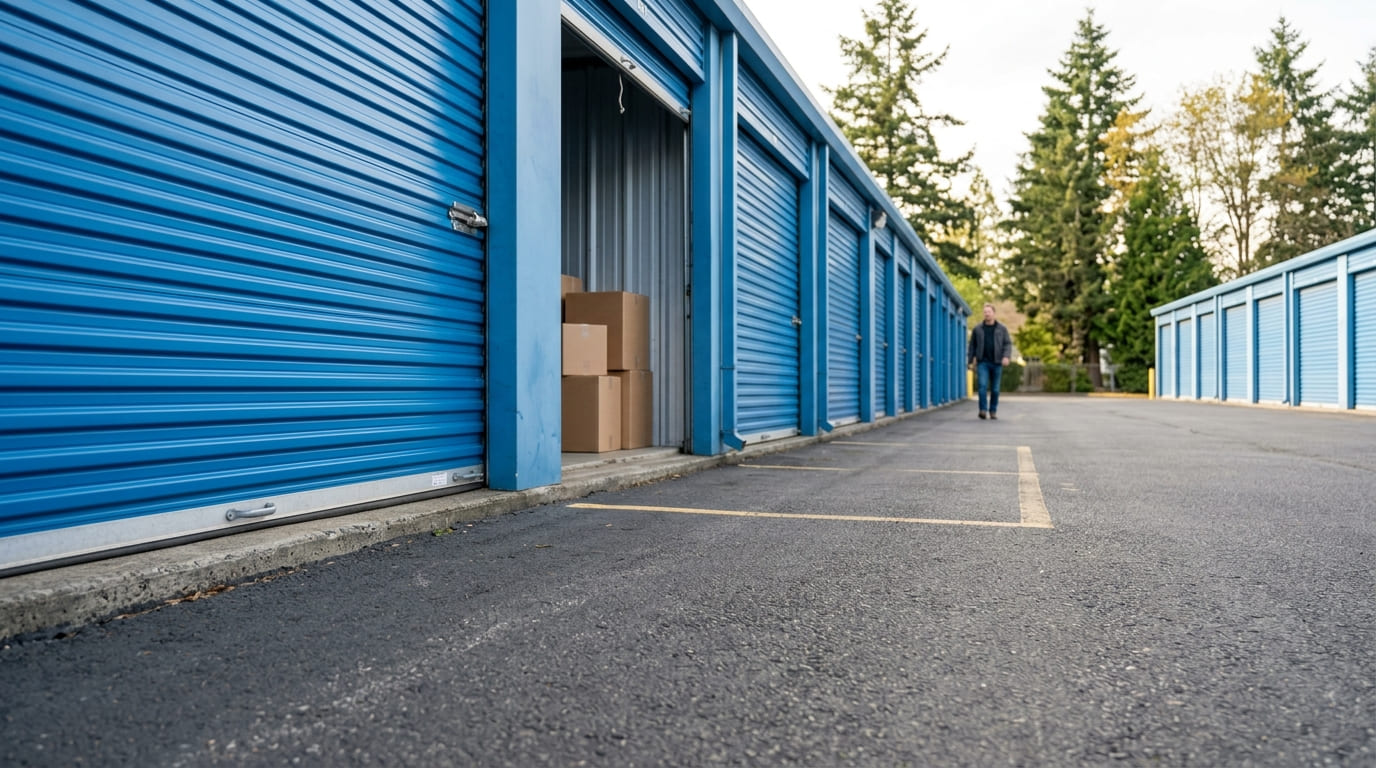
Temporary storage can provide breathing room when belongings need a secure place between move-out and move-in dates. It can also help during renovations, military relocations, downsizing projects, estate transitions, or other situations with an uncertain timeline.
Rather than requiring a long-term commitment, month-to-month storage allows customers to rent space while a transition is underway and move out after following the notice and billing terms in the rental agreement.
The U.S. Census Bureau publishes migration and geographic-mobility data that reflects how frequently households change residences. When closing dates, leases, or renovation schedules do not align, a temporary storage unit can keep furniture and packed belongings together until the next space is ready.
This guide explains when temporary storage may be useful, how to choose a unit size, and what to review before renting in Federal Way.
Temporary storage generally refers to a self-storage unit rented for a limited period. The rental may last for a few months during a move or continue longer if a renovation, home purchase, or relocation takes more time than expected.
The unit itself works like any other self-storage space. Customers select a size, sign a rental agreement, prepare their belongings, and access the unit during the facility's designated hours.
The main difference is the renter's purpose. Someone using temporary storage usually has an upcoming milestone, such as:
A move-in date: Belongings remain stored until a home or apartment becomes available.
Project completion: Furniture stays out of the way until repairs or renovations are finished.
A relocation decision: Household items remain together while the renter establishes a new residence.
A planned move-out: Storage is needed until belongings can be sold, donated, distributed, or transported.
Because temporary timelines can change, renters should select a unit that will remain practical if the transition lasts longer than expected.
Temporary storage can support several types of household and business transitions.
Lease dates and home closings do not always occur on the same schedule. A storage unit can hold furniture, appliances, and boxes while a renter waits for the next residence.
This arrangement may also reduce pressure to unpack immediately into a space that is still being cleaned, repaired, or prepared.
Military moves may involve temporary lodging, changing report dates, or delays in securing permanent housing. Federal Way can be a practical location for households moving through the South Puget Sound region or commuting toward Joint Base Lewis-McChord.
The appropriate unit size depends on the amount of furniture, equipment, and household property involved. Military customers should also review any documentation or reimbursement requirements connected with their relocation.
Removing furniture and packed belongings from active work areas can provide contractors with more room and limit exposure to construction dust or accidental contact.
Before renting, estimate how many rooms must be cleared and whether you will need frequent access to the stored items during the project.
A temporary unit can provide time to sort belongings after moving into a smaller home, combining households, handling an estate, or changing living arrangements.
Rather than making every decision during moving week, belongings can be organized gradually into categories such as keep, donate, sell, or distribute.
Camping gear, bicycles, paddleboards, holiday decorations, and outdoor furniture can occupy substantial space at home. Temporary storage may help when seasonal belongings need to be moved out of a garage, spare room, or apartment.
Businesses may use storage for permitted furniture, records, tools, equipment, supplies, or packaged inventory during an office move, renovation, or temporary change in operations.
A storage unit cannot automatically be used as an office, workshop, storefront, or distribution facility. Business customers should review the rental agreement before moving items into the unit.
A suitable facility should match the renter's timeline, transportation plan, belongings, and access needs.
SecureSpace Self Storage Federal Way offers month-to-month leases. This avoids a fixed long-term rental commitment, but customers should still review:
Billing dates: Understand when the full monthly payment is due.
Move-out notice: Confirm how and when notice must be provided.
Rate adjustments: Read the terms governing future rental-rate changes.
Additional charges: Review administrative, lock, coverage, or other applicable fees.
Move-out condition: Confirm how the unit must be emptied and returned.
Month-to-month leasing does not necessarily mean partial months are prorated or that a customer can move out without notice.
Gate access at the Federal Way facility is available daily from 6:00 a.m. to 9:00 p.m.
Customers coordinating movers, rental vehicles, or multiple trips should schedule their work within this access window. Office hours are separate and should be reviewed when in-person assistance is needed.
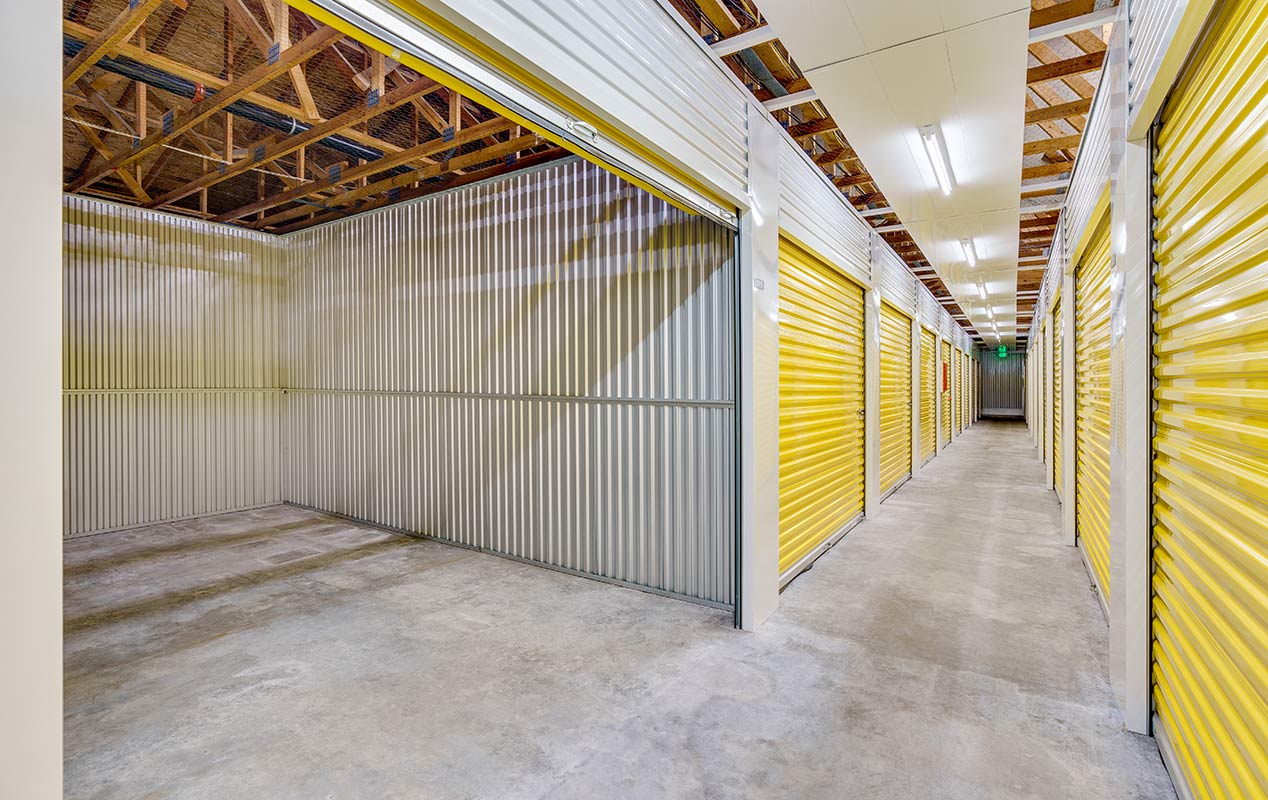
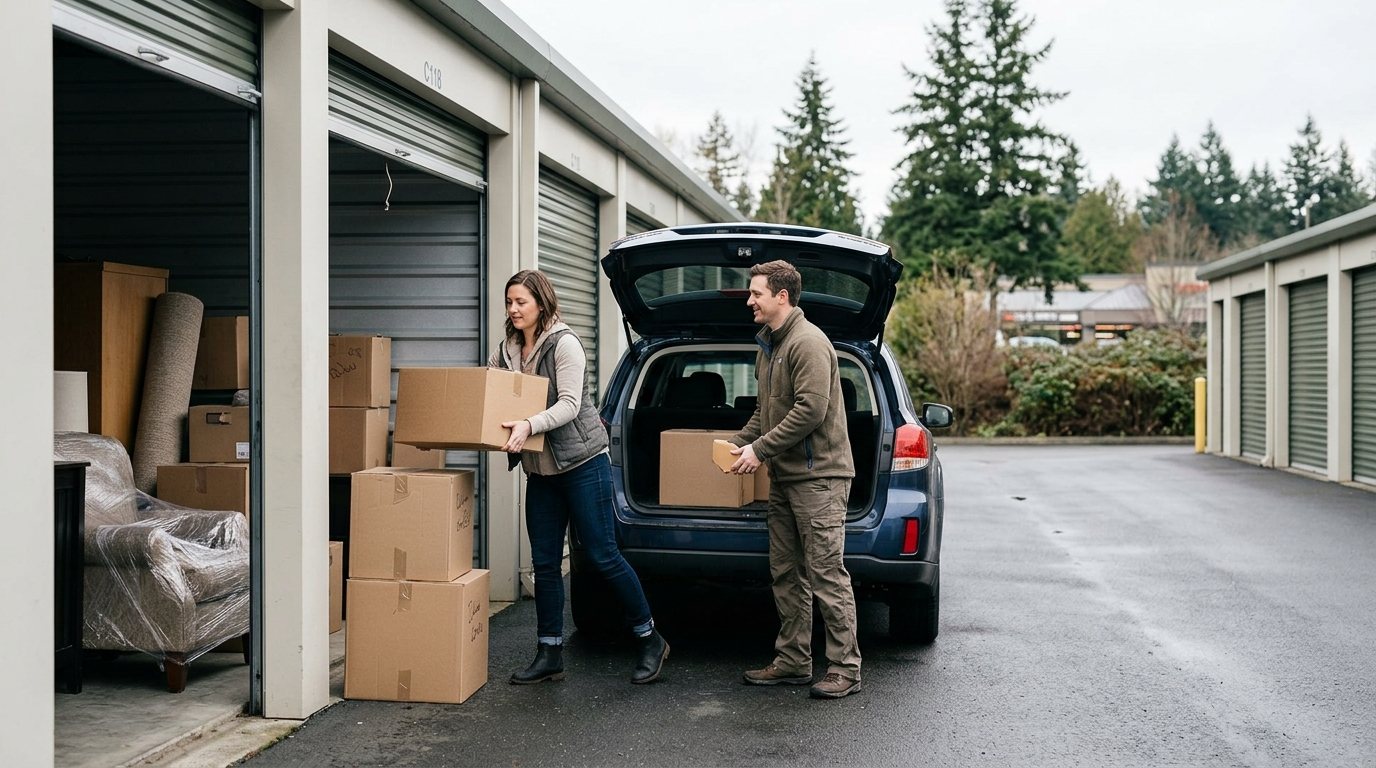
Selected storage units offer drive-up access, allowing a customer to position a vehicle near the unit while loading or unloading.
The facility does not provide:
Covered loading: Loading areas are not protected from the weather.
Carts or dollies: Customers must bring their own moving equipment.
A loading dock: Commercial dock access is unavailable.
An elevator: Renters should not plan around elevator-assisted loading.
Semi-truck access: Large commercial moving vehicles may not be accommodated.
Moving-pod staging: Portable moving containers are not allowed.
Check the forecast before moving day and bring tarps, covers, hand trucks, lifting straps, or other equipment appropriate for the job.
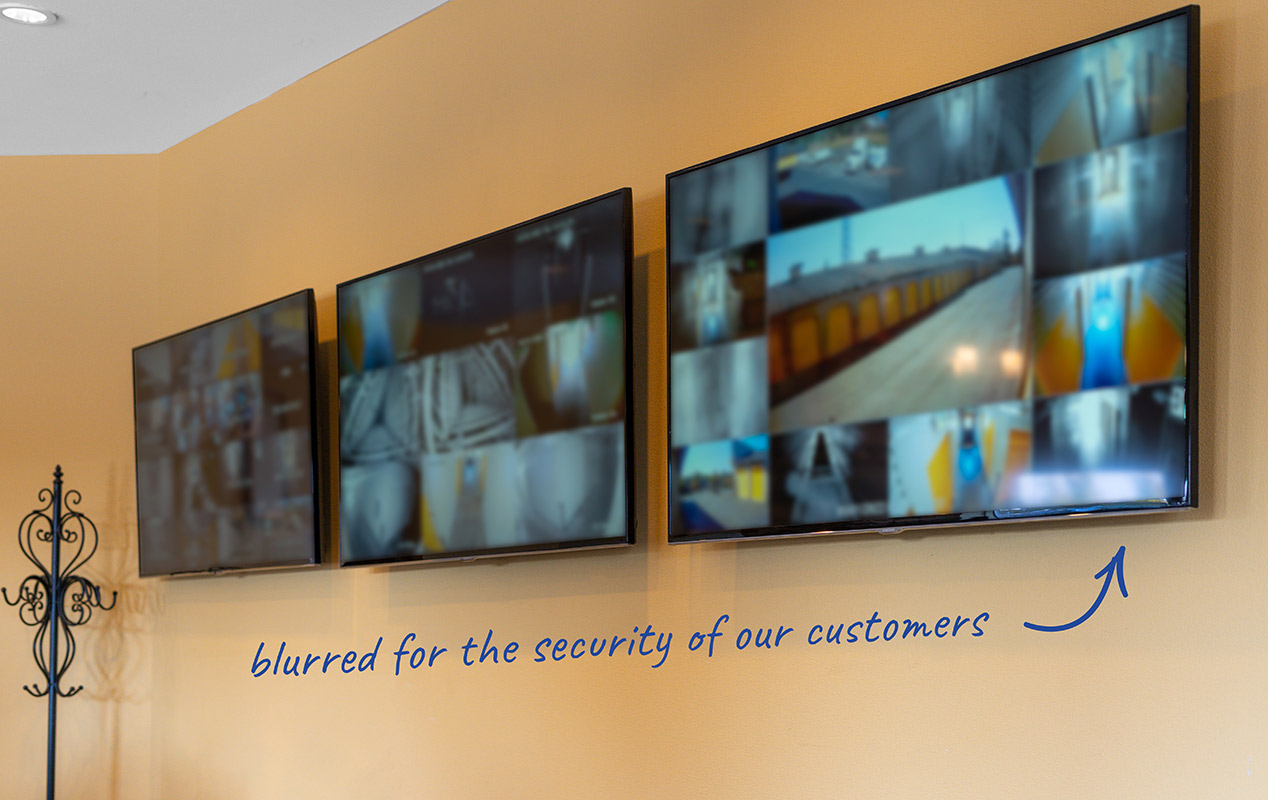
Facility security features include an access gate, digital video recording, and overnight surveillance.
These measures do not guarantee protection from theft, loss, or damage. Renters should use a compatible lock, limit access information, maintain an inventory, and review available coverage for stored property.
Customers can make payments online, and ACH or credit card payment plans are available.
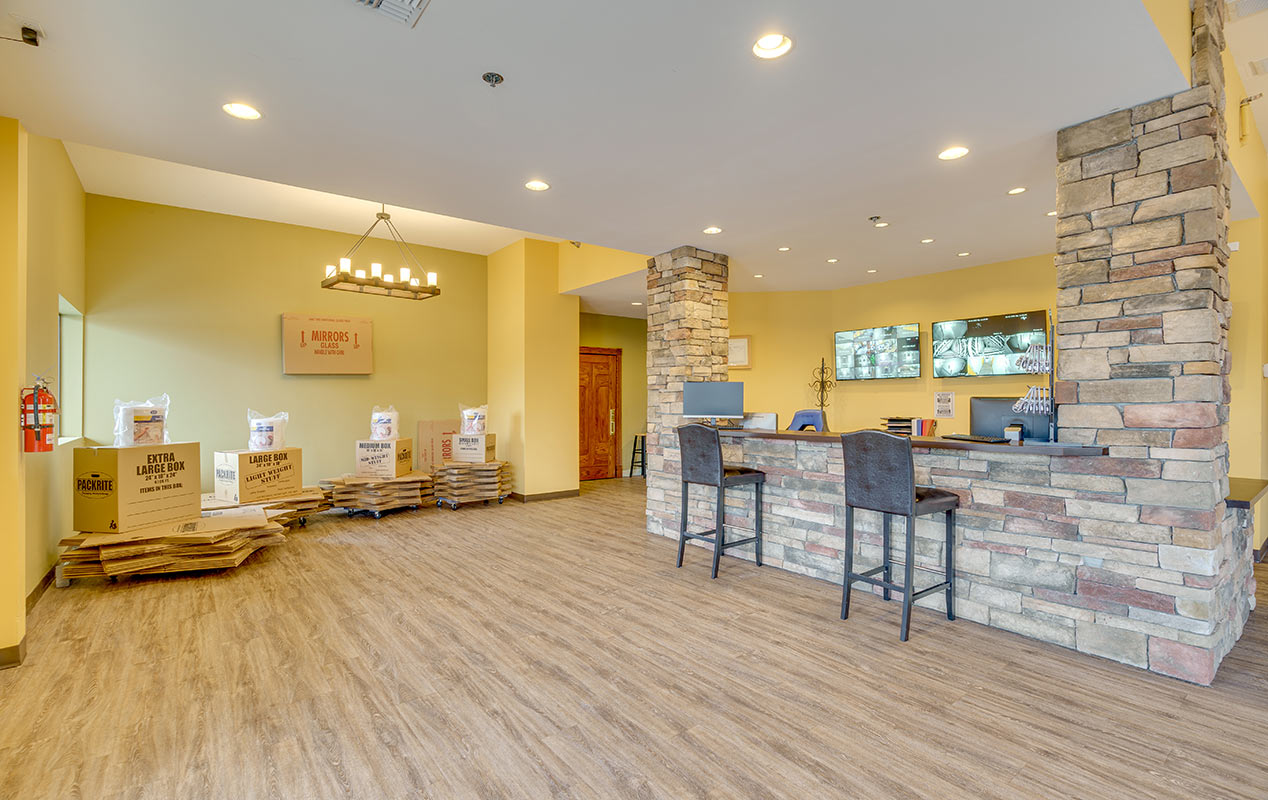
Basic moving and packing supplies are also available for purchase in the leasing office, although the exact selection may vary.
SecureSpace Self Storage Federal Way offers primary unit sizes of 5x5, 5x15, 10x10, 10x15, 10x20, 10x25, and 10x30.
Capacity depends on the dimensions of the belongings, how items are packed, and whether the renter needs an aisle for access.
A 5x5 may work for a limited number of boxes, seasonal equipment, small furniture, student belongings, or compact business supplies.
Because floor space is limited, careful labeling and safe vertical organization are especially important.
The deeper 5x15 layout may accommodate mattresses, shelving, furniture, packed containers, and belongings from a smaller residence.
Leave a clear path when items stored near the back may be needed before move-out.
These medium-size options may suit apartment moves, renovation projects, furniture storage, or a larger volume of household boxes.
A 10x15 provides additional room for substantial furniture or a layout divided into separate storage zones.
Larger units may be appropriate for multiroom household moves, major renovation projects, business equipment, or extensive furniture storage.
These units are not indoor vehicle-storage spaces. Vehicles cannot be stored inside the facility's drive-up units.
Outdoor parking is available for eligible cars, motor vehicles, RVs, and boats.
Parking is uncovered and depends on vehicle dimensions, required documentation, facility rules, and current availability. Trailer parking should not be assumed without checking directly with the facility.
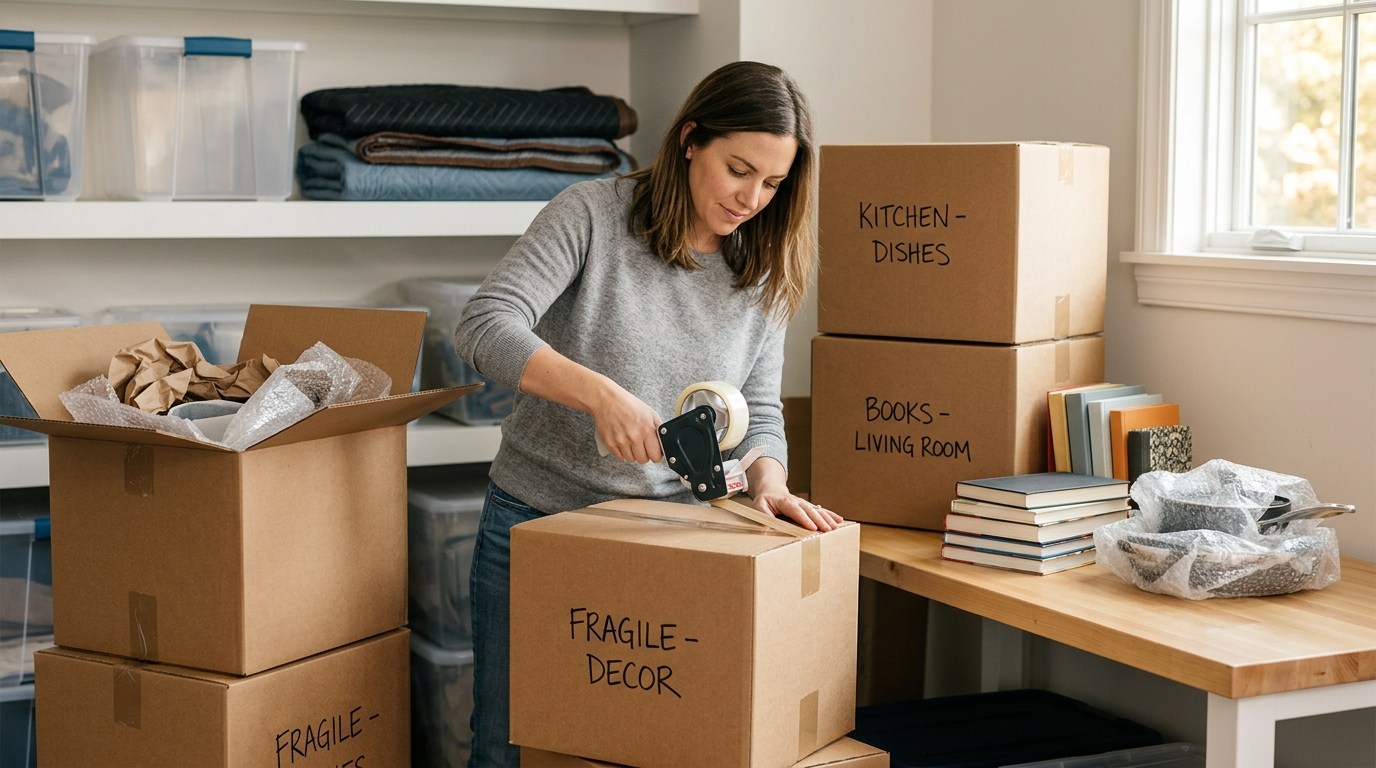
Temporary renters may pack quickly, but a basic inventory can prevent problems on move-in day.
Measure sofas, tables, mattresses, appliances, shelving, equipment, and other large belongings. Note which pieces can be disassembled.
Count packed containers by approximate size. Uniform boxes are easier to stack, but heavy items should remain in smaller, manageable containers.
A tightly packed unit may hold more, but accessing items in the back can become difficult. Leave a walkway when belongings may be retrieved during the rental.
Items needed within the next few weeks should remain close to the entrance. Property that will not be needed until final move-out can be placed farther back.
SecureSpace Self Storage Federal Way does not offer heated or climate-controlled units. Renters should decide whether standard storage is appropriate for each item.
Furniture, fabric, equipment, boxes, and outdoor gear should be clean and completely dry before storage. Do not seal damp belongings inside plastic covers or closed containers.
Replace crushed, torn, or weakened boxes. Lidded bins may be helpful for certain items, but they should not be treated as fully waterproof.
Appliances, electronics, instruments, batteries, and other products may have specific storage requirements. Follow manufacturer guidance before placing them in a standard unit.
Exceptionally valuable, highly sensitive, or irreplaceable belongings may require a specialized storage arrangement. Review your rental agreement and applicable coverage before storing important property.
Temporary storage should be arranged so move-out is not more difficult than move-in.
Side labels remain visible when boxes are stacked. Include the room, general contents, and an inventory number when useful.
Create a clearly marked group for belongings needed immediately at the next residence, such as bedding, kitchen basics, work equipment, or important household supplies.
Remove legs, shelves, or detachable components when practical. Place hardware in labeled bags and keep it with the corresponding furniture.
Shelving can keep smaller containers organized and reduce unstable stacks. Do not attach hardware to unit walls.
Arrange the unit in the approximate order items will be removed. Belongings needed first at the destination should remain accessible rather than being buried behind long-term items.
Temporary storage may be useful when it creates flexibility during a move or project. Its value depends on the rental period, unit rate, transportation costs, and whether the space helps avoid rushed decisions or repeated handling of belongings.
Before renting, calculate:
Expected duration: Build in time for reasonable schedule changes.
Required size: Avoid paying for unnecessary space, but leave enough room for safe loading.
Transportation: Account for moving vehicles, labor, fuel, and repeat trips.
Supplies: Include locks, covers, boxes, shelving, and moving equipment.
Rental terms: Review billing, notice requirements, and possible rate changes.
Current rates and promotions can change, so use the facility's active listings rather than national pricing estimates when creating a budget.
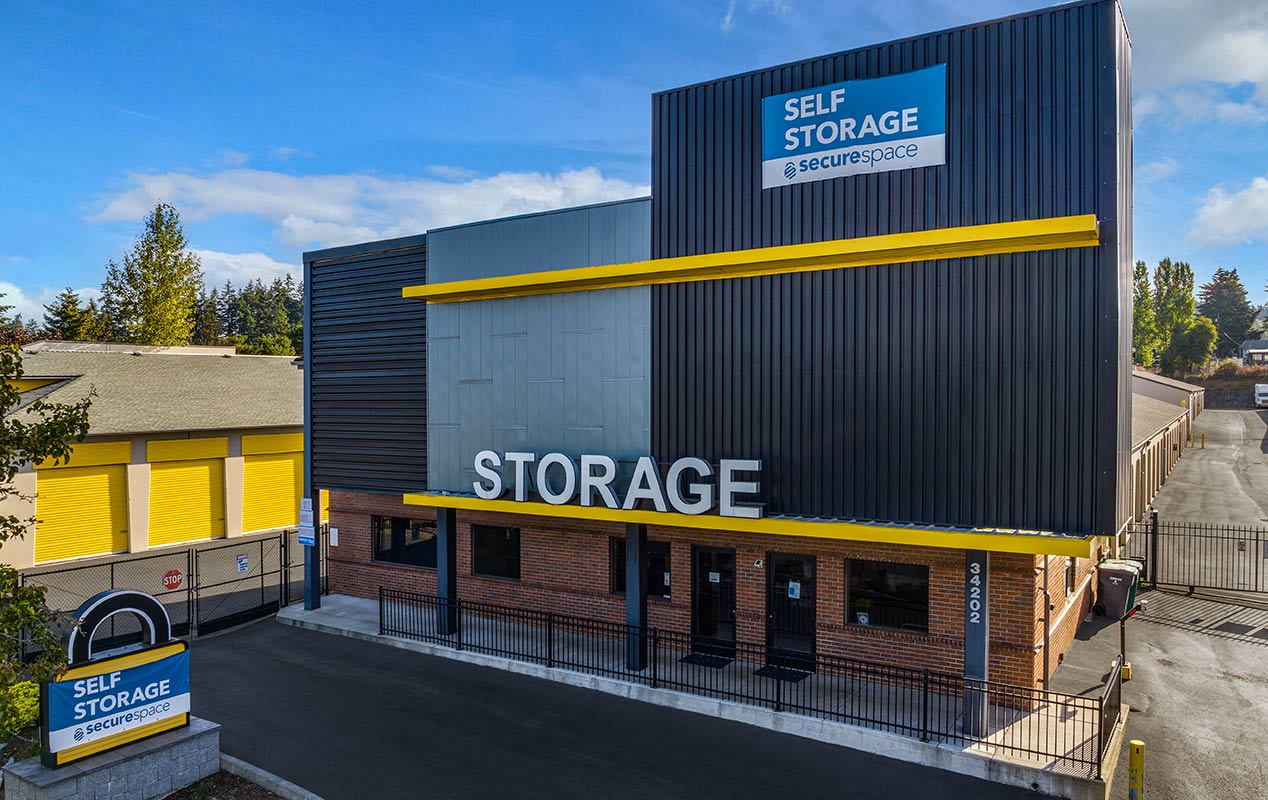
SecureSpace Self Storage Federal Way is located at 34202 16th Ave S and offers standard self storage, selected drive-up units, and eligible outdoor parking.
Month-to-month leases can support moves, renovations, relocations, and other temporary storage needs. Gate access is available daily from 6:00 a.m. to 9:00 p.m., and customers should bring any carts, dollies, or other moving equipment required for loading.
Current unit sizes, pricing, and availability should be reviewed before scheduling transportation or movers.
SecureSpace Self Storage Federal Way offers month-to-month leases. Customers should review billing dates, notice requirements, and move-out procedures before renting.
Primary sizes include 5x5, 5x15, 10x10, 10x15, 10x20, 10x25, and 10x30. Current availability may vary.
No. The facility offers standard, non-climate-controlled storage only.
Yes. Military households may rent available units for relocations or temporary housing transitions. The appropriate size depends on the amount of household property involved.
Eligible RVs and boats may be stored in uncovered outdoor parking spaces, subject to dimensions, documentation, availability, and facility rules.
No. Drive-up units can simplify loading and unloading, but vehicles cannot be stored inside them.
No. Portable moving containers cannot be delivered to or staged at this location.
No. Customers should bring their own moving equipment and arrange sufficient help for lifting and loading.
Gate access is available every day from 6:00 a.m. to 9:00 p.m.
Yes. Online payments and ACH or credit card payment plans are available.
Temporary storage works best when it supports a clear transition plan. Choose a unit based on measured belongings, keep frequently needed items accessible, and review the rental terms before setting a move-in or move-out schedule.
Reserve your unit online at SecureSpace Self Storage Federal Way.
Everything you need to store your belongings securely, on your schedule.
Visit us online