Last updated Aug 12, 2026
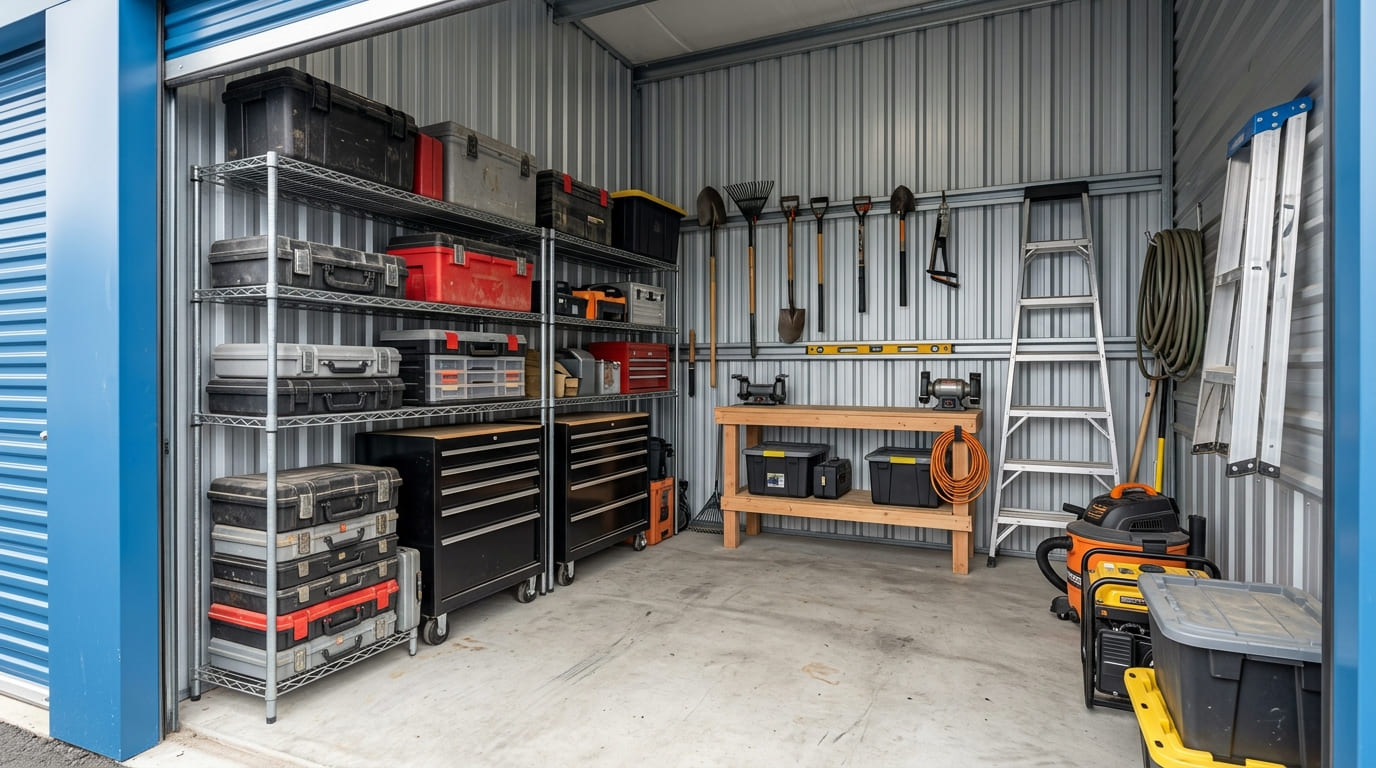
Tools are valuable working assets for contractors, tradespeople, property managers, and homeowners. Hand tools, cordless equipment, compressors, ladders, toolboxes, and job-site supplies can quickly fill a garage, work vehicle, or spare room.
A self-storage unit can provide additional space for permitted tools and equipment, but the unit alone does not replace proper maintenance. Tools should be cleaned, dried, organized, and prepared according to the manufacturer's instructions before they're placed in storage.
This guide covers tool preparation, storage-unit organization, size selection, and the features available at SecureSpace Self Storage Federal Way.
Tools are often exposed to dirt, moisture, sawdust, oils, job-site debris, and temperature changes during regular use. Putting them away without cleaning or inspection can leave those materials in contact with metal surfaces, vents, electrical components, and moving parts for an extended period.
Proper storage can also make tools easier to find and transport. A well-organized unit allows frequently used equipment to remain accessible while keeping seasonal or specialty tools out of the way.
A practical storage plan should account for:
Tool dimensions and weight
Manufacturer maintenance requirements
Battery and charger instructions
Frequency of use
Shelving and toolbox placement
Safe lifting and loading
Space for an access aisle
Rental-agreement restrictions
Metal tools and electrical equipment should be clean and completely dry before storage.
The National Park Service notes that fluctuations in temperature and relative humidity can contribute to condensation and corrosion on metal objects. SecureSpace Federal Way offers standard, non-climate-controlled storage, so careful preparation and periodic inspection remain important.
Moisture may affect:
Uncoated metal surfaces
Saw blades and drill bits
Hinges and moving joints
Electrical contacts
Tool housings
Battery terminals
Measuring equipment
Fasteners and replacement parts
Environmental effects vary based on the tool, material, finish, maintenance, and storage conditions. Follow the manufacturer's guidance rather than assuming that one preparation method works for every item.
Home garages and backyard sheds may work well for some tool collections, but available space and conditions vary considerably.
A garage may already contain vehicles, lawn equipment, sports gear, household supplies, and seasonal decorations. Sheds can become difficult to organize when long-handled tools, equipment cases, and heavy machinery share the same limited floor space.
Work vehicles present a different challenge. Leaving tools inside a van, truck, or trailer can make them available for the next job, but it may also limit cargo space and require equipment to be moved repeatedly.
Self storage can serve as a centralized location for permitted equipment when keeping everything at home or in a vehicle is no longer practical.
The appropriate unit depends on the number, dimensions, and weight of the tools being stored.
Primary unit sizes at SecureSpace Self Storage Federal Way include:
5x5
5x15
10x10
10x15
10x20
10x25
10x30
A 5x10 is not one of the facility's primary sizes.
A 5x5 may work for a compact collection of hand tools, cordless-tool cases, small toolboxes, painting supplies, or repair equipment.
Measure shelving and rolling toolboxes before choosing this size. Leave enough clearance to open drawers and retrieve equipment safely.
The added depth of a 5x15 may accommodate multiple toolboxes, long-handled tools, ladders, freestanding shelving, or equipment used across several types of projects.
Create an aisle when tools stored toward the back will be needed regularly.
A 10x10 may suit a broader contractor or household collection, including rolling cabinets, power tools, job-site supplies, and portable equipment.
Actual capacity depends on the layout, shelving, toolbox dimensions, and the amount of retrieval space needed.
Larger units may be useful for extensive tool inventories, bulky permitted equipment, material storage, or belongings shared across several projects.
Measure compressors, generators, workbenches, ladders, and other oversized items before renting. Do not rely solely on general unit-size descriptions.
Vehicles and commercial trailers cannot be stored inside drive-up units.
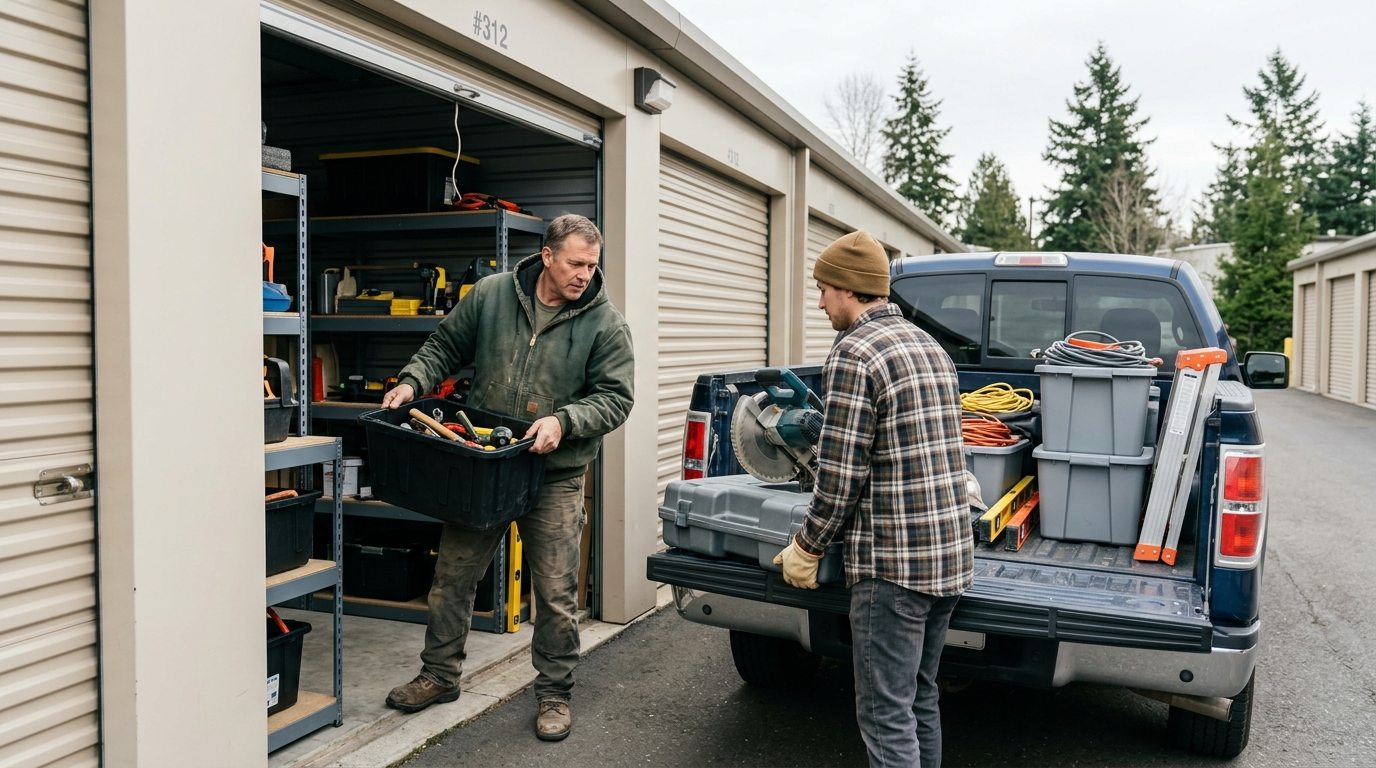
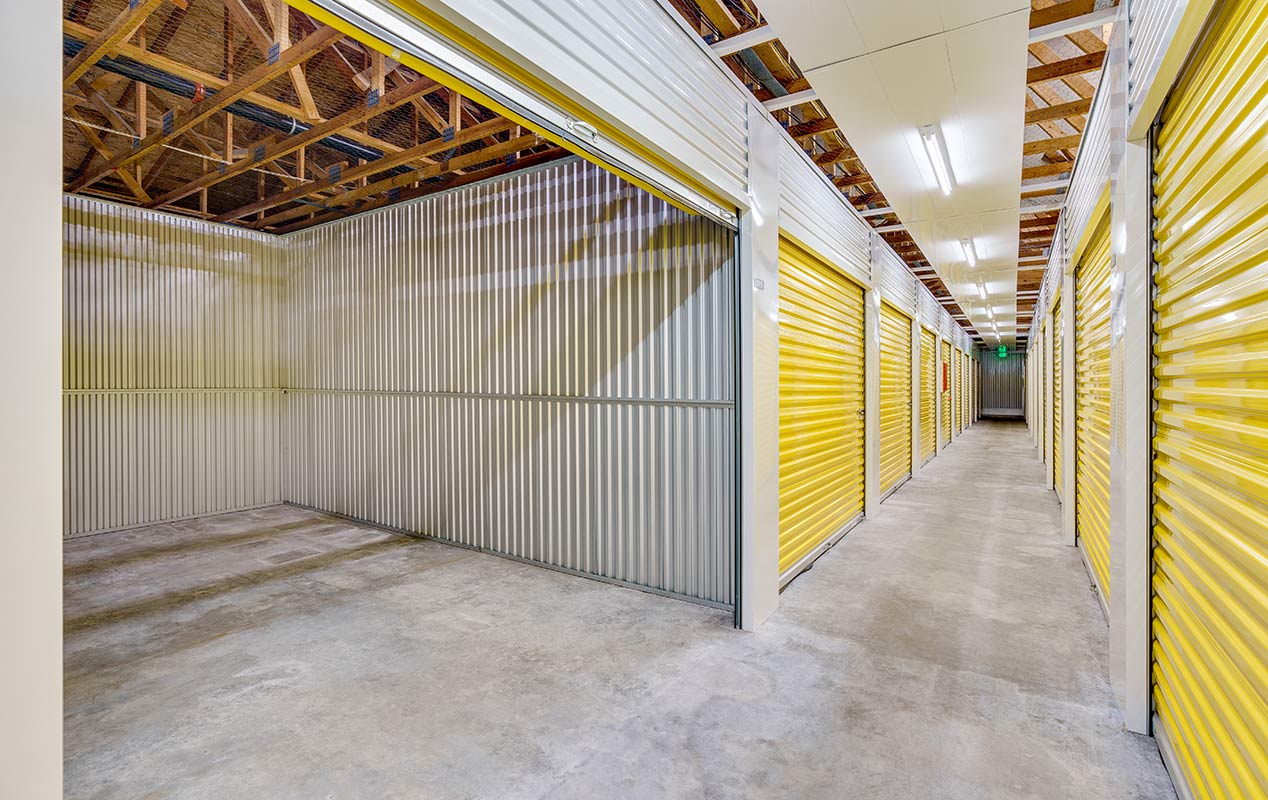
Selected units at SecureSpace Federal Way offer drive-up access. This can reduce the distance heavy toolboxes, ladders, compressors, and equipment cases need to be carried.
Drive-up access is especially useful when loading items from a pickup, van, or work vehicle, but customers should still plan around the weight and dimensions of their equipment.
The facility does not provide:
Carts or dollies
An elevator
Covered loading
A loading dock
Semi-truck access
Moving-pod staging
Bring any ramps, hand trucks, lifting equipment, protective covers, or assistance needed for the move. Check the weather before transporting tools that should remain dry.
Hand tools should be inspected and cleaned before being packed away.
Wipe soil, sawdust, grease, and job-site residue from tool surfaces. Use cleaning products appropriate for the material and finish.
Allow tools to dry completely before placing them in drawers, cases, or bins. Do not seal damp tools inside plastic containers.
Check hinges, ratchets, adjustment mechanisms, and other moving components for visible wear or stiffness.
Lubrication requirements vary, so follow the tool manufacturer's instructions before applying oil or another product.
Use suitable guards or cases for chisels, saw blades, utility knives, and other edged tools. Keep sharp items separated from fabric, cords, and equipment that could be damaged.
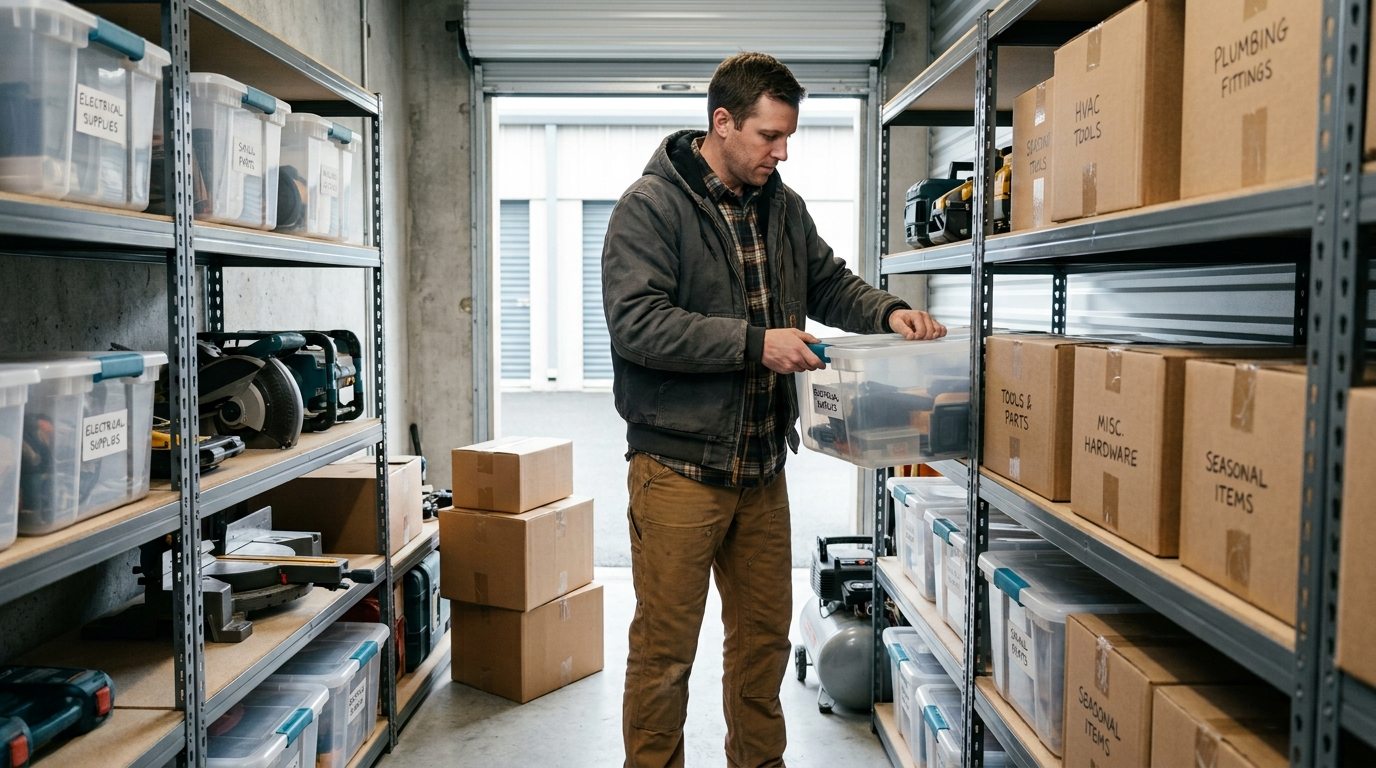
Group drill bits, sockets, fasteners, blades, and accessories by type. Clearly labeled organizers can reduce time spent searching for small parts.
Power tools require additional care because moisture, debris, cords, batteries, and internal components may have specific maintenance needs.
According to OSHA, electric tools should be stored in dry locations when they aren't in use. Clean and dry each tool before storage and follow its manufacturer's maintenance instructions.
Before storing power tools:
Do not store visibly damaged electrical tools until they have been evaluated or repaired.
Battery requirements vary by manufacturer, chemistry, tool system, and storage duration.
Before storing cordless equipment:
Review the battery manual.
Check the recommended charge level.
Remove the battery when instructed.
Use only the approved charger.
Inspect the battery for damage or swelling.
Protect terminals from contact with metal objects.
Follow temperature and storage-location guidance.
Check for product recalls.
SecureSpace Federal Way does not offer heated or climate-controlled units. If a battery requires a more stable environment, store it elsewhere according to the manufacturer's instructions.
Never place a damaged, leaking, swollen, or recalled battery in a storage unit.
Some tool owners use desiccant products inside enclosed toolboxes or equipment cases.
Smart Fog discusses silica gel as a material capable of absorbing moisture. Its effectiveness in a toolbox or storage container depends on factors such as the amount used, the enclosure, replacement schedule, surrounding conditions, and product instructions.
A moisture absorber should not replace basic preparation. Tools still need to be clean and completely dry before storage.
Avoid placing loose packets where they could interfere with moving parts, vents, electrical contacts, or sensitive components.
A useful layout balances storage capacity with safe retrieval.
Freestanding shelving can keep smaller toolboxes, parts bins, and equipment cases organized.
Do not drill into the unit walls or install permanent hooks, racks, anchors, or cabinets.
Rolling cabinets, compressors, generators, large toolboxes, and other dense equipment should remain on the floor or a shelf rated for the weight.
Avoid placing heavy items above frequently handled tools or fragile equipment.
Arrange everyday equipment near the entrance. Specialty or seasonal tools can remain farther back.
This reduces the need to move unrelated equipment before each job.
Leave a clear walkway through the unit. Even a narrow aisle can make it easier to reach shelves, open toolbox drawers, and remove equipment safely.
Labels may identify:
Trade or work category
Project type
Tool system
Battery platform
Replacement parts
Safety equipment
Frequently used supplies
Record major tools, serial numbers, distinguishing features, and approximate values. Photograph higher-value equipment and retain purchase or service records where available.
Not every product used on a job site is appropriate for self storage.
Review the rental agreement before storing:
Fuels
Propane
Compressed gas
Flammable liquids
Solvents
Paint products
Pesticides
Explosive materials
Hazardous chemicals
Pressurized containers
Perishable materials
Empty equipment does not automatically qualify for storage if fuel, oil, chemicals, or other restricted materials remain inside it.
When preparing generators, lawn equipment, compressors, or powered machinery, follow the manufacturer's instructions and the facility's storage rules.
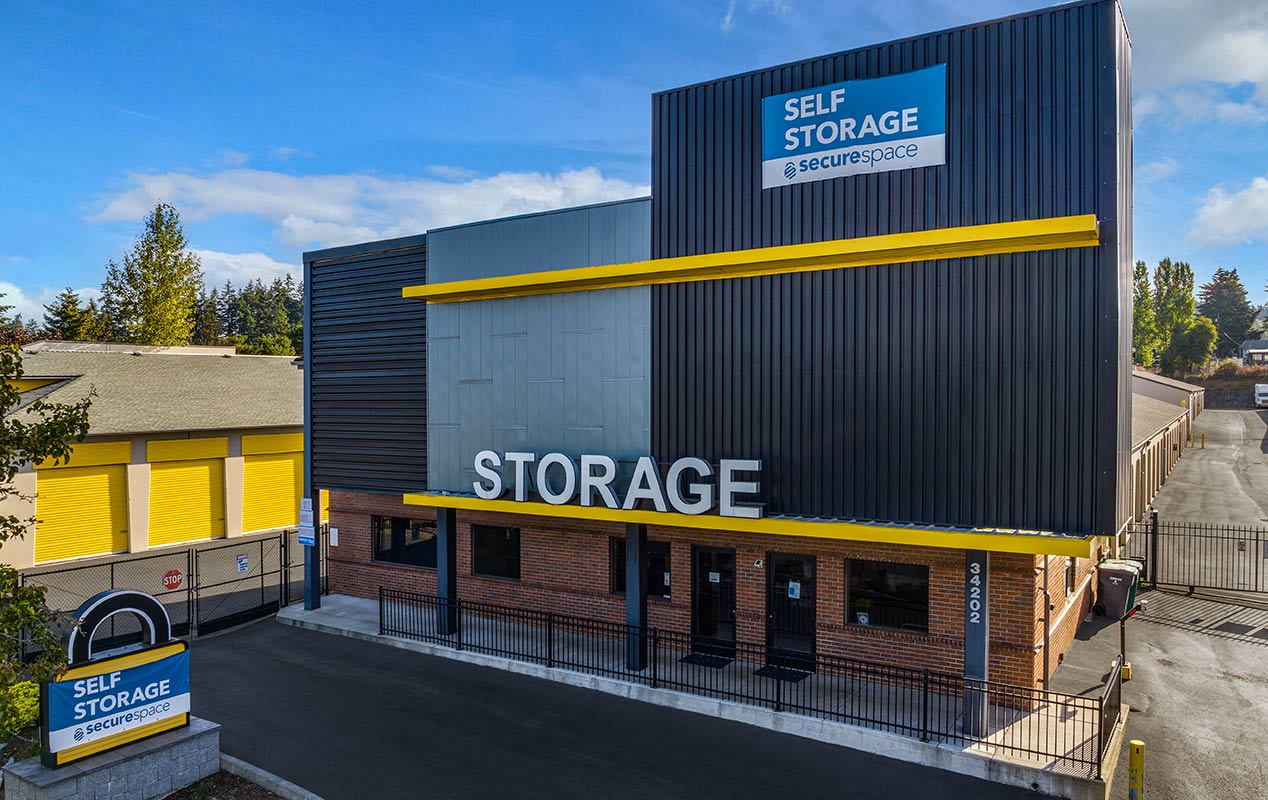
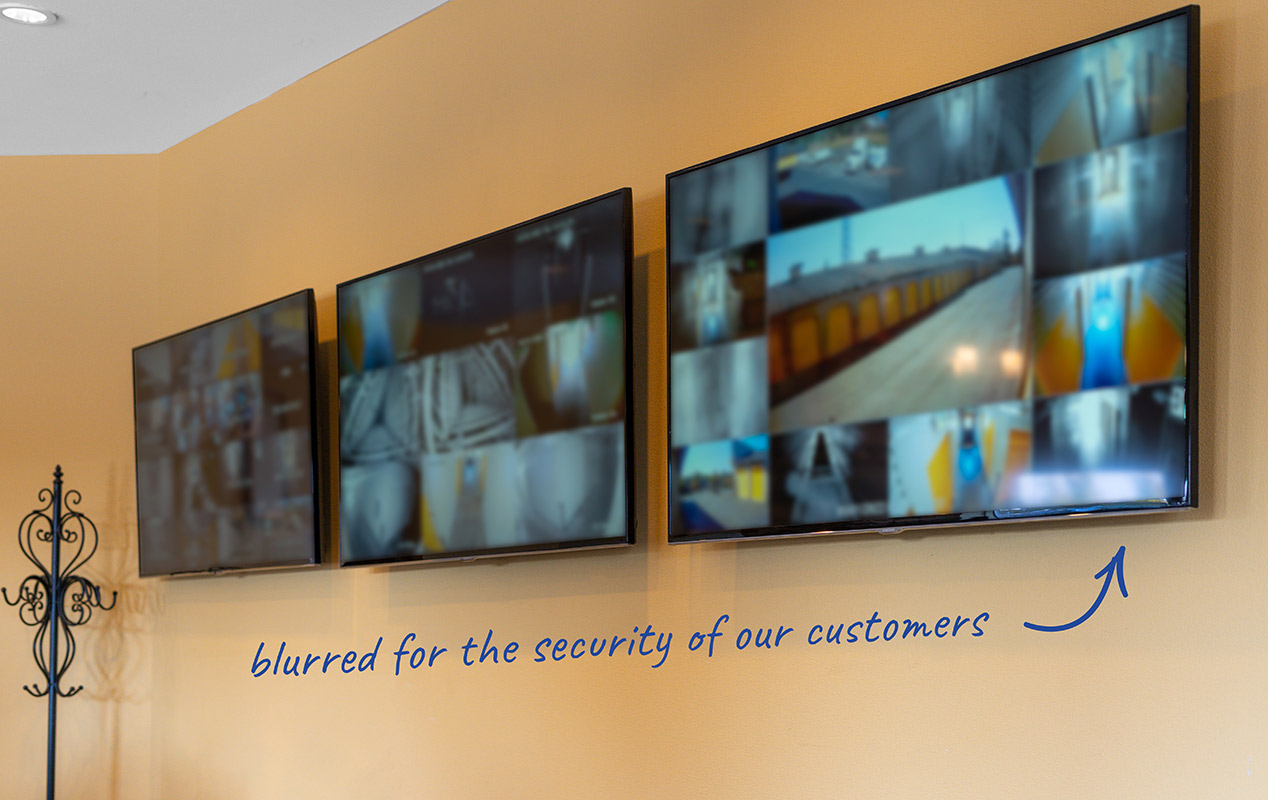
SecureSpace Self Storage Federal Way offers selected drive-up units, an access gate, digital video recording, and overnight surveillance.
The facility does not advertise individually alarmed units, StorageDefender Motion Guard, instant text alerts, logged access, or 24-hour live surveillance.
Security features cannot guarantee protection from theft, loss, or damage. Customers should also:
Use a compatible unit lock.
Keep access information private.
Maintain a detailed tool inventory.
Photograph higher-value equipment.
Review applicable insurance coverage.
Visit the unit periodically.
Report concerns promptly.
Limit access to authorized people.
Gate access is available daily from 6:00 a.m. to 9:00 p.m.
Contractors should plan enough time to load equipment, organize the unit, and exit before access closes. The facility does not provide 24-hour gate access.
Month-to-month leases are available. Before renting, review:
Current unit pricing
Any introductory offer
Billing dates
Rate-adjustment provisions
Coverage requirements
Lock compatibility
Access rules
Move-out notice
Prohibited-item terms
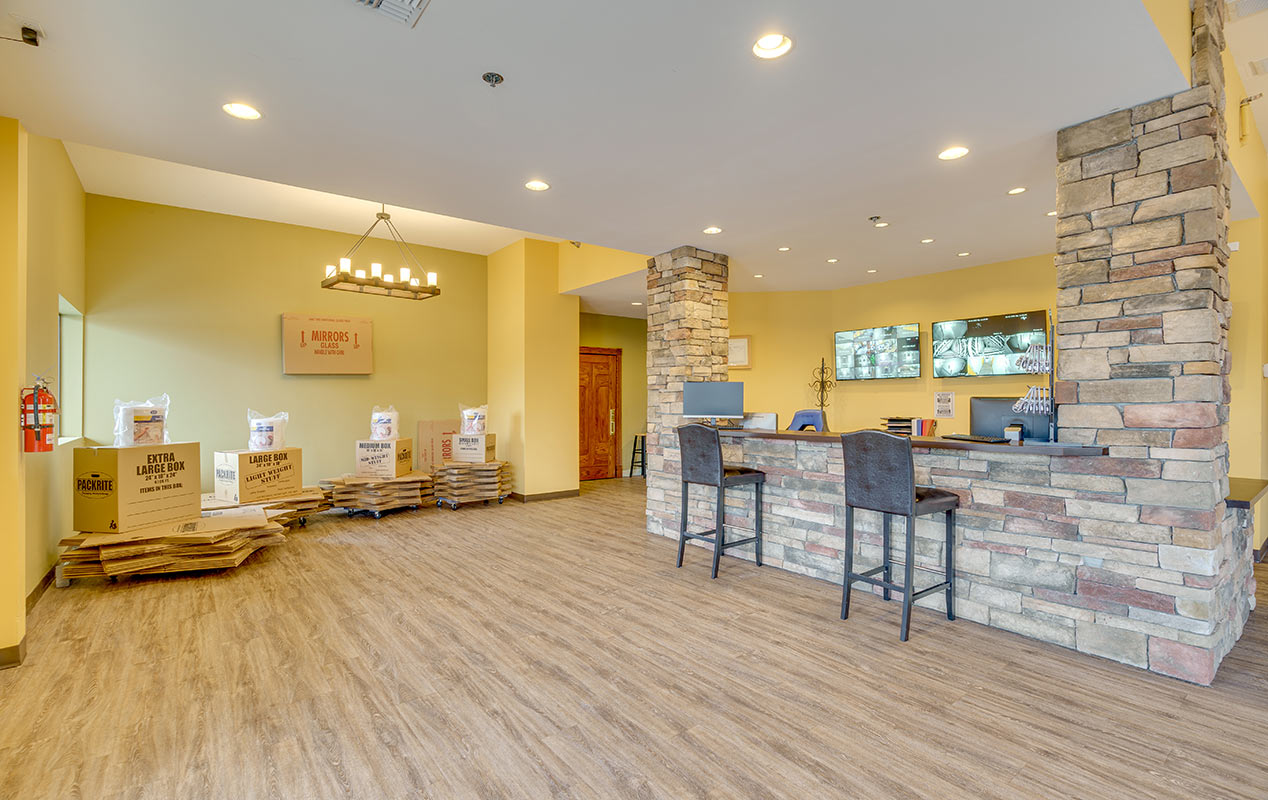
Online payments and ACH or credit card payment plans are available. Basic moving and packing supplies can also be purchased at the facility.
The right size depends on toolbox dimensions, shelving, equipment weight, and access needs. A 5x5 may work for a compact tool collection, while 5x15, 10x10, and larger units provide more room for rolling cabinets, ladders, and bulky equipment.
No. The facility offers standard, non-climate-controlled storage.
No. Heated storage is not available at this location.
Permitted tools may be stored in selected drive-up units. Equipment must comply with the rental agreement, and current drive-up availability may vary.
No. Vehicles cannot be stored inside the storage units.
Trailer parking is not established and should not be assumed. Review current parking eligibility directly before making transportation plans.
Clean and dry them completely, inspect cords and housings, and follow the manufacturer's maintenance and battery-storage instructions.
Battery requirements vary. SecureSpace Federal Way is not climate controlled, so follow the battery manufacturer's instructions and store batteries elsewhere when required.
No. Use freestanding shelving, portable racks, rolling cabinets, or floor-supported organizers.
No. Customers should bring their own moving equipment.
The facility has an access gate, digital video recording, and overnight surveillance. These features do not guarantee protection against theft, loss, or damage.
Gate access is available daily from 6:00 a.m. to 9:00 p.m.
Yes. Review the rental agreement for billing, rate adjustments, access rules, notice requirements, and move-out procedures.
Tool storage works best when equipment is clean, dry, documented, and arranged according to how often it's used. Measure large items before renting, use freestanding organization systems, follow manufacturer guidance for electrical tools and batteries, and leave enough room to retrieve equipment safely.
View Available Units and Reserve Your Space at SecureSpace Federal Way.
Everything you need to store your belongings securely, on your schedule.
Visit us online