Last updated Jul 10, 2026
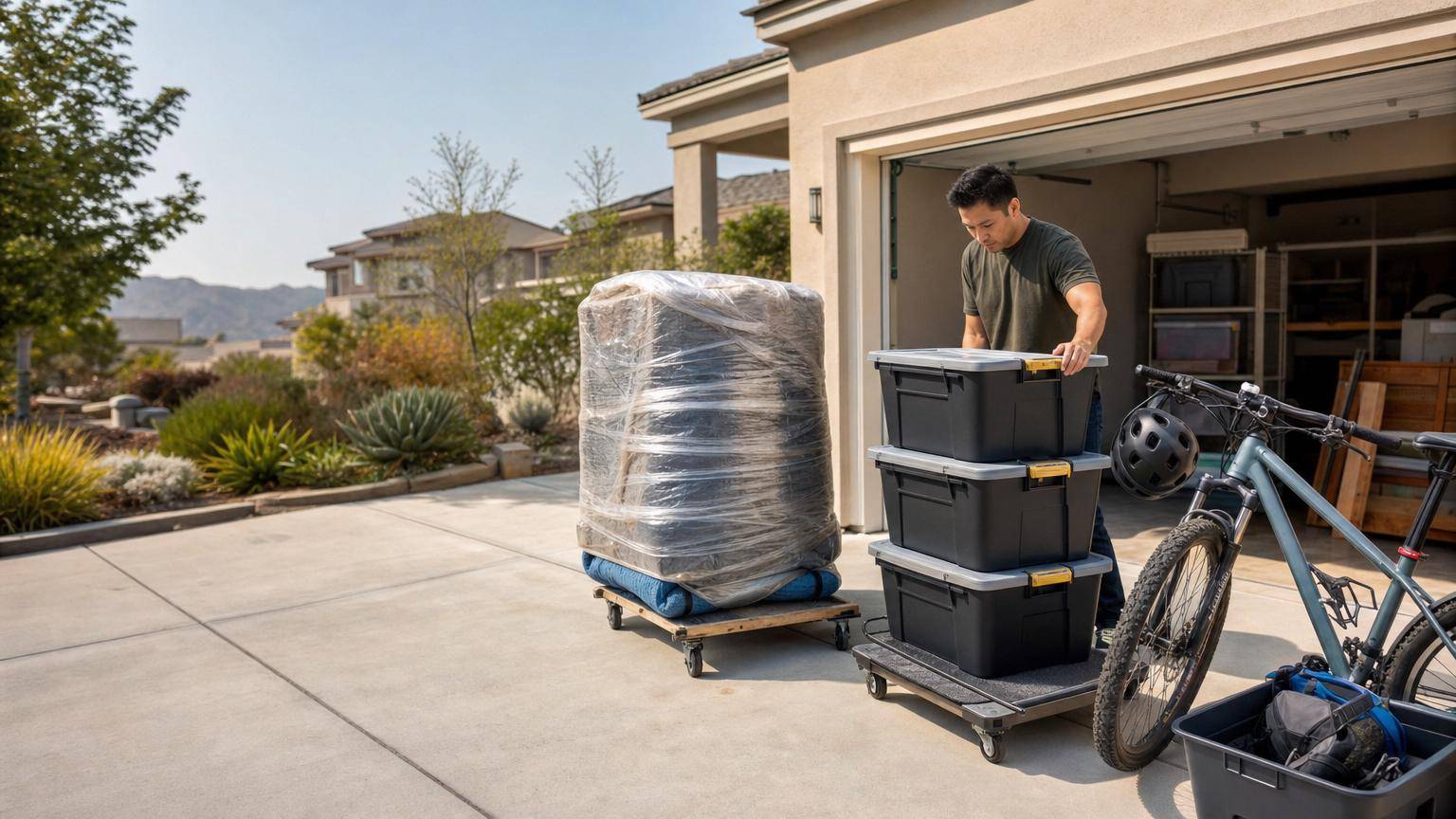
In the sprawling, topography-driven landscape of East County San Diego, the decision to seek external storage is rarely a singular event; it is almost invariably the downstream consequence of a broader lifestyle transition. Whether necessitated by the construction of an Accessory Dwelling Unit (ADU) in a Spring Valley backyard, the acquisition of a recreational vehicle for trips to the Sweetwater Reservoir, or the downsizing of a Mt. Helix estate, the need for square footage is a reflection of the region's dynamic housing and commercial evolution. For residents living within the distinct "mixed" market typology of zip codes 91977, 91978, 91941, 91942, and 92020, this decision is complicated by a unique set of geographic and climatic variables that do not exist in the coastal zones of San Diego.
This report serves as an exhaustive, granular guide for the resident navigating this complex logistical terrain. Unlike the dense urban grids of North Park or the uniform subdivisions of Chula Vista, the area surrounding the 11902 Campo Road facility is a transitional zone. It sits at the intersection of high-density residential planning and semi-rural, equestrian-zoned expanse. Consequently, the storage user here is not a monolith; they range from the condo dweller in Rancho San Diego Towne Center needing a "closet extension" to the general contractor in Casa de Oro requiring a staging ground for renovation materials.
The objective of this analysis is to answer the critical "in-between" questions that standard search queries fail to address. We move beyond the binary of "price" and "size" to investigate the second-order effects of location selection: How does the micro-climate of the Jamacha Valley impact the long-term preservation of antique wood glue joints? What are the specific traffic friction points on SR-94 that dictate the optimal time for moving truck access? How do recent changes in California's ADU legislation specifically alter the storage needs of homeowners in 91977? By grounding this advice in hyper-local data and analyzing the specific operational attributes of the SecureSpace Spring Valley location, we aim to provide a decision-making framework that transforms a logistical burden into a calculated asset management strategy.
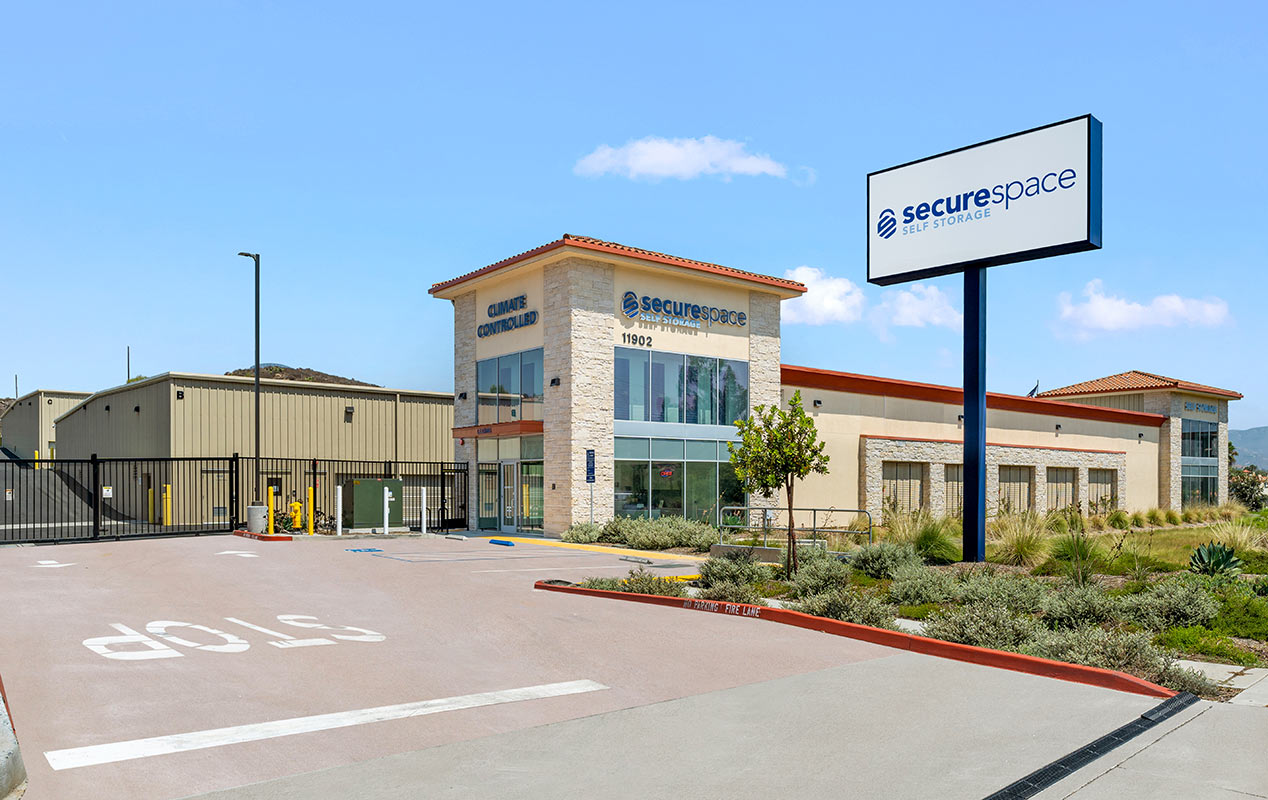
In the realm of self-storage, geography is the primary determinant of long-term satisfaction. A facility may possess superior architectural features, but if its location requires the user to navigate a congested, single-lane choke point or perform a hazardous u-turn against oncoming commuter traffic, its utility is fundamentally compromised. The site at 11902 Campo Road occupies a specific and highly strategic node in the East County transit network—often referred to locally as the "Jamacha Junction"—where State Route 94 intersects with State Route 54.
This intersection is not merely a waypoint; it is the logistical heart of the region. For residents in the primary zip codes of 91977 (Spring Valley) and 91978 (Rancho San Diego), this node represents the path of least resistance. The traffic flow here, while high in volume—exceeding 60,000 vehicles per day—is characterized by continuous movement, distinct from the stop-and-go gridlock found in the dense commercial corridors of El Cajon or the narrow, winding residential streets of La Mesa's historic village.
For the resident towing a boat or driving a 26-foot moving truck, this "permeability"—the ability to enter and exit the traffic stream with minimal friction—is a critical asset. The facility's positioning allows for direct access from major arterials without the need to traverse complex neighborhood grids. This contrasts sharply with older, legacy facilities often buried deep within land-locked residential parcels or industrial cul-de-sacs, where maneuvering large vehicles becomes a stress-inducing trial. The presence of median turn lanes and signalized intersections near the Campo Road facility significantly mitigates the risk of the "final mile," ensuring that the physical act of visiting the unit does not become a deterrent to its use.
While the coastal communities of San Diego benefit from the persistent moderation of the marine layer, Spring Valley and its eastern neighbors exist in a markedly different climatic zone. As one travels east of the CA-125 freeway, the cooling influence of the Pacific Ocean diminishes, and the thermal profile of the high desert begins to assert dominance. This shift creates a micro-climate characterized by higher peak temperatures and, more critically, wider diurnal temperature fluctuations.
Data indicates that average summer highs in Spring Valley frequently reach into the mid-80s and 90s, significantly exceeding coastal averages. However, it is the range of fluctuation—the delta between the day's maximum heat and the night's minimum—that poses the greatest threat to stored goods. This phenomenon, known as thermal cycling, is the silent enemy of material preservation. In an uninsulated garage or standard outdoor shed in 91978, internal temperatures can spike well above 100°F by mid-afternoon, only to drop rapidly after sunset.
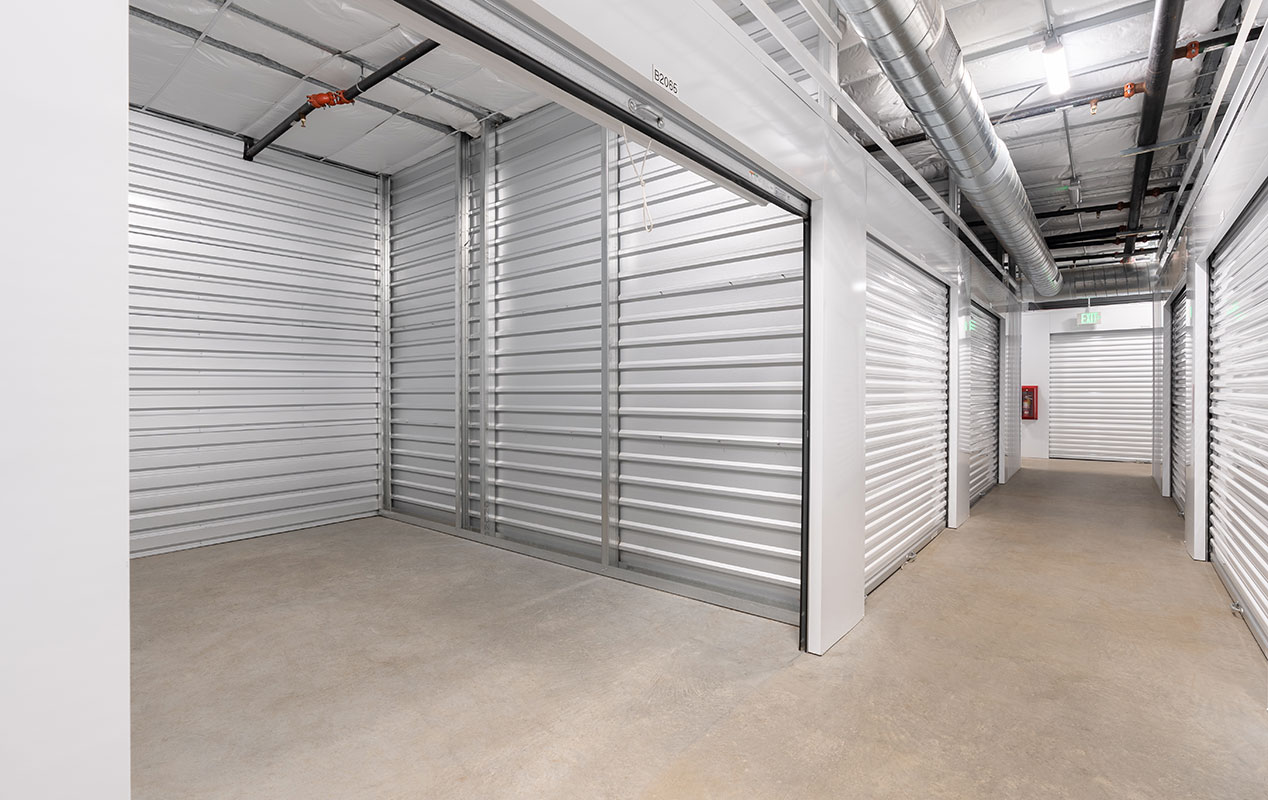
This specific environmental reality necessitates a re-evaluation of "climate control" from a luxury feature to a preservation requirement for residents in this zone. Wood, being hygroscopic, expands and contracts with these temperature swings, leading to fatigue in glue joints and cracking in veneers. Sensitive electronics risk condensation damage as air cools and relative humidity rises. For the resident of Rancho San Diego storing wine, vinyl records, or heirlooms, the stability offered by the climate-controlled units at the Campo Road facility provides a necessary buffer against the aggressive thermal dynamics of the inland valley. It effectively decouples the storage environment from the external weather patterns, maintaining a consistent envelope that mirrors the interior of a home rather than the volatility of an exterior shed.
The 91978 zip code, particularly the area surrounding the Rancho San Diego Towne Center, represents a high density of planned developments and condominium complexes. Residents here enjoy a lifestyle rich in amenities—access to the Edwards Cinema, a diverse array of dining options like Luna Grill and Hooleys Public House, and immediate retail convenience. However, this lifestyle often comes at the cost of personal square footage.
The "Closet Extension" Strategy:
For the condo owner in Rancho San Diego, the decision to utilize external storage is rarely about hoarding; it is about lifestyle management in a constrained footprint. With no basements and limited attic access typical of San Diego construction, the storage unit functions effectively as a detached walk-in closet. The proximity of 11902 Campo Road to the Towne Center—a hub for weekly errands—is a crucial logistical factor. It allows the retrieval of items to be seamlessly integrated into a grocery run to Albertsons or a shopping trip to Target.
Inventory Profile: The typical inventory for this demographic includes seasonal wardrobes, holiday decorations that consume valuable closet space, and recreational gear such as golf clubs or camping equipment that clutters patios and balconies.
Optimal Solution: The 5x5 or 5x10 interior units are the preferred solution here. The priority is not massive capacity but rather accessibility and hygiene. Given the storage of textiles and personal effects, the facility's rigorous pest control protocols become a decisive factor, ensuring that clothes remain pristine and ready for seasonal rotation.
Transitioning north and west into the 91941 zip code, the housing topology shifts dramatically to the custom-built estates and rolling hills of Mt. Helix and Casa de Oro. Here, the lots are expansive, often exceeding half an acre, and the homes are older, mid-century structures that are increasingly changing hands to a younger generation of families.
The "Renovation & Legacy" Strategy:
The primary driver for storage in this demographic is the dual force of renovation and generational transfer. As new owners acquire these established properties, they often undertake significant modernization projects—opening up floor plans, upgrading kitchens, and adding modern amenities.
Renovation Buffering: A comprehensive remodel requires a "clean slate." Furniture and decor cannot simply be shuffled from room to room; they must be evacuated to a dust-free, secure environment to prevent damage from drywall dust and construction debris. The drive-up units at 11902 Campo Road offer the logistical ease required for moving vans to load and unload heavy sectionals, dining sets, and appliances efficiently.
Legacy Management: These older estates often contain inherited antiques or family heirlooms that the new owners may not wish to display immediately but are not prepared to discard. The climate-controlled options are critical in this context, providing a stable environment that prevents the deterioration of antique varnishes, delicate fabrics, and paper documents.
Spring Valley proper (91977) serves as the residential backbone of the region, featuring a diverse mix of single-family starter homes and established neighborhoods. A major trend currently reshaping this area is the rapid proliferation of Accessory Dwelling Units (ADUs). Driven by state laws such as AB 2221 and SB 13, which have streamlined the permitting process, homeowners are increasingly converting garages or constructing backyard casitas to accommodate multigenerational living or generate rental income.
The "Displaced Garage" Strategy:
The conversion of a garage into living space creates an immediate and acute storage crisis. The primary repository for the household's utilitarian goods—tools, bicycles, holiday bins, lawn equipment—disappears overnight.
The Replacement Garage: For residents in this transition, the storage unit becomes the new garage. A 10x20 drive-up unit offers the capacity and access profile necessary to replace the lost 400 square feet of garage space.
Construction Staging: For those opting for detached ADU construction, the backyard often becomes a construction zone for months. A nearby storage unit provides a vital staging area for building materials and a safe harbor for outdoor furniture and grills that would otherwise be exposed to the hazards of an active job site.
To the northeast, El Cajon (92020) acts as a commercial hub with a strong undercurrent of car culture and small business activity. The storage needs in this zip code often tilt towards the commercial and the vehicular.
The "Fleet & Inventory" Strategy:
Small business owners—landscapers, independent contractors, e-commerce sellers—often operate out of vans or home offices but lack the warehousing space for inventory or equipment.
Commercial Bridge: A drive-up unit at a facility like SecureSpace serves as a flexible, micro-warehouse solution. The extended access hours (6am - 10pm) allow contractors to retrieve tools and materials before the start of the workday and return them securely in the evening, keeping their residential driveways clear of commercial clutter.
Vehicle Storage: El Cajon has a robust population of RV and boat owners. However, stringent HOA restrictions and limited driveway space often prohibit the storage of these large assets at home. The facility's provision of paved and covered RV parking acts as a dedicated depot for these high-value recreational vehicles, protecting them from the intense inland sun and ensuring compliance with local parking ordinances.
To make an informed decision regarding storage types in Spring Valley, one must delve into the physics of material preservation. The fundamental argument for climate-controlled storage in this region is not merely about comfort; it is about mitigating the destructive effects of "thermal shock."
In a standard, uninsulated garage or outdoor drive-up unit in the 91977 or 91978 zip codes, the internal environment is subject to the immediate influence of the external weather. As solar radiation heats the metal roof and walls of a standard unit, the interior temperature rises rapidly, often overshooting the ambient air temperature due to the greenhouse effect. Data regarding local weather patterns suggests that during the peak of summer, ambient temperatures can swing from a low of 65°F at dawn to a high of 95°F by mid-afternoon. Inside a non-climate-controlled space, this curve is amplified.
This rapid oscillation creates a "danger zone" for sensitive materials.
Vinyl Records: Vinyl begins to warp permanently at temperatures as low as 140°F—a threshold that can be breached in a closed, unventilated metal unit in direct sunlight.
Wine Storage: Wine is perhaps the most temperature-sensitive commodity stored by residents. The ideal storage range is between 45°F and 65°F. More importantly, stability is key. A garage environment in Spring Valley that spikes into the 80s or 90s essentially "cooks" the wine, causing the liquid to expand and push the cork out (a phenomenon known as seepage), allowing oxygen to enter and spoil the vintage.
Wood Furniture: The relative humidity in a non-controlled unit fluctuates inversely with temperature. As the air heats up, relative humidity drops, drawing moisture out of wood. As it cools at night, humidity rises, forcing moisture back in. This constant expansion and contraction fatigues glue joints, causing antique chairs to wobble and veneers to delaminate.
The climate-controlled units at the Campo Road facility are engineered to flatten this curve. By maintaining a stable temperature range, they eliminate the peaks and valleys of the daily thermal cycle. This stability is the primary mechanism of preservation, ensuring that the physical properties of stored items remain chemically and structurally inert.
Beyond the obvious risks to wine and furniture, the Spring Valley micro-climate poses specific threats to electronics and paper documents. The region's proximity to the coast means that while days can be dry and hot, nights can bring a surge of moisture as the marine layer pushes inland.
In a non-climate-controlled unit, the cooling of the air inside the unit at night can cause the relative humidity to spike, potentially reaching the dew point. For electronics, this creates a risk of microscopic condensation forming on circuit boards and metal contacts, leading to corrosion over time. For paper documents—tax records, legal files, family archives—high humidity encourages the growth of mold and mildew, as well as the chemical breakdown of paper fibers (acidification).
The climate-controlled environment acts as a buffer against these humidity spikes. By preventing the temperature from dropping precipitously at night, the system keeps the relative humidity below the threshold where condensation and mold growth become active risks. For residents of 91941 storing business archives or family photos, this protection is an essential component of long-term preservation strategy.
East County San Diego is synonymous with outdoor recreation. The proximity to the open desert via I-8 and the waters of the Sweetwater Reservoir and San Diego Bay fosters a strong culture of RV and boat ownership. However, this lifestyle often collides with the realities of suburban density and municipal regulation.
Many of the residential communities in Rancho San Diego and Spring Valley, particularly those governed by Homeowners Associations (HOAs), have strict covenants regarding the parking of recreational vehicles. It is common for HOAs to prohibit the parking of RVs, boats, or trailers on driveways or streets for periods exceeding 24 to 72 hours. Even in neighborhoods without HOAs, municipal codes often restrict the parking of oversized vehicles on public streets to prevent congestion and maintain sightlines.
This regulatory landscape creates a structural demand for off-site vehicle storage. The resident who purchases a 30-foot travel trailer or a bay boat is immediately faced with the logistical challenge of where to legally park it when not in use.
The SecureSpace facility at 11902 Campo Road addresses this need with specific infrastructure designed for vehicle preservation—namely, paved and covered parking.
The Importance of Paving: Parking a heavy RV or boat trailer on a non-paved surface (dirt, gravel, or grass) is detrimental to the vehicle's long-term health. Soil retains moisture, which constantly evaporates upwards into the undercarriage of the vehicle. This accelerates rust on the chassis and promotes "dry rot" in tires. Furthermore, during the rainy season, unpaved lots can become soft, leading to vehicles sinking or becoming stuck. The paved surfaces at the Campo Road facility provide a stable, dry foundation that protects the vehicle's structural integrity.
The Necessity of Cover: The sun in the 91978 zip code is intense, with a high UV index typical of Southern California's inland valleys. Prolonged exposure to direct sunlight has a devastating effect on RVs and boats. UV radiation oxidizes fiberglass gel coats, causing them to chalk and fade. It dries out the rubber seals around windows and roof vents on RVs, leading to leaks and water damage. It also degrades tires, shortening their lifespan significantly. The covered parking options at the facility function as a permanent shade structure, blocking this harmful radiation and significantly extending the lifespan of the vehicle's exterior components. This protection translates into direct financial savings by reducing the need for frequent detailing, roof resealing, and tire replacement.
The housing stock in East County, particularly in the 91941 and 91977 zip codes, is entering a critical phase of its lifecycle. Many of the homes in these areas were built in the mid-to-late 20th century and are now prime candidates for modernization. Rather than moving to arguably more expensive coastal markets, many homeowners are choosing to invest in their current properties, transforming them into "forever homes".
This renovation boom drives a specific type of storage demand.
Kitchen Remodels: A full kitchen remodel is a disruptive event that typically spans 6 to 12 weeks. It requires the complete evacuation of the kitchen's contents—dishes, small appliances, pantry items. Moreover, because modern renovations often involve opening walls to create "great room" concepts, the furniture in adjacent living and dining areas must also be removed to protect it from the pervasive dust generated by drywall demolition and sanding.
Flooring Projects: The replacement of flooring is a "whole house" logistical event. It necessitates that every piece of furniture be lifted and removed from the floor surface. While some homeowners attempt to shuffle furniture from room to room, this is inefficient and slows down the contractors. A short-term rental of a nearby drive-up unit offers a superior solution, allowing the house to be cleared entirely so that flooring crews can work without obstruction.
For general contractors, tile setters, and other tradespeople operating in the East County area, the facility at 11902 Campo Road serves as a strategic "micro-hub."
Material Staging: Contractors often need to purchase materials in bulk to secure pricing or ensure availability, but they lack the space to store these materials on the job site securely. A drive-up unit allows them to stage cabinetry, fixtures, and tile in a secure, central location, dispensing them to the job site only as needed.
Tool Security: The high value of commercial tools makes them a target for theft. Storing them in a secure, logged-access facility is often safer than leaving them in a van or on a job site overnight. The facility's extended access hours allow for early morning pickups and late evening drop-offs.
Located just a short drive from the Campo Road facility, Cuyamaca College is a significant driver of seasonal storage needs in the area. The college's academic calendar creates a predictable rhythm of displacement for students.
The Semester Gap: Students often face gaps in their housing leases between the spring and fall semesters. During the summer break, many return to their family homes outside the area but need a place to store their furniture and academic materials. A small storage unit serves as a bridge, allowing them to keep their belongings near campus rather than hauling them back and forth.
Housing Density: Many students at Cuyamaca College live in shared housing arrangements in nearby apartment complexes like Spring Villas or the units on Jamacha Blvd. In these high-density roommate situations, personal space is at a premium. A 5x5 storage unit effectively functions as an "off-site locker," holding seasonal clothing, sports gear, and textbooks that would otherwise clutter a small shared bedroom.
Beyond the student population, the general resident population of Spring Valley utilizes storage to navigate life's transitional moments.
Downsizing: As older residents in Mt. Helix look to downsize from large estates to smaller condos or retirement communities like Covenant Living at Mount Miguel, they often face a surplus of possessions. Storage provides a buffer, allowing them to move into their new, smaller home while taking the time to sort through decades of accumulated belongings at their own pace.
Relationship Changes: In the event of a separation or divorce, one party often needs to move out quickly into a temporary living situation. Self-storage offers an immediate, secure repository for personal items during this volatile period, providing a sense of stability and security for one's possessions while longer-term housing is secured.
In the context of 2026, the concept of "security" in self-storage has evolved far beyond a simple padlock and a chain-link fence. For the resident of Spring Valley, particularly those trusting a facility with high-value renovation materials, business inventory, or irreplaceable family heirlooms, the expectation is a comprehensive, technology-driven security ecosystem.
The facility at 11902 Campo Road integrates a "logged access" environment. This methodology ensures that every interaction with the facility—from the initial entry at the main gate to the opening of a unit door—is a digital event that is recorded and timestamped.
The Digital Perimeter: The primary layer of defense is the controlled access gate. It functions not just as a physical barrier but as a sophisticated filter, allowing only authorized users with unique, traceable access codes to enter the premises. This system effectively eliminates the risk of "tailgating" or unauthorized roaming that is common in older, open-access facilities.
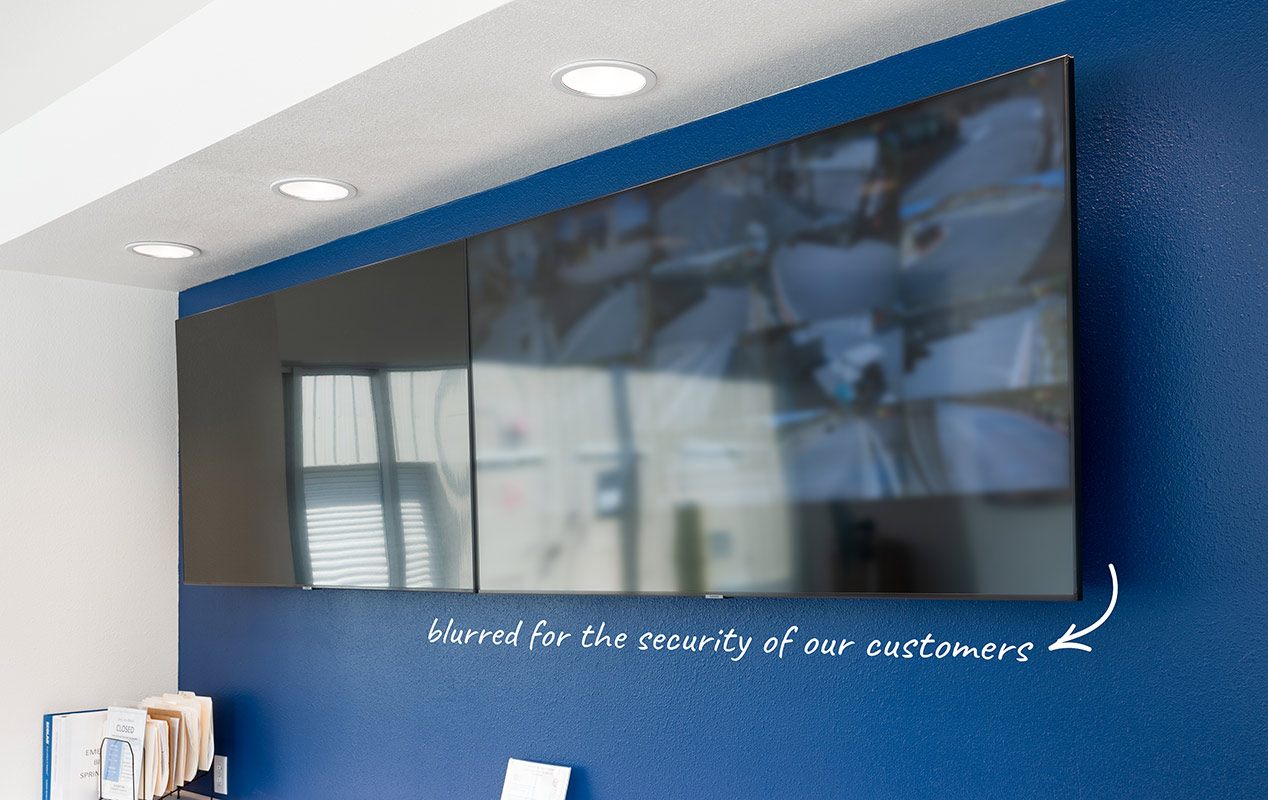
Visual Intelligence: The facility employs "Digital Video Recording" and "Turing Enabled AI security technology". This represents a significant leap forward from traditional analog CCTV systems. Modern AI-enabled cameras are capable of distinguishing between routine activity and potential security threats, such as loitering or unauthorized access attempts. This proactive monitoring capability allows for a faster response to incidents.
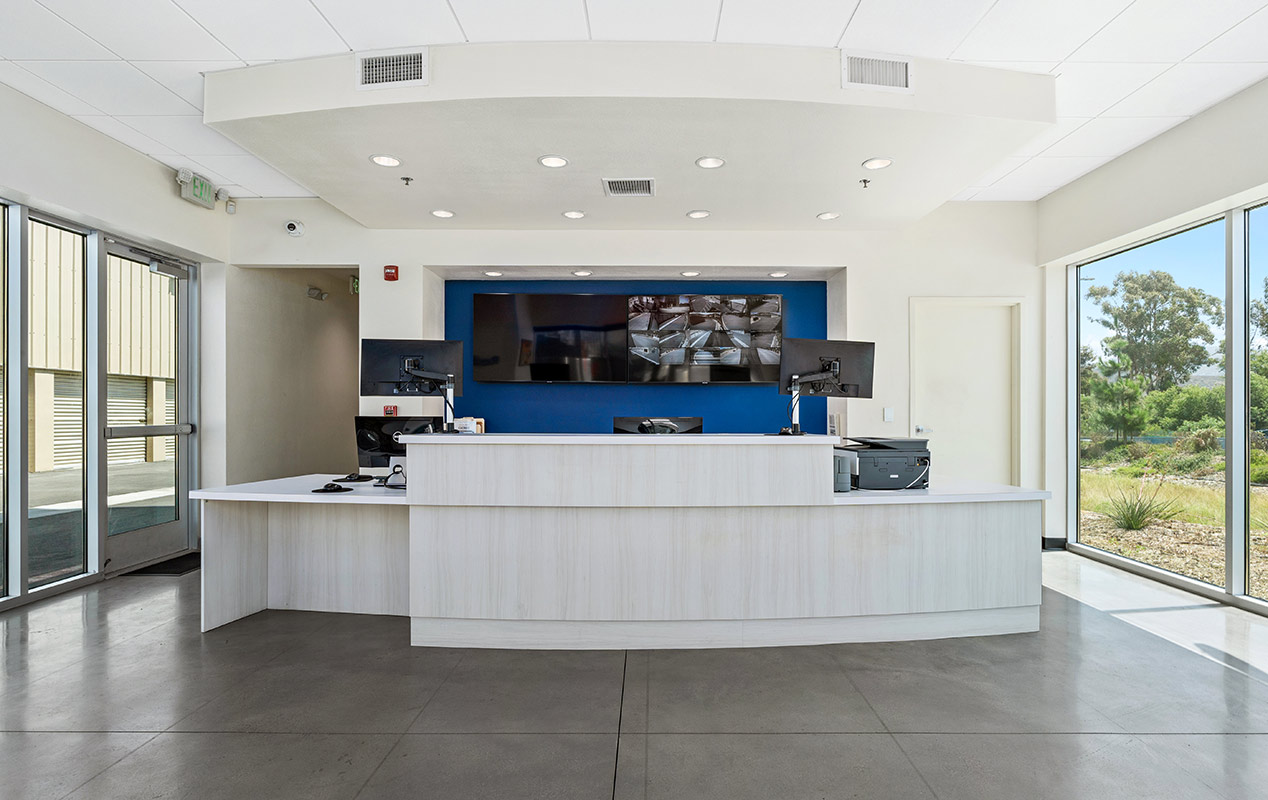
The Human Element: Despite the proliferation of technology, the presence of professional on-site management remains a critical layer of the security architecture. The facility's specific "Manager Hours" ensure that there is human oversight during the day, providing a level of accountability and deterrence that fully automated, unmanned facilities cannot match. A facility that is staffed and monitored offers a "best of both worlds" approach—accessible to the user, yet supervised and secure.
One of the most frequently overlooked aspects of storage facility selection is the "load factor"—the physical effort and complexity required to move items from the vehicle into the storage unit.
The Vertical Challenge: Many multi-story storage facilities, particularly in dense urban environments, rely heavily on elevators. While functional, elevators create significant logistical bottlenecks. A resident attempting to move the contents of an entire apartment on a busy Saturday morning may find themselves waiting for extended periods for an elevator, only to struggle with maneuvering large furniture items like couches and mattresses into the limited dimensions of the cab.
The Drive-Up Advantage: The Spring Valley location features a substantial inventory of drive-up units. This architectural choice acknowledges the suburban and semi-rural nature of the surrounding area. It allows a user to pull their vehicle directly up to the roll-up door of their unit, effectively reducing the "carry distance" to zero. For heavy, bulky items—commercial tools, large appliances, archived files—this is not merely a convenience; it is an occupational health necessity. It transforms what would be a strenuous two-person job into a manageable task for a single individual.
Wide Aisle Widths: The utility of drive-up access is contingent upon the facility's layout. The site plan at Campo Road is designed with aisle widths that can accommodate larger vehicles. This is a critical detail for residents renting 26-foot moving trucks, which require substantial turning radii to maneuver safely. The ability to navigate these larger vehicles through the facility without risk of collision or entrapment is a key operational advantage.
Selecting the appropriate unit size is a critical step in the storage process, often prone to error. Residents frequently overestimate their spatial requirements, leading to unnecessary expense, or underestimate the vertical potential of a storage unit, leading to inefficient packing.
The 5x5 (The Walk-In Closet): This unit size is ideal for the student at Cuyamaca College or the condo dweller in Rancho San Diego. It is capable of holding approximately 20 large boxes or a few small furniture items, effectively serving as an extension of a home's closet space.
The 5x10 (The Studio Apartment): This unit fits the contents of a sparsely furnished one-bedroom apartment or a typical studio, provided the items are packed efficiently. It is the "sweet spot" for a single-room renovation project, where the contents of a bedroom or living area need to be temporarily displaced.
The 10x10 (The Two-Bedroom): This is the standard unit size for a significant residential move. It offers the capacity to hold the contents of a two-bedroom apartment or a small single-family home. It provides enough floor space to create aisles, allowing for access to items at the back of the unit.
The 10x20 (The Garage Replacement): This unit is the definitive solution for the homeowner undertaking a whole-house remodel or the family moving from a large 4-bedroom estate. With dimensions roughly equivalent to a standard one-car garage, it can accommodate large appliances, extensive furniture sets, and dozens of boxes.
When planning a move to the 11902 Campo Road facility, the timing of the visit is a crucial variable that can significantly impact the ease of the experience.
Commuter Avoidance: Campo Road is a major artery for commuters traveling between East County and the central employment hubs of San Diego. The traffic volume fluctuates predictably throughout the day. To ensure a stress-free experience, particularly when driving a large moving truck or towing a trailer, it is advisable to avoid the peak commuter windows. The ideal times for access are mid-morning, between 10:00 AM and 11:30 AM, or mid-afternoon, between 1:30 PM and 3:00 PM. Avoiding the heavy westbound traffic flow from 7:00 AM to 9:00 AM and the eastbound rush from 4:00 PM to 6:00 PM will make maneuvering into and out of the facility significantly easier.
The Turn Mechanics: The facility is situated near the intersection of Campo Rd and other local feeder streets. Drivers should be aware of the specific traffic patterns and median configurations. When approaching from the west (the freeway side), access is typically a straightforward right-in turn. However, when approaching from the east (Rancho San Diego), drivers may need to utilize the center turn lane to cross traffic. It is highly recommended to scout the entrance using tools like Google Maps Street View prior to the first trip, especially if towing a trailer, to understand the turning radius and lane positioning required.
While a direct discussion of specific rental rates is outside the scope of this guide, the concept of "value" in storage is a function of utility per dollar. In the diverse Spring Valley market, a "cheap" storage rate often correlates with a facility that offers lower security, limited access hours, or unpaved surfaces in a less desirable industrial zone.
The true "value" proposition at 11902 Campo Road is derived from the efficiency of the visit. If the facility's strategic location near the freeway saves a resident 20 minutes of drive time per round trip, and the drive-up layout saves an hour of physical loading and unloading time, these time savings translate into tangible economic value. This is particularly relevant when paying professional movers by the hour. Furthermore, the protection of assets afforded by climate control and advanced security features prevents the "hidden cost" of damaged, degraded, or stolen goods, ensuring that the items stored retain their value over time.
For the resident of Spring Valley, Rancho San Diego, or La Mesa, the SecureSpace facility at 11902 Campo Road represents a sophisticated solution to the complex logistical challenges of life in East County. It is more than simply a repository for boxes; it is a piece of residential infrastructure that supports the unique lifestyle of the region.
Whether serving as a bridge during the renovation of a historic Mt. Helix estate, providing the necessary overflow space for a Rancho San Diego condo, or offering a secure, sun-protected harbor for a recreational vehicle, the facility offers a solution that is engineered for the specific climatic and logistical realities of the 91978 zip code. By prioritizing critical factors such as accessibility, security, and climate stability, residents can transform the often-stressful task of storage into a streamlined, low-stress extension of their home management strategy. In the complex and varied topography of East County, 11902 Campo Road stands out as the integrated, smart decision for the discerning resident.
Everything you need to store your belongings securely, on your schedule.
Visit us online